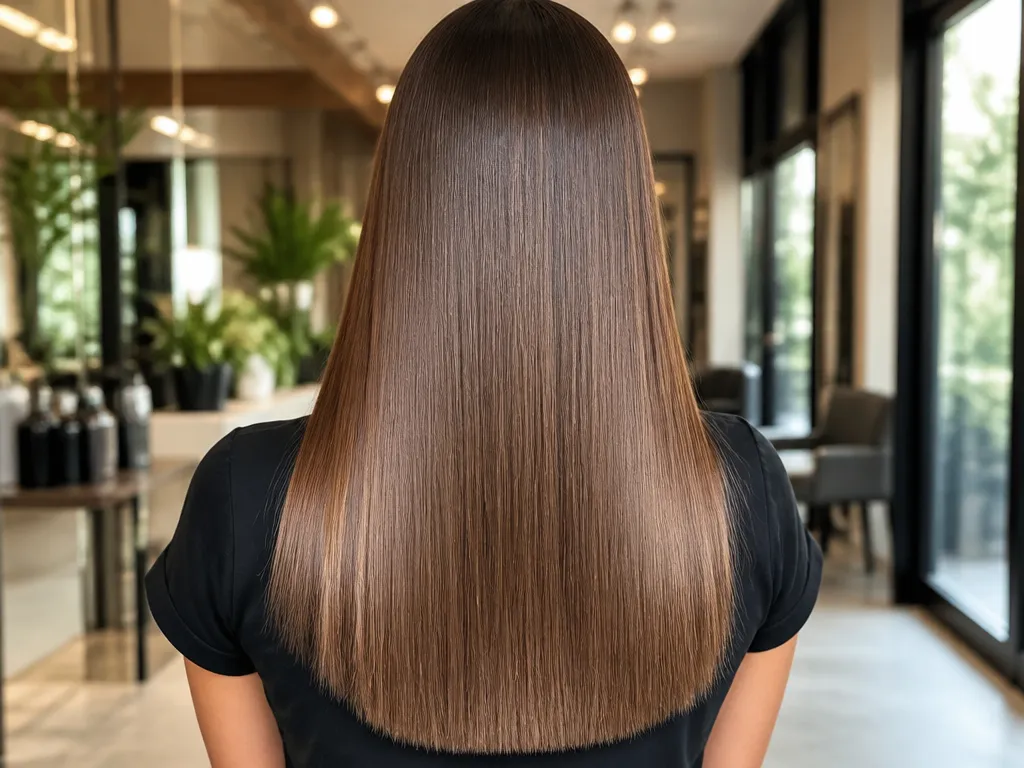
What Does A Protein Treatment Do To Hair?
Your hair can feel like straw after a single round of bleach or intense heat styling. You might think more conditioner is the fix, but you actually need to address the structural gaps in your hair shaft. Strength and moisture each address different needs, so choosing the right approach helps you avoid wasting money on the wrong products.
Protein treatments fill gaps in the hair cuticle to temporarily increase strength and reduce breakage. These treatments use hydrolyzed proteins like keratin or silk amino acids to patch damaged areas. You should use them once every 4 to 6 weeks to avoid making hair brittle or stiff.
Best for: Chemically treated, bleached, or high-porosity hair. Use caution if: Hair feels dry, crunchy, or has low porosity.
What Does A Protein Treatment Do To Hair?
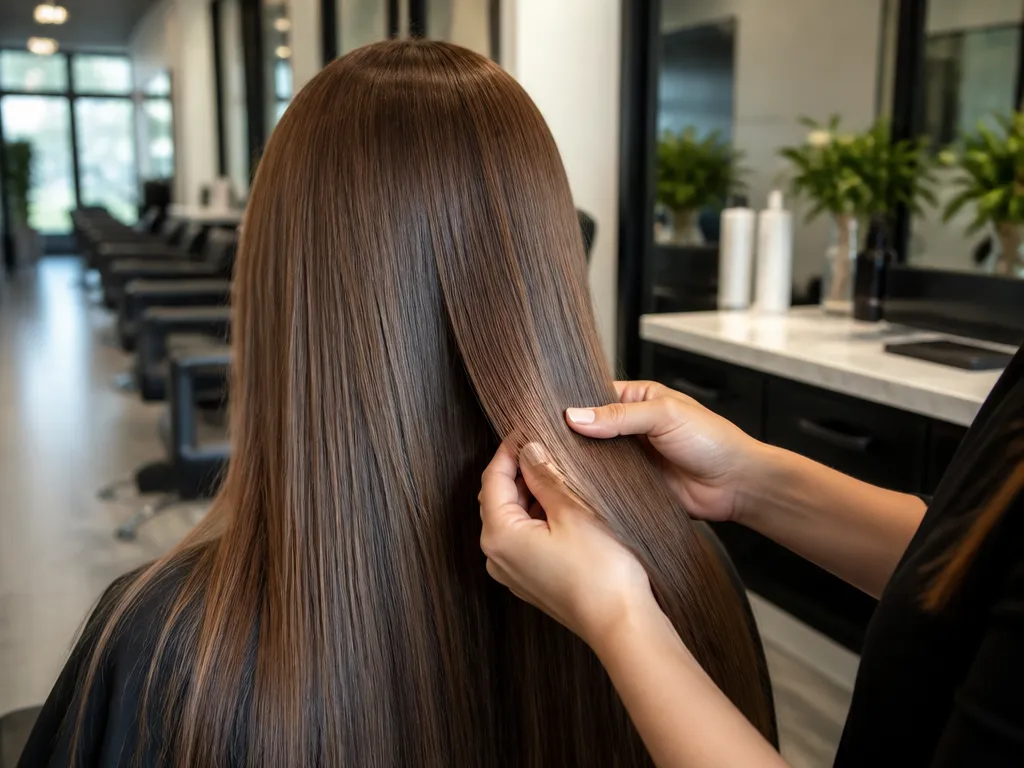
Protein treatments temporarily repair damaged hair by filling gaps in the cuticle layer and reinforcing the hair’s internal structure with amino acids and proteins like keratin. These treatments bind to the hair shaft, reducing breakage and improving elasticity while creating a smoother surface that reflects light better.
For chemically treated hair that has undergone coloring, bleaching, or relaxing, protein treatments help restore some of the strength compromised by these processes. The proteins penetrate the hair cortex and cross-link with existing proteins, temporarily rebuilding weakened areas from within.
How Protein Treatments Work
Protein treatments function through a process called “subsurface conditioning” where hydrolyzed proteins (broken down into smaller molecules) penetrate the hair’s cortex and bind to damaged areas. These proteins then swell when water is introduced, temporarily plumping the hair shaft and reducing porosity.
The effects of protein treatments are temporary, typically lasting 4-6 washes, as the proteins gradually wash out with each shampoo. This means consistent application is necessary to maintain the benefits, especially for frequently treated or damaged hair.
“Protein treatments are like emergency first aid for damaged hair. They provide immediate relief but don’t address the underlying causes of damage that require proper care and less aggressive styling practices.” – Trichologist Dr. Elena Rodriguez
Temporary Vs. Permanent Structural Changes
Unlike permanent chemical treatments that alter hair‘s structure at a molecular level, protein treatments only create temporary physical changes. They don’t repair the hair’s disulfide bonds or fundamentally change its composition.
| Temporary Effects | Permanent Changes |
|---|---|
| Fills gaps in cuticle | Alters disulfide bonds |
| Reduces porosity temporarily | Changes hair’s texture permanently |
| Improves manageability | Cannot be reversed |
Excessive protein use can lead to protein overload, where hair becomes stiff, brittle, and prone to breakage. This occurs when too much protein builds up on the hair cuticle, creating a barrier that prevents moisture from entering the hair shaft.
Identify Your Hair’s Protein Needs
Understanding whether your hair requires protein or moisture balance is essential before applying treatments. Hair that stretches slightly then bounces back needs protein, while hair that stretches excessively without returning indicates moisture deficiency.
The Elasticity Stretch Test
Perform the elasticity test on a wet hair strand by gently stretching it. Healthy hair with adequate protein will stretch about 50% of its length and return to normal. If your hair breaks before stretching or doesn’t bounce back, it lacks protein. For hair that stretches beyond 50% without returning, moisture is your priority.
Signs Of High Porosity Damage
Highly porous hair often shows these symptoms: quick absorption of water but rapid drying, frizz, tangling, and color fading. These characteristics indicate damaged cuticles that protein treatments can help temporarily fill and smooth. Notice if your hair feels rough despite regular moisturizing, which suggests protein may be needed to repair the internal structure.
Symptoms Of Protein-sensitive Hair
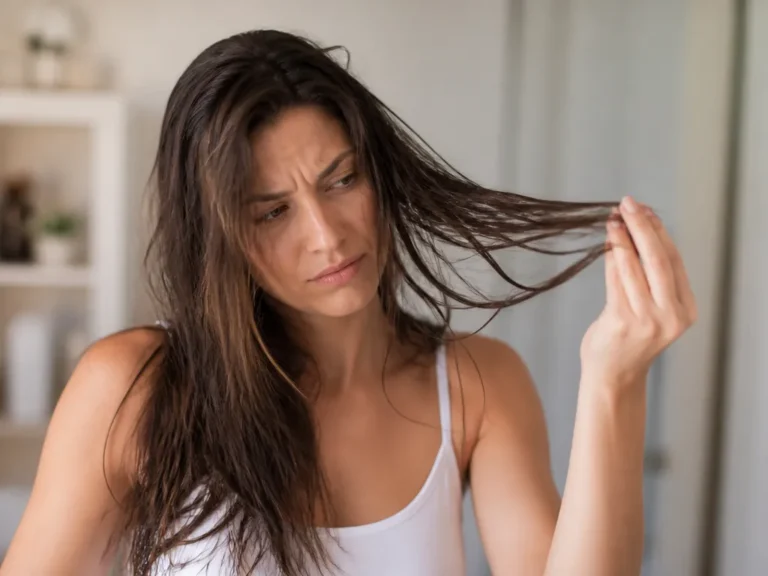
Overuse of protein treatments manifests as stiff, straw-like texture, excessive dryness, increased breakage, and difficulty detangling. If your hair becomes rough or brittle after protein treatments, you may be protein-sensitive. This condition requires alternating between protein and moisture treatments or reducing protein frequency entirely to restore balance.
Effective Protein-rich Ingredients
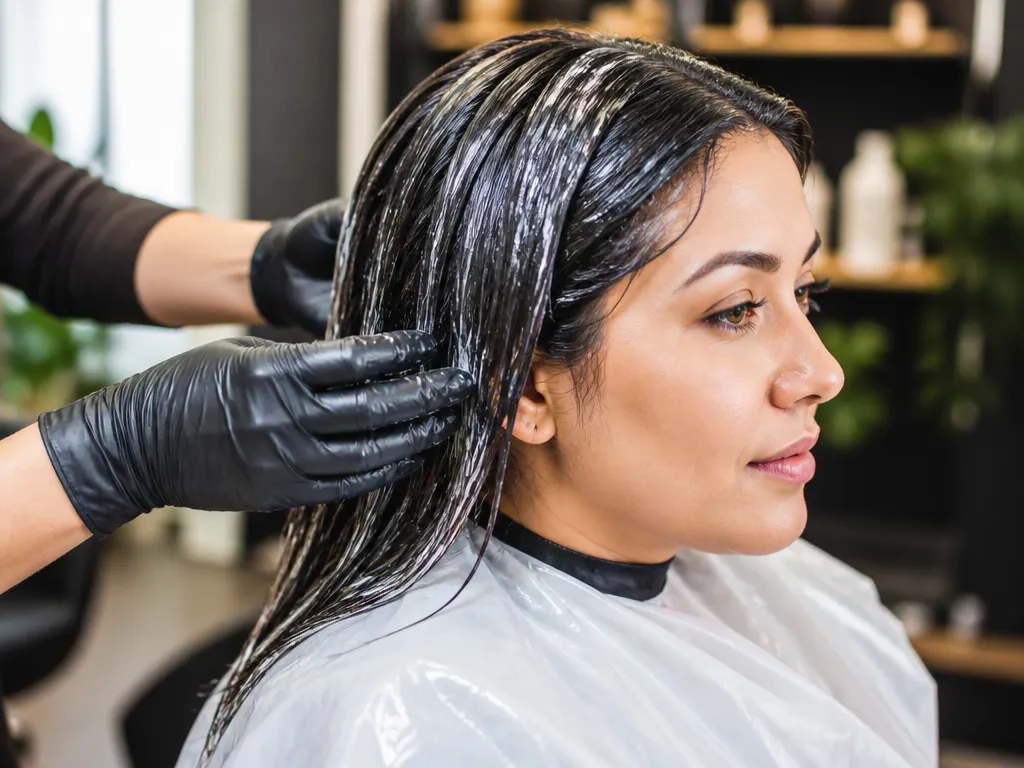
Protein treatments work by penetrating the hair cuticle to strengthen weakened areas and temporarily repair damage. Different protein ingredients offer unique benefits depending on their molecular size and compatibility with hair structure.
Hydrolyzed Keratin
Hydrolyzed keratin is the most common protein ingredient in hair treatments, derived from the same protein naturally found in hair. It works by filling in gaps along the hair cuticle, temporarily rebuilding strength and elasticity. This ingredient is particularly effective for chemically treated or heat-damaged hair that has lost its natural protein structure.
Silk Amino Acids
Silk amino acids provide excellent shine and smoothness to the hair cuticle. These smaller protein molecules coat the hair surface, reducing friction and creating a reflective finish. Silk proteins work best for medium to high porosity hair types that can absorb their benefits without becoming overly stiff or crunchy.
Wheat And Soy Proteins
Wheat and soy proteins offer moisture-binding properties that improve hair texture and manageability. These plant-based proteins help retain water within the hair shaft, reducing frizz and improving flexibility. They work particularly well for fine to medium hair textures that need volume without heaviness.
| Item | Amount/Specification | Notes |
|---|---|---|
| Hydrolyzed Keratin | 1-5% concentration | Best for severely damaged hair; avoid using more than once monthly |
| Silk Amino Acids | 0.5-2% concentration | Provides shine without weight; safe for frequent use |
| Wheat Protein | 0.5-3% concentration | Improves moisture retention; may cause stiffness in high amounts |
| Soy Protein | 1-4% concentration | Good for fine hair; adds volume without heaviness |
When choosing protein treatments, consider your hair’s current condition and protein sensitivity. Overuse of protein can lead to hair that feels stiff, straw-like, and prone to breakage. Test protein treatments on a small section first to determine your hair’s tolerance and response.
Optimal Protein Treatment Routine
Protein treatments work best when paired with a clarifying wash and a hydrating finish to prevent the hair from becoming too stiff. This balance maintains the structural integrity of the hair shaft without sacrificing elasticity.
Esthetician tip: Always apply products from the most porous areas (ends) to the least porous areas (roots) to avoid protein buildup at the scalp.
Porosity Adjustments
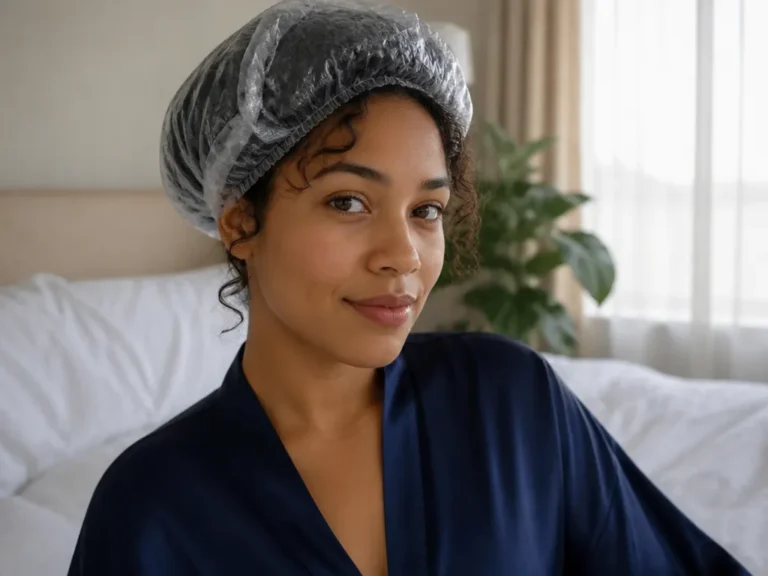
Low porosity hair has tightly closed cuticles that block protein from entering the shaft. Use a steamer or a warm towel over a shower cap to help the product penetrate. Heat opens the cuticle and allows the treatment to work. High porosity hair absorbs protein quickly and may need shorter processing times to avoid stiffness.
For those with very fine hair, avoid applying protein to the roots to prevent weighing the hair down. Start the application two inches away from the scalp. This ensures the volume remains at the crown while the ends get the strength they need.
In practice, a person with bleached, high-porosity hair should use a protein treatment every two to four weeks. Someone with virgin, low-porosity hair may only need one every two months.
| Step | Product Type | Primary Goal |
|---|---|---|
| 1 | Clarifying Shampoo | Remove buildup |
| 2 | Protein Treatment | Fill cuticle gaps |
| 3 | Deep Conditioner | Restore elasticity |
| 4 | Leave-in / Oil | Seal moisture |
Budget options include Aphogee Two-Step Protein Treatment ($15). High-end options include Kérastase Resistance Masque ($60). Both use hydrolyzed proteins to strengthen the hair.
Patch test the product on a small strand of hair behind the ear before full application. This helps you identify if your hair is protein-sensitive before you commit to the full routine.
Common Protein Application Mistakes
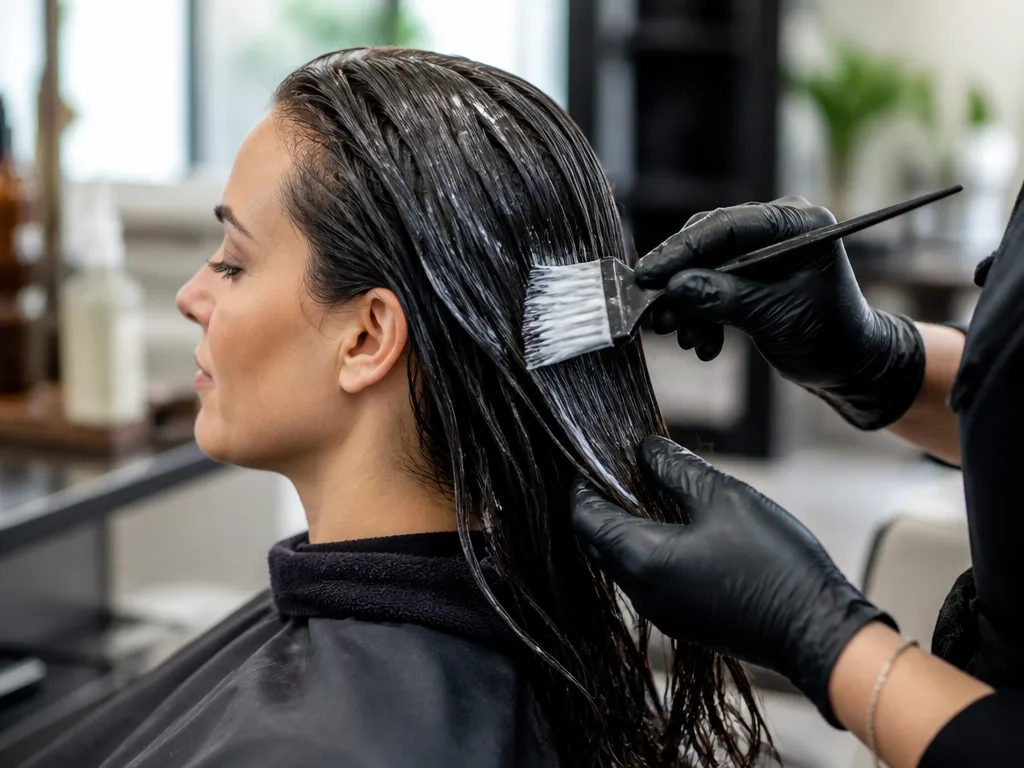
Protein treatments strengthen hair by filling gaps in the cuticle, but applying them too frequently or incorrectly strips natural oils and causes dryness. This imbalance turns healthy strands brittle and prone to snapping rather than smoothing. Overloading hair with too much protein is a common error that counteracts the intended benefits.
Low-porosity hair features a tightly sealed cuticle that repels heavy ingredients. Applying a heavy protein mask to this hair type often results in a white cast on the strands and a stiff texture. Instead of penetrating, the product sits on the surface and eventually weighs the hair down.
Hair requires a specific ratio of moisture to protein to remain elastic. If you use a protein treatment without a follow-up moisture rinse, the hair becomes rigid. Follow the protein treatment with a deep conditioning mask to restore softness.
| Signs of Too Much Protein | Signs of Not Enough Protein |
|---|---|
| Stiff, straw-like texture | Excessive shedding or breakage |
| Difficult to comb or brush | Frizz and flyaways |
| White residue on the hair | Weak tips |
Budget Vs Professional Options
Drugstore options provide surface-level protein for maintenance, while salon services use heat or chemical catalysts to bond protein deeper into the hair shaft. This difference determines whether results last a few washes or several months.
Drugstore Staples
Drugstore masks usually contain hydrolyzed wheat protein or hydrolyzed keratin. These proteins are broken down into smaller molecules to temporarily fill gaps in the hair cuticle. They work well for low to medium porosity hair that needs a quick strength boost.
For example, a budget-friendly option like SheaMoisture (approx. $13) provides a mild protein hit. High-end options like Kérastase (approx. $60) use more refined delivery systems. Both aim to reduce frizz and add temporary rigidity to the strand.
| Option | Price Range | Key Ingredients | Best For |
|---|---|---|---|
| Drugstore Mask | $5 – $20 | Hydrolyzed Wheat/Silk | Mild damage, maintenance |
| Bond Builder | $30 – $80 | Bis-Aminopropyl Diglycol | Chemical/Bleach damage |
| Salon Keratin | $150 – $300 | Keratin + Heat Catalysts | Severe frizz, long-term smoothing |
Salon-grade Systems
Professional treatments often involve a chemical process to alter the hair structure. Keratin treatments use heat to seal protein into the hair, which removes frizz for three to five months. Bond builders, such as Olaplex or K18, focus on the disulfide bonds rather than just adding protein.
These are best for high porosity hair or hair damaged by bleach. Because they are powerful, they require a professional to avoid protein overload, which makes hair snap. Expect to pay between $100 and $300 depending on the service.
Esthetician tip: Always perform a strand test before applying a high-protein treatment to ensure your hair does not feel brittle or “crunchy” after rinsing.
Expert Tips For Lasting Strength
Protein treatments require a strict balance with moisture to prevent the hair shaft from becoming too rigid. Overusing these products leads to protein overload, which makes hair brittle and prone to snapping.
Frequency And Hair Porosity
Frequency depends on your hair porosity and damage level. High porosity hair, often caused by bleach or chemical relaxers, can handle these treatments every 2 to 4 weeks to maintain structural strength.
Quick Summary
Protein treatments work by using hydrolyzed proteins like keratin or silk amino acids to fill structural gaps in the hair cuticle. This process provides temporary strength and helps reduce breakage for hair that has been chemically treated, bleached, or is high in porosity. These treatments function through subsurface conditioning where smaller protein molecules penetrate the cortex to reinforce the internal structure. By binding to the hair shaft, they improve elasticity and create a smoother surface that reflects light more effectively.
The effects of these treatments are temporary and typically last for four to six washes as the proteins gradually wash out. To prevent hair from becoming stiff or brittle, use treatments according to your hair’s damage and porosity level, and always follow them with a hydrating conditioner. You can test your needs using the elasticity stretch test, where healthy hair should stretch about 50 percent of its length. The most important takeaway is to balance protein with moisture to avoid protein overload.
| Ingredient Type | Primary Benefit |
|---|---|
| Hydrolyzed Keratin | Mimics natural hair structure |
| Wheat Protein | Improves moisture retention |
| Silk Protein | Adds shine and reduces friction |
| Collagen | Increases diameter and volume |
Frequently Asked Questions
How Often Should I Use A Protein Treatment?
You should typically use a protein treatment every 4 to 6 weeks, adjusting the frequency for your hair’s level of damage and porosity. Using it too frequently can lead to protein overload, which makes your hair feel brittle and prone to snapping.
What Is The Difference Between A Protein Treatment And A Moisture Mask?
Protein treatments focus on repairing the hair shaft and filling gaps in the cuticle, while moisture masks add hydration and elasticity. For healthy hair, you need a balance of both to ensure your strands are both strong and flexible.
How Can I Tell If I Have Protein Overload?
If your hair feels stiff, straw-like, or snaps easily when you pull on it, you likely have too much protein buildup. When this happens, stop all protein use and switch to intensive moisture treatments for at least two weeks.
What Is The Correct Order To Apply These Products?
You should start with a clarifying shampoo, apply the protein treatment, and then finish with a moisturizing conditioner. This order allows the protein to penetrate the hair before the conditioner seals the cuticle and restores softness.
Is The Expensive Salon Version Worth It Compared To Drugstore Brands?
Salon treatments are often more effective because they use lower molecular weight proteins that can penetrate deeper into the hair cortex. Drugstore options are great for light maintenance, but they often only coat the surface of the hair for temporary smoothness.

- 10 Best Hair Oil For Overnight Treatment Buyer Guide 2026 - October 26, 2026
- 10 Best Hair Oil For One Year Old Baby Buyer Guide 2026 - October 26, 2026
- 10 Best Hair Oil For Oily Skin Buyer Guide 2026 - October 26, 2026