What Does Leave In Conditioner Do To Curly Hair?
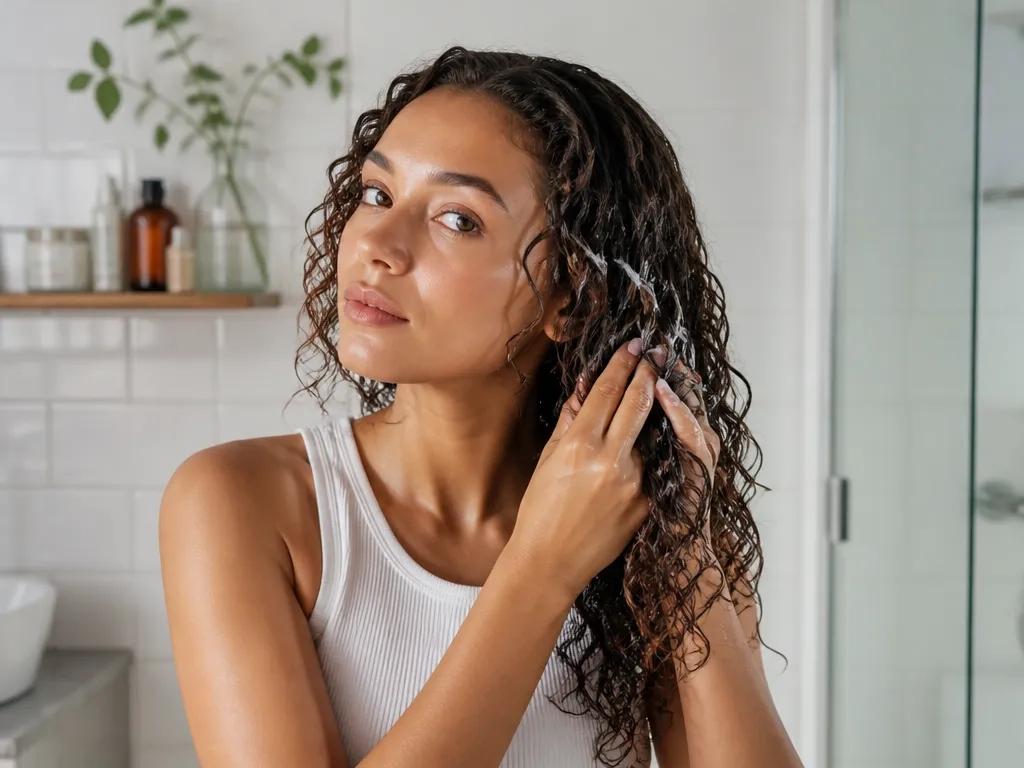
Curly hair loses moisture faster than straight hair because natural oils struggle to travel down the spiral shape. You might feel like your curls are perpetually thirsty or prone to a frizz explosion the second you step outside. Understanding how to layer moisture properly can change your entire texture game without adding unnecessary weight.
Leave in conditioner provides essential hydration, surface slip for detangling, and frizz control for curly hair. It uses humectants to draw in water and emollients to seal the cuticle. Applying a small amount to damp hair helps create defined curl clumps and reduces breakage by 1 or 2 steps in your styling routine.
Best for: Dry, high-porosity, or coarse curls. Use caution if: Fine, low-porosity hair or oily scalps.
What Does Leave In Conditioner Do To Curly Hair?
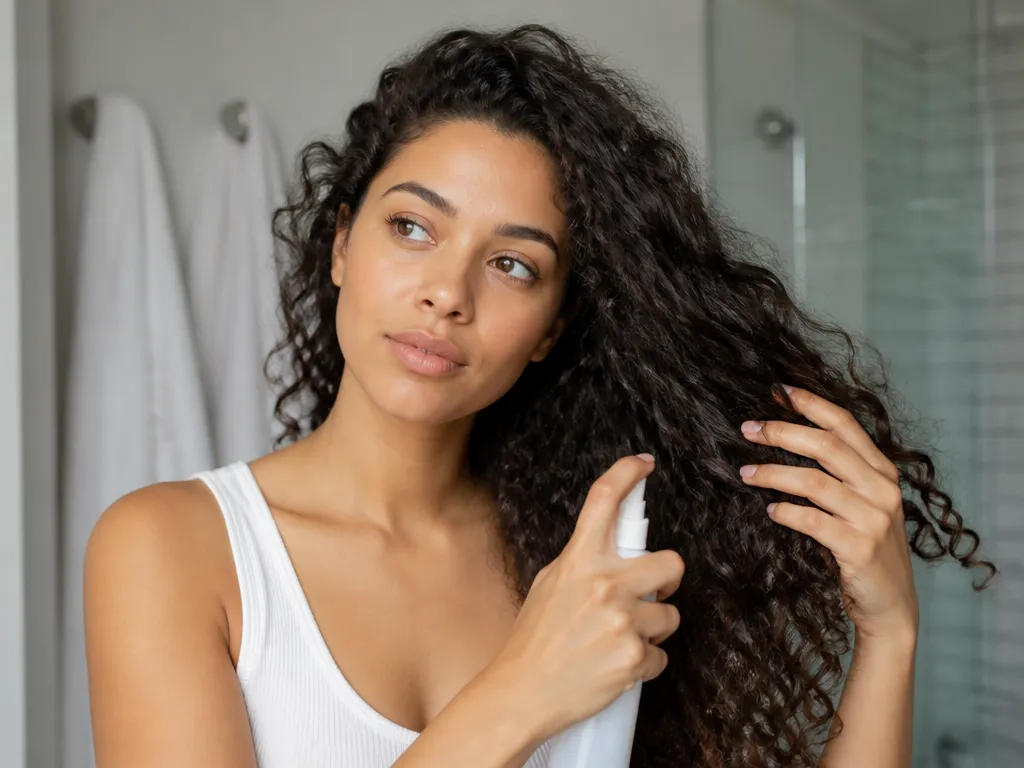
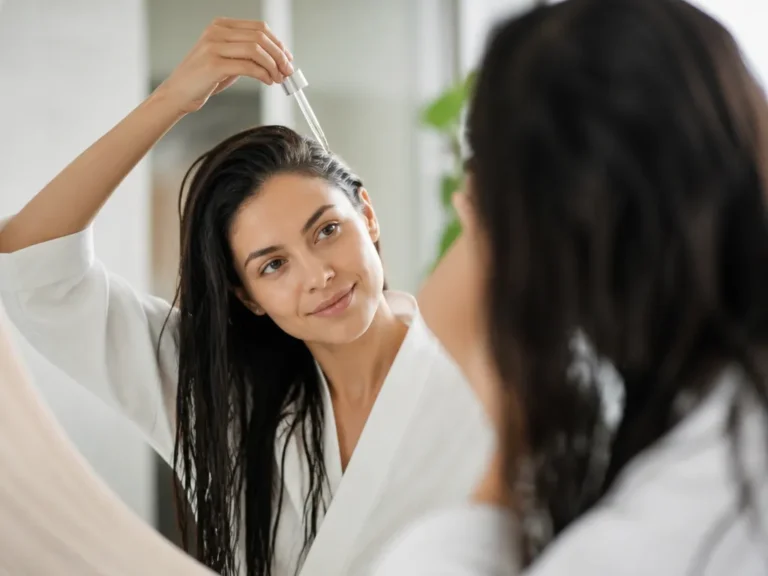
Leave-in conditioner gives curls water and slip so they feel softer, tangle less, and dry more evenly. Apply a small amount to damp hair from the mid-lengths to the ends, keeping it away from the roots. Leave-in conditioner also helps smooth the hair cuticle, which makes curls look shinier and feel less rough. For curly hair, that usually means more clumps, less frizz, and better manageability for days you want your style to stay intact.
Hydration and moisture retention are the first visible benefits. Many leave-ins contain humectants like glycerin (draws water in) and panthenol (helps hair hold onto moisture), plus emollients such as silicones (for slip and smoothness) or plant oils (for softness). This helps reduce the “dry-out between wash days” feeling that curly hair often gets after shampoo and heat exposure.
Frizz reduction happens when the product improves how strands slide past each other and how smoothly they dry. A smoother cuticle reduces the fuzzy flyaways that occur when curls lose moisture and swell in humidity.
In practice, the hair should feel hydrated and silky, not coated like it needs a second wash.
How Leave-in Helps Curl Definition (And What It Doesn’t)
Curl clumping and definition improve because leave-in adds slip for even distribution and can reduce tangling while you style. When you rake through with your fingers and then apply gel or mousse, the leave-in helps curls form clumps instead of separating into uneven strands.
Leave-in conditioner also supports breakage prevention by making hair easier to detangle. When curls are detangled with less tugging, you often see fewer snapping ends and less overall puffiness from friction.
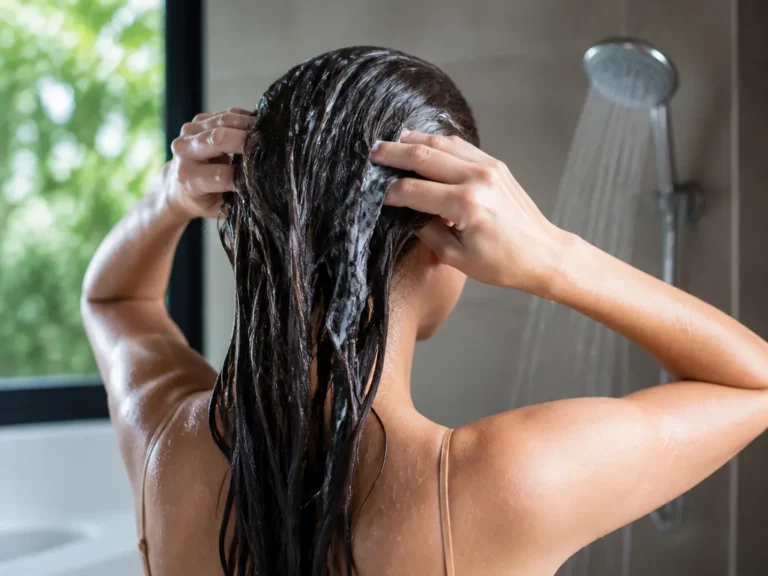
Pro tip: apply leave-in to wet or damp hair after cleansing, then style immediately. Delayed application can leave strands damp in uneven spots, which can increase frizz as they dry.
Leave-in conditioner will not permanently “set” your curl pattern like heat or long-wear styling products. Leave-in conditioner is also not a substitute for a curl-defining step when you want hold. Too much leave-in can lead to buildup, flat roots, or crunchy feel if you layer it over heavy oils or multiple creamy products.
| Goal | What Leave-In Does | What Leave-In Won’t Do |
|---|---|---|
| Moisture | Improves softness and reduces dryness | Does not replace wash day hydration (mask/conditioner) |
| Frizz | Smooths cuticle for a cleaner finish | Does not fully block humidity without gel or styling hold |
| Definition | Helps curls clump evenly during styling | Does not lock in shape on its own |
On timing and feel: use leave-in after cleansing, then apply a small amount (start with a coin-sized amount for medium-length hair). This works best for oily to combination skin of the scalp when you keep the product off the roots and focus on the lengths.
Ingredient trade-offs matter. Look for glycerin, panthenol, and light emollients if you get frizz, and look for proteins like hydrolyzed keratin only if your hair feels limp (too much can make curls stiff). Patch-test any new leave-in, especially if you have a sensitive scalp or allergies to fragrances or common preservatives, and stop use if you get itching or burning.
For most curly routines, the order is simple: cleanse, condition/rinse, then leave-in on damp hair, then seal with a styler (gel or mousse) based on the amount of hold you want. High humidity days often require more hold and less leave-in heaviness, so the curls dry defined instead of coated.
Identify Your Curl Porosity Level
Hair porosity measures how effectively your strands absorb and retain moisture. This characteristic dictates whether you should reach for a watery spray or a thick, buttery cream to achieve the best results with your leave-in products.
Low porosity hair has tightly closed cuticles that resist water penetration. Moisture often sits on top of the hair shaft, making it feel greasy or weighed down quickly. You need lightweight, humectant-rich formulas like those containing glycerin or aloe vera to penetrate the surface without buildup.
High porosity hair features gaps or openings in the cuticle that allow moisture to enter easily but also cause it to escape just as fast. This hair type often feels dry, frizzy, or brittle even shortly after washing. You require heavy emollients like shea butter, coconut oil, or argan oil to seal the cuticle and lock hydration inside.
The Float Test
Testing your hair’s absorption provides a quick baseline for your needs. While not a scientific laboratory measurement, this method offers a practical starting point for adjusting your routine.
Hair that floats on the surface indicates low porosity because the cuticles are too tight to let water in. Hair that sinks to the bottom suggests high porosity because the water entered the shaft immediately.
Pro tip: If your hair sits in the middle of the glass, you likely have medium porosity, which is the easiest type to manage with a balance of light and heavy products.
| Porosity Type | Texture Feel | Recommended Product Weight | Key Ingredient Focus |
| Low | Smooth, shiny, slow to wet | Lightweight sprays/milks | Humectants (Glycerin) |
| Medium | Easy to style, holds shape | Balanced creams/lotions | Mix of both |
| High | Rough, frizzy, absorbs fast | Heavy butters/oils | Emollients (Shea Butter) |
Key Ingredients For Curly Hair
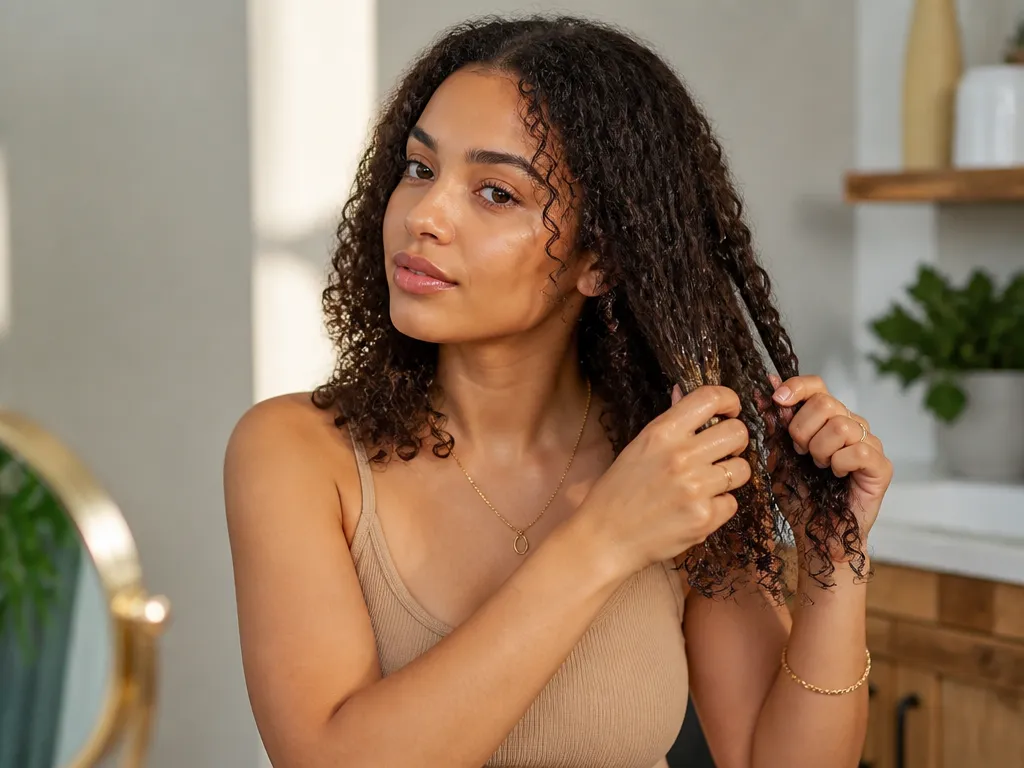
Effective leave-in formulas rely on a balance of humectants, emollients, and proteins to maintain curl shape and moisture. Humectants pull water into the hair shaft, while emollients seal that moisture in to prevent frizz. Proteins provide the necessary structural support to keep curls from becoming limp or mushy.
Moisture And Structure
Humectants like glycerin and aloe vera work by attracting water molecules from the air into the hair cuticle. These ingredients are vital for high-porosity hair that loses moisture quickly. However, in very dry climates, too much glycerin can actually pull moisture out of the hair, so look for blends that include occlusives.
Emollients such as shea butter and coconut oil create a protective barrier on the hair surface. These oils soften the hair and increase shine by smoothing the cuticle. For fine curls, choose lighter oils like jojoba or argan oil to avoid weighing the hair down.
Proteins like hydrolyzed silk or keratin reinforce the hair’s internal structure. This is especially helpful for curls that have been chemically treated or heat styled. Overusing protein can lead to stiffness, so balance it with plenty of hydration.
| Ingredient Type | Examples | Primary Benefit |
|---|---|---|
| Humectants | Glycerin, Aloe Vera, Honey | Attracts and retains water |
| Emollients | Shea Butter, Coconut Oil, Argan Oil | Softens and seals moisture |
| Proteins | Hydrolyzed Wheat, Keratin, Silk | Strengthens curl structure |
| Silicones | Dimethicone, Cyclomethicone | Provides slip and shine |
Silicones Vs. Silicone-free
Silicones provide immediate slip and help detangle hair during application. They create a smooth film that reflects light and blocks humidity. If you use heavy silicones, you must use a clarifying shampoo every two to four weeks to prevent buildup.
Silicone-free options are better for those who prefer a natural buildup-free routine. These formulas often rely on natural oils and plant waxes to achieve similar results.
For example, a lightweight aloe-based spray works well for fine hair, while a thick shea-based cream suits thick, coily textures.
Esthetician tip: Always patch test new products containing high concentrations of botanical oils on your inner arm to check for sensitivities before applying to your entire head.
Apply Leave-in For Maximum Definition
Optimal curl pattern formation requires even product distribution to trap moisture within the hair shaft. Water acts as a carrier that helps distribute the conditioner evenly while preventing the immediate frizz that occurs when hair begins to dry.
Application techniques vary depending on your hair density and desired level of hold. Most curly hair types benefit from a combination of moisture and structure to prevent the curls from looking limp or overly puffy.
Stylist tip: Avoid applying product directly to your roots to prevent scalp buildup and weighed-down hair. Focus from the mid-lengths to the ends.
Product Layering And Texture Management
Different hair porosities require different layering strategies. Low porosity hair often struggles with heavy oils and may prefer lightweight, water-based leave-in formulas. High porosity hair tends to lose moisture quickly and can benefit from thicker creams or oils to seal the cuticle.
For example, if you have fine, thin curls, a heavy butter might make your hair look greasy. In that case, stick to a lightweight spray or milk. If you have thick, coarse curls, you may need to layer a heavy cream followed by a strong-hold gel to maintain definition throughout the day.
| Product Type | Primary Function | Best For |
| Leave-in Milk | Hydration | Fine or low-density curls |
| Leave-in Cream | Moisture & Softness | Thick, coarse, or high-porosity hair |
| Curl Gel | Hold & Definition | All hair types looking for longevity |
Scalp health is a major concern when using heavy styling products. To prevent buildup, ensure you use a clarifying shampoo once every two to four weeks. This removes excess silicone and heavy oils that can lead to itching or dullness.
Avoid These Common Styling Mistakes
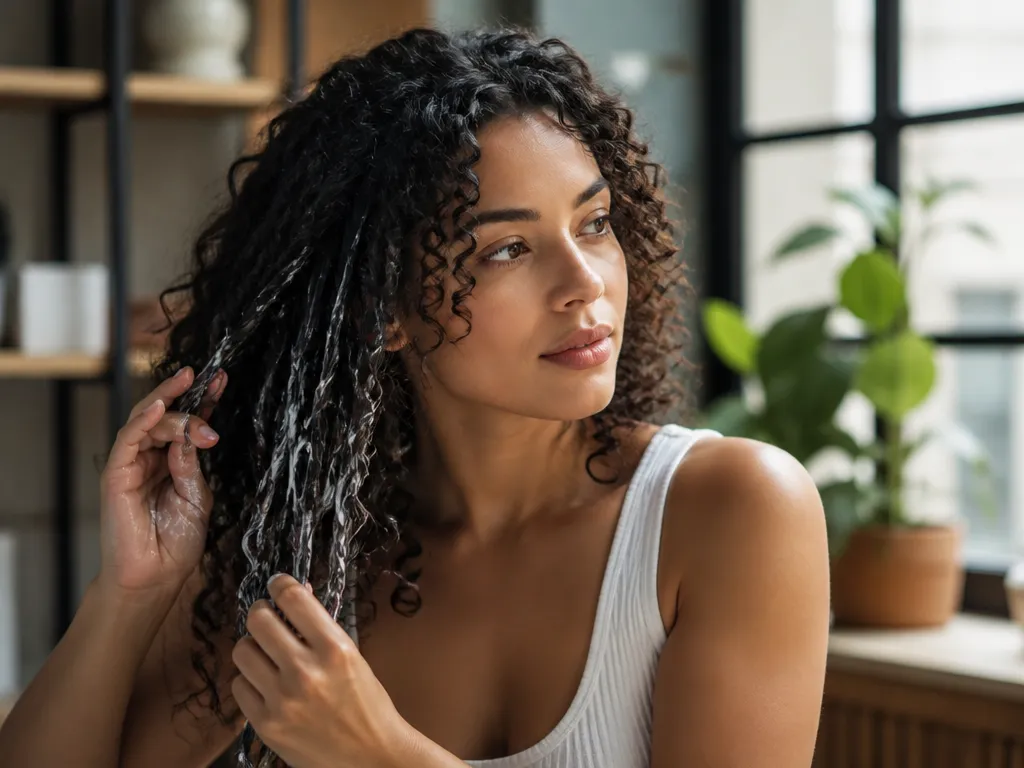
Overusing leave-in conditioners or applying them to the wrong hair state causes greasy roots, limp curls, and product buildup. These errors often negate the benefits of moisture and slip.
Application And Quantity
Applying product to dry hair can prevent the formula from distributing evenly. Water acts as a carrier, allowing the conditioner to distribute evenly. Without it, the product sits on top of the cuticle, which creates a sticky film and triggers frizz.
Using too much product at once weighs down the roots. This is especially true for those with fine curly hair or low porosity hair. Start with a dime-sized amount and add more only if the hair feels dry.
Esthetician tip: Always apply leave-in conditioner from the ends up to the mid-lengths. Avoid the scalp to prevent oily roots and flattened volume.
Long-term Hair Health
Skipping a clarifying wash leads to product buildup. Layers of silicones and oils coat the hair, which prevents moisture from entering the strand. This makes hair feel dry despite using conditioner.
Use a sulfate-free clarifying shampoo every two to four weeks to reset the hair. For those with very dry hair, a gentle clarifying wash every month is sufficient.
High-end: Ouai Detox Shampoo ($32). Drugstore: Neutrogena Anti-Residue ($10). Both remove buildup effectively.
Neglecting the protein-moisture balance results in hair that is either too brittle or too limp. Protein strengthens the structure, while moisture provides elasticity.
| Sign | Cause | Solution |
|---|---|---|
| Brittle, snaps easily | Too much protein | Deep moisture mask |
| Mushy, no bounce | Too much moisture | Protein treatment |
| Dull, waxy feel | Product buildup | Clarifying shampoo |
Drugstore Vs. High-end Options
Price differences in leave-in conditioners usually reflect the concentration of active ingredients and the source of the emollients. Budget formulas often rely on silicones for immediate slip, whereas professional lines use higher percentages of plant-based oils and hydrolyzed proteins.
Affordable Drugstore Staples
Budget-friendly options like Shea Moisture or Maui Moisture are excellent for thick, coarse, or high-porosity curls. These formulas often use heavy humectants like glycerin and shea butter to lock in moisture.
For instance, a heavy drugstore cream works well for those who need maximum weight to keep curls from puffing. These are best used on very wet hair to prevent a greasy finish.
Premium Professional Selections
High-end brands such as Briogeo or Kérastase focus on refined ingredient lists and smaller molecular sizes for better penetration. They often include hydrolyzed keratin or silk proteins to repair the hair shaft.
In practice, these lightweight formulas are better for fine curls or low-porosity hair that gets weighed down easily. They provide a cleaner feel without the heavy residue found in cheaper alternatives.
| Category | Key Ingredients | Best For | Typical Price |
|---|---|---|---|
| Drugstore | Silicones, Shea Butter | Coarse / High Porosity | $6 – $12 |
| Professional | Plant Oils, Proteins | Fine / Damaged / Low Porosity | $25 – $45 |
Esthetician tip: Always patch test protein-rich leave-ins on a small section of hair first. Too much protein can make curly hair feel brittle or stiff.
Apply these products in a specific sequence to maximize results. The order is: cleanser → rinse-out conditioner → leave-in conditioner → styling gel or mousse → finishing oil.
Expect to see a difference in manageability immediately, but structural improvements from protein-based premium options typically take 4-6 weeks of consistent use.
Get Lasting Curl Definition
Maintaining curl definition between washes requires a combination of targeted hydration and friction reduction. This prevents curls from expanding into frizz and keeps the moisture from the leave-in conditioner locked in.
Refresh And Reactivate
Water is the best tool for waking up curls on day two or three. A misting bottle allows you to add moisture without soaking the hair, which preserves the original clump pattern.
Mix water with a small amount of your leave-in conditioner in a spray bottle. This adds slip and moisture back to dry ends without weighing down the roots.
For instance, if the crown of your head looks frizzy, spray just that area and scrunch the curls upward to reform them. This method works best for medium to coarse hair types that lose moisture quickly.
Pro tip: Avoid rubbing your hair with a towel during a refresh. Instead, use a microfiber cloth or a cotton T-shirt to gently squeeze out excess water.
Nighttime Protection
Cotton pillowcases absorb moisture from the hair and create friction that disrupts curl patterns. Switching to a silk or satin surface allows the hair to glide, which reduces morning frizz and breakage.
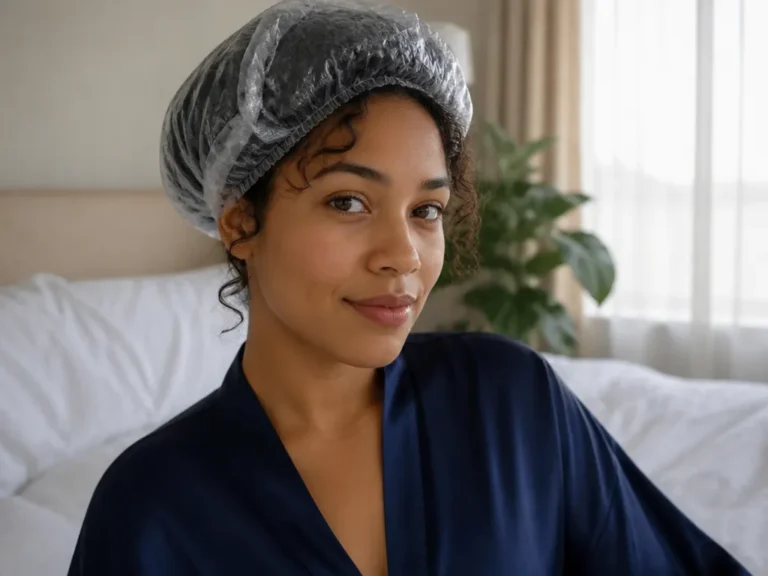
For those with very long or thick curls, a silk bonnet provides better security. It keeps the curls contained so they do not rub against the bedding during sleep.
| Material | Price Point | Key Benefit | Best For |
|---|---|---|---|
| Pure Silk | High-end ($40 – $90) | Breathable and hypoallergenic | Sensitive skin and fine hair |
| Satin (Polyester) | Drugstore ($5 – $15) | Highly durable and affordable | Coarse hair and budget-conscious users |
The Clarifying Cycle
Leave-in conditioners contain emollients and polymers that can build up over time. This buildup makes hair feel sticky or heavy, and eventually, the hair stops absorbing moisture.
Use a clarifying shampoo every two to four weeks depending on your hair’s buildup and dryness. Adjust the frequency within this range to prevent product layering without over-drying the hair.
Clarifying shampoos can be drying because they strip away all oils and residues. Always follow a clarifying wash with a deep conditioner or a generous amount of leave-in conditioner to restore hydration.
Quick Summary
Curly hair often struggles with moisture because natural oils have difficulty traveling down spiral shapes. Leave in conditioner addresses this by providing essential hydration and surface slip to assist with detangling. The product uses humectants like glycerin to draw in water and emollients to seal the hair cuticle. Applying a small amount to damp hair helps create defined curl clumps and can reduce breakage by one or two steps in a styling routine. This is especially beneficial for dry, high-porosity, or coarse hair types.
To get the best results, apply product from mid-lengths to ends to avoid making roots flat. Always layer your leave in conditioner before using gel or mousse to ensure proper moisture retention. While it improves softness and helps strands clump together, it is not a substitute for a dedicated curl-defining step or a wash day mask. Using a clarifying shampoo every two to four weeks helps prevent product buildup. The most important takeaway is to apply to damp hair to maximize definition and minimize frizz.
| Hair Type | Recommended Approach |
|---|---|
| Thick or Coarse | Use creamier formulas for stronger smoothing |
| Fine or Wavy | Use lighter textures and less product to avoid weight |
| Kinky or Coily | Apply consistently through mid-lengths to ends |
Beauty Routine Cheat Sheet
One Thing To Stop Doing Immediately
Stop applying leave in conditioner directly to your roots, as this can lead to flat hair and an oily scalp.
Expected Timeline For Results
Immediate improvement in softness, slip for detangling, and curl clumping upon application.
Frequently Asked Questions
What Is The Correct Order To Apply Leave In Conditioner?
Apply it to damp hair after showering and before your curl cream or gel. This ensures moisture is locked in before you add any products for hold.
What Is The Difference Between A Leave In Conditioner And A Regular Conditioner?
Regular conditioners are meant to be rinsed, whereas leave ins have lighter formulas that stay on the hair. This provides a protective barrier against frizz all day.
Can I Use Leave In Conditioner If I Have Acne Prone Skin?
Yes, but you must avoid applying it to your scalp or hairline to prevent clogged pores. Keep the product on the mid lengths and ends of your curls.
How Long Until I See Results From Using Leave In Conditioner?
You will see immediate frizz reduction and easier detangling after one use. Better curl definition typically takes 2 to 4 weeks of regular use.
Is The Expensive Version Worth It Vs The Drugstore Version?
Often it is not, because many budget options use the same hydrating ingredients like glycerin. Only pay more for professional lines if you have severe chemical damage.

- 10 Best Hair Oil For Overnight Treatment Buyer Guide 2026 - October 26, 2026
- 10 Best Hair Oil For One Year Old Baby Buyer Guide 2026 - October 26, 2026
- 10 Best Hair Oil For Oily Skin Buyer Guide 2026 - October 26, 2026