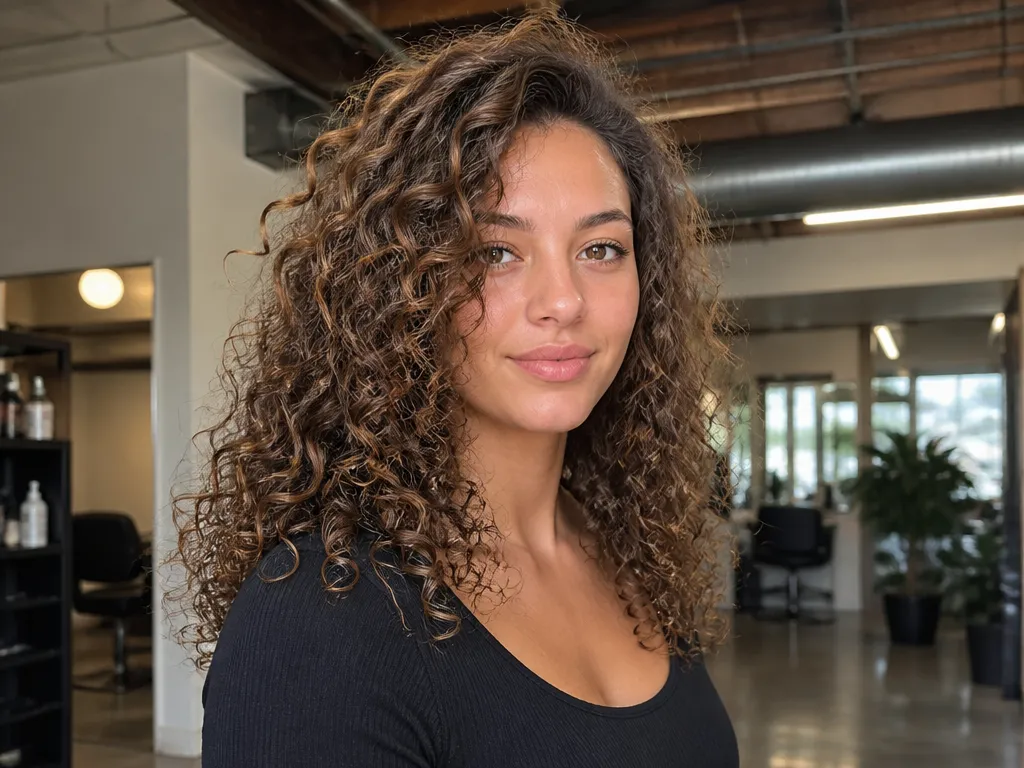
What Does Keratin Do To Curly Hair?
Most people think keratin is a magic wand for frizz, but it can actually make curly hair feel stiff if you use the wrong kind. You need to know the difference between a salon smoothing treatment and a simple protein mask before you commit. I will break down how these products change your curl pattern and moisture levels.
Keratin helps curly hair by filling gaps in the hair cuticle with protein to reduce frizz and add shine. Salon treatments can loosen curl patterns for up to 5 months, while daily keratin conditioners or leave-in masks provide a temporary coating that lasts through 1 to 3 washes. Best for: high porosity or damaged hair. Use caution if: hair is already protein-sensitive or extremely dry.
What Does Keratin Do To Curly Hair?
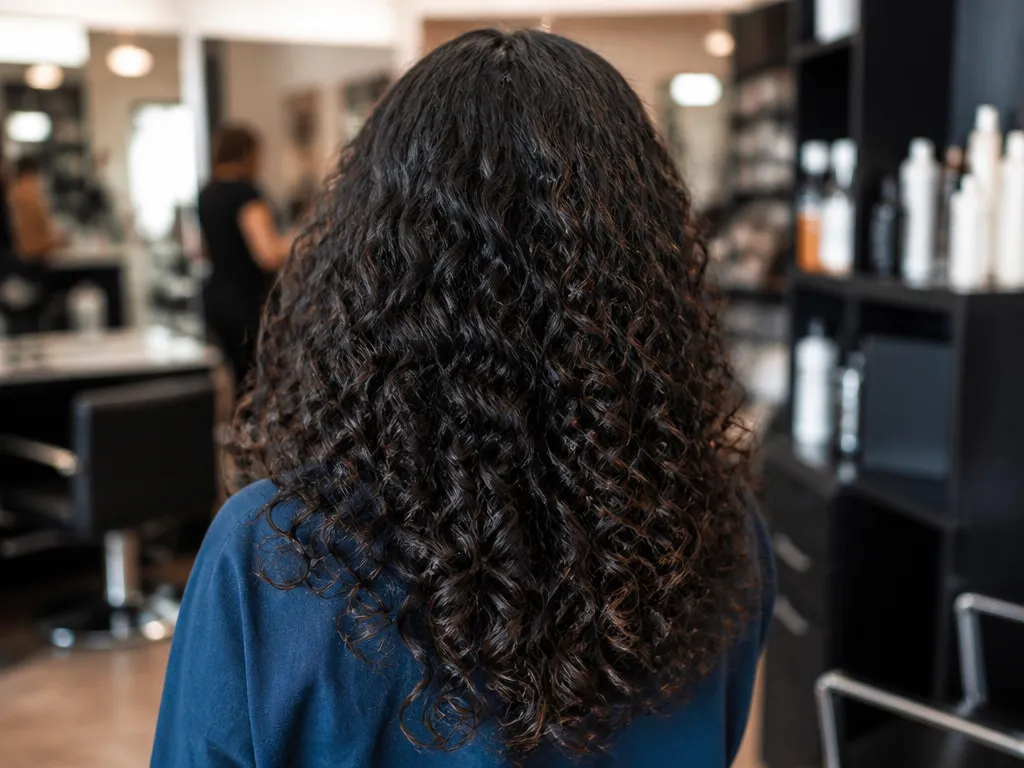
Keratin fills gaps in the hair cuticle to create a smooth, protective film. This process reduces frizz and increases shine by sealing the outer layer of the hair shaft.
Topical keratin proteins in conditioners act as a temporary bandage. They sit on the surface to smooth the cuticle without altering the natural curl pattern.
Professional salon treatments use heat to bond keratin deeper into the hair shaft. These often include chemicals that break disulfide bonds, which can loosen curls or flatten them entirely.
| Treatment Type | Effect on Curl | Duration | Key Goal |
|---|---|---|---|
| Keratin Masks | Maintains curl | 1-2 washes | Frizz control |
| Salon Smoothing | Loosens curl | 3-5 months | Texture change |
High porosity hair usually benefits most from these proteins. This hair type has open cuticles that lose moisture quickly and feel rough to the touch.
For example, someone with heat-damaged curls might find that a keratin mask restores some lost elasticity. This helps the curl spring back instead of looking limp.
Esthetician tip: Too much protein makes curly hair brittle. Balance your keratin products with deep moisture masks containing glycerin or aloe vera to avoid breakage.
Budget options vary by intensity and ingredient quality. High-end options like Kérastase often use hydrolyzed proteins for better penetration. Drugstore brands like OGX provide basic surface smoothing for those on a budget.
Always perform a patch test before using professional-grade keratin treatments. Some chemicals can cause scalp irritation or allergic reactions on sensitive skin.
Identify Your Curly Hair Porosity
Porosity tells you how easily your hair absorbs and holds water, which decides whether protein (keratin) will help or backfire. Low porosity hair resists moisture and can feel stiff or “coated,” while high porosity hair drinks water fast and releases it just as quickly.
To figure out your porosity, use two quick checks. The float test is simple: a clean, dry strand floating in a cup of water often points to low porosity (it resists soaking), sinking quickly often points to high porosity (it absorbs fast). For a more practical daily clue, note whether curls feel coated and resist styling products (low) or feel rough, frizzy, and limp within a day (high).
| Porosity | How hair behaves | How curls look/feel | What keratin tends to do |
|---|---|---|---|
| Low | Water sits on the hair longer, product buildup is common | Stringy roots, hard cast, frizz that won’t “take,” curls may look stretched | Can temporarily increase stiffness and make hair feel drier if overused |
| Medium | Absorbs water at a balanced rate | Clumps form easily, definition holds with the right routine | Helps maintain structure, supports softness and shine without heavy dryness |
| High | Soaks quickly, dries fast, frizz returns fast | Rough texture, breakage risk with manipulation, curl pattern looks uneven | Can improve elasticity and reduce swelling-related frizz, but can worsen dryness if you skip moisture |
Keratin can act like a film on the hair, but hydrolyzed proteins may also interact with the cuticle rather than permanently rebuilding it. That is why the same product can smooth your curl pattern or make it rigid, depending on porosity and how your hair reacts to protein over time.
Signs Of Low Porosity Hair
Low porosity curls usually need more time to absorb water and can get product buildup from thicker creams and frequent keratin-heavy treatments.
Dermatologist tip: Patch test new hair treatments on a small section, especially if you have scalp sensitivity, because protein and film-formers can irritate or trigger reactions.
Signs Of High Porosity Hair
High porosity curls often need moisture locked in, then occasional protein for balance, or the hair can feel mushy and lose definition.
Matching Keratin To Your Curl Pattern
Protein is most likely to help when your curl pattern looks strained or your hair feels weak, but porosity decides how often. For low porosity hair, start with light, diluted keratin conditioners or skip protein for a few weeks if your hair feels hard; for high porosity hair, add protein in smaller doses (for example, a mask every few washes) while prioritizing moisture between.
Budget tip: keratin balance products are often sold as protein conditioners, masks, or leave-ins, so shop by ingredient function rather than hype. Look for a clearly listed protein source (keratin or hydrolyzed proteins) and keep your moisture base consistent, since the fastest way to “lose” your curls is drying them out. If your hair feels stiff within a day or two after a keratin step, reduce frequency and focus on hydration for your next 1 to 2 wash cycles.
Timing tip for routine rhythm: after you shampoo, apply conditioner first, then add any keratin treatment mid-shower (rinsing thoroughly), and finish with a leave-in or curl cream that adds slip and water retention. Expect changes in softness, shine, and curl hold in about 2 to 4 weeks when you match keratin frequency to porosity.
Look For These Key Ingredients
Hydrolyzed keratin molecules can interact with the hair cuticle to temporarily reinforce damaged areas, while amino acids support the hair structure. For curly hair specifically, these ingredients can improve elasticity and reduce frizz while preserving curl definition.
Hydrolyzed Keratin
Hydrolyzed keratin is broken down into smaller molecules that can interact with the hair cuticle. Unlike regular keratin that primarily coats the surface, hydrolyzed versions may provide temporary reinforcement rather than permanent structural repair. This ingredient is particularly beneficial for curly hair that has been damaged by heat styling or chemical treatments.
Amino Acids
Amino acids like cysteine, arginine, and lysine are the building blocks of keratin itself. When applied topically, they help fill in gaps in the hair’s protein structure, making curls more resilient against breakage. For high-porosity curly hair, amino acids can help restore the natural protein balance that leads to better curl formation.
Moisture-balancing Ingredients
Panthenol and glycerin work synergistically with keratin to maintain optimal moisture levels. Panthenol penetrates the hair shaft and binds water, while glycerin attracts moisture from the environment without causing frizz. This combination helps prevent the protein overload that can make curly hair feel brittle and dry.
Apply Keratin For Maximum Benefit
Keratin application depends on the product form, which ranges from temporary hydrolyzed proteins in masks to semi-permanent coatings from salon treatments.
Avoid These Common Keratin Mistakes
Protein overload is the most common mistake when using keratin treatments on curly hair, causing stiffness, brittleness, and breakage as the hair becomes overloaded with protein and loses its natural flexibility.
Signs Of Protein Overload
Watch for these warning signs that indicate your hair has too much protein: excessive stiffness that feels straw-like, sudden increase in breakage, hair that feels rough or tangly, and curls that appear lifeless and undefined.
If you notice these symptoms, immediately discontinue all protein treatments and switch to moisturizing products with ingredients like shea butter, glycerin, and panthenol to restore balance.
Sulfate-free Is Essential
Using shampoos with sulfates will strip away the keratin coating you’ve worked hard to apply, leaving your curly hair unprotected and vulnerable to frizz and damage.
| Avoid These Ingredients | Better Alternatives |
|---|---|
| Sodium Laureth Sulfate | Sodium Cocoyl Isethionate |
| Ammonium Laureth Sulfate | Cocamidopropyl Betaine |
| Sodium Lauryl Sulfate | Decyl Glucoside |
Heat Over-processing Dangers
Excessive heat from styling tools can break down the keratin bonds in treated hair, causing the treatment to fail prematurely and potentially damaging your curls beyond repair.
Always use heat protectant before any styling with hot tools, and keep temperatures below 350°F (175°C) for optimal results without compromising your keratin treatment or the health of your curls.
“Keratin treatments add protein to the hair shaft, but too much protein without enough moisture creates a brittle structure. Balance is essential for healthy, beautiful curls.” – Trichologist Sarah Johnson
Find Better Budget-friendly Options
Salon keratin treatments can cost $200-$800 while offering similar benefits to budget-friendly alternatives at a fraction of the price. Drugstore keratin-infused products provide smoothing and strengthening without the commitment of professional treatments.
| Product Type | High-End Price | Budget Alternative | Key Ingredients | Best For |
|---|---|---|---|---|
| Keratin Treatment | $200-$800 | $20-$50 | Hydrolyzed keratin, amino acids | Frizz reduction |
| Keratin Shampoo | $30-$60 | $8-$15 | Keratin proteins, silicone | Daily maintenance |
| Keratin Mask | $40-$90 | $10-$20 | Hydrolyzed keratin, shea butter | Deep conditioning |
Affordable drugstore protein conditioners can provide smoothing and temporary reinforcement when used consistently. Look for products containing hydrolyzed keratin, which can interact with the hair cuticle without the harsh chemicals used in some salon treatments.
For example, Shea Moisture’s Manuka Honey & Yogurt Hydrate + Repair Protein Power Treatment costs around $12 and provides similar benefits to pricier salon protein treatments. This drugstore option contains hydrolyzed keratin along with moisturizing ingredients to prevent the dryness often associated with protein treatments.
DIY protein-moisture balancing offers another budget-friendly approach. Create a weekly protein treatment by mixing one egg white with two tablespoons of coconut oil, applying to damp hair for 20 minutes before rinsing. Follow with a moisture mask using mashed avocado and olive oil to maintain the protein-moisture balance crucial for healthy curly hair.
The key to budget-friendly keratin care is consistency rather than intensity. Regular use of affordable products delivers gradual improvement that can rival expensive salon treatments when paired with proper moisture balance and gentle handling techniques.
Get Lasting Curl Definition
Clarifying is the missing step for keeping a “smooth, defined” look. When keratin-like coatings and styling residue build up, curls can stretch out, shrink irregularly, or lose their curl clumps. Use a clarifying shampoo on schedule, then re-seal with a deep conditioner to restore softness.
Balancing protein with moisture is where curl definition actually lasts. If your hair feels stiff, tangly, or stringy after a keratin treatment, cut back on protein-heavy products and lean harder on deep conditioning. Look for glycerin, panthenol, betaine, and lipids like ceramides or cholesterol, plus a humectant like hyaluronic acid if your hair likes light hydration.
| Keratin product type | What it does for curls | Best pairing | Who benefits most |
|---|---|---|---|
| Keratin shampoo/conditioner/mask | Softens feel, reduces frizz, supports clumping | Moisture mask 1x weekly | Most curl types, especially 2C to 3C |
| Keratin leave-in or smoothing cream | Defines shape and controls flyaways | Light gel or curl cream after | 3A to 4C needing humidity control |
| Professional chemical keratin smoothing | May relax curl pattern and extend smoothness | Clarify monthly, condition weekly | Those prioritizing reduced frizz over maximum bounce |
Trichology-adjacent reality check: “Keratin treatment” on salon menus can range from coating-based results to true chemical smoothing, so curl outcome varies a lot. If you want the most definition, choose products that smooth without aggressively relaxing.
Protecting curls from environmental frizz is how you keep the shape you worked for. Heat, wind, and humidity can disrupt the coating and lift cuticles, creating fuzzy halos. Use a leave-in plus a curl gel or mousse when humidity is high, and add a satin bonnet or pillowcase at night to prevent friction.
Practical Routine For Defined, Smooth Curls
Routine simplicity helps you keep balance. Use this plan especially if your hair gets softer but less “bouncy” after keratin-style products.
For example, in humid weather, curly hair often needs a firmer hold and less heavy oil so the definition does not collapse. For oily to combination scalps, keep oils off the roots and choose a gel that dries with a cast, then scrunch out gently.
For patch-test precautions, especially around professional or strong “smoothing” systems: test behind the ear or along the inner arm first, and avoid applying to irritated scalp. If you color your hair or have a history of chemical reactions, ask your stylist what the treatment is actually doing (coating vs chemical smoothing) before committing. Expect lasting definition to be most consistent over 4 to 6 weeks when you clarify on schedule and keep moisture steady.
Quick Summary
Keratin works by filling gaps in the hair cuticle to create a protective film that reduces frizz and increases shine. There is a major difference between treatment types. Salon smoothing services can loosen natural curl patterns for three to five months, while daily keratin masks only provide a temporary coating for one to three washes. These protein treatments are most effective for high porosity or damaged hair, though they can make hair feel brittle if you do not balance them with moisture.
Determining your hair porosity via a float test helps you decide if keratin is right for you. High porosity hair absorbs water quickly and benefits from improved elasticity, while low porosity hair may feel stiff or coated. Professional treatments often use heat to break disulfide bonds, which can flatten curls.
| Treatment Type | Effect on Curl | Duration |
|---|---|---|
| Keratin Masks | Maintains curl | 1-2 washes |
| Salon Smoothing | Loosens curl | 3-5 months |
Beauty Routine Cheat Sheet
One Thing To Stop Doing Immediately
Stop using high-protein keratin treatments on low porosity hair without adding a moisturizing agent, as this leads to stiffness and breakage.
Frequently Asked Questions
Will A Keratin Treatment Make My Curls Disappear?
Depending on the strength of the treatment, it can significantly loosen your curl pattern or even straighten it. Professional salon treatments often aim to reduce frizz and volume rather than total straightening, but you should always ask your stylist for a “keratin express” if you want to keep your natural shape.
How Long Does The Smoothing Effect Last On Curly Hair?
Most professional keratin treatments last between 3 to 5 months. To extend the life of the treatment, use sulfate-free shampoos and refrain from washing your hair for at least 48 to 72 hours after the service.
What Is The Difference Between A Keratin Treatment And A Deep Conditioning Mask?
A deep conditioner sits on the surface to provide moisture, while a keratin treatment works by filling in the gaps in the hair cuticle with protein. Think of a mask as a drink of water and a keratin treatment as a structural repair for the hair shaft.
Do I Really Need To Use Sulfate-free Shampoo After My Treatment?
Yes, using standard drugstore shampoos containing sulfates will strip the keratin coating off your hair much faster. Switching to a sulfate-free formula helps your results last longer.
Is A High-end Keratin Treatment Worth The Extra Cost Over Drugstore Versions?
For significant structural changes, the salon version is worth it because it uses higher concentrations of protein and heat to bond the ingredient to your hair. Drugstore keratin products are excellent for maintenance and adding shine, but they cannot provide the same long-term smoothing effect as a professional service.

- 10 Best Hair Oil For Overnight Treatment Buyer Guide 2026 - October 26, 2026
- 10 Best Hair Oil For One Year Old Baby Buyer Guide 2026 - October 26, 2026
- 10 Best Hair Oil For Oily Skin Buyer Guide 2026 - October 26, 2026