What Does Protein Hair Treatment Do?
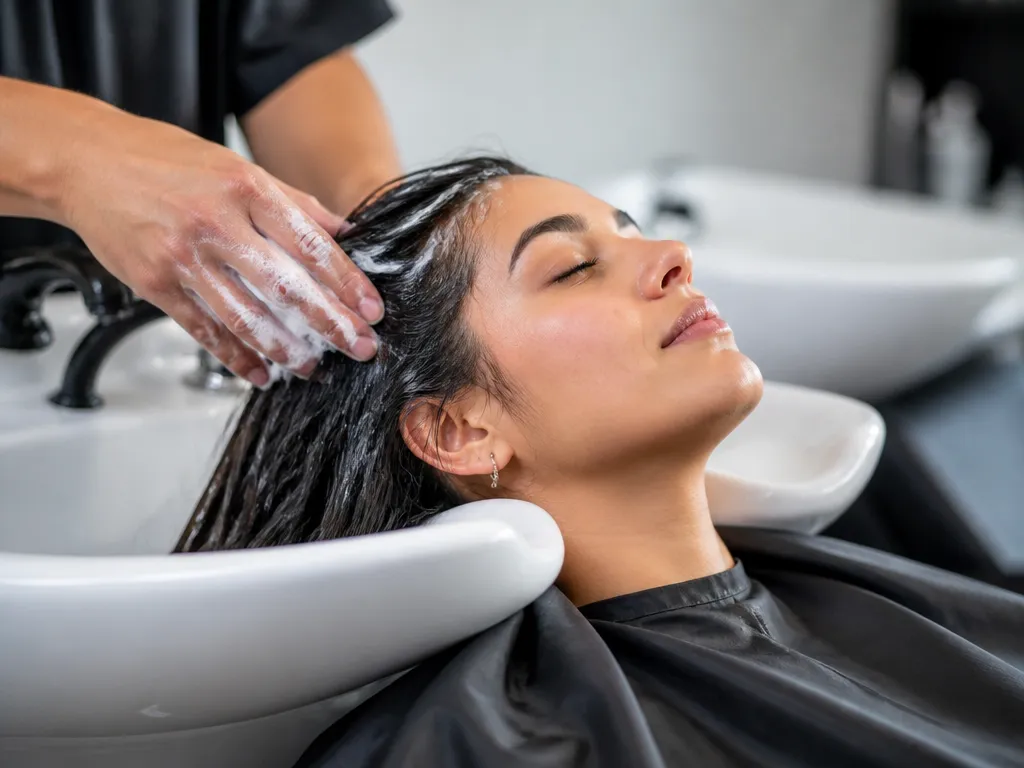
Protein treatments can be a game-changer for damaged hair, but they’re not magic wands. If your hair feels weak, stretches like rubber when wet, or breaks easily, you’re probably dealing with protein loss. These treatments temporarily reinforce your hair’s structure by filling in gaps in the cuticle, but results typically last only 3-4 washes and work best as part of a balanced hair care routine.
Protein hair treatment strengthens damaged hair by penetrating the cuticle and temporarily rebuilding the hair’s internal structure. It reduces breakage by up to 60% and improves elasticity in over-processed hair. This treatment works best for chemically treated, heat-damaged, or naturally brittle hair, providing immediate cosmetic improvement while protecting against further damage.
What Does Protein Hair Treatment Do? (Repair And Strengthen)?
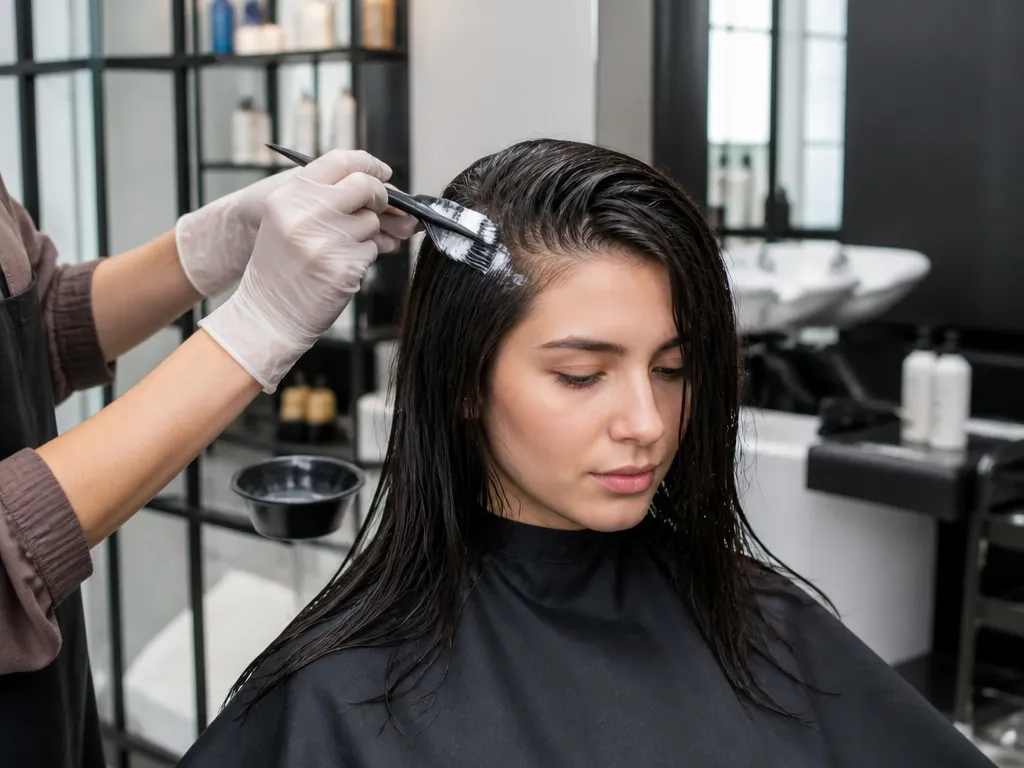
Protein treatments fill gaps and cracks in the hair shaft using hydrolyzed proteins. This process reinforces the cuticle and cortex to prevent breakage and improve the overall structural integrity of the strand.
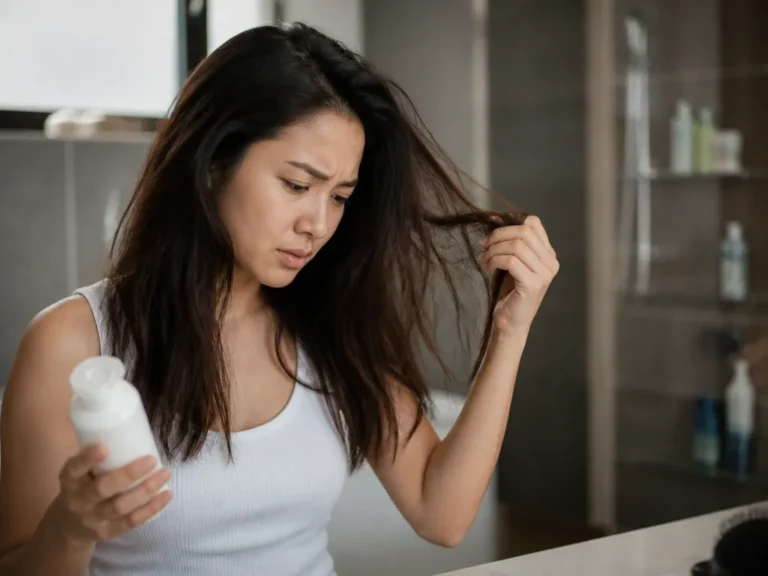
These treatments target hair that has lost its natural elasticity. When the protein bonds in the hair are destroyed by heat or chemicals, the hair becomes mushy or overly stretchy when wet.
For example, hair that has been heavily bleached often loses its “snap” and feels like wet cotton. A protein treatment restores that snap by adding structural support to the damaged areas.
Results And Ingredient Expectations
Immediate results usually include a smoother texture and a temporary increase in hair thickness. Long-term strength depends on the frequency of use and the level of existing damage.
Look for ingredients like hydrolyzed keratin, wheat protein, or silk amino acids. These are broken down into smaller molecules so they can enter the hair shaft rather than just sitting on top.
Budget options vary widely. High-end choices like Olaplex No. 3 ($30) focus on bond building. Drugstore alternatives like Aphogee Two-Step Protein Treatment ($15) provide a traditional protein fill.
Always perform a patch test on a small section of hair behind the ear before applying to the whole head. Some proteins can cause the hair to feel stiff if the formula is too concentrated for your specific porosity.
| Feature | Protein Treatment | Moisture Treatment |
|---|---|---|
| Primary Goal | Strength and Structure | Hydration and Softness |
| Best For | Bleached or Heat-Damaged Hair | Dry, Brittle, or Curly Hair |
| Key Ingredients | Keratin, Silk, Wheat | Glycerin, Aloe, Oils |
| Overuse Risk | Brittleness and Snapping | Hygral Fatigue (Mushiness) |
Esthetician tip: Apply protein treatments to clean, damp hair for the best penetration. Always follow a protein treatment with a moisturizing conditioner to keep the hair flexible.
Expect to see a visible difference in hair strength after one application. However, total repair of the hair structure takes 4 to 8 weeks of balanced protein and moisture cycles.
Identify Your Hair Needs
Before investing in protein treatments, determine whether your hair needs protein or simply requires more moisture, as these deficiencies present differently.
The Stretch Test For Elasticity
Performing a simple stretch test can reveal whether your hair needs protein or moisture. Take a wet strand of hair and gently stretch it between your fingers. Healthy hair stretches slightly and returns to its original length, while protein-deficient hair stretches excessively without bouncing back, and moisture-deficient hair breaks when stretched.
Signs Of Protein Deficiency
Protein deficiency manifests as hair that feels overly soft, mushy, or gummy when wet. After washing, your hair may feel limp and lack body, breaking easily even with minimal tension. The cuticle layer becomes compromised, making hair more susceptible to damage.
Essential Protein-rich Ingredients
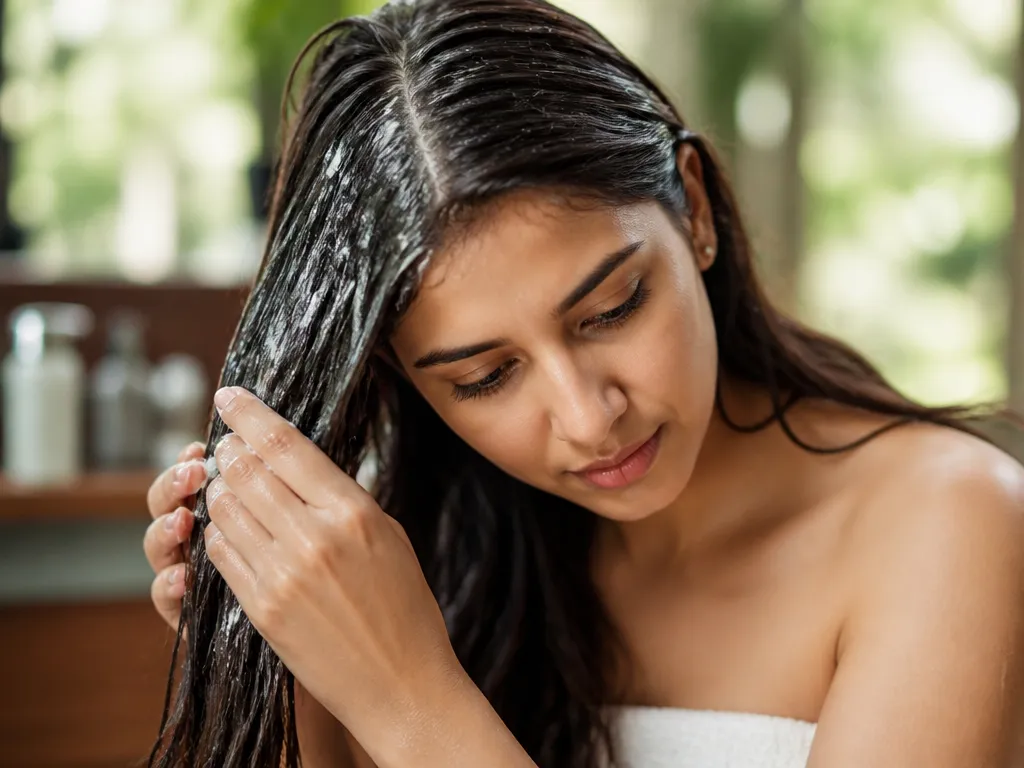
Hydrolyzed wheat protein, hydrolyzed silk protein, and keratin-derived amino acid blends are the most common “protein” ingredients in hair masks because their smaller molecular forms can coat the hair fiber and temporarily improve strength and feel. Collagen ingredients can also help the hair look smoother by improving slip and surface structure, especially when paired with conditioning agents.
Hydrolyzed wheat protein is often found in “rebuilding” masks and can help hair feel less rough when it is suffering from damage from heat, chemical processing, or frequent coloring. Look for hydrolyzed wheat protein or wheat protein in the INCI list, ideally combined with humectants like glycerin or soothing conditioners so your hair does not swing into that tight, crunchy texture. This works best for normal to coarse hair that feels weak, stretchy, or breaking, and it is usually too much for fine hair that already feels dry and stiff.
Hydrolyzed silk protein is prized for how it changes hair’s feel rather than how it “seals” hair like a permanent coating. Silk-derived proteins can improve slip, reduce tangling, and make curls look more uniform after styling, which is why they pair so well with detangling conditioners.
In practice, curly and coily hair types often notice better clumping and definition, but sensitive scalps may react if the product is heavy or fragranced.
Keratin and keratin amino acid blends are the classic strengthening ingredients because keratin is the main structural protein in hair. Keratin treatments and masks typically rely on amino acids to fill in gaps at the cuticle level and reduce breakage from mechanical stress, like brushing and detangling. If your hair already feels hard, dry, and permanently “crisp,” skip keratin-heavy formulas and move toward moisture-forward products instead.
| Item | Amount/Specification | Notes |
|---|---|---|
| Hydrolyzed wheat protein | Look for “hydrolyzed wheat protein” and other hydrolyzed wheat variants | Best when hair feels weak, rough, or overly stretchy |
| Hydrolyzed silk protein | Look for “hydrolyzed silk protein” (often paired with conditioning agents) | Helps with slip, smoothness, and reduced tangling |
| Keratin and amino acid blends | Look for “hydrolyzed keratin,” “keratin amino acids,” or similar INCI entries | Targets breakage from heat and chemical wear |
| Collagen | Look for “collagen,” “hydrolyzed collagen,” or collagen-related film formers | Supports surface structure and shine, especially in smoothing masks |
Ingredient rule of thumb: protein ingredients help when hair is breaking or feeling stretchy, while moisture ingredients (like glycerin, panthenol, and certain fatty alcohols) help when hair feels dry, stiff, and coated.
Effective Protein Treatment Routine
Successful hair reconstruction requires a specific sequence of cleansing, targeted application, and moisture sealing to prevent the hair from becoming brittle. Applying protein to dry or dirty hair prevents the molecules from penetrating the cuticle effectively, which can lead to uneven results.
Professional tip: If your hair feels “crunchy” or snaps easily after a treatment, you have likely used too much protein and need to follow up immediately with a heavy lipid-based conditioner.
Routine Comparison By Hair Need
| Hair Condition | Primary Goal | Recommended Step Order |
| Bleached or High Porosity | Structural Repair | Clarify → Protein → Moisture Mask |
| Fine or Limp Hair | Volume and Strength | Light Shampoo → Protein → Lightweight Conditioner |
| Dry or Curly Hair | Elasticity and Softness | Co-wash → Protein → Heavy Oil/Butter |
For instance, someone with color-treated hair that feels “mushy” when wet should prioritize the structural repair routine. They should look for ingredients like hydrolyzed wheat protein or keratin to fill in the gaps in the hair cuticle.
Common Protein Overuse Mistakes
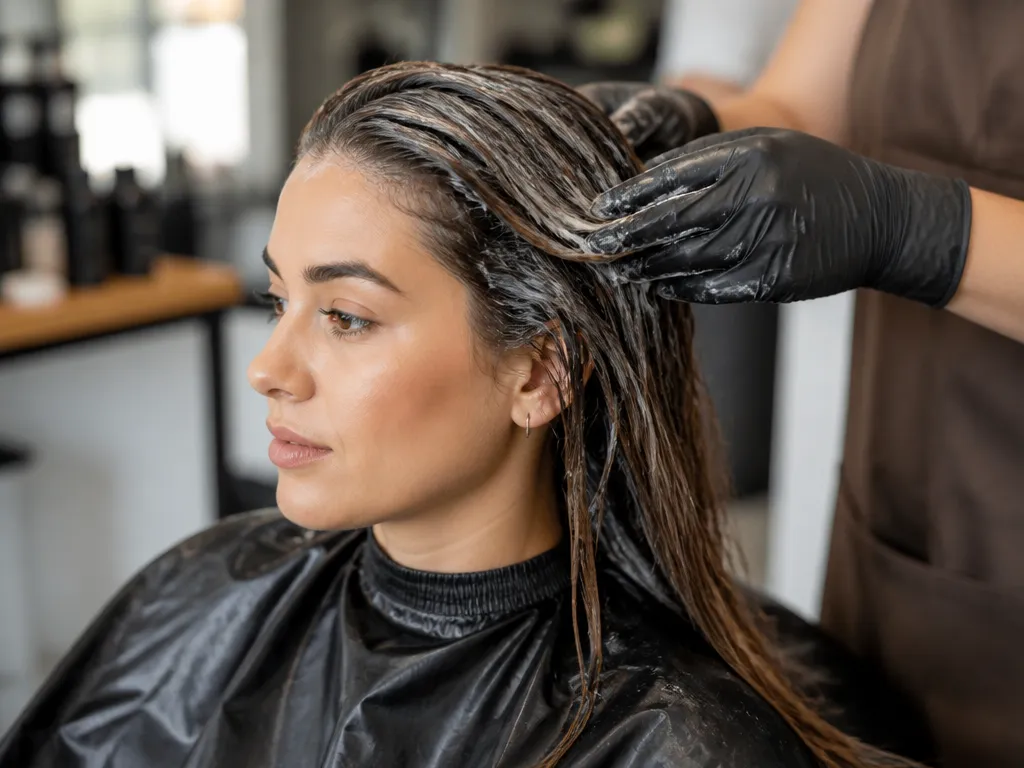
Treating hair with excessive protein can paradoxically make it weaker and more prone to snapping. Hair needs a specific balance between protein and moisture to remain flexible and strong. Using heavy protein treatments too often strips natural oils and leaves strands stiff.
Drugstore Vs Professional Options
Drugstore protein treatments provide surface-level reinforcement for daily maintenance, while professional salon services deliver deep-penetrating structural repairs. Affordable masks often rely on hydrolyzed proteins that sit on the cuticle to smooth texture. In contrast, salon treatments use smaller molecular weights or heat-activated technology to rebuild the inner cortex of the hair shaft.
Budget-friendly products are ideal for people with healthy hair that needs a little extra shine or those with very mild damage from sun exposure. These options work best when used once a week as a preventative measure.
For example, a weekly hydrolyzed wheat protein mask can help maintain hair elasticity between salon visits.
Professional treatments are necessary for hair that feels mushy, overly stretchy, or has undergone heavy chemical bleaching. These intensive services address the core structural integrity that standard conditioners cannot reach. You might notice a significant difference in hair “snap” and strength after a professional session.
| Option Type | Typical Price Range | Primary Goal | Best For |
|---|---|---|---|
| Drugstore Mask | $10 – $25 | Surface smoothing & shine | Maintenance and mild frizz |
| High-End Retail | $30 – $60 | Targeted repair | Color-treated or dry hair |
| Salon Treatment | $100 – $300+ | Structural reconstruction | Bleached, broken, or chemically damaged hair |
Diy And At-home Support
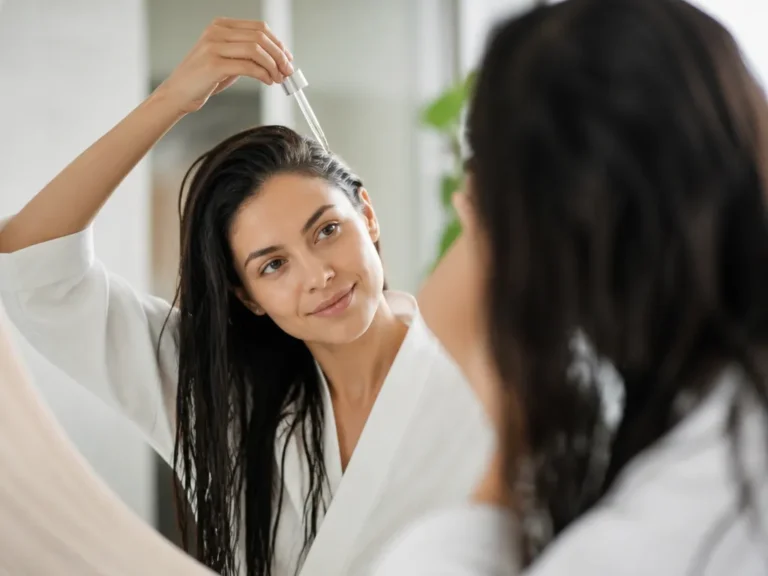
Home-based protein boosting is a practical way to supplement your routine without a massive investment. You can enhance your existing conditioner by adding a few drops of a concentrated liquid keratin or amino acid treatment. This method is helpful for those with fine hair who want to avoid the heavy weight of full-size professional masks.
Esthetician tip: Always follow a protein treatment with a deep moisture mask. Protein adds strength, but too much without moisture leads to brittle, snapping strands.
For instance, if your hair feels stiff after using a protein-heavy product, your moisture levels are likely too low. To fix this, apply a heavy cream-based conditioner containing shea butter or argan oil immediately after your protein step. This balance ensures your hair remains both strong and flexible.
Expert Tips For Lasting Strength
Maintaining hair integrity requires a precise balance between structural protein reinforcement and lipid-based hydration. Relying solely on protein can lead to brittle strands, while excessive moisture without structure causes limp, mushy hair. You must monitor how your hair responds to each to find your personal equilibrium.
Managing Porosity And Moisture Balance
Porosity levels dictate how well your hair retains both protein and moisture. High porosity hair, often seen in bleached or chemically processed textures, has gaps in the cuticle that swallow treatments quickly. Low porosity hair has tightly closed cuticles that resist product penetration entirely.
Professional Tip: Perform a simple float test. Drop a clean strand of hair into a glass of water; if it sinks quickly, you have high porosity and need more frequent, lightweight moisture to supplement your protein treatments.
Protective Maintenance Routines
Chemical damage from coloring or perming creates permanent structural weaknesses that protein can only temporarily patch. You can extend the life of your treatments by implementing a strict protective barrier against environmental stressors.
| Routine Step | Action | Key Ingredient/Tool |
|---|---|---|
| Pre-Wash | Oil shielding | Argan or Coconut oil |
| Post-Wash | Cuticle sealing | pH-balanced conditioner |
| Styling | Heat protection | Dimethicone or specialized heat sprays |
| Sleep | Friction reduction | Silk or satin pillowcase |
Protecting your hair from UV rays and heat is just as vital as the treatments themselves. Use a leave-in conditioner containing silicones or natural oils to coat the hair shaft before using a blow dryer or flat iron.
In practice, applying a heat protectant every single time you use a hot tool is the best way to prevent the very damage that makes protein treatments necessary. Consistency with these small habits prevents the rapid degradation of the protein bonds you worked so hard to rebuild.
Quick Summary
Protein treatments strengthen damaged hair by filling gaps in the cuticle and cortex with hydrolyzed proteins. This process reduces breakage by up to 60 percent and is especially effective for hair that is chemically treated or heat damaged. These treatments provide immediate cosmetic improvements and restore the snap to hair that feels mushy or overly stretchy when wet. However, these results are temporary and typically last for only 3 to 4 washes before the effects fade.
To determine if protein is needed, perform a stretch test on a wet strand. Hair that stretches more than 50 percent without bouncing back indicates a protein deficiency. Apply these treatments every 4 to 6 weeks on damp hair, but always follow up with a moisturizing conditioner to avoid stiff, straw-like textures. While one application shows a visible difference, total structural repair requires 4 to 8 weeks of balanced moisture and protein cycles.
| Treatment Type | Primary Goal | Key Ingredients |
|---|---|---|
| Protein | Strength and Structure | Keratin, Silk, Wheat |
| Moisture |
Frequently Asked Questions
How Long Does It Take For A Protein Hair Treatment To Show Results?
Cosmetic results from protein hair treatments can become visible after one application, while longer-term strength depends on consistent use and the level of existing damage. You’ll notice reduced breakage and improved elasticity immediately after each treatment.
Can Protein Hair Treatments Cause Hair Damage If Overused?
Yes, overusing protein treatments can lead to protein overload, causing hair to become stiff, brittle, and prone to breakage. Limit protein treatments to once every 4-6 weeks and watch for signs like straw-like texture or excessive dryness.
What’s The Difference Between Protein And Moisture Hair Treatments?
Protein treatments strengthen hair by filling gaps in the hair cuticle with hydrolyzed proteins, while moisture treatments hydrate with ingredients like glycerin and aloe vera. Protein repairs structural damage, while moisture addresses dryness and improves flexibility.
How Often Should I Use Protein Treatments On My Hair?
The ideal frequency for protein treatments depends on your hair’s condition, but once every 4-6 weeks is generally sufficient for most hair types. Chemically treated or highly damaged hair may benefit from every 2-3 weeks, while healthy hair needs less frequent treatments.
Are Expensive Protein Hair Treatments Worth The Price Compared To Drugstore Options?
Not necessarily – many effective protein treatments are available at drugstore prices under $20. The key is looking for quality ingredients like hydrolyzed keratin or wheat protein rather than the price tag, as efficacy varies more by formulation than by cost.

- 10 Best Hair Oil For Overnight Treatment Buyer Guide 2026 - October 26, 2026
- 10 Best Hair Oil For One Year Old Baby Buyer Guide 2026 - October 26, 2026
- 10 Best Hair Oil For Oily Skin Buyer Guide 2026 - October 26, 2026