What Happens When U Leave Conditioner In Your Hair?
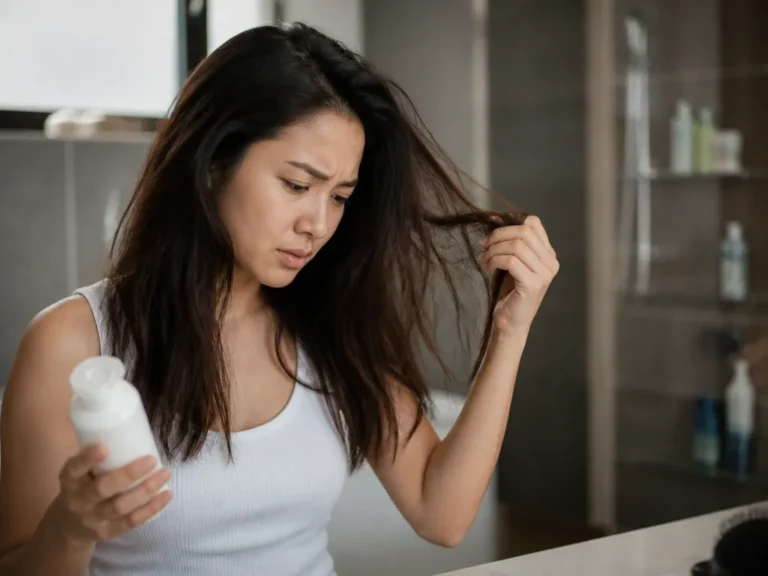
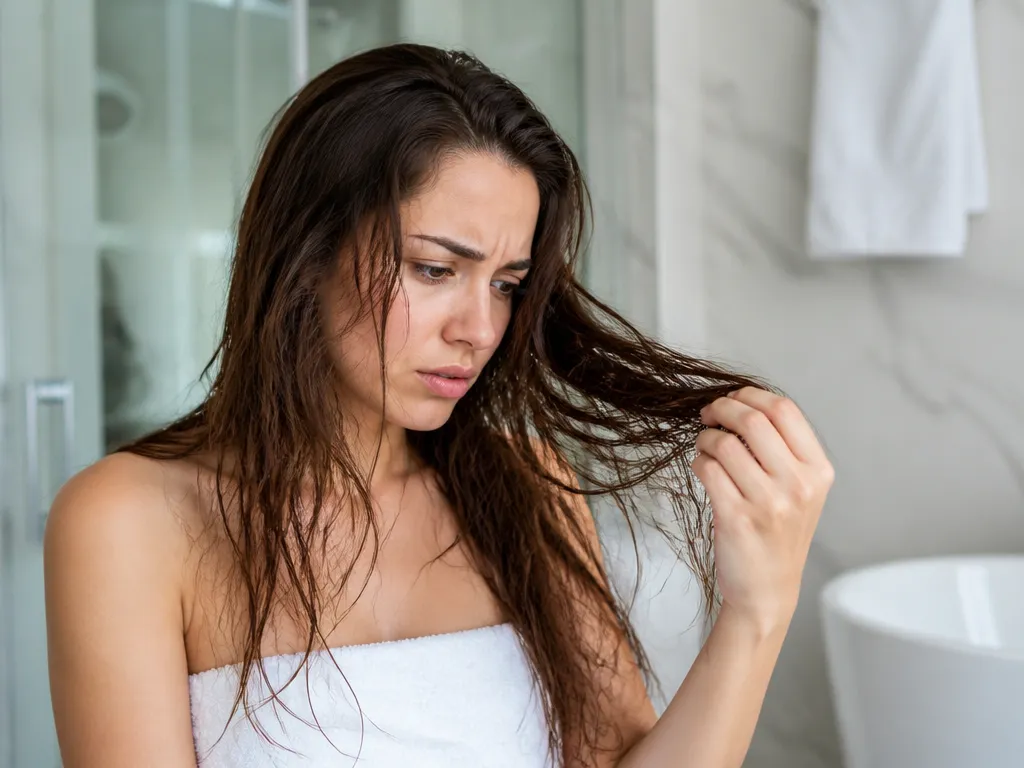
You might be tempted to skip the rinse to save time or extra moisture, but your hair texture will react differently than you expect. Leaving conditioner in can either deeply hydrate your ends or leave you with a heavy, greasy mess. I will break down the risks of buildup and how to tell if your scalp is actually irritated.
Leaving conditioner in your hair causes hair strands to feel softer or more manageable initially, but it often leads to heavy buildup, limp hair, and scalp irritation if left for more than 5 to 10 minutes. Regular rinse-out formulas contain conditioning agents and heavy silicones that can contribute to residue and cause itchiness when they stay on the scalp.
Best for: Thick, curly, or extremely dry hair types. Use caution if: You have fine, straight hair or an oily scalp.
What Happens When U Leave Conditioner In Your Hair?
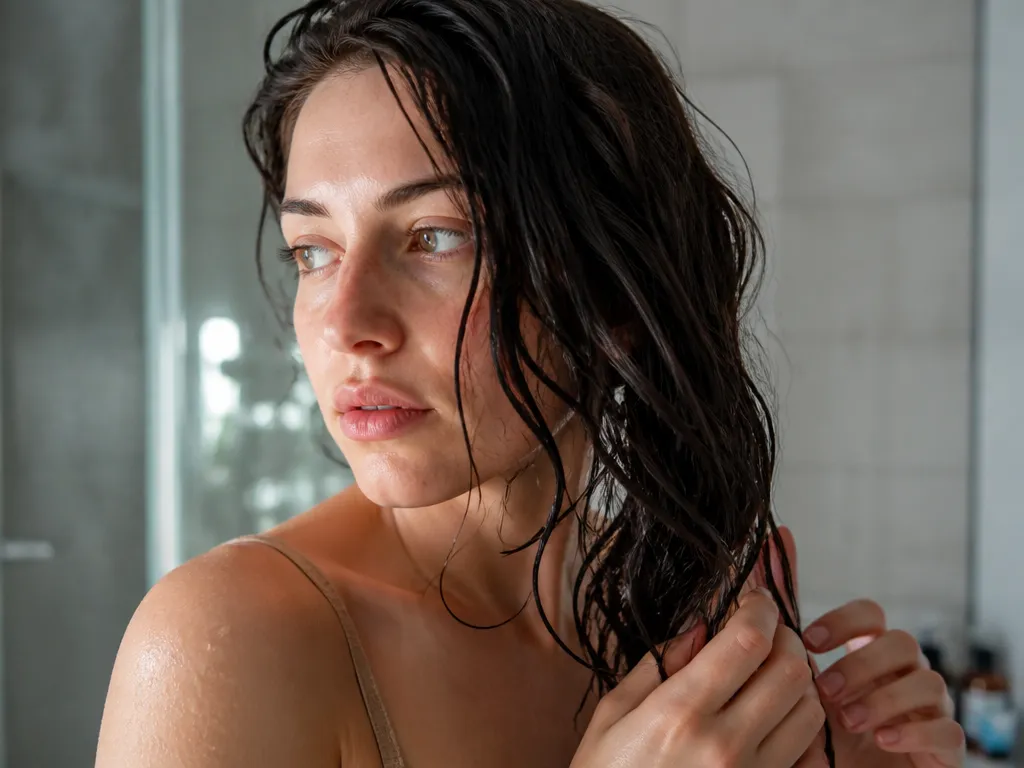
Leaving conditioner in your hair creates a coating effect that temporarily smooths the cuticle, adds shine, and reduces frizz by sealing moisture into the strands. This practice can provide extra hydration for dry or damaged hair, but results vary significantly based on hair type, conditioner formulation, and how long it’s left in.
For those with coarse, curly, or dry hair, leaving in a small amount of conditioner can provide lasting moisture and definition that rinsing out might remove. Many conditioners contain humectants like glycerin or panthenol that continue to draw moisture to the hair when left in, potentially improving elasticity and reducing breakage.
However, leaving conventional rinse-out conditioners in for extended periods often leads to unwanted results. Most conditioners contain heavy silicones and waxes designed to rinse clean, which can accumulate on hair and scalp, creating a greasy residue, weighing down fine hair, and potentially clogging follicles.
“Many people mistake all conditioners as interchangeable for leave-in use, but the formulation makes a significant difference. Look for products specifically labeled ‘leave-in’ or ‘rinse-out’ to avoid potential issues.” – Trichologist recommendation
For those experiencing negative effects like flat hair, itchy scalp, or dullness after leaving conditioner in, switching to a lightweight leave-in formula designed for this purpose or reducing the amount used can make a significant difference. Fine-haired individuals should be particularly cautious, as their strands are more prone to feeling heavy or greasy with product buildup.
Hair Types And Conditioner Response
Hair texture and scalp health dictate whether leaving conditioner in provides moisture or causes immediate damage. While some strands benefit from extra hydration, others quickly succumb to weight, grease, or scalp irritation.
Fine And Straight Hair
Fine hair lacks the structural density to support heavy, unrinsed products. Leaving traditional conditioner in these strands often leads to a limp, greasy appearance that lacks any natural volume. The product settles on the hair shaft, making it look oily even right after a wash.
For instance, if you have very thin, straight hair, an overnight soak with a standard rinse-out conditioner will likely result in “stringy” hair. You might find that your hair feels tacky or sticky to the touch. Stick to lightweight, leave-in sprays specifically formulated for fine textures instead.
Thick And Curly Hair
Curly and coarse hair types generally crave the extra moisture that unrinsed conditioner provides. These textures are often naturally drier because scalp oils struggle to travel down the spiral shape of the hair shaft. Leaving a bit of conditioner in can help define curls and reduce frizz.
Thick hair can handle more substantial formulas like shea butter or coconut oil-based conditioners. However, you must avoid applying these products directly to the scalp to prevent buildup. Focus application from the mid-lengths to the ends for the best results.
Professional tip: If you have high-porosity curls, use a rinse-out conditioner as a deep treatment for 10 minutes, then rinse thoroughly before applying a dedicated leave-in cream.
Scalp Health And Color Treatment
Scalp sensitivity varies significantly between individuals. Leaving conditioner on the scalp can clog hair follicles or trigger contact dermatitis in those with oily or acne-prone skin. This often manifests as itching, redness, or even small bumps along the hairline.
Color-treated hair requires a different approach to maintain pigment longevity. Many conditioners contain surfactants or pH-adjusting ingredients that can strip dye if left on too long. Use a color-safe, sulfate-free conditioner and rinse it out completely to keep your shade vibrant.
| Hair Type/Condition | Reaction to Leaving Product In | Recommended Approach |
|---|---|---|
| Fine/Straight | Limp, greasy, no volume | Use lightweight leave-in sprays |
| Thick/Curly | Increased moisture, less frizz | Apply mid-lengths to ends only |
| Oily Scalp | Clogged follicles, itching | Rinse thoroughly; avoid scalp contact |
| Color-Treated | Potential pigment fading | Use color-safe formulas; rinse well |
Key Ingredients In Conditioners
Conditioner formulations rely on specific chemical and natural compounds to coat the hair shaft, manage moisture, and smooth the cuticle. These ingredients behave differently when left on the hair for extended periods versus being rinsed away. The outcome depends on whether the substance is designed to evaporate, absorb, or remain as a protective film.
Silicones And Buildup Potential
Silicones like dimethicone or cyclomethicone create a waterproof barrier around each strand. This layer provides immediate shine and reduces friction between hairs, which helps with detangling. If you leave these on without regular clarifying washes, the film can become heavy and prevent actual moisture from entering the hair shaft.
For instance, fine or thin hair may look limp and greasy within hours if high-molecular-weight silicones are not rinsed out. People with low-porosity hair are especially prone to this because the hair cuticle is tightly closed, making it harder for heavy coatings to sit naturally without causing buildup.
Proteins And Moisturizing Agents
Proteins such as hydrolyzed wheat protein or keratin work by filling in gaps in the hair cuticle to temporarily strengthen the structure. While they add body, leaving high concentrations of protein on the hair can lead to “protein overload.” This makes the hair feel stiff, brittle, or straw-like rather than soft.
Moisturizing agents like glycerin or panthenol (Vitamin B5) act as humectants to pull water into the hair. These are generally safer to leave in small amounts, but in humid environments, glycerin can actually pull too much moisture from the air into the hair, causing frizz. In very dry climates, it might pull moisture out of the hair shaft instead.
| Ingredient Type | Common Examples | Effect When Left In |
|---|---|---|
| Silicones | Dimethicone, Amodimethicone | Increased shine but high risk of heavy buildup. |
| Proteins | Hydrolyzed Silk, Keratin | Strengthens hair but can cause stiffness if overused. |
| Humectants | Glycerin, Hyaluronic Acid | Adds moisture; effectiveness depends on humidity. |
| Natural Oils | Argan Oil, Shea Butter | Deeply softens thick or curly hair textures. |
Professional tip: If your hair feels crunchy or stiff after using a protein-heavy conditioner, switch to a moisture-focused formula for your next wash to balance the hair structure.
Safe Leave-in Application Methods
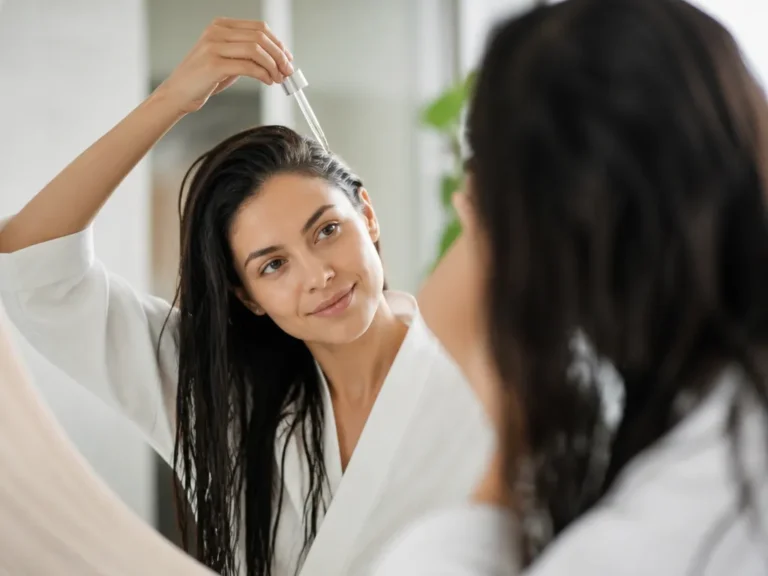
Leave-in conditioners function differently than rinse-out formulas by providing moisture without the need for rinsing. Using the correct amount prevents the product from sitting on the scalp and causing greasiness or buildup. You must apply it to damp hair, not dripping wet strands, to ensure proper absorption.
Dilution For Thick Formulas
Thick leave-in conditioners often contain heavy oils or silicones that can coat the hair shaft too heavily. Fine hair types should dilute a thick formula with a little water or a lightweight leave-in spray to maintain volume. This technique prevents the hair from feeling weighed down or looking stringy.
Time Limits And Washing
These products are designed to remain in the hair for days between washes, but they require maintenance. If your hair feels heavy or sticky after a few days, a thorough wash with a clarifying shampoo is necessary to remove product buildup. Never leave the product in for weeks at a time without a wash cycle.
Common Leave-in Conditioner Mistakes
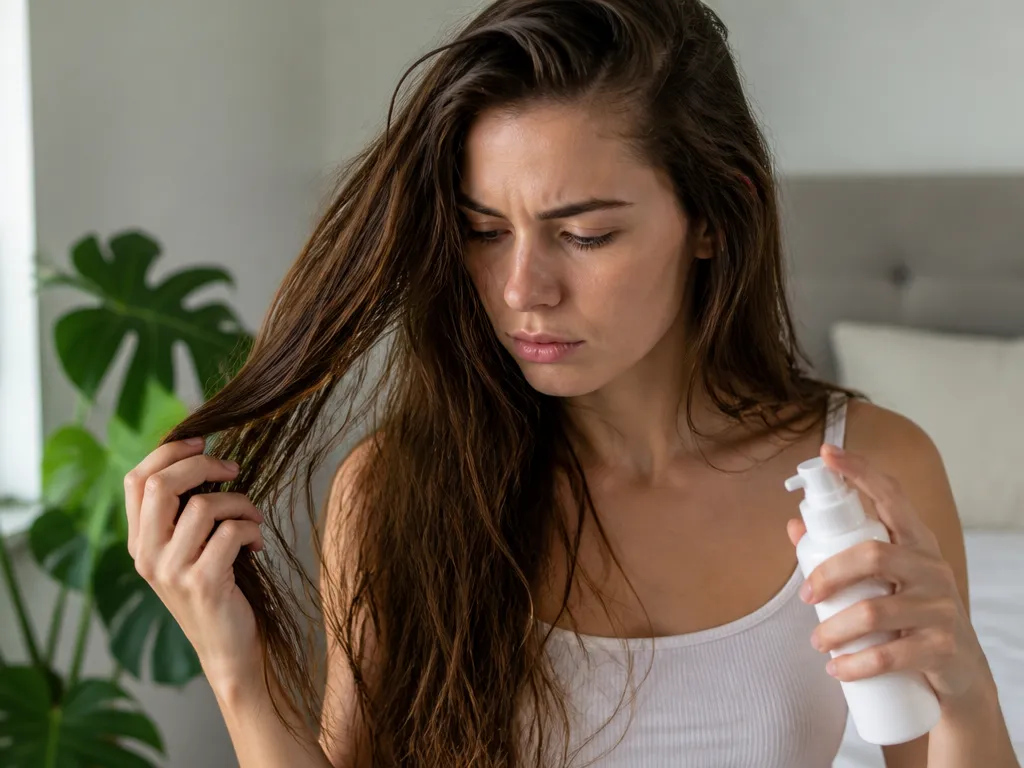
Other mistakes include using too much product or choosing a formula that does not suit the hair. The scalp produces natural oils, and adding heavy moisture to that area can disrupt the skin barrier, causing flakes or acne-like breakouts on the forehead.
Be mindful of silicones if you have fine or oily hair types. Ingredients like dimethicone create a coating that traps dirt and oil, leading to a dull appearance over time. Switching to water-soluble leave-ins can help maintain shine without the heaviness.
For example, a person with an oily scalp and dry ends might try leaving conditioner in to save time. This approach usually backfires because the scalp becomes weighed down while the ends remain frizzy. Applying product only to the lengths and avoiding the roots solves this common issue.
Budget-friendly Alternatives
Drugstore leave-in conditioners are safest when they are made to stay in, use light moisturizing ingredients, and include slip agents that rinse clean without gunking up. Leaving a regular rinse-off conditioner can still feel soft, but it is more likely to weigh hair down or irritate sensitive scalps. The budget move is to switch to a true leave-in formula or dilute a small amount for a shorter “contact time.”
Drugstore Conditioners Safe For Leave-in (What To Look For)
Choose formulas labeled “leave-in” or “leave-on,” because they are designed for contact time with hair and scalp. For most people, look for humectants like glycerin or panthenol, plus slip agents like cetyl alcohol, behentrimonium chloride, or polyquaternium. Avoid heavy waxy blends if your hair gets greasy fast.
Affordable Leave-in Products (Realistic Picks)
Budget options can work because the key is ingredient type and dosage, not price. Common drugstore categories include lightweight leave-in sprays, detangling creams, and curl refreshers, which are easier to keep off the scalp than a thick rinse-off mask.
| Product Type | Price Range | Key Ingredient (Look For) | Best For |
|---|---|---|---|
| Leave-in spray | Drugstore | Glycerin or Panthenol | Oily roots, fine hair, humidity frizz |
| Lightweight detangling lotion | Drugstore | Polyquaternium or Behentrimonium chloride | Wavy hair, tangles, flyaways |
| Cream leave-in | Drugstore to mid | Conditioning fatty alcohols (ex: cetyl alcohol) | Curly to coily hair, dryness |
Patch test tip: If you are prone to itchy scalp or bumps, try the leave-in (or a diluted version) behind your ear or along the hairline for 24 hours before using it all over.
Diy Leave-in Recipes (Homemade, But Smart)
DIY works best when you keep it light, because homemade blends are easier to overdo. A simple approach is diluting a conditioner you already own rather than leaving a full-thickness product on wet roots.
For extra slip, add 1 teaspoon of aloe vera gel (look for simple ingredients) to a diluted batch. This is usually better tolerated for sensitive scalps than adding oils directly, since oils can feel heavy for fine hair.
Dilution Techniques (So You Don’t Get Limp, Greasy, Or Itchy)
Dilution is the difference between “soft and manageable” and “coated and flat.” Start with a shorter contact time if you are nervous: apply on damp hair and rinse after 15 to 30 minutes, then move to leave-on only if your scalp feels calm.
When your hair feels sticky, stringy, or looks greasy the next day, rinse more thoroughly and reduce the amount by half. For build-up concerns, clarify on schedule (many people need less frequent clarifying if they use a lighter leave-in), and re-test the diluted recipe after your scalp resets.
Professional Tips For Best Results
Hair porosity determines how much product your strands can absorb before they become saturated. High porosity hair can often handle longer leave-in times, while low porosity hair risks buildup quickly.
Hair Type Strategies
Curly or coarse hair benefits from a “squish to condish” method. This involves scrunching the product into wet hair to force moisture into the cuticle. Coarser textures can often leave a rinse-out conditioner in for 10 to 20 minutes to improve elasticity. Always perform a patch test on a small section of hair to check for stiffness.
Quick Reference Guide
Leaving conditioner on your hair for extended periods creates a heavy coating that seals moisture in but often attracts dirt and oil. While this technique works wonders for thirsty, thick textures, it typically causes limpness and greasiness on finer hair types.
Benefits Vs. Drawbacks Overview
| Short-Term Effect | Long-Term Risk |
|---|---|
| Instant softness and reduced breakage during combing. | Buildup that weighs down roots and dulls natural shine. |
| Temporary detangling for stubborn knots. | Scalp irritation or clogged follicles due to residue accumulation. |
Hair Type Suitability
Not every hair type handles this method the same way. Coily and kinky textures benefit the most because they require high moisture retention.
Troubleshooting Buildup
If your hair feels sticky or heavy, you likely have product buildup from ingredients like dimethicone. Use a clarifying shampoo according to its label to remove this residue without stripping natural oils.
Dermatologist tip: Always rinse conditioner thoroughly from the scalp to prevent dandruff or folliculitis.
Quick Summary
Leaving rinse-out conditioner in your hair can provide immediate softness and shine by sealing the cuticle. While humectants like glycerin or panthenol help improve elasticity, leaving these formulas on for more than 5 to 10 minutes often leads to heavy buildup. This occurs because most rinse-out products contain heavy silicones and conditioning agents that are not meant to stay on the strands. Such products can make hair feel waxy or look dull if they are not properly washed away after application.
Hair texture determines how you should handle unrinsed products. Fine or straight hair types often experience limp, greasy, or stringy strands if conditioner is left in overnight. Conversely, thick and curly hair can benefit from extra moisture, though you should apply products only from the mid-lengths to the ends to avoid clogging follicles. If you experience scalp itching or small bumps, stop using the product. Always choose a dedicated leave-in product rather than using a standard rinse-out formula for lasting results.
| Hair Type | Recommended Approach |
|---|---|
| Fine / Straight | Use lightweight leave-in sprays; avoid rinse-out residue. |
| Thick / Curly | Apply to mid-lengths and ends; can use thicker formulas. |
| Dry / Damaged | Use humectants like glycerin for moisture. |
Frequently Asked Questions
How Long Should I Leave Conditioner In My Hair?
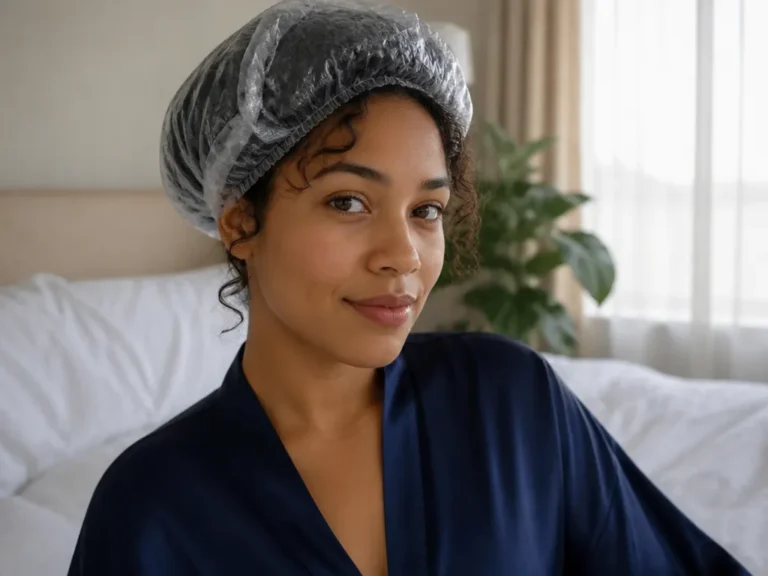
For daily washing, you should leave conditioner on for 2 to 3 minutes to allow the ingredients to penetrate the cuticle. If you are doing a deep conditioning treatment, leave it on for 10 to 20 minutes under a shower cap for maximum hydration.
Can I Leave Conditioner In If I Have A Sensitive Scalp?
You can, but you should stick to lightweight formulas that are free from heavy oils or fragrances that might irritate. Always patch test a small amount behind your ear 24 hours before applying it to your whole scalp to ensure you do not have an allergic reaction.
What Is The Difference Between Leave-in And Rinse-out Conditioner?
Rinse-out conditioner is designed to be washed out within a few minutes to detangle and smooth the hair shaft. Leave-in conditioner is formulated to stay in the hair to provide ongoing moisture and protection against heat damage throughout the day.
Do I Really Need To Rinse Out All Conditioner?
Yes, most conditioners require rinsing to prevent product buildup which can weigh your hair down and make it look greasy. You should only leave conditioner in if the bottle specifically says “leave-in” or “no-rinse.”
Is Salon Conditioner Better Than Drugstore Conditioner?
Not necessarily, as the results depend more on the specific ingredients like proteins and oils rather than the price tag. Many drugstore brands offer excellent formulas for a fraction of the cost, so you should look for key moisturizing ingredients like shea butter or hyaluronic acid.

- 10 Best Hair Oil For Overnight Treatment Buyer Guide 2026 - October 26, 2026
- 10 Best Hair Oil For One Year Old Baby Buyer Guide 2026 - October 26, 2026
- 10 Best Hair Oil For Oily Skin Buyer Guide 2026 - October 26, 2026