What Happens If You Don’t Condition Your Hair?
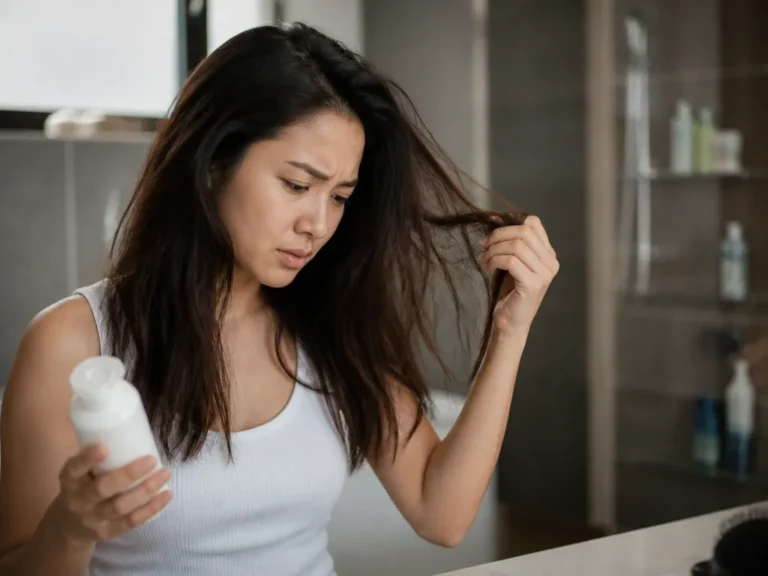
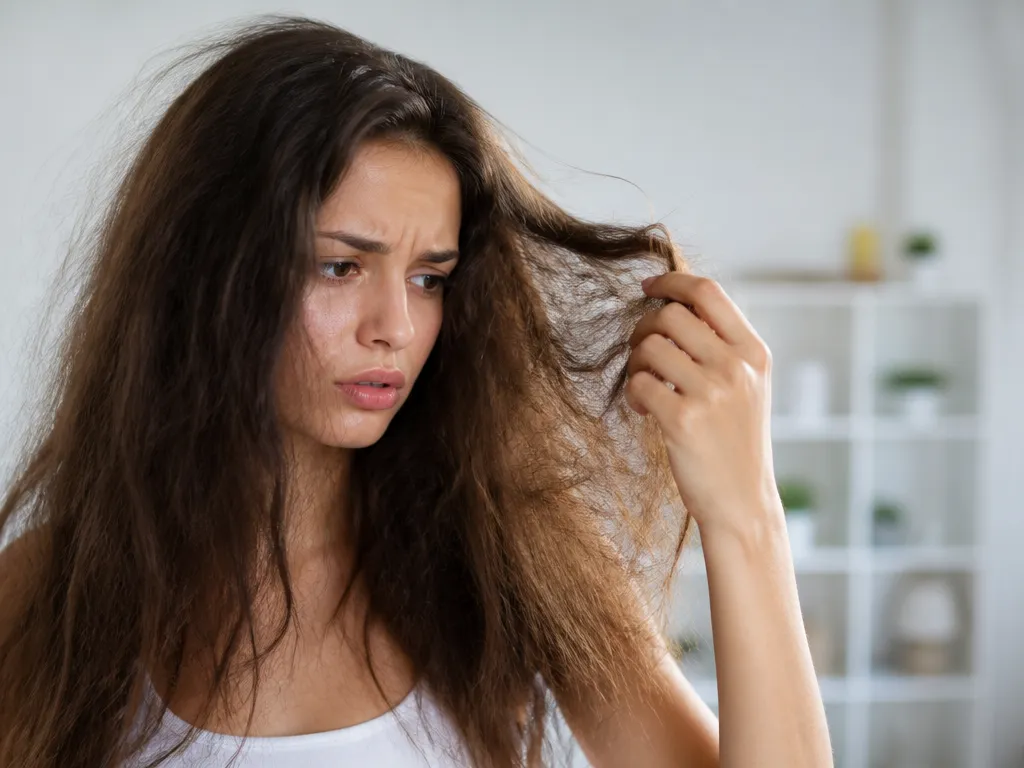
Struggling with dry, tangly hair and wondering why conditioner matters? You are not alone. Conditioning helps smooth the hair cuticle, adds slip, and keeps strands from feeling like sandpaper after shampoo. Skip it long enough, and you will notice dullness, more frizz, and combing that feels harder every wash.
Conditioner (look for cetearyl alcohol or behentrimonium chloride) and a conditioning mask a few times a month are the real winners. They coat hair fibers, so detangling is easier and styling looks smoother. If you want a lighter option, add leave-in conditioner to mid-lengths and ends.
Best for: all hair types, especially dry, curly, or color-treated hair. Use caution if: you have oily roots or scalp acne, and choose a conditioner labeled for lengths only.
What Happens If You Don’t Condition Your Hair?
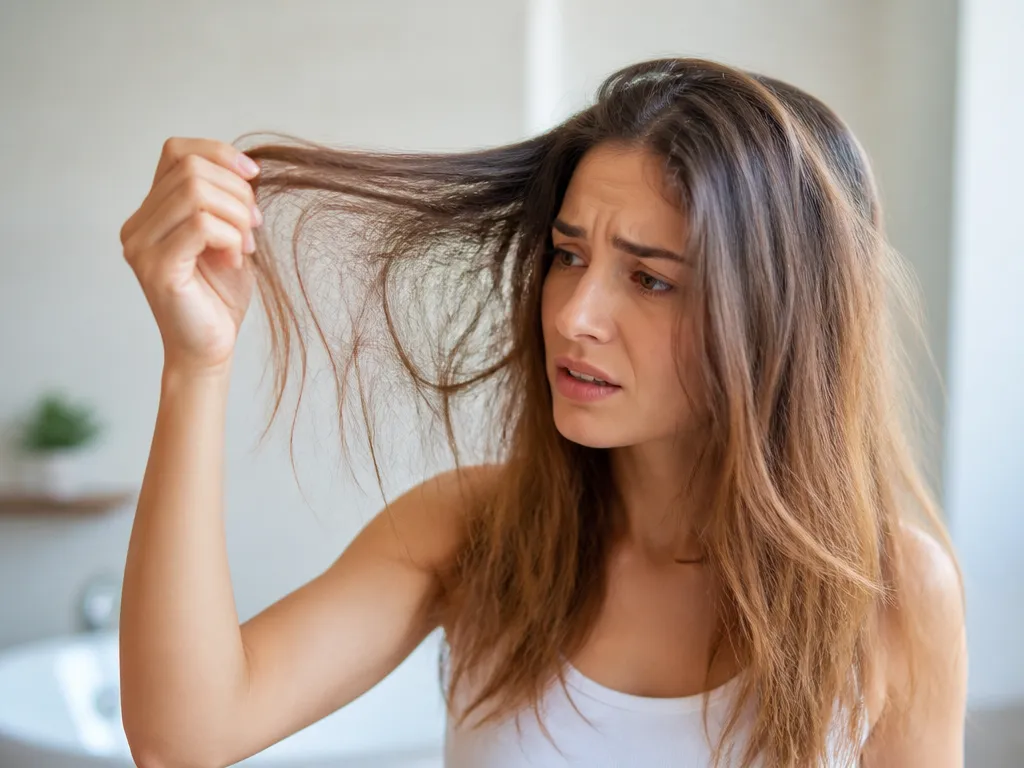
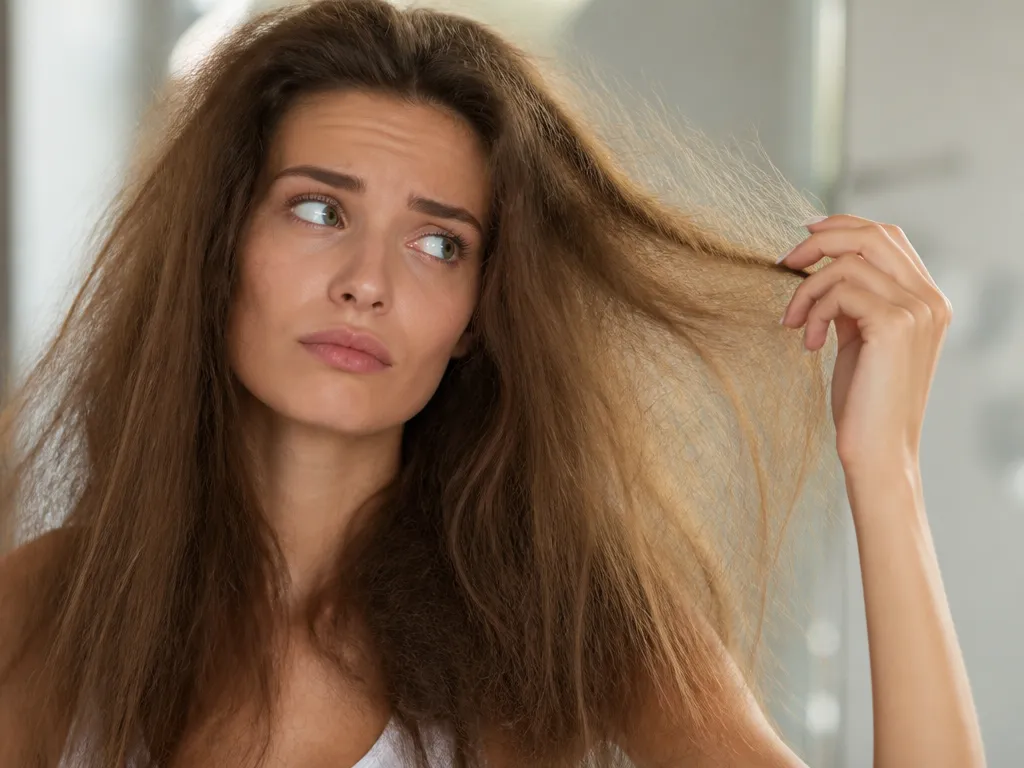
Without conditioning, hair feels rough faster because the cuticle, the outer protective layer, stays raised after shampoo and water exposure. That raised cuticle lets more moisture escape, which is why you end up with dryness, tangles, and frizz even if your scalp feels clean.
Hair conditioning is mainly about keeping the cuticle lying flatter and coating the strand so it can grip less aggressively when you brush. When that coating is missing, tangling increases, detangling takes more force, and ends tend to look dull because light does not reflect evenly off an unsealed surface.
Moisture balance is where people get misled. Shampoo clears oil and product, but it does not replace the softness you lose in the hair shaft, and the cuticle can keep absorbing water and then releasing it too quickly. For textured hair (wavy to coily), this cycle shows up as puffiness, knots, and faster-looking dryness; for fine hair, it often shows up as static and “flyaways” plus less sleek blowout results.
Role Of The Cuticle And Why Moisture Matters
The cuticle acts like shingles: when it lies flat, hair looks smoother, feels softer, and tangles less. Conditioning helps reduce friction by adding ingredients that improve slip and form a light film (often from fatty alcohols, silicones, or emollients), which means less snagging during combing.
Moisture matters because hair behaves differently based on porosity. High-porosity hair can feel dry quickly since it loses water faster, while low-porosity hair can resist absorbing moisture, so it needs conditioners that spread easily without weighing it down. Either way, skipping conditioning usually makes heat styling harder and more drying, since there is less protection at the surface.
| Hair Situation | What you notice when conditioning is skipped | Why it happens |
|---|---|---|
| Curly, coily, or kinky hair | Knots form faster, definition fades, ends feel straw-like | Raised cuticles increase friction between strands |
| Color-treated or bleached hair | Dryness, tangles, faster dullness | Porosity increases, so moisture escapes sooner |
| Fine hair | Static, flyaways, less smooth blowout | Surface friction and uneven coating show quickly |
| Oily scalp, dry ends | Greasy roots but rough lengths | Shampoo cleans the scalp, lengths still need cuticle care |
Trichology tip you can use right away: detangle only when hair is wet and slippery, otherwise friction from a raised cuticle can cause extra snapping at the ends.
Who Needs It Most
Conditioning matters most for hair that tangles easily, feels rough quickly, or has been altered by chemicals or heat. Those include coily and curly textures, bleached or highlighted hair, and anyone who air-dries with knots or hates how their hair looks right after washing.
Moisture-sensitive hair types often benefit from starting simple: a rinse-out conditioner every wash day, or a lighter conditioner if your hair gets weighed down. Patch-test caution still applies for sensitive scalps, especially if you react to fragrance or preservative systems in hair products.
Identify Your Hair Porosity Type
Hair porosity is how easily your strands absorb and hold moisture, and it changes how quickly hair feels dry, tangly, or dull when conditioning is skipped. You can usually spot your porosity by how water behaves during a rinse and how hair feels after washing. If your hair is color-treated, chemically straightened, or frequently heat-styled, porosity often trends higher.
High Porosity Hair Signs
High porosity hair soaks up water fast, then loses it just as quickly, so it dries out within hours of washing. When you skip conditioning, you often feel roughness, snagging during detangling, and a “straw-like” finish that makes frizz look louder. Curly and coily textures can be especially prone to this pattern, and color-treated ends often behave the same way.
Low Porosity Hair Signs
Low porosity hair resists water and product absorption, so it can feel stiff or coated even when you used a “moisturizing” product. When you skip conditioning, detangling gets harder, but the hair can still feel waxy rather than truly hydrated. This is common in fine hair, 2A-3A waves, and hair that has a smoother cuticle layer.
Medium Porosity Hair Signs
Medium porosity hair absorbs water at a balanced rate and tends to hold onto moisture better than high porosity hair. Skipping conditioner often shows up as subtle frizz, less shine, and slightly more tangling, usually starting a day or two after washing. Medium porosity hair is more forgiving, which is why it can “get away with” lighter conditioning for a while.
| Porosity Type | Common “No Conditioner” Clues | Best Starting Point |
|---|---|---|
| High | Roughness fast, tangles quickly, frizz returns early | Moisturizing rinse-out conditioner every wash + occasional deeper mask |
| Low | Waxy feeling, slow water/product absorption, slip is missing | Lightweight conditioner with thorough rinse, then adjust frequency |
| Medium | Less shine, mild tangles, frizz creeps in after day 1 | Consistent rinse-out conditioner, then tweak weight by texture |
Patch-test guidance applies if you use conditioners with actives (like acids or protein treatments), especially if you have a sensitive scalp or history of irritation. If you experience itching, burning, or sudden shedding after wash days, stop the product and consider a consult with a dermatologist or trichologist.
Essential Conditioning Ingredients
Conditioning formulas rely on three key ingredient families to smooth the hair cuticle, reduce friction, and strengthen fragile strands. Without these ingredients, hair surface feels rougher, knots form faster, and blowouts or flat-iron passes get less predictable because the fiber lacks lubrication and slip.
Fatty Alcohols For Slip
Fatty alcohols (like cetyl alcohol, stearyl alcohol, and cetearyl alcohol) are common in conditioners and many “slip” masks. They melt into the hair shaft surface and help keep strands aligned so detangling is easier and frizz looks calmer, especially after shampoo strips away oils.
For oily to combination skin, fatty-alcohol-rich conditioners are still helpful because the hair, not the scalp, needs lubrication. For fine hair, use a lighter rinse-out and focus mid-length to ends so you get slip without a heavy feel.
| Item | Amount/Specification | Notes |
|---|---|---|
| Fatty alcohols (cetyl/stearyl/cetearyl alcohol) | Look for fatty alcohols listed in the mid-to-lower ingredient area | Prioritize for tangling, flyaways, and “rough after wash” texture |
| Quaternary compounds (optional) | Common in many conditioners | Boost conditioning feel and manage static, but can build up if you use heavy formulas often |
Hydrolyzed Proteins For Strength
Hydrolyzed proteins (such as hydrolyzed keratin, hydrolyzed wheat protein, and hydrolyzed collagen) are smaller so they can coat the hair surface and temporarily reinforce weak spots. When hair is left unconditioned, it can feel stiff or “paper-dry,” and weakened areas can catch during combing, which raises the chance of breakage.
Curly and color-treated hair often needs protein support after chemical processing because the cuticle can be more prone to roughness. Still, too much protein can make hair feel rigid, so if your hair goes from soft to crunchy, switch to a moisture-forward conditioner for a cycle.
| Item | Amount/Specification | Notes |
|---|---|---|
| Hydrolyzed keratin (or similar) | Look for hydrolyzed protein listed among the first few ingredients if your hair is porous | Best for fraying ends, elastic feel, and break-prone strands |
| Hydrolyzed elastin or collagen (optional) | Often blends with keratin | Can help with bounce, but it is not a substitute for moisture when hair feels dry |
Silicones Vs Natural Oils
Silicones (like dimethicone, amodimethicone, and cyclopentasiloxane) are smooth-film formers. They reduce friction so hair drags less, which helps with frizz and tangles after washing, and they can improve how evenly heat tools glide across the hair fiber.
Natural oils (coconut, olive, argan) are great for adding surface emollience, but many oils do not coat as uniformly as silicones and can evaporate or wash away quickly.
In practice, silicones tend to deliver more consistent slip for most hair types, while oils shine as part of a moisturizing routine, especially for very dry or curly hair that tolerates them well.
| Item | Amount/Specification | Notes |
|---|---|---|
| Dimethicone or amodimethicone | Often appears early to mid-ingredient list in slip-focused conditioners | Reliable for smoothness and easier detangling, including in humid weather |
| Argan/coconut/olive oil | Look for them higher up if you prefer oil-forward textures | Best for softness, but may not control slip as strongly as silicones for everyone |
Trichology-style takeaway: balance matters. Use protein when hair feels weak or frays, then switch back to moisture when it feels stiff or rough.
Proper Conditioning Application Technique
For oily to combination scalps with dry ends, use conditioner mainly on the mid-lengths and ends, then rinse thoroughly to avoid limp roots. For dry, curly, or highly porous hair, focus on deeper hydration and give each strand time to absorb. If your hair is fine, thin, or prone to buildup, choose lighter textures and reduce the frequency; you can still condition without weighing down your hair.
For most textures, ingredient choices impact performance, not just marketing. Look for glycerin and panthenol for slip and softness, cetyl alcohol or stearyl alcohol for structure, and hyaluronic acid for lightweight hydration. If you color your hair, aim for conditioning with fatty alcohols and humectants, and keep the scalp treatment separate so dye does not fade faster from harsh handling.
| Product Type | Price | Key Ingredient | Best For |
|---|---|---|---|
| Rinse-out conditioner (budget) | Drugstore | Glycerin or panthenol | Oily to combination scalps, fine hair that gets weighed down |
| Leave-in (lightweight) | Any | Hyaluronic acid | Dry ends, frizz-prone hair needing flyaway control |
| Deep conditioning mask (richer) | Any | Conditioning fatty alcohols | Curly, coily, or highly porous hair needing softening and slip |
“Dermatologist-style hair logic,” but for your shower routine: apply from ends upward in sections, then rinse until hair moves freely, especially if you have a sensitive scalp or get buildup easily.
Patch test is still smart for hair products, even if you are only conditioning, especially if you have a history of scalp irritation or eczema. Try a small amount behind the ear or on a discreet scalp area first, then wait 24 to 48 hours. Keep away from the scalp if you get itching or acne-like bumps, and avoid combining heavy leave-ins with very rich masks the same day, that mix can cause dull, gummy buildup on fine hair.
Common Conditioning Mistakes
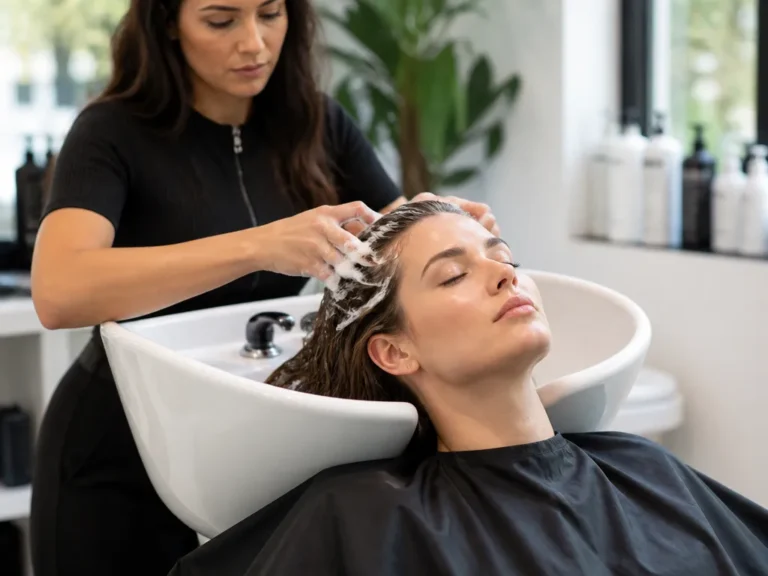
Applying conditioner to the scalp is the quickest way to create buildup and an itchy, heavy-feeling root, especially for oily to combination skin and fine hair. Conditioners are designed to be left on the hair shaft, not massaged into follicles, so your ends get softness while your scalp stays balanced.
Rinsing with hot water can undo the whole point of conditioning because heat can keep cuticles open and make hair feel frizzy again the moment you step out of the shower. For most hair textures, finish with cool or lukewarm water to boost shine and help detangle with less snagging.
Derm tip, hair edition: rinse cool at the end, then detangle gently with a wide-tooth comb while hair is damp and conditioned.
Skipping Conditioner On Textured Hair
Skipping conditioning on curly, coily, or tightly textured hair is a common reason for matting, shrinkage that feels “hard,” and knots that form near the crown. Textured hair often needs more moisture retention to keep the curl pattern flexible, so skipping conditioner can lead to dryness that looks like frizz and feels like brittle strands.
For color-treated hair or naturally dry, high-porosity hair, the risk is even higher because moisture leaves faster and the cuticle can open more easily. Look for a moisturizing mask or conditioner with glycerin and panthenol (hydration support) and, if your scalp tolerates it, niacinamide (Vitamin B3) to reduce the look of imbalance.
| Hair Type | Most Common Mistake | What to Do Instead |
|---|---|---|
| Oily to combination scalp, straight or fine hair | Conditioning the scalp and roots | Use conditioner only on ends, focus on detangling slip |
| Curly, coily, or textured hair | Skipping conditioner or using too little | Use a moisturizing conditioner or mask, saturate ends |
| High-porosity or color-treated hair | Hot-water rinses that keep cuticles open | Rinse cool, then seal with a light leave-in on ends |
When you finally start conditioning, do it consistently before you decide it “doesn’t work.” For many people, you notice easier detangling within 1-2 washes, and smoother texture within 2-4 weeks.
If your conditioner irritates your scalp, stop and switch formulas. Patch-test any new leave-in or mask behind the ear or along the hairline for 24-48 hours, especially if you get itching or redness.
Effective Drugstore Vs High-end Options
High-end conditioners often use smaller molecular weights for deeper penetration, while drugstore versions typically provide surface-level smoothing. Both options can be effective depending on your hair porosity and current damage level.
| Concern | Drugstore Option | High-end Option | Key Ingredient | Best For |
|---|---|---|---|---|
| Moisture | Maui Moisture | Briogeo | Aloe/Hyaluronic Acid | Dry or Curly |
| Repair | L’Oreal Elvive | K18 or Olaplex | Bond-builders | Bleached/Damaged |
| Detangle | Garnier Fructis | Pureology | Behentrimonium Chloride | Fine/Tangled |
Affordable Moisture Builders
Drugstore moisture builders rely on humectants like glycerin and panthenol. These ingredients pull water into the hair shaft. This approach works well for low-porosity hair that can easily be weighed down by heavy butters.
For example, many budget-friendly lines use silicones to create a seal. This gives an immediate feeling of softness. It does not repair the hair, but it prevents further moisture loss during the day.
Luxury Reparative Treatments
Luxury treatments often include patented bond-building technology or hydrolyzed proteins. These ingredients fill gaps in the cuticle caused by bleach or heat. They are most effective for high-porosity or chemically treated hair.
In practice, a bond-builder targets the internal structure of the hair. These products are expensive. They provide structural results that basic drugstore conditioners cannot match.
Beauty editor tip: Start with a drugstore option for basic maintenance. Move to high-end reparative treatments only if you have significant chemical damage or breakage.
Lightweight Detanglers
Leave-in conditioners are the best choice for fine hair that needs slip without the weight of a rinse-out product. Look for water-based sprays containing Behentrimonium Chloride.
Apply these sprays to damp hair from the mid-lengths to the ends. Avoid the roots to prevent oily buildup. Expect to see a reduction in knots and breakage within one to two uses.
Professional Hair Health Tips
| Conditioning Option | Best For | How to Use |
|---|---|---|
| Rinse-out conditioner | Most hair types on wash day | Apply after shampoo, then rinse thoroughly |
| Leave-in conditioner | Dry or frizzy hair, moisture retention | Apply to damp mid-lengths and ends, do not rinse |
| Deep conditioner / mask | Very dry or damaged hair | Weekly or biweekly, leave 5-20 minutes, rinse well |
If you’re not ready to commit to a full conditioning routine, start with a lightweight leave-in or a targeted weekly mask to test tolerance. Patch test any new active ingredients and adjust frequency based on your hair’s porosity, texture, and environment. For most people, conditioning 2-3 times per week on wash days keeps moisture balanced and boosts manageability and shine.
Dermatologist tip: Scalp health drives hair quality just as moisture balance does for the strands. Keep buildup in check by choosing non-greasy formulas near the scalp and patch testing before broad use to avoid irritation.
Quick Summary
For those with high porosity or heat-damaged strands, using a moisturizing mask one to two times weekly is a highly effective strategy. You should avoid applying product to the scalp if you have oily roots to prevent greasiness. Different hair types experience these effects in unique ways, such as fine hair developing static and flyaways or curly hair becoming puffy and knotty.
| Hair Type | Main Issue if Unconditioned |
|---|---|
| Curly or Coily | Knots and straw-like texture |
| Fine | Static and flyaways |
| Color-Treated | Increased porosity and dullness |
Beauty Routine Cheat Sheet
One Thing To Stop Doing Immediately
Stop detangling your hair when it is dry and resistant; only detangle when hair is wet and slippery to prevent snapping.
Expected Timeline For Results
Consistent use of masks and conditioners can improve shine and manageability quickly.
Frequently Asked Questions
How Long Does It Take To See Results After I Start Conditioning?
You will likely see immediate smoothing after one single use, but it takes about 3 to 4 weeks of consistent application to fully improve the hair’s condition.
Do I Really Need To Use Conditioner Every Time I Shampoo?
Yes, because shampoo is designed to remove dirt and oil, while conditioner provides slip and surface protection.
What Is The Difference Between A Regular Conditioner And A Hair Mask?
A regular conditioner is meant for daily or frequent use to maintain smoothness, while a hair mask is a concentrated treatment. You should only use a mask once a week to avoid weighing your hair down with too much product.
Can Conditioner Cause Acne On My Forehead Or Back?
Yes, if the product residue stays on your skin, it can clog pores and cause breakouts. You should always rinse your hair thoroughly and wash your skin with a cleanser after conditioning to prevent buildup.
Is An Expensive Salon Conditioner Worth More Than A Drugstore Brand?
For healthy hair, a drugstore brand is usually sufficient, while salon versions may offer specialized formulas for chemically treated or bleached hair.

- 10 Best Hair Oil For Overnight Treatment Buyer Guide 2026 - October 26, 2026
- 10 Best Hair Oil For One Year Old Baby Buyer Guide 2026 - October 26, 2026
- 10 Best Hair Oil For Oily Skin Buyer Guide 2026 - October 26, 2026