What Is A Bond Treatment For Hair?
If your hair feels like straw or snaps off when you brush it, you are likely dealing with structural damage rather than just dryness. Regular conditioners only coat the surface, but bond treatments work deep inside the hair shaft to fix what’s actually broken. This guide explains how to repair that internal damage and rebuild your hair strength.
Bond treatments are specialized hair care products designed to support damaged hair affected by chemical processing or heat. Unlike standard conditioners that primarily smooth the cuticle, these treatments use active molecules to reinforce the internal structure of the hair. You should look for products containing bis-aminopropyl diglycol dimaleate or similar patented technology for real results.
Best for: bleached, colored, or heat-damaged hair. Use caution if: your hair is extremely fine or protein-sensitive, as overusing these can cause stiffness.
What Is A Bond Treatment For Hair?
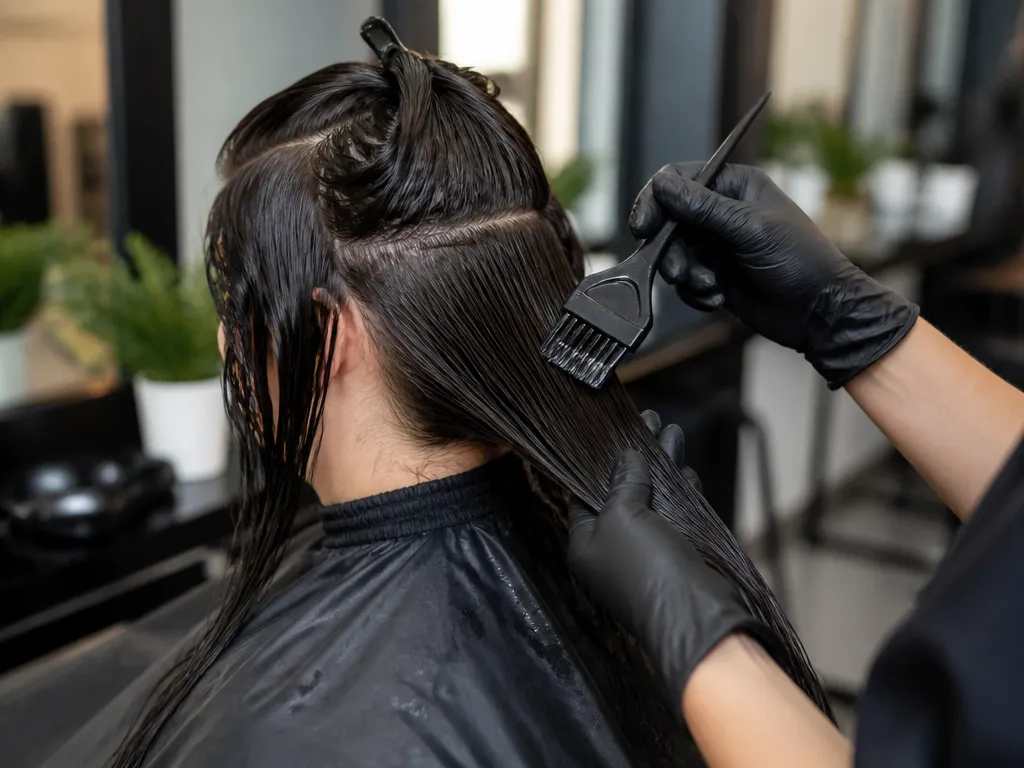
A bond treatment is a specialized haircare product that supports the broken disulfide bonds within the hair’s cortex structure, strengthening hair from the inside out rather than just coating the surface. These treatments contain ingredients like cysteine, keratin amino acids, or polymers that penetrate the hair shaft and help reinforce the chemical bonds that give hair its natural strength and elasticity.
Disulfide bonds are the primary structural components that hold hair proteins together, forming a strong cross-linked network. When hair undergoes chemical processing such as bleaching, coloring, perming, or straightening, these critical bonds break down, leading to weakened hair that’s prone to breakage, split ends, and overall damage.
Understanding Chemical Damage
Chemical services cause breakage through a process called hydrolysis, where water molecules break apart the disulfide bonds that maintain hair’s structural integrity. Bleaching agents in particular oxidize these bonds, converting them into new chemical structures that cannot support the hair’s natural strength.
Realistic Expectations
While bond treatments significantly improve hair strength, they cannot completely reverse severe damage or restore hair to its virgin state. Think of bond repair as patching a weakened bridge rather than rebuilding it from scratch. The treatment creates temporary bridges between broken bonds, providing structural reinforcement until the next chemical service or significant damage occurs.
“Bond treatments work by targeting the internal structure of hair rather than just coating the surface. They temporarily reconnect broken disulfide bonds, providing measurable strength improvements of up to 15-20% in treated hair.”
Results typically last through 4-6 washes before diminishing, making them ideal for periodic strengthening treatments between chemical services. For best results, use bond treatments immediately after chemical processing and repeat every 4-6 weeks for maintenance.
Identify Your Hair Damage Level
You can assess your hair’s condition by testing how it reacts to moisture and tension.
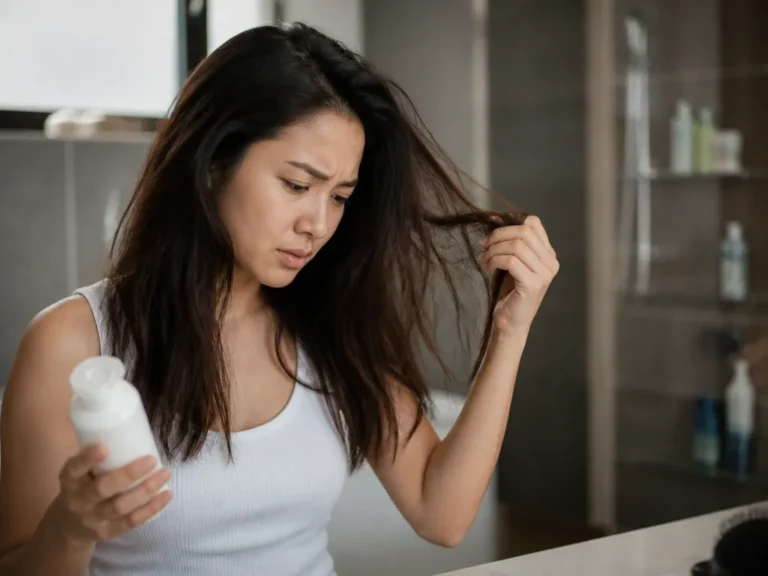
Dry hair feels rough or straw-like but maintains its elasticity when stretched. Damaged hair feels gummy, limp, or snaps easily when you pull on a single strand. If your hair loses its shape or feels “mushy” when wet, the internal structure is likely compromised.
Assessing Hair Condition
Identifying your specific needs helps you avoid wasting money on expensive treatments that your hair might not actually require. Using a bond builder on healthy, merely dry hair can sometimes make strands feel stiff or heavy.
Professional Tip: Perform a simple stretch test on a single wet strand. If it stretches and returns to shape, you need moisture. If it stretches and stays stretched or snaps, you need bond repair.
| Hair Concern | Primary Need | Recommended Approach |
|---|---|---|
| Dehydration | Moisture/Lipids | Deep conditioning masks and oils |
| Protein Loss | Structural Integrity | Bond builders or keratin treatments |
| Surface Roughness | Cuticle Smoothing | Leave-in conditioners and pH balancers |
When To Visit A Salon
Professional salon services provide higher concentrations of active ingredients than most at-home products. You should seek a professional treatment if your hair has undergone multiple rounds of bleach or if you see significant breakage near the scalp.
In practice, a salon visit is most effective after a major color change. Professional bond-building steps during the coloring process can prevent damage before it even starts. If your hair feels gummy or breaks with minimal handling, consult a stylist to discuss intensive in-salon reparative protocols.
Key Ingredients For Bond Repair
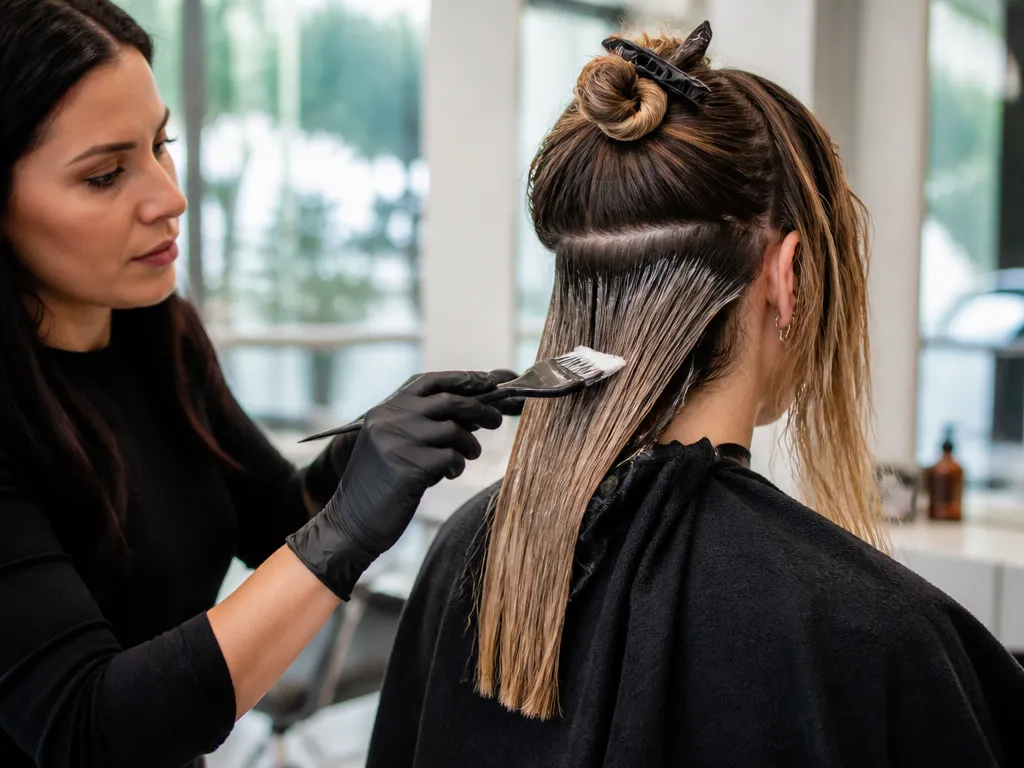
Bond repair ingredients support the damaged structure within the hair cortex.
Chemical Bond Builders
Bis-Aminopropyl Diglycol Dimaleate is a primary ingredient that helps reinforce damaged bonds. It works best for hair that is chemically compromised from bleach or permanent color. Maleic acid is another common ingredient that provides similar structural support.
These ingredients are most effective when used as a pre-shampoo treatment or during a color service. They target the internal architecture of the hair to prevent the shaft from snapping. This process provides structural support rather than acting as a simple temporary coating.
For example, if your hair feels gummy or stretchy when wet, a dedicated bond builder is necessary to stop further breakage.
Amino Acids And Peptides
Peptides are short chains of amino acids that mimic the natural keratin of the hair. They fill in the gaps of a damaged hair shaft to improve elasticity and strength. These work well for fine hair that lacks volume or feels limp.
While they do not always create a chemical bond, they provide a scaffold that prevents more damage. They help the hair retain moisture by sealing the gaps in the cortex. This creates a stronger foundation for other styling products.
For instance, a peptide-based leave-in can protect hair from heat damage during a blow-dry session.
| Item | Specification | Notes |
|---|---|---|
| Bond Builders | Disulfide Linkers | Best for bleach damage |
| Protein Treatments | Hydrolyzed Keratin | Best for high porosity |
| Conditioners | Fatty Alcohols | Best for surface frizz |
Esthetician tip: Always perform a patch test on your skin before applying a high-concentration bond builder to your entire scalp to check for allergic reactions.
Avoid using heavy protein treatments and bond builders in the same session. Too much protein can make the hair brittle and cause it to snap.
Bond Treatment Application Routine
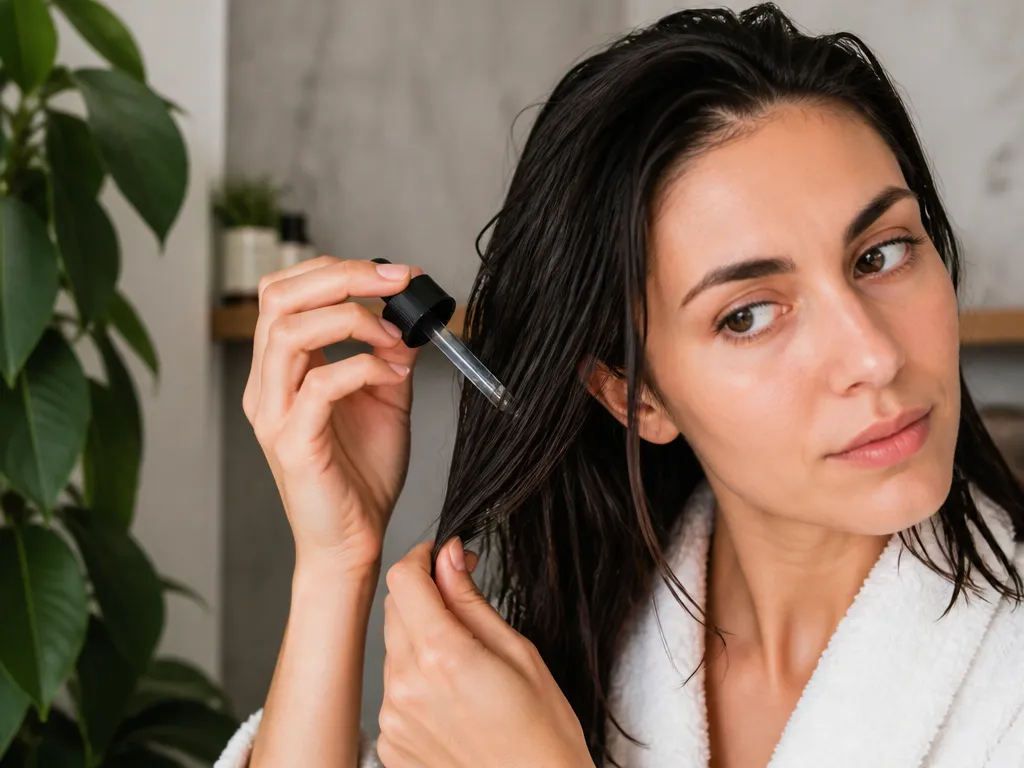
Effective application of bond-building products requires specific sequencing to ensure the active molecules can penetrate the hair shaft rather than sitting on top of the cuticle. Depending on the formula, treatments work best on clean, damp hair or damp, unwashed hair before shampooing. For the best results, use these products once a week for highly damaged hair or every two weeks for maintenance.
Step-by-step Application Guide
Follow this order to get the most out of your repair products: apply the treatment according to its instructions, allow the stated processing time, rinse if required, and follow with shampoo or conditioner as directed. The method varies slightly depending on whether you are using a pre-shampoo concentrate or a deep conditioning mask.
Professional tip: If your hair is extremely porous or chemically bleached, avoid applying heavy oils immediately before a bond treatment, as they can create a barrier that prevents the repair ingredients from working.
Routine Integration And Product Types
Different formulations serve different purposes within a weekly regimen. You can choose between intense weekly treatments or daily maintenance products depending on your hair’s current health.
| Product Type | Frequency | Best For |
| Bond Concentrate | 1x Weekly | Extreme damage from bleach or perms |
| Bond Mask | 1-2x Weekly | Dryness and moderate breakage |
| Bond Shampoo/Conditioner | Every Wash | Preventative care and maintenance |
For instance, if you have just bleached your hair, prioritize the concentrate for the first month. As your hair stabilizes, you can transition to using bond-repair shampoos and conditioners as your primary daily routine.
In practice, always patch test any new chemical treatment on a small section of hair behind the ear or at the nape of the neck to check for unexpected reactions. Expect to see a noticeable improvement in strength and elasticity after 4 to 6 weeks of consistent use.
Mistakes That Weaken Hair Results
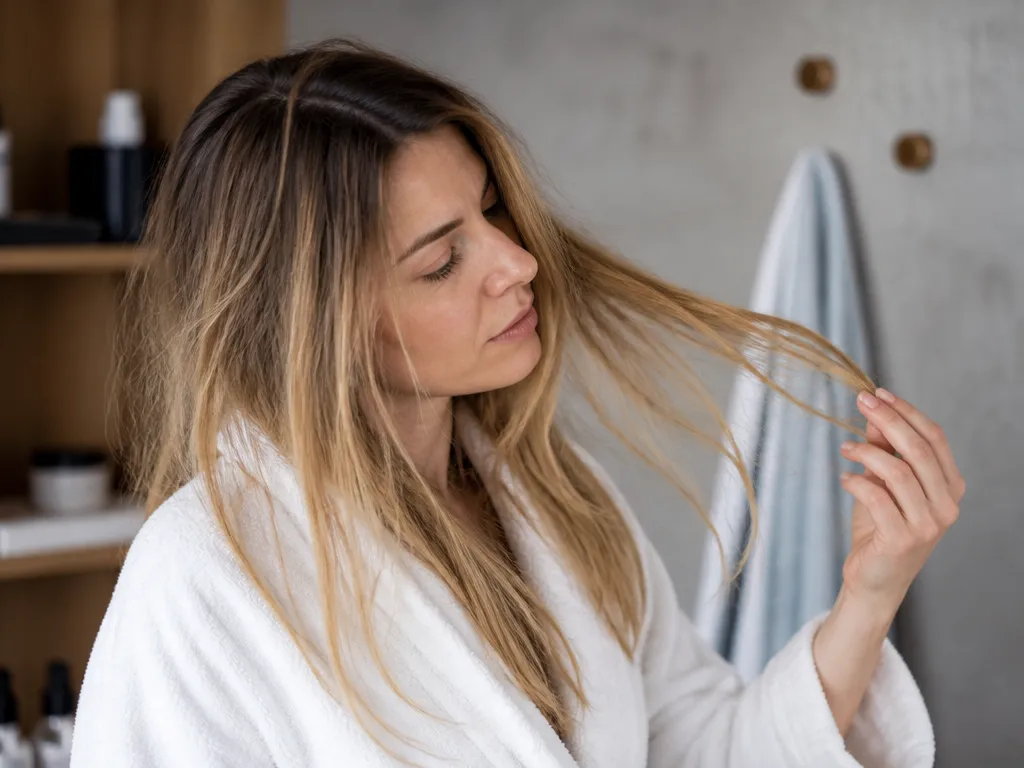
Improper product layering and inconsistent use can undo the internal repairs made by bond-building technology. These treatments focus on the hair’s structural integrity, so they require a specific approach to prevent new damage from overriding the chemical work.
Overloading On Protein
Excessive use of protein-heavy products often leads to hair brittleness. While bond builders repair structural links, heavy doses of keratin or hydrolyzed wheat protein can create a rigid film on the hair shaft. This buildup makes the hair feel stiff and prone to snapping rather than bouncy and soft.
For example, if you use a bond repair treatment every wash along with a heavy protein mask, you might experience “protein overload.” Your hair may look shiny at first, but it will eventually lose its elasticity and break easily under tension.
Esthetician tip: Balance your routine by alternating between bond-repairing products and moisture-focused conditioners to maintain both strength and flexibility.
Neglecting Post-repair Protection
Skipping heat protection after a treatment leaves the newly reinforced bonds vulnerable to thermal stress. Heat from blow dryers, flat irons, and curling wands can weaken the very connections you just worked to stabilize. Using a heat protectant with silicones or polyquaterniums creates a necessary barrier.
In practice, applying a bond builder without following up with a leave-in protectant is like repairing a wall but leaving it exposed to a storm. The structural repair is temporary if the external environment continues to cause high-heat damage.
Application And Maintenance Errors
Inconsistent application frequency prevents the hair from maintaining a steady state of repair. These treatments are not permanent fixes; they are cumulative. You must follow the specific timing and frequency recommended by the manufacturer to see lasting results.
| Common Error | The Result | The Fix |
|---|---|---|
| Using protein every wash | Brittle, snapping strands | Alternate with moisture masks |
| No heat protectant | Rapid bond degradation | Apply SPF or thermal shield |
| Irregular use | Stagnant hair health | Stick to a weekly schedule |
Improper rinsing also causes issues, especially with concentrated bond-building shampoos. Residual product can weigh down the hair or cause scalp irritation if not thoroughly washed away. Ensure you rinse for at least 30 seconds longer than you think is necessary to clear all active ingredients from the hair cuticle.
Drugstore Vs Professional Bond Builders
Professional bond builders often use patented molecules to reinforce damaged internal structures, while drugstore options may use citric acid, amino acids, proteins, or conditioning agents for a combination of strengthening, smoothing, and maintenance. Salon versions are generally more concentrated, while budget versions can provide lighter support for ongoing care.
| Category | Key Ingredients | Best For | Price Range |
|---|---|---|---|
| Salon Concentrates | K18Peptide, Bis-Aminopropyl Diglycol Dimaleate | Bleached or chemically fried hair | $30 – $100+ |
| Drugstore Shampoos | Citric Acid, Hydrolyzed Proteins | Mild heat damage, maintenance | $6 – $15 |
| Bond Masks | Amino acids, Ceramides | Dryness and brittleness | $12 – $30 |
High-performance Salon Concentrates
High-performance concentrates target the inner cortex of the hair. These products often use K18Peptide or Bis-Aminopropyl Diglycol Dimaleate to reinforce damaged bonds. They are best for hair that is bleached, chemically straightened, or severely heat-damaged.
For instance, a salon-grade leave-in treatment can stop hair from snapping during a brush-out. These formulas are potent. Always perform a patch test on your skin before full application to check for allergies.
Beauty editor tip: Use professional concentrates only when your hair feels “mushy” or elastic when wet. Over-using these can sometimes make hair feel too stiff.
Budget-friendly Home Alternatives
Budget-friendly options work well for daily maintenance. These products use citric acid and hydrolyzed proteins to smooth the cuticle and support the feel of stronger hair. They are ideal for hair with mild heat damage or standard color-treated locks.
For example, a bond-strengthening shampoo from a brand like L’Oreal provides a more polished look without the high cost. These are effective for people with fine to medium hair who avoid heavy buildup.
Expect to see a difference in manageability after one use. Full structural improvement usually takes 4-6 weeks of consistent use. Apply the treatment to damp hair, then follow with a light conditioner if the instructions allow.
Expert Tips For Lasting Strength
Maintaining hair integrity requires a consistent routine that protects repaired bonds from new environmental and mechanical stressors. Using bond-building technology is only effective if you prevent the immediate degradation of those structural links through daily habits.
Sulfate-free cleansers are essential for anyone using repair treatments. Harsh surfactants like sodium lauryl sulfate (SLS) can strip away the very moisture and lipid layers that help protect the hair shaft. Choosing a gentle, pH-balanced shampoo ensures your treatment results stay intact for longer.
Professional tip: Use a wide-tooth comb or a flexible detangling brush on wet hair to minimize breakage. Avoid aggressive scrubbing with a towel, as wet hair is at its most vulnerable state.
Routine Integration And Maintenance
Timing your application matters based on your chemical history. If you color your hair frequently, integrating a bond builder into your weekly routine can prevent the “mushy” texture often associated with over-processed strands. For those with natural hair, these treatments work best as a preventative measure against heat damage.
Mechanical damage often occurs during the drying process. For instance, applying high heat to damp hair without a protective barrier can snap the newly reinforced bonds. Always use a heat protectant spray before using a blow dryer or flat iron.
| Maintenance Step | Frequency | Purpose |
|---|---|---|
| Sulfate-Free Wash | Every wash | Preserve hair lipids |
| Bond Repair Mask | Once weekly | Deep structural support |
| Leave-in Protectant | Daily/Pre-heat | Shield against friction and heat |
Managing your detangling technique prevents micro-tears in the cuticle. Start at the ends of your hair and work your way up to the roots. This method prevents you from pulling knots tight and snapping the hair mid-shaft.
For example, if you have fine or highly processed hair, avoid tight hairstyles like high ponytails with thin elastic bands. These create tension points that can physically break the bonds you are trying to repair. Opt for silk scrunchies or claw clips instead.
Quick Summary
These treatments are most effective for hair that has been bleached, colored, or subjected to frequent heat styling. Look for ingredients like bis-aminopropyl diglycol dimaleate or similar patented technologies, and choose a product based on the severity of the damage and the formula’s instructions.
These treatments can provide measurable strength improvements of up to 15-20% in treated hair. While they offer significant reinforcement, they act like a patch on a weakened bridge rather than a total reconstruction of virgin hair. Results typically last through 4-6 washes, so maintenance is key. You should apply bond builders once a week or after every chemical service to maintain integrity. Avoid applying them too frequently or combining them with heavy protein treatments, which can cause stiffness.
| Hair Condition | Key Characteristic | Treatment Need |
|---|---|---|
| Dry Hair | Rough or coarse but maintains elasticity | Moisture/Conditioner |
| Damaged Hair | Gummy, limp, or snaps easily when pulled | Bond Treatment |
| Severely Compromised | Stretchy like wet noodles and breaks instantly | Intensive Bond Repair |
Frequently Asked Questions
How Long Does It Take To See Results From A Bond Builder?
You can often feel a difference in hair strength and smoothness after just one single use. For significant repair of chemically damaged hair, you should use the treatment weekly for at least 4 to 6 weeks to see cumulative structural improvements.
What Is The Difference Between A Bond Builder And A Regular Hair Mask?
Regular masks usually provide moisture and shine, while bond builders are formulated to reinforce damaged hair at a deeper level. Think of a mask as a topical moisturizer and a bond builder as a structural repair kit for your hair fibers.
Can I Use Bond Treatments If I Have Acne-prone Skin?
Yes, these treatments are designed for hair and are generally safe for skin, but you should avoid letting heavy formulas sit on your face or forehead. If you have active acne, rinse your hairline thoroughly to ensure no residue remains that could clog pores.
What Is The Correct Order To Apply These Products?
Many bond builders are designed to be applied to damp, unwashed hair before your shampoo, though some modern versions work better after cleansing. Always check your specific product instructions, as applying a pre-shampoo treatment after shampooing may reduce its effectiveness.
Is The Expensive Salon Brand Worth It Compared To Drugstore Versions?
While salon brands often have more concentrated patented technology, many drugstore options now use highly effective bis-aminopropyl diglycol dimaleate or similar chemistries. You can save money by choosing a budget-friendly bond builder for regular maintenance and saving the high-end versions for intensive repair sessions.

- 10 Best Hair Oil For Overnight Treatment Buyer Guide 2026 - October 26, 2026
- 10 Best Hair Oil For One Year Old Baby Buyer Guide 2026 - October 26, 2026
- 10 Best Hair Oil For Oily Skin Buyer Guide 2026 - October 26, 2026