What Is A Malibu Treatment For Hair?
If your hair feels stiff, looks dull, or refuses to take color no matter what you do, you might be dealing with mineral buildup rather than dryness. You are not alone in this struggle. This guide explains how to identify mineral coating and how a professional-style detox can reset your hair texture.
A Malibu treatment is a professional chelating process that uses chelating agents to strip mineral deposits like calcium, magnesium, and copper from the hair shaft. This detox removes heavy metal buildup in 1 session, leaving hair soft and ready for color. Best for: hard water users and swimmers. Use caution if: hair is severely over-processed.
What Is A Malibu Treatment For Hair?
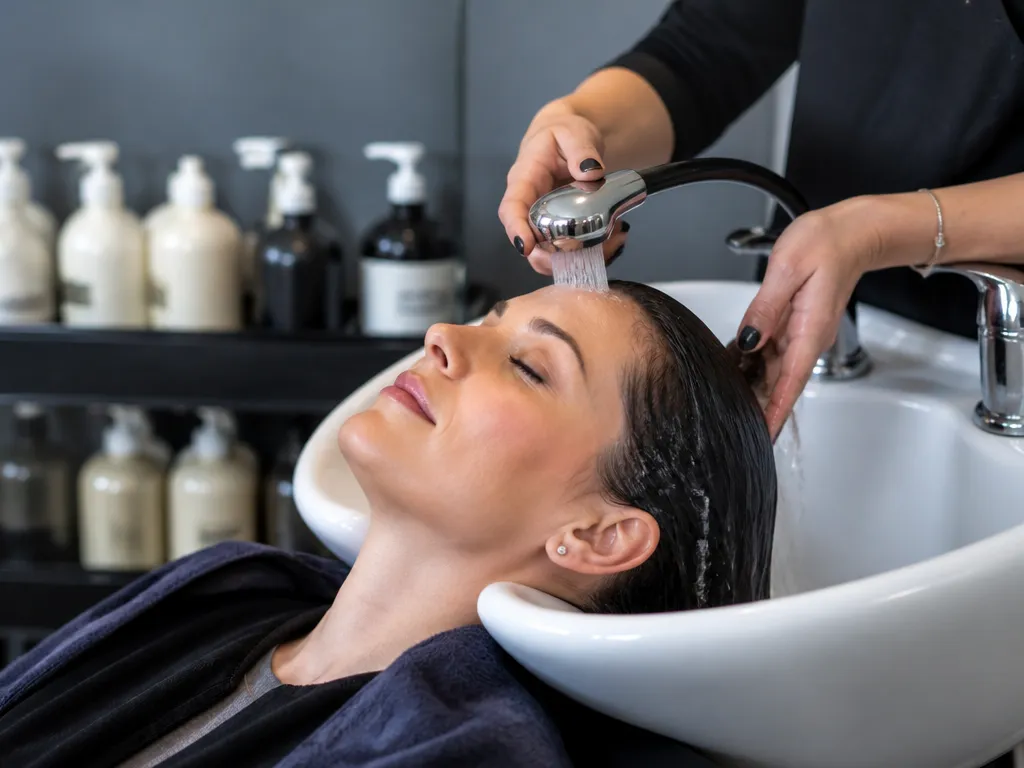
Malibu C treatments are professional chelating systems that remove mineral deposits and chemical buildup from the hair shaft. These formulas target metals like copper and calcium that bond to the hair, which often causes stiffness, dullness, or discoloration.
| Feature | Clarifying Treatment | Chelating Treatment (Malibu) |
|---|---|---|
| Target | Surface oils and product residue | Hard water minerals and metals |
| Action | Washes away debris | Binds to and pulls out minerals |
| Best For | Oily scalps or heavy styling products | Chlorine, calcium, and copper buildup |
Chelation Vs. Clarifying: The Main Difference
Clarifying shampoos use surfactants to wash away surface debris like silicone or sebum. These are effective for oily scalps or removing dry shampoo. However, they cannot break the bond between a mineral and the hair fiber.
Chelating agents use a chemical process to bind to metals and pull them out of the hair. This is a deeper detox. It is necessary when hair feels “coated” or resists moisture from conditioners.
Mineral removal directly affects hair texture by clearing the cuticle. When minerals are gone, the hair becomes more porous. This allows moisture and color to penetrate the shaft more evenly.
Pro tip: Always follow a chelating treatment with a deep conditioner. These treatments open the cuticle to remove minerals, so you must seal it back down with a moisturizing mask.
Who Benefits Most From A Detox?
People living in areas with hard water often see the most change. Hard water contains high levels of calcium and magnesium that leave a film on the hair. This film makes hair feel rough and prevents conditioners from working.
Frequent swimmers also need this treatment to remove chlorine and copper. Copper often turns blonde hair a greenish tint. This process strips the metal without the harshness of a bleach wash.
For instance, a client with lightened hair who swims in a public pool will often have “muddy” tones. A chelating treatment clears those minerals to reveal the true hair color.
Patch test warning: Perform a patch test on the scalp if you have a sensitive skin type or a history of contact dermatitis. Some active chelators can be irritating to highly sensitive skin.
Budget Options:
Professional: Malibu C (Salon Only).
Mid-range: Malibu C Home Kits ($20 – $30).
Drugstore: Ion Hard Water Shampoo ($6).
Identifying Mineral Buildup In Hair?
Mineral buildup occurs when hard water deposits, such as calcium and magnesium, settle on the hair shaft and create a physical barrier. This layer prevents moisture from penetrating the cuticle and stops hair products from working effectively. You can often tell the difference between simple dryness and mineral accumulation by how your hair responds to standard conditioners.
Signs Of Hard Water Deposits
Hard water minerals leave a distinct physical residue that differs from natural oil or product buildup. While oils make hair feel greasy, mineral deposits often make hair feel strangely stiff or “crunchy” even after a thorough wash. This sensation is a primary indicator that your water supply contains high levels of dissolved solids.
For instance, if you find yourself using more conditioner than usual but your hair still feels rough, you are likely dealing with a mineral coating. Standard moisturizing ingredients cannot bypass a calcium shell without a chelating agent.
The ‘Coated’ Feeling And Dullness
A “coated” feeling is common for individuals living in areas with high mineral content or those who swim frequently. This buildup acts like a film that traps other impurities against the hair strand. It can make even healthy, color-treated hair look aged or weathered.
Professional Tip: If your hair feels heavy and limp despite being clean, you may have a combination of product residue and mineral buildup.
Recognizing Chlorine And Copper Tints
Environmental factors like swimming pools can introduce specific metallic or chemical tints to your hair. These issues are most visible on lighter hair tones, such as blonde, silver, or light brown.
Chlorine Damage
| Issue | Visual Indicator | Common Cause |
|---|---|---|
| Green/Brassy Tints | Greenish or muddy tones in blonde hair | Copper or metal deposits from water |
| Dry, brittle, or “fried” texture | Frequent exposure to pool chemicals |
In practice, copper buildup often shows up as a greenish hue in lightened hair. This is a chemical reaction between the metal in the water and the hair’s internal structure. If you notice these color shifts, a detox treatment is usually required to neutralize the metals and restore your original shade.
Key Ingredients For Hair Detox
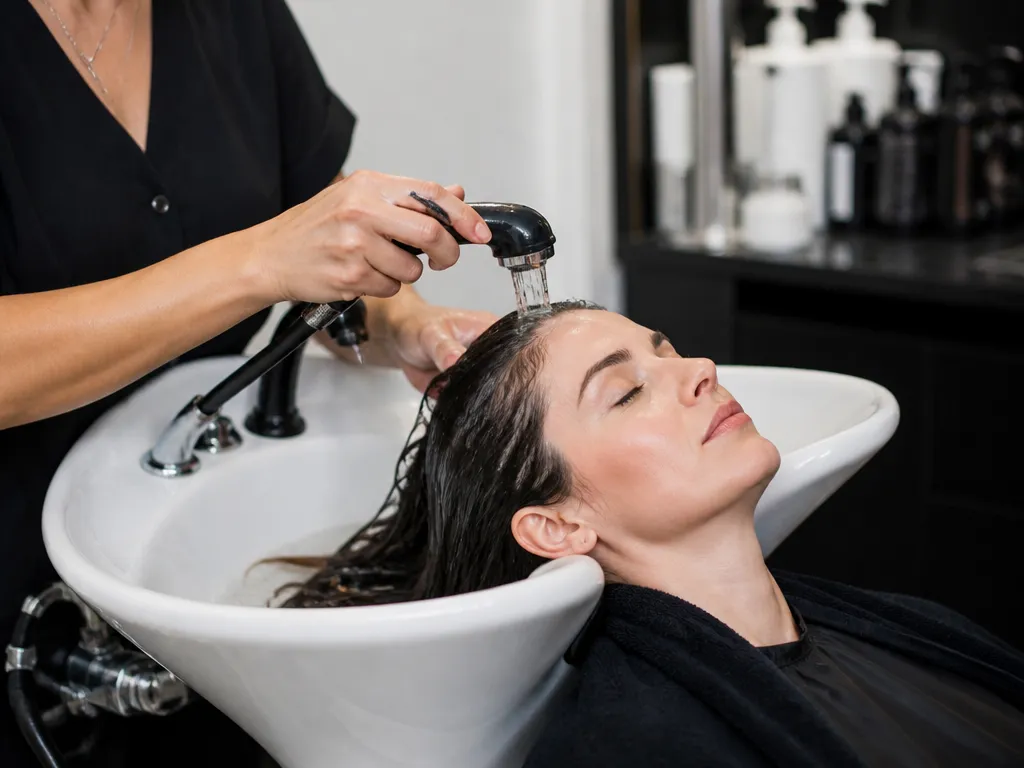
Chelating treatments use specific active molecules to bind to mineral deposits and metal ions, pulling them away from the hair shaft during the rinse process. These ingredients target the microscopic buildup caused by hard water, swimming pool chlorine, and environmental pollutants. Once these substances encapsulate the unwanted particles, the minerals become water-soluble and wash away without damaging the hair cuticle.
Neutralizing And Removing Buildup
Vitamin C (Ascorbic Acid) acts as a powerful neutralizing agent specifically for chlorine. It chemically reacts with residual pool chemicals to prevent the oxidative damage that leads to brassy tones or brittle textures. This is particularly helpful for blondes or color-treated hair that feels rough after swimming.
Chelating Agents such as EDTA (Ethylenediaminetetraacetic acid) handle the heavier lifting of mineral removal. These molecules grab onto calcium, magnesium, and copper ions that settle on the hair. By grabbing these metal ions, the chelator stops them from reacting with hair color or causing dullness.
For instance, if you live in a hard water area, you might notice a “film” on your hair that makes it feel stiff. A chelating agent breaks that film by latching onto the calcium and magnesium, allowing your shampoo to rinse them clean.
Professional tip: Always follow a detox treatment with a deep conditioning mask. Chelating agents remove buildup, but they also temporarily strip away some natural oils, so replenishing moisture is a vital step.
Maintaining Hair Health
Conditioning Buffers are included in high-quality detox formulas to ensure the hair does not become overly sensitized. These ingredients help maintain the hair’s pH balance and prevent the cuticle from lifting too aggressively. This minimizes the risk of dryness or tangling during the treatment.
The following table compares how different ingredients target specific hair concerns:
| Ingredient Type | Primary Target | Best For |
|---|---|---|
| Vitamin C | Chlorine & Oxidizers | Swimmers & Blondes |
| Chelators (EDTA) | Hard Water Minerals | Dull, stiff, or coated hair |
| Conditioning Agents | Cuticle Integrity | All hair types post-treatment |
Perform a patch test on a small area behind your ear before applying any detox treatment to your entire head. This is especially important if you have a history of scalp sensitivity or allergies to acidic components. Use these treatments every 4 to 8 weeks to avoid over-stripping your hair.
Step-by-step Malibu Treatment Process
Malibu C treatments use chelating agents to bind to mineral deposits and lift them from the hair shaft. This process removes calcium, magnesium, and copper that cause dullness or green tints in blonde hair.
Application And Timing
Hair must be damp but not soaking wet for the crystals to adhere properly. For those with dry or curly hair, apply a small amount of coconut oil to the ends first to prevent moisture loss.
Pro tip: Use a plastic mixing bowl instead of metal to prevent the chelating agents from reacting with the container.
Perform a patch test on a small section of hair behind the ear 24 hours before full application. This is vital for people with sensitive scalps or those who have recently used bleach.
Post-treatment Hydration
Chelating removes mineral buildup but also strips natural lipids from the hair. This leaves the cuticle open and prone to tangling if not sealed immediately.
Follow the rinse with a deep conditioning mask containing shea butter or argan oil. Leave the mask on for 10 to 20 minutes before a final cool rinse to lock in moisture.
For oily scalps, focus the conditioner only on the mid-lengths and ends. Those with very dry or coarse hair should use a leave-in conditioner after the mask for extra protection.
| Option | Price Range | Key Ingredient | Best For |
|---|---|---|---|
| At-Home Crystals | $15 – $30 | Vitamin C / Citric Acid | Maintenance & Light Buildup |
| Professional Salon | $40 – $80 | Concentrated Chelators | Heavy Mineral/Chlorine Build-up |
Mistakes That Damage Your Hair
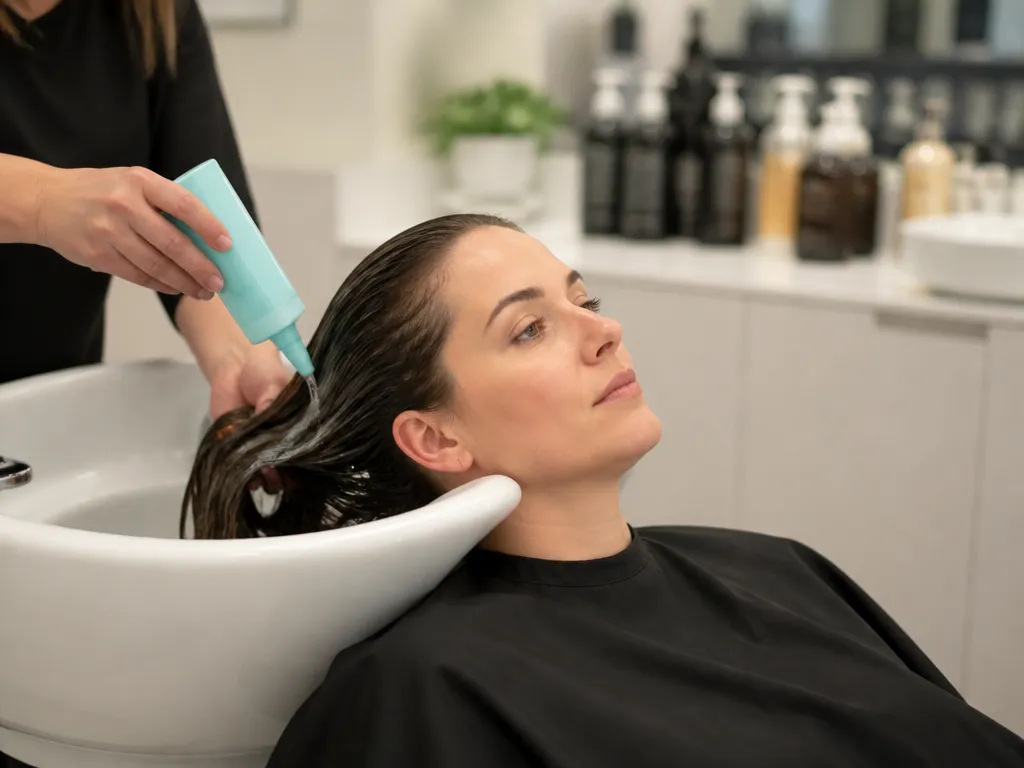
Excessive use of chelating treatments can strip essential natural oils from your hair, leaving it dry and brittle. When used too frequently, these mineral-removing formulas create a harsh environment that compromises your hair’s protective barrier.
Over-using Chelating Treatments
Many people believe that if a little is good, more must be better when it comes to detoxifying treatments. This misconception leads to overuse that damages the hair cuticle. Chelating treatments should only be used once every 4-6 weeks, not with every wash.
Skipping The Deep Conditioning Phase
After using a chelating treatment, your hair needs immediate replenishment to restore hydration and nutrients. Skipping this crucial step leaves your hair vulnerable to damage and breakage.
| Consequences of Skipping Deep Conditioner | Recommended Recovery Protocol |
|---|---|
| Dry, brittle strands | Apply protein-rich mask immediately after treatment |
| Increased static and frizz | Follow with hydrating leave-in conditioner |
| Reduced elasticity | Use weekly deep conditioning treatments for one month |
Applying To Severely Compromised Hair
Chemically treated or severely damaged hair requires special consideration before using chelating treatments. These treatments add stress to already fragile strands that may not be able to withstand additional processing.
For instance, hair that has undergone bleaching, coloring, or perming within the past two weeks should not undergo chelating treatments. The combination can cause excessive protein loss and structural damage.
Professional stylist tip: Always perform a strand test before applying chelating treatments to compromised hair. If the hair stretches less than 30% before breaking, it’s too damaged for this treatment.
Instead, focus on gentle cleansing and intensive moisturizing treatments until your hair regains strength. Once your hair shows improved elasticity and resilience, you can reintroduce chelating treatments with proper conditioning afterward.
Drugstore And Diy Detox Options
Budget alternatives to professional Malibu treatments can effectively remove mineral buildup and restore hair’s natural shine without the premium price tag. Drugstore chelating shampoos and DIY vinegar rinses offer accessible solutions for those dealing with hard water, chlorine, or stubborn product residue.
Budget Chelating Shampoos
Several affordable chelating shampoos provide similar benefits to Malibu treatments by binding to mineral deposits and lifting them from the hair shaft. Look for products containing EDTA, citric acid, or sodium citrate as these ingredients effectively neutralize hard water minerals.
| Product | Price Range | Key Ingredients | Best For |
|---|---|---|---|
| Neutrogena Anti-Residue Shampoo | $8-10 | Citric acid | Weekly buildup removal |
| Paul Mitchell Shampoo Three | $12-15 | EDTA | Swimmers and hard water |
| Olaplex No. 4C Clarifying Shampoo | $28-30 | EDTA, sodium citrate | Severe buildup and color-treated hair |
For instance, Neutrogena’s Anti-Residue Shampoo can be used weekly to remove product buildup without stripping essential oils. While less potent than professional treatments, these options work well for maintenance between deeper clarifying sessions.
Apple Cider Vinegar Rinse Method
A DIY apple cider vinegar rinse offers a natural alternative to commercial chelating products with the acidic nature helping dissolve mineral deposits and balance the hair’s pH level. This method restores shine and manageability while being gentle enough for most hair types.
“Trichologist tip: Use raw, unfiltered apple cider vinegar for maximum benefits. The ‘mother’ contains beneficial enzymes and probiotics that support scalp health.”
To create an effective rinse, mix one part apple cider vinegar with two parts water and apply after shampooing. Leave the mixture on for 2-3 minutes before thoroughly rinsing. This works best for normal to oily hair types, as those with dry or damaged hair may find it too stripping without proper conditioning afterward.
When To Upgrade To Professional Grade
While DIY and drugstore options work for maintenance, certain situations warrant professional-grade treatments. If you have extremely hard water, swim frequently in chlorinated pools, or use heavy styling products, a professional Malibu treatment may provide more comprehensive results.
Professional treatments typically offer more concentrated chelating agents and customized formulations for your specific hair type and concerns. Consider upgrading to professional-grade treatments every 4-6 weeks for optimal results, while using DIY options for maintenance in between to extend the benefits and save money.
Professional Tips For Lasting Shine
Preventing mineral buildup requires a proactive approach to your daily water quality and hair care routine. While chelating treatments clear existing deposits, long-term clarity depends on minimizing the amount of calcium, magnesium, and copper that touches your hair strands.
Environmental And Hardware Solutions
Shower filters act as a primary line of defense against hard water. These devices attach to your existing showerhead and use ion exchange or KDF media to neutralize heavy metals before they reach your scalp.
For example, if you live in an area with high mineral content, a single filter can significantly extend the time between detox sessions. You should replace filter cartridges every three to six months to ensure they remain effective at trapping particulates.
Pro tip: If your hair feels “sticky” or coated even after shampooing, your local water hardness is likely the culprit. Testing your water with a home kit can confirm if a filter is a necessary investment.
Pre-swim And Moisture Management
Chlorine and salt water create a different type of buildup that can mimic mineral deposits. Protecting your hair before entering a pool or the ocean is essential for maintaining color integrity and softness.
Balancing these detox steps with consistent moisture is the final piece of the puzzle. Frequent chelating can lead to dryness if not managed correctly. Use the following schedule to maintain a healthy balance:
| Hair Type/Concern | Detox Frequency | Moisture Focus |
| Hard Water/Minerals | Every 4-6 weeks | Deep conditioning masks |
| Frequent Swimmers | Every 2-3 weeks | pH-balanced conditioners |
| Color-Treated Hair | Once a month | Protein and lipid replenishment |
In practice, you should always follow a detox treatment with a high-quality, moisture-rich conditioner. This replaces the hydration that may be stripped away during the mineral removal process.
Common Malibu Treatment Questions
Malibu C treatments target mineral buildup while minimizing the loss of natural oils or permanent hair color. These chelating agents bind to metals like copper and calcium to lift them from the hair shaft.
Color Safety And Sensitivity
Color-treated hair generally tolerates these treatments well because the formula targets mineral deposits rather than pigment. However, very porous or bleached hair may experience a slight shift in tone if mineral deposits were masking the true color.
For instance, someone with platinum blonde hair might notice a brighter, cleaner tone after the treatment. This happens because the “brassiness” was actually mineral buildup rather than pigment fade.
Always perform a patch test on a small section of hair behind the ear. This ensures the formula does not cause irritation or an unexpected color shift on your specific hair chemistry.
Compatibility And Timing
Keratin treatments rely on a protein coating that seals the cuticle. Chelating agents can strip these coatings, which reduces the longevity of your smoothing service.
Wait at least two weeks after a keratin treatment before using a detox product. If you use it too soon, you may notice the frizz returning faster than usual.
Using this process every week is too aggressive for most hair types. Most people only need a detox every 4 to 8 weeks to avoid over-drying the strands.
| Option | Estimated Price | Key Ingredient | Best For |
|---|---|---|---|
| Professional Malibu C | $30 – $70 | Vitamin C / Chelators | Heavy mineral buildup |
| Drugstore Clarifying | $7 – $15 | Sodium Laureth Sulfate | Light product residue |
Esthetician tip: Always follow a detox treatment with a deep conditioner or a pH-balancing mask to seal the cuticle and restore moisture.
Quick Summary
A Malibu treatment is a professional chelating process that removes mineral deposits like calcium, magnesium, and copper from the hair shaft. This detox is specifically designed for swimmers and people living in areas with hard water. Unlike standard clarifying shampoos that only wash away surface oils or silicone, these chelating agents chemically bond to metals to pull them out of the hair. This deeper detox helps resolve stiffness and dullness by removing the physical barrier that prevents moisture from entering the cuticle.
Using this treatment can improve color absorption and help hair dye penetrate more evenly and vibrantly. Most people see immediate results in softness and shine, though you should always follow up with a deep conditioner to restore hydration. You can perform this detox every 4 to 8 weeks depending on your water hardness. While professional Malibu C treatments are available at salons, you can find mid-range home kits for $20 to $30 or drugstore options like Ion Hard Water Shampoo for $6. Always perform a patch test if you have sensitive skin.
| Treatment Type | Primary Target | Best For |
|---|---|---|
| Clarifying | Surface oils and product residue | Oily scalps or heavy styling |
| Chelating | Hard water minerals and metals | Chlorine, calcium, and copper buildup |
Frequently Asked Questions
How Long Does A Malibu Treatment Take To Show Results?
You will typically see a difference in hair clarity and color vibrancy immediately after the first application. This treatment works by removing mineral buildup, so the results are instant once the minerals are stripped away.
Can I Do A Malibu Treatment At Home Or Should I Go To A Salon?
While you can buy at-home kits, a professional salon service is preferable if you have complex color corrections or heavy mineral deposits. Professionals can ensure the pH balance of your hair remains stable during the demineralization process.
What Is The Difference Between A Malibu Treatment And A Clarifying Shampoo?
A clarifying shampoo is designed to remove surface oils and product buildup, whereas a Malibu treatment specifically targets hard water minerals like calcium and magnesium. This makes the Malibu treatment much more effective for those living in areas with hard water.
Is A Malibu Treatment Safe For Color-treated Hair?
Yes, it is generally safe, but you should use a version specifically formulated for color to avoid unwanted shifts. It is best to patch test first and consult your stylist to ensure the mineral removal won’t alter your specific shade.
How Often Should I Get A Malibu Treatment?
Depending on your water quality, you should only need this treatment every 4 to 8 weeks. Overusing demineralizing treatments can lead to dryness, so it is better to use it only when you notice dullness or stiffness in your hair.

- 10 Best Hair Oil For Overnight Treatment Buyer Guide 2026 - October 26, 2026
- 10 Best Hair Oil For One Year Old Baby Buyer Guide 2026 - October 26, 2026
- 10 Best Hair Oil For Oily Skin Buyer Guide 2026 - October 26, 2026