
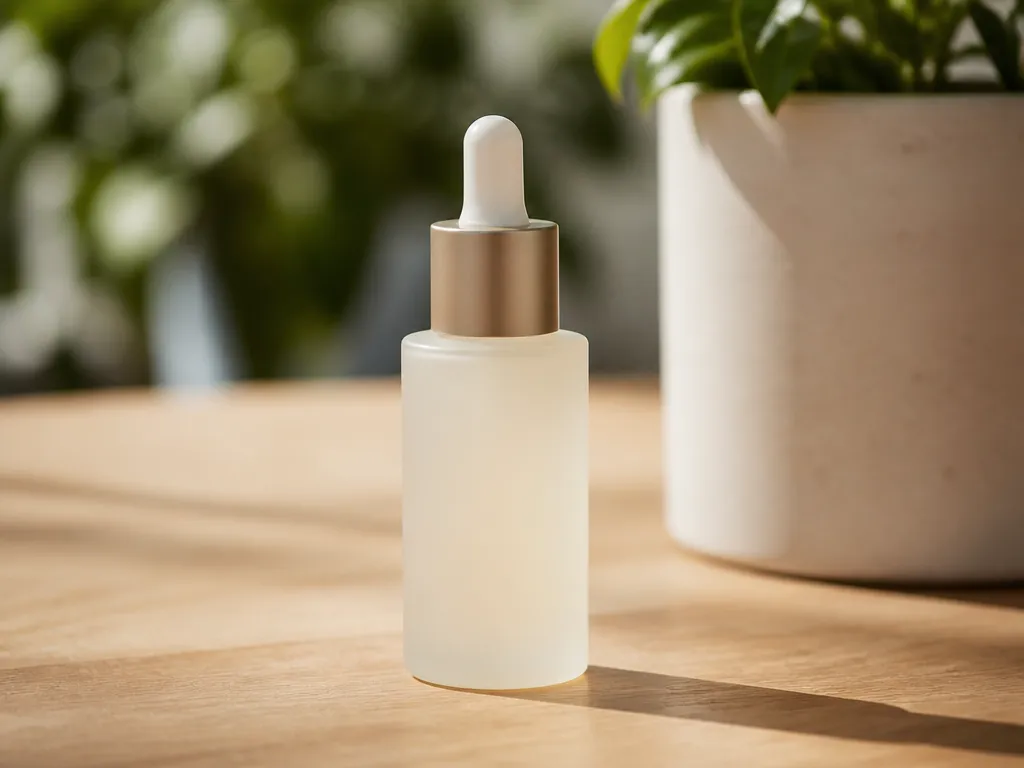
What Is In Nutrafol Hair Serum?
Seeing more hair in your brush than on your scalp is incredibly stressful. You want to know if expensive topical treatments actually deliver results or if you are just paying for fancy packaging. I am breaking down the Nutrafol Hair Density Serum so you can see exactly what is hitting your scalp. Best for: most hair types. Use caution if: you have a highly sensitive scalp or known plant allergies.
Nutrafol Hair Density Serum is described as a blend of plant-based actives, botanicals, peptides, and conditioning ingredients to target hair thickness. The exact ingredients can vary by serum version, so the bottle’s full INCI list should be used as the primary reference. This topical formula uses a water-based delivery system to help soothe the scalp and support follicle health without leaving a heavy residue. It is designed for daily use on dry or damp hair.
What Is In Nutrafol Hair Serum? (Ingredient Breakdown)?
Nutrafol Hair Density Serum uses a blend of botanical extracts and peptides to target the scalp environment. This topical formula focuses on improving hair density and supporting a healthy scalp microbiome rather than acting as a systemic supplement.
The product is designed for topical application to address visible signs of thinning. Users should expect a gradual improvement in hair appearance rather than an overnight change. Consistency over several months is necessary to see the effects of the active ingredients on the hair follicle lifecycle.
| Ingredient Type | Primary Function | Notes |
|---|---|---|
| Peptides | Strengthens hair strands | Helps improve hair texture and resilience. |
| Botanical Extracts | Scalp soothing | Calms redness and irritation at the follicle level. |
| Antioxidants | Environmental protection | Shields the scalp from oxidative stress. |
Scalp health relies heavily on the balance of moisture and irritation. This serum aims to provide that balance without leaving a heavy, greasy residue. It works best when applied directly to the skin of the scalp rather than the hair shaft itself.
Professional tip: Always perform a patch test on a small area of your scalp before full application. This is especially important if you have a history of contact dermatitis or sensitive skin.
For example, someone with an oily scalp might find the lightweight texture easier to manage than traditional oil-based treatments. In contrast, those with very dry, flaky scalps may need to follow the serum with a lightweight, non-comedogenic moisturizer to lock in hydration.
Expect to see results in 4-6 months of consistent use. Hair growth cycles are slow, and topical treatments require time to influence the emerging hair.
Matching Serum To Your Scalp Type
Scalp health dictates how well a topical treatment absorbs and performs. A balanced scalp has no visible flakes, feels neither tight nor greasy, and shows no signs of redness. If your scalp environment is compromised, the efficacy of Nutrafol’s active ingredients may be limited by poor absorption or localized inflammation.
Oily scalps produce excess sebum that can trap product on the surface rather than letting it reach the follicle. This buildup often leads to a heavy feeling or a greasy appearance shortly after application. For these users, a lightweight, water-based serum is usually preferable to thick oils.
Dry scalps often feel tight or itchy, especially after washing. This condition can cause micro-cracks in the skin barrier, making the area more prone to irritation. When you have a dry scalp, prioritize hydration and soothing agents to calm the skin before focusing solely on hair density.
Identifying Scalp Sensitivity And Irritation
Sensitive scalps react quickly to new ingredients, often showing redness or a stinging sensation. If you experience immediate discomfort after applying a new product, stop use and perform a patch test on a small area behind the ear. This helps you determine if a specific botanical or active component is the culprit.
Common signs of irritation include redness, stinging, itching, and swelling.
Dermatologist tip: Always patch test new scalp serums on a small area for 24 to 48 hours to rule out contact dermatitis before full-head application.
Comparing your scalp needs can help you decide how to approach your routine. Use the following guide to identify your primary concern:
| Scalp Type | Primary Symptom | Texture Goal |
|---|---|---|
| Oily | Greasy hair, heavy buildup | Weightless, fast-absorbing |
| Dry | Tightness, visible flakes | Moisture-rich, soothing |
| Sensitive | Redness, stinging, itching | Calming, minimal irritants |
| Healthy | No discomfort, clear skin | Maintenance and support |
For instance, someone with a combination scalp might have an oily crown but dry nape. In this case, you may need to vary your application technique or product amounts across different zones of the head.
Key Active Ingredients And Benefits
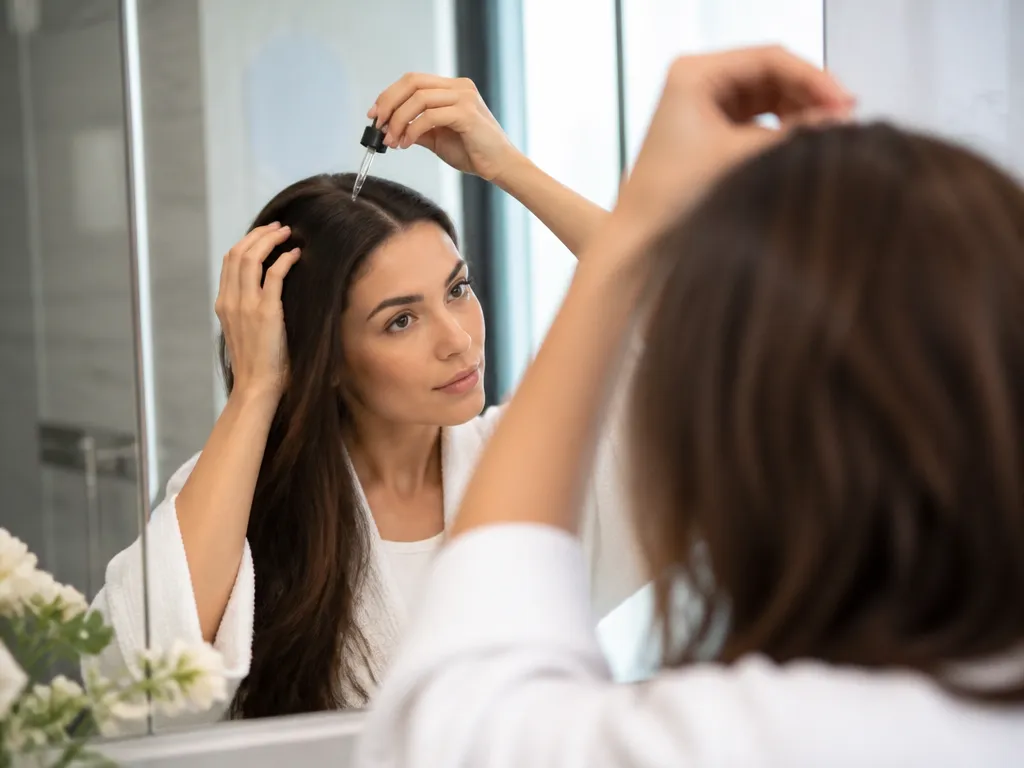
Nutrafol Hair Serum is marketed for follicle support and thicker-looking hair, but the exact “headline” actives depend on the specific Nutrafol serum name and version shown on your label (formulas can vary by line and launch). Because ingredient lists can change and sources are inconsistent for this specific request, use the bottle’s full INCI list as your primary reference, then match the actives below to what you see on your packaging.
Scalp-soothing botanicals in hair serums usually target irritation, redness, and inflammation, which can affect how comfortable your scalp feels during active growth phases. Look for plant extracts such as aloe (aloe barbadensis leaf juice), chamomile (chamomilla recutita flower extract), green tea (camellia sinensis leaf extract), calendula, or centella asiatica; these are common choices because they can calm the look of stressed skin and help reduce the “tight, itchy” feeling that makes people stop scalp care.
Antioxidant protection for follicles is commonly handled by polyphenols and vitamin-like ingredients that defend against oxidative stress. In ingredient lists, you may see green tea extract, grape seed extract, pomegranate, ferulic acid, or vitamin E (tocopherol). These can support a scalp environment that feels less reactive, which matters if you are prone to thinning that comes with inflammation.
Hydration and conditioning agents help the serum spread evenly and keep hair feeling less brittle while you wear it on the scalp. Look for hyaluronic acid (sodium hyaluronate), glycerin, beta-glucan, or panthenol (pro-vitamin B5). For oily to combination scalps, lighter humectants like glycerin and panthenol usually feel more comfortable than heavier oils.
| Item | Amount/Specification | Notes |
|---|---|---|
| Scalp-soothing botanical extracts (examples: aloe, chamomile, centella, green tea) | Not reliably listed as exact % on retail labels | Best for sensitive, itchy, or easily irritated scalps; patch test first. |
| Antioxidants (examples: green tea polyphenols, tocopherol, grape seed) | Often “extract” based, exact % varies | Aim is scalp comfort and oxidative-stress support, not instant regrowth. |
| Hydrators/conditioners (examples: hyaluronic acid, glycerin, panthenol, beta-glucan) | Commonly listed as INCI names, % not always disclosed | Helps slip and reduces dryness that can make thinning look worse. |
| Fragrance/essential oils (if present) | If listed, concentration is not stated | Can irritate sensitive scalps; choose fragrance-free when you react easily. |
| Alcohol (denat.) (if present) | INCI name only | Some people feel more dryness or stinging with denat-heavy formulas. |
Dermatologist tip: Apply scalp actives on a clean, dry scalp and avoid mixing with other irritating scalp products (strong exfoliants, medicated treatments) the same day until you know your skin tolerates it.
Daily Scalp Application Routine
Nutrafol hair serum works best when you apply it to a clean, dry scalp and massage it in with consistent pressure at the same times each day. Use the tip applicator to part hair, distribute evenly at the roots, then leave it on (no rinsing) unless the label on your exact bottle says otherwise.
Evening Scalp Treatment Steps
Evening application is ideal because you are not immediately washing or styling, so the serum has uninterrupted contact time at the follicle level. This works best for most skin types, especially normal to dry scalps that can benefit from a calming, leave-on routine.
Morning Application For Oily Scalps
Morning application can help oily scalp routines stay consistent, but you need a lighter hand so the roots do not feel greasy under styling products. This works best for oily to combination skin because you can time it before sunscreen or hats, then reassess with your next wash cycle.
For proper absorption, follow a simple order: cleanser (or rinse) then serum, and add other scalp products only after the serum has settled. If you also use a scalp treatment like salicylic acid or prescription topicals, separate them by at least 12 hours to reduce irritation and uneven penetration.
| Goal | What to do | What to avoid |
|---|---|---|
| Max absorption | Apply to clean, dry scalp and massage 60 to 90 seconds | Apply over heavy oil, thick conditioner residue, or soaking wet roots |
| Minimize greasiness | Use fewer drops on oily to combination scalps, focus on part lines | Over-apply, then layer on oils or heavy leave-in conditioners at the roots |
| Prevent irritation | Patch test behind the ear or on a small scalp area first | Combine right away with strong exfoliants or new actives |
Dermatologist tip: When you massage, use gentle circles and keep hair products off the scalp surface so the serum can contact skin evenly.
For consistency, expect to use the serum daily for the routine period on your label, and monitor scalp comfort for the first 1 to 2 weeks. If you feel burning, itching, or increased flaking, stop use while you assess tolerance.
Common Application Mistakes To Avoid
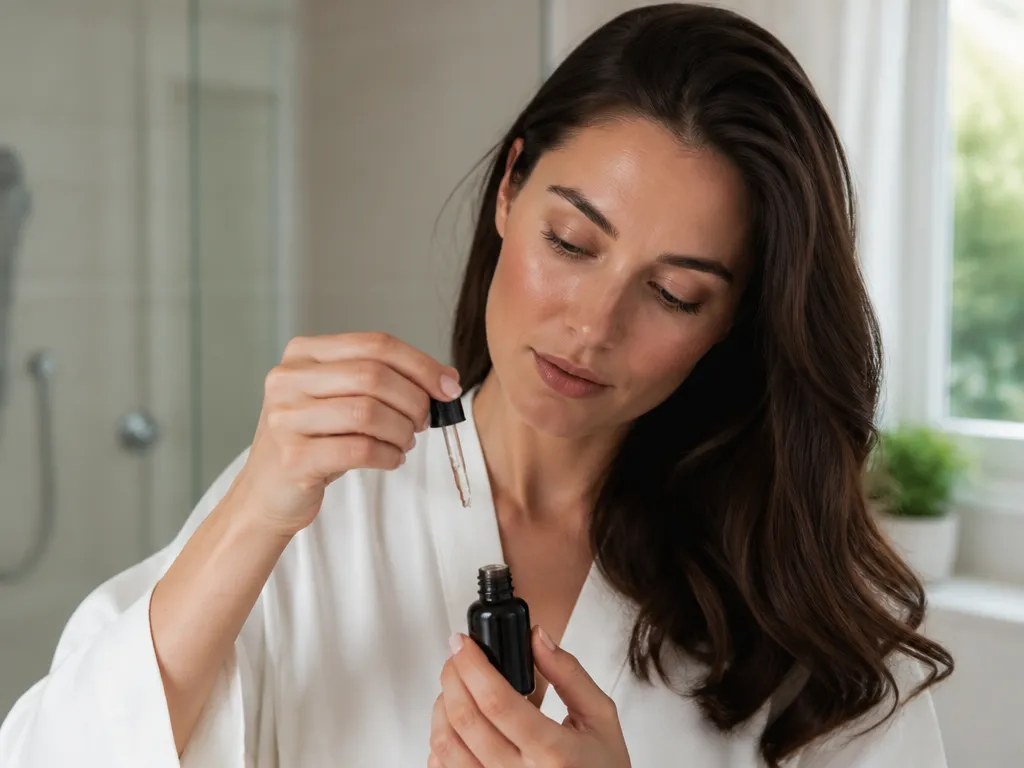
Incorrect application of Nutrafol hair serum leads to wasted product and potential scalp irritation. Most users fail to target the skin directly, which prevents the active botanical ingredients from reaching the hair follicles where they are needed most.
Applying the serum to the hair strands instead of the scalp is a frequent error. This mistake coats the hair shaft in a film that can make hair look greasy or weighed down without providing any biological benefit to the follicle.
Scalp application tip: Use your fingertips to massage the serum into the skin in small, circular motions to increase localized blood flow.
Product Overuse And Buildup
Using more product than the recommended dose does not accelerate results. Excess serum can lead to significant buildup on the scalp, which may clog pores or cause itching and flaking.
Scalp buildup can interfere with the effectiveness of other hair care products. For example, if you use a heavy conditioner or styling cream over a buildup of serum, you may create a barrier that prevents future treatments from penetrating effectively.
| Mistake Type | Immediate Result | Long-term Risk |
|---|---|---|
| Over-application | Greasy hair appearance | Clogged follicles/Scalp irritation |
| Inconsistent use | Unpredictable results | Wasted investment in the regimen |
| Skipping patch tests | Localized redness | Allergic contact dermatitis |
The Importance Of Patch Testing
Patch testing remains a vital step for anyone with sensitive skin or a history of contact allergies. Even natural botanical extracts can cause reactions in certain individuals.
For instance, applying a new serum to your entire scalp before testing can lead to widespread discomfort if you have a sensitivity to a specific plant extract.
In practice, apply a small amount behind the ear or on the inner forearm for 24 to 48 hours to check for redness, itching, or swelling.
Expect to see results only after 4 to 6 months of consistent, correct application. Rushing the process or changing products too quickly often leads to frustration rather than hair density improvements.
Scalp Care Alternatives And Options
Scalp care options range from medical-grade topicals to botanical oils. The right choice depends on the specific goal, such as reducing inflammation, managing oil, or stimulating follicles.
Premium And Budget Serums
High-end serums often combine multiple patented complexes to target hair thinning from different angles. Nutrafol is a premium choice for those who want a science-backed approach to scalp health.
Budget alternatives focus on one or two powerhouse ingredients. The Ordinary Multi-Peptide Serum for Hair Density is a common drugstore choice that uses peptides and caffeine to support the scalp.
| Product | Price Range | Key Ingredient | Best For |
|---|---|---|---|
| Nutrafol Serum | High ($) | Plant-based actives | Overall thickness |
| The Ordinary | Low ($) | Redensyl/Procapil | Budget density |
| Mielle Rosemary Mint | Mid ($) | Rosemary Oil | Dry, itchy scalps |
These products work differently based on skin type. Peptides and water-based serums are better for oily scalps because they do not leave a greasy residue.
Oil-based serums work best for dry or sensitive scalps. They provide a barrier that prevents moisture loss and soothes irritation.
Natural And Diy Approaches
Rosemary oil is a popular natural alternative for those avoiding synthetic chemicals. It must be diluted in a carrier oil like jojoba or almond oil to avoid chemical burns on the skin.
For instance, mixing two drops of rosemary essential oil with a teaspoon of jojoba oil creates a safe application. Apply this mixture to the scalp at night and wash it out in the morning.
Esthetician tip: Always perform a patch test on the inner forearm for 24 hours before applying any new oil or active serum to your entire scalp.
Aloe vera gel is another option for those with inflamed or acne-prone scalps. It is cooling and helps balance the pH of the skin without clogging follicles.
Consistent use is the only way to see results with these methods. Expect to see a visible difference in hair quality or scalp health in 3 to 6 months.
Follow this application order for the best results: scalp cleanser → scalp serum → leave-in conditioner → styling products.
Expert Tips For Maximum Results
Hair growth requires a dual approach that targets both the external scalp environment and internal nutritional needs. Topicals work on the follicle surface, while supplements provide the raw materials for keratin production.
Integrating Internal And External Care
Combine a topical serum with nutritional support for the best outcome. This approach is effective for all hair types, though those with oily scalps should ensure they cleanse thoroughly to avoid product buildup.
High-end options include the full Nutrafol system. For a budget alternative, pair a scalp serum with a drugstore biotin or zinc supplement from brands like Nature Made ($10 – $15).
| Step | Timing | Action |
|---|---|---|
| Cleanse | Morning | Gentle sulfate-free shampoo |
| Serum | Evening | Direct scalp application |
| Supplement | Morning | Take with food |
Scalp Stimulation And Protection
Scalp massages increase blood flow to the follicles. Use the pads of your fingers to apply firm, circular pressure for four minutes daily.
For instance, perform this massage during your evening serum application. This helps the product absorb and relaxes scalp tension.
Esthetician tip: Always perform a patch test on the inner arm for 24 hours before applying any new active serum to the entire scalp.
Expect to see visible changes in hair density or texture in 4 to 6 months of consistent use. Consistency is more important than the amount of product used per application.
Quick Summary
The Nutrafol Hair Density Serum is a water-based topical treatment designed to improve hair thickness and support the scalp microbiome. It contains a blend of plant-based actives, botanicals, peptides, and conditioning ingredients, but the exact formula depends on the specific serum version and should be confirmed against the bottle’s INCI list. Unlike heavy oils, this lightweight formula is meant for daily application on dry or damp hair. Because it is a botanical-heavy product, users with known plant allergies or highly sensitive skin should exercise caution and perform a patch test first.
To achieve visible results, users must apply the liquid directly to the scalp once every 24 hours for four to six months. The serum helps balance moisture and irritation, making it a good option for oily scalps that prefer a non-greasy texture. However, those with very dry or flaky skin might need to follow up with a non-comedogenic moisturizer to prevent tightness. The most important takeaway is that consistency over several months is required to influence the hair follicle lifecycle.
| Ingredient Type | Primary Function |
|---|---|
| Peptides | Strengthens hair strands and texture |
| Botanical Extracts | Calms redness and irritation |
| Antioxidants | Provides environmental protection |
Beauty Routine Cheat Sheet
One Thing To Stop Doing Immediately
Stop applying the serum to your hair strands; it must be applied directly to the skin of the scalp to be effective.
Expected Timeline For Results
4 to 6 months of consistent daily use.
Frequently Asked Questions
How Long Does It Take To See Results From Nutrafol Hair Serum?
You should expect to see a noticeable difference in hair density and scalp health after 4 to 6 months of consistent daily use. Hair growth cycles are slow, so patience is required to see the full impact of the active ingredients.
Is The Nutrafol Hair Serum Safe For Sensitive Or Acne-prone Skin?
Since this is a scalp-focused product, you should perform a patch test on a small area first to check for irritation. While it is designed for the scalp, those with extremely reactive skin should monitor for any redness or breakouts near the hairline.
What Is The Difference Between Nutrafol Supplements And The Hair Serum?
The supplements work from the inside out by targeting nutritional deficiencies, while the serum is a topical treatment designed to nourish the scalp directly. For the best results, many users combine both approaches to address hair health from multiple angles.
Do I Need To Wash My Hair Before Applying The Serum?
It is best to apply the serum to a clean, dry, or slightly damp scalp to ensure maximum absorption. Applying it to a very oily or product-heavy scalp can create a barrier that prevents the ingredients from reaching the skin effectively.
Is This Serum Worth The Higher Price Compared To Drugstore Alternatives?
The higher cost is usually due to the use of specialized botanical extracts and clinical-grade ingredients rather than basic conditioners. If you are looking for targeted scalp nourishment rather than just surface shine, the investment may be worth it.

- 10 Best Hair Oil For Oiling Buyer Guide 2026 - October 26, 2026
- 10 Best Hair Oil For Overnight Treatment Buyer Guide 2026 - October 26, 2026
- 10 Best Hair Oil For One Year Old Baby Buyer Guide 2026 - October 26, 2026



4 Comments