Are You Supposed To Condition Your Hair Everyday?
Most people overcomplicate their shower routine by following generic rules that do not fit their actual hair type. You might be stripping your strands or weighing them down without realizing it. Deciding your conditioning frequency based on your specific texture and porosity helps you stop guessing.
Conditioning frequency depends on your hair type. Fine or oily hair typically needs conditioner 2 to 3 times per week. Coarse, curly, or very dry hair often requires daily conditioning or leave-in products to maintain moisture and prevent breakage.
Are You Supposed To Condition Your Hair Everyday?
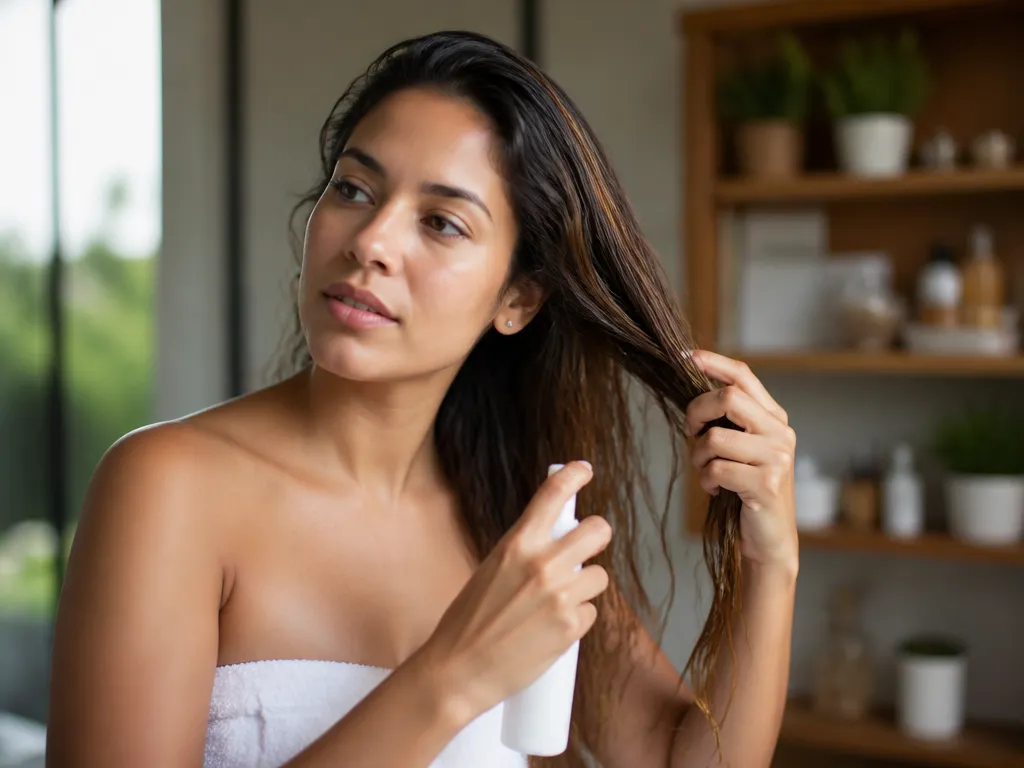
Conditioning frequency depends on your wash schedule and hair porosity. Most people should apply conditioner every time they use shampoo to seal the cuticle and restore moisture.
Conditioning too often on fine or low-porosity hair can cause product buildup. This buildup makes the hair look greasy or limp. It can also prevent moisture from actually entering the hair shaft.
Coarse or curly hair types typically require more frequent moisture. These textures often struggle to move natural oils from the scalp to the ends.
For instance, someone with 4C curls might use a rinse-out conditioner daily or every other day to prevent breakage and manage tangles.
| Hair Type | Recommended Frequency | Primary Goal |
|---|---|---|
| Fine/Oily | Every wash (2-3x week) | Volume and light moisture |
| Normal | Every wash (3-4x week) | Balance and shine |
| Dry/Curly | Every wash or Daily | Intensive hydration |
When Daily Conditioning Is Necessary
Environmental factors often dictate a more aggressive moisture routine. Chlorine from pools and salt from the ocean strip the hair shaft of its protective barrier. Heat styling tools like flat irons also damage the cuticle, which increases water loss.
For example, if you swim daily, a lightweight conditioner is necessary to prevent the hair from becoming brittle. This replaces the lipids that the chlorine removes.
Daily conditioning is also a requirement for those with high porosity hair. This hair type has gaps in the cuticle that allow moisture to escape as quickly as it enters.
Professional tip: Only apply conditioner from the mid-lengths to the ends to avoid weighing down the roots.
High-end options like Pureology Hydrate ($35) offer concentrated formulas for damaged hair. Drugstore alternatives like Maui Moisture ($7) provide similar hydrating benefits using aloe vera. Both use fatty alcohols to smooth the hair.
The correct application order is shampoo → conditioner → leave-in conditioner. Always rinse your conditioner with cool water to help seal the cuticle for more shine.
Identify Your Specific Hair Type
Understanding your hair’s natural characteristics determines your conditioning needs. Hair type classification considers oil production, strand thickness, and pattern to establish appropriate care routines that maximize benefits without causing buildup or damage.
Oily And Fine Hair
Fine hair has a small diameter that feels silky but lacks volume. This hair type produces oil quickly, making it appear flat and greasy within 24 hours of washing. When examining your strands, fine hair is barely visible between your fingers and may look sparse at the roots.
For oily and fine hair, daily conditioning requires careful selection. Choose lightweight, volumizing formulas that won’t weigh strands down. Apply conditioner only to mid-lengths and ends, avoiding the scalp area completely to prevent additional oil production.
Dry, Coarse, And Curly Hair
Coarse hair has a larger diameter with a rough texture that absorbs moisture quickly but struggles to retain it. Curly and coily patterns naturally distribute oils unevenly, creating dryness at the ends while roots may still feel oily.
Dry, coarse, and curly hair types benefit from daily conditioning with moisturizing ingredients. Look for products containing shea butter, coconut oil, or argan oil to provide intense hydration. These hair types can handle heavier formulas that might overwhelm finer textures.
Color-treated And Chemically Damaged Hair
Chemical treatments strip the hair’s natural protective layer, increasing porosity and moisture loss. Color-treated hair requires specialized conditioners that seal the cuticle and prevent fading from frequent washing.
Damaged hair needs protein and moisture balancing conditioners with ingredients like keratin, hydrolyzed wheat protein, and amino acids. Apply these generously from roots to ends, allowing extra penetration time for maximum benefit. Consider alternating between protein and moisture treatments weekly for optimal repair.
Essential Ingredients For Moisture
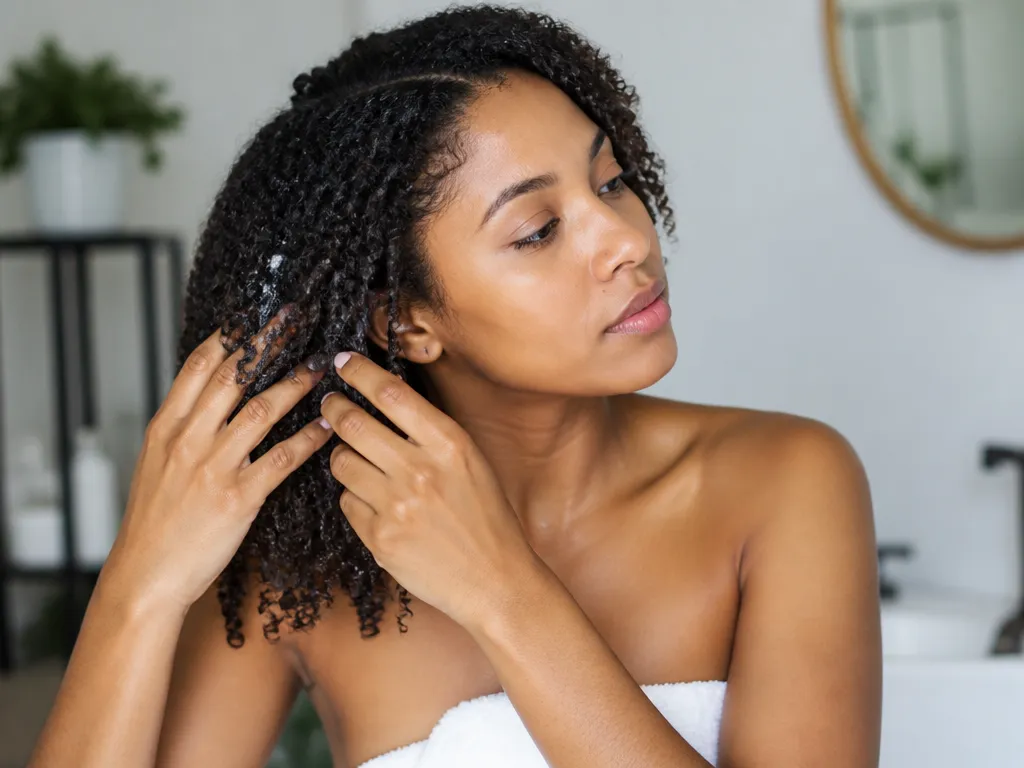
Effective hair care requires a balance of moisture-binding humectants and protective emollients to maintain elasticity. This balance prevents the hair from becoming brittle due to protein buildup or limp from excessive moisture.
Hydration And Surface Smoothness
Humectants like glycerin, aloe vera, and hyaluronic acid draw water into the hair shaft. These ingredients work best on damp hair to maximize absorption.
Emollients such as jojoba oil, argan oil, or shea butter coat the cuticle to smooth the surface. They seal in the water that humectants pull into the hair.
Strength And Structural Integrity
Proteins like hydrolyzed keratin or silk amino acids fill gaps in the hair cuticle. These ingredients are essential for color-treated or chemically processed hair that lacks strength.
In practice, too much protein can cause hair to feel stiff or snap easily. Balance your protein treatments with deep moisture masks every 2 to 4 weeks to maintain flexibility.
The Role Of Silicones
Silicones like dimethicone create a physical barrier that protects against heat and environmental damage. They provide immediate shine and make detangling easier.
Silicone-free options use plant-based oils to achieve similar results without heavy buildup. These formulas are better for fine hair or those who prefer a more natural feel.
Beauty Tip: Always patch test new protein treatments on a small section of hair first to ensure it does not cause stiffness.
Perfect Conditioning Routine Steps
Conditioner application varies by hair type and porosity. Fine hair requires minimal product on the ends to avoid weigh-down, while curly or coarse hair needs generous coverage from the mid-shaft down.
Daily And Weekly Maintenance
Leave-in conditioners provide a protective barrier for daily maintenance. These are ideal for curly hair or people with split ends who need constant hydration between washes.
Deep conditioning treatments typically fit into a weekly schedule. People with bleached or highly damaged hair can use them twice a week to restore protein and moisture.
Esthetician tip: Always patch test a new deep conditioner on a small area of skin behind the ear to check for allergic reactions to fragrance or preservatives.
Water temperature controls the hair cuticle. Lukewarm water allows ingredients to penetrate the shaft, and cool water seals the cuticle to add shine and lock in moisture.
| Product Type | Approximate Price | Key Ingredient | Best For |
|---|---|---|---|
| High-End Mask | $30 – $60 | Hydrolyzed Keratin | Chemical Damage |
| Drugstore Leave-In | $5 – $12 | Aloe Vera | Daily Frizz Control |
For instance, a person with oily roots and dry ends should only apply leave-in products to the very tips of their hair. This prevents the hair from looking greasy by midday.
Common Conditioning Mistakes To Avoid
Conditioner builds up faster than most people realize, especially when it hits the scalp or when you use it every day. Buildup can make hair feel coated and limp while also irritating an already sensitive scalp. Adjust placement, amount, and clarifying frequency based on how quickly your scalp gets oily.
Applying conditioner directly to the scalp is the most common reason for greasy roots and itchy flakes. Conditioner is meant for hair strands, where smoothing ingredients coat the cuticle and reduce friction, while your scalp needs a lighter, rinse-clean routine.
Using too much product is the second biggest culprit. Heavy, high-slip formulas feel amazing at first, but daily use often leaves residue that traps oils and styling product.
| Conditioner mistake | What you’ll notice | Fix |
|---|---|---|
| Over-application | Flat roots, stringy ends, dull shine | Start with a dime to quarter-size amount, then add only if ends feel dry |
| Long soak time | Coated feel after drying | Keep it within the label timing (or 1 to 3 minutes if no instructions) |
| Conditioner on dry, product-caked hair | Sticky texture, tangles that persist | Clarify first, then condition on clean strands |
Ignoring hair porosity makes “everyday conditioning” backfire. High-porosity hair can drink in conditioner quickly, then release it as frizz once it’s washed away imperfectly, while low-porosity hair can resist absorption and accumulate residue.
Porosity cheat: if water beads on your hair, you likely have low porosity, and you need lighter application and better rinsing. If water absorbs fast, you likely have high porosity, and you still should place product on lengths, not the scalp.
In practice, low-porosity hair (often fine, straight, or tightly coiled) does best with less product and slightly shorter contact time. For oily to combination scalps, keep conditioner off the crown and consider switching to a lighter “rinse-out” conditioner instead of a rich, butters-style formula.
Neglecting clarifying washes is what turns a small mistake into an ongoing scalp issue. If your scalp gets buildup from conditioner, oils, and styling products, your hair can feel coated even when you’re using “the right” conditioner.
For best results across skin tones, focus on how your scalp reacts, not how your hair color looks. If you develop tenderness, persistent itch, or flaking that worsens after conditioning, stop the product and patch test any replacement away from your scalp first.
| Skin type on the scalp | Conditioning approach | What to avoid |
|---|---|---|
| Oily scalp | Conditioner mid-lengths to ends only | Root application and heavy leave-ins on the crown |
| Dry or sensitive scalp | Use less product, rinse well, and clarify sparingly | Strong clarifiers too frequently and fragranced-heavy formulas if you react |
| Coarse or curly texture | Prioritize ends, detangle gently, rinse thoroughly | Overloading with rich conditioner close to the scalp |
Ingredient-wise, watch how your scalp tolerates fragrance and very occlusive emollients when you apply conditioner too high. If your scalp stings or you get clustered flakes, reduce contact, use less product, and consider a gentler conditioner with simpler conditioning agents.
Drugstore Vs High-end Options
Conditioning products work best when they match your porosity and texture, not when they cost more. Drugstore and high-end hair conditioners and masks can both hydrate the hair shaft, but the “luxury” part usually goes into feel, scent, and extra conditioning agents.
| Product | Price | Key Ingredient | Best For |
|---|---|---|---|
| Drugstore moisture mask | Lower | Glycerin + Panthenol (Pro-Vitamin B5) | Oily to combination scalps, dry ends |
| Premium reparative treatment | Higher | Cationic conditioning polymers and amino acids | Color-treated, heat-damaged, frizzy hair |
| Lightweight daily conditioner | Mid-range | Silicones that rinse clean (often cyclopentasiloxane or dimethicone) | Fine hair that gets weighed down |
Best Budget-friendly Moisture Boosters
Budget buys can do the job as long as the formula adds slip and humectants. For most hair types, put conditioner on mid-lengths to ends, then rinse thoroughly so your roots do not get limp.
Patch test tip: If your hair or scalp is prone to sensitivity, test any new conditioner behind the ear or on a small section of the scalp for 24 hours, especially if it’s fragranced or contains active-like ingredients.
Premium Reparative Treatments
High-end masks often bring better “instant results” when your hair is porous from dye, bleaching, or repeated heat styling. Reparative products tend to lean on conditioning polymers and amino-acid type ingredients that improve slip and reduce tangling.
Diy Natural Oil Alternatives
DIY oils can help with surface moisture and shine, but they do not replace conditioner for long-term conditioning. Oils like coconut, olive, or argan work best as a pre-shampoo or post-conditioner seal, not as a full substitute.
For example, mix a few drops of oil into your conditioner in your palm (not the whole bottle), then apply to ends and rinse for softer texture. Oily to combination scalps usually do better skipping oil on the root area, since it can make hair look flat sooner, on all skin tones and hair colors.
| Hair goal | Where to apply | How often (starter pace) | Budget vs high-end move |
|---|---|---|---|
| Less dryness | Mid-lengths to ends | Every wash or 3 to 4 times weekly | Budget: humectant-based conditioner, High-end: reparative mask for damaged ends |
| More slip and detangling | Ends first | Every wash | Budget: panthenol or ceramide-based conditioner, High-end: smoothing polymers |
| Heat or color recovery | Mid-lengths to ends | 1 to 2 times weekly | Budget: moisture mask, High-end: amino-acid style reparative treatment |
Expert Tips For Better Results
Product efficacy depends on hair porosity and environmental exposure. Using warmth and specific rinsing techniques ensures conditioning agents penetrate the hair shaft instead of sitting on the surface.
Co-washing For Curly And Coily Hair
Co-washing involves using a cleansing conditioner instead of a sulfate-based shampoo. This method is best for Type 3 and 4 curls because it preserves natural sebum. High-end options like Briogeo (approx $25) offer great slip, while drugstore brands like SheaMoisture (approx $13) use similar moisturizing bases.
For example, individuals with high-porosity hair often find that daily co-washing prevents breakage. This keeps the curls defined without the dryness caused by harsh detergents. Always focus the product on the ends and avoid the scalp to prevent buildup.
Quick Summary
Conditioning frequency depends on your specific hair texture and porosity. Fine or oily hair types usually only need conditioner two to three times per week to maintain volume and avoid a greasy appearance. In contrast, coarse, curly, or very dry hair often requires daily conditioning or leave-in products to prevent breakage. To avoid weighing down your roots, you should only apply conditioner from the mid-lengths to the ends of your hair. Using lukewarm or cool water to rinse helps seal the hair cuticle for better shine.
Environmental factors like salt water and chlorine can strip protective lipids, making daily conditioning necessary for those who swim often. High porosity hair also needs more frequent moisture because the cuticle gaps allow hydration to escape quickly. For intensive repair, you should use a deep conditioning mask once every seven days. You can find effective ingredients like behentrimonium chloride for detangling or glycerin for moisture in both high-end and drugstore products. The most important takeaway is to adjust your routine based on your unique hair type and lifestyle.
| Hair Type | Recommended Frequency | Primary Goal |
|---|---|---|
| Fine/Oily | 2-3x per week | Volume and light moisture |
| Normal | 3-4x per week | Balance and shine |
| Dry/Curly | Daily or every wash | Intensive hydration |
Frequently Asked Questions
Do I Need To Condition My Hair Every Time I Wash It?
You do not necessarily need to use a heavy conditioner every single wash, but you should apply a lightweight conditioner to your ends if you are using shampoo daily to prevent dryness. If you skip conditioning, your hair cuticle remains open, which can lead to tangles and breakage over time.
Can Daily Conditioning Cause Greasy Hair Or Acne?
Yes, if you apply conditioner to your roots, it can weigh hair down and cause oiliness or clog pores on your forehead and back. Always apply conditioner from the mid-lengths down to the ends, keeping it at least 2 inches away from your scalp.
What Is The Difference Between A Conditioner And A Hair Mask?
A standard conditioner is designed for daily or frequent use and works to smooth the cuticle quickly, while a hair mask is a deeper treatment. You should only use a mask 1 to 2 times per week to avoid over-moisturizing and making your hair limp.
Is It Worth Buying Expensive Salon Conditioners Over Drugstore Brands?
Expensive brands often have higher concentrations of active ingredients like ceramides or amino acids, whereas drugstore versions may rely more on silicones for instant slip. If you have chemically treated or highly porous hair, the investment in a professional formula is usually worth it for long-term repair.
What Is The Correct Order To Apply Hair Products?
You should always apply shampoo first to cleanse the scalp, followed by conditioner to seal the cuticle. If you use a leave-in treatment, apply that after you have rinsed out your conditioner and towel-dried your hair.

- Pre-Poo Treatments for Low Porosity Hair: 7 Essential Steps - September 20, 2026
- What To Avoid After Prp Hair Treatment? - August 28, 2026
- What Is The Malibu Treatment For Hair? - August 27, 2026