Can Conditioner Make Your Hair Curly?
You have likely seen those viral videos where a simple shower routine turns stick-straight hair into bouncy ringlets. It is tempting to believe a bottle of cream holds the key to a total texture overhaul. The reality is that your hair follicle shape is determined by genetics, not by what you rinse out in the shower. You cannot create a curl pattern where none exists, but you can certainly lose your natural bounce to dryness and damage.
Conditioner can reveal a hidden wave or curl pattern that is already present. By using a product rich in shea butter or hydrolyzed proteins, you hydrate the cuticle to reduce frizz by up to 50 percent, allowing your natural texture to surface.
Best for: Dry, frizzy, or chemically treated hair. Use caution if: Your hair is very fine or oily, as heavy conditioners can weigh down your strands and make them look flat.
Can Conditioner Make Your Hair Curly? (The Truth)?
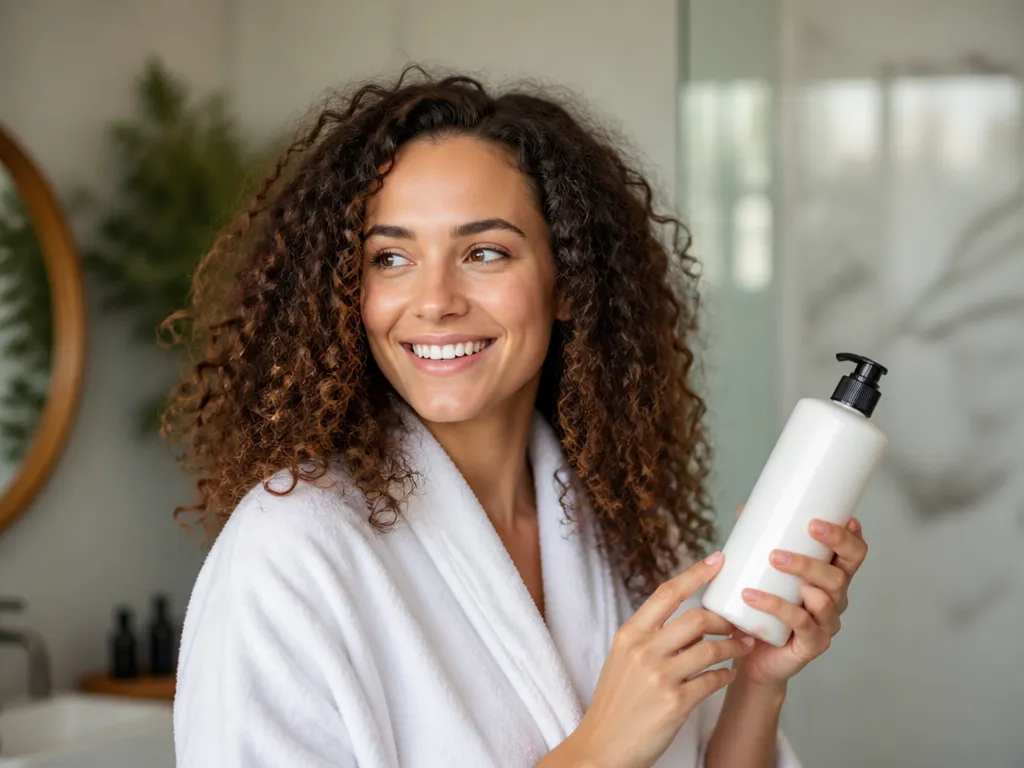
Conditioner cannot change your hair’s genetic texture, so it cannot turn straight hair into permanent curls. What it can do is soften and moisturize hair so your natural bends and waves look more defined by reducing friction and frizz.
Hair texture is mainly genetic, while curl “appearance” is largely a moisture and styling issue. When hair is dry or rough, the cuticle lifts and the hair shaft feels stiff, so wave patterns get hidden under puffiness. Conditioner lowers that stiffness, which lets existing bends spring back into view.
Defining Versus Creating Curls
Think of conditioner as a “reveal,” not a “rebuild.” For people with wavy hair or fine, straight hair that has an S-shaped pattern, better conditioning can make the curl pattern more visible because the strands clump and hold shape longer.
For truly straight hair with little to no natural bend, conditioner may only create body and smoothness. That means the result is usually looser movement (and sometimes a slight bend at the ends) rather than ringlets or consistent curls throughout.
How Moisture Impacts Hair Elasticity
Moisture affects hair elasticity, which is how far a strand stretches and then returns. When hair is too dry, it stretches less and breaks its curl shape faster, so waves fall flat or frizz up. Conditioning helps restore suppleness, so the bend you have can hold while air-drying or diffusing.
In practice, look for conditioner formulas with glycerin (moisture support) and hydrolyzed proteins (mild strengthening for structure). For oily to combination scalps, keep the conditioner mid-length to ends only, so you do not weigh hair down at the roots.
Setting Realistic Expectations For Straight Hair
Straight hair can look smoother and more “styled,” but it usually takes more than conditioner to generate consistent curls. If your goal is a curl look, pair conditioning with a curl-friendly drying method, like scrunching damp hair and using a leave-in or light gel for hold.
For straight to slightly wavy hair, start with a simple rinse-out conditioner, then add hold next. Patch test any new product if you have sensitivity, especially if your conditioner includes strong fragrance or essential oils, and stop if you get itching, burning, or rash.
| Hair Type | What Conditioner Can Do | What It Cannot Do |
|---|---|---|
| Straight | Reduce frizz, add softness, improve end bends and shine | Create true, repeatable curls without additional styling/heat/chemistry |
| Wavy | Enhance natural texture, improve clumping, boost definition | Guarantee tight curls or ringlets if your pattern is loose |
| Curly/Coily | Increase springiness, reduce dryness, support curl shape retention | Replace styling products when you need hold and definition |
Identify Your Natural Curl Pattern
Hair texture depends on the shape of the follicle in the scalp. Round follicles produce straight hair, while oval or flat follicles create waves and curls.
A wet hair test reveals the true pattern because water removes surface tension. Wash hair with a sulfate-free shampoo and apply a generous amount of conditioner. Let the hair air dry without brushing it.
If the hair clumps into S shapes or spirals while wet, it has a natural curl pattern. Brushing dry hair breaks these clumps and creates a frizzy appearance.
| Pattern | Shape | Characteristic | Common Porosity |
|---|---|---|---|
| Wavy | S-shape | Loose loops | Low to Medium |
| Curly | Spiral | Defined ringlets | Medium |
| Coily | Z-shape | Tight coils | High |
Dehydrated hair often looks like a cloud of frizz instead of defined curls. This happens when the hair cuticle stays open and moisture escapes into the air.
For example, hair that feels rough or looks dull may actually be curly. It simply lacks the moisture needed to clump together into a visible pattern.
Beauty editor tip: Use a wide-tooth comb only when hair is saturated with conditioner. This prevents breakage and keeps the natural curl groups intact.
Testing your texture does not require expensive products. High-end: Briogeo Curl Charm ($26). Drugstore: TRESemmé Curl Advanced ($6). Both provide the slip needed to see if your hair clumps.
Consistency is key when testing new routines for latent curls. Expect to see a real difference in definition after 2 to 4 weeks of using moisture-rich conditioners.
Curl-defining Ingredients That Actually Work
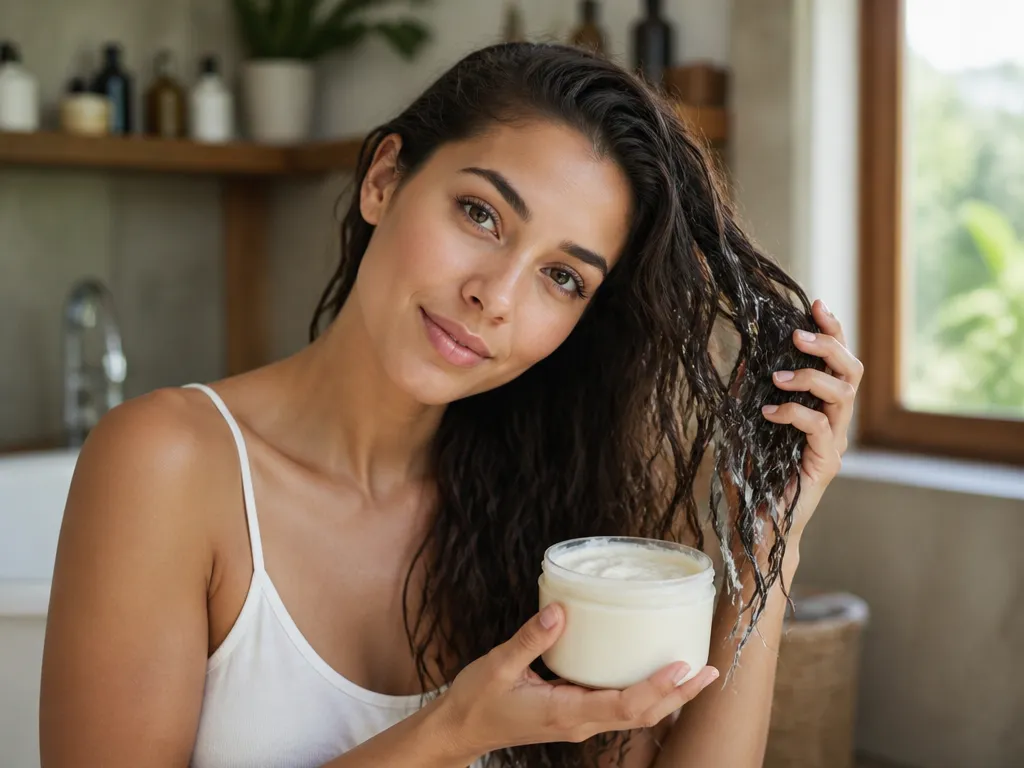
Humectants, emollients, and light conditioning polymers help the hair form and maintain shape for several hours after styling. The effect is most noticeable when you combine the right formula with damp styling and proper rinsing.
This approach works across hair textures and scalp types; if you have an oily scalp, choose lighter formulas and rinse well after use. For very dry or coarse hair, you can opt for richer formulas but apply mostly to mid lengths and ends to avoid weighing down roots.
| Item | Amount/Specification | Notes |
|---|---|---|
| Glycerin (humectant) | 2-6% typical in conditioners | Attracts moisture from air to plump the cuticle, helping strands cling together into curls. Best used in climates where humidity supports definition. Patch test if you have sensitive scalp. |
| Aloe vera (humectant/gel) | 0.5-5% range | Adds slip and moisture that helps curls form without heaviness. Works well for fine to medium hair in lighter formulas. Patch test if reactive. |
| Shea butter (emollient) | 1-4% | Creates a moisture seal that helps curls hold shape. Can weigh down thick or dense hair; apply mainly to mid lengths and ends. Patch test for sensitive scalps. |
| Coconut oil (emollient) | 2-5% | Provides slip and moisture retention; best for dry or coarse textures. Use sparingly on fine hair to avoid limp roots. Patch test recommended. |
| Hydrolyzed proteins (structure support) | 0.5-2% (keratin, wheat, silk variants) | Weak areas gain elasticity and moisture retention, helping curls stay defined longer. Works best when paired with humectants and proper rinsing. Patch test if you have sensitivities. |
Master The Squish To Condish Technique
Conditioner can enhance curl formation by improving slip, detangling, and helping your hair hold onto curl-causing shape while it dries. The right application on soaking wet hair can dramatically boost definition and reduce frizz for many hair types, especially those with natural waves or curls.
Technique works best for people with wavy, curly, or coily hair who deal with dryness or frizz. For oily to combination scalps, focus conditioner on mid-lengths and ends only, and keep the roots light so curls stay bouncy. For fine hair, use less product and prioritize a lighter, water-based conditioner so your hair does not feel weighed down.
In practice, squishing tends to give the most noticeable curl definition when your hair is wet enough to move, but not so wet that everything slides off your strands. People with low-porosity hair often get better results when they pair conditioner with a light leave-in and avoid heavy oils that can block moisture from spreading evenly. People with high-porosity hair usually benefit from a richer conditioner layer and a leave-in that includes film-formers to reduce frizz as hair dries.
| Step | Hair State | Goal |
|---|---|---|
| Conditioner rinse-out | Soaking wet | Detangle + saturate |
| Squish | Wet, slippery | Curl clumping + definition |
| Leave-in | Damp (not dripping) | Hold as it dries |
Stylist tip: If you feel “crunch” too early, you used too much product or your hair was not wet enough. Add more water to the hair, reduce product, then squish again before you let it air-dry.
Patch-test new conditioner formulas if you have a history of scalp sensitivity. If you use actives for scalp concerns (like salicylic acid or ketoconazole), keep them in the wash day routine and use your curl conditioner technique afterward to avoid irritation.
Hair Care Mistakes That Kill Curls
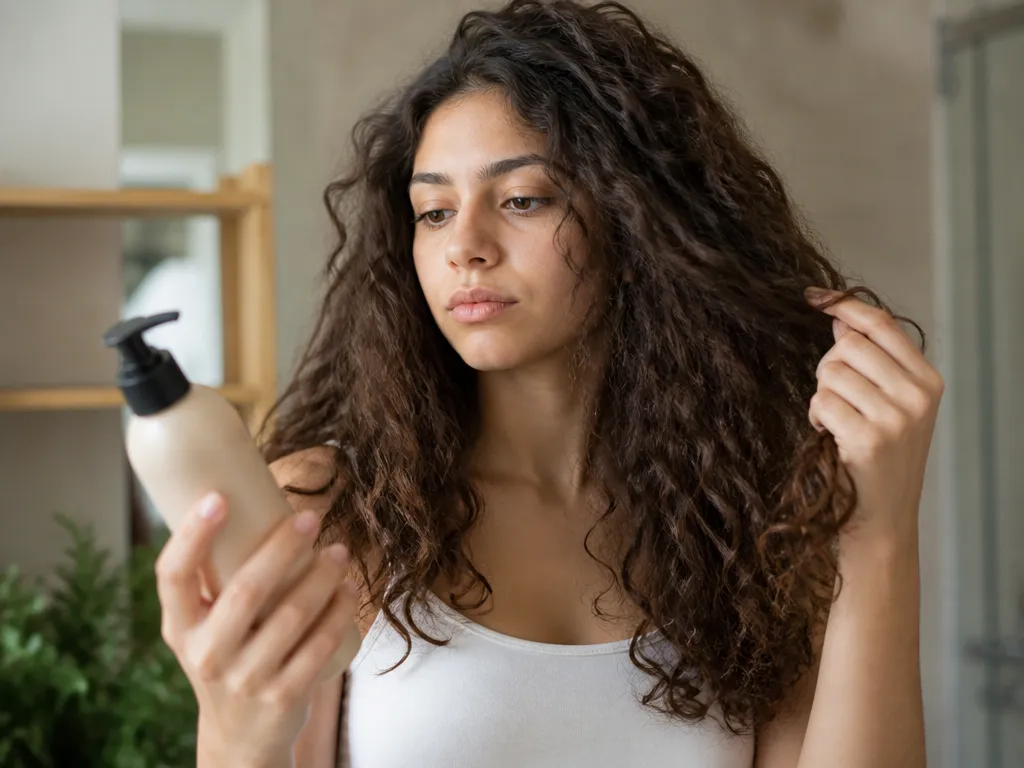
Over-conditioning or protein-heavy formulas weigh strands down and flatten the curl pattern. The right approach is to balance moisture with light proteins and to avoid heavy buildup that locks in a limp texture.
Over-conditioning and protein overload: When you use too much conditioner or formulas rich in non-water-loving proteins, hair can feel slick yet brittle and lose its bounce. Fine or damaged hair is especially prone to this, so apply a small amount, focusing on mid-lengths to ends, and check protein content labeled as hydrolyzed proteins, keratin, or wheat protein.
Brushing hair while dry: Brushing dry curls stretches and breaks the pattern, causing frizz and loss of curl memory. Detangle wet or damp hair with a wide-tooth comb or a brush designed for curly textures, using a conditioner or detangler to reduce friction.
Using heavy silicones that cause buildup: Heavy silicone ingredients sit on the hair and build up, especially with repeated wash cycles, making curls look dull and weighted. Look for silicone-free or water-soluble variants if you want more bounce, but don’t assume every silicone is bad; some are light and dissipate with clarifying and rinsing.
| Habit | Why it damages curls | Fix |
|---|---|---|
| Heavy conditioning every day | Creates a film that weighs down waves and curls | Switch to lightweight wash-out conditioner and reduce frequency |
| Protein-heavy formulas too often | Protein can harden strands, reducing flexibility | Use balanced moisture-only formulas or limit protein to 1x-2x per week for fine hair |
| Brushing dry | Breaks pattern and increases frizz | Detangle when wet using wide-tooth comb or detangler |
| Heavy silicones buildup | Leaves dull, weighed-down hair | Choose light or water-soluble silicones or clarify periodically |
Dermatologist tip: For curly textures, apply conditioner from mid-length to ends, rinse thoroughly, and finish with a lightweight styling product to lock in curl without weighing it down.
In practice, tailor your routine to your hair density and porosity. If your curls droop after wash, consider a lighter conditioner, a leave-in designed for definition, and a gentle rinse-out before styling. Expect to adjust over 4-6 weeks as you dial in products that hydrate without suffocating texture.
Drugstore Vs High-end Curl Products
Budget-friendly moisture-rich options deliver slip and hydration that help curls form when paired with the right styling. They support natural texture and definition for most hair types. Look for conditioners with glycerin, shea butter, and lightweight silicones to avoid weighing down fine strands.
Professional salon brands for high porosity hair are formulated to seal moisture and smooth porous cuticles. They commonly use ceramides, glycerin, and hydrolyzed proteins to reduce moisture loss and improve curl bounce over time.
DIY honey and olive oil deep conditioner
DIY honey and olive oil deep conditioner combines humectant moisture with an emollient oil barrier. Mix 1-2 tablespoons raw honey with 1-2 tablespoons extra virgin olive oil, apply to damp hair from mid-length to ends, cover with a cap for 20-30 minutes, then rinse and style as usual.
| Product | Price Range | Key Ingredient | Best For |
|---|---|---|---|
| L’Oreal Paris Elvive Extraordinary Moisture Conditioner | Budget | Glycerin, Shea Butter | Dry, wavy to curly hair seeking slip |
| Cantu Shea Butter Moisturizing Conditioner | Budget | Shea Butter, Coconut Oil | Very dry, thick curls |
| Kerastase Curl Manifesto Conditioner | Luxury | Glycerin, Ceramides | Porous curls needing smoothness |
| Pattern Leave-In Conditioner | Mid-Range | Avocado oil, humectants | Coil-friendly base for textured hair |
Patch test 24 hours before trying any new product, especially DIY mixes; discontinue use if irritation occurs.
Professional Secrets For Lasting Definition
Microfiber towels and cotton tees reduce rough friction, which means fewer frizz hairs that break up curl pattern. Curl definition lasts longer when your hair stays damp enough for styling gel or leave-in, then dries in place without being rubbed.
Switching your “drying tool” is one of the fastest upgrades, especially for curly or wavy hair that gets fuzzy easily. Microfiber towels grab water without harsh tugging, and a cotton T-shirt is gentler than most towels with loops and snaggy texture.
Silk pillowcases help you keep curls defined overnight, mainly by reducing friction and keeping moisture from escaping as quickly. Silk also feels cooler than cotton, which can help if your scalp gets irritated from rough fabrics.
For example, someone with 2B to 3A waves often wakes up with smoother clumps on silk, while cotton can lead to a bigger frizz cloud around the crown. For tighter curls, silk is a win because it protects the tiny curl pattern and reduces “halo” frizz.
Styling tip: sleep with hair loosely “plopped” into a pineapple bun or bonnet, so the curl pattern dries and sets without being crushed.
Diffusing sets the curl while controlling airflow, so you get less shrinkage and more hold. Start with a lightweight conditioner-friendly leave-in or curl cream on damp hair, then add a gel if you want extra longevity.
Timing is everything: avoid touching your hair for 10 to 15 minutes after diffusing so the curl can fully set. For the best results, wear sunscreen and keep your scalp protected during sunny days, since heat and UV can dry hair further and reduce curl bounce over time.
Curly Hair Routine Cheat Sheet
Hydration levels determine how well your natural pattern holds its shape. Proper moisture management prevents frizz and allows waves or curls to clump together effectively.
Daily Moisture Checklist
Daily maintenance focuses on managing frizz and refreshing existing texture without a full wash. This is essential for fine hair that weighs down easily or coarse hair that dries quickly.
Stylist tip: Never brush curly hair when it is dry. This breaks up the curl clumps and creates immediate frizz.
Weekly Deep Conditioning Schedule
Deep treatments provide the intensive moisture needed to maintain elasticity. Schedule these once a week or once every two weeks depending on your hair porosity.
Quick Ingredient Reference Guide
Ingredients play a vital role in whether your hair feels soft or weighed down. Match your choice to your specific hair type for the best results.
| Ingredient | Best For | Function |
| Shea Butter | Coarse / Type 4 hair | Heavy moisture and sealing |
| Glycerin | All hair types | Humectant that pulls in moisture |
| Hydrolyzed Protein | Damaged / Fine hair | Strengthens the hair shaft |
| Coconut Oil | High porosity hair | Penetrates the hair shaft |
For instance, those with fine, wavy hair should avoid heavy butters which can make hair look greasy. Instead, look for lightweight glycerin-based sprays to keep curls bouncy.
High-end: Briogeo ($32). Drugstore: SheaMoisture ($12). Both offer effective moisture without extreme price gaps.
Quick Summary
Using products with shea butter or hydrolyzed proteins can reduce frizz by up to 50 percent, which helps natural textures surface. This approach is most effective for those with dry, frizzy, or chemically treated hair, though people with fine or oily strands should be careful not to weigh their hair down.
To enhance existing patterns, you can use the squish to condish method by scrunching conditioner into soaking wet hair. Ingredients like glycerin and proteins such as keratin or silk improve elasticity and help strands clump together. While leave-in conditioners provide moisture, styling gels are necessary to hold the shape. For those with oily scalps, applying product only from mid-length to ends prevents limp roots.
| Hair Type | What Conditioner Does | What It Cannot Do |
|---|---|---|
| Straight | Reduces frizz and adds shine | Create true, repeatable curls |
| Wavy | Improves clumping and definition | Guarantee tight ringlets |
| Curly/Coily | Increases springiness and shape | Replace hold styling products |
Beauty Routine Cheat Sheet
One Thing To Stop Doing Immediately
Stop applying heavy conditioners to your roots, especially if you have fine or oily hair, as this causes buildup and limp strands.
Expected Timeline For Results
Frizz reduction and softness are immediate. Visible improvement in curl definition and clumping typically appears over 2 to 4 washes as moisture levels stabilize.
Frequently Asked Questions
How Long Until I See Results When I Use Conditioner For Curliness?
You can usually notice a difference in shine and curl definition the same day, especially if your conditioner helps with moisture and slip. If you are working on buildup or dryness, give it 2 to 4 wash days to judge the overall effect.
Can I Use Conditioner To Make My Hair Curly If I Have Sensitive Scalp Or Acne-prone Skin?
Yes, but keep conditioner off your scalp and hairline skin if you are prone to breakouts, since runoff can clog pores. Choose a formula that is fragrance-light and do a patch test on your inner arm or behind the ear if you react easily.
What Is The Difference Between A Curl Conditioner And A Regular Conditioner?
A curl conditioner often has stronger conditioning agents and sometimes curl-enhancing ingredients that improve wet-to-dry styling. A regular conditioner can still make hair look curlier by reducing roughness, but it may not provide the same hold or definition.
Do I Really Need To Rinse Conditioner Out Carefully To Keep My Curls?
Yes, rinse thoroughly because leftover product can weigh hair down and make curls fall faster. As a rule of thumb, rinse until water runs slip-free, then apply your leave-in or styling product right away on damp hair.
Is A More Expensive Conditioner Worth It Versus Drugstore For Getting Curl Definition?
Often, the main difference is texture and how your hair responds, not magic curl-making power. Look for a formula that gives you manageable softness, then test for a full routine, because a budget conditioner you love can work better than an expensive one that leaves your hair greasy or flat.

- Pre-Poo Treatments for Low Porosity Hair: 7 Essential Steps - September 20, 2026
- What To Avoid After Prp Hair Treatment? - August 28, 2026
- What Is The Malibu Treatment For Hair? - August 27, 2026