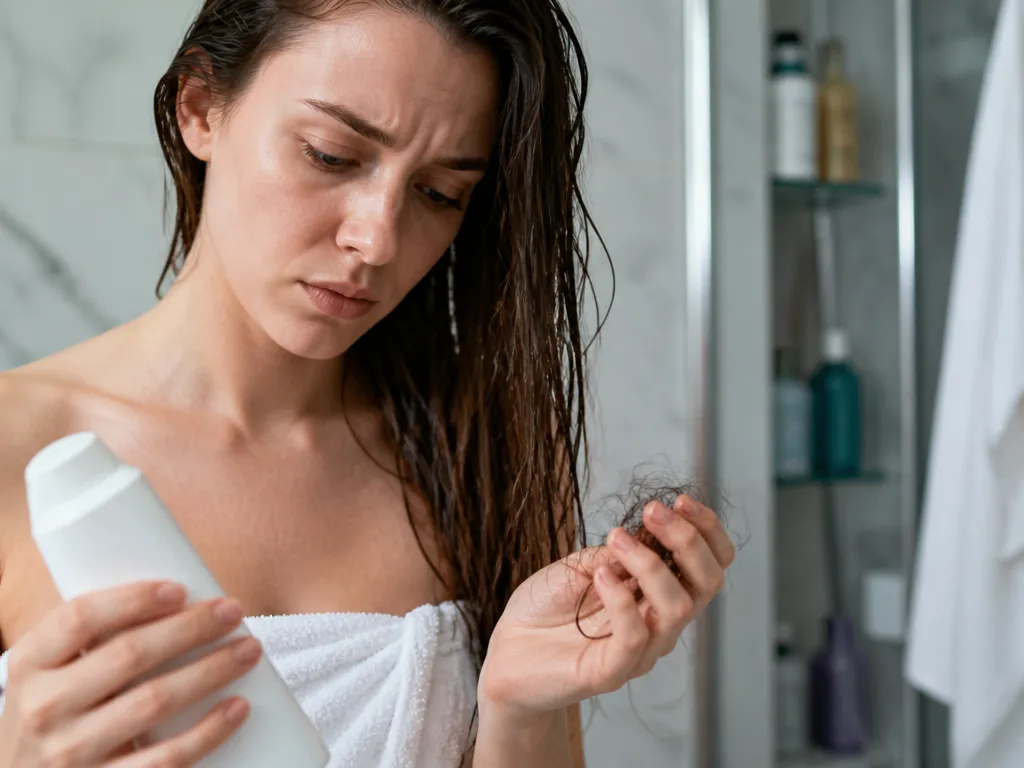
Can Conditioner Make Your Hair Fall Out?
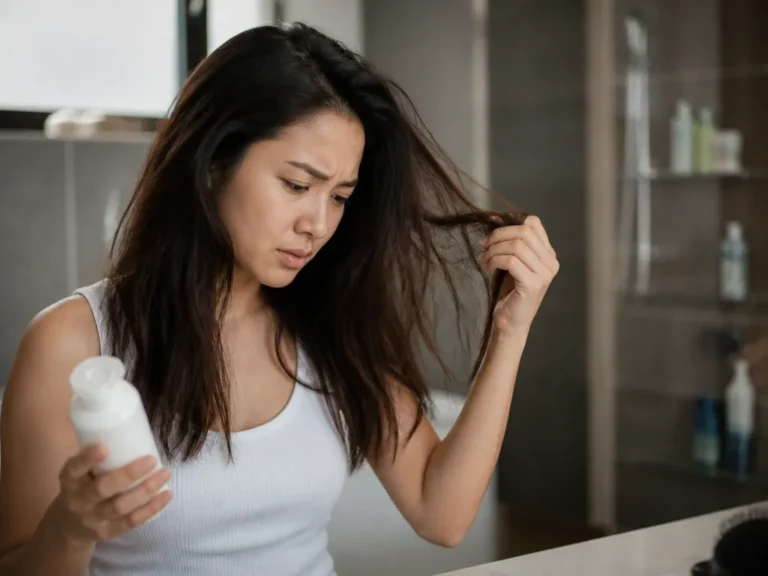
Finding extra strands in your brush can feel like a mini panic attack every single morning. You might worry your conditioning routine is actually causing the damage instead of fixing it. We will separate real hair loss from simple breakage and find out if your current products are the culprit.
Conditioner does not cause hair to fall out from the root, but improper application can lead to breakage. Most people mistake hair snapping due to dryness for actual shedding. To prevent this, apply hydrolyzed proteins or ceramides only from the mid-lengths to the ends, avoiding the scalp entirely.
Best for: All hair types. Use caution if: You have a sensitive scalp or contact dermatitis.
Can Conditioner Make Your Hair Fall Out?
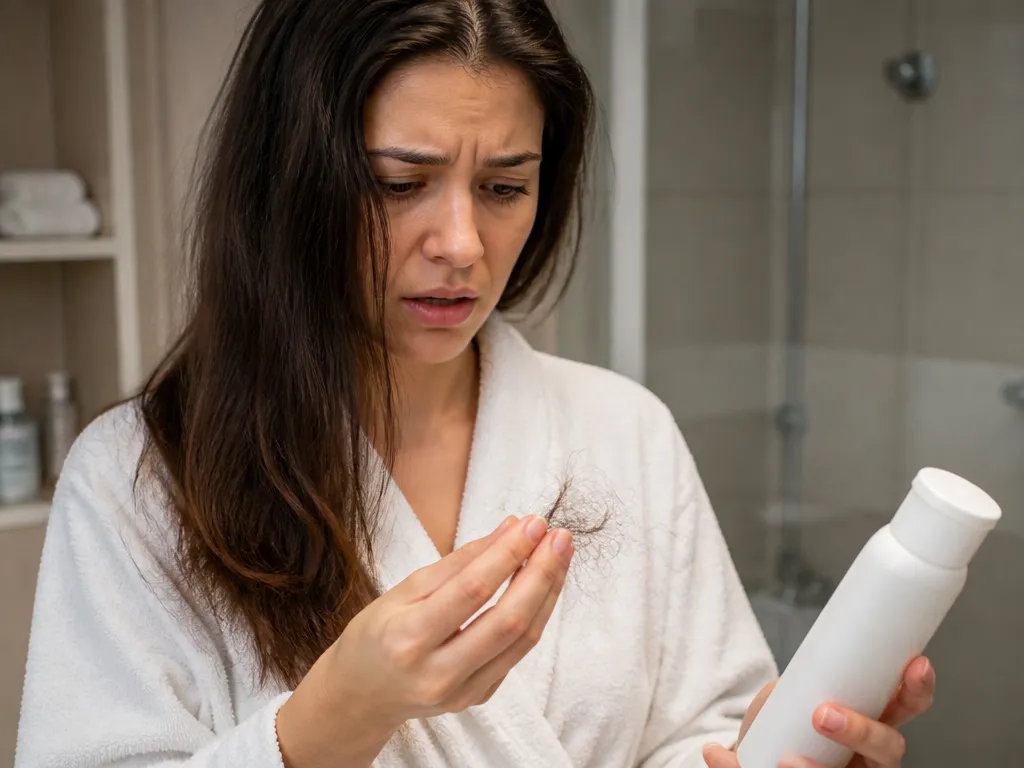
Conditioner typically does not cause hair loss in the form of follicle damage or permanent shedding. The occasional strands you see in the shower or on your brush are usually part of the natural hair growth cycle and not caused by your conditioner product.
In rare cases, certain ingredients in conditioners might cause irritation or allergic reactions that lead to temporary hair loss. This is uncommon and typically affects individuals with specific sensitivities or pre-existing scalp conditions. Most people can use standard conditioners without experiencing any negative effects on hair growth or retention.
You might notice more hair in the drain after conditioning due to the detangling process. When you work conditioner through your hair, it loosens hairs that were already shed but remained tangled in your strands. This makes the shedding more noticeable rather than increasing actual hair loss.
When To Be Concerned
True hair loss differs from normal shedding. If you’re losing significantly more than 50-100 hairs per day, noticing bald patches, or experiencing thinning that’s visible without close inspection, your conditioner is likely not the culprit. In such cases, other factors like genetics, stress, hormonal changes, or medical conditions are more likely causes.
| Normal Shedding | Potential Hair Loss |
|---|---|
| 50-100 hairs per day | Significantly more than 100 hairs daily |
| Even distribution across scalp | Bald patches or thinning areas |
| Strands have white bulb at root | Strands without bulb (breakage) |
| Temporary increase after conditioning | Persistent increase over time |
If you suspect your conditioner might be causing issues, try switching to a formula designed for sensitive scalps or free of common irritants like sulfates, parabens, and fragrances. Look for ingredients like aloe vera, chamomile, or oat extract that are known for soothing properties. When introducing a new product, always patch test first to check for any adverse reactions.
For persistent concerns about hair loss, consult a dermatologist or trichologist who can identify the underlying cause and recommend appropriate treatment options. They can determine whether your hair care routine might be contributing to the issue or if other factors are at play.
Shedding Vs Breakage, Key Difference
Shedding occurs when the entire hair follicle releases from the scalp, while breakage happens when the hair shaft snaps mid-length. This distinction determines if the issue is internal, such as hormonal shifts or stress, or external, such as dryness or heat damage.
Shedding involves the loss of the full hair strand. You can identify this by looking at the end of the hair for a tiny, white, bulb-like structure. This bulb is the root of the hair.
Breakage looks different because the hair does not come from the root. It is a mechanical failure of the hair shaft caused by a lack of elasticity.
Esthetician tip: Use a magnifying glass or a bright phone flashlight to check for the white bulb. If there is no bulb, the hair snapped.
Conditioners act as a preventative measure against breakage. They add “slip” to the hair, which reduces friction during brushing and prevents the shaft from snapping.
| Feature | Shedding | Breakage |
|---|---|---|
| Root Bulb | Present | Absent |
| Hair Length | Full | Short/Variable |
| Primary Cause | Scalp/Internal | Shaft/External |
A simple at-home check can help you track the pattern over 24 to 72 hours. Collect all the hair that falls out from your brush or shower drain during this window.
For instance, if you see mostly short pieces without bulbs, your hair is breaking. This suggests you need more moisture or less heat. If you see full hairs with bulbs, it is shedding.
Look for ingredients like Behentrimonium Chloride or Cetyl Alcohol to improve slip and stop breakage. High-end: Pureology Hydrate ($35). Drugstore: Maui Moisture ($7). Both use fatty alcohols to lubricate the shaft.
Apply conditioner only from the mid-lengths to the ends. Avoid the scalp if you have oily skin to prevent follicle congestion. Rinse with cool water to seal the cuticle.
Hair Type And Scalp Clues
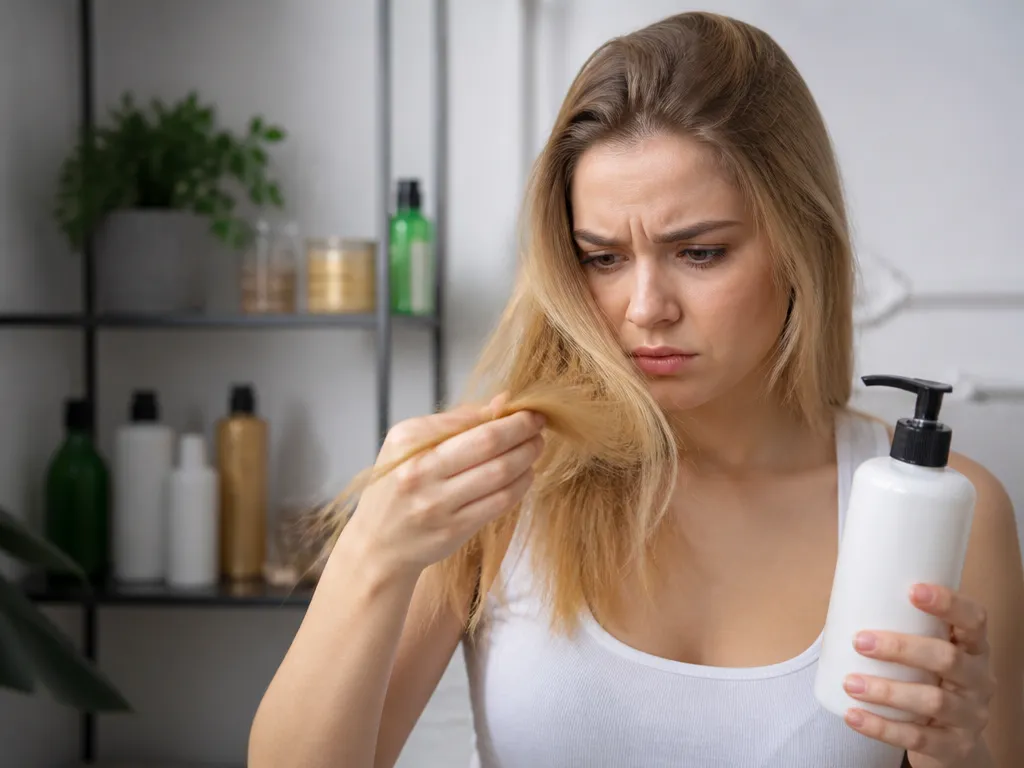
Residue, scalp irritation, or using too much product can trigger shedding-like breakage, especially when conditioner weighs down fine hair. The fastest way to separate “hair falling out” from “hair breaking off” is to match what you notice with your hair and scalp pattern.
For example, if you see short, uneven pieces with frayed ends after washing, that points to breakage. If you see full-length hairs with a tiny bulb at one end, that leans more toward shedding from the root, which is less likely to be conditioner-related.
Dermatologist tip: Stop the “maybe” conditioner experiment for 2 to 3 washes by using your usual shampoo and applying conditioner only to ends. If the shedding-like loss drops, adjust how you rinse and where you apply; if it does not, look to breakage causes or scalp irritation.
| Hair/Scalp Clue | What it usually means | What to try next |
|---|---|---|
| Fine hair, flat after conditioning | Weigh-down and snapping from tangles | Less product, mid-length to ends only, longer rinse |
| Curly/color-treated, tangles at wash day | Breakage from rough detangling | Conditioner on wet hair, detangle gently in sections |
| Itchy scalp, flakes, greasy film | Residue or irritation inflaming the scalp | Keep conditioner off scalp, consider anti-dandruff shampoo |
| Shedding started weeks after stress/illness/med change | Telogen effluvium timing pattern | Track triggers, consider medical guidance if persistent |
If you have sudden, patchy loss, scalp pain, pustules, or rapid worsening, skip ingredient tinkering and get a clinician or trichology consult. For patch testing when you suspect irritation, apply a small amount of the conditioner behind the ear or along the jawline for 24 to 48 hours, especially if your formula has new fragrances or essential oils.
Ingredients That Help Hair Strength
Hair breakage is the main reason people think conditioner makes hair “fall out,” because tangles and friction cause strands to shed along their length. The right conditioner ingredients reduce snagging, support the hair shaft, and calm scalp irritation.
Humectants and film formers help moisture sit on the hair surface and reduce dryness that makes hair feel rough and elastic. Look for glycerin, panthenol (Pro-Vitamin B5), and betaine on the ingredient list, these are especially helpful for curly, coily, and color-treated hair that gets dry between washes. For sensitive scalps, these ingredients are generally kinder than heavy oils for many people, because they can improve feel without coating the scalp as thickly.
Protein support can help hair feel stronger when it is used correctly, but overdoing it can make some hair stiff and more prone to snap. Look for hydrolyzed proteins like hydrolyzed keratin, hydrolyzed wheat protein, or hydrolyzed collagen, and start with a conditioner that includes a small amount rather than a “high protein” mask every wash. For most people, protein is a better fit when hair is damaged, porous, or chemically treated, and it is reasonable to use it 1 to 2 times per week, then adjust based on how your hair behaves.
Barrier builders smooth the cuticle and help prevent moisture loss, which reduces the “rough edges” that snag during detangling. Look for ceramides and fatty alcohols like cetyl alcohol or stearyl alcohol, these help create slip without making hair greasy for many hair types. Lighter conditioners with film-formers work well for oily to combination scalps, while richer formulas can help coarse, dry hair, but scalp-problem tendencies need extra caution.
| Item | Amount/Specification | Notes |
|---|---|---|
| Glycerin | Listed ingredient (exact % varies) | Good for dryness and frizz, especially in humid or dry climates. |
| Panthenol (Pro-Vitamin B5) | Listed ingredient (exact % varies) | Helps hair feel softer and can reduce tangles. |
| Hydrolyzed proteins | Prefer small-to-moderate inclusion | Use intermittently if your hair gets stiff, straw-like, or snaps. |
| Ceramides | Listed ingredient | Supports a smoother, more resilient hair surface. |
| Lightweight silicones (detanglers) | Examples: dimethicone, amodimethicone | Improves slip for fewer snags; rinse well for best scalp comfort. |
Sensitive scalp considerations matter because irritated skin can increase shedding from inflammation and itching, even if conditioner is not “causing hair loss.” Choose fragrance-light or fragrance-free conditioners if you are prone to bumps, burning, or redness, and consider patch testing behind the ear or along the hairline for 24 to 48 hours when you switch formulas.
Heavy waxy or oily buildup can worsen flakes and itch for some people, and flakes can make you feel like hair is falling out because you lose more hairs during scratching. Look out for very heavy “butter” or oil-heavy bases (especially if they sit on your scalp), and if you are prone to dandruff, keep conditioner mostly mid-length to ends. For dry, fine, and oily-to-combination scalps, a lightweight slip formula is often the safer starting point.
Dermatologist tip: If your scalp reacts, focus conditioning on hair lengths and keep products off the scalp line unless a label explicitly says the formula is scalp-safe.
How to read labels fast: conditioning agents and emollients (like cetyl alcohol, dimethicone, and cetearyl alcohol) are there to improve feel and reduce friction. Hair-growth claims are usually marketing based, and ingredient lists alone cannot confirm whether a product changes the root cycle, so treat “growth” as a bonus claim, not the reason to buy. For sensitive scalps, prioritize comfort and slip, then track results by breakage (less snapping, fewer tangles) before you judge shedding.
How To Use Conditioner Safely
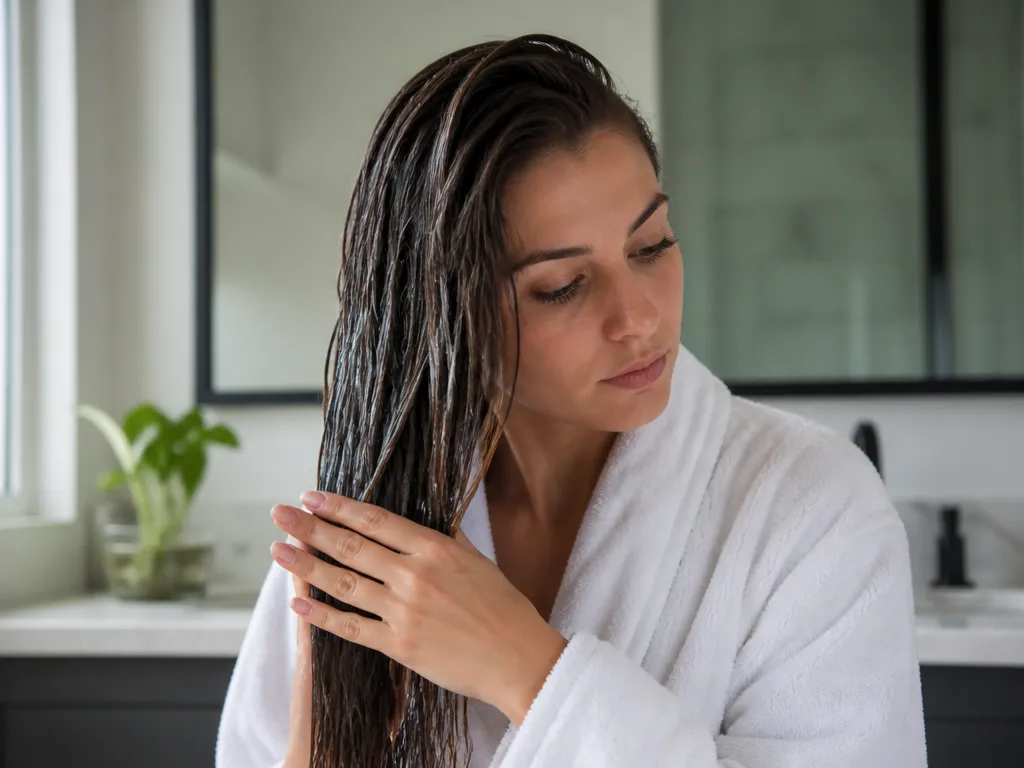
Conditioner usage requires strategic placement to prevent product buildup that weighs down hair or irritates the scalp. Applying the formula to the mid-lengths and ends gives the oldest, most fragile parts of your hair moisture without clogging follicles.
Frequency depends on your hair texture and scalp sensitivity. Fine or oily hair types benefit from a rinse-off conditioner every other day, whereas curly or dry hair types may only need to condition two to three times per week. If you notice increased shedding or scalp itching, switch to a lighter, silicone-free formula to see if the weight or ingredient load is the culprit.
Leave-in And Deep Conditioner Rules
Leave-in conditioners and deep treatments provide extra hydration for high-porosity or damaged hair, but they require careful management. Use deep conditioners as a weekly treatment rather than a daily habit to prevent moisture overload, which can make hair limp and prone to snapping. If you apply a leave-in product, stick to the very ends and avoid the scalp area to keep your hair follicles clear and breathable.
Dermatologist tip: If you experience persistent scalp irritation or notice hair shedding at the root, stop using all conditioners for one week. This helps determine if the issue is a sensitivity to a specific ingredient or a reaction to the physical weight of the product.
| Product Type | Best Usage | Application Zone |
|---|---|---|
| Rinse-off | Daily or every wash | Mid-lengths to ends |
| Leave-in | Damp hair after wash | Ends only |
| Deep Mask | 1x weekly | Mid-lengths to ends |
Common Mistakes That Worsen Shedding
Routine errors often cause hair to break or shed prematurely, creating the illusion that a product is causing permanent hair loss. Most cases of increased hair in the drain result from mechanical damage or improper application rather than the chemical composition of the conditioner itself.
Dermatologist tip: If you see hair with a tiny white bulb at the end, it has fallen from the root. If there is no bulb, the hair has simply snapped due to breakage.
Differentiating Breakage From True Hair Loss
Mechanical breakage is a surface-level issue that affects the hair shaft. True hair loss, or alopecia, involves the follicle itself and often presents as thinning patches or a widening part. If you notice significant shedding, you should consider internal or systemic triggers.
For instance, sudden shedding after a stressful event or illness is often telogen effluvium. This is a temporary condition where a large number of hairs enter the resting phase at once. Other factors that require medical consultation include:
| Cause Type | Common Triggers |
|---|---|
| Hormonal | Thyroid imbalances, pregnancy, or menopause |
| Mechanical | Traction alopecia from tight ponytails or braids |
| Nutritional | Iron deficiencies or low protein intake |
| Medical | Scalp diseases like psoriasis or medication side effects |
In practice, tracking your shedding for a few weeks can help you determine if the issue is your hair care routine or a biological shift. If the hair loss is accompanied by scalp itching, redness, or pain, see a dermatologist immediately.
Product Types And Smart Picks
Conditioners can strengthen and protect hair when properly selected and applied. Different formulations address specific needs without causing hair loss when used correctly.
Rinse-off Conditioners
Rinse-off conditioners provide immediate slip and reduce breakage during detangling. Apply from mid-lengths to ends, avoiding the scalp to prevent buildup that might cause irritation or tangling.
Leave-in Conditioners
Leave-in conditioners offer ongoing protection throughout the day but require careful application to prevent scalp issues. Apply only to mid-lengths and ends, keeping products away from the root area.
Expert tip: “For sensitive scalps, choose leave-ins without dimethicone or heavy silicones that can trap product against the skin.”
Deep Conditioners
Deep conditioners provide intensive treatment for damaged hair but should be used weekly at most. Overuse can lead to protein overload, making hair brittle and prone to breakage.
| Hair Type | Frequency | Key Ingredients |
|---|---|---|
| Fine/Light | Every 2-3 weeks | Light proteins, glycerin |
| Thick/Coarse | Weekly | Butters, oils, heavy proteins |
Sensitive Scalp Options
Fragrance-free conditioners prevent allergic reactions and irritation that might indirectly contribute to hair shedding. Always patch test new products on a small area of skin before full application.
Expert Tips And When To Act
Hair breakage often occurs during the detangling process rather than from the product itself. Proper technique and timing reduce mechanical stress on the follicle and prevent unnecessary shedding.
Seasonal Care And Testing
Conditioner needs change based on the environment and styling habits. People with dry scalps often need heavier creams with shea butter during winter months to combat indoor heating.
In the summer, switch to lightweight formulas with aloe vera or glycerin. These ingredients hydrate without weighing down fine hair or clogging pores in humid weather.
Patch testing is essential when trying a new formula with high concentrations of proteins or fragrances. Apply a small amount of the product to the inner forearm or behind the ear.
Wait 24 to 48 hours to check for a reaction. This is the safest way to identify a sensitivity before applying the product to the entire scalp.
Pro tip: If you use heavy styling products, increase your conditioning frequency to twice a week to prevent buildup and breakage.
Identifying Red Flags
Certain reactions indicate a product is causing harm rather than providing benefit. Monitor your scalp and hair density for these specific warning signs.
| Symptom | Likely Cause | Action |
|---|---|---|
| Itching or Burning | Allergic reaction | Rinse immediately |
| Redness or Swelling | Contact dermatitis | Stop use and cool compress |
| Crusting or Flaking | Severe irritation | Consult a professional |
| Rapid Hair Loss | Scalp inflammation | See a dermatologist |
Immediate action is required if you notice a sudden increase in the amount of hair in the drain. This differs from the normal 50 to 100 hairs shed daily.
Stop using the suspected product immediately. Switch to a gentle, fragrance-free base conditioner to maintain moisture while the scalp heals.
Consult a dermatologist if redness or hair thinning persists for more than two weeks. A medical professional can determine if the issue is a product reaction or an internal health matter.
Quick Summary
Rinse conditioner thoroughly, including for at least 30 seconds, to remove residue. Keeping heavy products away from the roots helps prevent scalp irritation.
Normal shedding typically involves 50 to 100 hairs per day, whereas losing significantly more than that may indicate genetics or hormonal shifts. If you notice bald patches or thinning, you should consult a dermatologist or trichologist.
| Feature | Shedding | Breakage |
|---|---|---|
| Root Bulb | Present | Absent |
| Hair Length | Full | Short/Variable |
Beauty Routine Cheat Sheet
One Thing To Stop Doing Immediately
Stop applying heavy conditioners directly to your scalp, as this can cause irritation.
Expected Timeline For Results
Reduced breakage and improved hair elasticity can typically be observed within 2 to 4 weeks of consistent, proper application techniques.
Frequently Asked Questions
Can Conditioner Actually Cause Hair Loss?
Conditioner does not typically cause hair to fall out from the root, but heavy buildup can lead to breakage. It is important to remember that losing 50 to 100 hairs per day is a normal part of the hair growth cycle.
Should I Apply Conditioner To My Scalp Or Just The Ends?
To prevent weighing down your roots, apply the product 2 to 3 inches away from the scalp.
Is An Expensive Conditioner Worth It Compared To Drugstore Options?
Not always, because many basic hydrating ingredients are identical across price points. Luxury versions often cost 3 to 5 times more primarily for premium fragrances and branding rather than better results.
How Often Should I Use Conditioner To Prevent Buildup?
You can use conditioner every time you wash, but you must remove residue periodically. Use a clarifying shampoo once every 2 to 4 weeks to clear away the buildup that can make hair feel limp.
Can Certain Ingredients In Conditioner Cause My Hair To Fall Out?
While rare, some people experience allergic reactions to specific preservatives or fragrances that can irritate the scalp. You should patch test new products for 24 to 48 hours on your inner arm before full use.

- Pre-Poo Treatments for Low Porosity Hair: 7 Essential Steps - September 20, 2026
- What To Avoid After Prp Hair Treatment? - August 28, 2026
- What Is The Malibu Treatment For Hair? - August 27, 2026