Can I Use Hair Conditioner On My Beard?
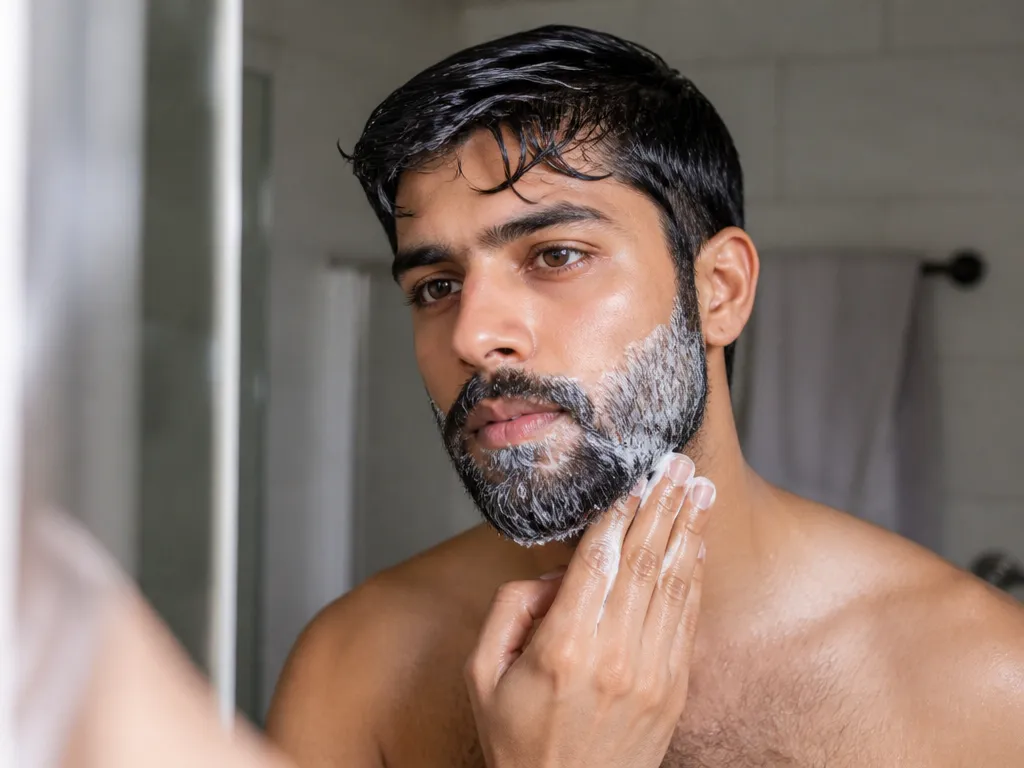
Your beard hair is much coarser and more prone to dryness than the hair on your head, which is why it often feels scratchy or unruly. You might be tempted to grab whatever bottle is in your shower, but using the wrong formula can lead to clogged pores or skin irritation. I will show you how to tell the difference between hair products and beard-specific care so you can achieve a soft, manageable look without the breakouts.
Using hair conditioner on your beard is acceptable for a quick fix, but you should prioritize products containing humectants or natural oils. Avoid heavy silicones like dimethicone if you have acne-prone skin, as these can trap bacteria. For best results, leave a gentle conditioner in for 2 to 5 minutes before rinsing.
Best for: Dry or coarse beard hair. Use caution if: You have acne-prone skin or sensitive facial skin.
Can I Use Hair Conditioner On My Beard?
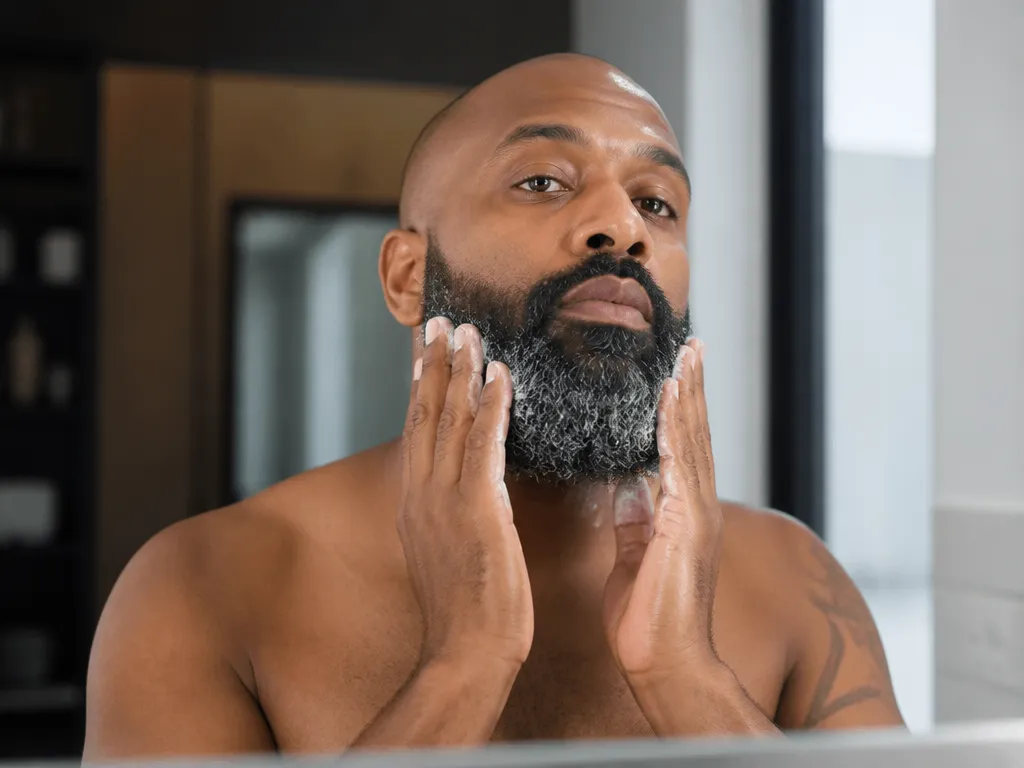
A pinch of regular hair conditioner can soften beard hairs and ease detangling, but it isn’t formulated for facial skin. It can work in a pinch on short, coarse beards, but for longer or curlier beards or sensitive skin, a dedicated beard conditioner is usually a better long term option. This approach tends to be gentler on oily to combination skin, though patch testing is essential for everyone.
| Beard scenario | Hair conditioner pros | Beard conditioner pros | Cautions / Notes |
|---|---|---|---|
| Short, sparse, or coarse beard; quick fix needed | Often inexpensive and readily available | Formulated for facial hair; more balanced conditioning | Rinse thoroughly to prevent residue; avoid eyes |
| Sensitive or acne prone skin on the face | Not designed for facial skin; may clog pores | Look for fragrance-free, lightweight options | Patch test first; skip if irritation occurs |
| Long, curly, or thick beard; needs detangling | Lite conditioning only; may not reach skin well | Beard conditioners or oils target both hair and underlying skin | Some formulas leave residue or greasiness; rinse well |
| Everyday routine or heavy styling | Not ideal for daily use on the face | Beard products are designed for repeated use along the growth | Follow with a beard oil or balm if skin feels tight |
Match Beard Texture To Products
Beard hair structure differs significantly from scalp hair in terms of diameter, oil production, and cuticle thickness. Selecting a product based on these physical traits prevents the common issues of extreme dryness or clogged pores.
Stubble and short facial hair often require less intensive conditioning than a full, long beard. While short hair can sometimes tolerate lightweight hair conditioners, longer facial hair usually needs the heavier emollients found in dedicated beard products to stay soft.
Identifying Your Hair Type
Coarse or wiry hair tends to be more resistant to moisture and can feel scratchy against the skin. This hair type benefits from thicker conditioners containing heavy-duty ingredients like Cetearyl Alcohol or plant oils.
Soft or fine beard hair is more prone to being weighed down by heavy products. If you use a thick, cream-based conditioner on fine hair, it can look greasy and flat rather than healthy. For these textures, lighter lotions or aqueous conditioners work better.
| Beard Type | Primary Need | Ideal Product Consistency |
|---|---|---|
| Short Stubble | Skin hydration | Lightweight lotions or oils |
| Coarse/Wiry | Cuticle smoothing | Thick creams or heavy balms |
| Soft/Fine | Volume and shine | Lightweight conditioners |
Managing Skin Sensitivity
Skin underneath the beard is often more sensitive than the scalp because it is more exposed to environmental irritants and friction. Acne-prone skin requires caution when using regular hair conditioners, as many contain heavy silicones like Dimethicone that can trap bacteria and sebum.
Sensitive skin types may react to the fragrances or harsh surfactants found in standard hair care. Always patch test a new product on a small area of the jawline for 24 to 48 hours before full application to check for redness or itching.
Dermatology Tip: If you experience “beardruff” or itchy skin, avoid heavy silicones and look for products that include soothing agents like aloe vera or jojoba oil.
In practice, someone with oily, acne-prone skin should prioritize non-comedogenic beard oils over thick, heavy conditioners. This approach keeps the hair soft without suffocating the pores on the face.
Conditioning Ingredients That Matter
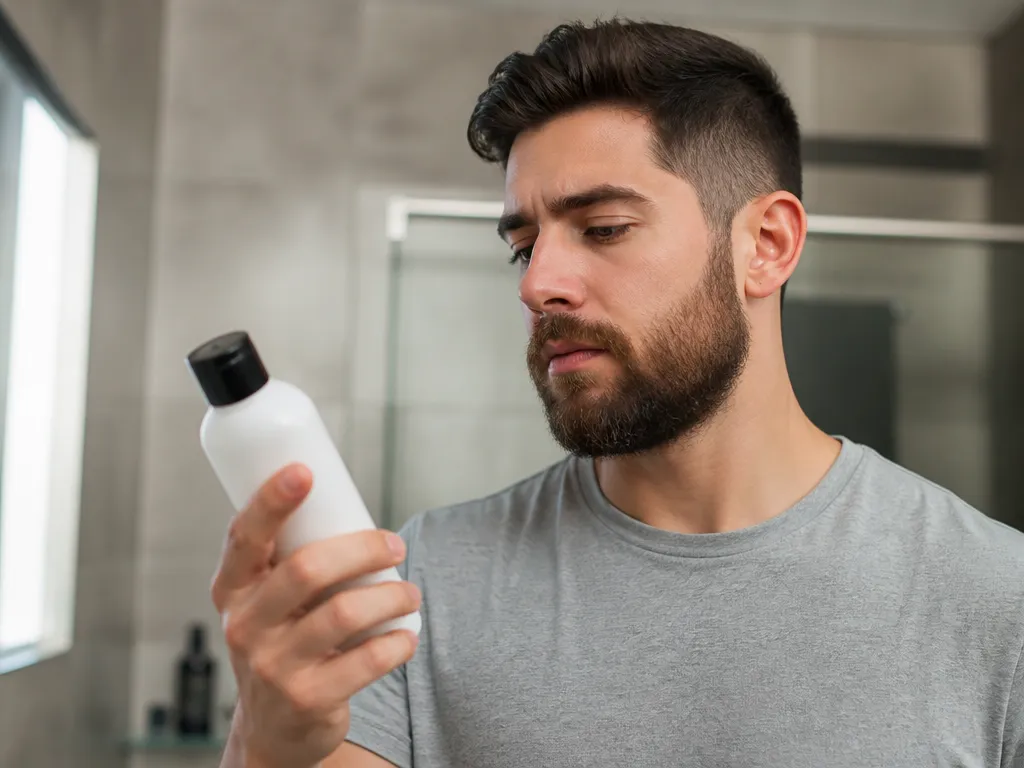
Using hair conditioner on the beard works effectively if you select products containing specific emollients like cetearyl alcohol and fatty alcohols. These ingredients coat the coarse hair shaft to reduce friction and improve manageability without clogging the pores on the skin underneath. You should prioritize formulas that focus on barrier repair rather than heavy stripping agents.
Cetearyl alcohol and other fatty alcohols provide the slip necessary to detangle thick whiskers. Dimethicone or amodimethicone serves as a sealant to lock in hydration and protect against environmental elements. This combination creates a protective layer that leaves the beard feeling softer immediately after rinsing.
Humectants like propylene glycol attract moisture from the air into the hair shaft to keep it hydrated. While beneficial, they can be irritating for sensitive skin types, so a patch test is highly recommended before full application. Glycerin is often a gentler alternative found in high-end beard balms.
How To Condition Correctly
Conditioning your beard properly requires different techniques than hair conditioning due to the skin underneath and the beard’s unique growth pattern. Proper conditioning softens facial hair while maintaining skin health and preventing irritation or buildup.
Morning conditioning should be quick and light, while evening routines can allow for longer treatment time. For coarse beards, leave the conditioner on for the full 5 minutes, while finer beards may only need 2-3 minutes.
After patting dry, apply beard oil or balm containing ingredients like jojoba or argan oil to lock in moisture. Avoid over-brushing your beard immediately after conditioning, as wet hair is more susceptible to damage.
Mistakes That Cause Buildup
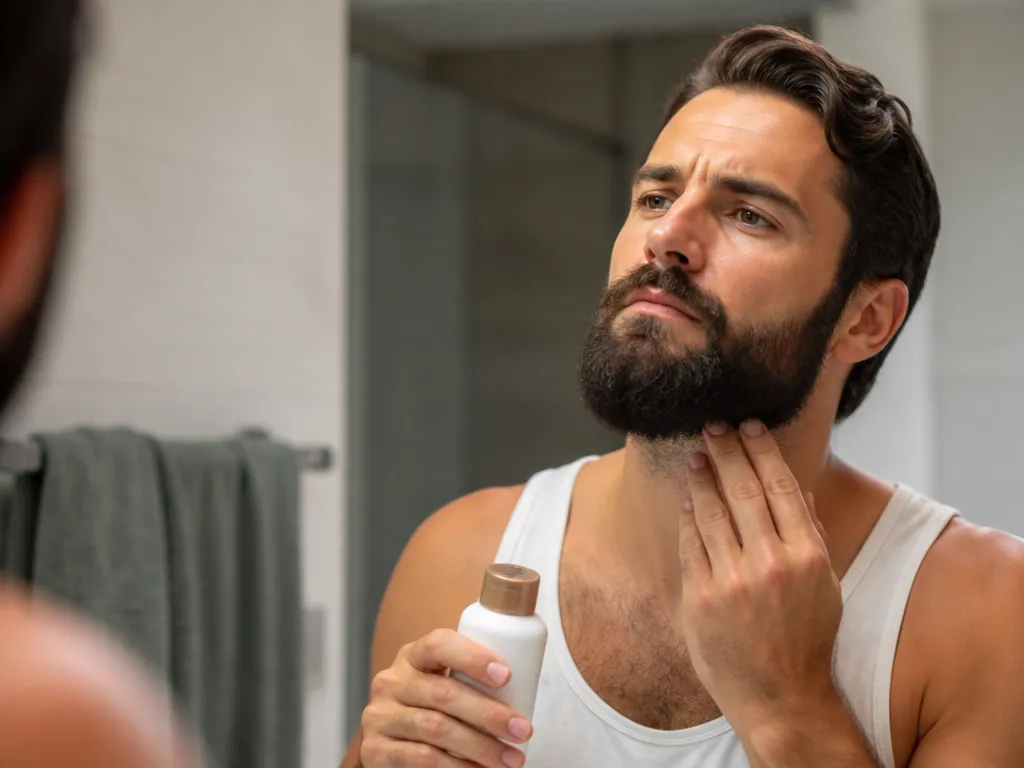
Product buildup occurs when heavy silicones and waxes from hair conditioners trap dead skin cells and sebum against the skin. This creates a film that often leads to breakouts or a dull, waxy appearance in the beard.
Poor rinsing is a primary cause of this residue. When product remains on the skin, it prevents the pores from breathing and can trigger acne for those with oily or combination skin.
For instance, leaving a conditioner on for ten minutes instead of the recommended three can cause the formula to dry into a sticky layer. This layer attracts dust and pollutants from the air.
Ingredient Risks And Application Errors
Clarifying hair products often contain high concentrations of dimethicone or strong surfactants. These ingredients are designed for the scalp, which is thicker and more resilient than the skin on the cheeks and neck.
Avoid applying these products too close to the mouth or deep into the neck folds. These areas have thinner skin and are more prone to contact dermatitis or irritation from synthetic fragrances.
Budget Swaps And Diy Options
Using regular hair conditioner on your beard is usually fine when you rinse it out well, but the risk is residue and breakouts from heavy, fragrance-heavy formulas. The best budget approach is choosing lightweight conditioners and treating it like a short-contact mask, not a leave-on product.
Drugstore-friendly labels that tend to work better on facial hair and the skin underneath are simple conditioners with slip plus rinsability. Aim for emollients like cetearyl alcohol and, if your skin tolerates them, lightweight silicones such as dimethicone, along with humectants like propylene glycol, while keeping fragrance low if you get irritation.
| Product Type | Price Range | Key Ingredient Clues | Best For |
|---|---|---|---|
| Gentle, rinse-off conditioner | Drugstore to mid-range | cetearyl alcohol, dimethicone, mild surfactants | Normal to dry beard hair, low-sensitivity skin |
| Fragrance-light “sensitive” conditioner | Drugstore | lower fragrance, fewer actives | Dry, reactive skin and early redness |
| Lightweight, silicone-based conditioner | Mid-range | silicones for slip, minimal oils | Oily to combination skin that gets buildup |
DIY can work, but keep it short-contact to reduce residue. Diluting also helps you avoid that “slick but never fully rinsed” feeling that can irritate beard skin.
“Dermatologist-adjacent practical rule: treat conditioner on facial hair like a mask, and rinse like you mean it.”
DIY is a bad idea when your beard skin is acne-prone or eczema-prone, because extra variables (unknown oils, added fragrance, or uneven dilution) can trigger flare-ups. DIY is also risky if you have fragrance sensitivity, since many drugstore conditioners rely on fragrance components for scent.
When you feel itchy, get new bumps along the jawline, or notice flaking that worsens after conditioning, stop and switch to a fragrance-light, simple rinse-off formula. Expect fewer issues within 1 to 2 weeks once you pick a lighter conditioner and keep the contact time short.
Beard-specific Conditioning Recommendations
Beard conditioners use smaller molecular structures and lighter oils to penetrate coarse facial hair without clogging the delicate pores on your face. While standard hair conditioners work for very long, thick beards, they often contain heavy silicones that can cause breakouts or “beardruff” on the skin underneath. Dedicated beard products prioritize skin health alongside hair softness.
Top Product Picks And Ingredients
Selecting a product depends on whether your primary goal is softening the hair or soothing itchy skin. Look for Argan oil, Jojoba oil, or Shea butter to provide deep moisture. If you have sensitive skin, fragrance-free options are the safest choice to prevent contact dermatitis.
| Product Type | Key Ingredients to Seek | Best For |
|---|---|---|
| Beard Balm | Shea butter, Beeswax | Styling and heavy coarse hair |
| Beard Oil | Jojoba oil, Argan oil | Skin hydration and daily shine |
| Beard Conditioner | Cetearyl alcohol, Glycerin | Softening texture in the shower |
Standard hair conditioners are acceptable for those with extremely long beards that reach the chest. In these cases, apply the conditioner only to the ends of the hair to avoid contact with the facial skin. This method prevents heavy surfactants from stripping the natural oils from your cheeks.
Professional Tip: Always patch test a new beard product on your jawline for 24 hours to ensure the oils or fragrances do not trigger acne or irritation.
Ingredient Safety And Red Flags
Facial skin is significantly more reactive than the scalp. Avoid products that combine high concentrations of drying alcohols with heavy synthetic fragrances. These combinations can disrupt the skin barrier and lead to redness or flaking.
For example, if you notice small white bumps or increased oiliness after using a hair conditioner, the product is likely too heavy for your facial skin. Switch to a dedicated beard conditioner or a lightweight oil to restore balance. Expect to see a noticeable difference in hair softness within 2 weeks of consistent use.
Faster Softness, Less Residue Tips
Use a smaller amount of conditioner than you would on hair, and rinse until your fingers feel squeaky-clean through the beard skin. Most “buildup” issues come from leaving too much behind or using a formula that is too heavy for your skin.
Conditioner is easiest to wear when you focus on the hair shaft, not the face. Apply to mid-lengths and ends first, then lightly smooth a thin veil over the skin under the beard only if your beard is coarse and your skin is not reactive.
After rinsing, brush or comb while the beard is still damp to distribute oils evenly and reduce tangles. A wide-tooth comb prevents snagging, which matters for sensitive skin types prone to irritation and ingrown hairs.
Dermatologist-style tip: Treat your beard like both hair and skin, apply from the thinnest layer (ends) to the heaviest area you truly need (problem tangles), then rinse clean.
Layering order controls residue. Pat dry first, then add beard oil or balm on damp-beard hair for softness without that slick, coated feel.
| Skin Type | Conditioner Approach | What to Watch |
|---|---|---|
| Oily to combination skin | Use less product, rinse extra well, keep it to wash days | Clogged-looking bumps, shiny residue feeling |
| Dry or flaky skin | Short rinse time can worsen dryness, so rinse clean then moisturize with oil | Dry flakes that feel tight or powdery |
| Sensitive skin | Choose fragrance-light formulas, patch test under the jaw for 24 to 48 hours | Redness, stinging, worsening itch after use |
Frequency tuning is where people win or lose. Conditioning on wash days only is the safest baseline, then adjust to every other wash if you get buildup, or keep it on every wash if your beard is dry and coarse.
Reading your beard skin helps you pick the right fix. Flaking that looks like fine white powder is often dryness, thick waxy buildup feels slick and comes back quickly, and irritated redness with small bumps suggests too much product or a reaction.
Quick Summary
| Situation | What to do | Why |
|---|---|---|
| Short, sparse, or coarse beard, quick softening | Use a pinch of regular conditioner on beard hairs, avoid skin if sensitive | Can soften hair and ease detangling, but is not designed for facial skin |
| Acne-prone or sensitive facial skin | Patch test first, limit use, avoid heavy silicones like dimethicone | Conditioner residue or silicones can contribute to clogged pores and irritation |
| Longer, curlier, or thick beard | Choose a dedicated beard conditioner or beard oil, rinse thoroughly | Targets both hair and the skin underneath more effectively |
Frequently Asked Questions
Can I Use Hair Conditioner On My Beard?
Yes, you can use hair conditioner on your beard because many formulas are made to soften and smooth hair using ingredients like emollients and silicones. For the skin under your beard, keep an eye on residue, and rinse thoroughly since leaving it on can feel greasy for some people.
How Long Until I See Results From Using Hair Conditioner On My Beard?
You usually see immediate softness and less tangling after one use because conditioners coat hair strands. If you are also aiming to reduce dryness, give it 2 to 3 uses (about a week for most people) to judge whether your beard and the skin underneath feel more comfortable.
Can I Use Hair Conditioner On My Beard If I Have Sensitive Or Acne-prone Skin?
Try it carefully, because any “hair” product can still irritate or clog some skin. Patch test on a small area of beard skin for 24 to 48 hours, then use a small amount and rinse well to reduce the chance of breakouts.
What Is The Correct Order To Apply Hair Conditioner On My Beard?
Use it after shampoo (or after cleansing your beard), then towel-dry so it is damp but not dripping. Massage in for about 2 to 5 minutes, rinse thoroughly, and pat dry with a soft towel to avoid roughing up the skin.
Is Conditioner On A Beard Better Than Using A Beard Conditioner, And Is The Expensive Version Worth It?
Not necessarily. A good hair conditioner can work if it rinses clean, but beard-specific formulas may be lighter or less likely to leave a heavy film for facial skin. Skip the price jump and look for one that feels comfortable on your skin, passes your patch test, and rinses without buildup.

- Pre-Poo Treatments for Low Porosity Hair: 7 Essential Steps - September 20, 2026
- What To Avoid After Prp Hair Treatment? - August 28, 2026
- What Is The Malibu Treatment For Hair? - August 27, 2026