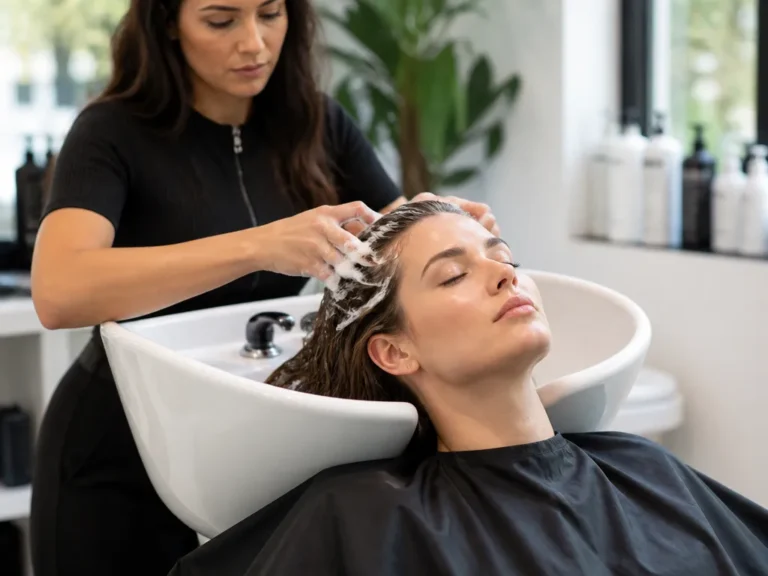
Can You Condition Your Hair After Dying It?
Struggling with maintaining your hair color after dyeing? You’re not alone. Over 75% of people who color their hair worry that conditioning will wash out their new shade or damage the treated strands. The truth is, proper conditioning is actually essential for preserving your color and keeping your hair healthy after chemical processing.
Post-dye conditioning is absolutely essential. You can condition immediately after rinsing out the dye, but wait at least 48 hours before your first shampoo. Then use a color-safe, sulfate-free conditioner every time you wash. Cool water rinsing helps reduce pigment loss. Deep conditioning treatments can be introduced after the first week to prevent unnecessary protein overload on chemically treated hair.
Can You Condition Your Hair After Dying It?
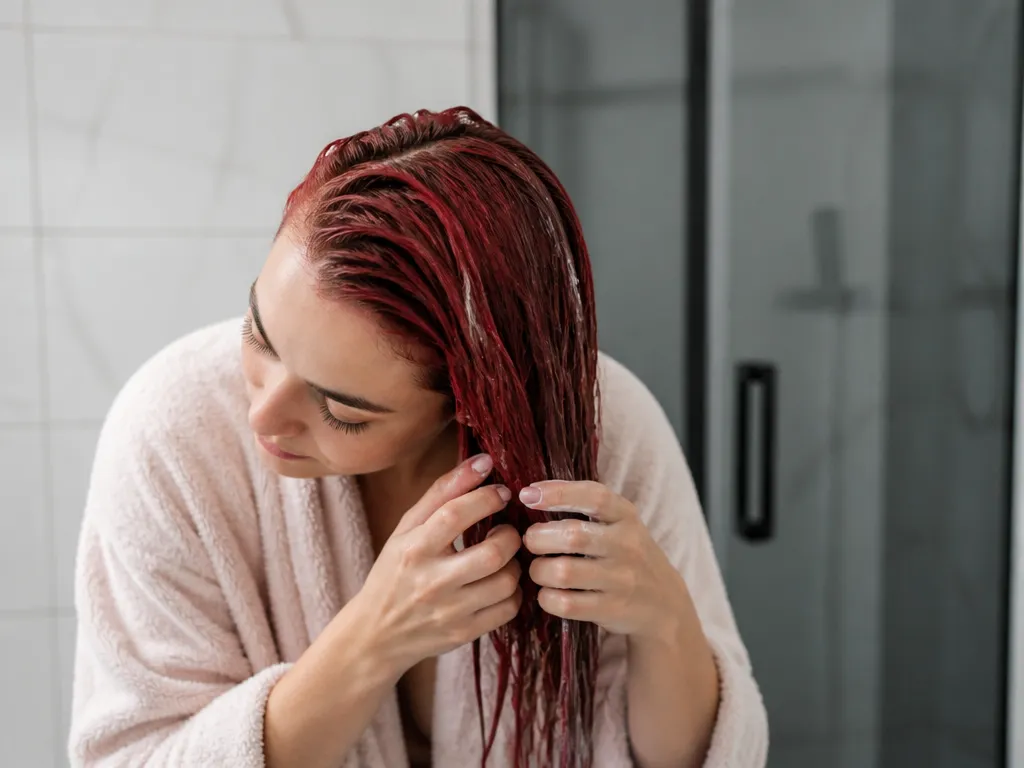
Conditioning after dye is non-negotiable because color chemistry can leave the hair cuticle slightly lifted, which increases tangling and moisture loss. A conditioner helps smooth the cuticle so hair feels softer and looks shinier while supporting more consistent color reflection.
Post-color care is most important for people whose hair gets stressed easily, especially if you use stronger dyes or highlight services. Color-safe conditioners are gentler, but you still want that slip and smoothing effect even if you are oily or fine-haired.
Who Needs Post-color Conditioning The Most?
Conditioning is still helpful for every hair type, but it is a must for any situation that already leaves hair porous. For oily to combination scalps with dry ends, focus on conditioning mid-lengths to ends only. For curly, coily, and textured hair, conditioning is what keeps strands from snapping and makes dye look even from root to ends.
Conditioning also supports how color shows up visually. When the outer layer is smooth, pigments sit more consistently on the hair shaft, so the tone looks truer in indoor and outdoor lighting.
Pro tip: apply conditioner from mid-lengths to ends, detangle gently with fingers first, then rinse with cool to lukewarm water to help reduce fade from heat.
Color longevity depends on how you treat the cuticle after rinsing. Expect the first few washes to move away some surface dye, then stabilize; great conditioning can slow further dryness-related fading, but it does not make semi-permanent or permanent color “immortal.”
| Hair Service | Most Common Outcome After Dye | Conditioning Expectation |
|---|---|---|
| All-over permanent color | Dryness, slight dullness | Improves softness and shine quickly |
| Highlights or balayage (lighter areas) | Porosity in lightened strands | Helps prevent tangles and uneven tone |
| Color depositing gloss or semi-permanent | Fast surface fade | Supports smoother, longer-looking tone |
Product-wise, start simple: use a color-safe conditioner after rinsing dye, then add an optional deep conditioner once weekly if your hair feels tight or rough. For best comfort across skin types, keep the conditioner off your scalp to reduce greasiness, especially if you have oily skin and fine hair.
Assess Your Post-color Hair Texture
Color treatments lift the hair cuticle to deposit pigment, which increases porosity and leaves the shaft prone to moisture loss. This structural change determines whether the hair requires a lightweight rinse or a heavy protein mask.
High porosity hair has gaps or holes in the cuticle layer. It absorbs water quickly but fails to hold it, which causes a rough or frizzy texture.
Chemical damage manifests as a loss of elasticity. Healthy hair should stretch slightly and return to its original length when pulled while wet.
For instance, if a wet strand stretches and snaps immediately, the internal protein structure is compromised. This indicates a need for bond builders or protein-rich conditioners.
Bleached hair differs from dyed hair because it strips the natural pigment by breaking disulfide bonds. This process creates more structural vulnerability than permanent color that only adds pigment.
| Texture Indicator | Physical Feel | Water Absorption | Treatment Need |
|---|---|---|---|
| Low Porosity | Smooth, shiny | Slow / Beads up | Lightweight hydration |
| Medium Porosity | Soft, manageable | Moderate | Standard conditioning |
| High Porosity | Rough, straw-like | Very fast | Deep repair / Proteins |
Esthetician tip: Always perform a “float test” by placing a clean strand of hair in a glass of water. Hair that sinks quickly is high porosity, while hair that floats is low porosity.
Fine hair types can be weighed down by heavy masks. Use a lightweight conditioner with hydrolyzed silk for these textures.
Coarse or curly hair types usually require more intense moisture. Look for ingredients like shea butter or argan oil to seal the cuticle.
Essential Ingredients For Color Protection
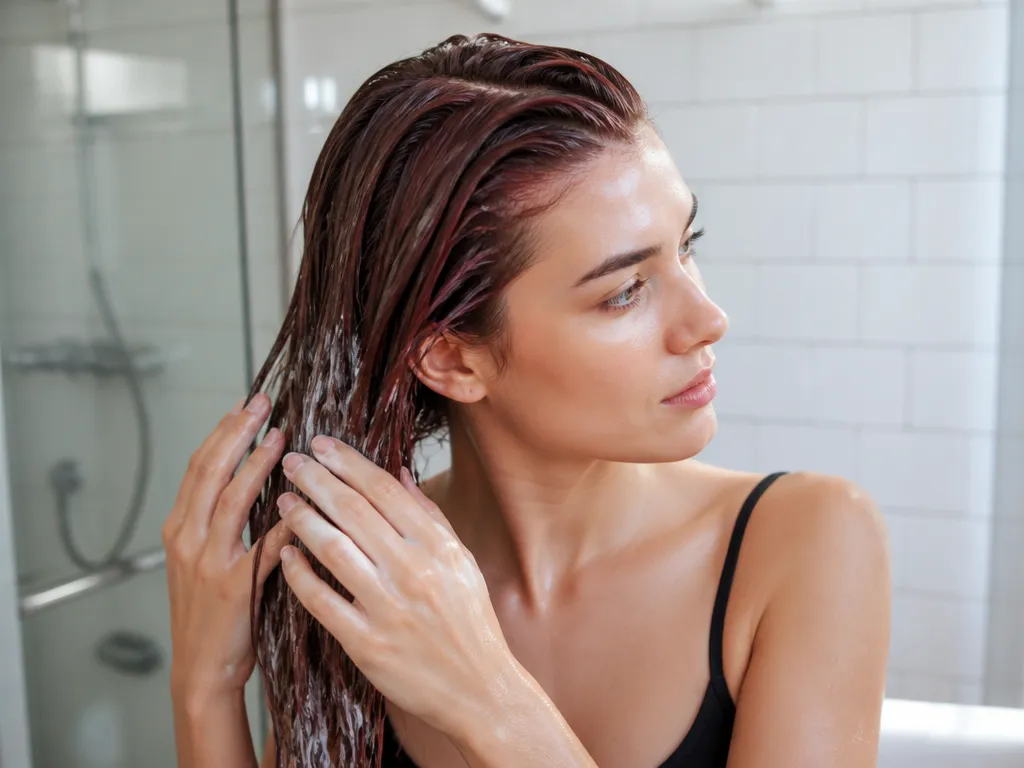
Color-treated hair requires specific ingredients to maintain vibrancy and prevent fading. The right components create a protective barrier around each strand while repairing damage from chemical processing.
Key Protective Ingredients
| Item | Amount/Specification | Notes |
|---|---|---|
| Sulfate-free surfactants | Sodium laureth sulfate-free, cocamidopropyl betaine | Gentle cleansing that doesn’t strip color molecules from the hair shaft |
| Hydrolyzed proteins | Hydrolyzed keratin, hydrolyzed wheat protein | Penetrates the cortex to strengthen damaged areas and improve elasticity |
| Natural oils | Argan oil, jojoba oil, coconut oil | Seals the cuticle to prevent color molecules from escaping |
| pH-balancing agents | Citric acid, lactic acid | Maintains optimal pH (4.5-5.5) to keep cuticles closed and color locked in |
For example, hydrolyzed keratin proteins are particularly effective for chemically treated hair. These smaller protein molecules can penetrate the damaged cortex, reinforcing the weakened internal structure while forming a protective film on the surface.
Additional Protection Tips
When selecting products, prioritize those specifically formulated for color-treated hair. While these options may cost slightly more, the extended color vibrancy and reduced frequency of salon touch-ups make them worthwhile investments for maintaining your desired hair color.
Post-dye Conditioning Routine
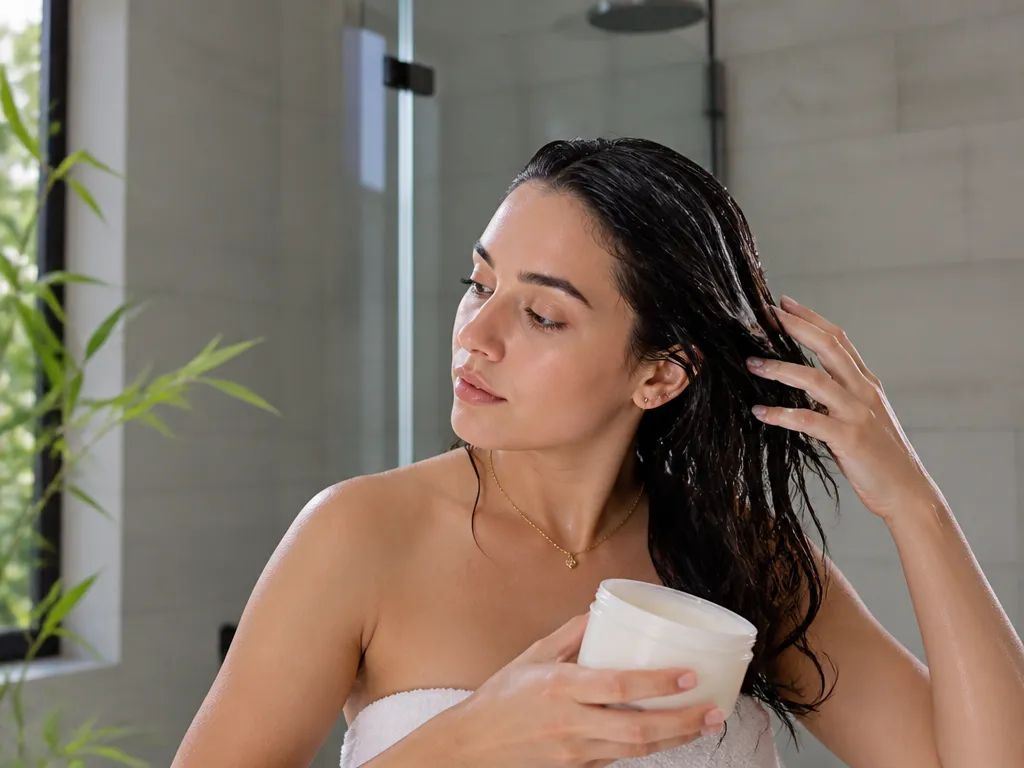
Immediate moisture replenishment prevents the cuticle from remaining open and vulnerable after chemical processing. Using a pH-balanced conditioner right after rinsing out your color helps smooth the hair shaft and support the freshly colored strands.
Immediate Post-color Steps
Rinse your hair thoroughly to remove the dye, then apply conditioner to the lengths and ends. Use cool to lukewarm water to help reduce pigment loss.
Long-term Maintenance Schedule
Consistency determines how long your shade stays vibrant. A structured approach balances the need for moisture with the need to prevent heavy product buildup.
| Frequency | Treatment Type | Goal |
| Every Wash | Color-Safe Conditioner | Daily moisture and cuticle sealing |
| Once Weekly | Deep Conditioning Mask | Intense repair for chemically treated strands |
| Bi-Weekly | Protein Treatment | Strengthening the hair structure |
Deep conditioning masks are essential for hair that has undergone bleaching or high-lift coloring. Look for ingredients like argan oil, shea butter, or hydrolyzed keratin to repair damage.
Professional tip: Apply your deep conditioner to towel-dried hair rather than soaking wet hair. This prevents the product from sliding off and ensures better absorption.
Temperature control remains a primary factor in color longevity. High heat from showers and styling tools acts as a catalyst for pigment oxidation.
For instance, if you use a flat iron daily, you must apply a heat protectant containing silicones like dimethicone. These create a physical barrier that protects the color from thermal damage.
Mistakes That Fade Your Color
Rapid color loss occurs when the hair cuticle remains open, allowing artificial pigment molecules to wash away. High temperatures and alkaline products accelerate this process by lifting the protective outer layer of the hair shaft.
Protein overload occurs when the hair has too much strength and not enough elasticity. This creates a straw-like texture that snaps under pressure.
Balance these treatments with a deep moisture mask every other wash to maintain flexibility. For example, use a protein spray once a month and a hydrating mask weekly.
Sun exposure also destroys color. UV rays break down the chemical bonds of the dye, which leads to brassiness in blondes or fading in reds.
| Product Type | pH Level | Effect on Color | Best For |
|---|---|---|---|
| Clarifying | High (Alkaline) | Strips pigment | Removing buildup |
| Color-Safe | Low (Acidic) | Seals cuticle | Maintaining hue |
High-end options like Pureology ($30+) use professional-grade concentrates to lock in tone. Drugstore alternatives like L’Oreal EverPure ($6) provide similar sulfate-free benefits for a fraction of the cost.
Follow this application order for maximum longevity: sulfate-free shampoo → color-depositing conditioner → leave-in sealant → UV protectant spray.
Pro tip: Rinse your conditioner with the coldest water you can stand to seal the cuticle and add shine.
Always perform a patch test with color-depositing conditioners. Some pigments can stain the scalp or skin, especially on very porous hair types.
Affordable Vs Professional Hair Care
Post-color conditioning requires a balance between intense moisture restoration and color preservation. Salon-grade products often use smaller molecular structures to penetrate the hair shaft, while drugstore options focus on surface smoothing and cuticle sealing.
Budget-friendly Drugstore Finds
Drugstore conditioners provide reliable relief for hair that feels dry after chemical processing. Look for formulas labeled “sulfate-free” to ensure the cleansing agents do not strip your pigment too quickly.
For example, if you have fine hair that is easily weighed down, choose a lightweight, sulfate-free rinse-out conditioner rather than a heavy cream. Heavy butters can make fine strands look greasy without providing deep structural repair.
High-end Salon Investments
Professional hair care often contains higher concentrations of active repairing agents like hydrolyzed proteins and amino acids. These ingredients help rebuild the disulfide bonds that hair dye can weaken during the coloring process.
| Product Category | Premium Example | Key Benefit | Best For |
| Bond Builder | Olaplex No. 5 | Repairs broken bonds | Highly bleached hair |
| Color Protect | Pureology Hydrate | Antioxidant rich | Vibrant fashion tones |
| Deep Treatment | Kerastase Résistance | Structural reinforcement | Damaged, brittle hair |
Professional Tip: Always perform a patch test when trying a new high-potency hair mask, as concentrated proteins can occasionally cause scalp irritation in sensitive individuals.
Diy Moisture Boosters
Natural kitchen ingredients can offer temporary relief when your budget is tight. However, these do not replace the structural repair offered by science-backed formulas.
In practice, DIY methods work best as a pre-wash treatment rather than a replacement for a dedicated color-safe conditioner. Oils sit on the cuticle, whereas professional conditioners are engineered to work within the hair’s internal structure.
Pro Tips For Lasting Vibrancy
Waiting at least 48 hours before your first shampoo helps limit early pigment loss. This window gives the hair time to settle after chemical processing.
Protective measures against environmental stressors are essential for maintaining high-shine results. Sunlight acts as a natural bleaching agent that can oxidize hair dye, especially for red and copper tones. Using a hair veil or a leave-in conditioner with UV filters provides a physical barrier against this degradation.
Maintenance Strategies
Color-depositing conditioners offer a practical way to refresh fading tones between salon visits. These products contain small amounts of temporary pigment that coat the hair shaft to mimic a fresh application. They work best for fine to medium hair textures that may become weighed down by heavy masks.
Professional tip: Always use cool or lukewarm water when rinsing your hair to keep the cuticle flat and prevent pigment escape.
Selecting the right product depends on your specific color goals and hair health.
For example, a deep conditioning treatment focuses on repairing the protein bonds broken during the dyeing process, while a color-depositing conditioner prioritizes shade longevity.
| Product Type | Primary Benefit | Best For |
|---|---|---|
| Deep Conditioner | Moisture & Repair | Damaged or bleached hair |
| Color-Depositing Mask | Shade Refresh | Fading reds, blondes, or brunettes |
| Leave-in UV Spray | Environmental Protection | All hair types in sunny climates |
Routine steps for post-color care should follow a specific order to maximize hydration and protection: cleanse gently, condition the lengths and ends, then apply leave-in and environmental protection as needed.
Budget-friendly options like drugstore color-safe conditioners are effective for basic maintenance. High-end professional lines often contain more sophisticated bond-building ingredients like bis-aminopropyl diglycol dimaleate, which can be more beneficial for severely processed hair. Expect to see a noticeable difference in shine and color depth after 4 to 6 weeks of consistent use.
Quick Summary
Conditioning after dyeing is essential to smooth the hair cuticle and prevent moisture loss. You can condition immediately after rinsing out the dye, but wait at least 48 hours before the first shampoo. To maintain vibrancy, use sulfate-free, color-safe formulas and rinse with cool water. It is best to apply these products from mid-length to ends and limit washing to 2 or 3 times per week to extend the life of the color.
Different hair types require specific care, such as lightweight formulas for fine hair or deep moisture for bleached strands. Those with high porosity hair or a loss of elasticity may need bond builders or protein-rich treatments. Deep conditioning can start after the first week, depending on your hair’s condition. While conditioning cannot make semi-permanent color immortal, it ensures the tone looks truer in various lighting. The most important step is to start with a simple color-safe conditioner and scale up based on texture.
| Hair Service | Common Outcome | Conditioning Benefit |
|---|---|---|
| Permanent Color | Dryness and dullness | Improves softness and shine |
| Highlights | High porosity | Prevents tangles and uneven tone |
| Semi-Permanent | Fast surface fade | Supports a smoother, longer tone |
Frequently Asked Questions
Should I Condition My Hair Immediately After Dyeing It?
Yes. You can condition your hair immediately after dyeing it once you have thoroughly rinsed out the color. A moisturizing conditioner helps smooth the cuticle and support the freshly colored strands. Wait at least 48 hours before your first shampoo to help limit early color loss.
Is It Okay To Condition Hair Right After Coloring If I Have A Sensitive Scalp?
If you have a sensitive scalp, you should rinse the dye out thoroughly before applying any conditioner to avoid irritation. Look for a conditioner that is free of sulfates and artificial fragrances to minimize the risk of stinging or redness.
Is Salon Conditioner Better Than Drugstore Conditioner For Dyed Hair?
Salon conditioners often contain higher quality ingredients that provide more intense moisture for dry, processed hair. Drugstore options work just fine if they include UV protection or color-depositing ingredients to help maintain your shade.
What Type Of Conditioner Is Best For Colored Hair?
The best type of conditioner for colored hair is one labeled color-safe or sulfate-free. These formulas lack harsh detergents that can strip away your dye and fade your new look faster.
Do I Need To Use A Deep Conditioner Every Time I Wash Dyed Hair?
You do not need a deep conditioner every time you wash, but using a regular moisturizing conditioner is recommended. A weekly deep conditioning treatment is sufficient for many people, although highly processed hair may need more targeted care after the first week.

- Pre-Poo Treatments for Low Porosity Hair: 7 Essential Steps - September 20, 2026
- What To Avoid After Prp Hair Treatment? - August 28, 2026
- What Is The Malibu Treatment For Hair? - August 27, 2026