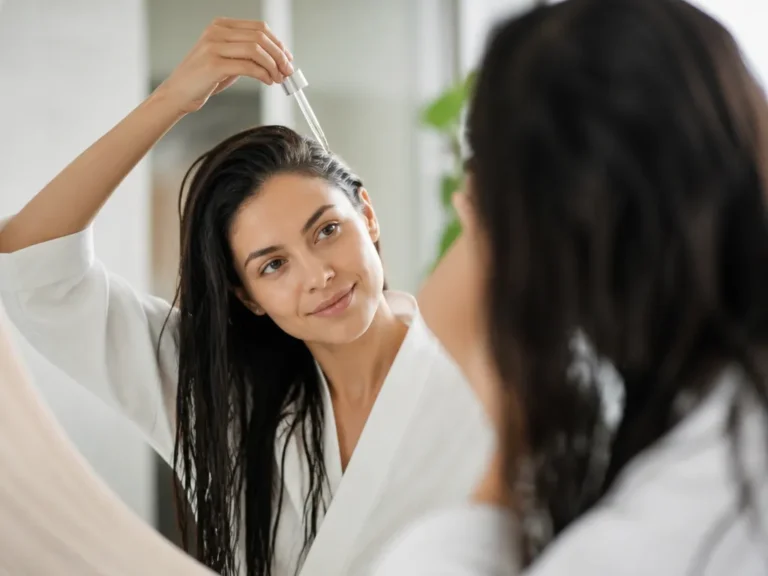
Can You Condition Hair Everyday?
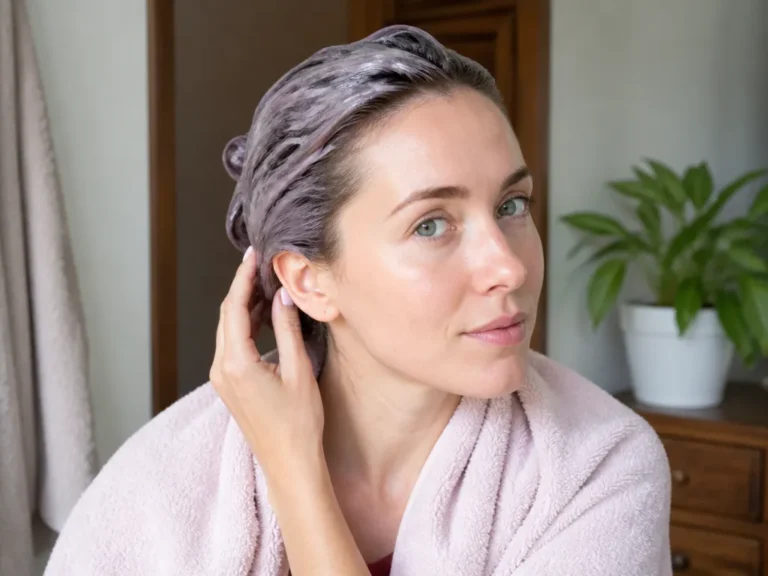
Daily hair washing often feels like a non-negotiable step in your morning routine, but you might be doing more harm than good by reaching for the bottle every single day. Over-conditioning can leave your strands feeling limp, greasy, or weighed down by layers of unwanted residue. Understanding your hair porosity is the secret to finding a balance that keeps your hair healthy without the buildup.
Daily conditioning is generally safe for dry or curly hair types, provided you use lightweight silicone-free formulas or water-based detanglers. Limit application to the mid-lengths and ends of your hair to avoid oily roots. If your hair feels coated or loses its natural bounce, skip the conditioner for 48 hours.
Best for: Dry, curly, or chemically damaged hair. Use caution if: You have very fine, thin, or naturally oily hair.
Can You Condition Hair Everyday? The Verdict?
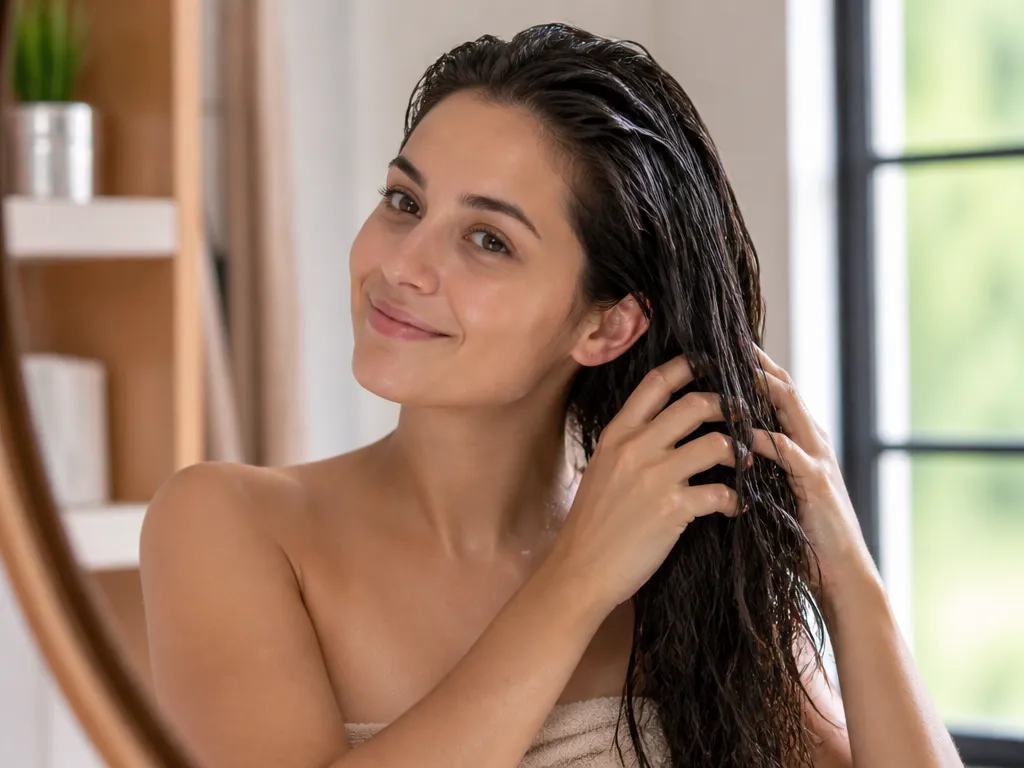
Daily conditioning is safe for most people, provided the product formula matches the specific needs of the hair fiber. Many individuals with dry, curly, or chemically treated hair rely on daily hydration to maintain manageability and prevent breakage.
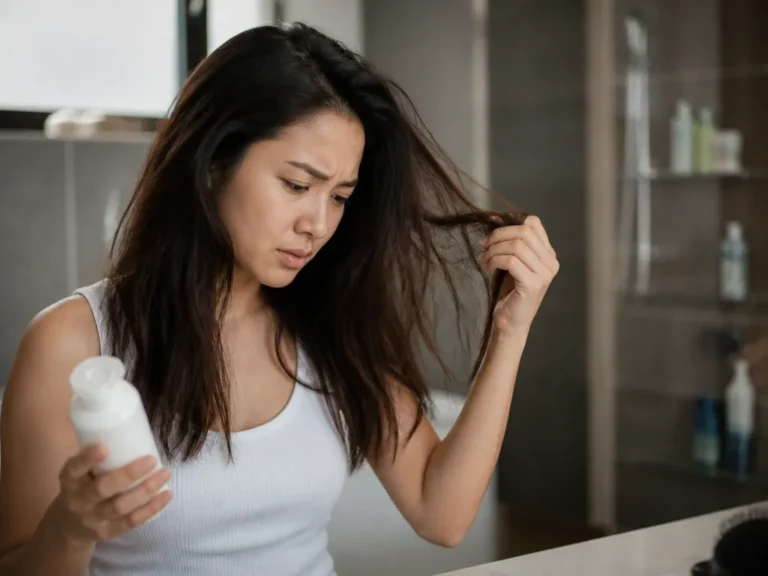
Product buildup remains the primary risk for those who apply heavy conditioners daily. Silicones and heavy oils can accumulate on the hair shaft, which leaves strands feeling limp, greasy, or dull over time. This effect is particularly noticeable in people with fine hair or low-porosity strands that do not absorb moisture easily.
Frequency Guidelines By Hair Profile
| Hair Type | Recommended Frequency | Key Concern |
|---|---|---|
| Fine / Straight | 2-3 times per week | Weighing hair down |
| Curly / Coarse | Daily or every wash | Moisture retention |
| Bleached / Damaged | Daily | Structural integrity |
Esthetician Tip: If your hair feels coated or sticky after drying, you are likely using too much product or a formula that is too heavy for your hair density. Switch to a lightweight leave-in conditioner or a rinse-out formula focused on the mid-lengths to ends only.
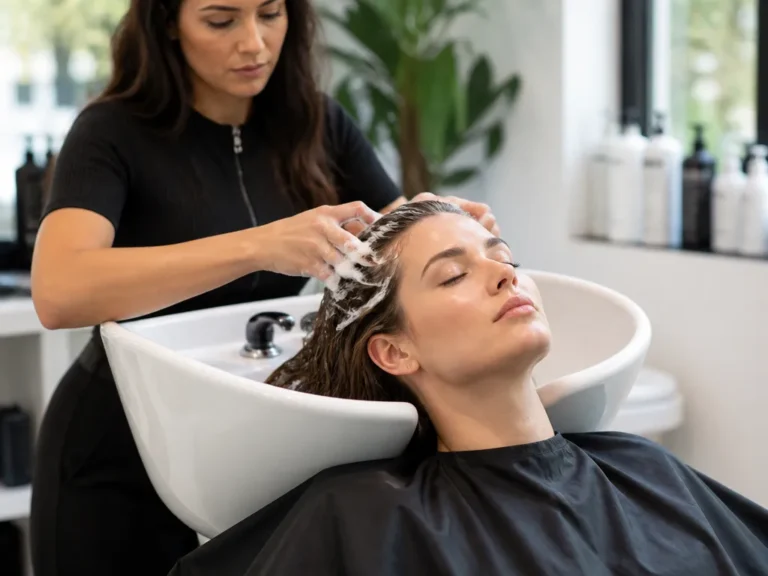
Individuals with oily scalps should exercise caution with daily conditioning routines. Applying product too close to the roots can exacerbate oil production and clog follicles. Focus application strictly from the ears down to the ends to ensure the scalp remains clean while the hair receives necessary nourishment.
For those who wash their hair daily, consider a rotation strategy. Use a standard rinse-out conditioner on most days, but swap in a deep treatment mask once a week to address long-term health. Keep a clarifying shampoo on hand to remove any lingering residue if you notice your hair losing its natural bounce.
Identify Your Hair Type And Porosity
Hair porosity determines how easily your strands absorb and retain moisture. High porosity hair has open cuticles that soak up water quickly but lose it just as fast, while low porosity hair has tightly closed cuticles that resist moisture absorption. Finding your specific profile is the first step to deciding if daily moisture application is necessary or if it will simply cause buildup.
Porosity And Texture Profiles
Low porosity hair often feels slippery or water-resistant when wet. This type needs lightweight, humectant-rich products to penetrate the shaft without leaving a film. High porosity hair usually feels dry, frizzy, or tangles easily. This hair type requires heavier oils and butters to seal the cuticle and prevent moisture loss.
Density refers to how many individual strands grow on your scalp. Fine hair has thin strands that can easily be weighed down by heavy conditioners. Thick hair consists of much larger, coarser strands that can handle more substantial product loads.
For example, a person with fine, low porosity hair might find that daily conditioning leads to limp, greasy hair within hours.
Dermatologist tip: To test porosity, place a clean strand of hair in a glass of water. If it sinks quickly, you likely have high porosity; if it floats on the surface, you have low porosity.
Scalp Type And Moisture Needs
Scalp health dictates how much product you should apply to your roots. Oily scalps produce excess sebum, which can make daily conditioning a recipe for clogged follicles and buildup. Dry scalps lack natural oils and may benefit from more frequent moisture application to prevent itching and flaking.
| Hair/Scalp Profile | Primary Concern | Conditioning Approach |
|---|---|---|
| Fine & Oily | Weight & Buildup | Lightweight, rinse-out formulas on ends only |
| Thick & Dry | Frizz & Dehydration | Rich creams or deep conditioners |
| Curly & High Porosity | Moisture Loss | Leave-in conditioners and heavy sealants |
| Fine & Low Porosity | Product Resistance | Warm water rinses and lightweight humectants |
Essential Conditioning Ingredients To Seek
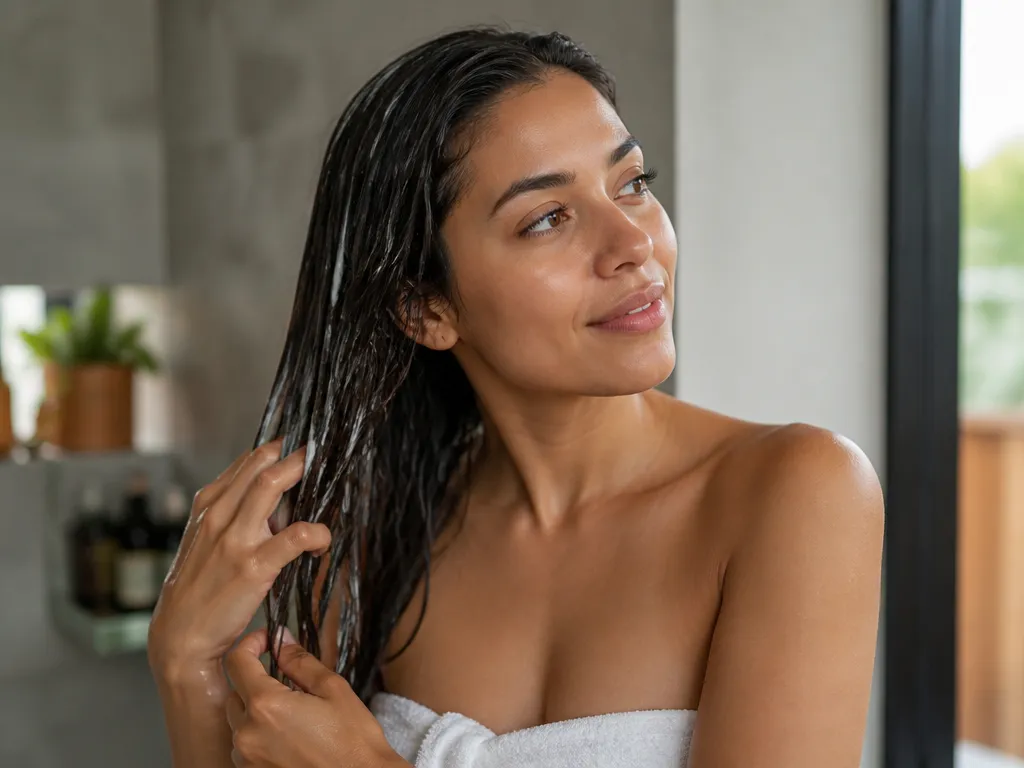
Not every conditioning product is built for daily use. Selecting the right chemistry allows for frequent application without weighing strands down or causing a sticky residue. The key lies in choosing lightweight formulations that nourish the cuticle rather than coating it with heavy oils.
Humectants like glycerin attract moisture from the environment into the hair shaft. This mechanism is particularly helpful for dry or coarse textures that need extra hydration daily. These ingredients work best in humid climates or when paired with a water-based leave-in product. Oily scalp types should use caution with humectants as they can pull excess moisture to the surface of the skin.
Proteins And Silicones
Proteins such as keratin or hydrolyzed wheat protein penetrate the cuticle to repair structural damage. Fine hair types benefit from these ingredients to add strength without adding excessive volume. Overusing protein treatments can lead to brittle strands so it is best to alternate them with moisturizing products. This balance prevents the hair from becoming stiff or breaking easily.
Silicones like dimethicone form a protective barrier to smooth the cuticle and reduce frizz. This creates that sleek, “glassy” look that many people desire. Heavy silicones can build up over time, potentially weighing hair down or blocking moisture, so lighter water-soluble variants are often better for frequent wash days. Curly hair types often tolerate silicones better than straight hair types because the weight helps define the curl pattern.
| Ingredient | Amount/Specification | Best For |
|---|---|---|
| Glycerin | 1-5% concentration | Dry, coarse, or chemically treated hair |
| Keratin | Hydrolyzed keratin | Damage repair and elasticity |
| Dimethicone | Lightweight or water-soluble |
- Use a clarifying shampoo once every two weeks if you condition daily to strip away any accumulated residue.
Correct Daily Conditioning Technique
Esthetician tip: If you struggle with flat hair, keep conditioner at least three inches away from your scalp. This simple adjustment prevents oil buildup and maintains natural volume for fine to medium hair types.
Specific hair types require slight adjustments to this routine for the best results. Curly or coily hair types benefit from leaving a small amount of product in the ends to act as a leave-in moisturizer. In contrast, those with fine or oily hair should prioritize a lightweight, silicone-free formula to prevent the hair from looking greasy by midday.
Consistency is key to seeing a difference in hair texture and shine. Expect to notice improved manageability and reduced frizz within two to three weeks of using this targeted application method. If your hair still feels dry despite proper technique, consider adding a weekly deep conditioning mask instead of increasing your daily conditioner frequency.
Signs Of Excessive Product Buildup
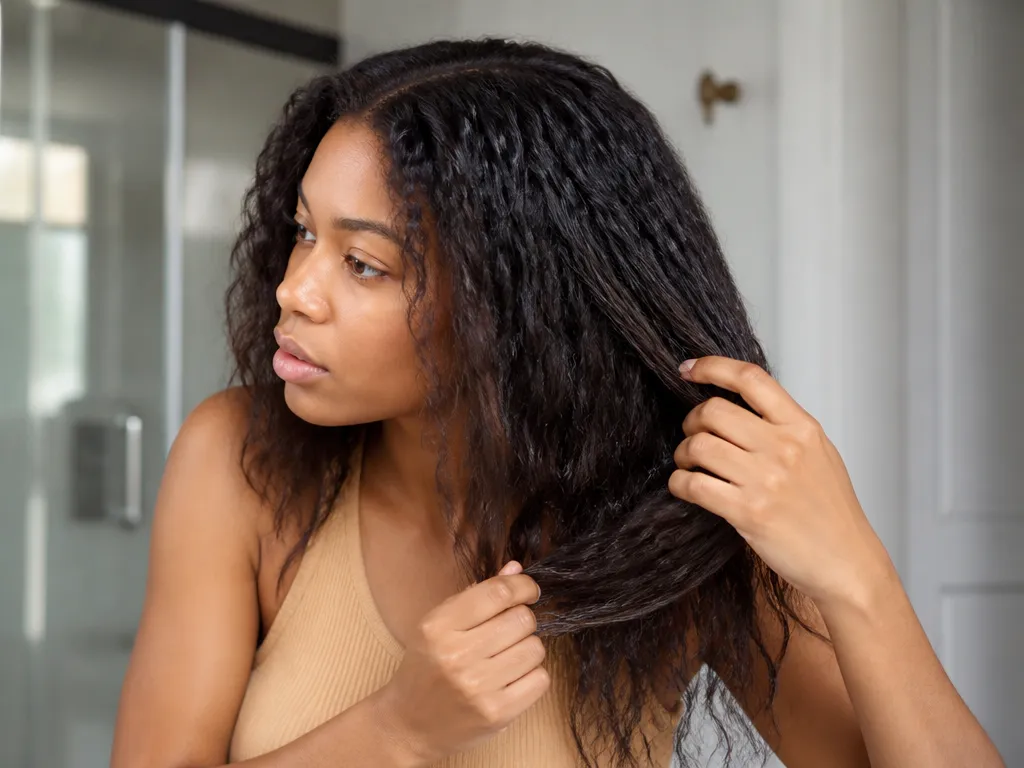
Hair strands coated in heavy silicones or waxes lose their natural light reflection, resulting in a dull, matte appearance regardless of how much shine spray is applied. This accumulation creates a physical barrier that prevents moisture from penetrating the cuticle, leading to brittle ends and a straw-like texture.
Excessive residue often makes hair feel sticky, tacky, or permanently damp even after a thorough blow-dry. If your fingers struggle to glide through your hair during a wash, or if the strands feel coated and heavy, the product is likely sitting on the surface rather than absorbing. This is particularly common for those with fine or low-porosity hair, which lacks the surface area to hold onto heavy conditioning agents.
Identifying Scalp And Strand Distress
Scalp irritation often accompanies heavy product usage, especially when conditioners or styling creams touch the skin directly. Clogged follicles can lead to itching, redness, or small, waxy flakes that resemble dandruff but are actually dried product debris. Ignoring these symptoms can disrupt the scalp microbiome and potentially interfere with healthy hair growth cycles.
The following table outlines the key differences between healthy hair and hair suffering from heavy residue:
| Symptom | Healthy Hair | Excessive Buildup |
|---|---|---|
| Texture | Soft, bouncy, clean | Waxy, sticky, heavy |
| Appearance | Reflective, vibrant | Dull, flat, matte |
| Scalp | Clear, breathable | Itchy, flaky, irritated |
Esthetician Tip: If you suspect buildup, perform a clarifying reset. Use a clarifying shampoo once every two weeks to strip away stubborn residue. Follow up with a lightweight, water-based conditioner only on the mid-lengths to ends to avoid re-clogging the scalp.
When you notice these signs, adjust your routine immediately by reducing the amount of conditioner used. For fine hair types, try applying conditioner only to the bottom three inches of the hair. If the problem persists, stop using deep conditioning masks until the hair regains its natural movement.
Budget-friendly Vs Luxury Options
Daily hair conditioners work best when they use lightweight, rinse-out formulas to prevent weighing down the strands. Frequent use of heavy, oil-based treatments can lead to buildup on fine or oily hair types. Selecting products based on hair density and porosity ensures you maintain moisture without sacrificing volume.
Drugstore Staples And Diy Solutions
Affordable conditioners often rely on silicones like dimethicone to provide immediate slip and shine. These are excellent for daily use on thicker or more textured hair because they are easy to rinse away. For those with fine hair, look for “weightless” or “volumizing” labels to avoid a greasy appearance by midday.
Esthetician tip: If you use DIY rinses or heavy drugstore conditioners, use a clarifying shampoo once a week to remove any residual product buildup.
High-end Treatments And Comparison
Luxury hair care often focuses on biomimetic ingredients that mimic the hair’s natural structure. These products frequently contain hydrolyzed proteins or specialized lipids that penetrate the cuticle rather than just coating the surface. While more expensive, they often require less product per application.
| Product Type | Price Point | Key Ingredient | Best For |
|---|---|---|---|
| Daily Conditioner | Low | Silicones / Polyquaterniums | Fine to Medium hair |
| Repair Mask | High | Hydrolyzed Keratin / Amino Acids | Damaged or bleached hair |
| Leave-in Cream | Mid-High | Argan Oil / Squalane | Dry or curly hair |
In practice, a hybrid approach often yields the best results for most people. You can use a budget-friendly conditioner every day and save your luxury hair masks for a weekly deep-conditioning treatment. This method provides daily manageability while addressing long-term hair health without overspending.
Pro Tips For Healthy Hair
Proper hair care extends beyond daily conditioning. Incorporating strategic maintenance practices ensures your hair remains healthy, vibrant, and resilient to environmental stressors.
Clarifying Weekly
Product buildup can diminish the effectiveness of your regular conditioner. Use a clarifying shampoo once every two weeks to remove residue from styling products, hard water minerals, and excess oils.
Microfiber Towel Technique
Regular towels can cause friction and frizz when drying hair. Microfiber towels absorb moisture gently while reducing cuticle damage.
Quick Summary
Daily conditioning is safe for many people, especially those with dry, curly, or chemically damaged hair. However, applying too much product can lead to limp, greasy strands or a waxy appearance. People with fine or thin hair should prioritize lightweight, silicone-free formulas to avoid losing volume. If your hair feels coated or loses its natural bounce, you should skip conditioning for 48 hours to reset your strands.
Your hair porosity is the most important factor in determining your moisture needs. High-porosity hair has open cuticles that absorb water quickly but lose it fast, while low-porosity hair has closed cuticles that resist moisture. You can test this by placing a hair strand in a glass of water; if it sinks, you have high porosity. To manage residue, use a clarifying shampoo every two weeks. The most important takeaway is to match your product formula to your specific hair density and porosity.
| Hair Profile | Recommended Frequency | Primary Concern |
|---|---|---|
| Fine / Straight | 2-3 times per week | Weighing hair down |
| Curly / Coarse | Daily or every wash | Moisture retention |
| Bleached / Damaged | Daily | Structural integrity |
Beauty Routine Cheat Sheet
One Thing To Stop Doing Immediately
Stop applying conditioner directly to your scalp or roots, as this can clog follicles and cause excessive oil production.
Expected Timeline For Results
You should notice improved manageability and reduced frizz within two to three weeks, while buildup reduction will be visible after one week of using a clarifying shampoo.
Frequently Asked Questions
Can I Use Conditioner Every Day?
Yes, you can condition daily, especially if you have curly or dry hair. To avoid heavy buildup, use a lightweight formula suited to your hair type.
Should I Put Conditioner On My Scalp?
Generally, no, because the natural oils from your scalp provide enough moisture. Applying conditioner to the roots can weigh down your hair and make it look greasy within 24 hours.
What Is The Difference Between A Leave-in And A Rinse-out Conditioner?
Rinse-out conditioners are designed to be washed away after 2 to 3 minutes to smooth the cuticle. Leave-in conditioners use lighter ingredients meant to provide lasting moisture and heat protection throughout the day.
Is Daily Conditioning Okay For Fine Hair?
It can be, but you should use a lightweight formula to avoid flatness. If your hair feels limp, try conditioning only 2 or 3 times a week or switching to a lightweight spray.
Is Expensive Conditioner Better Than Drugstore Brands?
Not always, as many drugstore options use the same hydrating ingredients like glycerin or silicones. The main difference is often the concentration of active ingredients and the absence of harsh fragrances.

- Pre-Poo Treatments for Low Porosity Hair: 7 Essential Steps - September 20, 2026
- What To Avoid After Prp Hair Treatment? - August 28, 2026
- What Is The Malibu Treatment For Hair? - August 27, 2026