
Can You Conditioner Your Hair Everyday?
Most people think daily conditioning is a recipe for greasy, limp hair, but that is a common misconception. You can absolutely condition your hair every single day if you choose the right formulas for your specific hair texture. I will break down how to avoid buildup and which ingredients actually keep your strands soft without the weight.
Daily conditioning is safe for most hair types when using lightweight rinse-out conditioners or water-based leave-in sprays. To prevent grease, apply product only from the mid-lengths to the ends and avoid the scalp entirely. Fine hair usually needs a lighter touch than thick, curly textures.
Best for: All hair types. Use caution if: You have an extremely oily scalp or fine, limp hair.
Can You Conditioner Your Hair Everyday?
Conditioning every day is usually fine, but it depends on how heavy the product is and how your scalp reacts. Many people do best with a lightweight daily conditioner (or a rinse-out used only on lengths), reserving richer masks for 1 to 2 times per week.
Daily conditioning works because conditioner coats the hair shaft to reduce friction, help detangle, and temporarily improve how hair feels and looks. If you color your hair, conditioner is especially helpful for smoothness and to counteract dryness from chemical processing, but it still must match your hair weight and scalp comfort.
What Actually Happens With Daily Conditioning
Conditioner usually contains two kinds of help. Conditioning agents (like cationic surfactants) make hair feel softer, while emollients and humectants (like fatty alcohols, silicones, glycerin, and panthenol) reduce moisture loss. When you use too much product, too often, buildup can form at the scalp or on the hair strand, which can make hair limp, dull, or even itch.
Most hair routines do better with a “right amount, right placement” approach rather than a hard daily rule. A small amount on ends beats heavy, full-head coverage for many people.
| Conditioner type | Price range | Best for | How to use daily |
|---|---|---|---|
| Lightweight rinse-out | Drugstore to mid | Fine to medium hair, most scalp types | Apply mid-lengths to ends for 1 to 3 minutes, rinse well |
| Leave-in spray or mist | Drugstore to mid | Curly, coily, or dry hair needing frequent slip | Use a dime to quarter-size amount total (or 2 to 6 sprays), keep off the scalp |
| Rich mask | Any | Very dry, coarse, or heat-damaged hair | 1 to 2 times per week, not every day |
When Daily Conditioning Helps Vs. Causes Problems
Daily conditioning works best when your ends feel dry, tangly, or frizzy, and your product feels light enough to rinse or absorb without leaving residue.
For example, fine hair can handle daily conditioning only if the conditioner is lightweight and focused on ends. Curly hair often benefits from more frequent leave-in use for slip and curl definition, as long as it is applied sparingly and distributed evenly.
Daily conditioning does not work when your hair gets weighed down, feels coated, looks greasy faster, or your scalp becomes itchy or flaky. In those cases, cut back to every other day, switch to a lighter formula, and make sure you rinse thoroughly. Over-conditioning symptoms usually show up within 1 to 2 weeks, especially if you are using a rich mask-style conditioner daily.
Editor tip: Apply conditioner where the hair is dry, not where the scalp is. If your roots feel slippery or greasy by day one, you are using too much product or too heavy a formula.
Patch test reminder: Apply a small amount of the new conditioner behind your ear or on a less visible patch of scalp (if it touches scalp) and wait 24 to 48 hours for irritation before going full routine.
Hair Type Matters
Your hair type tells you how much conditioning it can handle without getting flat, greasy, or coated in buildup. Fine hair often needs less product and a lighter formula than thick hair, while dry scalps need more moisture but still require a light hand around the roots.
Start by separating hair and scalp behavior. Hair texture is how your strands feel and how they hold shape, while scalp status is what determines how quickly your roots get oily or dry. This is why two people can both have “straight hair” but still need different conditioning schedules.
Fine Vs. Thick Hair
Fine hair gets weighed down easily, so daily conditioning works best when you use a lightweight leave-in or a very dilute rinse-out conditioner. Thick hair usually tolerates richer creams and can handle more frequent conditioning because it dries slower and needs more slip and softness.
For daily use, pick one primary approach: a rinse-out conditioner if your strands feel rough after washing, or a leave-in if you detangle and want long-lasting softness between washes. If you color your hair, choose conditioners labeled color-safe and avoid overly heavy oils on the scalp area.
Straight Vs. Curly Hair
Curly and coily hair usually needs more consistent conditioning for elasticity and moisture retention, because curls are prone to dryness and tangling. Straight hair can still benefit daily, but heavy conditioning can look stringy quickly, especially near the roots.
For curly hair, a leave-in conditioner used daily can help with detangling and frizz control, but it should be lightweight and applied mostly to wet or damp hair. For straight hair, consider only conditioning the ends daily and keeping roots conditioner-free unless your scalp is truly dry.
Oily Vs. Dry Scalp
Daily conditioning is usually fine for the hair length, but scalp oiliness changes how you manage the roots. Oily or acne-prone scalps need conditioner only on mid-length to ends, while dry scalps may need separate scalp-focused care rather than conditioner applied directly to the scalp.
For oily scalps, buildup shows up as limpness at the crown, greasy texture within a day, and itchy or waxy residue. For dry scalps, buildup often looks different, with tightness, flaking, and rough roots that feel uncomfortable even right after washing.
| Hair/Scalp Profile | Daily Conditioner Best Bet | Application Focus |
|---|---|---|
| Fine, straight, oily scalp | Lightweight rinse-out or gel-cream leave-in | Ends only, skip roots |
| Thick, straight, dry scalp | Richer rinse-out once daily or light leave-in | Mid-length to ends, hairline only if needed |
| Curly/coily, typically drier strands | Leave-in with humectants | Wet hair, mid-length to ends |
Esthetician tip: If your hair feels coated, reduce how much you use before changing products. Most “daily conditioning” problems come from applying too close to the scalp or using a formula that is too rich for your density.
Conditioner Types Explained
Rinse-out conditioners are lightweight and rinse off after washing, making them suitable for daily use on most hair types. Leave-in formulas stay on the strand for ongoing moisture and detangling, while deep conditioners deliver deeper repair and should be used less often. For most people, a simple routine that combines rinse-out with a targeted leave-in or a weekly deep treatment covers moisture without buildup.
Rinse-out conditioners work by coating the shaft with cationic polymers that reduce friction, easing detangling when hair is wet. They often contain lightweight silicones or ester-based conditioners that rinse away with water, so they won’t leave heavy residue when used daily. This makes them a go-to for fine hair or scalps prone to oiliness.
| Type | Purpose | Best For | Key Ingredients |
|---|---|---|---|
| Rinse-Out | Light conditioning, detangling | Fine hair, oily scalps | Cationic polymers, light silicones |
| Leave-In | Moisture, detangling, heat protection | Dry or curly hair, color-treated | Humectants, silicones, panthenol |
| Deep Conditioning | Intense repair, moisture boost | Very dry or damaged hair | Proteins, lipids, rich emollients |
Leave-in conditioners stay on the hair, offering ongoing moisture and easier styling. This works well for dry or curly textures and for protecting against heat from styling tools. Start with a pea-sized amount for fine hair and adjust to a pump for thicker hair, avoiding the scalp to prevent buildup.
Deep conditioners are concentrated treatments that restore elasticity and shine. Use 1-2 times per week or when hair feels dry, not every wash. If you notice residue, switch to a lighter formula or rinse longer and consider a clarifying wash occasionally.
For color-treated or chemically processed hair, choose color-safe, sulfate-free options with bond builders or hydrolyzed proteins. For an oily scalp, apply products mainly to the mid-lengths and ends, skipping the roots to reduce grease.
Expert tip: Patch test new leave-in formulas on a small scalp area for 24 hours to check for irritation or sensitivity.
Daily Conditioning Routine
The routine should be adjusted according to how often you wash and how your hair behaves between shampoos. Start with a small amount and increase only if the lengths still feel dry or difficult to detangle.
Conditioner type depends on how often you wash and how your hair behaves between shampoos. Fine or oily hair types usually do better with a lightweight rinse-out or a leave-in mist, while curly or dry hair types often need a richer rinse-out or leave-in cream but still in small amounts.
For example, someone with fine, straight hair might use a lightweight daily conditioner on the bottom half only, then switch to a slightly richer rinse-out 2 to 3 times per week if ends feel dry.
In practice, someone with curly hair may apply a leave-in to soaking-wet hair, then use a rinse-out conditioner in the shower for additional softness, with both kept away from the scalp.
For oily or scalp-prone conditions (itch, flakes, or grease at the roots), keep conditioner off the scalp and consider washing with a gentle shampoo more often. For dry, frizzy, or coily hair, place conditioner deeper into the lengths and detangle gently, then finish with a small amount of leave-in only on the ends.
| Hair Type | Best Daily Option | Where to Apply | How Much |
|---|---|---|---|
| Fine, straight | Lightweight rinse-out or mist leave-in | Mid-lengths to ends only | Quarter-size max, start small |
| Thick, straight | Rinse-out conditioner | Ends plus outer strands | Dime to nickel-size, add as needed |
| Curly | Richer rinse-out + thin leave-in | Lengths to ends, avoid roots | Small layers, finger-rake |
| Color-treated | Hydrating rinse-out | Ends, focus on dryness | Moderate amount, rinse well |
Stylist tip: If your hair feels waxy, gets stringy fast, or your scalp feels heavy, reduce the amount and keep conditioner farther from the roots before you change products.
Conditioner order also matters for results: apply after shampoo (and after any scalp rinse), then rinse, then apply leave-in only if needed on damp ends. If you use heat or styling products, let conditioner be fully rinsed first so your hair does not get gummy from layering.
Over-conditioning Warning Signs
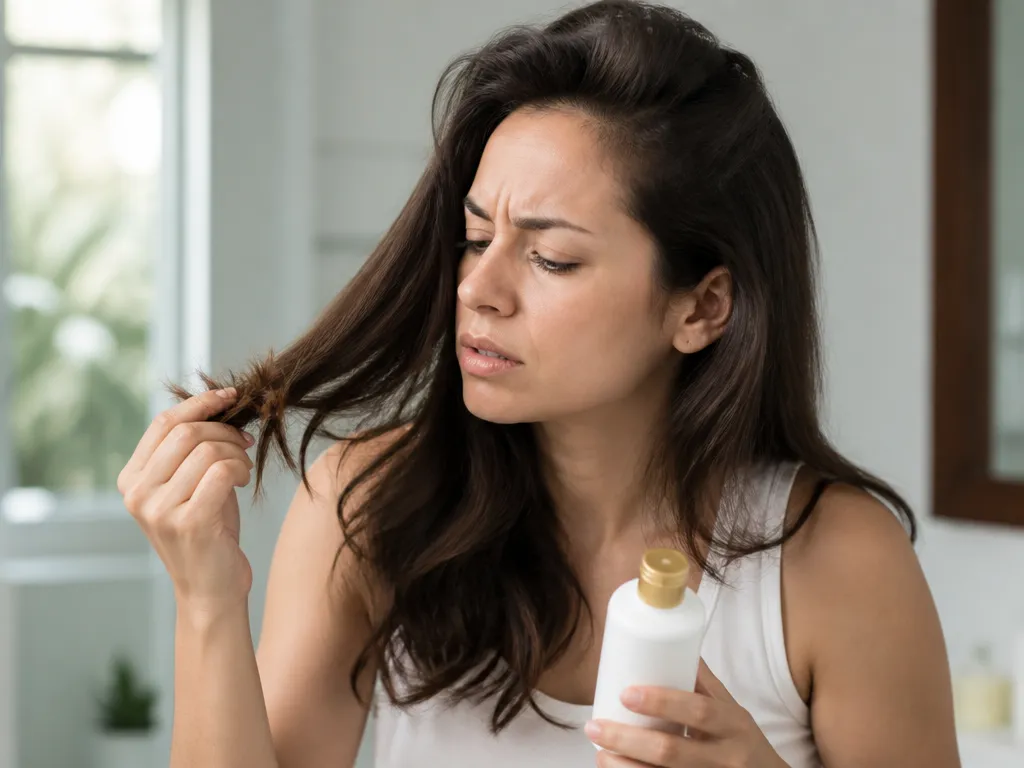
Excess moisture in the hair shaft leads to a heavy, limp texture that lacks definition. It often results in a greasy appearance and makes styling a frustrating battle against flatness. This condition typically happens when the hair cuticle absorbs too much water or protein, leaving the strand swollen and weighed down.
Symptoms Of Product Buildup
Greasy roots and a heavy texture indicate that product residue is accumulating on the scalp and strands. This layering effect blocks moisture absorption and prevents heat tools from working effectively.
Causes of this issue include using heavy silicones or thick balms every single wash day, which adds to the residue. The fix involves switching to a sulfate-free clarifying shampoo once a week to strip away the excess layers.
Scalp Irritation And Dandruff
An itchy scalp often signals that conditioner is being applied too close to the root or that the scalp cannot breathe. This buildup can clog hair follicles, leading to flaking and irritation.
Causes of this issue are generally applying conditioning products to the oily skin of the scalp rather than the ends. The fix requires applying the conditioner only to the ends and rinsing thoroughly with cool water.
Paradoxical Frizz
Hair may appear frizzy and puffy even when it feels soft, which signals that the cuticle is over-swollen. This happens when the hair absorbs too much moisture or protein during daily conditioning.
Causes of this issue include daily use of protein-heavy conditioners or leaving the product on for too long. The fix involves swapping the daily rinse-out conditioner for a lightweight leave-in spray to maintain moisture without the bulk.
Budget-friendly Conditioning
Affordable hair care requires identifying products with simple, effective formulations that avoid unnecessary fragrance or heavy waxes. Many drugstore brands offer professional-grade results by focusing on essential humectants like glycerin and panthenol rather than expensive, proprietary polymers.
Drugstore Selection Strategy
Effective daily conditioning relies on choosing lightweight, rinse-out formulas that provide slip without leaving a heavy film. Look for bottles labeled as weightless or daily detangling, as these contain lower concentrations of heavy silicones that cause buildup over time.
Diy And Multi-use Alternatives
Kitchen staples often provide an economical way to manage hair texture between washes. Pure, food-grade ingredients should be used sparingly, as they lack the preservatives found in retail products and can spoil if stored for long periods.
Dermatologist tip: Always patch test new ingredients on your inner forearm 24 hours before applying them to your scalp to check for contact dermatitis or allergic reactions.
| Method | Ingredient | Best For |
|---|---|---|
| Scalp-safe rinse | Apple cider vinegar | Removing hard water buildup |
| Deep hydration | Aloe vera gel | Soothing dry, itchy scalps |
| Detangling | Argan oil (1-2 drops) | Smoothing frizz on dry ends |
Multi-use products like leave-in sprays or styling creams often replace the need for a separate rinse-out conditioner. These products are frequently more cost-effective because a single bottle serves as both a detangler and a heat protectant. Using a high-quality leave-in spray on damp hair allows for better distribution, which prevents the excess product application that leads to dull, weighed-down strands.
Expert Conditioning Tips
Match the formula strength to your scalp and hair texture. Save heavy masks for 1 to 2 times weekly, and reduce the amount or change the formula if your hair feels gummy or stringy or your scalp becomes itchy.
Styling Integration
Conditioner works best when it supports your styling instead of competing with it. After shampoo, apply rinse-out conditioner from mid-shaft to ends only, then detangle gently with fingers or a wide-tooth comb while the hair is wet. For leave-in conditioning, use a pea-sized amount per section (thinner hair needs less) and focus on ends, then style as usual.
Heat and product layering change how conditioning feels on the day you wear it. If you air-dry, a lighter leave-in helps reduce tangles without flattening roots. If you blow-dry or use hot tools, skip scalp-heavy application and consider a conditioner with lighter film-formers so your hair stays flexible, not coated.
Stylist tip: If you also use gel, mousse, or heavy oils, start by reducing conditioner amount first, then adjust styling products second.
| Product type | Where to apply | Daily use fit | Watch-outs |
|---|---|---|---|
| Rinse-out conditioner | Mid-lengths to ends | Often, yes (light to medium) | Overuse can cause limpness and waxy residue |
| Leave-in conditioner | Ends, then mid-shaft | Often, yes (lightweight) | Too much can feel sticky or attract oil |
| Lightweight spray/serum | Ends, targeted smoothing | Best daily option for fine hair | Humidity can increase flyaways if over-sprayed |
Seasonal Adjustments And Color-treated Hair Care
Weather changes how quickly hair gets dry or weighed down. In winter, hair often needs more moisture on the ends, so increase leave-in conditioning slightly while still keeping it off the scalp. In summer, reduce product amount or switch to a lighter formula because sweat and sunscreen can make hair feel coated faster.
For color-treated hair, prioritize conditioners that protect the cuticle and preserve softness without dulling. Look for ingredients like glycerin and panthenol (Vitamin B5) for hydration, and amino acids for improved feel. Avoid heavy, high-lipid “one-step” routines if your hair gets greasy quickly, since color can fade faster when strands feel constantly coated and tangled.
Buildup risk is higher if you use leave-in daily plus styling oils or waxes, or if your conditioner contains heavier fatty alcohols and butters in large amounts.
Patch testing is still smart for scalp-sensitive people, especially if you are prone to fragrance or preservative irritation. Test a small amount behind the ear or along the hairline, and watch for redness, itch, or bumps. If your scalp is already inflamed, shift to conditioning only the ends and consider a gentle, low-fragrance formula until your scalp feels calm.
Quick Summary
Daily hair conditioning can work well when the formula and frequency suit your hair. Curly hair often benefits from daily moisture, while straight hair typically requires a lighter touch. Rich, intensive hair masks are best reserved for once or twice per week rather than daily applications.
If you notice your hair feels gummy, dull, or overly heavy, reduce or pause the product and reassess the formula. Ultimately, the success of a conditioning routine depends on matching your product choice to your hair type and monitoring how your scalp reacts to the ingredients.
| Product Type | Best For | Usage Frequency |
|---|---|---|
| Lightweight Rinse-out | Fine to medium hair | Daily |
| Leave-in Spray | Curly or dry hair | Daily |
| Rich Mask | Coarse or damaged hair | 1 to 2 times per week |
Beauty Routine Cheat Sheet
Top 3 Ingredients to Prioritize: Glycerin, Panthenol, and Cationic Surfactants.
One Thing to STOP Doing Immediately: Applying conditioner directly to your scalp or roots, which is the primary cause of greasy, limp hair.
Expected Timeline for Results: You will notice improved detangling and softness immediately, but signs of over-conditioning or product buildup typically appear within 1 to 2 weeks of consistent use.
Frequently Asked Questions
Will Conditioning My Hair Every Day Cause Buildup Or Make It Greasy?
You might experience buildup if you have fine hair or use heavy formulas, so it is best to focus the product only on your ends rather than your scalp. If your hair feels weighed down after a few days, try rinsing with a clarifying shampoo once a week to reset your strands.
Is It Better To Use A Drugstore Conditioner Or A Salon Professional Version?
The main difference is usually the concentration of conditioning agents like silicones and botanical oils, which can provide more immediate slip in professional versions. However, you can achieve healthy hair with drugstore products if you look for ingredients that match your specific hair porosity and texture needs.
How Long Does It Take For Deep Conditioning To Show Visible Results?
You should notice an immediate improvement in softness and manageability after your first use, but it typically takes about 4 to 6 weeks of consistent conditioning to see real changes in hair elasticity and breakage reduction. Be patient, as hair health is a cumulative process rather than an overnight fix.
Do I Really Need To Use Conditioner Every Single Time I Wash My Hair?
Not necessarily. Conditioner is useful after shampoo because shampoo can remove natural oils, but the frequency depends on your hair’s needs. Use it when the lengths feel rough, tangled, or dry, and choose a lighter formula or use less when your hair feels weighed down.
What Is The Correct Order To Apply Products When I Have Sensitive Skin?
Always apply your conditioner in the shower and rinse it out thoroughly before washing your face or body to ensure no residue sits on your skin. If you are acne prone, washing your body last helps prevent pore clogging ingredients from lingering on your back or shoulders.

- Pre-Poo Treatments for Low Porosity Hair: 7 Essential Steps - September 20, 2026
- What To Avoid After Prp Hair Treatment? - August 28, 2026
- What Is The Malibu Treatment For Hair? - August 27, 2026