Can You Curl Keratin Treated Hair?
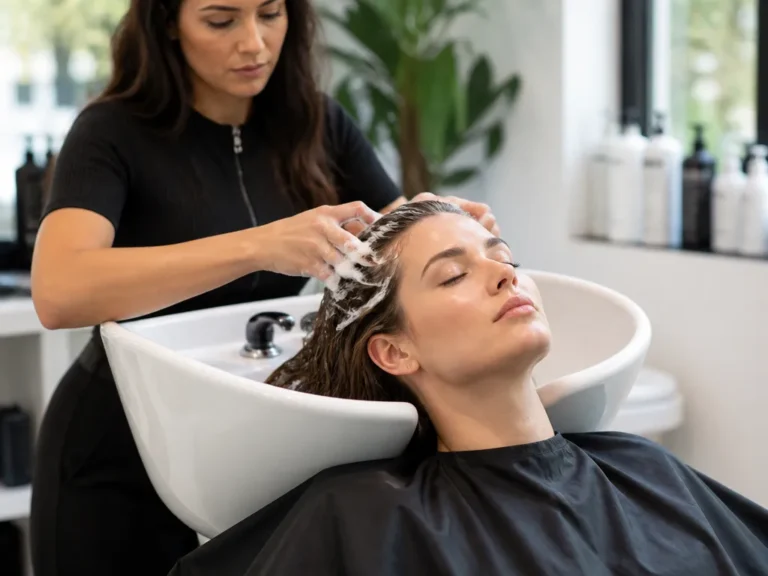
You just spent hours in the salon chair and a significant chunk of your paycheck to achieve that sleek, frizz-free finish. It is tempting to want to style your hair immediately, but the wrong move could undo your investment. Curling your hair after a keratin treatment is possible, but timing and temperature are everything if you want to keep your hair smooth and healthy.
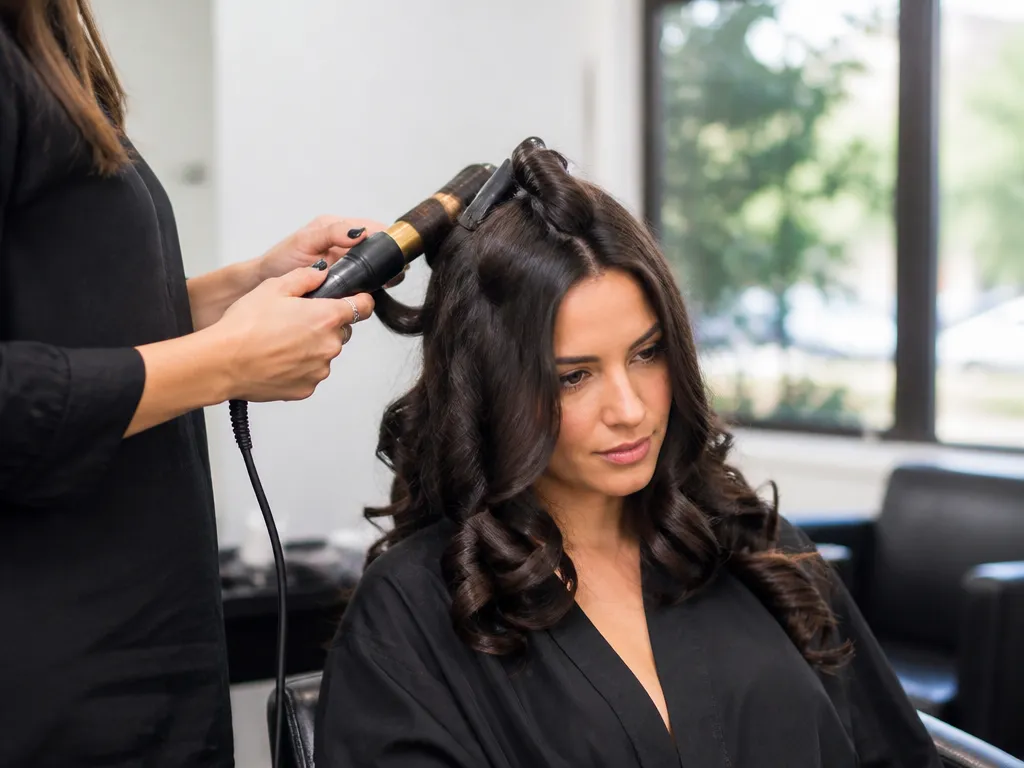
Keratin-treated hair can be curled safely only after a mandatory 72-hour waiting period to allow the treatment to set. Use a sulfate-free heat protectant spray and keep your iron temperature below 350 degrees Fahrenheit to prevent thermal damage or premature breakdown of the smoothing proteins.
Best for: All hair types. Use caution if: You have bleached or chemically damaged hair.
Can You Curl Keratin Treated Hair?
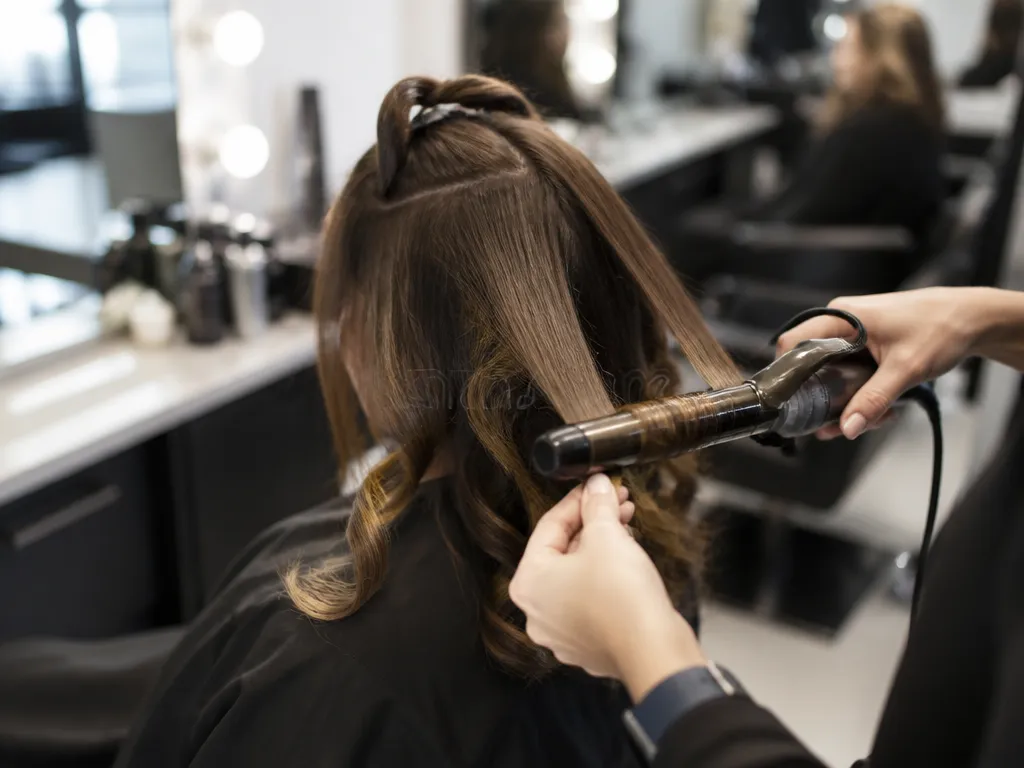
Keratin-treated hair can be curled after the initial 72-hour waiting period post-treatment. During this critical bonding phase, the keratin needs time to properly adhere to your hair cuticle before introducing additional heat styling.
The Critical 72-hour Waiting Period
The first three days after a keratin treatment are absolutely essential for the product to work effectively. Your stylist will emphasize avoiding any hair ties, clips, or even washing during this time to allow the keratin to fully bond with your hair’s natural proteins.
For instance, if you schedule a keratin treatment on Monday, you should avoid curling your hair until at least Thursday. This waiting period allows the formaldehyde-based compounds to properly cross-link with your hair’s keratin structure.
How Heat Impacts Chemical Bonds
Heat styling after the initial bonding period can affect keratin-treated hair in several ways. The high temperatures from curling irons can potentially break some of the newly formed bonds between the treatment and your hair.
The following table shows recommended heat settings for different hair types after keratin treatment:
| Hair Type | Recommended Heat Setting | Max Heat Tolerance |
|---|---|---|
| Fine/Thin | 300-320°F | 350°F |
| Medium | 320-340°F | 380°F |
| Thick/Coarse | 340-350°F | 400°F |
“Dermatologist tip: When curling keratin-treated hair, always work in small sections and hold each curl for no more than 5-8 seconds to minimize heat exposure while still achieving definition.”
While you can curl keratin-treated hair after the initial waiting period, doing so regularly will shorten the lifespan of your treatment. Most keratin treatments last 3-6 months with proper care, but frequent heat styling can reduce this timeframe by up to 25%.
Assess Your Hair After Treatment
Keratin treatments seal the cuticle, but chemical overlap or excessive heat can leave the hair shaft brittle. Identifying structural damage before using a curling iron prevents permanent breakage.
Signs Of Chemical Stress
Over-processed hair often feels rough or “straw-like” even after applying a deep conditioner. Look for split ends that travel up the shaft or hair that snaps immediately when you gently pull a single strand.
For instance, if your hair feels mushy or overly stretchy when wet, it has lost too much protein. This state is dangerous for heat styling and requires a protein treatment before you touch a curling wand.
Esthetician tip: Perform a “stretch test” on a few strands from the mid-length to the ends. If the hair does not bounce back or breaks instantly, avoid all heat tools until the hair is repaired.
Testing Your Hair Porosity
Porosity determines how your hair absorbs moisture and reacts to heat. High porosity hair has gaps in the cuticle, which makes it absorb water quickly but lose it just as fast.
To test this, place a clean strand of hair in a glass of water for five minutes. Hair that sinks quickly has high porosity, while hair that floats on top has low porosity.
| Porosity Level | Heat Sensitivity | Recommended Approach |
|---|---|---|
| Low | Moderate | Use lightweight oils and medium heat |
| Medium | Stable | Standard heat protectants work best |
| High | Very High | Low heat and heavy cream-based protectants |
High porosity hair is the most prone to heat damage after a keratin treatment. These strands need hydrolyzed keratin or amino acids to fill the gaps in the cuticle before styling.
For those on a budget, L’Oreal EverPure ($9) offers a solid sulfate-free base. High-end users can opt for Olaplex No. 3 ($30) to rebuild disulfide bonds if the hair feels compromised.
Essential Products For Heat Protection
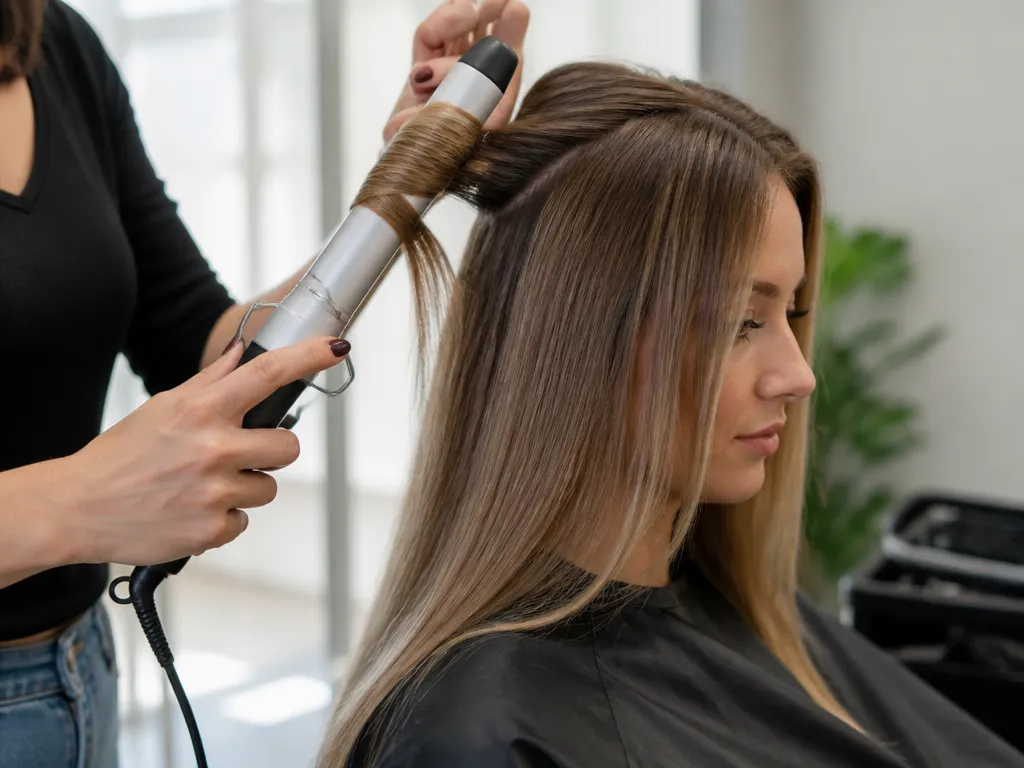
Sulfate-free shampoos and silicone-based heat protectants prevent the keratin coating from stripping or melting during styling. These products create a physical barrier between the hair shaft and the curling iron.
The Necessity Of Sulfate-free Care
Sulfates like Sodium Lauryl Sulfate (SLS) are harsh detergents that break down the protein bonds of a keratin treatment. Using them effectively washes away the treatment, which reduces its lifespan from months to a few weeks.
This is especially critical for those with fine or porous hair, as the treatment bonds are more fragile. Opt for “sulfate-free” or “sodium chloride-free” labels on every bottle you buy.
Top-tier Heat Protectant Ingredients
Look for dimethicone or cyclopentasiloxane in your heat protectant. These silicones wrap the hair in a thin film that distributes heat evenly and prevents hot spots from burning the keratin.
Hydrolyzed keratin and panthenol are also beneficial. They fill in gaps in the hair cuticle and maintain moisture levels while you style.
For instance, a lightweight spray is best for fine hair to avoid weighing down the curls. Those with thick, coarse hair should use a cream-based protectant for better slip and frizz control.
| Item | Specification | Notes |
|---|---|---|
| Sulfate-Free Shampoo | 0% SLS/SLES | Prevents protein stripping. |
| Silicone Protectant | Dimethicone based | Blocks heat up to 450°F. |
| Leave-in Conditioner | Water-based | Adds moisture before curling. |
Esthetician tip: Always perform a patch test on a small section of hair behind the ear before applying a new heat protectant to ensure it does not leave a sticky residue.
Follow this application order for the best results: sulfate-free shampoo → conditioner → heat protectant → curling iron.
Safe Techniques For Curling Hair
Maintaining the protein seal of a keratin treatment requires keeping heat tools below 350 degrees Fahrenheit. Excessive heat breaks down the keratin bonds, which leads to premature frizz and reduces the lifespan of the results.
Heat Tool Temperature Guidelines
Temperature settings vary based on your natural hair texture. Fine hair needs lower heat to avoid scorching, while coarse or thick hair can handle the medium range.
| Hair Type | Recommended Temp | Risk Level |
|---|---|---|
| Fine/Thin | 250 – 300°F | High Risk of Breakage |
| Medium/Normal | 300 – 350°F | Moderate Risk |
| Coarse/Thick | 350°F (Maximum) | Low Risk of Singeing |
Proper execution prevents the treatment from “melting” or flattening too quickly.
For instance, if you have very fine hair, keep the iron moving quickly to avoid lingering on one spot for more than three seconds.
Heatless Curling Methods
Heatless methods are the safest choice for preserving the smooth finish of a treatment. These techniques rely on moisture and setting time rather than thermal energy.
Beauty editor tip: Use a lightweight mousse on damp hair before heatless curling to help the shape hold for 24 – 48 hours.
Budget alternatives for these methods are widely available. High-end silk wraps often cost $40, but satin versions from drugstore brands cost around $10 and provide similar results.
Common Mistakes That Ruin Keratin
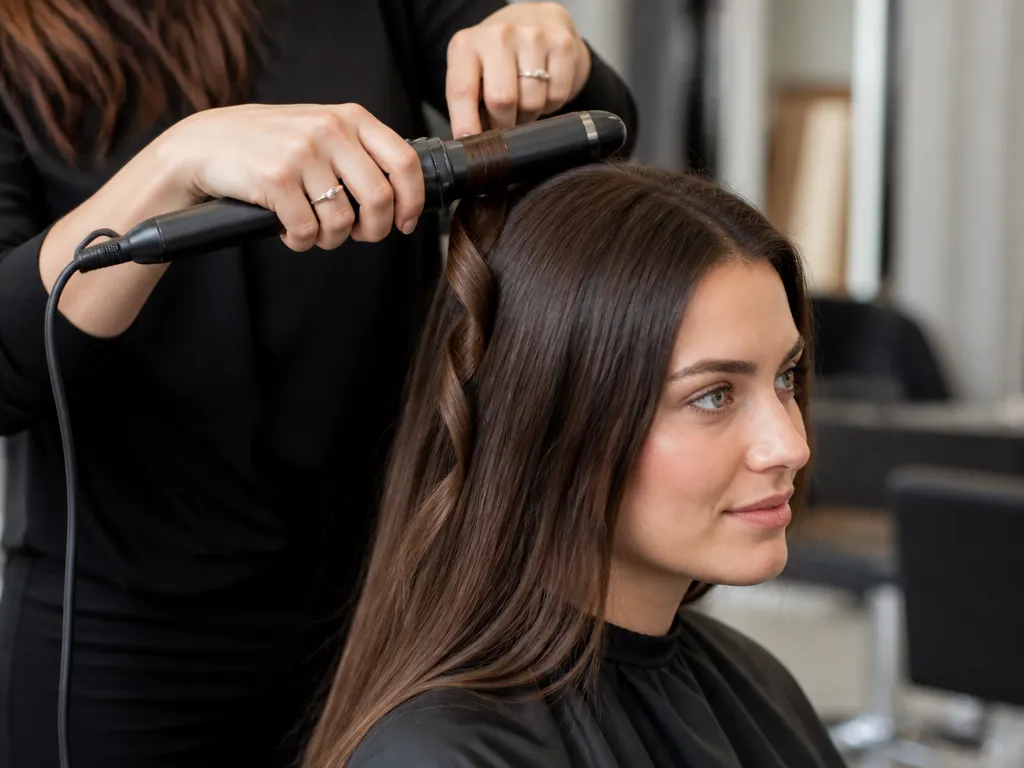
Excessive heat and sodium-based cleansers break down the protein bonds that smooth the hair cuticle. These errors strip the treatment prematurely and leave the hair frizzier than it was before the process.
Heat Management And Tool Temperature
Using a curling iron above 350°F (175°C) can melt the keratin coating. This creates a burnt smell and causes the hair to lose its sleekness. High heat causes the protein layer to crack and peel away from the shaft.
For instance, someone with fine hair might use a 400°F setting for a quick curl. This approach destroys the treatment in a single session. Keep tools at a medium setting to preserve the results.
Apply a silicone-based heat protectant before curling. These products create a barrier between the tool and the protein seal. This prevents the iron from scorching the treatment.
Professional tip: Always perform a patch test on a small section of hair before trying a new heat protectant to ensure it does not leave a sticky residue on the keratin.
Ingredient Pitfalls In Hair Care
Sodium chloride (table salt) is a common thickener in cheap shampoos that dissolves keratin treatments. Sulfates, such as Sodium Lauryl Sulfate, are harsh detergents that strip the protein coating. These ingredients act like sandpaper on the smooth keratin seal.
In practice, using a drugstore shampoo with Sodium Laureth Sulfate will cut the life of your treatment from three months to three weeks. Always check the label for Sulfate-Free and Sodium Chloride-Free certifications.
This is especially critical for those with high porosity hair. Their cuticles are more open, making the treatment easier to wash away with the wrong products.
| Product Type | High-End Option | Drugstore Option | Key Avoidance |
|---|---|---|---|
| Sulfate-Free Shampoo | Kérastase Discipline ($40) | OGX Argan Oil ($9) | Sodium Lauryl Sulfate |
| Conditioner | Pureology Hydrate ($35) | Maui Moisture ($8) | Sodium Chloride |
Drugstore Versus High-end Styling Tools
Curling keratin treated hair is possible with low heat and proper protection. Use temperatures around 340-350°F (170-175°C), work in small sections, and apply a heat protectant before styling.
What to look for in irons includes precise temperature control, even heat distribution, and plate materials that minimize snagging. Ceramic or tourmaline plates help reduce hot spots, while digital or dial controls keep you from overshooting a safe range for treated strands.
Affordable options now deliver reliable performance, while professional-grade tools offer steadier temps and longer lifespans for frequent styling. If you curl keratin treated hair only occasionally, a quality budget-friendly iron with adjustable heat will suffice; for daily curling or multiple sessions per week, a flagship model from a premium line tends to hold temperature more consistently and feels gentler on hair.
| Item | Amount/Specification | Notes |
|---|---|---|
| Temperature range | 340-360°F (170-180°C) | Keep at or below to protect keratin bonds; higher heat increases damage risk. |
| Plate material | Ceramic or tourmaline with even heat distribution | Reduces hot spots and frizz during curling. |
| Plate width | 0.75 – 1.25 inches (2 – 3 cm) | Creates defined curls without excessive tension. |
| Controls | Digital display or adjustable dial | Allows precise, repeatable temps for treated hair. |
| Safety features | Auto shutoff, heat-up indicators | Prevents overheating when hands are full. |
| Affordability tier | Budget-friendly vs professional-grade | Choose based on frequency of use and trust in results. |
Expert tip: start with the lowest effective temperature and test a small strand before committing to a full curl, then adjust in small increments.
Expert Tips For Lasting Results
Sulfate-free shampoos and conditioners prevent the premature loss of the keratin protein from the hair shaft. These formulas maintain the seal created during the salon process and extend the life of the treatment.
Maintaining Hydration
Sodium chloride (salt) breaks down the keratin bond and should be avoided in all hair products. Look for hydrating ingredients like glycerin or hyaluronic acid to keep the hair supple and soft.
For example, a lightweight leave-in conditioner applied to damp hair prevents friction and breakage. This is especially important for those with high porosity hair or coarse textures.
| Product Type | Budget Option (Drugstore) | Luxury Option (High-end) | Key Ingredient |
|---|---|---|---|
| Sulfate-Free Shampoo | OGX Keratin Smoothing ($8) | Kérastase Discipline ($40) | Keratin Protein |
| Hydrating Mask | Maui Moisture ($9) | Briogeo Don’t Despair, Repair! ($30) | Argan Oil |
Application order is critical for maximum absorption. Start with a sulfate-free cleanser, follow with a hydrating conditioner, then apply a leave-in serum, and finish with a light oil on the ends.
Strategic Styling Intervals
Heat styling should occur no more than twice a week to avoid degrading the protein layer. Frequent use of curling irons at high temperatures causes the treatment to fade faster.
In practice, alternate between heat-styled days and air-dried days to preserve the sleekness. Always apply a heat protectant spray before using any tool.
Professional tip: Avoid swimming in chlorinated pools or salt water without a protective barrier, such as a leave-in conditioner or a swim cap, to prevent minerals from stripping the treatment.
Quick Summary
Yes, you can curl keratin treated hair, but the article stresses that timing and heat control determine whether your sleek finish stays intact. You should wait a full 72-hour waiting period after the professional treatment before using any curling tools, since the keratin needs time to properly adhere to the hair cuticle. During this bonding phase, avoid hair ties, clips, or even washing, and plan an appointment like Monday, then curl no earlier than Thursday. For styling, use a sulfate-free heat protectant spray and keep your curling iron temperature below 350 degrees Fahrenheit.
After the initial 72 hours, heat styling is still something to do thoughtfully, because high temperatures can disrupt the newly formed bonds from the treatment. The article recommends limiting heat to about 2 to 3 times per week, setting the iron no higher than 350°F to minimize bond damage, and working in small sections while holding each curl for no more than 5 to 8 seconds. If your hair is bleached or chemically damaged, use extra caution and consider alternatives like flexi rods or heatless curlers. The key takeaway is to protect the keratin by waiting 72 hours and keeping heat low.
Frequently Asked Questions
How Long After A Keratin Treatment Can I Curl My Hair?
Wait a full 72 hours before heat styling so the formula can set. If your stylist or product instructions say a longer window, follow that timing first.
Will Curling Keratin Treated Hair Damage The Results?
Heat can loosen or dull the smooth look, especially if you go in too soon or use high temperatures. Keep your iron to about 300 to 350°F (150 to 175°C), use a heat protectant, and avoid repeated passes on the same section.
Can I Curl Keratin Treated Hair If I Have Sensitive Scalp Or Acne-prone Skin?
Keratin formulas and hair sprays can irritate some people, so patch test first, especially along your hairline. To protect acne-prone skin, keep products off your scalp-facing face, and choose a fragrance-free, non-greasy heat protectant.
Do I Need To Use A Heat Protectant And Mousse Before Curling?
Yes, a heat protectant is worth it because it helps reduce heat-related dryness and frizz. A light mousse can help the curl hold, but skip heavy oils or waxy products near your roots if they trigger breakouts.
Is It Better To Buy Salon Keratin Or Home Keratin If I Want To Curl Afterward?
Salon and at-home keratin products vary a lot, so the “best” choice depends on the specific instructions for your brand. In general, look for a treatment that clearly states the wait time for heat styling and provides compatible curl techniques, because that matters more than the price.

- Does Washable Hair Dye Spray Damage Hair? (Complete Health & Safety Guide) - September 22, 2026
- How to Use Washable Hair Dye Spray Without Staining Clothes (Mess-Free Guide) - September 22, 2026
- Washable Hair Dye Spray: How Long Does It Last? (Complete Guide) - September 22, 2026