Can You Use Hair Conditioner On Beard?
A dry, itchy beard can make you look unkempt and feel incredibly uncomfortable. Most men reach for their standard hair conditioner to fix the problem, but that can actually trigger breakouts or skin irritation. I will explain how to tell if your current products are safe for facial hair and how to build a better routine.
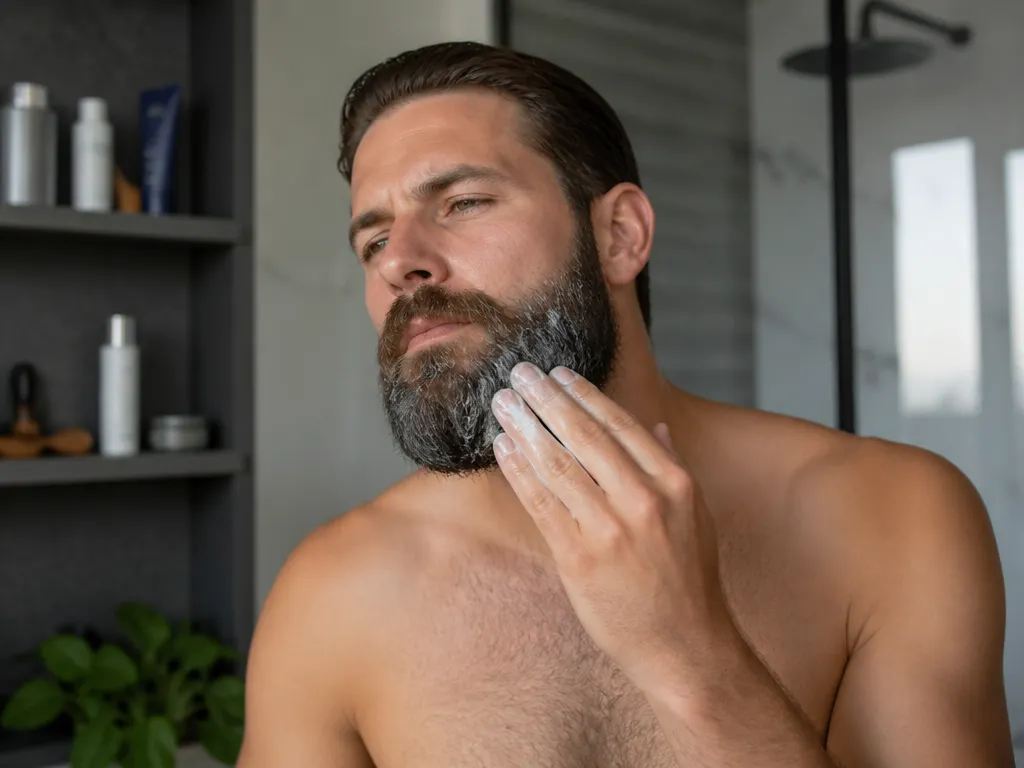
Using hair conditioner on a beard is possible if the formula is mild, low-fragrance, and free of heavy silicones. You should limit regular hair conditioner use to 2 times per week to avoid clogged pores. For daily moisture, switch to a dedicated beard conditioner or jojoba oil to protect the sensitive skin underneath.
Best for: Normal to dry skin. Use caution if: Acne-prone or highly sensitive skin.
Can You Use Hair Conditioner On Beard?
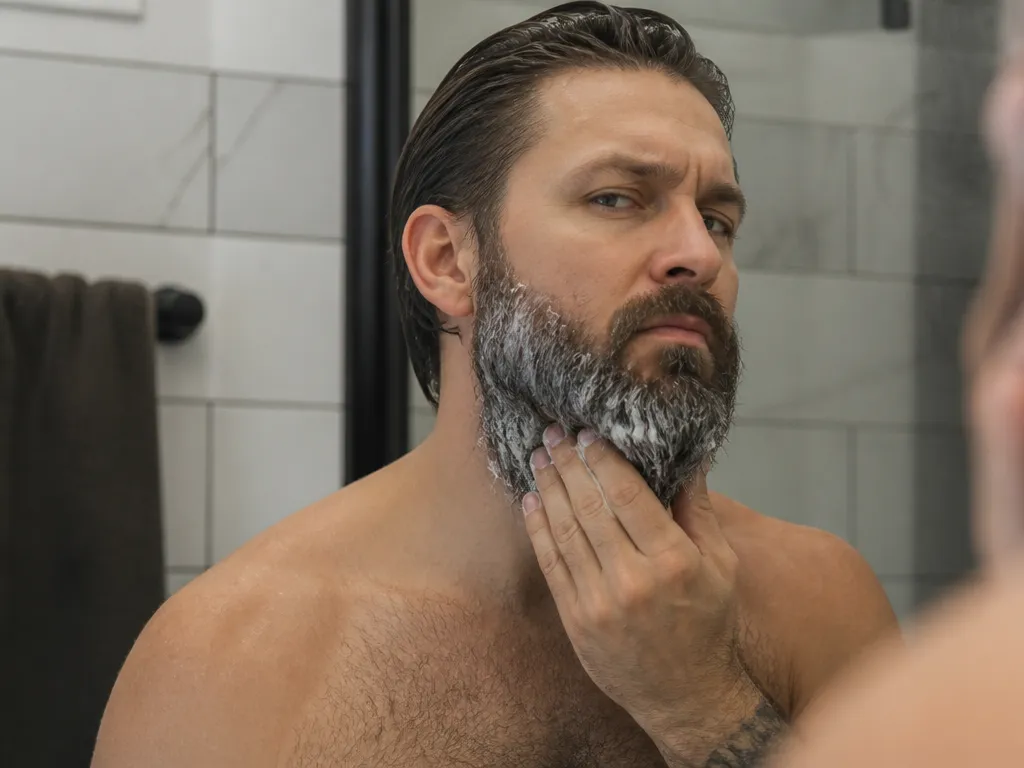
Hair conditioner can be used on a beard, and most people tolerate it, but it is a riskier choice for sensitive, acne-prone skin than a beard-specific conditioner. The main issue is not “hair vs. beard,” it is that many hair products are formulated for scalp hair, which can leave heavier residue and more fragrance or irritants on facial skin.
Beard Vs. Hair Conditioner Differences
Beard hair is shorter, thicker in many men, and it grows in a tighter area with more visible pores and more contact with the skin. Hair conditioners often include film-forming silicones, fatty alcohols, and richer emollients meant to smooth cuticle on strands, which can feel great on the hair but sometimes clog or trap buildup against the face.
Beard conditioners are usually lighter around the skin, with calmer fragrance levels and ingredients chosen for facial comfort. That said, a “regular” conditioner is still workable when it is mild, low-fragrance, and rinses clean.
Who Benefits From Conditioning The Beard
Conditioning helps most for dryness, itch, and tangling, especially if your beard hair is coarse, wavy, or you live in a dry climate. Dry beard hair can make the skin look rough, and conditioning improves softness and reduces the scratchy feel that can trigger more skin picking.
Oily to combination skin types should be careful with residue. Sensitive skin types should avoid heavily perfumed formulas and do a patch test first, since facial irritation can show up even if your scalp tolerates the same product.
| Product choice | Price | Key ingredient | Best For |
|---|---|---|---|
| Beard conditioner | Varies | Avoids heavy fragrance, uses light emollients | Daily comfort for sensitive or acne-prone skin |
| Mild hair conditioner (fragrance-light) | Budget to mid | Glycerin, light oils, gentle fatty alcohols | Dryness or frizz when it rinses clean |
| Beard oil or balm (post-wash) | Budget to mid | Squalane or seed oils | Locking in softness without heavy rinse-off residue |
Dermatologist-style tip: Apply conditioner from mid-beard to the hair ends, then let a tiny amount touch the skin only where needed. Rinse thoroughly, especially at the mustache and under-lip area where buildup is common.
Verdict: use hair conditioner on your beard only under conditions, and keep it simple at first. Start with a small amount, avoid leaving it on longer than the label suggests, and stop if you notice new bumps, redness, or “greasy tightness” within 24 to 48 hours.
In practice, an oily or acne-prone skin type gets the best results with a fragrance-light, rinse-off conditioner once or twice a week, then switches to a lighter leave-on option on wash days. For sensitive skin types, do a patch test on the jawline for 2 to 3 days, and do not combine with other strong actives on the same day (like exfoliating acids or retinoids) until you know your face tolerates it.
What to look for:
glycerin (hydration), panthenol (soothing), squalane or light oils (softening), and low-fragrance or fragrance-free formulas if you’re reactive. What to skip: heavy “repair” masks, menthol-heavy coolants, and intense essential oil blends if you break out easily.
If itch is your main issue, keep conditioner as the first layer and reassess your wash routine, because dry skin can be a cleanser problem too. Expect to see visible softness in 1 to 3 uses, and better overall comfort within 2 to 4 weeks of consistent, gentle conditioning.
Beard And Hair Type Guide
Beard texture and your facial-skin tolerance decide whether you can use a regular hair conditioner comfortably. Coarser, longer beards usually benefit from conditioning, while sensitive or acne-prone skin needs formulas that rinse clean with minimal fragrance and irritants.
Start by scoring your beard so you do not treat every beard like the same texture. Short stubble needs less slip and less time, while longer beards need more detangling and moisture. Thickness also changes how much product you actually need on the skin.
Oiliness is a big clue for buildup risk because many hair conditioners are made to coat hair shafts, not facial pores. If your cheeks clog easily or you get little bumps along the mustache and jawline, shorten contact time and use less product.
| Beard Score | What You’ll Feel | How To Adjust Conditioner Use |
|---|---|---|
| Short + fine + low oil | Dryness only at ends | Use a tiny amount on hair, avoid skin, rinse well |
| Long + thick + wavy/curly | Tangles and frizz | Apply mid-length to ends, leave 1-3 minutes |
| Short + thick + oily skin | Greasy look fast | Choose lighter, low-fragrance conditioner, keep it off skin |
| Any + reactive skin | Redness, sting, or bumps | Patch test, reduce fragrance, consider beard-specific or skip |
Identify facial skin type next, because that determines how tolerant you are to conditioning agents. Oily and acne-prone skin often does better with minimal leave-on time and a thorough rinse. Dry or eczema-prone skin usually needs gentler, lower-fragrance options with soothing fats.
Dermatologist tip: Apply products from thinnest to thickest consistency, and when you are testing a new conditioner, keep it off the skin for the first few washes to assess breakouts.
Practical scoring helps you decide when to adjust. Use a simple 0 to 3 scale for each area: tightness, itch, and breakouts. If any score is 2 or higher for two or more washes, switch to a beard-friendly option or dilute and shorten contact time.
In practice, oily to combination skin typically does best with a quick conditioner pass (about 1 minute) on the hair and a full rinse, followed by a non-greasy moisturizer for the face. Dry skin can tolerate slightly longer contact, about 2-3 minutes, but still should avoid heavy application directly on the skin if you clog easily.
Key Ingredients To Look For
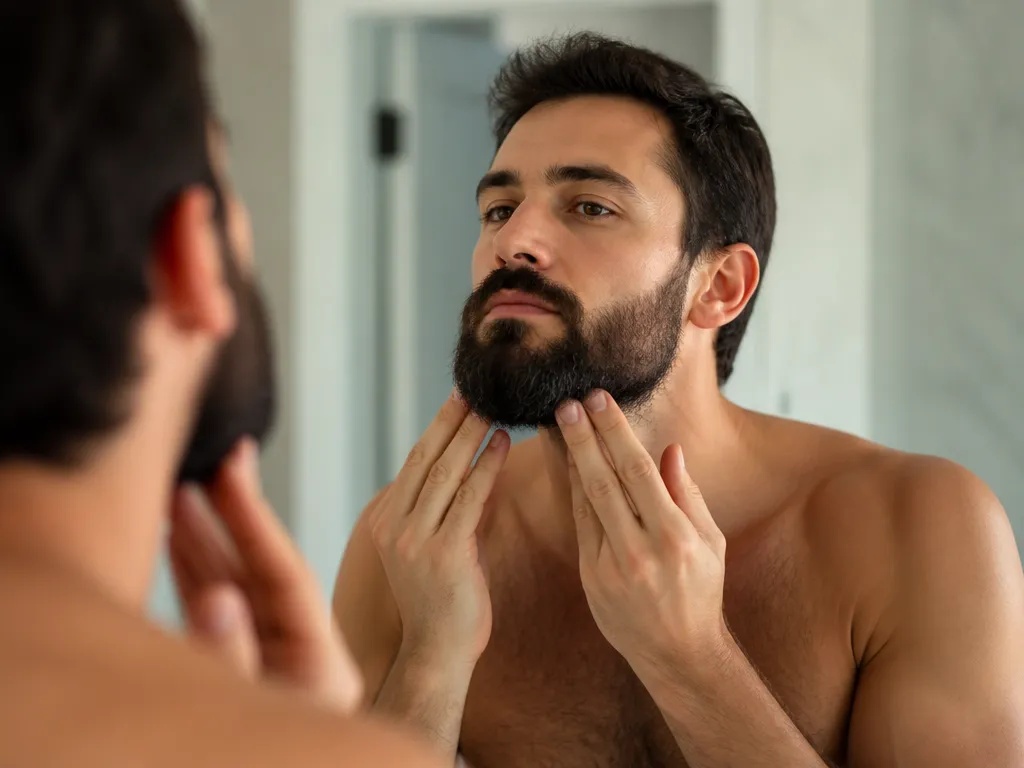
Beard-friendly conditioning comes down to what sits in the formula after rinse, plus how gentle the cleansing agents are on facial skin. Choose conditioners with mild surfactants (if any are present), skin-soothing humectants, and lightweight oils that reduce roughness without clogging pores. Skin type matters, because oily, acne-prone skin reacts faster to heavy waxes and strongly fragranced formulas.
| Item | Amount/Specification | Notes |
|---|---|---|
| Glycerin (humectant) | Commonly mid-range | Helps beard hair feel softer and supports skin hydration under the beard for dry to normal skin. |
| Panthenol (pro-vitamin B5) | Often 0.5% to a few percent | Supports a calmer feel for sensitive skin and can reduce tightness after washing. |
| Hydrating silicones (dimethicone, amodimethicone) | Variable | Improves slip and reduces frizz, great for coarse or wiry beards; rinse thoroughly if you get bumps. |
| Conditioning fatty alcohols/esters (cetyl alcohol, cetearyl alcohol) | Variable | These smooth hair and feel less stripping than some harsher film formers, but can feel heavy if your skin is clog-prone. |
| Soothing extracts (aloe, allantoin, chamomile) | Low to moderate | Useful when you get redness or itch under the beard; patch test if you have a history of allergies. |
| Light oils (argan, jojoba, squalane) | Small to moderate | Best for oily to combination skin when used lightly; squalane is usually a safer bet if you break out easily. |
| Low-fragrance or fragrance-free | Preferably “fragrance-free” | Strong perfume is a top cause of irritation for sensitive cheeks and neck, especially around shaving lines. |
| Essential oils (tea tree, peppermint, eucalyptus) | Often low but potent | Some people love them for odor control, but they can trigger burning or dryness in sensitive skin. |
Esthetician tip: Patch test on the jawline for 24 to 48 hours, then use a small amount first. If you feel burning, heat, or new tiny bumps, rinse off and stop.
Beard Conditioning Routine
A proper conditioning routine is essential for keeping beard hair soft and manageable while maintaining skin health underneath. Regular conditioning prevents beard itch, reduces split ends, and helps maintain the natural oils that protect both hair and skin.
Timing And Washing Guidance
For optimal beard health, use rinse-out conditioner no more than 2 times per week, while a dedicated leave-in conditioner can be applied daily. Over-conditioning can lead to buildup, which attracts dirt and makes your beard look greasy.
Washing frequency depends on your skin type and lifestyle. Those with oily skin or who live in humid climates may need to wash more frequently, while those with dry skin or in cooler environments can wash less often.
When washing your beard, use lukewarm water instead of hot water, as excessive heat can strip natural oils and lead to dryness. Always follow up with a moisturizing beard oil or balm to lock in moisture after conditioning.
Common Mistakes To Avoid
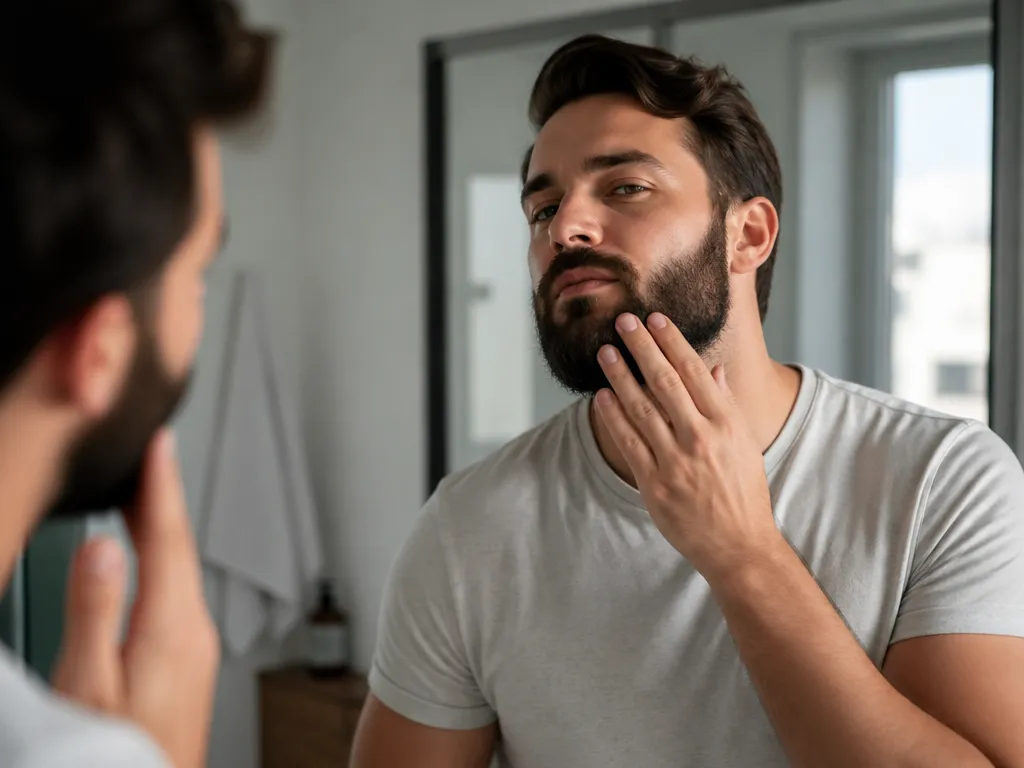
Using hair conditioner on your beard requires careful attention to product selection and application technique to avoid skin irritation and hair damage. Many men unknowingly make mistakes that can lead to dry skin, brittle beard hair, or even acne breakouts.
Over-conditioning And Residue Buildup
Applying too much conditioner or leaving it on for too long can create a waxy buildup that makes your beard feel greasy and attracts dirt. This residue can clog pores and cause skin irritation, especially in sensitive skin types.
Heavy Silicones And Fragrance
Heavy silicones can coat each hair strand, weigh down beard hair, and contribute to buildup, while lighter conditioning silicones may improve slip when they rinse clean. Fragrances and artificial additives in hair products often cause irritation on the more sensitive facial skin.
Improper Rinsing And Drying
Failing to thoroughly rinse conditioner from your beard can lead to product buildup that dries out the skin underneath. Improper drying methods can trap moisture and create a breeding ground for bacteria and fungi.
For instance, many men make the mistake of using the same towel for their face and beard, transferring bacteria and creating skin issues. Always use a clean, dedicated towel for your beard care routine.
Budget Options &Amp;amp;amp; Diy
Using a mild hair conditioner is possible, but specialized products often offer better value and fewer irritants. Standard conditioners frequently contain sulfates or heavy fragrances that can aggravate sensitive facial skin. Beard-specific formulas are typically gentler and designed for thicker hair textures.
Drugstore hair conditioners are a cost-effective alternative for men with oily or combination skin types. Look for labels like “repair,” “moisturizing,” or “smoothing” rather than “volumizing.” Volumizing shampoos often strip natural oils, leaving the beard dry and prone to irritation.
| Product Type | Price Range | Best For |
|---|---|---|
| Mild Drugstore Conditioner | $3 – $10 | Oily or combination skin types |
| Beard Conditioner | $8 – $25 | Coarse, thick, or sensitive skin |
| DIY Oil Blend | $5 – $15 (one-time) | Long-term storage and customization |
Diy Beard Rinse Recipe
You can create an effective softener at home with simple pantry staples. Mix one tablespoon of olive oil with one cup of warm water.
Shake the mixture well before application. Apply it to damp skin after washing, leave it for two minutes, then rinse thoroughly. This technique works for all skin tones and helps manage ingrown hairs.
Patch test first if you have sensitive skin. Apply a small amount of the DIY rinse to a discreet area of your neck and wait 24 hours before using it on your full beard.
Expert Tips For Best Results
Use the product according to its label, keep the amount small, and avoid applying thick layers directly to facial skin. This approach helps preserve softness without adding unnecessary residue.
Patch Testing And Allergy Caution
Before applying any new product to your full beard, conduct a patch test to rule out adverse reactions.
Rinse Technique And Ph Balance
Proper rinsing is critical to prevent product buildup, which can lead to folliculitis or acne.
Quick Summary
Regular hair conditioner can work when it is mild, low-fragrance, rinses clean, and is used no more than 2 times per week. If you have acne-prone skin, avoid thick repair masks or heavy emollients that can trap buildup against your face.
For daily hydration, a dedicated beard conditioner or jojoba oil is a better choice to protect the skin underneath. You should always patch test new products on your jawline for 24 to 48 hours to check for redness or bumps. When applying conditioner, focus on the hair from the mid-beard to the ends and rinse thoroughly, especially under the lip.
| Product Type | Key Ingredients | Best For |
|---|---|---|
| Beard Conditioner | Light emollients, low fragrance | Sensitive or acne-prone skin |
| Mild Hair Conditioner | Glycerin, gentle fatty alcohols | Dryness or frizz |
| Beard Oil/Balm | Squalane, seed oils, jojoba | Daily moisture and softness |
Beard Care Cheat Sheet
One Thing To Stop Doing Immediately
Stop using heavy “repair” hair masks or products with thick silicones on your face, as these are highly likely to clog pores and cause acne.
Expected Timeline For Results
You should notice improved softness and reduced itchiness almost immediately after conditioning, but monitor your skin for 24 to 48 hours to ensure no new bumps or redness appear.
Frequently Asked Questions
How Long Until I See Results If I Use Hair Conditioner On My Beard?
You can usually feel softer, less scratchy beard hair after the first wash, because conditioner reduces friction right away. For noticeable improvements in manageability and less dryness, give it 2 to 4 weeks with consistent use, about 2 times per week.
Can I Use Hair Conditioner On My Beard If I Have Sensitive Or Acne-prone Skin?
Yes, but be picky, since many hair conditioners are made for scalp hair and can be heavy or fragranced. Choose a fragrance-free, lighter formula, use a small amount, and keep it mostly on the hair rather than spreading over the skin; patch test for 24 to 48 hours before regular use.
What Is The Difference Between Hair Conditioner And Beard Conditioner?
Beard conditioners are typically formulated to be lighter and less likely to leave a residue that irritates facial skin. Hair conditioner often has stronger smoothing agents and sometimes more fragrance or richer emollients meant for scalp hair, which can be more likely to clog or trigger breakouts for some people.
Do I Really Need To Rinse Thoroughly After Applying Hair Conditioner To My Beard?
Yes, rinsing well is important because leftover conditioner can make your beard feel heavy and may leave a film on the skin. Rinse until water runs clear, then pat dry, and avoid layering oily products over conditioner residue.
Is The Expensive Version Worth It Versus A Drugstore Hair Conditioner For Beard Use?
Often, no, because the main benefit you are getting is surface conditioning, like better slip and reduced dryness. If an expensive conditioner does not match your skin needs (for example, it is too fragranced or too heavy), a drugstore option that is lighter and fragrance-free is usually the better value.

- Temporary Hair Color Spray: Application, Longevity, and Removal - September 22, 2026
- 10 Best Washable Hair Dye Sprays for Dark Hair That Actually Show Up - September 22, 2026
- Washable Hair Dye Spray vs. Hair Chalk: Which Is Better? - September 22, 2026