Does Conditioner Make Hair Greasy?
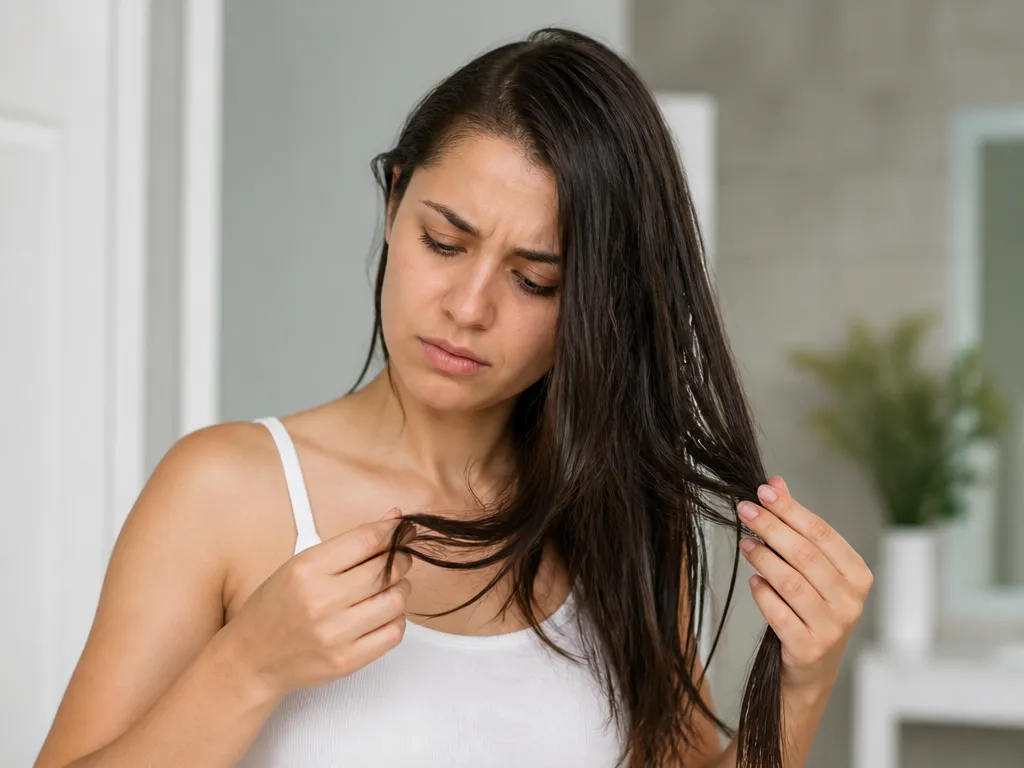
Waking up with hair that feels coated, limp, or greasy shortly after a shower is one of the most frustrating beauty dilemmas. You assume your shampoo failed, but the culprit is often hiding in your shower caddy. Conditioner is essential for hair health, yet improper application or choosing the wrong formula can turn your hair heavy and oily within hours.
Conditioner makes hair greasy when applied to the roots, left on for longer than 3 minutes, or formulated with heavy silicones and oils that exceed your hair’s needs. Use a coin-sized amount only from the mid-lengths to the ends, and always rinse thoroughly to remove all product residue for a clean, bouncy finish.
Best for: All hair types prone to oiliness or flatness. Use caution if: You have extremely dry, curly, or coarse hair that requires heavy moisture at the scalp.
Does Conditioner Make Hair Greasy?

Conditioner creates a waxy or slick appearance when the formula remains on the scalp or accumulates on the hair shaft over time. Heavy emollients, such as shea butter or heavy oils, often weigh down fine or thin hair strands, leaving them limp and prone to attracting environmental grime.
Application habits dictate how these products interact with your natural sebum. Applying conditioner directly to the roots introduces excess moisture and lipids to an area that already produces oil. Hair follicles near the scalp require minimal hydration, whereas the mid-lengths and ends typically demand more moisture to prevent breakage and frizz.
Buildup occurs when styling products, silicones, and waxes overlap without thorough removal. These ingredients form a film that traps dust and natural oils, leading to a greasy texture even after a fresh wash. Fine hair shows these effects faster than coarse or curly hair because the diameter of the strand is smaller, making it easier for the product to overwhelm the cuticle.
| Factor | Impact on Greasiness |
|---|---|
| Scalp Application | High: Clogs pores and adds unnecessary weight. |
| Silicone Buildup | Moderate: Creates a film that traps oil and dirt. |
| Formula Weight | High: Heavy oils saturate fine hair quickly. |
| Inadequate Rinsing | High: Residue remains on the hair surface. |
Esthetician Tip: If your hair feels coated or greasy shortly after washing, switch to a clarifying shampoo once a week. This removes the film-forming agents that standard shampoos might miss.
For those with thin or naturally oily hair, the solution involves changing the point of entry for your conditioner. Focus the product exclusively from the ears down. Ensure you rinse the hair for at least thirty seconds longer than you think is necessary, as leftover conditioner acts like a magnet for oil throughout the day.
Match Conditioner To Your Hair Type
Hair texture dictates how much product your strands can absorb before the excess settles on the surface and creates a slick, weighed-down appearance. Fine hair lacks the internal volume to support heavy, buttery formulas, whereas coarse or curly hair requires those dense emollients to remain hydrated and manageable.
Assessing Your Texture And Scalp Needs
Greasy roots often stem from a mismatch between your natural oil production and the weight of your chosen conditioner. Understanding your specific hair profile helps you select a formula that provides moisture without leaving a waxy residue behind.
Identifying The Source Of Buildup
Porosity levels often confuse the issue, as high-porosity hair may feel dry at the ends while the scalp remains oily. If your roots appear greasy shortly after washing, your scalp likely produces excess sebum, or you might be using a conditioner that contains ingredients too heavy for your hair density.
Pro-tip: Always rinse your hair with cool water after conditioning. This closes the hair cuticle and prevents the product from sitting on the surface, which minimizes the appearance of oil throughout the day.
Washing frequency also plays a significant role in how residue accumulates on your scalp. If you wash your hair daily, a lighter, daily-use conditioner is essential to prevent buildup. Those who wash less frequently should use a clarifying shampoo once every two weeks to remove lingering product, especially if they use styling agents alongside their conditioner.
Ingredients That Cause Greasy Buildup
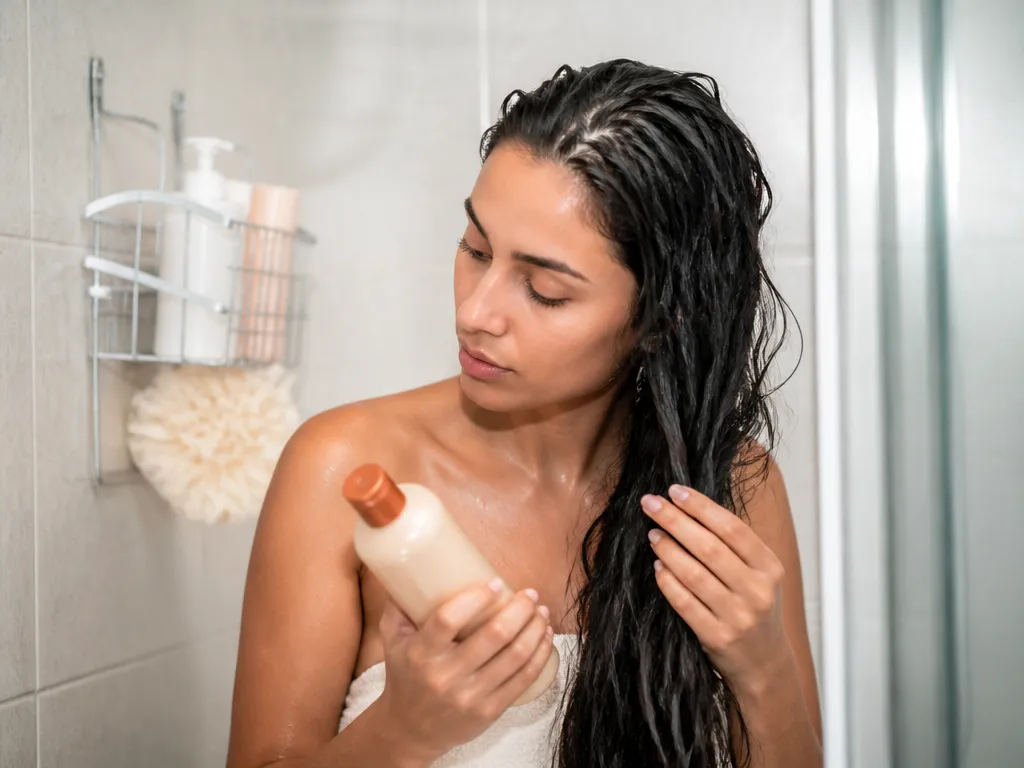
Heavy emollients and thick waxes create a film that sits on the hair shaft rather than absorbing into the cuticle. These ingredients weigh down fine or low-porosity hair, leading to an oily appearance even after a fresh wash.
Silicones like dimethicone and cyclopentasiloxane provide instant slip and shine, but they resist water-based cleansing. Over time, these polymers accumulate on the scalp and lengths, trapping sebum and styling debris. If your hair feels coated, waxy, or dull, you likely have a silicone buildup issue.
| Ingredient Type | Common Examples | Best For |
|---|---|---|
| Heavy Butters | Shea, Cocoa, Mango | Coarse, curly, or dry hair |
| Heavy Oils | Coconut, Castor, Argan | Extremely porous ends only |
| Silicones | Dimethicone, Amodimethicone | Frizz control in thick hair |
| Cationic Agents | Behentrimonium Chloride | Detangling and static reduction |
Navigating Product Labels
Labels marketed as “volumizing,” “lightweight,” or “for fine hair” typically swap heavy butters for lighter humectants like panthenol or hydrolyzed proteins. These ingredients fortify the hair structure without leaving a heavy residue behind. Avoid products that list oils like coconut or shea butter in the first five ingredients if you struggle with flat, oily roots.
Cationic conditioning agents such as behentrimonium chloride are essential for detangling, but they carry a positive charge that clings to the negative charge of the hair shaft. While effective at smoothing the cuticle, these agents can linger on the scalp if not rinsed thoroughly. People with oily scalp types should prioritize formulas with fewer of these agents or ensure the product stays strictly below the ears.
Pro tip: If your hair feels perpetually greasy, use a clarifying shampoo containing sodium laureth sulfate or C14-16 olefin sulfonate once every two weeks. These surfactants effectively strip away the stubborn film left by silicones and heavy waxes.
How To Apply Conditioner Correctly
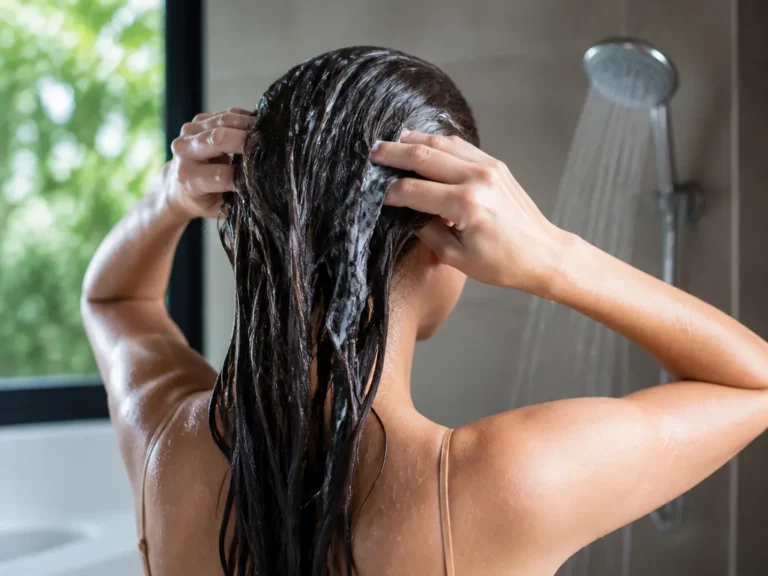
Effective conditioning requires precise placement to maintain volume and prevent oily roots. Applying product exclusively from the mid-lengths to the ends ensures that the driest parts of your hair receive hydration without weighing down the scalp area.
Testing for proper removal is simple once you step out of the shower. Run your fingers through your hair while it is wet to check for any slickness near the nape of the neck, which is a common area for missed rinsing.
For instance, grab a small section of hair near the crown and pull your fingers downward toward the ends. If you detect a waxy or heavy coating, spend an extra thirty seconds rinsing those specific zones with cool water to ensure all surfactants are removed.
Esthetician Tip: If you struggle with persistent flat roots, try the reverse washing method by applying a tiny amount of conditioner to your ends before you shampoo. This technique protects your fragile ends while allowing the shampoo to thoroughly cleanse the scalp without leaving behind heavy silicones.
Choosing the right formula matters as much as the technique. Those with fine hair should seek out lightweight, oil-free, or volumizing conditioners that provide detangling benefits without the heavy emollients found in deep masks. People with thick or coarse hair can opt for richer, creamier formulas that offer more intense hydration for their specific texture needs.
Rinse Signs You Didn’t Remove It
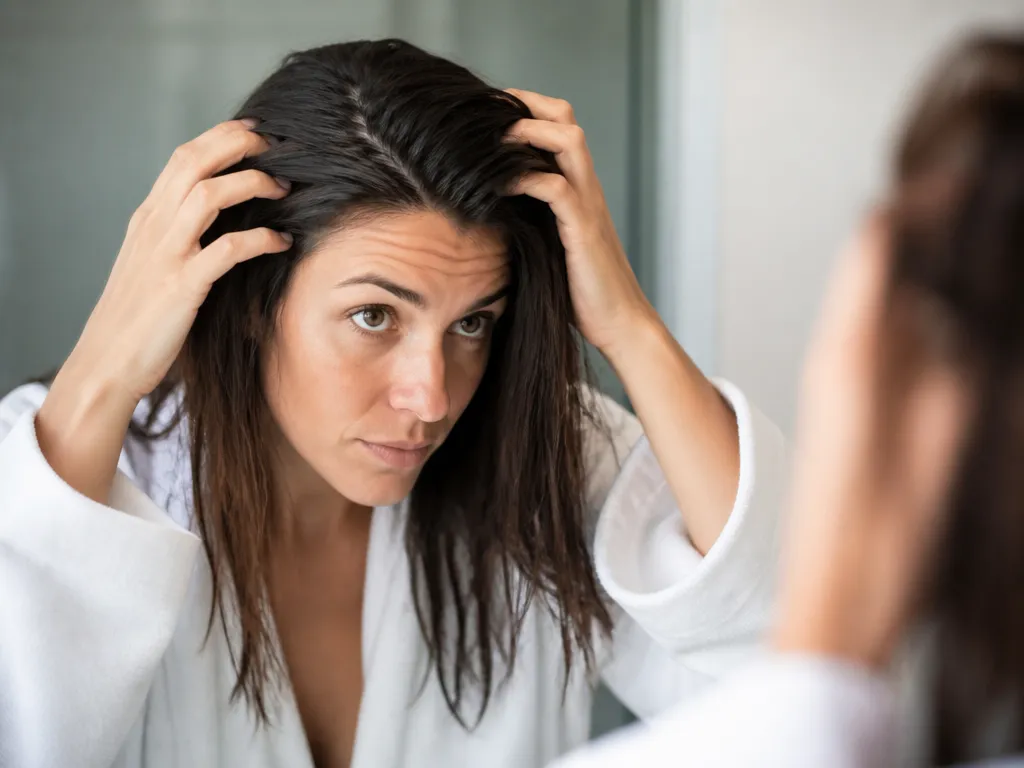
Inadequate rinsing leaves behind a thin film of surfactants and emollients that weigh hair down immediately after drying. You can identify this residue when your roots appear flat or dull, or when the mid-lengths and ends feel stringy and clump together rather than flowing freely.
Greasy hair appearing within six to twenty-four hours after washing is a primary indicator that product remains on the hair shaft. While natural sebum production happens, a sudden shift toward oiliness is almost always a result of incomplete removal of your conditioning agent.
Improving Rinse Efficiency
Warm water acts as a solvent to break down the heavy lipids found in most conditioners. Cold water, while popular for sealing the cuticle, often fails to remove thick residues, especially if you have fine or low-porosity hair.
Expert tip: If you find yourself needing to re-apply conditioner to detangle, your original application was likely uneven or the formula is too heavy for your hair type. Instead of adding more, switch to a lightweight, silicone-free detangling spray that provides slip without the weight of heavy waxes.
Consistent greasiness suggests that your current conditioner is too dense for your hair texture. Rather than washing your hair more frequently, try reducing the frequency of your deep conditioning treatments to once every three washes. For fine hair, simple, oil-free formulas often provide enough hydration without the risk of accumulation.
Fix Greasy Roots Fast
Greasy roots often stem from product migration or heavy silicone buildup that weighs down the hair follicle. Correcting this requires a strategic reset of your washing habits and a total shift in where you apply your moisturizing products.
Expert Tip: If your hair remains greasy after a clarifying wash, your rinse technique may be to blame. Spend at least sixty seconds rinsing your hair with warm water before applying shampoo, and ensure you rinse for double that time after conditioning to flush away all residue.
Product Selection Strategy
Selecting the right conditioner depends entirely on your specific hair texture and porosity. Heavy, cream-based formulas often contain high concentrations of shea butter or heavy oils, which can overwhelm fine or straight hair types. Look for labels that specify “volumizing” or “weightless” hydration to avoid future grease issues.
| Conditioner Type | Best For | Key Ingredients |
|---|---|---|
| Volumizing | Fine, thin hair | Panthenol, proteins |
| Clarifying | Oily scalp, buildup | Salicylic acid, apple cider vinegar |
| Deep Hydration | Coarse, curly hair | Argan oil, glycerin |
Consistency is the final key to success. You should observe a significant reduction in root oiliness within four to six weeks of adhering to this cleaner application routine. If the problem persists, evaluate your water hardness, as mineral buildup can mimic the sensation of unwashed, greasy hair.
Prevent It With A Smarter Routine
A sustainable hair routine prevents residue by matching product weight to hair porosity and limiting application to the mid-lengths and ends. This approach ensures the scalp stays clean while the ends remain hydrated.
| Hair Type | Wash Frequency | Conditioner Type | Application Area |
|---|---|---|---|
| Fine / Oily | Every 1-2 days | Lightweight / Volumizing | Ears down only |
| Medium / Normal | Every 3-4 days | Balanced / Hydrating | Mid-shaft to ends |
| Thick / Dry | Every 5-7 days | Rich / Creamy | Mid-shaft to ends |
The Reset Routine
Start with one lightweight, silicone-free conditioner to eliminate heavy buildup. Use a clarifying shampoo once a week to strip away old product from the roots.
Beauty editor tip: Rinse your conditioner for 30 seconds longer than you think you need to. Residual product is a primary cause of premature greasiness.
Product Selection And Styling
Leave-on products often contain heavy oils or dimethicone that weigh down fine hair. Skip leave-in conditioners and serums entirely for the first two weeks if you are fighting greasy roots.
Styling creams and root-touch oils can compound the problem. Avoid these products until you have a consistent wash cycle that leaves your hair feeling light.
For instance, a person with oily-prone hair should choose a water-based spray over a heavy cream. This prevents the product from migrating toward the scalp throughout the day.
Quick Summary
Conditioner often causes greasiness when users apply the product too close to the scalp or allow it to sit for longer than three minutes. These habits introduce unnecessary moisture and lipids to follicles that already produce natural sebum. Heavy silicones, waxes, and dense emollients like shea butter can trap environmental grime and create a waxy film that weighs down fine hair strands. Because fine hair has a smaller diameter, it shows these effects much faster than coarse or curly hair types, which generally require more moisture to remain healthy and manageable.
To prevent this, you should use only a coin sized amount of product and apply it exclusively from the ears down to the ends. It is essential to rinse your hair for a full sixty seconds to ensure no slippery residue remains on the cuticle. If you struggle with persistent buildup, incorporate a clarifying shampoo once a week to reset your scalp health. Ultimately, the most important takeaway is that your application technique and product choice must align with your specific hair density to avoid unwanted oiliness and limp, flat results.
| Hair Type | Conditioner Strategy |
|---|---|
| Fine | Use lightweight volumizing formulas on ends only. |
| Medium | Apply balanced moisture to ends, avoiding the scalp. |
| Coarse or Curly | Use deep conditioning masks or creamy oil bases. |
Beauty Routine Cheat Sheet
Top 3 Ingredients to Prioritize: Lightweight volumizing agents, water-based hydrators, and gentle surfactants for weekly clarifying.
One Thing to STOP Doing Immediately: Stop applying conditioner directly to your scalp, as this clogs follicles and creates immediate greasy roots.
Expected Timeline for Results: You should notice a significant difference in volume and hair cleanliness within one to two washes, provided you adjust your application technique and rinse thoroughly.
Frequently Asked Questions
How Much Conditioner Should I Put On My Hair To Avoid Greasiness?
You should apply conditioner only to the mid-lengths and ends, avoiding the scalp entirely to prevent weighing it down.
Which Ingredients In Conditioner Cause Buildup And Grease?
Look out for heavy silicones like dimethicone and heavy oils such as coconut oil, as these can create a film that makes fine hair look flat and greasy.
Does Using Too Much Conditioner Make Fine Hair Look Flat Or Greasy?
Yes, using too much product can weigh down fine strands, causing them to cling to the scalp and appear greasy within a day.
Is It Okay To Use Conditioner Every Day Without Washing It Out?
You should always rinse conditioner out thoroughly, as leaving it on can clog follicles and lead to scalp buildup that feels greasy.
Should I Use A Clarifying Shampoo If My Hair Feels Greasy From Conditioner?
A clarifying shampoo can help strip away excess product buildup, but you should use it only once a week to avoid drying out your scalp.

- 7 Best Detangling Brushes for Curly Hair: Thick, Fine, Long & Natural Hair - September 25, 2026
- 5 Best Moisturizing Curl Defining Creams for Soft, Defined Curls - September 24, 2026
- Best Curl Creams for Straight Hair: 5 Top Picks for Women - September 24, 2026