Does Conditioner Make Hair Oily?
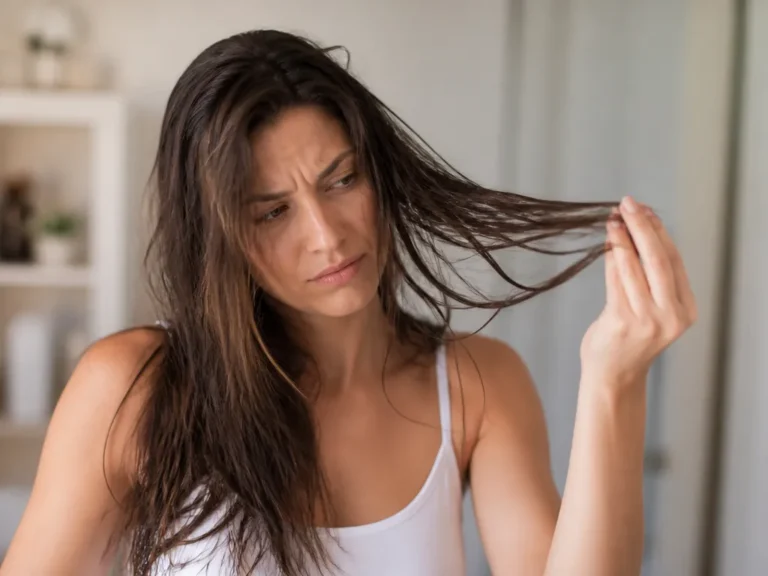
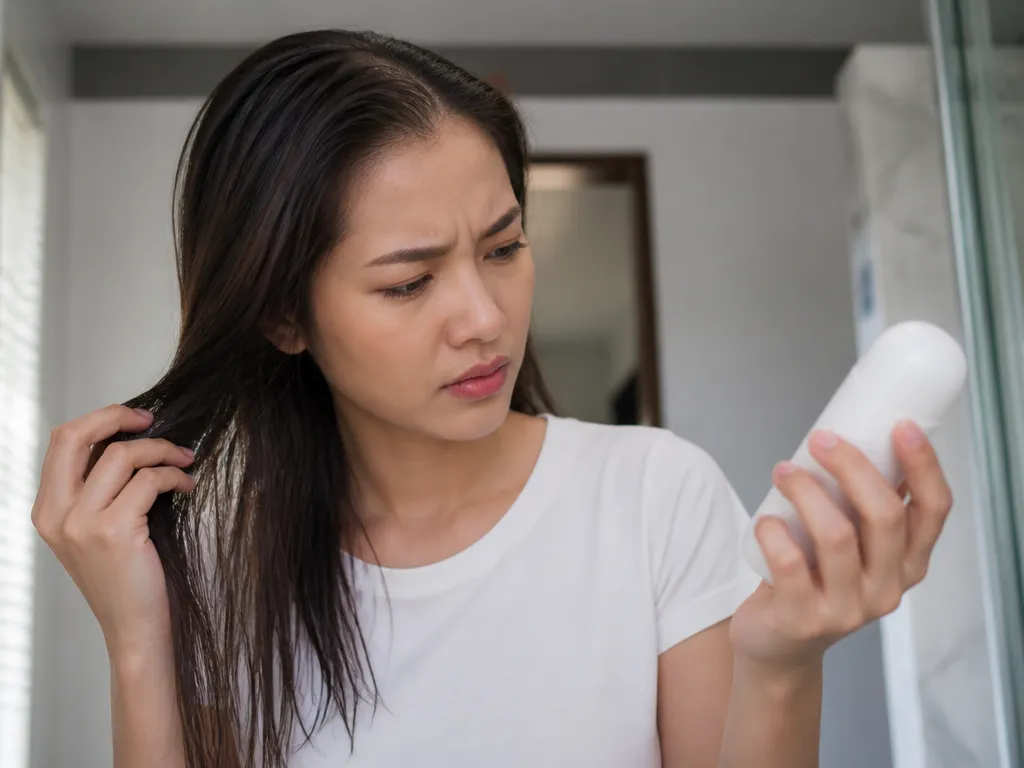
You probably feel like you are stuck in a cycle of washing your hair every single day just to avoid that limp, greasy look. It is incredibly frustrating when your hair feels heavy or stringy only hours after a shower. I have seen many people mistake product buildup or incorrect application for a naturally oily scalp.
Conditioner can make hair look oily when applied directly to the scalp or when using heavy silicones on fine hair. To prevent grease, apply product only from the mid-lengths to the ends and rinse thoroughly. Using a clarifying shampoo once every 7 to 10 days helps remove excess residue.
Best for: All hair types. Use caution if: You have extremely fine hair or a highly sensitive scalp.
Does Conditioner Make Hair Oily?
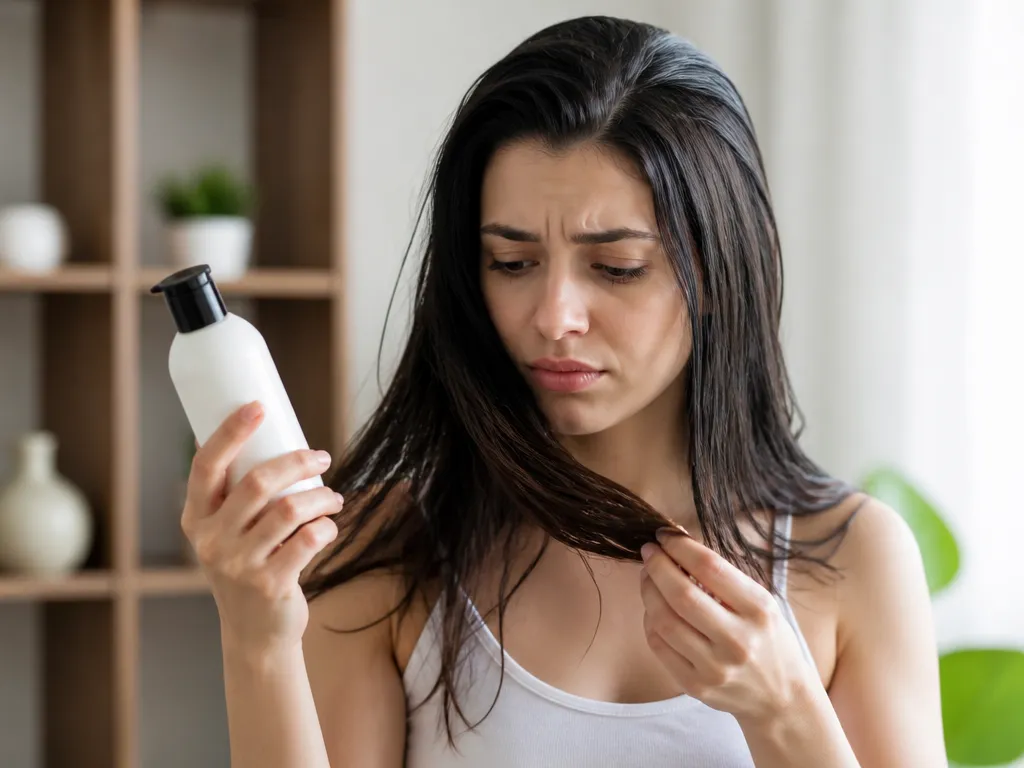
Product buildup creates a greasy film that mimics natural oil. This residue occurs when heavy ingredients sit on the hair surface or scalp instead of rinsing away.
Sebum is the natural oil produced by sebaceous glands in the scalp. It protects the hair shaft and keeps the cuticle healthy.
Conditioner residue is a layer of synthetic oils or silicones. This buildup often feels sticky or stringy, which differs from the slick feel of natural sebum.
| Hair Type | Recommended Formula | Key Ingredient | Best For |
|---|---|---|---|
| Fine/Oily | Volumizing | Panthenol | Limp roots |
| Dry/Coarse | Rich Cream | Shea Butter | F |
Identify Your Hair Porosity
Hair porosity determines how well your hair absorbs and retains moisture, directly affecting how conditioner interacts with your strands. Low porosity hair has tight cuticles that resist moisture penetration, while high porosity hair has raised cuticles that absorb quickly but lose hydration just as fast.
Low Porosity Hair Needs
Low porosity hair repels moisture and products, often resulting in product buildup if you use heavy conditioners. This hair type benefits from lightweight, water-based conditioners and heat to help open the cuticles during application. Avoid heavy proteins and butters that can sit on the surface of your hair.
High Porosity Hair Needs
High porosity hair absorbs moisture quickly but struggles to retain it, often feeling dry and frizzy despite regular conditioning. This hair type thrives with protein-rich conditioners that help fill in the gaps in the cuticle and seal in moisture. Heavy oils and butters can provide much-needed sealing for this porous structure.
Fine Vs. Thick Hair Textures
Fine hair has fewer strands per square inch but can still have varying porosity levels. This texture is prone to weighing down with heavy conditioners, requiring lightweight formulas that provide moisture without sacrificing volume. Thick hair, with its higher density of strands, can handle more substantial conditioners but still needs consideration for porosity.
| Hair Type | Porosity Considerations | Conditioner Recommendations |
|---|---|---|
| Fine/Low Porosity | Prone to buildup, needs light moisture | Weightless formulas, avoid silicones |
| Fine/High Porosity | Loses moisture quickly, needs proteins | Light protein treatments, leave-in conditioners |
| Thick/Low Porosity | Resists moisture penetration | Heat-activated conditioners, avoid heavy oils |
| Thick/High Porosity | Needs maximum moisture retention | Rich conditioners with sealing oils |
“Determining your hair’s porosity is the first step to selecting the right conditioner. Your hair’s ability to absorb moisture directly affects whether conditioner will make your hair look oily or nourished.”
Lightweight Ingredients For Volume
Humectants and hydrolyzed proteins provide moisture and strength without adding the heavy weight associated with oils. These ingredients attract water into the hair shaft instead of coating the outside with a greasy film.
Hydrating Humectants And Proteins
Glycerin is a gold standard humectant that pulls moisture from the air into the hair shaft. This is ideal for fine hair that needs hydration but collapses under heavy creams.
Hydrolyzed proteins, such as hydrolyzed wheat or silk, fill gaps in the hair cuticle to add structure. These proteins create a temporary thickening effect that makes hair feel fuller and more resilient.
These ingredients work best for people with oily scalps and fine hair. They provide the necessary slip for detangling without leaving a residue that attracts sebum.
For instance, a lightweight volumizing conditioner often swaps shea butter for glycerin to keep the roots lifted while hydrating the ends.
| Item | Specification | Notes |
|---|---|---|
| Glycerin | Humectant | Best for fine, dehydrated hair. |
| Hydrolyzed Protein | Strengthening | Adds volume and structural integrity. |
| Dimethicone | Heavy Silicone | Avoid if you have a greasy scalp. |
| Petrolatum | Occlusive | Too heavy for volume; use only on damaged ends. |
Heavy Occlusives To Avoid
Heavy silicones like dimethicone can build up on the hair shaft over time. This buildup attracts dust and sebum, which makes hair look stringy within a few hours of washing.
Petrolatum and mineral oil are too heavy for most fine or oily hair types. These ingredients create a waterproof barrier that prevents moisture from entering the hair.
Using these in a daily conditioner often leads to limp roots and a greasy appearance. Switch to water-soluble silicones or silicone-free options to maintain natural volume.
In practice, checking the first five ingredients on a label is the best way to spot these culprits. If a heavy oil or silicone is listed first, it will likely weigh down your hair.
Esthetician tip: Always perform a patch test on a small section of hair behind your ear before switching to a high-protein conditioner to ensure it does not make your hair feel stiff.
Proper Conditioning Application Technique
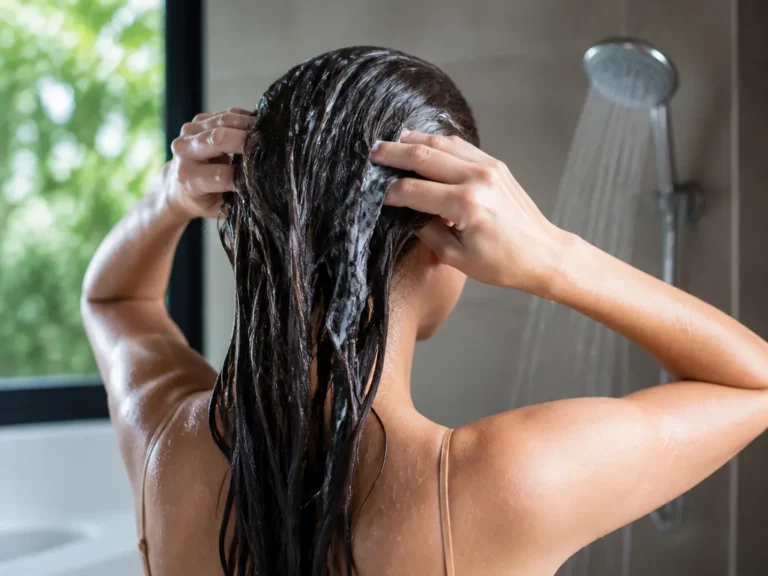
Conditioner applied incorrectly can create greasy roots, but proper application focuses moisture where hair needs it most. Concentrate product on the mid-lengths to ends, which are naturally drier and more porous.
Mid-lengths To Ends Rule
Begin by squeezing out excess water after shampooing, leaving hair damp but not dripping. Apply a quarter-sized amount of conditioner to your palms, rub them together, and work through hair starting from ear level downward. This technique provides necessary hydration to the oldest parts of the hair shaft.
The Sectioning Method
For thick or long hair, divide it into 3-4 sections before conditioning. This ensures even product distribution without overloading any area. Use your fingers or a wide-tooth comb to distribute conditioner thoroughly through each section, paying special attention to the ends which tend to be most damaged and thirsty.
Rinsing For A Clean Finish
Rinse with cool to lukewarm water, as hot water can strip hair of natural oils while preventing proper product absorption. The final rinse should feel complete with no slippery residue left behind. For extra volume, finish with a quick blast of cool air from your dryer, focusing on the roots.
Those with fine or oily hair types should be especially cautious with conditioner amounts, sometimes using just a dime-sized portion. If you still experience greasiness, consider alternating between a regular conditioner and a lightweight formula designed for fine hair.
Mistakes Causing Greasy Roots
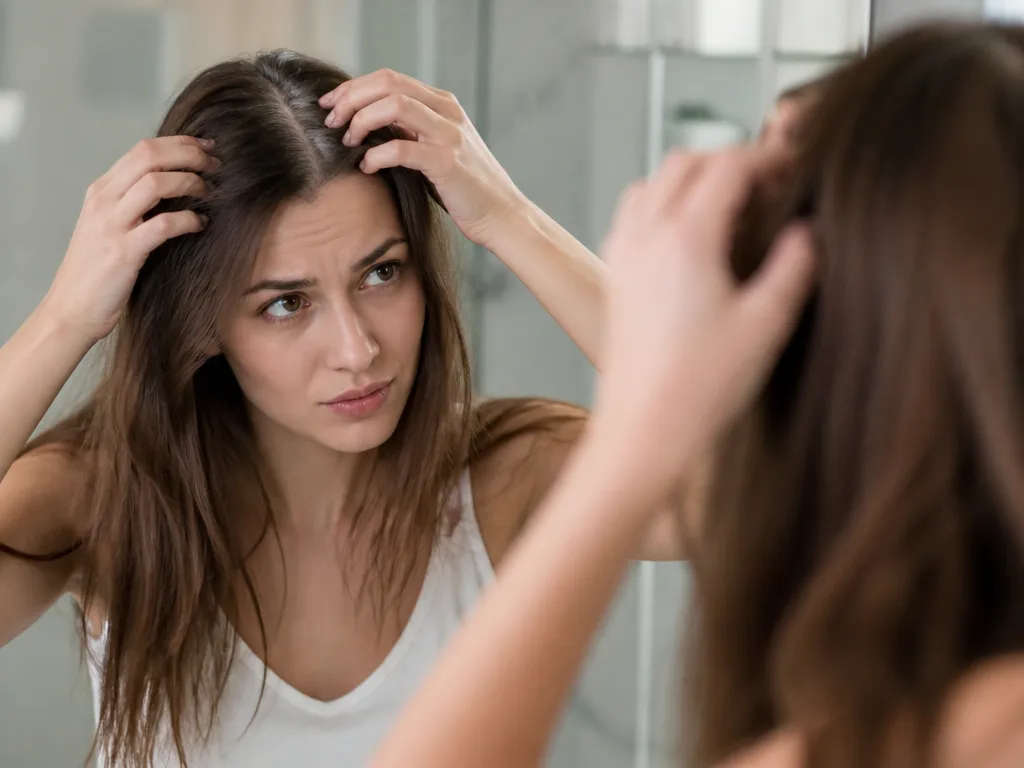
Applying conditioner to the scalp can leave a coating of heavy emollients on the roots and attract environmental pollutants.
Many people apply product from the crown down, which is a mistake for fine or oily hair types. The scalp produces its own natural sebum, so adding external moisture there can create a greasy appearance.
Incomplete rinsing leaves a surfactant or silicone residue on the hair shaft. This residue creates a sticky texture that traps oil faster than clean hair.
Heavy silicones like dimethicone provide a smooth finish but can build up over time. This buildup creates a coating that can make hair feel heavy and prevent it from looking fresh.
- Skipping the final cool-water rinse
Drugstore Vs. Salon Solutions
Drugstore brands now offer lightweight, non-greasy conditioners that rival salon formulations for preventing oily buildup at a fraction of the cost. The key difference often lies in concentration levels and proprietary delivery systems rather than effectiveness.
For those experiencing oiliness from conditioners, drugstore options like L’Oréal Paris Elvive Extraordinary Clay Shampoo or SheaMoisture Coconut & Hibiscus Curl & Style Conditioner provide affordable volumizing formulas that moisturize ends without weighing down roots. These products typically contain fewer silicones and lighter emulsifiers than their higher-end counterparts.
Salon Solutions For Lightweight Conditioning
Premium brands such as Kérastase Bain Divalent or Oribe Goldlust Nourishing Shampoo & Conditioner offer targeted solutions specifically designed to prevent buildup while providing necessary hydration. These formulations often incorporate advanced technologies that deliver ingredients directly to the hair shaft without coating the scalp.
| Product Type | Drugstore Option | Salon Option |
|---|---|---|
| Volumizing Conditioner | Living Proof Full Conditioner ($28) | Not Your Mother’s Way to Grow ($7) |
| Lightweight Treatment | Redken Acidic Bonding Concentrate ($32) | SheaMoisture Coconut & Hibiscus ($11) |
| Clarifying Shampoo | Neutrogena Anti-Residue Shampoo ($7) | Olaplex No. 4C Clarifying Shampoo ($28) |
“The price difference between drugstore and salon products often reflects marketing costs and packaging rather than ingredient quality. Many effective anti-greasy conditioners can be found at drugstore prices if you know what to look for.” – Trichologist recommendation
When selecting products to prevent oily hair, focus on ingredients like citric acid, tea tree oil, or salicylic acid rather than price points. Both drugstore and salon brands can formulate effective conditioners that moisturize without causing buildup.
Pro Tips For Healthy Shine
Use a lightweight formula, distribute it evenly through the lengths, and rinse until no slippery residue remains.
Quick Summary
Your hair porosity determines how well you absorb moisture and which products you need. Low porosity hair has tight cuticles that resist moisture, so it requires lightweight, water-based formulas and may need fewer heavy ingredients. High porosity hair has raised cuticles that absorb moisture quickly but lose it just as fast, making protein-rich conditioners useful for supporting the cuticle. Matching your formula to your specific hair texture and porosity helps keep your hair nourished without becoming oily.
| Hair Type | Recommended Formula | Key Ingredient |
|---|---|---|
| Fine/Oily | Volumizing | Panthenol |
| Dry/Coarse | Rich Cream | Shea Butter |
Beauty Routine Cheat Sheet
Morning Routine
Use a lightweight conditioner on the mid-lengths and ends when washing in the morning.
Evening Routine
Brush gently and avoid adding heavy products to the roots before bed.
Top 3 Ingredients to Prioritize
Prioritize panthenol, glycerin, and lightweight proteins when your hair needs volume.
One Thing to STOP Doing Immediately
Stop applying conditioner directly to your scalp; always keep it from the mid-shaft down to the ends.
Expected Timeline for Results
You should notice reduced heaviness and improved volume after your first clarifying wash and corrected application technique.
Frequently Asked Questions
How Often Should I Use Conditioner If I Have Oily Hair?
For those with oily hair, you should condition only 2-3 times per week, focusing primarily on the mid-lengths and ends. Over-conditioning can lead to buildup that weighs hair down, especially if you have fine hair.
Does Applying Conditioner To My Scalp Cause Oily Hair?
Applying conditioner to the scalp can leave roots looking oily because conditioners are formulated primarily for the hair shaft. Use a scalp-specific product if your scalp needs treatment.
What Ingredients In Conditioner Make Hair Oily?
Look out for heavy silicones like dimethicone, as these can create buildup that makes hair appear oily more quickly. Lighter water-soluble silicones like PEG-8 dimethicone are better choices for oily hair as they rinse clean without leaving residue.
Is Leave-in Conditioner Worse For Oily Hair Than Regular Conditioner?
Leave-in conditioners can be problematic for oily hair because they contain conditioning agents that do not get rinsed out. Choose a lightweight, alcohol-free formula and apply only a small amount to the ends.
Can I Skip Conditioner Entirely If I Have Oily Hair?
Skipping conditioner entirely is not recommended even for oily hair, as it can lead to dry ends that cause frizz and breakage. Instead, try using a lightweight, volumizing conditioner to maintain balance.

- 7 Best Detangling Brushes for Curly Hair: Thick, Fine, Long & Natural Hair - September 25, 2026
- 5 Best Moisturizing Curl Defining Creams for Soft, Defined Curls - September 24, 2026
- Best Curl Creams for Straight Hair: 5 Top Picks for Women - September 24, 2026