How Long To Leave A Hair Mask In?
Most people assume leaving a hair mask on overnight will yield better results, but more time does not always mean better hair. You can actually end up with limp, greasy strands or even breakage if you mismatch your timing with your hair type. I will show you exactly how to time your treatments for real results.
Hair mask duration typically ranges from 5 to 30 minutes. You should leave moisturizing masks on for 5 to 10 minutes, while protein-heavy treatments or masks for damaged hair require 15 to 30 minutes to effectively penetrate the hair shaft.
Best for: All hair textures. Use caution if: You have fine or low-porosity hair.
How Long To Leave A Hair Mask In?
Most intensive treatments require between 5 and 30 minutes of dwell time to effectively penetrate the hair shaft. This window allows active ingredients to interact with the cuticle without causing product buildup or over-processing the hair structure.
Timing varies significantly based on the specific formulation and the goal of the treatment. A lightweight moisturizing mask might only need 5 to 10 minutes, whereas a heavy-duty protein treatment often requires at least 20 minutes to rebuild damaged bonds.
The 5-30 Minute Sweet Spot
Different mask categories demand specific durations to avoid common mistakes like protein overload or insufficient hydration. Using a mask for too short a time results in wasted product, while leaving it on for hours can lead to limp, greasy strands or even scalp irritation.
| Mask Type | Standard Time | With Heat |
|---|---|---|
| Moisturizing/Hydrating | 5 – 10 minutes | 3 – 5 minutes |
| Protein-Heavy | 20 minutes | 10 – 15 minutes |
| Damaged Hair Formula | 20 – 30 minutes | 15 – 20 minutes |
Heat can accelerate the absorption process by opening the hair cuticle. If you use a steamer or a warm towel, you can often reduce your application time by nearly half.
Professional tip: Always prioritize the manufacturer’s specific instructions over general rules, as some high-concentration formulas are designed for very short contact times.
Product Instructions Vs. Common Knowledge
Manufacturer guidelines are the most reliable metric for safety and efficacy. Formulators test specific concentrations of ingredients like keratin, hyaluronic acid, or argan oil to ensure they work within a set timeframe.
For instance, a rinse-out mask is chemically different from an overnight treatment. An overnight mask, such as the amika dream routine, is designed to stay on the hair without being washed out, whereas a standard mask must be rinsed to prevent heavy residue.
Common hair myths suggest that leaving a mask on overnight will always yield better results.
In practice, this often causes fine or low-porosity hair to become weighed down and oily due to excessive product accumulation.
Signs Your Mask Has Done Its Job
Effective treatments leave the hair feeling noticeably different once rinsed. You can monitor these physical changes to determine if your current timing and product choice are working.
Signs of over-processing include hair that feels stiff, straw-like, or brittle. This usually happens when protein-heavy masks are left on too long, causing the hair to lose its necessary flexibility.
Understanding Your Hair Type And Needs
Hair density and porosity dictate how quickly a treatment penetrates the shaft and when it reaches a point of diminishing returns. Fine hair typically requires shorter durations to avoid limpness, while coarse or coily textures need more time for ingredients to reach the inner cortex.
Texture And Porosity Guidelines
Fine hair has a smaller diameter and is easily weighed down by heavy emollients. A dwell time of 5 to 10 minutes is usually sufficient to provide hydration without stripping the hair of its natural volume.
For instance, leaving a heavy shea butter mask on fine hair for 30 minutes often results in a greasy residue that remains even after rinsing.
Coarse or thick hair has a denser structure that resists product penetration. These types benefit from 15 to 20 minutes of treatment to ensure the ingredients move past the outer cuticle.
Low porosity hair has tightly closed cuticles that act as a barrier. This hair type often requires a shorter time with added heat, such as a warm towel, to force the cuticle open so the mask can enter.
High porosity hair, often caused by bleach or heat damage, has gaps in the cuticle. It absorbs products rapidly but loses them just as fast, making a 15 to 20 minute window ideal for filling those gaps.
| Hair Type | Ideal Duration | Primary Goal |
|---|---|---|
| Fine | 5 – 10 Minutes | Light hydration without weight |
| Thick/Coarse | 15 – 20 Minutes | Deep cortex penetration |
| Curly/Coily | 20 – 30 Minutes | Maximum moisture absorption |
| Damaged/Bleached | 15 – 20 Minutes | Structural repair |
Condition And Damage Adjustments
Damaged hair requires a balance of moisture and protein to rebuild the hair shaft. Use protein-heavy masks containing hydrolyzed keratin for 15 to 20 minutes to strengthen the structure.
Curly and coily hair types naturally struggle with dryness because scalp oils cannot travel down the spiral shaft easily. These textures often require 20 to 30 minutes to achieve true saturation.
For a budget-friendly overnight option, try an overnight leave-in treatment.
Key Ingredients In Hair Masks
Protein treatments containing keratin or hydrolyzed proteins should remain on hair for 15-20 minutes to effectively penetrate and strengthen damaged strands. Heat application reduces this time to 10-15 minutes by opening the hair cuticle for faster absorption.
Protein And Keratin Treatments: Timing For Strength
Protein-rich masks work by filling gaps in the hair’s cuticle with amino acids, which requires adequate time to bond with the hair structure. For maximum benefit, leave protein treatments on for 15-20 minutes without heat, or 10-15 minutes when using a warm cap or hood dryer. Overusing protein treatments can lead to stiffness and breakage, so monthly applications are sufficient for most hair types.
Hydrating Ingredients: When Longer Helps
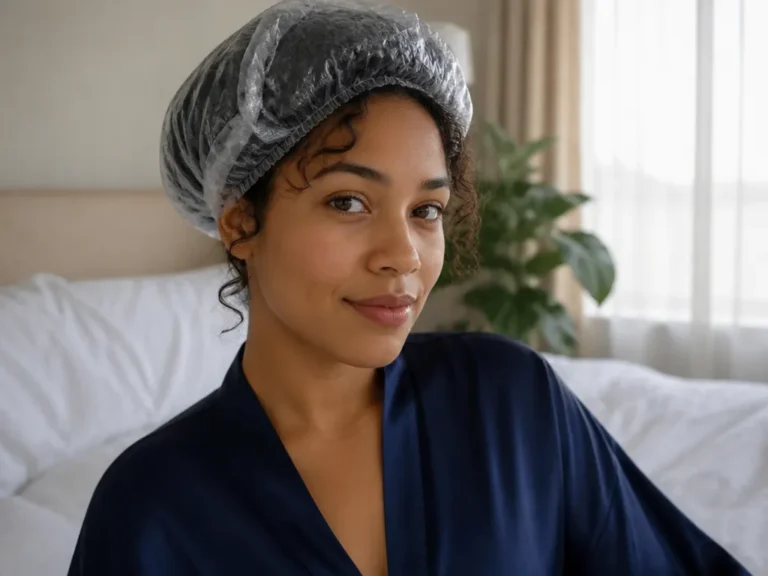
Moisture-boosting ingredients like hyaluronic acid, glycerin, and aloe vera may benefit from dwell times of 5-30 minutes, depending on the complete formula and hair texture. These ingredients work by drawing moisture into the hair shaft, which can take longer in thick or coarse hair textures. For best results, apply to damp hair and cover with a plastic cap to enhance absorption through natural heat from the scalp.
Clarifying Ingredients: Shorter Application Times
Clarifying masks with ingredients like apple cider vinegar, tea tree oil, or charcoal should only remain on hair for 5-10 minutes maximum to avoid stripping natural oils or causing irritation. These ingredients work quickly to dissolve product buildup and impurities, and extended contact can lead to over-drying or scalp sensitivity. Always follow with a moisturizing mask when using clarifying treatments to restore balance.
Heat-activated Formulas: Reduced Time With Heat
Heat-activated ingredients like panthenol and ceramides are designed to work faster when exposed to warmth, requiring only 5-10 minutes of application time under a hood dryer or with warm towel wrapping. The heat opens the hair cuticle, allowing these ingredients to penetrate more efficiently than at room temperature. For best results, apply the mask to clean, damp hair before applying heat, and never exceed the recommended time as heat can accelerate ingredient absorption beyond optimal levels.
Step-by-step Application Technique
Proper application of hair masks requires timing precision based on your hair type and mask formulation. For optimal results, follow these specific techniques to maximize absorption without overdoing treatment.
Prepping Your Hair: The Right Way To Start
Begin with freshly washed hair using lukewarm water to open the hair cuticle for better absorption. Gently towel-dry your hair until it’s damp but not dripping wet, as excess water dilutes the mask’s active ingredients.
Application Methods: Scalp Vs. Hair-only Application
Divide your hair into four equal sections for even coverage. Apply masks from mid-lengths to ends unless specifically designed for scalp treatment.
Using Heat Caps And Steam: How It Changes Timing
Heat application dramatically reduces necessary dwell time by enhancing ingredient penetration. When using a heat cap or steam treatment, reduce standard timing by 30-50% to prevent over-treatment and potential protein overload.
Rinse Temperature: Cool Vs. Warm Water Effects
Always finish with a cool water rinse to seal the hair cuticle and lock in benefits. Warm water opens the cuticle for absorption during treatment, but cool water closes it afterward to maintain moisture and shine.
Common Hair Mask Mistakes
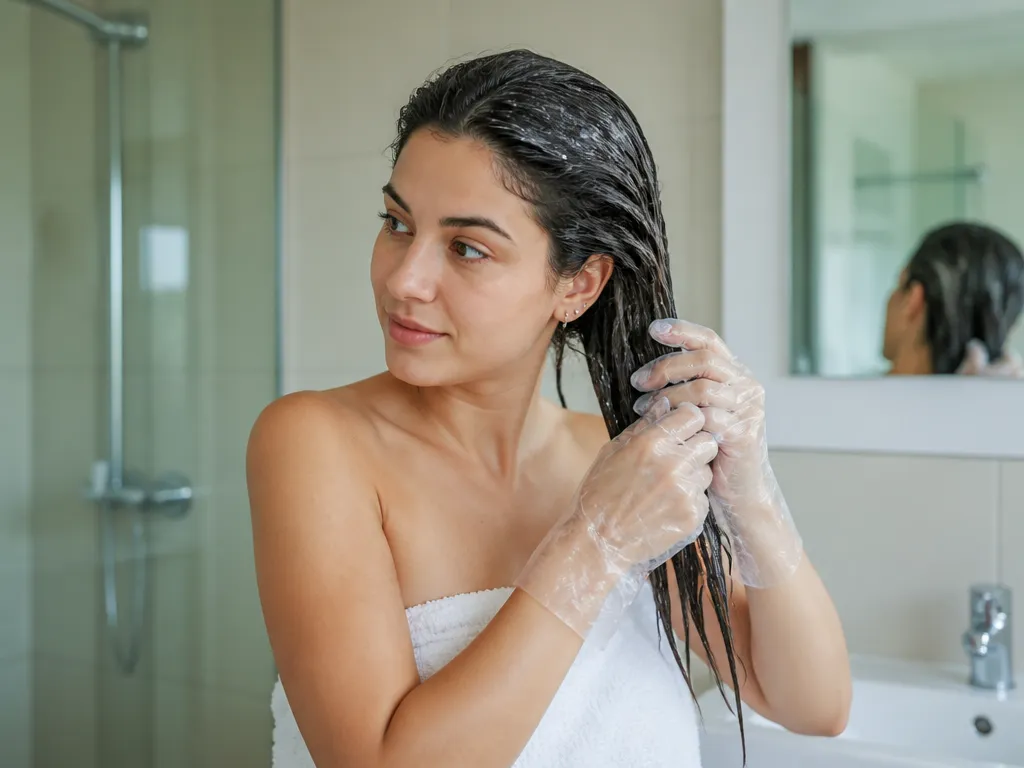
Incorrect timing and application methods can turn a restorative treatment into a source of hair damage. Leaving product on for too long or using it too frequently can lead to structural issues that are difficult to reverse.
Signs Of Over-treatment And Over-conditioning
Over-conditioning occurs when the hair becomes too heavy or loses its natural elasticity. This is particularly common with fine or low-porosity hair that cannot absorb excess moisture.
Signs of over-treatment include hair that feels limp, greasy, or overly soft in a way that lacks “bounce.” If your strands feel gummy when wet, you may have applied too much protein or left a heavy mask on for an extended period.
Professional tip: If your hair feels “mushy” or overly stretchy, you likely have protein overload. Balance this by using a purely hydrating mask without keratin or amino acids.
Insufficient Time And Product Buildup
Insufficient dwell time prevents active ingredients from penetrating the hair shaft effectively. If you rinse a repairing mask after only two minutes, the keratin or amino acids may only sit on the surface rather than rebuilding the internal structure.
Product buildup is another common error caused by using masks with heavy silicones or waxes too frequently without a clarifying step. This buildup creates a film that blocks moisture from entering the hair later.
Use the following guide to recognize how your hair type influences common errors:
| Hair Type | Common Mistake | Result |
|---|---|---|
| Fine Hair | Leaving masks on too long | Limp, greasy, or weighed-down appearance |
| High Porosity | Rinsing too early | Dryness and lack of structural repair |
| Low Porosity | Using heavy protein masks | Stiff, brittle, or “crunchy” texture |
| Curly/Coily | Insufficient moisture time | Frizz and lack of definition |
Budget-friendly Alternatives
Affordable hair treatments deliver effective results when you match the dwell time to the specific formula. Drugstore options often rely on silicones and oils that require 5 to 10 minutes for surface conditioning, whereas luxury treatments frequently use smaller molecular weights that benefit from 20 minutes of contact time.
Drugstore Masks: Timing For Affordable Options
Drugstore formulas like Dove Hair Intensive Repair or L’Oreal Paris Elvive are designed for convenience and quick absorption. These products work well for busy schedules because they provide immediate slip and manageability without needing hours of processing.
Professional tip: If you use a budget mask, applying a warm towel over your hair can help the ingredients penetrate more effectively, similar to a salon treatment.
High-end Treatments: When Premium Justifies Extended Time
Premium hair masks often contain concentrated proteins or specialized lipids that require more time to bond with the hair shaft. These treatments are an investment in long-term hair health rather than just temporary smoothness.
| Product Tier | Typical Dwell Time | Best For |
| High-End (e.g., amika) | 20 – 30 minutes | Deep structural repair |
| Mid-Range | 10 – 15 minutes | Moisture maintenance |
| Drugstore | 5 – 10 minutes | Daily conditioning |
Diy Hair Masks: Timing For Natural Ingredients
Natural ingredients like coconut oil, honey, or avocado require longer windows because they lack the chemical enhancers found in commercial products. These raw ingredients move more slowly into the hair fiber.
For instance, a DIY oil treatment may need 20 to 40 minutes to soften stubborn, low-porosity hair. Always patch test natural ingredients on your inner arm first to check for sensitivities before applying them to your entire scalp or hair length.
Overnight Masks: Special Considerations For Extended Wear
Overnight masks are specifically formulated to be non-comedogenic and lightweight so they do not irritate the skin or leave hair feeling greasy. These products are ideal for those with extremely dry or curly hair textures that crave constant hydration.
In practice, using a leave-in overnight treatment like Batiste Overnight Deep Conditioning can provide more consistent moisture than a single intense wash-off session. Just ensure you use a silk or satin pillowcase to prevent the product from rubbing off onto your bedding or causing friction against your hair.
Expert Tips For Better Results
Optimizing your treatment depends on hair porosity and the specific active ingredients in the formula. High porosity hair absorbs moisture quickly, while low porosity hair requires heat to open the cuticle for penetration.
| Hair Type | Frequency | Primary Goal |
|---|---|---|
| Fine or Oily | Every 10 to 14 days | Light Hydration |
| Normal to Dry | Once per week | Moisture Balance |
| Damaged or Coarse | Two times per week | Structural Repair |
Layering And Frequency
Avoid using a protein mask and a heavy moisturizing mask in the same session. This combination often leads to product buildup that weighs down the hair.
For instance, use a protein treatment containing keratin or hydrolyzed wheat protein on Monday. Follow this with a hydrating mask containing hyaluronic acid or shea butter on Thursday.
Professional tip: Always apply your mask to damp, towel-dried hair. Excess water fills the hair shaft and prevents the ingredients from absorbing.
Seasonal And Color Adjustments
Summer requires a focus on UV protection and lightweight hydration to combat salt and chlorine. Winter demands richer, oil-based masks to prevent static and dryness caused by indoor heating.
Apply a deep conditioning mask 48 to 72 hours before a color appointment. This ensures the hair is strong and hydrated before the chemical process.
Avoid using heavy silicone-based masks the day of your appointment. Silicones can create a barrier that prevents hair dye from penetrating the shaft evenly.
For budget-friendly options, compare high-end products like amika Dream Routine ($34) with drugstore alternatives like L’Oreal Elvive TR5 ($9.97). Both target damaged strands with intensive repair formulas.
Quick Summary
Hair mask duration typically ranges from 5 to 30 minutes, with moisturizing masks requiring only 5 to 10 minutes while protein-heavy treatments need 15 to 30 minutes to effectively penetrate the hair shaft. Fine or low-porosity hair requires shorter application times to avoid becoming weighed down, whereas thick or curly hair benefits from 20 to 30 minutes for deep moisture penetration. Using heat can reduce processing time by nearly half by opening the cuticle, and cool water rinsing helps seal the cuticle for better results.
Manufacturer’s instructions should always be prioritized over general rules, as some high-concentration formulas are designed for very short contact times. Signs of over-processing include hair that feels stiff, straw-like, or brittle, which typically occurs when protein-heavy masks are left on too long. Low porosity hair requires added heat to force the cuticle open, while high porosity hair from damage needs careful monitoring to prevent excessive product absorption. The most important takeaway is that matching treatment time to your specific hair type and product formulation yields better results than leaving masks on overnight.
| Mask Type | Standard Time | With Heat |
|---|---|---|
| Moisturizing | 5-10 minutes | 3-5 minutes |
| Protein-Heavy | 20 minutes | 10-15 minutes |
| Damaged Hair | 20-30 minutes | 15-20 minutes |
Frequently Asked Questions
How Long Should I Leave A Hair Mask On For The Best Results?
Most hair masks work best when left on for 5 to 30 minutes, depending on your specific hair type and the product instructions.
Can I Leave A Hair Mask In Overnight?
You should only leave a mask on overnight if the packaging explicitly states it is an overnight leave-in treatment. Using a standard rinse-off mask overnight can lead to moisture overload or scalp irritation, so always check for “no-rinse” labels before sleeping in it.
Does Using Heat Help A Hair Mask Work Faster?
Yes, applying gentle heat can help the ingredients penetrate the hair shaft more effectively.
For example, a moisturizing mask that usually takes 5 to 10 minutes might only need 3 to 5 minutes when used with a heat cap or warm towel.
What Is The Difference Between A Moisturizing Mask And A Protein Mask?
Moisturizing masks focus on hydration to reduce frizz, while protein-heavy masks are designed to strengthen the hair structure and prevent breakage. Because protein can make hair feel stiff if overused, you typically only need to leave protein treatments on for 15 to 20 minutes.
Is It Worth Buying An Expensive Hair Mask Over A Drugstore Version?
It depends on your hair goals, as many drugstore brands offer effective basic conditioning for a fraction of the price. You might see more value in a premium mask if you are looking for specific high-performance ingredients like hyaluronic acid or specialized bio-proteins that are less common in budget formulas.

- 13 Best Natural Deep Conditioning Ingredients to Tame Frizzy Hair - September 29, 2026
- How to Make Deep Conditioner for Natural Hair: 8 Easy DIY Recipes - September 29, 2026
- Natural Homemade Deep Conditioner for Natural Hair: Easy DIY Recipes - September 29, 2026