How Many Times A Week Should I Condition My Hair?
Most people think hair conditioning is a one-size-fits-all step, but using it incorrectly can leave your hair either brittle or weighed down by grease. Finding your personal rhythm depends entirely on your specific texture and scalp oil levels.
Conditioning frequency depends on your hair type, but most people should apply conditioner every time they wash their hair. Fine or oily hair might require conditioning only 2 to 3 times per week, while thick, curly, or coily hair often needs moisture every single wash to prevent breakage and dryness.
Best for: All hair types. Use caution if: You have an extremely oily scalp or severe product buildup.
How Many Times A Week Should I Condition My Hair?
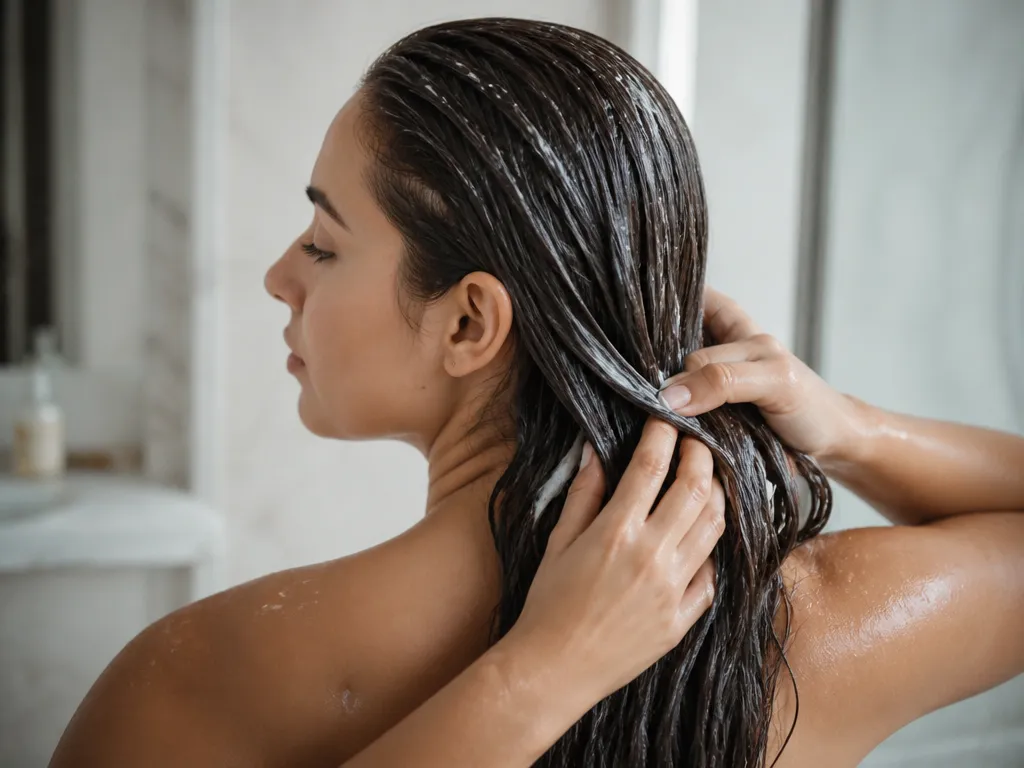
Conditioning frequency depends on how quickly your hair loses moisture and how your scalp behaves, so the “right” number is a range, not one magic day. For most people, conditioning every wash is a solid starting point, then adjusting between 2 to 4 times per week based on feel and buildup.
Moisture balance is the whole game: conditioner adds slip and hydration, while overdoing it can leave hair coated and flat. A heavy conditioner can also mask dryness instead of fixing it, especially on coily or chemically processed hair that needs targeted moisture.
Why Conditioning Frequency Matters
Conditioner is usually designed to sit on the hair cuticle surface, which means it can build up when you repeat it too often or when your hair is fine and your product is rich. Scalp oiliness changes the math, because an oily scalp often means your roots look greasy sooner, even if your lengths still feel dry.
For example, if your hair feels soft on day one but limp on day two, you likely have product overload. If your hair feels rough, tangles more, or looks frizzy even after washing, you may need more conditioning time or a lighter formula applied only to mid-lengths and ends.
Moisture Vs. Protein Balance
Conditioning is mainly about moisture, but many conditioners also include strengthening ingredients. Too much protein can make hair feel stiff or “dry” even when it is not, while too little can leave hair mushy and stretchy, especially after bleaching or heat styling.
Hair rule of thumb: if your hair feels strong but rough and crunchy, go more moisture for 2 to 3 wash cycles. If your hair feels soft but stretchy and breaks easily, add protein with one conditioner or mask 1 to 2 times per month.
| What you notice | Most likely balance issue | What to do next wash |
|---|---|---|
| Flat at roots, waxy feeling | Product buildup | Skip scalp, use a lighter conditioner, rinse longer |
| Dry ends, tangles, frizz | Not enough moisture | Condition every wash and consider longer dwell time |
| Stiff, brittle, “crunchy” feel | Too much protein | Switch to moisture-focused conditioner for 2 to 3 washes |
Protein balance is especially important for textured hair (wavy, curly, coily) and for anyone who colors or uses heat often. If you are using a protein-heavy product regularly, you may condition less frequently but with a more moisturizing formula.
Setting Your Personal Hair Baseline
Start simple for 2 to 3 weeks: condition every wash (usually 3 to 4 times weekly), apply to mid-lengths and ends only, and use a consistent amount. Then adjust based on results, not what your hair “should” do.
For a realistic baseline, oily to combination scalps often do best with less conditioner at the roots, while dry scalps and highly textured hair usually need more frequent conditioning in the lengths. Conditioning schedules can also change with the seasons, so recheck your feel after big weather shifts.
Identify Your Specific Hair Type
Hair texture and scalp oil production dictate your ideal conditioning schedule. Fine, straight strands often require lighter, less frequent conditioning to avoid weight, while tightly coiled textures need moisture more often to combat natural dryness.
Texture And Scalp Oiliness
Oily scalps produce sebum quickly, which can travel down straight hair shafts in a single day. This often means you can skip heavy conditioners or use very light, rinse-out formulas only on the ends.
Fine hair is easily weighed down by heavy oils or silicones. You might find that conditioning every other wash works best to maintain volume.
Medium texture hair sits in the middle of the spectrum. Wavy patterns often need a mix of hydration and lightweight hold to prevent the hair from looking greasy or limp.
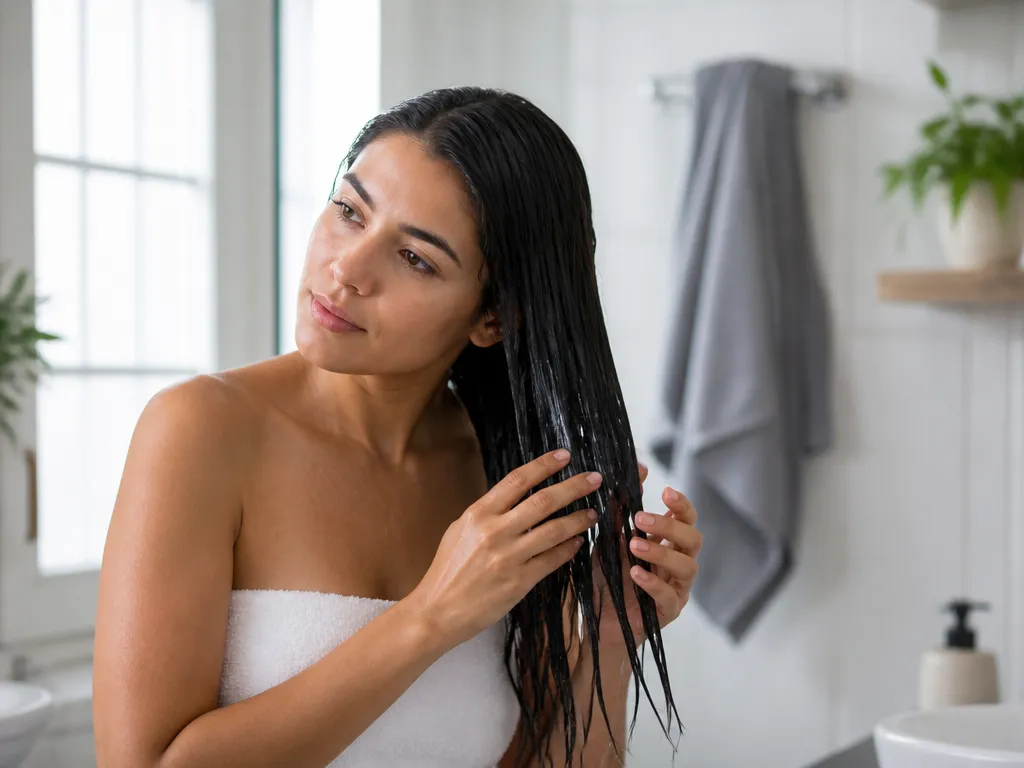
Professional tip: Apply conditioner only from the ears down to prevent scalp buildup and flatness.
Damage And Porosity Assessment
Porosity refers to how well your hair absorbs and retains moisture. High-porosity hair has gaps in the cuticle, often caused by heat styling or chemical processing, which lets moisture escape quickly.
Low-porosity hair has a tightly closed cuticle that resists water absorption. You might notice water beads on your hair when you first get in the shower.
| Hair Condition | Primary Need | Frequency Suggestion |
|---|---|---|
| High Porosity (Damaged) | Protein and heavy oils | Daily or every wash |
| Low Porosity (Healthy) | Gentle hydration | 2-3 times per week |
| Color-Treated | Color protection/pH balance | Every wash |
For instance, if your hair feels brittle and snaps easily, you likely have high porosity and need more frequent conditioning or weekly deep treatments.
In practice, checking your hair’s reaction to water is a quick way to gauge these needs at home.
Essential Conditioning Ingredients
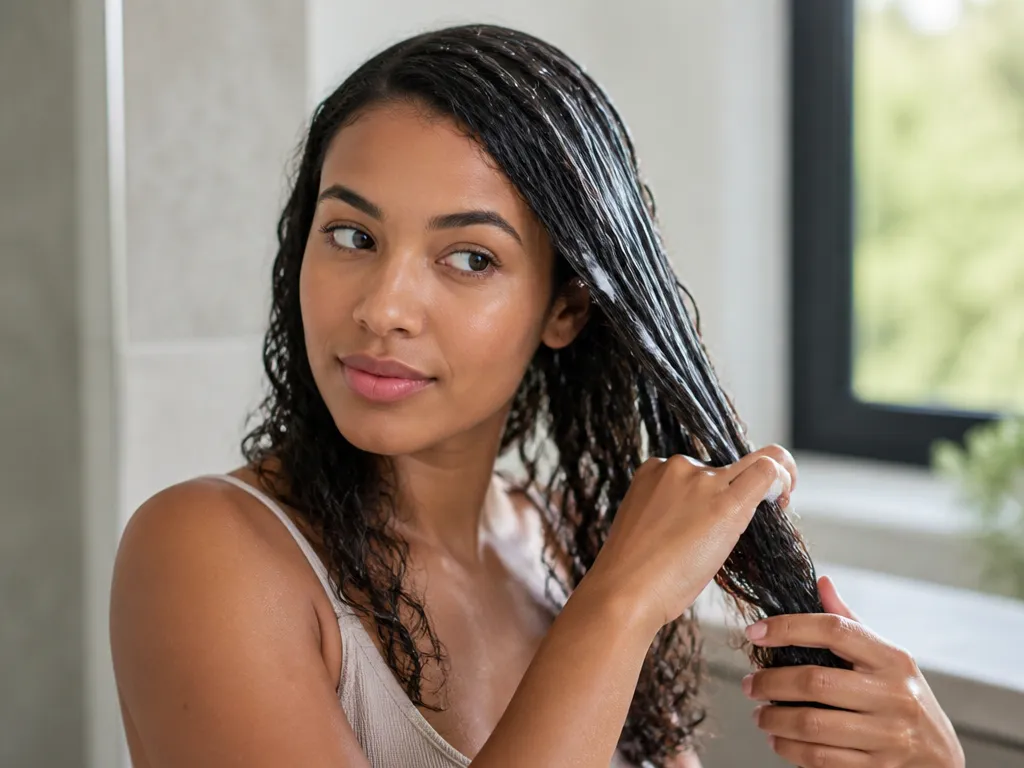
Effective conditioners rely on specific molecules to either draw moisture into the hair shaft or seal the cuticle to prevent dryness. Humectants, emollients, and proteins each play a distinct role in managing hair texture and integrity.
Humectants like glycerin or panthenol attract water from the air into the hair strand. These work well for fine or low-porosity hair that needs hydration without heavy weight. However, in extremely dry climates, glycerin can sometimes pull moisture out of the hair if there is no humidity in the air.
Emollients provide the slip and softness people associate with healthy hair. Ingredients like shea butter, argan oil, or coconut oil fill in the gaps between cuticle scales. For thick, curly, or coily hair types, these heavier lipids are often necessary to manage frizz and maintain elasticity.
| Ingredient Category | Common Examples | Best For |
|---|---|---|
| Humectants | Glycerin, Hyaluronic Acid, Aloe Vera | Hydration and lightweight moisture |
| Emollients | Shea Butter, Jojoba Oil, Squalane | Softness, shine, and frizz control |
| Proteins | Hydrolyzed Keratin, Silk Protein, Wheat Protein | Strength and repairing damage |
| Silicones | Dimethicone, Cyclomethicone | Instant smoothing and heat protection |
Balancing Strength And Smoothness
Proteins act as temporary fillers for damaged areas in the hair cuticle. Hydrolyzed proteins are smaller molecules that can penetrate deeper to reinforce the hair structure.
For example, someone with high-porosity or chemically bleached hair often needs these proteins to prevent breakage.
Overusing protein can lead to “protein overload,” which makes hair feel stiff and brittle. You should balance protein treatments with moisturizing emollients to keep the hair flexible. If your hair feels crunchy after a treatment, switch back to a moisture-heavy formula for your next wash.
Esthetician tip: Always patch test new hair masks containing high concentrations of botanical oils to check for scalp irritation before full application.
Silicones offer a trade-off between immediate aesthetic results and long-term buildup. Dimethicone creates a waterproof barrier that makes hair incredibly shiny and easy to detangle. It is excellent for those with very damaged or heat-styled hair.
Silicone-free options are better for people prone to product buildup or those with very fine hair that flattens easily. If you choose to use heavy silicones, you must use a clarifying shampoo occasionally to remove the residue. Failure to do this can lead to dullness and a lack of moisture absorption over time.
Master Your Conditioning Routine
Application technique determines whether your hair feels silky or greasy. Most people apply too much product too close to the scalp, which leads to flat, oily hair by the next morning.
Pro tip: If you have fine hair, use a lightweight conditioner. If you have thick, curly, or coily hair, look for heavier creams containing shea butter or coconut oil.
Frequency adjustments depend on your specific hair texture and how often you wash. You should match your conditioning intensity to your wash schedule to prevent product buildup.
| Hair Type | Recommended Method | Frequency |
| Fine/Straight | Lightweight rinse-out | 2 to 3 times per week |
| Wavy/Medium | Rinse-out + occasional leave-in | Every wash |
| Curly/Coily | Deep conditioner + leave-in | 1-2 times per week deep treatment |
| Color-Treated | Moisture-rich formulas | Every wash |
Leave-in conditioners provide a different type of benefit than rinse-out versions. These products stay on the hair to provide continuous protection against environmental stressors and mechanical friction from brushing.
Avoid These Common Mistakes
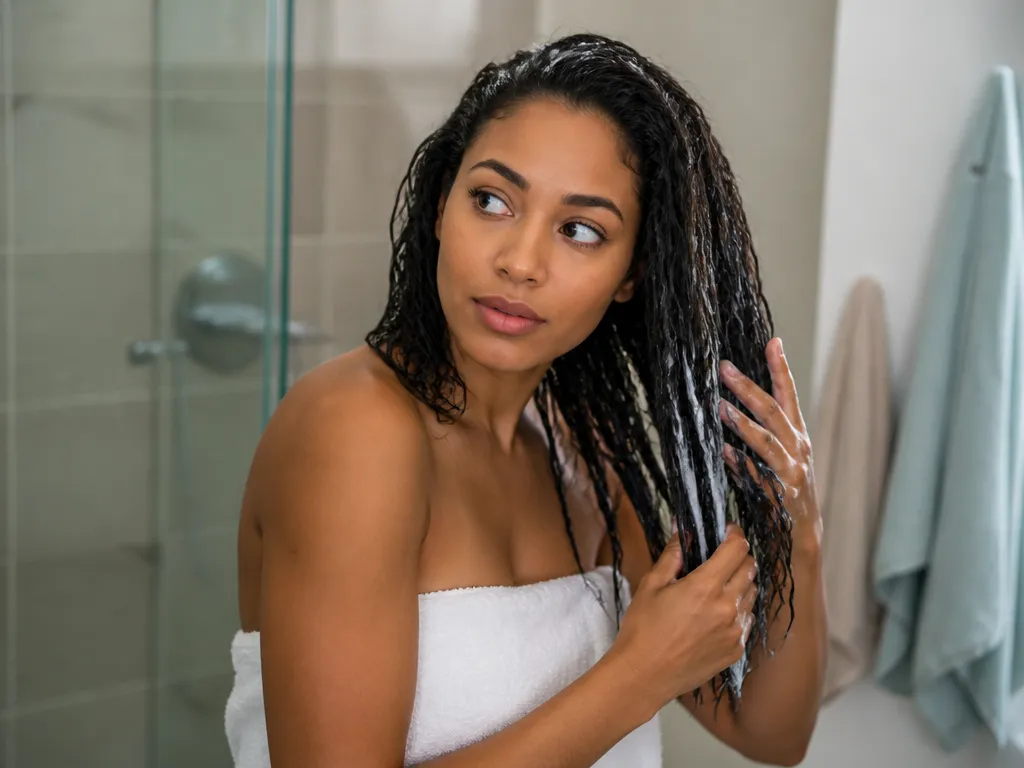
Applying conditioner directly to the scalp is the most common root-to-ends mistake. Your roots already get oil from your scalp, and most rinse-out conditioners are thick enough to coat the hair shaft, which can make hair feel slick at the next wash. This works best for oily to combination scalps when you keep conditioner an inch or two away from the root and focus on the last 2/3 of hair.
Over-conditioning and product buildup is the next problem, especially for people who wash every day or use multiple “condition” steps. When you layer a rich mask every wash, plus leave-in conditioner, plus styling creams, the ends can feel dry and rough even though they are coated. For normal to dry hair, scale back to conditioning on wash days only, and clarify occasionally if you notice limpness, stringy texture, or dull color (patch a small section first if you are sensitive).
Skipping conditioner on color-treated strands is also a common error, because dyed hair often gets drier and more tangled. Color-treated hair, especially curls and coily textures, tends to crave moisture and detangling, but it still does not want it at the roots. Look for ingredients like glycerin for hydration and cetearyl alcohol or behentrimonium chloride for slip, then apply from mid-length down.
Using too much product for fine hair is where “more” turns into “flat.” Fine, straight, or wavy hair should use a smaller amount and focus on the ends, then emulsify a pea-size to a dime-size portion depending on length.
In practice, you can condition every wash for mild dryness, but use less product and a shorter contact time to avoid buildup.
| Hair Type | Most Common Mistake | Fix |
|---|---|---|
| Oily to combination scalp | Conditioner on roots | Keep conditioner off the scalp, apply to mid-length and ends only |
| Fine hair | Too much conditioner | Use a smaller amount, rinse thoroughly, shorten time |
| Curly to coily, dry or heat-styled | Under-conditioning or skipping slip | Condition more consistently on lengths, detangle gently |
Patch test tip: If your conditioner includes fragranced oils or active-support ingredients (like certain bonding or scalp-soothing additives), test behind your ear or on a small hair strand first, especially if you have a history of scalp irritation.
Morning vs evening timing is mostly about scalp comfort and styling needs, not a special schedule. Evening conditioning often works better for curly and coily hair so you can detangle and air-dry without rushing, while morning routines can still work if you fully rinse and avoid re-wetting roots. For any hair type, do not combine very heavy conditioner with oil-based scalp products on the same wash day.
High-end Vs. Drugstore Options
High-end conditioners often use smaller molecular weights and higher concentrations of active ingredients for deeper penetration. Drugstore options typically rely on silicones to coat the hair shaft for immediate smoothness.
Budget Vs. Splurge Recommendations
Luxury brands often invest in patented bond-building technology or rare oils. These are worth the cost for hair that is bleached or heat-damaged.
For example, a high-end repair mask can rebuild internal structures that a basic conditioner cannot reach. These products often cost more because they use higher purity extracts.
Drugstore staples are effective for maintaining moisture in healthy hair. They provide the slip needed to detangle without breaking the hair.
For instance, a simple aloe-based conditioner works well for daily hydration on normal hair types. These are ideal for those who wash their hair every other day.
| Product Type | Price Range | Key Ingredient | Best For |
|---|---|---|---|
| Daily Drugstore | $5 – $12 | Behentrimonium Chloride | Normal/Daily use |
| Luxury Repair | $ |
Expert Tips For Better Results
Hair requires a 14-day window to stabilize when you change your conditioning frequency. This period allows the scalp to regulate sebum production and the hair cuticle to adjust to new moisture levels.
Fine-tuning Your Routine
The two-week adjustment rule prevents premature product switching. Hair often feels greasier or drier for a few days as the scalp recalibrates to a new schedule.
Professional tip: Apply conditioner only from the mid-shaft to the ends. Avoid the scalp to prevent premature oiliness and flat roots.
Leave-in conditioners act as a moisture bridge between full wash days. These products are ideal for fine hair that gets weighed down by heavy creams or coily hair that needs constant hydration.
Managing Buildup And Texture
Heavy conditioners containing silicones like dimethicone can create a film over the hair shaft. This buildup eventually blocks moisture from entering the hair and makes strands feel sticky or limp.
A clarifying shampoo removes this residue. Use a clarifying wash once every two to four weeks to reset the hair and ensure your conditioner can actually penetrate the cuticle.
| Technique | Best For | Frequency | Primary Goal |
|---|---|---|---|
| Standard Wash | Most hair types | Every wash | Balance and softness |
| Co-washing | Coily/Kinky (Type 4) | Every wash | Max moisture retention |
| Clarifying | All hair types | Every 2-4 weeks | Residue removal |
Co-washing involves using a conditioner instead of shampoo to cleanse the scalp. This method is best for extremely dry or kinky textures that cannot tolerate the stripping effects of sulfates.
For instance, a person with Type 4C hair might co-wash three times a week and only use a traditional shampoo once a month. This preserves the natural oils necessary for curl definition.
Budget options exist for all these needs. High-end: Pureology Hydrate ($30+). Drugstore: Maui Moisture ($7). Both options provide the necessary slip and hydration for dry hair.
Quick Summary
Determining your conditioning frequency depends on your specific hair texture and scalp oil production. Fine or oily hair types should aim to condition only 2 to 3 times per week to avoid looking flat or greasy. In contrast, thick, curly, or coily hair textures often require moisture during every single wash to prevent breakage and dryness. You should always apply conditioner from the mid-lengths to the ends of your hair to protect your roots from becoming weighed down by excess oil.
Maintaining a balance between moisture and protein is essential for healthy strands. If your hair feels stiff or crunchy, you likely have too much protein and should switch to a moisture-focused formula for 2 to 3 wash cycles. If your hair feels soft but stretches and breaks easily, you should add a protein mask once or twice per month. Use a clarifying shampoo every 2 weeks to remove buildup. The most important takeaway is to set a baseline and adjust based on how your hair feels.
| Hair Type | Recommended Frequency | Focus Area |
|---|---|---|
| Fine / Oily | 2 to 3 times per week | Ends only |
| Normal / Medium | Every wash (3 to 4 times weekly) | Mid-lengths to ends |
| Curly / Coily | Every wash | Length-focused moisture |
Beauty Routine Cheat Sheet
One Thing To Stop Doing Immediately
Stop applying conditioner directly to your scalp, as this leads to greasy roots and flat, weighed-down hair.
Expected Timeline For Results
Start with a consistent routine for 2 to 3 weeks to establish your baseline before making any major adjustments.
Frequently Asked Questions
Should I Condition My Hair Every Time I Shampoo?
Yes, you should generally condition every time you wash to replace moisture lost during cleansing. If you have very fine hair, you might only do this 2 to 3 times per week to avoid weighing it down.
What Is The Difference Between Regular Conditioner And A Deep Conditioner?
Regular conditioner works on the surface for daily detangling, while deep conditioners have smaller molecules that penetrate the hair shaft. You should limit deep treatments to once a week to prevent protein overload.
Can I Apply Conditioner To My Scalp?
You should avoid the scalp and apply product from the mid-lengths to the ends. Applying it to the roots can lead to greasy hair, so keep it 2 to 3 inches away from the scalp.
Is Expensive Conditioner Worth It Compared To Drugstore Brands?
High-end brands often have higher concentrations of active ingredients and fewer fillers. However, for basic hydration, drugstore options are often just as effective if they contain similar ingredients like glycerin.
Should I Use A Leave-in Conditioner After My Regular Conditioner?
Yes, a leave-in provides a continuous layer of protection that rinse-out conditioners cannot offer. Apply it to damp hair immediately after showering to lock in moisture and reduce frizz.

- 13 Best Natural Deep Conditioning Ingredients to Tame Frizzy Hair - September 29, 2026
- How to Make Deep Conditioner for Natural Hair: 8 Easy DIY Recipes - September 29, 2026
- Natural Homemade Deep Conditioner for Natural Hair: Easy DIY Recipes - September 29, 2026