How Often Can I Use A Hair Mask?
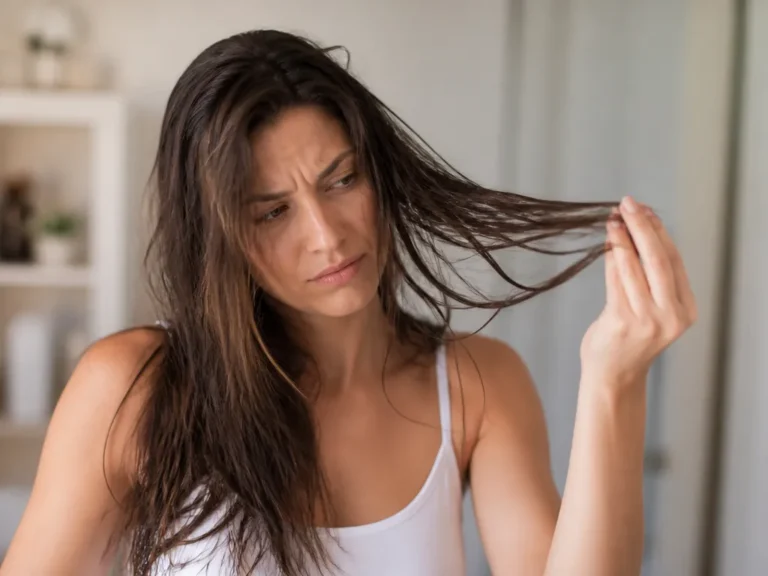
Using a hair mask too much can actually leave your strands feeling limp or greasy instead of healthy. Most people want to fix damage overnight, but overdoing it often backfires.
Hair mask frequency depends on your hair type, but a general rule is once per week for most people. Fine hair should limit use to once per month to avoid weighing it down, while highly porous or curly hair can benefit from two uses per week using argan oil or keratin.
Best for: Dry, curly, or color-treated hair. Use caution if: Very fine or oily hair.
How Often Can I Use A Hair Mask?
The ideal frequency for hair masks depends entirely on your hair type, current condition, and the specific formulation. Most hair types benefit from weekly treatments, while severely damaged hair may require more frequent applications.
Hair masks deliver concentrated nutrients that regular conditioners cannot provide. They penetrate the hair shaft to repair damage, restore moisture, and improve elasticity through ingredients like proteins, natural oils, and humectants.
Who Needs Intensive Treatment
Those with chemically treated, heat-damaged, or naturally coarse hair often require more frequent masking sessions. If your hair feels brittle, looks dull, or tangles easily, you likely need weekly treatments to restore strength and manageability.
Setting Realistic Hair Goals
Understanding your hair’s natural behavior helps set achievable expectations. Hair grows approximately half an inch per month, so significant improvements take consistent care rather than instant results.
“Consistency matters more than frequency. A well-formulated mask used properly every other week will outperform a poor-quality mask used weekly.”
Trichologist recommendation
| Hair Type | Recommended Frequency | Best Ingredients |
|---|---|---|
| Fine | Monthly | Light proteins, amino acids |
| Medium | Biweekly | Shea butter, argan oil |
| Coarse | Weekly | Moringa oil, coconut oil |
| Damaged | 2-3 times weekly | Keratin, panthenol |
Always pay attention to how your hair responds to treatments. If your hair feels limp or greasy after masking, reduce frequency. Conversely, if your hair still feels dry or brittle, you may need more intensive treatments or a different formulation.
Identify Your Hair Type
Hair porosity is the measure of your hair’s ability to absorb and retain moisture. This characteristic determines whether a mask will penetrate the shaft or simply sit on the surface.
To test your porosity, place a clean, product-free strand of hair in a glass of room-temperature water for five minutes. The position of the hair in the glass reveals your porosity level.
For example, if the hair sinks immediately, you have high porosity. If it floats on top, you have low porosity.
Porosity And Damage Levels
Low porosity hair has tightly closed cuticles that block moisture from entering. This often results in products feeling greasy or heavy because they cannot penetrate the shaft.
In practice, these hair types benefit from lightweight masks and warm towels to open the cuticle during treatment. Avoid heavy butters that can cause buildup on the surface.
High porosity hair has gaps or holes in the cuticle. This is often caused by bleach, permanent dyes, or excessive heat styling.
This hair type absorbs moisture quickly but loses it just as fast. It often feels dry or frizzy regardless of how many products you apply.
| Porosity Type | Primary Goal | Suggested Frequency | Key Ingredient |
|---|---|---|---|
| Low | Moisture Penetration | Every 2 weeks | Glycerin |
| High | Moisture Retention | Weekly | Hydrolyzed Protein |
Beauty Editor Tip: Always perform a patch test on a small section of hair behind your ear before applying a protein-heavy mask. Too much protein can make hair brittle and cause it to snap.
Chemical damage from relaxers or lighteners creates structural voids in the hair. This requires bond-building masks to repair the internal disulfide bonds.
Mechanical damage occurs from over-brushing or high-heat tools. This usually requires moisture-focused masks with oils or hyaluronic acid to smooth the exterior.
For those with an oily scalp (similar to oily skin), apply masks only from the mid-lengths to the ends. This prevents the scalp from becoming greasy and avoids weighing down the roots.
Budget options include raw coconut oil ($5) for basic moisture. High-end options include Olaplex No. 3 ($30) for structural repair.
Follow this application order for the best results: Shampoo → Hair Mask → Conditioner.
Key Ingredients For Hair Health
Effective hair masks contain specific ingredients that target different hair concerns. Proteins like keratin and amino acids strengthen the hair shaft by filling in gaps in the cuticle layer, while humectants such as glycerin and shea butter attract and retain moisture for improved elasticity.
| Item | Amount/Specification | Notes |
|---|---|---|
| Keratin | 1-5% concentration | Best for damaged or chemically treated hair |
| Amino Acids | 0.5-3% concentration | Smaller molecules penetrate deeper than proteins |
| Shea Butter | 3-10% concentration | Heavy moisture for thick, coarse hair types |
| Glycerin | 2-5% concentration | Light humectant for fine to medium hair |
| Ceramides | 0.1-1% concentration | Repairs damaged cuticle layer |
| Argan Oil | 1-3% concentration | Lightweight oil for shine and frizz control |
Proteins For Strength
Protein ingredients are essential for strengthening hair that has been weakened by heat styling, chemical treatments, or environmental damage. Keratin is the most well-known protein for hair strength, as it mimics the natural proteins found in human hair.
For extremely damaged hair, look for masks with hydrolyzed keratin, which has been broken down into smaller molecules for better penetration. Amino acids like arginine, lysine, and cysteine are smaller protein building blocks that can penetrate the hair shaft more effectively than larger protein molecules.
Moisture For Hydration
Hydrating ingredients address dryness, brittleness, and lack of elasticity in hair. Humectants like glycerin and honey attract moisture from the air into the hair shaft, while emollients like shea butter and coconut oil coat the hair to prevent moisture loss.
Fine hair benefits from lighter humectants like glycerin and aloe vera, which provide moisture without weighing hair down. Coarse, thick hair types can handle heavier ingredients like shea butter and avocado oil, which penetrate more deeply and provide longer-lasting moisture.
Repair For Damaged Cuticles
Repair ingredients focus on smoothing the hair cuticle to reduce friction, increase shine, and prevent further damage. Ceramides are lipids that naturally occur in the hair cuticle and help maintain its integrity when added back through hair treatments.
Oils like argan, jojoba, and marula oil can penetrate the hair shaft to provide internal moisture while also coating the outside of the hair to seal the cuticle. For color-treated hair, look for masks with UV filters to protect against sun damage that can fade color and weaken hair structure.
Master Your Masking Routine
Maximum absorption happens when hair is freshly shampooed and towel-dried. This removes surface debris and opens the cuticle to let nutrients penetrate the shaft.
Preparation And Application
A thorough shampoo is the essential first step. It clears away sebum and pollutants that block the mask from reaching the cortex.
Towel-drying is critical. Excess water creates a barrier that prevents the product from sticking to the hair.
For example, if you apply a mask to dripping wet hair, the product often slides off the shaft and goes down the drain.
A wide-tooth comb helps distribute the product evenly. This ensures every strand is coated without causing breakage.
For instance, people with curly or coily hair (Type 3 and 4) should use the “praying hands” method to smooth the mask into the hair cuticle.
| Product | Price | Key Ingredient | Best For |
|---|---|---|---|
| Briogeo Don’t Despair | $30 | Biotin | Damaged hair |
| Garnier Hair Food | $7 | Banana/Aloe | Dry hair |
Esthetician tip: Always patch test a new mask on a small section of hair behind the ear to check for protein overload or allergic reactions.
The Final Rinse
Cool water is the best choice for the final rinse. It helps close the cuticle and lock in the ingredients.
Cold temperatures flatten the hair shaft.
Common Masking Mistakes
Improper application of hair treatments often leads to greasy roots or brittle strands rather than improved texture. Most users fail to distinguish between moisture-based formulas and protein-heavy reparative treatments, which can cause significant damage if used incorrectly.
Misplacing Product And Overloading Protein
Applying heavy conditioners or masks directly to the scalp is a frequent error. Most hair masks are formulated for the mid-lengths and ends, where the hair is oldest and most porous. Putting these products on the scalp can clog follicles and make hair look limp or oily within hours.
Protein overload occurs when you use strengthening masks containing keratin, wheat protein, or soy protein too frequently. While these ingredients repair the hair shaft, too much protein makes the hair lose its elasticity. This results in hair that feels stiff, straw-like, and snaps easily under tension.
Professional tip: Alternate your treatments. Use a protein mask once every two weeks and a moisture-based mask (look for glycerin or panthenol) for your regular weekly routine.
For example, a person with fine, color-treated hair might notice their hair becoming crunchy if they use a “repairing” mask every time they wash. Switching to a hydrating mask every other week can restore the necessary balance.
Timing And Application Errors
Leaving a mask on for an extended period does not guarantee better results. Most formulas are designed to penetrate the cuticle within 5 to 20 minutes. Leaving a product on for hours or overnight can actually cause “hygral fatigue,” which is the weakening of the hair fiber due to constant swelling and shrinking from moisture absorption.
| Mistake Type | The Error | The Result |
|---|---|---|
| Scalp Application | Applying to roots | Greasy hair and clogged pores |
| Protein Overuse | Using repair masks daily | Stiff, brittle, and snapping hair |
| Excessive Time | Leaving on overnight | Weakened hair cuticle (hygral fatigue) |
In practice, you should follow the specific instructions on the packaging. If a label says 10 minutes, do not leave it on for 40. If you have highly porous, bleached hair, you may need slightly more time, but you should still avoid overnight soaking unless the product specifically states it is safe for that method.
Budget Vs High-end Options
Effective hair masks vary significantly in price point but can deliver similar results when chosen correctly for your hair type. Budget options often contain the same active ingredients as luxury versions but may lack certain delivery systems or fragrance quality.
Drugstore Staples
Drugstore hair masks typically range from $5 to $15 and can be used weekly for most hair types. Look for key ingredients like shea butter, coconut oil, and glycerin that provide hydration without breaking the bank.
Luxury Professional Treatments
Premium hair masks usually cost between $30 to $60 and contain higher concentrations of active ingredients or more advanced delivery systems. These can often be used less frequently, about every 1-2 weeks, due to their concentrated formulations.
| Product | Price | Key Ingredient | Best For |
|---|---|---|---|
| Kérastase Discipline Masque | $55 | Aminexil | Fine, frizzy hair |
| Christophe Robin Lavender Honey Mask | $48 | Hectar | Dry, damaged hair |
| Olaplex No. 5 Bond Maintenance Conditioner | $28 | Bond Building | Chemically treated hair |
Kitchen Diy Alternatives
DIY hair masks using pantry staples offer cost-effective solutions and can be used bi-weekly. These natural options work well for most hair types but require proper preparation and storage to avoid bacterial growth.
“Natural ingredients like avocado and honey provide excellent moisture, but they lack preservatives. Always prepare fresh and use within 24 hours for best results and safety.” – Trichologist advice
Common DIY options include coconut oil masks for protein treatment, avocado and banana mixtures for moisture, and apple cider vinegar rinses for clarifying. These alternatives are particularly suitable for those with sensitive skin or allergies to commercial product fragrances and preservatives.
Expert Tips For Better Results
Applying heat to the hair shaft opens the cuticle, which lets active ingredients penetrate the cortex more effectively. This technique increases the efficacy of deep conditioners and protein treatments.
Maximizing Absorption
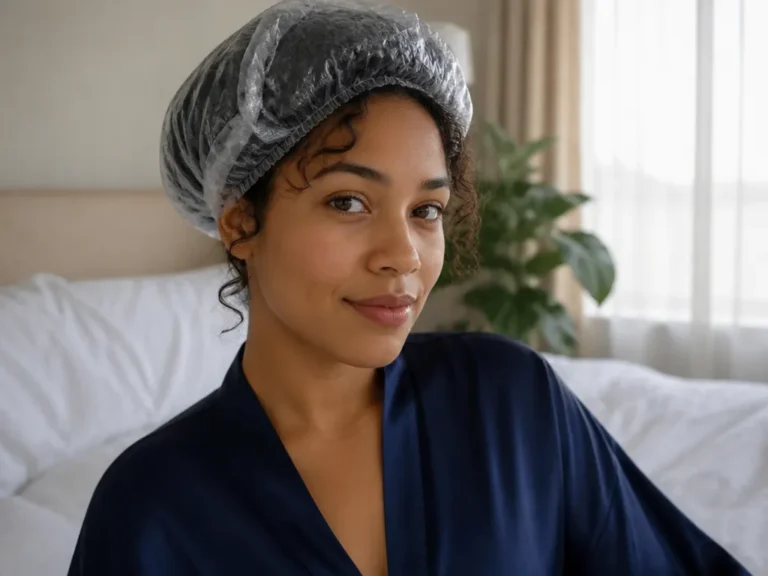
Gentle heat from a warm towel or a shower cap creates a greenhouse effect. This process helps shea butter and glycerin move deeper into the hair fiber.
For example, wrap your hair in a warm, damp towel for 15 minutes before rinsing. This works best for thick or low-porosity hair that usually resists moisture.
Scheduling And Environment
Coordinate your at-home care with professional salon visits to avoid product buildup. Professional glaze or keratin treatments create a seal that can block at-home masks for several days.
In practice, wait three days after a salon color or chemical treatment before using a protein-heavy mask. This ensures the professional formula sets without interference.
Weather changes also dictate which formulas you should choose. Cold, dry winter air strips moisture, while summer humidity creates frizz.
| Season | Recommended Ingredient | Hair Goal | Frequency |
|---|---|---|---|
| Winter | Coconut Oil / Shea Butter | Lipid Replacement | 1x Weekly |
| Summer | Aloe Vera / Hyaluronic Acid | Lightweight Hydration | 1x Weekly |
| Spring/Fall | Hydrolyzed Silk / Panthenol | Balance and Shine | Every 2 Weeks |
Pro tip: Always rinse your hair mask with cool water. This closes the cuticle and locks in the nutrients you just applied.
Quick Summary
Determining the correct frequency for hair masks depends largely on your specific hair texture and condition. While most people benefit from a weekly treatment, fine hair should limit use to once per month to prevent a limp or greasy appearance. Conversely, individuals with highly porous or curly hair may find relief using masks twice per week. Using ingredients like argan oil or keratin can help address specific needs, but overdoing it can lead to unwanted buildup instead of healthy strands.
Hair porosity plays a vital role in how your hair absorbs moisture, and the routine should match that characteristic. Because hair grows about half an inch per month, prioritize consistent care to see real improvements. Adjust the routine when your hair becomes limp, greasy, dry, or brittle.
| Hair Type | Recommended Frequency | Key Ingredients |
|---|---|---|
| Fine | Monthly | Light proteins, amino acids |
| Medium | Biweekly | Shea butter, argan oil |
| Coarse | Weekly | Moringa oil, coconut oil |
| Damaged | 2-3 times weekly | Keratin, panthenol |
Beauty Routine Cheat Sheet
One thing to STOP doing immediately
Expected timeline for results
Because hair grows at a rate of approximately half an inch per month, expect to see significant structural improvements through consistent long-term care rather than instant overnight fixes.
Frequently Asked Questions
How Often Can I Use A Hair Mask?
Generally, you should use a hair mask once a week to maintain moisture balance. If your hair is very dry or damaged, you can increase this frequency to twice a week for a few weeks.
How Long Should I Leave A Hair Mask On?
Follow the specific instructions on the bottle, but generally, you should leave it on for 15 to 20 minutes. Leaving it on longer does not always yield better results and can sometimes dry out your hair.
Can I Use A Hair Mask Every Day?
No, you should not use a hair mask every day as it can make your hair heavy or greasy. You can use a regular conditioner daily, but reserve the deep mask for once or twice a week.
Should I Use A Hair Mask Before Or After Shampoo?
You should apply a hair mask after shampooing on damp hair. It is important to towel dry your hair first so the mask can penetrate the cuticle rather than sitting on the surface of wet hair.
Is A Hair Mask Different From A Conditioner?
Yes, a hair mask is much more intense than a regular conditioner. Masks contain higher concentrations of oils and proteins designed to repair damage, whereas conditioners mainly smooth the cuticle.

- 13 Best Natural Deep Conditioning Ingredients to Tame Frizzy Hair - September 29, 2026
- How to Make Deep Conditioner for Natural Hair: 8 Easy DIY Recipes - September 29, 2026
- Natural Homemade Deep Conditioner for Natural Hair: Easy DIY Recipes - September 29, 2026