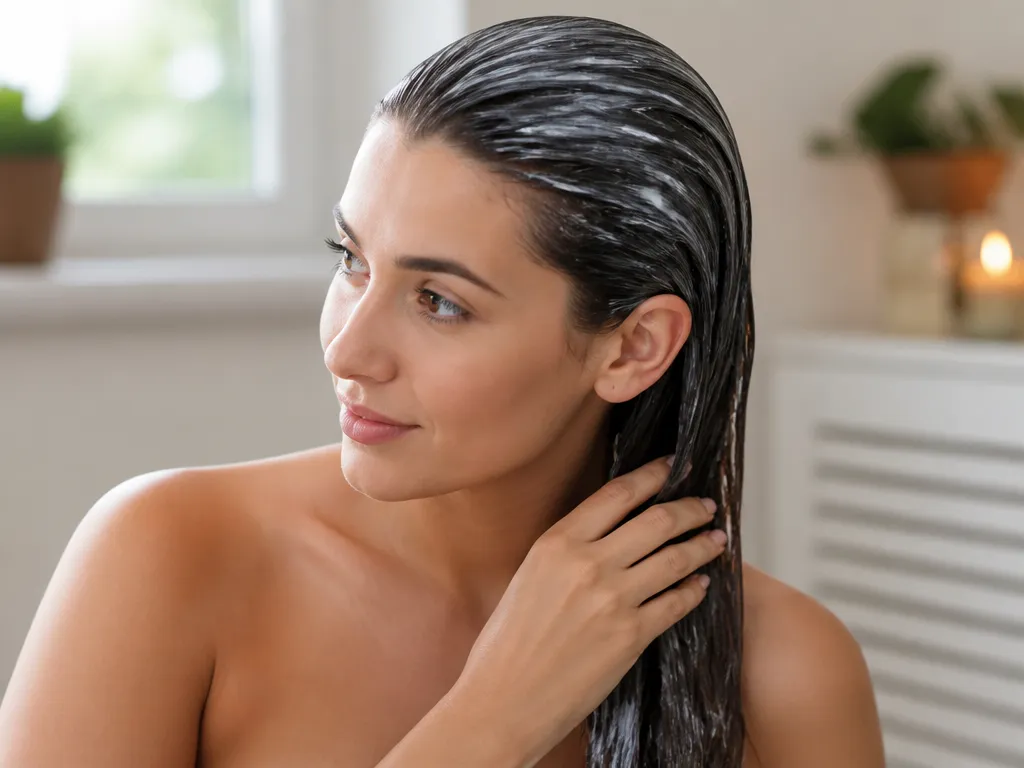
How Often Can You Use A Hair Mask?
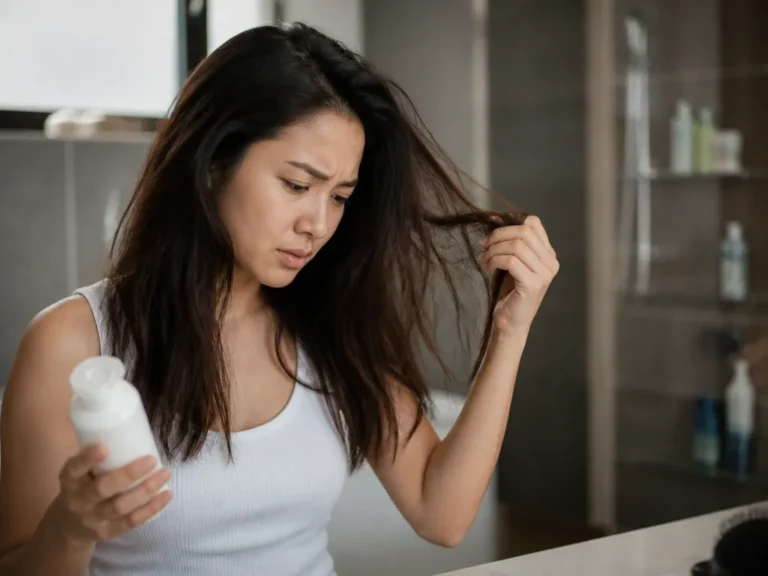
Struggling with hair that feels dry, frizzy, or limp right after washing? You‘re not alone. Hair masks can help, but the timing is everything, because overdoing them can leave strands coated and scalp feeling irritated. Next you’ll get simple frequency rules by hair type and mask style, plus what to do if you go too far.
Start with the basics: use a hydrating mask 1 to 2 times weekly, swap to a protein or strengthening mask only 1 time weekly, and skip clarifying masks more than every 2 to 4 weeks. Fine or oily hair may need a mask only every 10 to 14 days. Look for ceramides, glycerin, or amino acids for moisture and strength, and keep scalp applications light.
Best for: all hair textures that need moisture or repair (especially dry, color-treated, or heat-styled hair). Use caution if: you have itchy, sensitive scalps, very fine hair, or you‘re prone to buildup.
Hair masks are usually safe once a week, starting with every 10 to 14 days if your hair is fine or your scalp gets oily fast. Hydrating masks: 1 to 2 weekly, leave on 5 to 10 minutes. Protein masks: 1 weekly, leave on 3 to 7 minutes. Clarifying/deep-cleaning masks: every 2 to 4 weeks.
How Often Can You Use A Hair Mask?
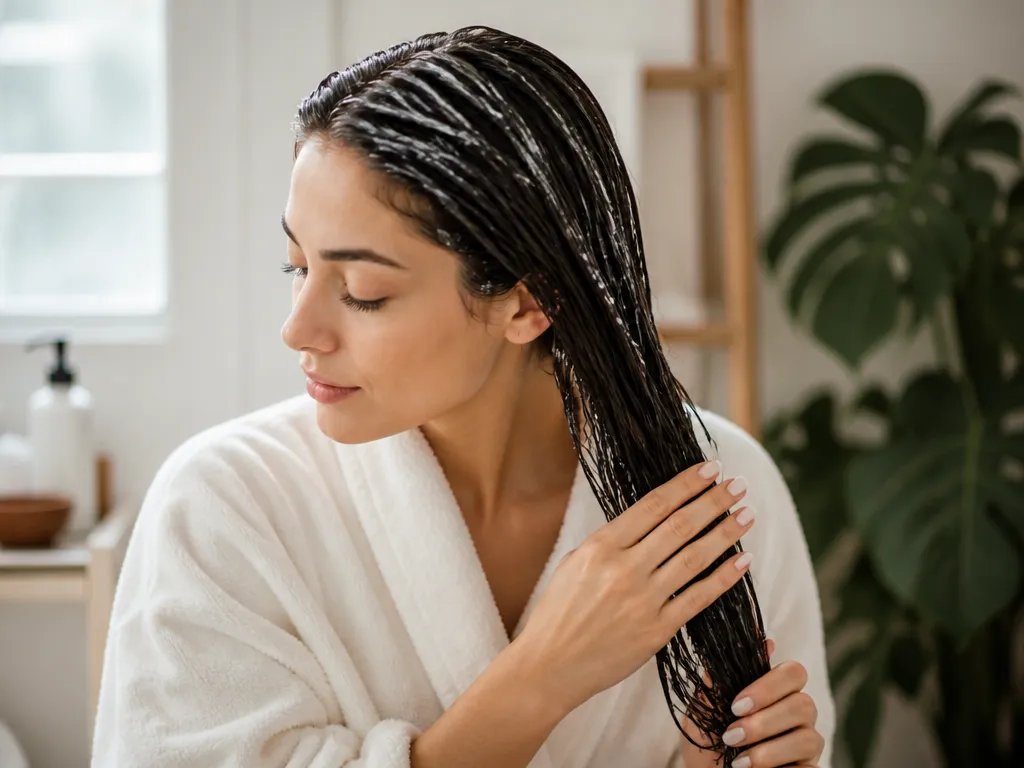
Most hair types benefit from a deep treatment once a week. Severely damaged or coily hair may require two sessions to maintain elasticity and moisture.
Deep treatments deliver higher concentrations of lipids and proteins than daily conditioners. Overuse can lead to hygral fatigue, which happens when the hair shaft swells and shrinks too often. This process weakens the cuticle over time.
High porosity hair needs more frequent care. This condition is common in bleached or heat-damaged hair because the cuticle stays open, allowing moisture to escape rapidly.
| Hair Condition | Recommended Frequency | Primary Goal |
|---|---|---|
| Fine or Oily | Every 10-14 days | Light Hydration |
| Curly or Coily | Once weekly | Moisture Retention |
| Bleached/Damaged | 1-2 times weekly | Structural Repair |
Setting Realistic Expectations
Masks improve manageability and increase surface shine. They cannot permanently fuse a split end back together, so regular trims are still necessary.
Consistent use helps prevent new breakage by reinforcing the hair shaft. Expect to see a noticeable difference in softness and detangling after 3-4 applications.
For strength, look for hydrolyzed keratin or amino acids. For intense moisture, choose shea butter or argan oil.
Budget options like SheaMoisture ($13) provide excellent moisture for curly hair. High-end options like Kérastase ($60) often have smaller molecules for deeper penetration in bleached hair.
Patch test any new mask on a small area of skin behind the ear first. This prevents allergic reactions to concentrated fragrances or proteins.
The correct application order is shampoo, then the mask, then a light conditioner to seal the cuticle. Apply the product from the mid-lengths to the ends to avoid greasy roots.
Identify Your Hair Type And Condition
Hair texture and scalp health dictate how much moisture and protein your strands can absorb before they become weighed down. Fine hair reaches saturation quickly, while coarse or curly hair requires more frequent deep conditioning to maintain elasticity.
| Texture | Primary Need | Frequency Goal |
|---|---|---|
| Fine/Thin | Volume and Light Hydration | Low (Avoid buildup) |
| Medium | Moisture Balance | Moderate |
| Thick/Coarse | Intense Lipid Replacement | High (Combat dryness) |
Scalp oil production determines where you apply the product. Oily scalps should only apply masks from the mid-lengths to the ends to avoid greasy roots.
Dry scalps can benefit from hydrating masks. Always check for scalp sensitivity first. Perform a patch test on the inner arm if the mask contains strong fragrances or acids.
Porosity And Damage Levels
Porosity is the ability of the hair to absorb and retain moisture. High porosity hair has open cuticles from bleach or heat damage. This means it absorbs product quickly but loses it just as fast.
Low porosity hair has a tightly closed cuticle. This makes it difficult for heavy masks to penetrate the shaft. Products often sit on the surface and create a waxy film.
Esthetician tip: Apply masks after shampooing but before conditioning. Shampoo opens the cuticle, allowing the mask to penetrate, and conditioner seals the cuticle shut.
High-end options like K18 ($75) target chemical bonds. Drugstore options like Garnier Fructis Hair Food ($7) provide basic hydration. Both work, but the active ingredients differ in the depth of repair.
Key Ingredients For Specific Results
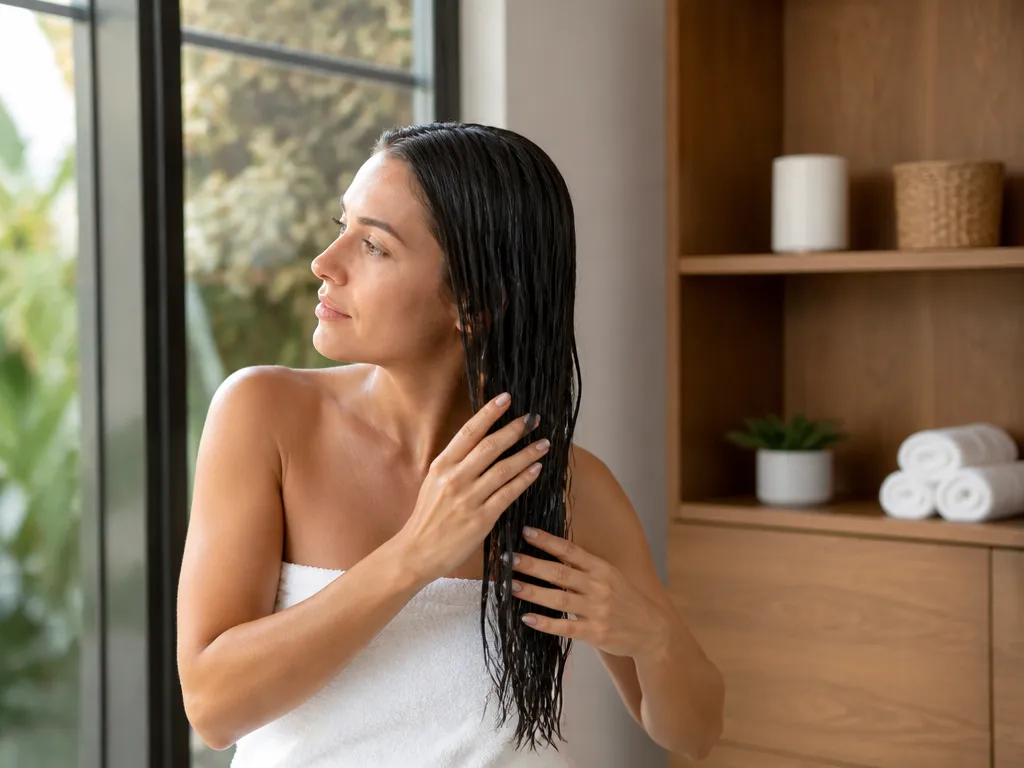
Hair masks rely on specific molecular weights and chemical structures to either penetrate the hair shaft or seal the cuticle. Choosing the right formula depends on whether you need to replenish lost moisture, rebuild structural integrity, or clear scalp buildup.
Hydrating masks use humectants like Hyaluronic Acid or Glycerin to pull water into the hair fiber. These ingredients are ideal for fine or color-treated hair that feels brittle but lacks weight. They provide a temporary plumpness to the hair strand without causing heavy buildup.
Strengthening formulas focus on rebuilding the hair’s internal architecture. Keratin and Hydrolyzed Proteins fill in microscopic gaps in the cuticle caused by heat styling or chemical processing. Overusing these can lead to protein overload, which makes hair feel stiff or straw-like.
Repairing lipids such as Ceramides and Argan Oil target the hair’s moisture barrier. These ingredients work by smoothing the cuticle and preventing moisture from escaping. They are best for thick, curly, or highly porous hair types that struggle with frizz.
| Ingredient Type | Key Examples | Primary Function |
|---|---|---|
| Humectants | Hyaluronic Acid, Glycerin, Aloe Vera | Adds lightweight moisture |
| Proteins | Keratin, Silk Amino Acids, Wheat Protein | Strengthens damaged structures |
| Lipids/Emollients | Ceramides, Shea Butter, Jojoba Oil | Seals cuticle and softens |
| Clarifiers | Salicylic Acid, Apple Cider Vinegar | Removes buildup and excess oil |
Professional tip: Always patch test new protein-heavy masks on a small section of hair first. If the hair becomes brittle or snaps easily, you are likely overusing protein and need to switch to a moisture-heavy formula.
Ingredient Selection Guide
Fine hair types should prioritize lightweight humectants to avoid a greasy finish.
For instance, a glycerin-based spray or light mask works better than heavy shea butter. Heavy oils can weigh down fine strands, making them look limp and oily by mid-day.
Coarse or curly hair textures require dense lipids to maintain definition. Ingredients like Shea Butter or Coconut Oil provide the necessary slip to manage tangles. These heavier molecules stay on the surface of thicker hair shafts to provide long-lasting softness.
Chemically treated hair needs a balance of both protein and moisture. Using only protein can make bleached hair snap, while using only moisture might leave it feeling mushy. Aim for a rotation of one strengthening mask and one hydrating mask each week.
Customized Hair Mask Routines
Hair care needs change based on your specific strand porosity, chemical history, and sebum production. A schedule that works for someone with bleached curls will likely weigh down someone with fine, oily hair.
Bleached or chemically treated hair requires frequent intervention to prevent breakage. You should use a protein-rich repair mask once a week and a hydrating mask once a week to balance strength and moisture.
| Hair Profile | Recommended Frequency | Primary Goal | Key Ingredients |
|---|---|---|---|
| Bleached / Damaged | 2 times weekly | Rebuild structure | Keratin, Amino Acids |
| Oily Scalp / Dry Ends | 1 time weekly | Targeted hydration | Argan oil, Squalane |
| Curly / Coily | 1 to 2 times weekly | Moisture retention | Shea butter, Coconut oil |
| Fine / Low Porosity | Once every 10 days | Lightweight moisture | Glycerin, Aloe vera |
Tailored Application Methods
Curly and coily textures often struggle with moisture loss due to the hair’s natural shape preventing sebum from traveling down the shaft. Applying a heavy, lipid-based mask from mid-lengths to ends once a week helps maintain elasticity and definition.
Fine hair with low porosity tends to suffer from product buildup if masks are used too often. These strands have tightly closed cuticles that resist moisture, so frequent heavy application leads to limp, greasy hair. Stick to lightweight, water-based formulas and avoid the scalp entirely.
Oily scalp and dry ends require a dual-approach strategy. Use a clarifying shampoo on the roots to manage oil, then apply a nourishing mask only from the ears down to prevent heavy buildup near the scalp.
Professional Tip: If your hair feels “mushy” or overly soft when wet, you are likely overusing protein masks. Switch to a moisture-only formula for two weeks to restore balance.
Common Masking Mistakes To Avoid
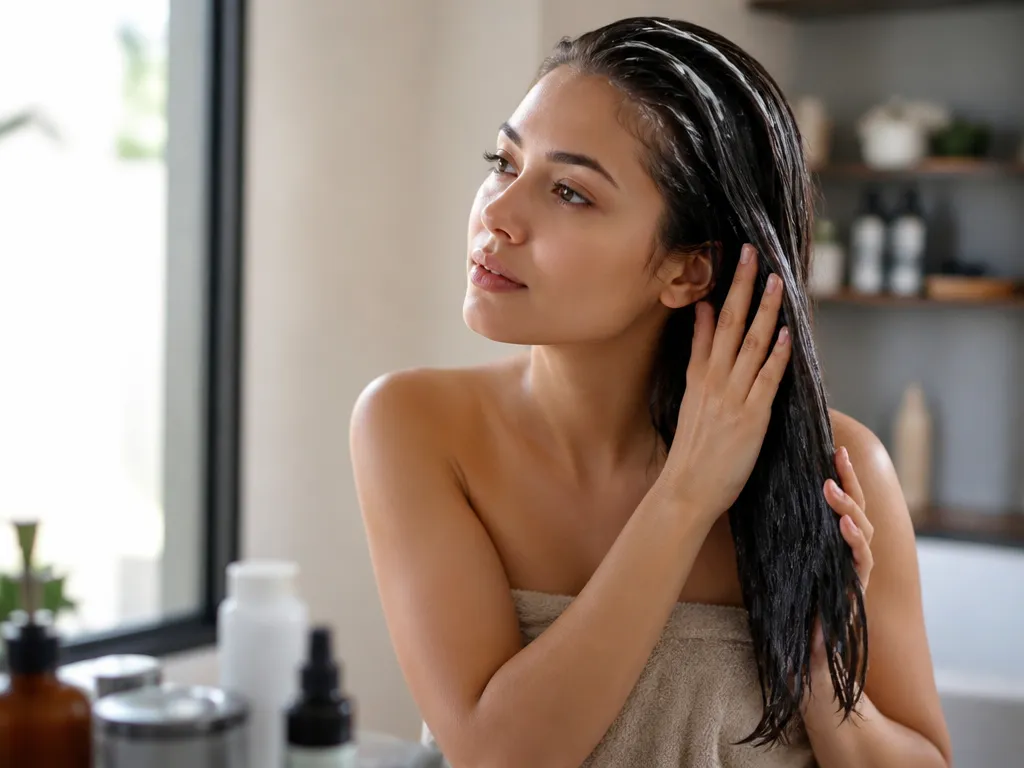
Applying deep conditioners to the scalp or overusing protein treatments leads to limp roots and brittle strands. These errors often counteract the benefits of the product by causing buildup or structural damage.
Scalp Application And Buildup
Applying heavy creams to the scalp clogs pores and weighs down the hair. Most masks contain heavy oils or silicones that are designed for the porous ends of the hair, not the skin. This mistake is especially problematic for those with oily scalps or fine hair.
For example, if you apply a shea butter mask to your roots, you will likely notice your hair looks greasy by the next morning.
Concentrate the product from the ears down to the ends. This ensures the dryest parts of the hair get the most nutrients without compromising volume.
Esthetician tip: Always patch test a new mask on a small section of hair behind your ear to check for allergic reactions to fragrance or preservatives.
Protein Overload And Timing
Protein-heavy masks containing hydrolyzed keratin or collagen should be used sparingly. Too much protein makes the hair shaft rigid and prone to snapping. This creates a straw-like texture that feels dry despite the treatment.
For instance, someone with healthy, non-bleached hair who uses a protein mask every wash may experience sudden breakage.
Leaving a mask on for hours or overnight does not increase the benefit. Most formulas peak in effectiveness after 20 minutes. Excess time can lead to hygral fatigue, where the hair cuticle expands and contracts too much, weakening the strand.
| Sign | Likely Cause | Solution |
|---|---|---|
| Brittle, snapping hair | Protein Overload | Switch to hydrating masks |
| Greasy, limp roots | Scalp Application | Apply from mid-shaft down |
| Dull, coated feel | Product Buildup | Use a clarifying shampoo |
Skipping a clarifying shampoo before masking prevents the ingredients from entering the hair shaft. Silicones from daily conditioners create a film that blocks moisture. A sulfate-free clarifying shampoo removes this barrier.
For a budget option, use Neutrogena Anti-Residue (approx. $8). For a high-end choice, use Ouai Detox Shampoo (approx. $32). Both remove the buildup that hinders mask absorption.
Follow this exact application order for the best results: Clarifying Shampoo → Hair Mask → Conditioner.
Drugstore Vs. High-end Options
High-end masks usually contain concentrated active ingredients and smaller molecular weights that penetrate the hair shaft, while drugstore options often use silicones to smooth the cuticle. The choice depends on whether you need structural repair or surface-level hydration.
Budget And Salon-grade Comparison
Drugstore masks focus on immediate softness and shine. Look for glycerin or shea butter for hydration. These work well for fine to medium hair that needs a quick moisture hit without a high price tag.
Salon-grade treatments focus on internal repair. They use hydrolyzed keratin or bond-building technology to fix broken disulfide bonds. This is the best choice for bleached or chemically treated hair.
| Category | Price Range | Key Ingredients | Best For |
|---|---|---|---|
| Drugstore | $5 – $15 | Silicones, Glycerin | Healthy hair, Hydration |
| Salon | $30 – $80 | Keratin, Bond-builders | Damaged, Bleached hair |
| DIY | $2 – $10 | Avocado oil, Honey | Budget moisture, Natural |
For instance, someone with virgin hair might find a $7 Garnier mask just as effective as a $60 luxury cream. The results are similar because the hair is already healthy.
In contrast, someone with platinum blonde hair needs the concentrated proteins found in premium brands to prevent breakage. Budget masks often lack the potency to repair severely damaged cuticles.
Diy Natural Alternatives
Natural alternatives like coconut oil or honey provide basic moisture. These lack the pH balance of professional products, so they can sometimes leave the cuticle open.
Use DIY masks sparingly. Overusing heavy oils can lead to buildup on the scalp, which may cause irritation or limp hair for those with oily skin types.
Esthetician tip: Always perform a patch test on your skin behind the ear before applying a new mask, especially if it contains fragrance or strong proteins.
Expert Tips For Better Results
Heat increases the hair cuticle’s permeability, which helps deep conditioners and protein treatments reach the inner cortex. This method speeds up absorption and improves the overall softness of the hair.
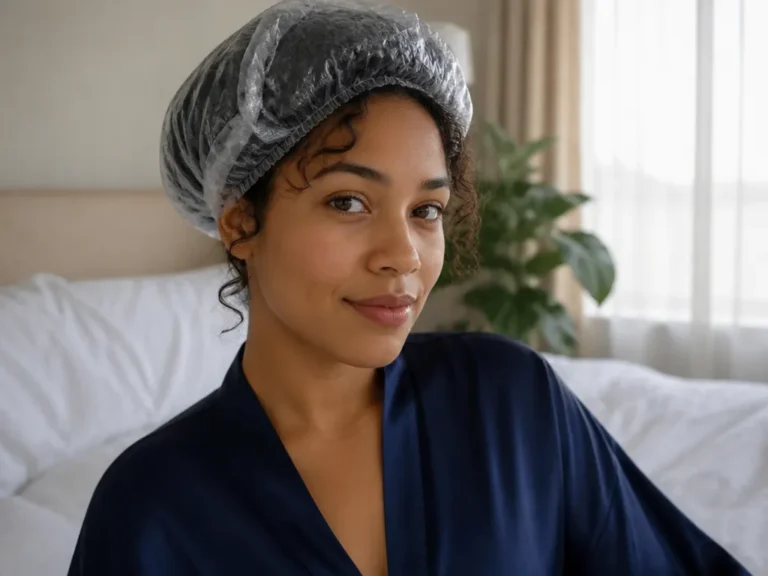
Warmth can be applied using a steamed towel or a plastic shower cap. The trapped heat from your scalp opens the hair shaft for better penetration of ingredients like shea butter or argan oil.
Application Technique
Proper application starts with towel-drying your hair after shampooing. Excess water acts as a barrier and prevents the mask from adhering to the hair strand.
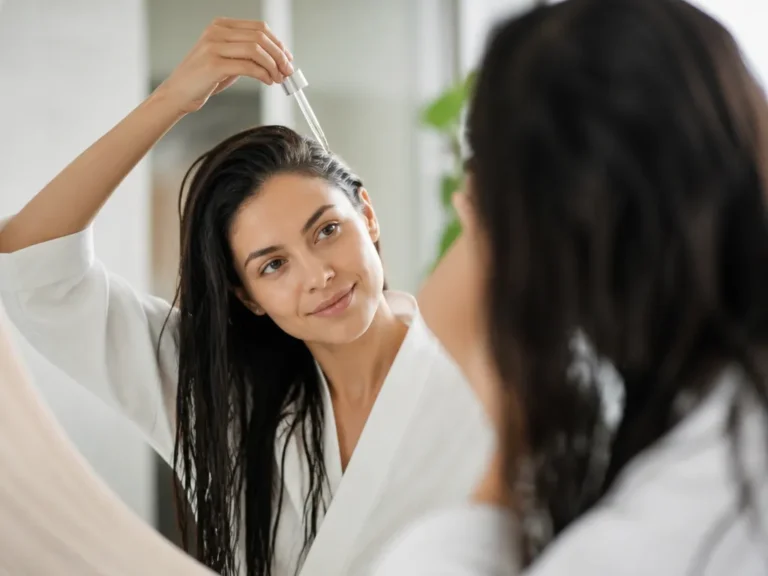
Focus the product on the mid-lengths and ends. Avoid the scalp unless the mask specifically targets the skin, as this prevents premature oiliness and limp roots.
Use a wide-tooth comb to distribute the product evenly. This ensures every strand is coated without causing breakage on wet, fragile hair.
Esthetician tip: Always perform a patch test on a small section of hair behind the ear before applying a high-protein mask to the entire head.
Spotting Overuse
Overuse creates a chemical imbalance in the hair. Too much moisture makes hair feel mushy or overly stretchy, while too much protein makes it brittle.
For example, someone with fine hair using a heavy butter-based mask daily will likely experience flat, greasy strands within a week.
| Mask Type | Key Ingredient | Overuse Sign | Best For |
|---|---|---|---|
| Hydrating | Glycerin | Limp/Mushy | Dry or Curly |
| Protein | Keratin | Stiff/Brittle | Bleached/Damaged |
| Clarifying | Salicylic Acid | Dry/Itchy | Oily Scalp |
Check for these red flags to determine if you need to scale back your routine. Expect to see a return to natural balance in 2 to 3 wash cycles after stopping the overuse.
Quick Summary
Effective hair mask usage depends heavily on your specific hair type and the formula used. Hydrating masks are best applied one to two times weekly for five to ten minutes, while protein masks should only be used once a week for three to seven minutes. Clarifying masks require more space between uses, appearing every two to four weeks. Using these treatments correctly helps manage dryness and frizz.
Hair porosity and damage levels also dictate your schedule. High porosity hair from bleaching or heat damage needs more frequent care, whereas fine hair might only need hydration every ten to fourteen days. Overusing treatments can lead to hygral fatigue, which occurs when the hair shaft swells and shrinks too often. Always apply masks after shampooing and before conditioning to properly seal the cuticle.
| Hair Condition | Recommended Frequency | Primary Goal |
|---|---|---|
| Fine or Oily | Every 10-14 days | Light Hydration |
| Curly or Coily | Once weekly | Moisture Retention |
| Bleached/Damaged | 1-2 times weekly | Structural Repair |
Beauty Routine Cheat Sheet
Expected timeline for results:
You should notice a visible difference in softness and ease of detangling after 3 to 4 applications.
Frequently Asked Questions
How Often Should I Use A Hair Mask For Best Results?
You should typically use a hair mask once a week to maintain moisture without weighing your strands down. If your hair is extremely damaged or bleached, you might increase this to twice a week, but monitor for buildup.
Can Using Hair Masks Too Often Cause Hair Damage?
Yes, overusing heavy masks can lead to hygral fatigue, which is when the hair cuticle swells and shrinks too often from moisture overload. This can actually make your hair feel limp, mushy, or less elastic over time.
What Is The Difference Between A Hair Mask And A Regular Conditioner?
A conditioner works on the surface to close the cuticle, while a mask has a higher concentration of active ingredients designed to penetrate deeper into the hair shaft. You should use a mask as a deep treatment every 7 to 10 days rather than every single wash.
Should I Apply Hair Masks To My Scalp Or Just The Ends?
You should focus the product from the mid-lengths to the ends of your hair to avoid greasy roots. Applying heavy masks directly to the scalp can clog pores or cause buildup, especially if you are prone to oily scalp or acne.
Is An Expensive Salon Hair Mask Better Than A Drugstore Version?
Expensive masks often have more sophisticated delivery systems and higher quality proteins, but drugstore options are great for basic hydration. If you are looking for specific repair for chemically processed hair, the investment in a professional brand is usually worth it.

- 13 Best Natural Deep Conditioning Ingredients to Tame Frizzy Hair - September 29, 2026
- How to Make Deep Conditioner for Natural Hair: 8 Easy DIY Recipes - September 29, 2026
- Natural Homemade Deep Conditioner for Natural Hair: Easy DIY Recipes - September 29, 2026