How Often Do You Deep Condition Your Hair?
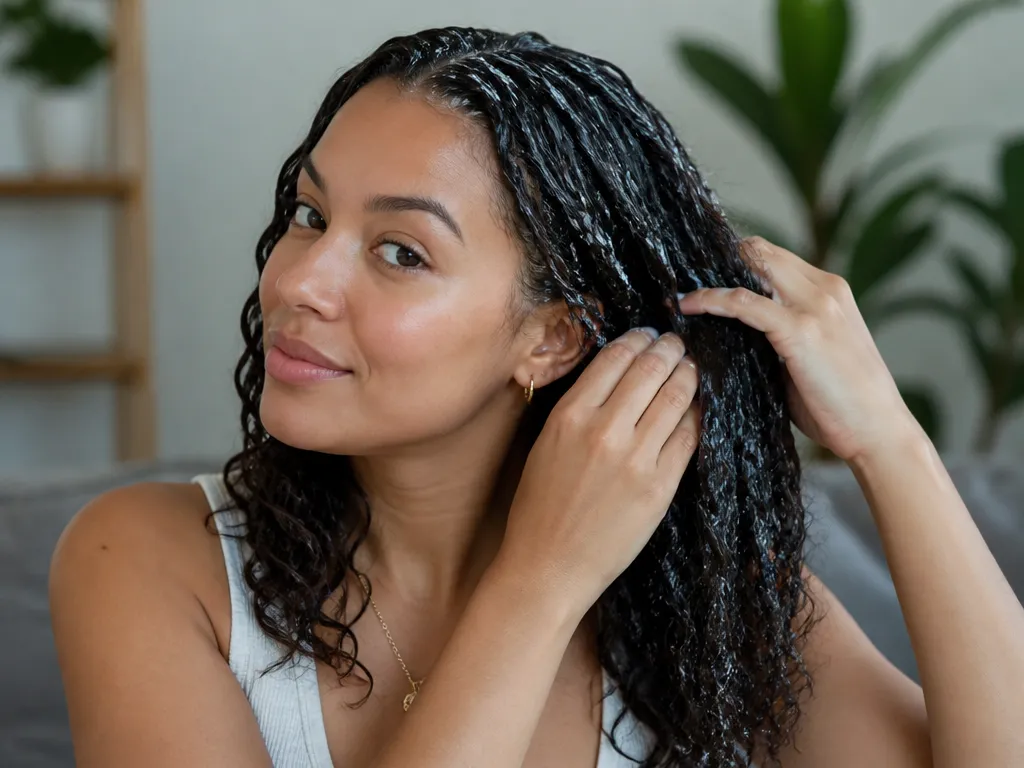
Your hair can quickly go from silky to straw-like if you miss a step in your wash day routine. Most people over-condition or under-condition because they follow generic advice instead of looking at their specific hair texture.
Deep conditioning frequency depends on your hair type, but most people should aim for once a week. Dry, curly, or color-treated hair often needs treatment every 7 days, while fine or oily hair may only require it every 2 to 4 weeks. Look for ingredients like shea butter or argan oil for moisture.
Best for: Dry, curly, or chemically treated hair. Use caution if: Very fine or oily hair types.
How Often Do You Deep Condition Your Hair?
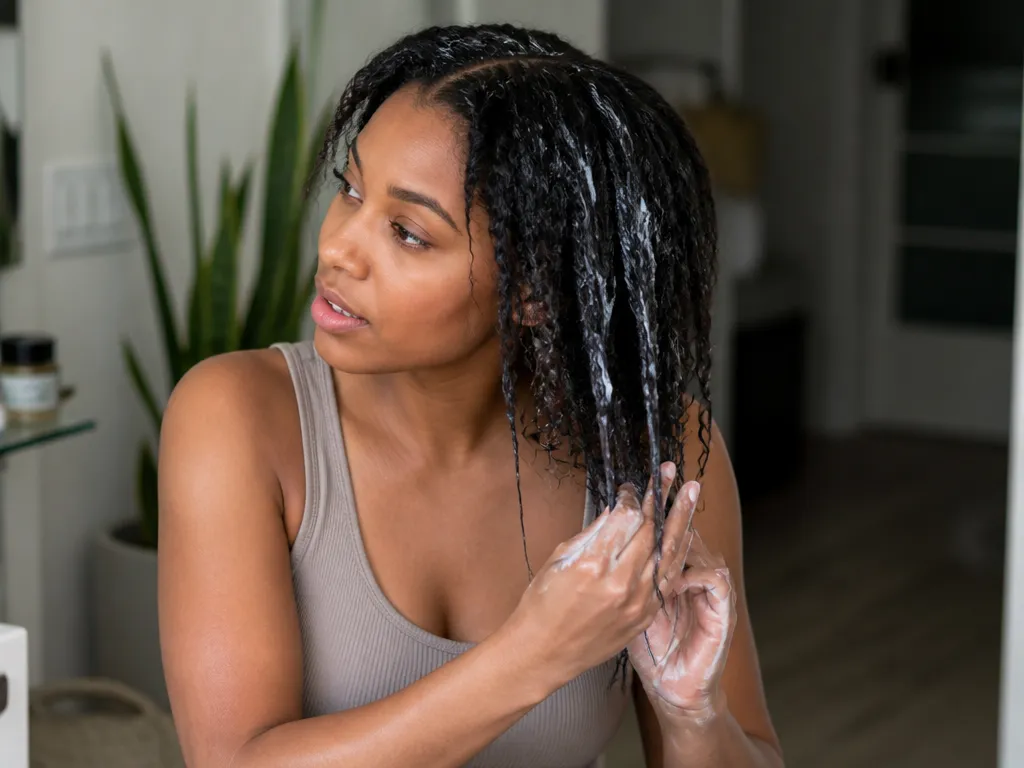
Most hair types benefit from deep conditioning once a week, though very damaged hair may require treatments two to three times weekly while healthy or fine hair might only need treatments every 2 to 4 weeks. The ideal frequency depends on your hair’s current condition and needs.
Understanding Deep Conditioning
Regular conditioning coats the hair’s outer layer with lightweight ingredients for temporary smoothness, while deep conditioning penetrates the hair shaft to deliver intense moisture and repair from within. Think of regular conditioner as a quick drink for your hair, while deep conditioning is a nutritious meal that provides lasting nourishment.
For example, someone with color-treated hair exposed to heat styling would benefit more frequent deep conditioning than someone with virgin hair that’s rarely styled. Environmental factors like sun exposure, chlorine, and pollution also impact how often your hair needs intensive treatment.
“Hair acts like a sponge – when it’s dry and damaged, it absorbs deep conditioning treatments more readily. Healthy hair still benefits, but may not need as much intensive care.” – Trichologist Dr. Elena Rodriguez
Why Hair Health Matters
Your hair’s current condition determines how frequently it needs deep conditioning. Damaged, dry, or chemically treated hair absorbs nutrients more readily and benefits from weekly treatments. Over-conditioning healthy hair can lead to limpness and buildup.
Signs your hair needs deep conditioning include excessive dryness, frizz, tangles, and dullness. Healthy hair typically appears shiny, smooth, and retains moisture between washes.
| Hair Condition | Recommended Frequency | Key Benefits |
|---|---|---|
| Healthy/Natural | Every 2-4 weeks | Maintains moisture balance, prevents future damage |
| Dry/Thirsty | Weekly | Restores hydration, improves elasticity |
| Chemically Treated | 1-2 times weekly | Repairs damage, maintains color vibrancy |
| Very Damaged | 2-3 times weekly | Emergency repair, prevents breakage |
Realistic Hair Repair Expectations
Deep conditioning cannot reverse split ends or completely heal structural damage – it can only improve hair’s appearance and manageability temporarily. Consistent care over time yields better results than occasional intensive treatments.
For instance, a single deep conditioning treatment won’t transform severely damaged hair, but weekly treatments over a month will show noticeable improvements in texture, shine, and strength. Remember that hair grows from the scalp, so scalp health also plays a crucial role in overall hair condition.
Match Frequency To Hair Type
Fine or oily hair usually needs a lighter deep conditioning schedule, typically every 2 to 4 weeks, because heavy masks can weigh strands down and make roots look greasy faster. Dry or curly hair often benefits from deeper hydration more often, usually every 1 to 2 weeks, since these hair types lose moisture more quickly.
Hair texture and scalp oil production are the real drivers of how often you should go in with a richer treatment. Use your “feel test” between sessions: if your ends feel rough, tangle faster, or look frizzy sooner than expected, increase frequency slightly.
In practice, you can fine-tune using two signals: how fast your hair tangles and how quickly your roots look oily.
For example, if your roots get flat within 2 to 3 days of using a mask, reduce frequency or switch to a lighter “repair conditioner” instead of a heavy deep treatment.
| Hair Type | Deep Conditioning Frequency | Where to Apply | Typical Contact Time |
|---|---|---|---|
| Fine / oily | Every 2 to 4 weeks | Mid-lengths to ends only | 5 to 10 minutes |
| Dry / curly | Every 1 to 2 weeks | From mid-lengths to ends | 15 to 20 minutes |
| Color-treated / chemically processed | Every 1 to 2 weeks, then adjust | Ends first, mid-lengths as needed | 10 to 20 minutes |
Hairdresser tip: If you use heat (blow-dry, flat iron), bump frequency by about 1 week for the next cycle. If your scalp is sensitive or you notice itchiness, keep the mask off the scalp and rinse longer.
Patch-testing isn’t just for skin; it matters for hair too, especially if you have an allergy history. Apply a small amount behind the ear on your scalp skin before trying a new mask formula, and stop if you get burning or persistent irritation.
Powerful Ingredients For Hair Repair
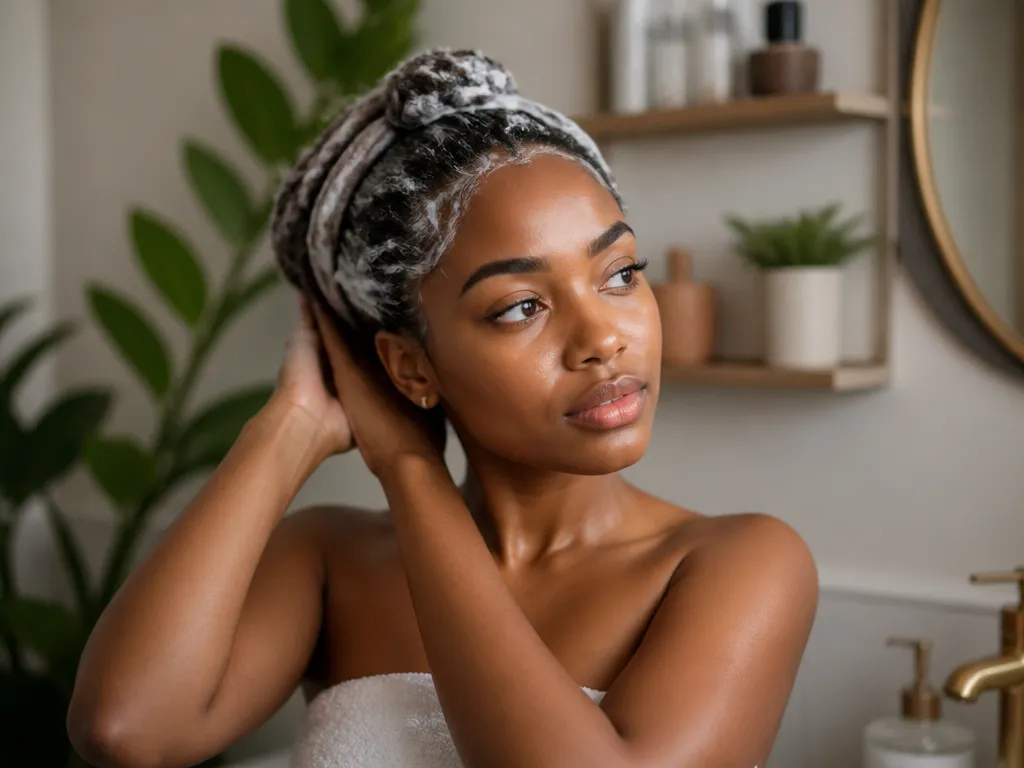
Humectants, proteins, and lipids are the primary actives that repair hair structure. These ingredients work by attracting water, filling cuticle gaps, and sealing the hair shaft to prevent moisture loss.
Moisture-binding Humectants
Glycerin and hyaluronic acid are the most common humectants. These ingredients pull water from the air into the hair shaft. This process is essential for low-porosity hair that struggles to absorb moisture on its own.
For instance, a glycerin-based mask helps dry hair retain water during humid weather. Budget options like Mielle Organics often use these ingredients to provide hydration without a high price tag. High-end options like Briogeo use similar humectants in their luxury formulas.
Strengthening Proteins
Hydrolyzed keratin and wheat protein bond to the hair to fill holes in the cuticle. This is a requirement for hair damaged by bleach or high heat. The term “hydrolyzed” means the protein is broken down into smaller molecules.
Effective Deep Conditioning Routine
Maximum absorption requires hair to be clean and slightly damp before application. Removing buildup with a clarifying shampoo ensures that heavy lipids and proteins can actually penetrate the hair shaft rather than sitting on top of product residue.
Pre-treatment And Application
Preparation begins with a thorough cleanse to open the cuticle slightly. Use a sulfate-free shampoo for most hair types, but switch to a clarifying formula if you use heavy styling products or oils regularly.
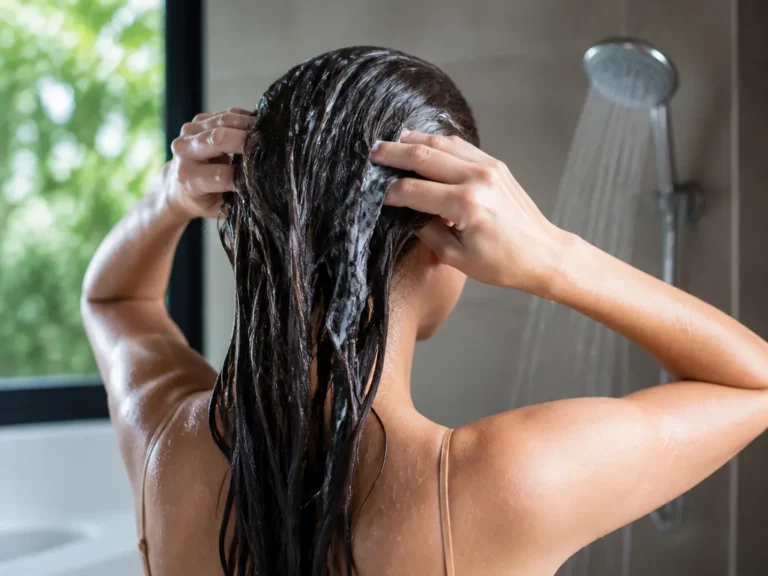
Application should focus on the mid-lengths to the ends, as these are the oldest and driest parts of the hair. Avoid the scalp to prevent weighed-down roots or oily buildup, which is especially important for those with fine or oily hair types.
Professional tip: Use a microfiber towel to remove excess moisture before applying your mask. If the hair is dripping wet, the product will slide off instead of soaking in.
Heat Activation And Rinsing
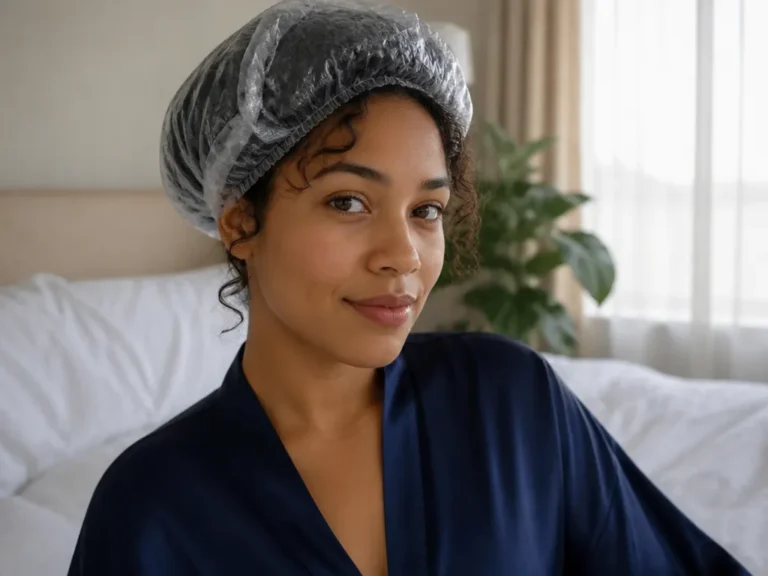
Heat helps lift the hair cuticle, allowing deeper penetration of conditioning agents. You can use a handheld steamer, a heated cap, or simply wrap your hair in a warm, damp towel for 15 to 20 minutes.
Rinsing determines the final texture and shine of your hair. Always finish with a cool water rinse to help seal the cuticle shut, which locks in moisture and smooths the hair surface for a reflective finish.
| Step | Action | Goal |
|---|---|---|
| 1. Cleanse | Clarifying or gentle shampoo | Remove buildup and prep cuticle |
| 2. Apply | Mid-lengths to ends only | Target dry areas without weighing down roots |
| 3. Activate | Warm towel or heated cap | Open cuticle for ingredient penetration |
| 4. Rinse | Cool water rinse | Seal cuticle for shine and moisture retention |
For instance, if you have high-porosity hair, you might benefit from a protein-rich mask once a week. For low-porosity hair, focus on moisture-heavy ingredients like glycerin or aloe vera to avoid stiffness.
Mistakes That Cause Hair Damage
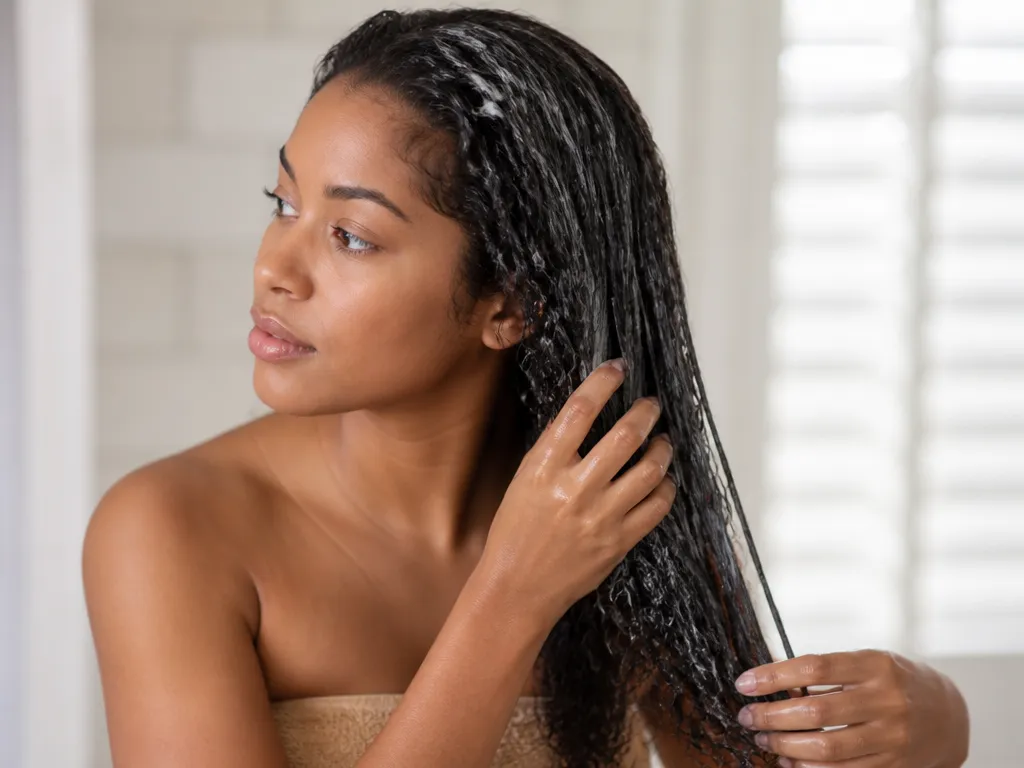
Over-conditioning leads to hygral fatigue, which happens when the hair shaft swells and contracts too often from moisture. This process weakens the cuticle and makes strands prone to snapping.
Protein And Moisture Balance
Protein overload occurs when you use keratin or hydrolyzed wheat protein masks too frequently. This creates a hard shell around the hair that lacks flexibility.
For instance, someone with fine hair may use a protein treatment daily and find their hair feels like straw. This brittle texture indicates a need for a moisture-heavy mask instead.
| Symptom | Likely Cause | Recommended Fix |
|---|---|---|
| Mushy, stretchy hair | Moisture Overload | Protein Mask |
| Brittle, snapping hair | Protein Overload | Hydrating Mask |
Application And Rinsing Errors
Applying masks to hair that has not been shampooed prevents ingredients from penetrating the shaft. Sebum and styling products create a barrier that renders the treatment useless.
Esthetician tip: Always rinse your mask with cool water to seal the cuticle and lock in the treatment.
Skipping a thorough rinse leaves residue that weighs down the hair and can clog scalp pores. This often results in a greasy look even after a wash.
For budget options, try SheaMoisture Manuka Honey & Hemp ($13) for hydration.
Drugstore Vs High-end Options
Drugstore masks often prioritize immediate smoothness using silicones, while professional products focus on structural repair with concentrated proteins. The primary difference is the molecular weight of the ingredients, which determines if the product sits on the surface or penetrates the hair shaft.
Budget And Luxury Choices
Affordable options are great for maintaining moisture in healthy hair. They use ingredients like glycerin and dimethicone to seal the cuticle. These work well for fine hair that weighs down easily.
For instance, a Garnier Fructis mask provides a quick shine for under $10. In contrast, a Kérastase mask uses amino acids to rebuild damaged bonds, though it costs significantly more.
High-end products usually have a higher concentration of active ingredients. This means you use less product per application. Expect to see results in 4-6 weeks of consistent use for structural repair.
| Category | Price Range | Key Ingredient | Best For |
|---|---|---|---|
| Drugstore | $5 – $15 | Silicones | Surface Shine |
| High-End | $30 – $70 | Hydrolyzed Protein | Chemical Damage |
| DIY | $2 – $5 | Natural Fats | Dry Scalps |
Natural Diy Alternatives
Kitchen staples can provide temporary hydration for dry hair types. Raw honey is a humectant that pulls moisture from the air into the hair. Avocado oil provides fatty acids that soften coarse textures.
For example, mixing mashed avocado with olive oil creates a rich mask for curly or thick hair. This combination helps with elasticity and reduces frizz in high humidity.
Pro tip: Always perform a patch test on a small section of hair before applying a DIY mask to your entire head. Some natural ingredients can cause allergic reactions or leave a residue that is hard to wash out.
Expert Tips For Better Results
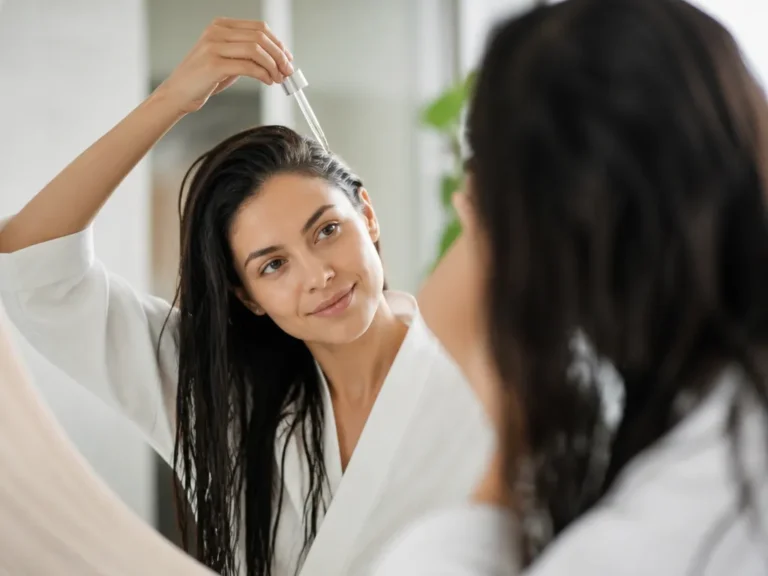
Scalp health dictates the quality of the hair produced by the follicle. A congested or inflamed scalp can lead to brittle strands and slow growth, so treat your scalp with the same intention you treat your face. Exfoliating the scalp once a week can remove product buildup that prevents natural oils from distributing effectively.
Professional tip: Always rinse your deep conditioner with cool water to help seal the cuticle and lock in the moisture you just added.
Optimizing Product Performance
pH balance is the scientific foundation of smooth, shiny hair. Hair is naturally acidic, and using highly alkaline products can cause the cuticle to lift, leading to frizz and tangles. Look for conditioners labeled with a low pH to maintain a smooth surface.
For instance, if you use a clarifying shampoo, your hair’s pH will temporarily spike. You must follow this with a pH-balanced treatment to return the hair to its optimal state. This prevents the structural damage often seen in color-treated or chemically processed hair.
Ingredient selection should depend on your specific hair porosity. Low porosity hair often struggles to absorb moisture, while high porosity hair loses it almost immediately.
| Hair Type | Key Ingredient Focus | Application Strategy |
|---|---|---|
| Low Porosity | Humectants (Glycerin, Honey) | Use heat to open the cuticle. |
| High Porosity | Proteins & Lipids (Keratin, Shea Butter) | Use cool water to seal the cuticle. |
| Color-Treated | Amino Acids & Antioxidants | Avoid high heat during processing. |
Expect to see a noticeable difference in texture and manageability after 4 to 6 weeks of consistent, targeted treatments.
Quick Summary
Use the table below to match your hair type and condition with an appropriate deep conditioning schedule. Focus on the mid-lengths and ends, and adjust the frequency when your hair feels weighed down or remains dry between treatments.
| Hair Type | Recommended Frequency | Key Focus |
|---|---|---|
| Fine or Oily | Every 2 to 4 weeks | Avoid scalp buildup |
| Dry or Curly | Every 1 to 2 weeks | Manage frizz and hydration |
| Chemically Treated | 1 to 2 times weekly | Repair damage and color |
| Very Damaged | 2 to 3 times weekly | Emergency repair |
Beauty Routine Cheat Sheet
Top 3 Ingredients to Prioritize: Shea butter, argan oil, and jojoba oil.
One thing to STOP doing immediately: Applying heavy conditioning products directly to your scalp, which causes buildup and greasiness.
Expected timeline for results: While a single treatment improves manageability, consistent weekly care over one month is needed to see noticeable improvements in texture, shine, and strength.
Frequently Asked Questions
How Often Should I Deep Condition My Hair?
Use the hair-type ranges in the summary table, adjusting based on dryness, damage, buildup, and how your hair feels between treatments.
How Long Does It Take For Deep Conditioner To Work?
The 5-20 minute processing time is sufficient for most deep conditioners to penetrate the hair shaft effectively. For maximum results, you can leave the conditioner on for up to 30 minutes with heat from a shower cap or hooded dryer, which helps the ingredients absorb more deeply.
Can You Deep Condition Your Hair Too Often?
Yes, over-deep conditioning can lead to protein overload and make your hair feel mushy or brittle. Follow the recommended frequency for your hair type and condition to avoid buildup and unwanted texture changes.
Is There A Difference Between Regular Conditioner And Deep Conditioner?
Yes, deep conditioners contain higher concentrations of hydrating ingredients and penetrate more deeply into the hair shaft than regular conditioners. Regular conditioners are designed to coat the outer layer of hair for immediate detangling and smoothing, while deep conditioners work to repair damage from within.
Should I Deep Condition Before Or After Shampooing?
Deep conditioning should typically be done after shampooing when your hair is clean and cuticles are open, allowing better product absorption. Apply the deep conditioner to damp hair, focusing on mid-lengths and ends, then rinse thoroughly for best results.

- 13 Best Natural Deep Conditioning Ingredients to Tame Frizzy Hair - September 29, 2026
- How to Make Deep Conditioner for Natural Hair: 8 Easy DIY Recipes - September 29, 2026
- Natural Homemade Deep Conditioner for Natural Hair: Easy DIY Recipes - September 29, 2026