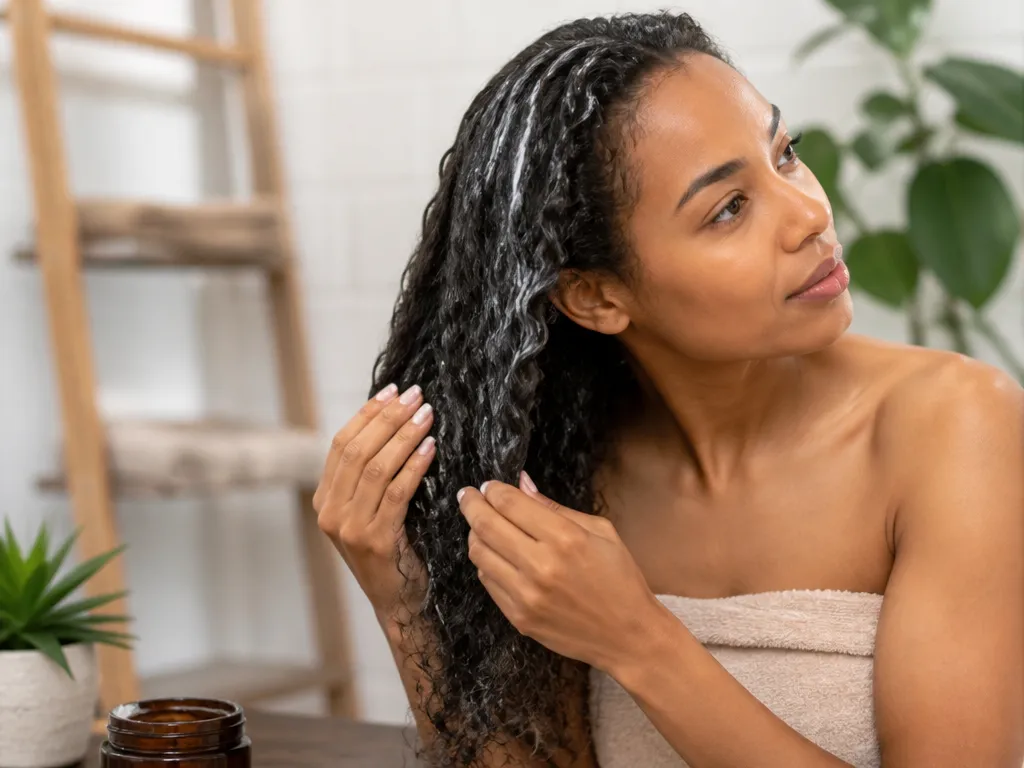
How Often Should I Deep Condition My Hair?
Most people treat deep conditioning like a monthly luxury, but using it too little leaves your strands brittle while using it too much causes heavy buildup. You need a schedule that matches your specific hair texture and damage level. The right frequency helps you stop guessing and start seeing real shine.
Deep conditioning frequency depends on your hair health and texture. Healthy, low-porosity hair typically needs treatment every 2 to 4 weeks. High-porosity, color-treated, or chemically damaged hair may require intensive moisture 1 to 2 times per week. Always adjust based on whether your hair feels limp or dry.
Best for: Dry, curly, or chemically treated hair. Use caution if: You have fine hair or an oily scalp.
How Often Should I Deep Condition My Hair? (Frequency Guide)
| Hair Texture | Recommended Frequency | Primary Goal |
|---|---|---|
| Straight/Fine | Every 2 to 4 weeks | Lightweight hydration |
| Wavy/Medium | Every 1 to 2 weeks | Frizz control |
| Curly/Coarse | Once a week | Moisture retention |
| Coily/Kinky | Weekly or twice weekly | Intense hydration |
High porosity hair absorbs moisture quickly but loses it just as fast. This hair type benefits most from frequent treatments to fill gaps in the cuticle.
Chemically treated or bleached hair also requires more frequent care. Frequent use of flat irons or curling wands strips the hair of natural oils.
Moisture Vs. Repair
Moisture treatments focus on hydration using ingredients like glycerin or aloe vera. These products make hair feel soft and flexible.
Repair treatments use proteins like hydrolyzed keratin or amino acids to strengthen the hair shaft. These are essential for hair that feels mushy or overly stretchy after bleaching.
For instance, using a protein treatment too often can lead to protein overload. This makes hair feel brittle and can cause it to snap.
Esthetician tip: Always perform a patch test on a small section of hair before applying a new deep conditioner to your entire head to check for adverse reactions.
High-end options like Briogeo Don’t Despair, Repair! cost around $28. Drugstore alternatives like SheaMoisture Raw Shea Butter Masque cost around $13 and offer similar hydrating benefits.
Identify Your Hair Type And Porosity
Hair porosity is the measure of how your hair cuticle absorbs and retains moisture. This physical characteristic determines if a deep conditioner penetrates the shaft or simply sits on the surface.
The Porosity Float Test
A simple water test helps you categorize your hair without professional equipment. You must use hair that is free of leave-in products or oils for an accurate result.
| Porosity Type | Float Test Result | Moisture Behavior | Frequency Need |
|---|---|---|---|
| Low | Floats on top | Resists moisture; dries slowly | Every 2 weeks |
| Medium | Sinks slowly | Absorbs and holds well | Weekly |
| High | Sinks quickly | Absorbs fast; loses it fast | 1-2 times weekly |
Assessing Damage And Texture
Chemical treatments like bleach, perms, or relaxers force the cuticle open. This creates artificial high porosity regardless of your natural hair type.
For instance, if you bleach your hair to a platinum blonde, you will likely see the hair sink immediately in the float test. This damage means you need protein-rich conditioners to fill the gaps in the hair shaft.
Scalp skin type also influences your schedule. Those with an oily scalp may find that deep conditioning too often leads to buildup and flatness at the roots.
Pro tip: Use a handheld steamer or a warm towel for low porosity hair. Heat opens the cuticle to allow the conditioner to enter the shaft.
Low porosity hair often benefits from glycerin or lightweight oils. High porosity hair needs heavier sealants like shea butter or heavier oils.
Best Ingredients For Deep Hydration
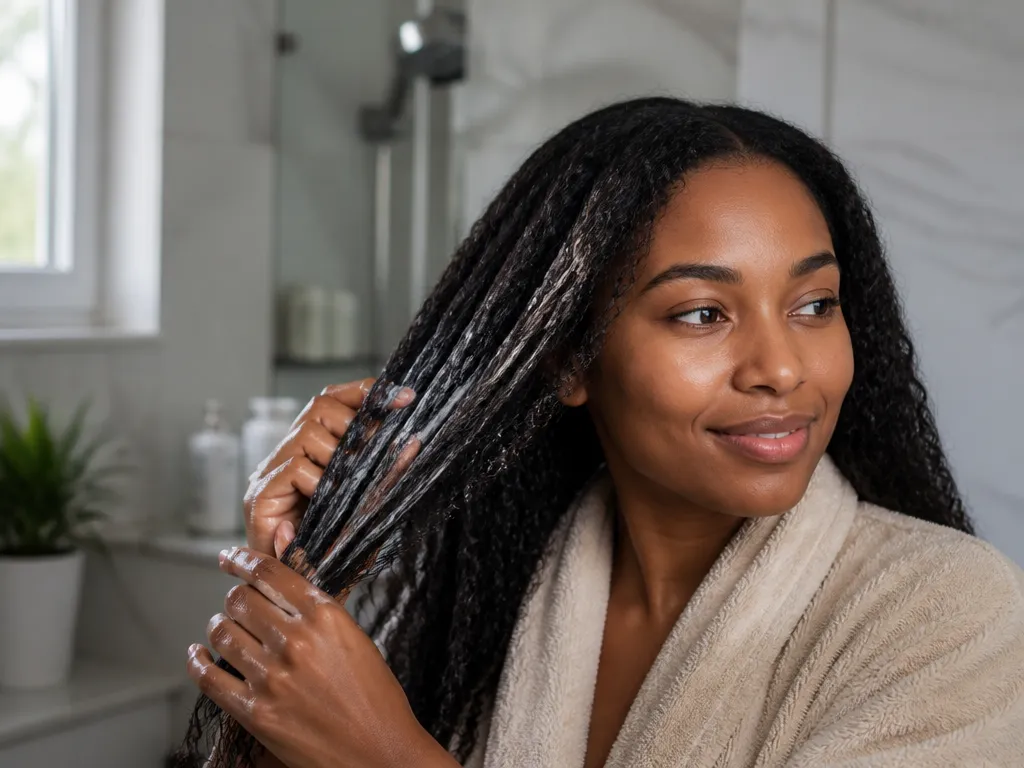
Humectants draw moisture from the air into your hair shaft, making them essential for dry, thirsty strands. Glycerin and aloe vera are powerful humectants that can penetrate the hair cuticle to provide deep hydration from within.
Humectants For Intense Moisture
Humectants work by attracting and binding water molecules to your hair. These ingredients are particularly beneficial for low porosity hair that struggles to retain moisture or for dry climates where hair loses hydration quickly.
| Item | Amount/Specification | Notes |
|---|---|---|
| Glycerin | 3-5% | Best for normal to low porosity hair. Avoid in high humidity as it can attract too much moisture |
| Aloe Vera | 10-20% | Contains vitamins and minerals that nourish while hydrating. Good for all hair types |
| Honey | 1-2 tsp per treatment | Natural humectant with antibacterial properties. Great for itchy scalps |
| Hydrolyzed Wheat Protein | 2-4% | Provides moisture while strengthening hair. Excellent for damaged hair |
Emollients For Softness
Emollients coat the hair shaft to smooth the cuticle and add softness. These ingredients reduce friction between hair strands, preventing tangles and breakage. They’re particularly helpful for coarse, dry, or chemically treated hair.
| Item | Amount/Specification | Notes |
|---|---|---|
| Shea Butter | 5-10% | Rich in fatty acids. Best for thick, coarse, or dry hair. Can be heavy for fine hair |
| Argan Oil | 2-4 drops per application | Lightweight oil that absorbs well without buildup. Suitable for all hair types |
| Jojoba Oil | 3-5 drops per application | Mimics natural scalp oils. Great for balancing moisture in all hair types |
| Cocoa Butter | 3-5% | Creates protective barrier. Excellent for heat-damaged or color-treated hair |
Proteins For Structural Repair
Proteins help repair the hair’s internal structure by filling in gaps in the cuticle. They’re particularly beneficial for over-processed, heat-damaged, or chemically treated hair.
Deep Conditioning Application Process
Maximum product absorption requires a clean, damp hair surface free from sebum and styling residue. Applying treatment to hair that is too dry can prevent ingredients from penetrating the cuticle, while hair that is soaking wet may dilute the formula too much.
Step-by-step Application Technique
Professional application focuses on even distribution and controlled moisture levels. Cleanse first, towel-dry until damp, apply the treatment evenly from mid-lengths to ends, and rinse according to the product directions.
Professional tip: Avoid applying deep conditioners directly to the scalp unless the product is specifically formulated for scalp health. Heavy conditioners on the roots can lead to clogged follicles and greasy hair.
Efficiency Comparison
Different application methods yield different results based on your hair‘s porosity. High-porosity hair (hair that absorbs water quickly but loses it just as fast) often benefits from heavier, protein-rich treatments applied with heat.
| Method | Best For | Expected Result |
| Standard Rinse | Low-porosity/Fine hair | Light hydration without weight |
| Steam/Heat Cap | High-porosity/Coily hair | Deep structural moisture |
| Leave-in Method | Extremely dry/Damaged hair | Long-lasting softness |
In practice, you might find that a simple rinse is enough for fine, straight hair, whereas curly or coily textures require the heat-cap method to see a real difference in elasticity. Always start with the simplest method and only add heat or extra product if your hair still feels brittle after drying.
Mistakes That Cause Product Buildup
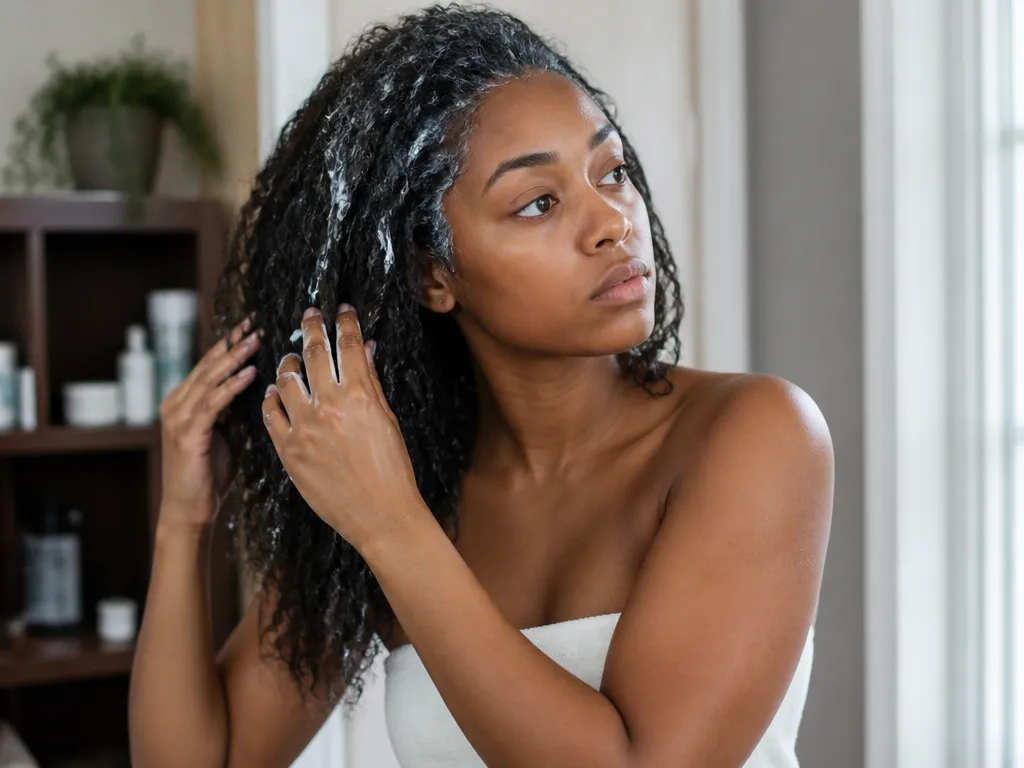
Excessive use of heavy conditioning treatments leads to a layer of residue that prevents moisture from entering the hair shaft. This accumulation makes hair feel heavy, greasy, or strangely waxy even after a standard wash. Over-conditioning can also cause hygral fatigue, which happens when hair swells and contracts too frequently from moisture overload, weakening the cuticle structure.
Identifying the difference between dry hair and product buildup is the first step in fixing your routine. If your hair feels limp, lacks bounce, or looks dull despite frequent treatments, you likely have too much product on your strands.
Professional tip: If your hair feels “mushy” or overly soft when wet, you may be experiencing hygral fatigue from too much moisture. Switch to a protein-rich treatment to restore strength.
Signs Of Over-conditioning Vs. Damage
Distinguishing between moisture deficiency and over-conditioning prevents you from making the wrong corrective choices. Hair that is truly dry often feels brittle, tangles easily, and has a rough texture. In contrast, over-conditioned hair feels gummy, heavy, and lacks any natural volume.
For instance, if you have fine or low-porosity hair, you are much more susceptible to these mistakes. These hair types struggle to shed excess product, making them prone to sudden limpness if a heavy mask is used too often.
| Hair Symptom | Likely Cause | Immediate Fix |
| Brittle and snapping | Moisture deficiency | Increase deep conditioning frequency |
| Limp and greasy | Product buildup | Use a clarifying shampoo |
| Gummy and stretchy | Hygral fatigue | Incorporate protein treatments |
In practice, you should adjust your frequency based on how your hair reacts to each wash. If you notice a film on your hair, skip your next deep conditioner and use a lightweight rinse-out conditioner instead.
Drugstore Vs. Salon Conditioning Options
Drugstore masks provide excellent maintenance for healthy hair, while salon treatments address structural damage through higher concentrations of active lipids and proteins. Most retail products focus on surface-level smoothing, whereas professional formulas penetrate deeper into the hair shaft to repair broken bonds.
Budget-friendly options work well for regular weekly moisture boosts. Look for ingredients like shea butter, coconut oil, or panthenol (Pro-Vitamin B5) to help retain hydration. These products are ideal for those with low-porosity hair who need consistent, gentle moisture without heavy buildup.
| Option Type | Typical Cost | Key Benefit | Best For |
|---|---|---|---|
| Drugstore Mask | $5 – $15 | Surface hydration and shine | Maintenance and healthy hair |
| Salon Treatment | $30 – $100+ | Internal bond repair and protein | Color-treated or chemically damaged hair |
| DIY Boost | <$5 | Immediate softness and slip | Quick fixes for dryness |
When To Invest In Professional Treatments
Professional salon services are worth the cost when your hair undergoes significant chemical changes. If you have bleached, permed, or chemically straightened hair, a salon-grade bond builder is more effective than a standard retail mask. These treatments often use smaller molecular weights to ensure the ingredients reach the cortex of the hair.
In practice, you might use a drugstore conditioner every wash but schedule a professional deep treatment once a month. This hybrid approach saves money while still addressing the intense damage caused by heat styling and chemical processing.
Effective Diy Options For A Quick Boost
DIY methods offer a way to add moisture when you are short on time or budget. Honey is a natural humectant that pulls moisture from the air into the hair, making it a great addition to a simple oil treatment.
For example, mixing two tablespoons of organic honey with a tablespoon of jojoba oil can provide a soothing moisture boost.
Esthetician tip: Always perform a patch test on your inner arm before applying DIY mixtures to your entire scalp to check for sensitivities to natural ingredients like honey or essential oils.
Natural oils work best when applied to damp hair to lock in existing water content. For fine hair, use lightweight oils like argan oil or almond oil. Heavier oils like castor oil are better suited for thick, coily, or highly porous hair textures that can handle more weight.
Professional Tips For Lasting Moisture
Heat opens the hair cuticle. This allows moisturizing ingredients to penetrate the shaft instead of sitting on the surface. It increases treatment effectiveness and helps moisture last longer.
Maximizing Penetration With Heat
A heat cap or a steamed towel creates a warm environment. This softens the hair cuticle. This method is helpful for low porosity hair where the cuticle is tightly closed.
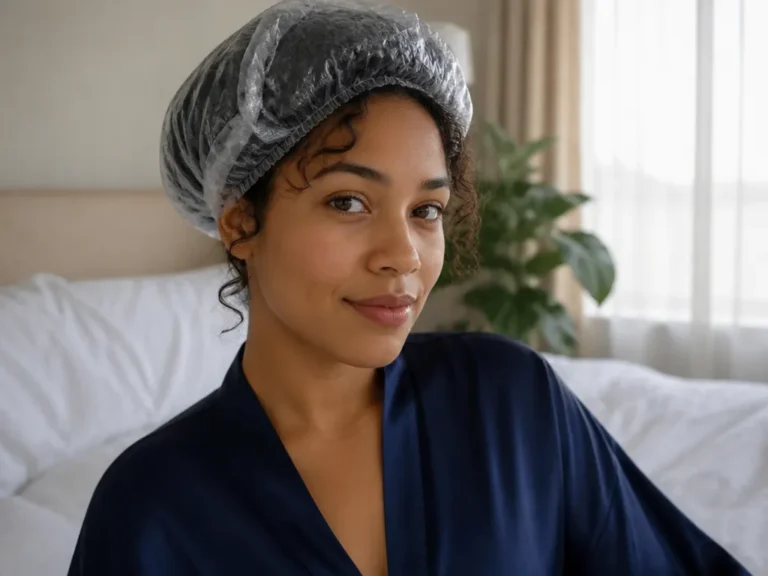
For a budget option, use a plastic shower cap and wrap a warm, damp towel around it. High-end options include electric heat caps that maintain a consistent temperature.
| Heat Method | Cost | Best For | Result |
|---|---|---|---|
| Warm Towel | Free | Fine hair | Light penetration |
| Plastic Cap | Low | Normal hair | Moderate penetration |
| Electric Cap | Medium | Coarse/Low porosity | Deep penetration |
Seasonal And Cycle Adjustments
Sync your treatment with your wash day. This ensures the hair is clean and free of buildup. Apply the mask to damp, towel-dried hair for the best absorption.
Winter air is dry. It often strips moisture from the hair. Increase treatment frequency during these months to prevent breakage and static.
Summer hair faces UV damage and chlorine. Use a treatment with hydrolyzed keratin or panthenol to repair the outer layer. These ingredients help rebuild the hair structure after sun exposure.
Pro tip: Always rinse with cool water to seal the cuticle after a deep treatment. This locks in the moisture and adds shine.
Deep Conditioning Cheat Sheet
| Hair Type/Condition | Recommended Frequency | Primary Goal |
|---|---|---|
| Straight or Fine | Every 2 – 4 weeks | Prevent grease and buildup |
| Wavy or Medium Texture | Once a week | Balance moisture and volume |
| Curly or Coily (Type 3/4) | 1 – 2 times per week | Combat dryness and frizz |
| Chemically Treated/Damaged | 2 times per week | Repair protein and lipid gaps |
Signs You Need More Moisture
Dryness manifests through physical changes in the hair strand and scalp. If your hair feels rough to the touch, it likely lacks the necessary lipids to smooth the cuticle.
Signs You Need Less Product
Over-conditioning can be just as damaging as neglect. Excessive use of heavy oils or silicones can lead to “hygral fatigue,” where the hair becomes too soft and loses its structural integrity.
Professional tip: If you suspect buildup is preventing moisture from entering your hair, use a clarifying shampoo once every two weeks before applying your deep conditioner.
Common Deep Conditioning Questions
Treatment Comparisons And Frequency
Leave-in conditioners and deep conditioners serve different roles in a hair care routine. Leave-in products provide lightweight, daily protection and detangling properties, while deep conditioners deliver concentrated nutrients into the hair shaft.
Professional tip: If your hair feels gummy when wet but snaps easily when dry, you likely have a protein-moisture imbalance. Switch between a protein-rich mask and a moisture-heavy mask to fix this.
Chemically treated hair, such as hair that is bleached or color-treated, needs more frequent intervention. These processes strip the natural lipid barrier, making the hair more porous and prone to moisture loss.
| Hair Condition | Recommended Frequency | Key Ingredient Focus |
|---|---|---|
| Healthy/Natural | Every 2-4 weeks | Lightweight oils (Argan) |
| Dry/Curly/Coily | Once a week | Shea butter or Coconut oil |
| Bleached/Color-Treated | Once a week | Hydrolyzed proteins |
| Fine/Oily | Every 3-4 weeks | Panthenol or Glycerin |
For example, someone with fine, straight hair should avoid heavy butter-based masks to prevent weighing down the roots. Instead, they can use a lightweight, water-based treatment once a month.
In practice, managing buildup is essential if you use heavy silicones. If your hair feels coated or won’t absorb water, use a clarifying shampoo before your next deep conditioning session to reset the hair surface.
Quick Summary
Deep conditioning frequency depends entirely on your specific hair texture and damage levels. Healthy, low-porosity hair only needs treatment every 2 to 4 weeks, while high-porosity or chemically treated strands require moisture 1 to 2 times a week. If you have fine hair or an oily scalp, you should use these treatments with caution to avoid heavy buildup. Using products too often can lead to a greasy appearance or dullness, so it is important to monitor how your hair feels and reacts to the moisture.
You can determine your hair porosity by performing a float test with a single strand in a glass of room-temperature water. High-porosity hair sinks quickly and needs frequent care, whereas low-porosity hair floats on top and resists moisture. For those with damaged cuticles, protein-rich ingredients like hydrolyzed keratin help strengthen the hair shaft, while humectants like glycerin provide essential hydration. To maintain health, use a clarifying shampoo once a month to prevent product residue. Tailoring your schedule to your hair type is the most important step for success.
| Hair Type | Recommended Frequency | Primary Goal |
|---|---|---|
| Straight/Fine | Every 2 to 4 weeks | Lightweight hydration |
| Wavy/Medium | Every 1 to 2 weeks | Frizz control |
| Curly/Coarse | Once a week | Moisture retention |
| Coily/Kinky | Weekly or twice weekly | Intense hydration |
Frequently Asked Questions
How Often Should I Deep Condition My Hair?
Normal hair usually needs a treatment once every two weeks, while curly or damaged hair often benefits from a session once a week. Start with a lower frequency to avoid weighing down your strands.
How Long Should I Leave Deep Conditioner In My Hair?
Most formulas are designed to work within 15 to 30 minutes. Leaving the product on for hours or overnight rarely adds extra benefit and can sometimes cause moisture overload.
What Is The Difference Between A Deep Conditioner And A Regular Conditioner?
Regular conditioners are lightweight and seal the cuticle, but deep conditioners have a higher concentration of active ingredients that penetrate the hair shaft. This allows them to repair damage rather than just smoothing the surface.
Can I Deep Condition My Hair Every Day?
You should avoid daily deep conditioning because it can lead to protein overload or hygral fatigue, which makes hair brittle or overly soft. Limit these treatments to 1 or 2 times per week at most.
Are Expensive Deep Conditioners Better Than Drugstore Versions?
Not necessarily, because many affordable brands use the same basic moisturizing agents like glycerin and oils. Check the ingredient list for hydrolyzed proteins or shea butter instead of paying for a luxury logo.

- 13 Best Natural Deep Conditioning Ingredients to Tame Frizzy Hair - September 29, 2026
- How to Make Deep Conditioner for Natural Hair: 8 Easy DIY Recipes - September 29, 2026
- Natural Homemade Deep Conditioner for Natural Hair: Easy DIY Recipes - September 29, 2026