How To Apply Leave In Conditioner To Curly Hair?
Most people end up with crunchy, weighed-down curls simply because they apply product to hair that is too dry. If your curls look frizzy or lose their shape by noon, your application technique is likely the culprit. I will show you how to get moisture deep into the hair shaft without the greasy residue.
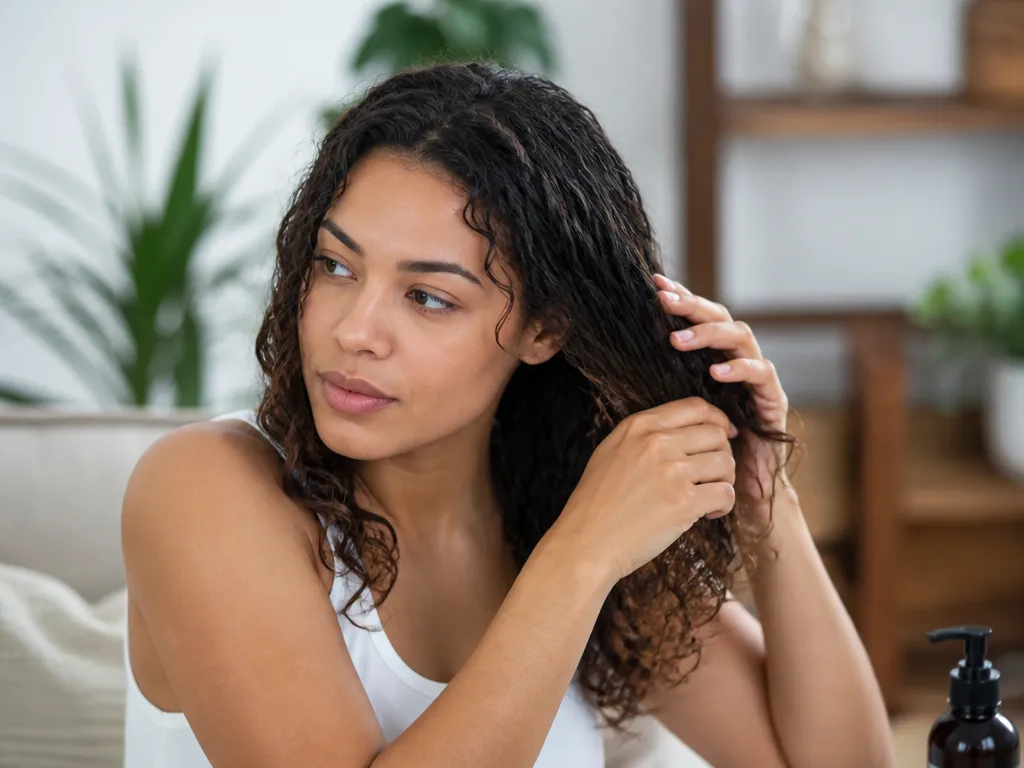
Applying leave in conditioner to curly hair requires working with soaking wet hair to lock in moisture. Start by sectioning hair into 4 parts, then distribute a nickel sized amount of water-based cream or lightweight milk using the raking or praying hands method. This ensures 100 percent coverage from mid-lengths to ends.
Best for: All curly and coily hair types. Use caution if: You have fine, thin hair prone to buildup.
How To Apply Leave In Conditioner To Curly Hair? (The Basics)
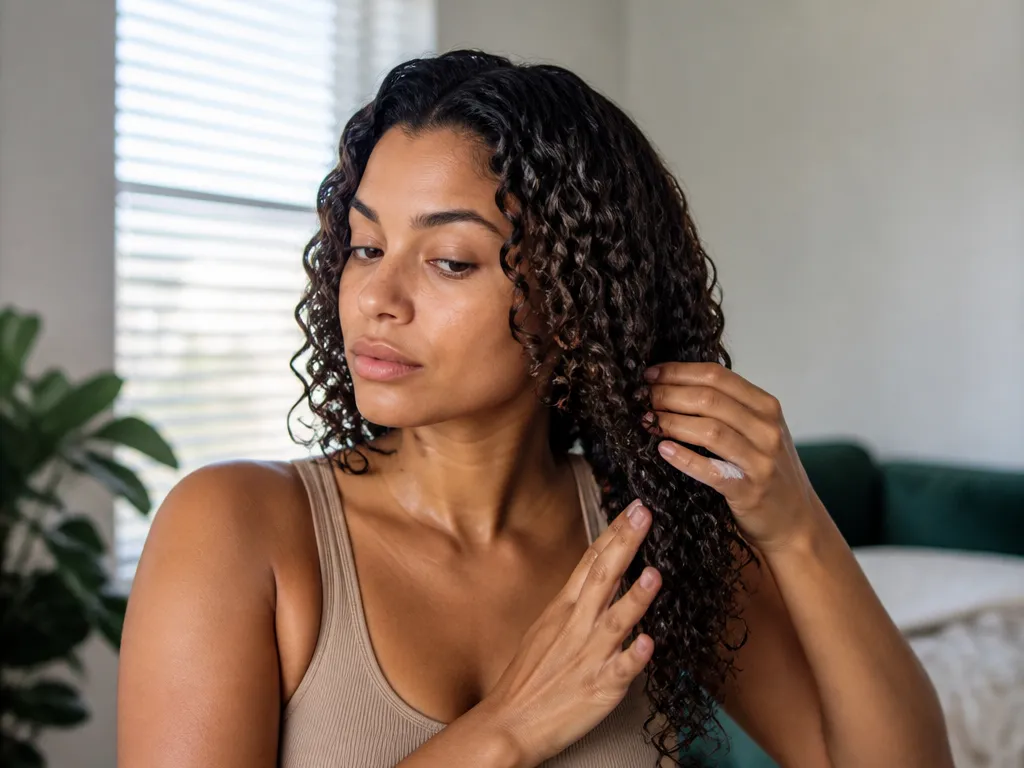
Leave-in conditioners provide the essential moisture barrier that curly hair lacks due to the structure of the hair follicle. Curls require consistent hydration to prevent breakage and maintain their natural shape throughout the day.
Many users struggle with dry, brittle strands because they treat leave-in products like standard rinse-out conditioners. A leave-in formula stays on the hair shaft to seal the cuticle, whereas a rinse-out product is designed to be washed away completely. Proper use of a leave-in treatment keeps curls soft, manageable, and protected from environmental stressors.
Setting Realistic Expectations
Products can improve texture and reduce frizz, but they cannot change your natural curl pattern or repair severely damaged ends. Expect improved hydration and easier detangling within one or two uses. Real results regarding long-term hair health usually appear after four to six weeks of consistent application.
Professional Tip: Apply your leave-in conditioner to soaking wet hair immediately after the shower. This technique traps water inside the hair shaft, which is the primary secret to achieving lasting definition and bounce.
Product Comparison
| Category | Product Example | Key Ingredient | Best For |
|---|---|---|---|
| Drugstore | SheaMoisture Jamaican Black Castor Oil | Shea Butter | Thick, Coarse Curls |
| High-End | Oribe Priming Lotion | Murumuru Butter | Fine, Wavy Hair |
Choosing the right product depends on your porosity and density. Fine hair often responds better to lightweight, spray-based leave-ins that prevent weighing down the curl. Thick or high-porosity hair thrives with thicker, cream-based formulas that contain heavier oils or butters to lock in moisture.
Determine Your Specific Curl Pattern
Hair porosity and strand thickness dictate how much product your curls can absorb before they become weighed down or remain under-moisturized. Low porosity hair features a tightly closed cuticle layer, while high porosity hair has gaps that allow moisture to enter and escape rapidly.
Matching Density To Your Texture
Product density must align with your individual hair strand width to prevent greasy buildup or frizz. Fine, low-density hair requires lightweight, water-based sprays to maintain volume. Coarse, high-density hair necessitates thick, butter-based creams to provide enough weight for definition.
Expert Tip: If your hair feels coated or sticky after application, your leave-in conditioner is likely too heavy for your porosity level. Switch to a formula that lists water as the first ingredient instead of heavy oils like shea butter or castor oil.
| Hair Type | Porosity | Recommended Product Texture |
|---|---|---|
| Fine / Thin | Low | Lightweight spray or milky lotion |
| Medium / Normal | Balanced | Light cream or detangling milk |
| Coarse / Thick | High | Rich butter or heavy cream |
For instance, someone with fine, low porosity hair should avoid products containing heavy waxes or silicones that sit on the surface. These ingredients cause flat, limp curls that lack bounce. Conversely, high porosity hair often benefits from a pH-balanced leave-in that helps close the cuticle after the wash process.
Key Ingredients For Maximum Moisture
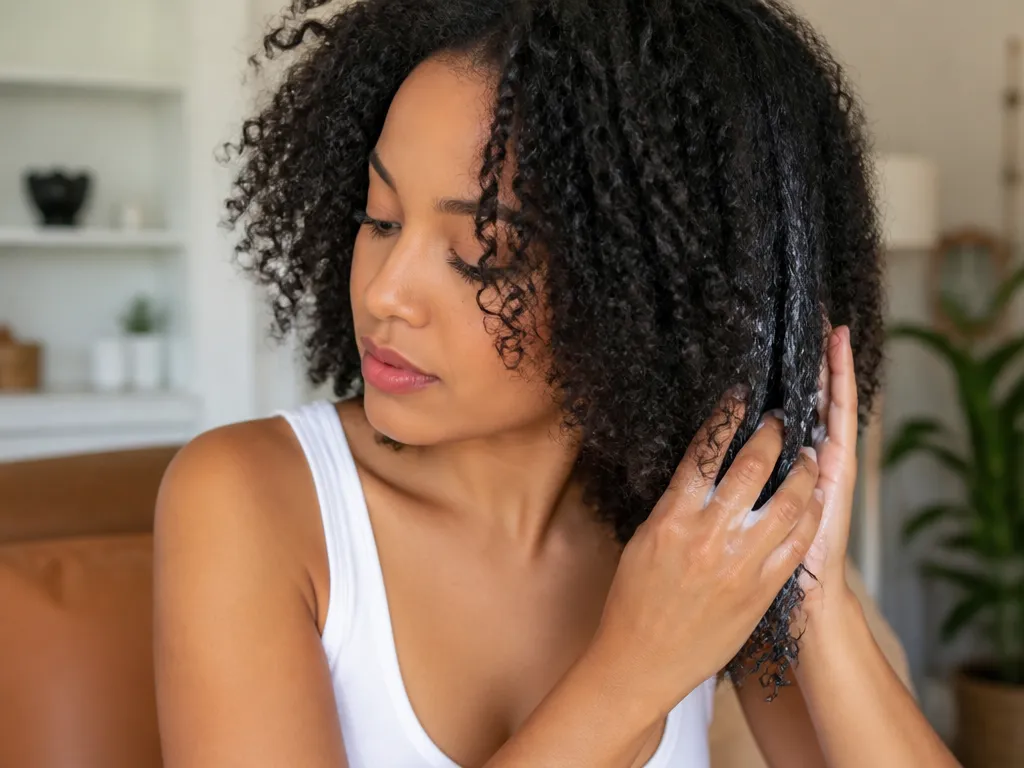
Effective hydration for curly hair relies on a balance between humectants that draw moisture into the hair shaft and sealants that lock it inside. Without both components, hair often feels dry or becomes frizzy shortly after application.
Humectants And Sealants
Humectants like glycerin and hyaluronic acid act as magnets for water. They pull environmental moisture into your strands, which is essential for maintaining the bounce of curls. Glycerin is highly effective but can cause excessive puffiness in high-humidity environments, so look for products that balance it with heavier ingredients.
Sealants provide a barrier that prevents that captured moisture from evaporating. Shea butter and jojoba oil are industry staples for this purpose. Shea butter offers a rich, occlusive layer that works well for thick or coarse textures, while jojoba oil mimics the scalp’s natural sebum, making it a lighter option for finer curl patterns.
| Ingredient Type | Common Examples | Primary Function |
|---|---|---|
| Humectant | Glycerin, Hyaluronic Acid | Attracts and retains water |
| Sealant | Shea Butter, Jojoba Oil | Prevents moisture loss |
Practical Tips For Ingredient Selection
Expert tip: If you live in a very dry climate, apply a water-based leave-in conditioner to damp hair and follow immediately with a thin layer of oil to seal the cuticle before the water evaporates.
Step-by-step Application Technique
Applying moisture to soaking wet hair ensures the product distributes evenly and seals in hydration before the cuticle dries. Water acts as a carrier, allowing the emollients to slide through the hair shaft rather than sitting on top of dry, tangled strands.
The Application Process
Wet hair is more elastic and easier to manipulate than damp or dry hair. Use a spray bottle to mist your hair if you are applying product mid-week, but for a full wash day, work directly with hair that is dripping wet.
Choosing Your Styling Method
The way you move your hands determines the final shape of your curls. Different techniques work better depending on whether you want defined ringlets or soft, voluminous waves.
Styling tip: If your hair feels tacky or stiff after application, add a little more water to your hands to help redistribute the product.
| Method | Best For | Result Type |
| Raking | Volume and separation | Loose, airy curls |
| Praying Hands | Frizz control and definition | Polished, clumped curls |
| Scrunching | Texture and bounce | Springy, tight curls |
Common Mistakes That Ruin Curls
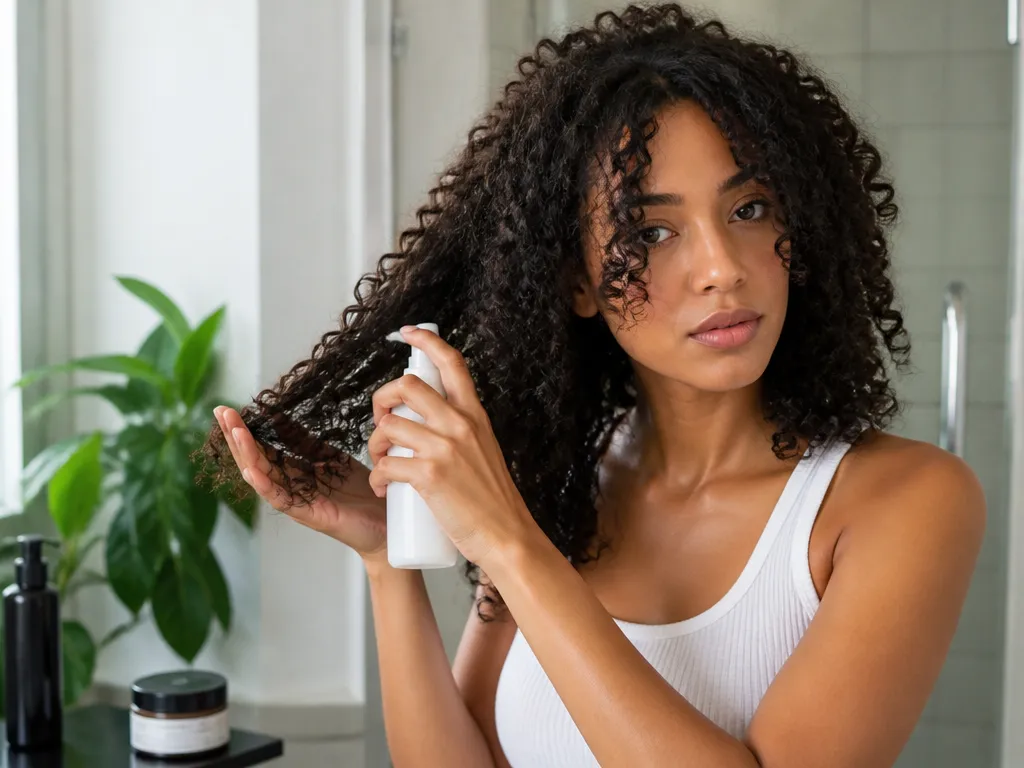
Applying product directly to the scalp creates oily roots and weighs down the hair shaft near the follicle. Heavy buildup at the crown prevents volume and forces hair to lay flat against the head, which ruins the natural bounce of a curl pattern.
Over-applying leave-in conditioner leads to a sticky film that dries into white flakes or hard, crunchy patches. This excess residue attracts dirt and dust from the environment, making hair look dull rather than hydrated.
Common Application Errors
Expert Tip: If you have fine hair, look for lightweight sprays or milk-based leave-in conditioners. Thick creams are better suited for coarse or high-porosity hair types that require extra moisture.
For instance, using a thick, shea-butter-heavy cream on fine, wavy hair will result in a greasy mess by the end of the day. In contrast, those with tight coils may find that the same cream provides the necessary weight to keep frizz at bay.
| Mistake | Result | Fix |
|---|---|---|
| Scalp Application | Greasy roots | Apply 2 inches from the scalp |
| Over-application | Flaking and buildup | Use a dime-sized amount |
| Uneven distribution | Frizzy, dry sections | Use a wide-tooth comb |
Consistent product usage requires balance. Check the ingredient list on your bottle for heavy waxes or silicones if you notice your hair feels coated or stiff after drying. Switch to water-based formulas if you experience persistent buildup despite using smaller amounts.
Budget-friendly Finds And Diy Options
High-quality curl care does not require expensive salon bottles, as many effective formulas exist at your local drugstore. These options provide the same slip and moisture as luxury brands by using proven ingredients like shea butter and panthenol.
Drugstore Recommendations
Drugstore products often contain the exact humectants and emollients found in premium lines. When shopping, prioritize products that list water as the first ingredient and avoid heavy waxes that can cause buildup on fine hair types.
| Product | Approx. Price | Key Ingredient | Best For |
|---|---|---|---|
| SheaMoisture Jamaican Black Castor Oil | $12 | Castor Oil | Thick, damaged curls |
| Cantu Shea Butter Leave-In | $7 | Shea Butter | Type 3 and 4 hair |
| Not Your Mother’s Curl Talk | $9 | Rice Protein | Fine, wavy hair |
Diy Flaxseed Gel
Flaxseed gel offers a natural, cost-effective alternative for defining curls without the chemicals found in commercial styling products. This mixture provides a medium hold and adds significant shine to all hair textures.
Professional tip: Store your homemade flaxseed gel in the refrigerator for up to two weeks. Because this product lacks preservatives, it spoils quickly at room temperature.
Creating this gel at home requires only two ingredients and ten minutes of active time.
In practice, apply this gel while your hair is soaking wet to lock in the moisture from your leave-in conditioner. This technique creates a protective cast that keeps hair hydrated throughout the day. If you have low-porosity hair, use a lighter application to avoid a greasy feel.
Expert Tips For Lasting Results
Retention of moisture is the primary factor in extending the life of your curls between wash days. Using the LOC method creates a physical barrier that prevents water evaporation from the hair shaft.
The Loc Method Explained
Layering products in a specific order locks hydration into the cuticle. Start with a water-based leave-in conditioner, follow with a lightweight oil, and finish with a cream to seal everything in place.
Expert tip: Fine-textured hair often requires lighter oils like grapeseed, while thick or coarse hair thrives with heavier options like shea butter.
Refreshing Curls Without Washing
Day two or three hair often loses volume or develops frizz due to friction against pillowcases. A simple refresh routine restores the look without requiring a full wash cycle.
| Product Type | Purpose | Frequency |
|---|---|---|
| Leave-in Spray | Rehydration | As needed |
| Curl Cream | Definition | Wash days / Refresh |
| Hair Oil | Sealing | Daily |
Protecting your hair while you sleep remains the most effective way to maintain results. Use a silk or satin bonnet to reduce friction that causes breakage and disruption to the curl pattern. A silk pillowcase is a great alternative if you find bonnets uncomfortable during the night.
Quick Summary
Achieving defined curls relies on applying leave in conditioner to soaking wet hair to effectively lock in hydration. You should divide your hair into four distinct sections to ensure complete coverage while using the raking or praying hands method to maintain your natural curl pattern. It is essential to keep the product at least two inches away from your scalp to avoid buildup. By starting with a nickel sized amount of a water based cream or lightweight milk, you can prevent your curls from becoming weighed down or greasy during the day.
Determining your hair porosity and strand thickness is critical for selecting the correct formula. Fine, low porosity hair thrives with lightweight sprays, whereas coarse, high density hair requires rich, butter based creams to seal in moisture. While you can expect easier detangling within two uses, real results regarding long term hair health usually appear after four to six weeks of consistent application. Ultimately, the most important takeaway is that matching your product density to your specific hair type is the key to achieving bounce and preventing sticky residue.
| Hair Type | Porosity Level | Product Texture Recommendation |
|---|---|---|
| Fine or Thin | Low | Lightweight spray or milky lotion |
| Medium or Normal | Balanced | Light cream or detangling milk |
| Coarse or Thick | High | Rich butter or heavy cream |
Beauty Routine Cheat Sheet
Morning Routine
1. Refresh your curls by lightly misting them with water to reactivate the existing product (30 seconds).
2. Use the praying hands method to smooth any frizzy sections without disturbing the overall curl structure (30 seconds).
Evening Routine
1. Protect your curls by sleeping on a satin or silk pillowcase to reduce friction and breakage.
2. Avoid pulling or brushing your hair, which can disrupt the curl pattern and cause frizz.
Top 3 Ingredients to Prioritize
1. Water (as the first ingredient for optimal hydration).
2. Murumuru butter (for lightweight conditioning).
3. Shea butter (for deep moisture on thick, coarse hair).
One Thing to STOP Doing Immediately
Stop applying leave in conditioner to dry or damp hair, as this prevents the product from properly sealing the cuticle and often leads to crunchy, weighed down strands.
Expected Timeline for Results
You will notice improved hydration and easier detangling within one or two uses, but long term hair health improvements typically appear after four to six weeks of consistent application.
Frequently Asked Questions
When Is The Best Time To Apply Leave In Conditioner To Curly Hair?
You should apply it to sopping wet hair immediately after your shower. This allows the product to seal in moisture and prevents frizz from forming as your hair dries.
How Much Leave In Conditioner Should I Use?
Start with a nickel-sized amount for medium length hair. Adding too much product can weigh down your curls and lead to a greasy appearance.
What Is The Difference Between A Leave In Conditioner And A Curl Cream?
A leave in conditioner is designed for hydration and detangling, whereas a curl cream provides hold and definition. You can use both by applying the conditioner first to prep the hair.
Do I Really Need To Comb My Hair To Apply The Product?
You do not need a brush, but using a wide-tooth comb or your fingers ensures the product reaches every strand. This method prevents the breakage often caused by fine-tooth combs.
Is An Expensive Leave In Conditioner Worth It Over A Drugstore Version?
Usually no, because many drugstore brands use the same effective humectants as high-end products. Focus on the ingredient list rather than the price tag.

- 13 Best Natural Deep Conditioning Ingredients to Tame Frizzy Hair - September 29, 2026
- How to Make Deep Conditioner for Natural Hair: 8 Easy DIY Recipes - September 29, 2026
- Natural Homemade Deep Conditioner for Natural Hair: Easy DIY Recipes - September 29, 2026