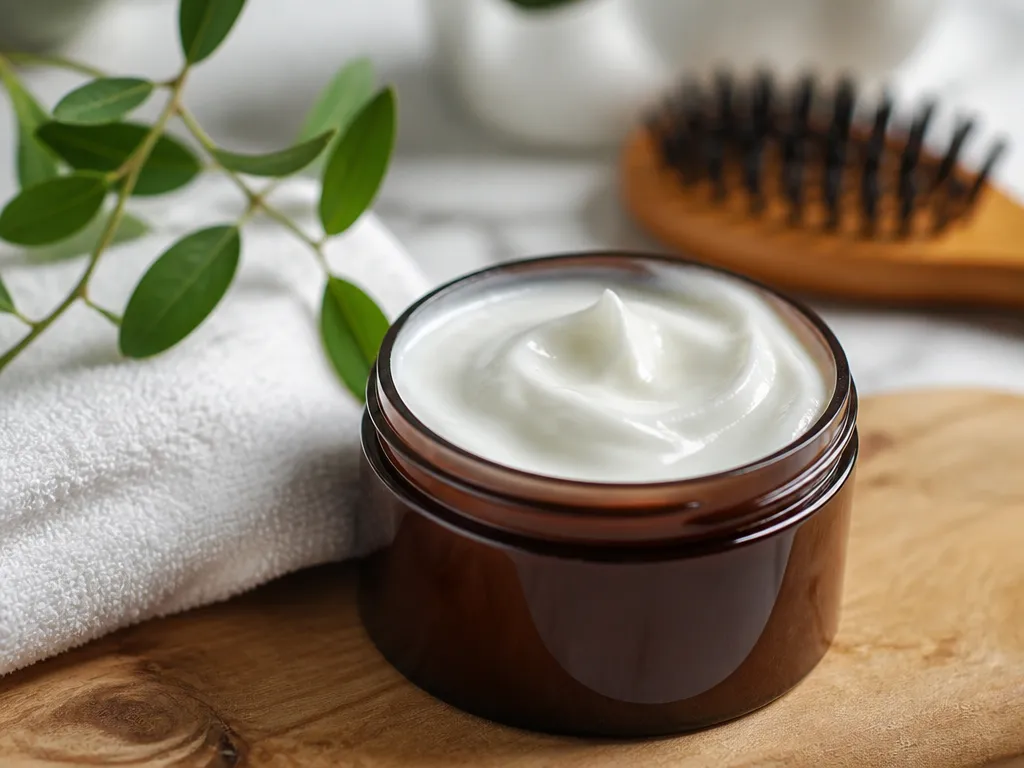
Is A Hair Mask The Same As Deep Conditioner?
Struggling with hair that feels dry, rough, or frizzy? You are not alone, and the confusion is real because “hair mask” and “deep conditioner” often sit next to each other on shelves. The difference matters for timing, texture, and how heavy your hair ends up feeling after.
Quick answer: a “hair mask” is usually thicker and left on longer, while a “deep conditioner” is still conditioning but typically lighter and faster. Look for thick, creamy bases with fatty alcohols, silicones, and humectants, plus optional protein for repair. Rule of thumb: 5 to 10 minutes feels conditioner-like, 15 to 30+ feels mask territory.
Is A Hair Mask The Same As Deep Conditioner?
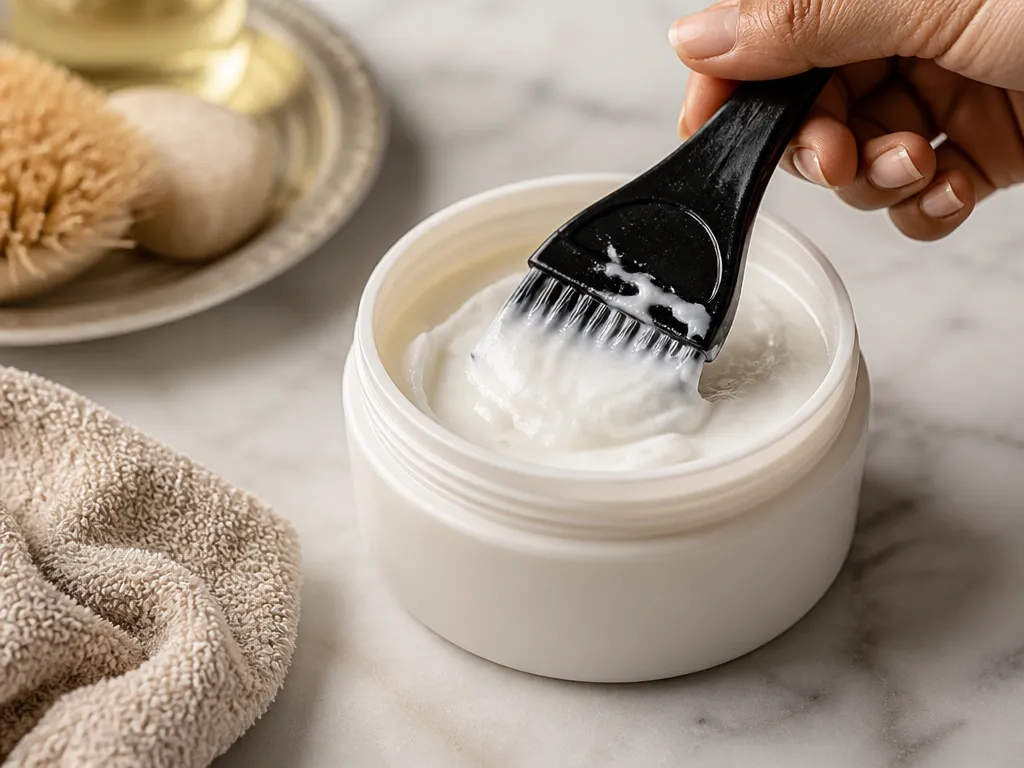
Hair masks and deep conditioners are close cousins, but they are not automatically interchangeable. Most masks are thicker, more concentrated, and left on longer for deeper conditioning, repair support, or intense moisture. Most deep conditioners are still “rinse-out treatment” products, but they usually feel lighter and time requirements are shorter.
What The Labels Usually Mean
“Mask” typically signals a longer sit time and a heavier emollient and conditioning formula. “Deep conditioner” often means a stronger conditioning rinse-out than your regular conditioner, with a shorter sit time than many masks.
Use these label cues as your fastest rule of thumb:
| Product Type | Texture | Typical “Sit” Time | Best For |
|---|---|---|---|
| Hair mask | Thicker, more slip | ~20 to 30 minutes (sometimes longer) | Dry, coarse, curly/coily, color-treated, or damaged lengths |
| Deep conditioner | Creamy to heavier conditioner | ~5 to 15 minutes | Moderate dryness, frequent washing, or maintaining moisture between masks |
Key Formulation Differences That Affect Results
Masks often lean harder on fatty alcohols and rich emollients (to soften and smooth), plus humectants like glycerin or panthenol (to help hydrate). Deep conditioners can also include these, but they may use fewer “heavy” conditioners so they feel easier on fine hair.
Protein support can also separate the two. If a product lists hydrolyzed proteins (like hydrolyzed keratin) or bond-support style ingredients, it may feel more “treatment-like,” which can be mask territory for very dry or chemically processed hair.
“Thicker product and longer time usually means more conditioning lift. If your hair feels weighed down, reduce frequency or shorten the sit time.”
When You Can Swap In A Pinch
You can often substitute a deep conditioner for a hair mask when hair is only mildly dry, especially if you extend the time modestly. You can also use a mask in place of a deep conditioner, but shorten the leave-on time if your hair is fine or prone to buildup.
For example, oily to combination scalps and fine hair typically do best with shorter contact times and focusing the product on mid-lengths to ends only. Curly and coily hair, plus color-treated or heat-damaged hair, usually benefits more from longer mask contact because strands need extra lubrication and water-binding.
Identify Your Hair’s Specific Needs
Your hair’s specific needs dictate whether a deep conditioner or a hair mask is the right choice. Dry, brittle hair needs moisture, while hair that feels limp or weak often requires protein to rebuild structure.
Signs Of Moisture Deficiency
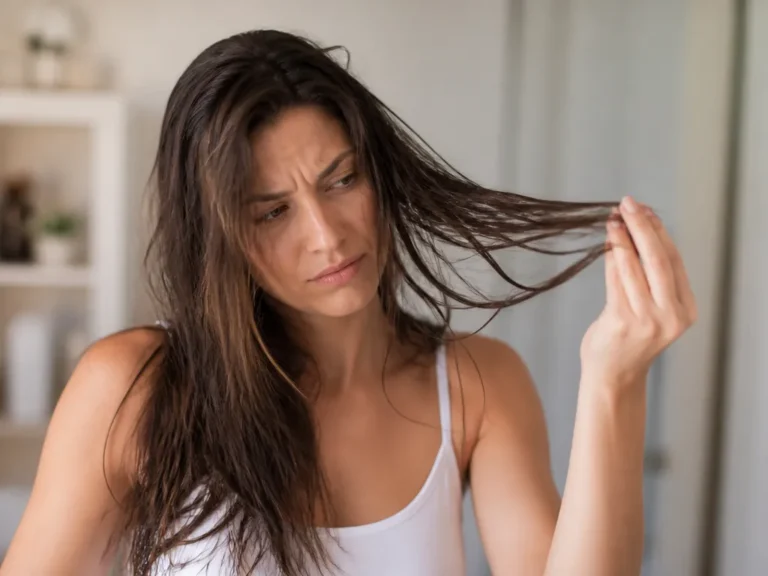
Frizz and rough texture usually signal a lack of hydration. Environmental factors like sun exposure and heat tools strip natural oils. You might notice your hair feels straw-like or breaks easily when it is dehydrated. A deep conditioner with fatty alcohols or humectants is usually the best fix.
Detecting Protein Overload
Protein overload is a real risk for frequent users of intensive treatments. Signs include hair that feels stiff or crunchy. This texture prevents the hair from bending and can lead to breakage. If your hair feels like straw after washing, you likely need to cut back on protein and focus on moisture.
Matching Treatments To Curl Patterns
Matching the product to your curl pattern is crucial for maintenance. Coily and curly textures require high-moisture formulas to define waves and prevent shrinkage. Straight or fine hair often breaks easily, so protein treatments should be used sparingly.
| Hair Type / Need | Key Signs | Recommended Treatment |
|---|---|---|
| Dehydrated / Dry | Frizz, tangles, rough texture | Deep conditioner |
| Weak / Damaged | Breakage, limp feel | Protein treatment |
| Fine / Straight | Lack of volume, greasy roots | Light conditioner |
Key Ingredients For Hair Health
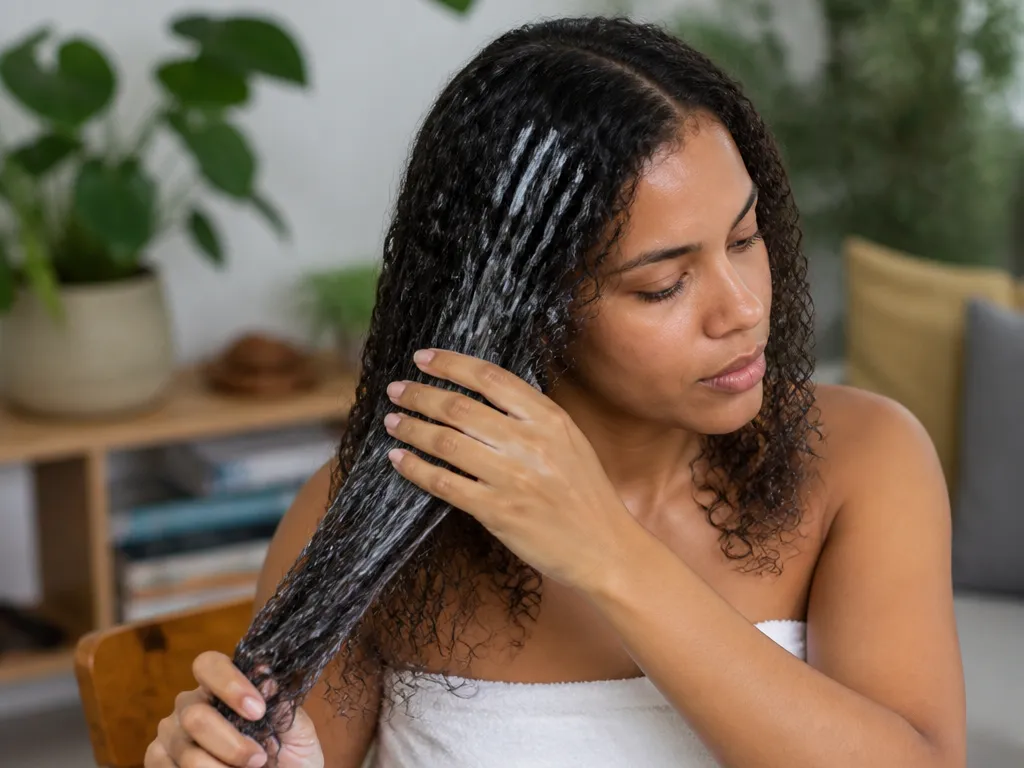
Effective hair treatments rely on a balance of humectants, proteins, and emollients to address different types of damage. Humectants draw moisture into the hair shaft, while proteins fill gaps in the cuticle and emollients seal the surface.
Hydration And Moisture
Humectants are ingredients that attract water from the air into the hair. Glycerin and hyaluronic acid are the most common examples found in masks and conditioners. These work best for dry, curly, or coily hair types that struggle to retain moisture.
For instance, a glycerin-heavy product will make hair feel plumper and more elastic. This is a great choice for hair that feels brittle or “straw-like” but does not have significant chemical damage.
Structural Repair
Proteins like hydrolyzed keratin or wheat protein bond to the hair shaft to repair structural gaps. These ingredients are essential for color-treated, bleached, or heat-damaged hair. They add strength and prevent breakage by mimicking the natural structure of the hair.
In practice, using too much protein can make hair feel stiff or snap. Always balance protein treatments with a hydrating mask to maintain flexibility. Perform a patch test on a small strand of hair first to check for stiffness.
Smoothness And Sealants
Emollients and fatty alcohols, such as cetyl alcohol or shea butter, smooth the cuticle. They create a protective barrier that locks in the moisture provided by humectants. This prevents water loss and reduces frizz in humid environments.
For example, thick butters work well for coarse or thick hair. Fine hair types should look for lighter emollients like jojoba oil to avoid weighing the hair down.
| Ingredient | Primary Goal | Best For |
|---|---|---|
| Glycerin | Hydration | Dry or Curly Hair |
| Hydrolyzed Keratin | Strength | Bleached or Damaged |
| Shea Butter | Smoothness | Coarse or Thick Hair |
Pro tip: Apply your treatment after shampooing but before your final rinse-out conditioner to seal the cuticle.
Perfect Application Technique
Effective application requires removing excess water from the hair to prevent the product from sliding off the shaft. Water acts as a barrier that stops concentrated ingredients from penetrating the cuticle.
Fine hair types should use a smaller amount of product and focus exclusively on the bottom two inches of the hair. Applying heavy masks to the roots of fine hair often leads to a greasy appearance.
Coily or curly hair (Type 3 and 4) can benefit from longer processing times and a more generous application. These textures are naturally drier and can absorb more moisture.
| Budget Level | Example Product | Key Ingredient | Best For |
|---|---|---|---|
| Splurge | Briogeo Don’t Despair, Repair! | Biotin | Damaged Hair |
| Drugstore | SheaMoisture Intensive Hydration | Shea Butter | Dry/Curly Hair |
Pro tip: Warm your hair mask in the microwave for 10 seconds or use a steamed towel over your head to help the ingredients penetrate deeper into the shaft.
Consistent use is key to seeing a difference in texture and strength. Expect to see a noticeable improvement in elasticity and shine after 3 to 4 weeks of weekly treatments.
Mistakes That Cause Hair Damage
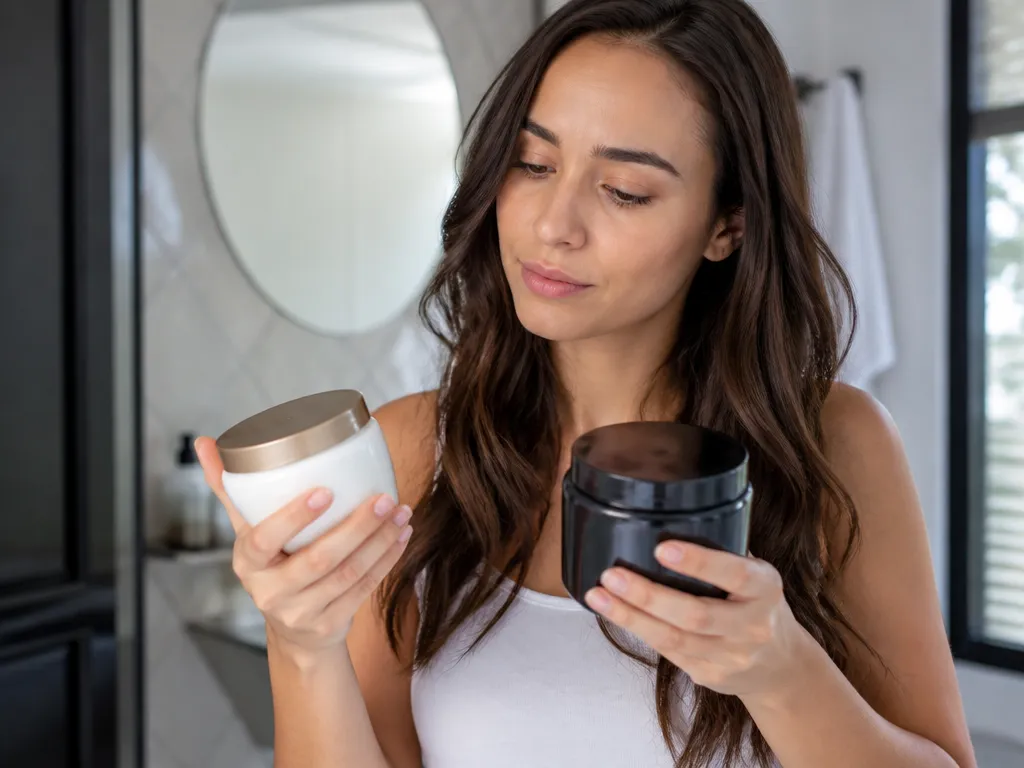
Overuse and misapplication are the fastest ways to make hair feel rough, limp, or coated instead of conditioned. A heavy treatment used like a rinse conditioner, or protein used too often, can throw your hair off balance.
Applying Heavy Masks To Fine Hair
Fine hair gets weighed down quickly when you use a thick, high-slip formula too close to the roots. The result is “flat” strands and a scalp that can feel greasy because product residue builds up.
Apply dense formulas from mid-length to ends only, and keep the scalp area completely product-free. For fine, straight, or thin hair, aim for shorter contact time and lower frequency.
| Mistake | What you’ll notice | Fix |
|---|---|---|
| Mask on roots | Flat hair, stringy look within 1 day | Apply only from mid-length down, reduce to 1x weekly |
| Too much product | Heavy, tacky feel | Use a dime to quarter-size amount for shoulder-length hair |
| Not rinsing thoroughly | Build-up, dullness | Rinse until hair squeaks lightly (no slippery film) |
Overusing Protein Treatments
Protein can temporarily strengthen strands, but too much leaves hair stiff, crunchy, or prone to snapping when you detangle. This issue shows up most when protein-rich treatments get layered repeatedly without enough moisturizing slip.
Look for words like hydrolyzed keratin, collagen, amino acids, or protein high on the label. If your mask includes these, use it less often and follow with a conditioning rinse that has fatty alcohols (like cetyl alcohol or stearic acid) and humectants (like glycerin or panthenol).
Rule of thumb: if a label says “5 minutes” and the texture is more like a conditioner, it is usually lighter. If it says “20 to 30 minutes,” calls itself “treatment,” and feels very dense or has stronger rebuilding ingredients, use it sparingly.
Neglecting The Scalp Versus The Ends
Mask and deep conditioner formulas are designed to treat hair fiber, not scalp. Leaving product on the scalp can irritate sensitive scalps and worsen flaking or itch, especially if your scalp runs oily or you have dandruff.
Apply the treatment where dryness and damage live, the mid-lengths and ends. If you need scalp help, choose a scalp-specific product and keep it out of the lengths so you do not dilute the conditioning effect.
For best results on all skin tones and hair types, especially oil-prone scalps or color-treated strands, separate “scalp care” from “strand care” in your routine. Avoid layering multiple thick products in one wash day if your hair has been feeling coated, dry, or overly firm.
Drugstore Vs. Professional Options
Drugstore masks and deep conditioners can deliver the same core job: adding slip and conditioning so hair feels softer after rinsing. The biggest differences are often concentration, texture thickness, and how long they are designed to sit on the hair, not whether one is “real” and the other is fake.
Reliable drugstore picks are often easier to rinse out. Luxury salon-grade treatments may feel thicker and are often designed for damaged hair. Curly, coily, and very dry hair usually benefits from a product that provides sufficient conditioning, while fine hair often needs lighter use to avoid heaviness.
Reliable Drugstore Staples
Drugstore products work best when you match them to your hair type and your goal, repair versus moisture versus frizz control. Look for conditioning fats and oils (like cetyl alcohol, cetearyl alcohol, stearic acid), humectants (like glycerin), and sometimes proteins (like hydrolyzed keratin or amino acids) if your hair feels weak.
| Product type | Typical timing | Texture clues on label | Best for |
|---|---|---|---|
| Conditioner | 1 to 3 minutes | Runny, easy to spread | Daily softness, lighter needs |
| “Mask” or “intensive” rinse-out | 10 to 30 minutes | Thicker cream, “treatment” wording | Dryness, damage, curls |
| Deep conditioner | 10 to 30 minutes | Often more coating, richer feel | More severe dryness and breakage risk |
Luxury Salon-grade Investments
Salon-grade options are worth considering when your hair needs more contact time, especially after bleaching, frequent heat, or chemical processing. Many high-end masks are loaded with conditioning silicones (like dimethicone) for slip and frizz control, plus emollients that reduce roughness, and they often instruct longer “sit time.”
Salon tip: If the label says “intensive treatment” and gives a rinse-out window of 20 to 30 minutes, treat it like a real deep-conditioning step, not a quick conditioner.
When buying high-end, check whether it is rinse-out or a leave-in. Leave-ins can feel similar to deep conditioning, but they are meant to stay on, so overusing them can build up on fine hair. Expect to see the best payoff in 4 to 6 uses for most people, then adjust frequency based on how your hair responds.
| Where to spend | What to look for | What to avoid |
|---|---|---|
| Rinse-out deep conditioning | Thick “treatment” texture, clear sit time, fatty alcohols/emollients | Using it daily if your hair turns limp or greasy |
| Leave-in softness | Light humectants for hydration, “weightless” directions | Stacking multiple leave-ins plus a heavy rinse-out |
Natural Diy Alternatives
DIY can work, especially for moisture and slip, but results vary by hair porosity and the thickness of your strands. A good natural approach is to use conditioning ingredients like honey (humectant), aloe vera gel (soothing humectant), or plant oils for emollience, then rinse thoroughly. For most people, DIY performs best as a shorter, occasional mask rather than a replacement for a product that is formulated to coat evenly.
Patch testing matters even for “natural” ingredients, especially if you have a sensitive scalp. Try any new mask on a small section behind your ear or along a less visible hairline, then rinse completely and watch for irritation for 24 hours.
Expert Tips For Lasting Results
Warmth can enhance the conditioning experience, so gentle heat is a useful upgrade to either routine. Schedule treatments based on how quickly your hair gets dry or weighed down, then prevent buildup so your strands keep responding instead of turning dull.
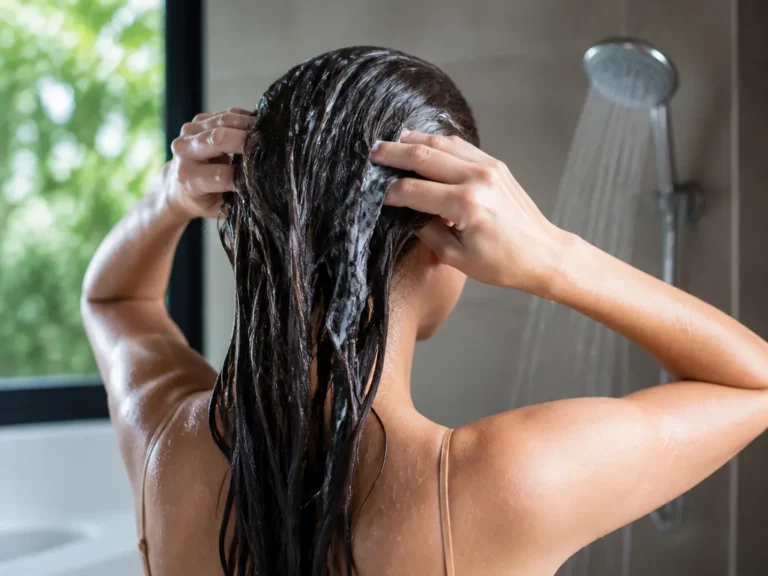
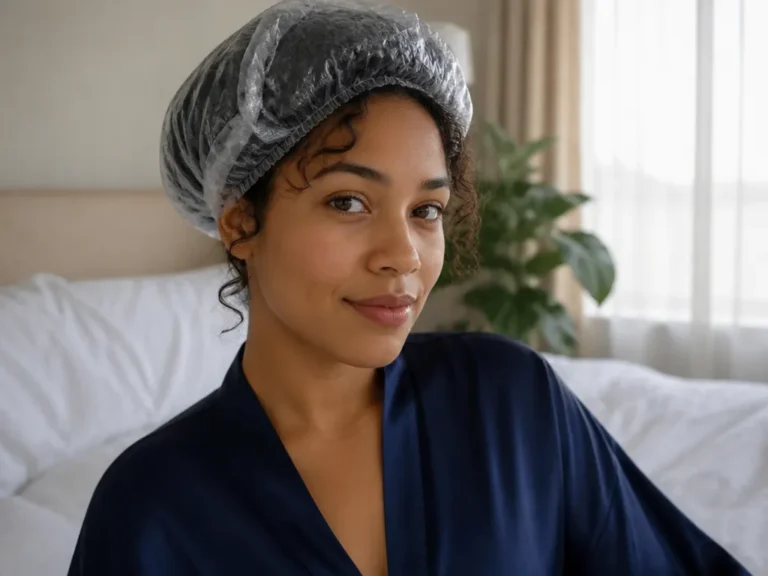
Heat should be gentle and time-limited: apply the treatment to clean, towel-dried hair, then warm it with a shower cap plus a blow dryer (or use a heated cap) for 5 to 10 minutes. Longer heat sessions can dry out some hair types, especially if the formula is high in proteins or your ends are already brittle.
Weekly scheduling is about texture and damage level. Dry, porous hair often needs an intensive treatment once weekly, while oily roots or fine hair usually does better every 2 weeks.
Preventing buildup is what keeps intensive treatments effective week after week. Heavy masks often contain fatty alcohols, silicones, and plant oils that can cling to hair if you use them too frequently or rinse too lightly.
For example, if your hair feels coated within 1-2 washes after treatment, scale back frequency and clarify periodically. Use a gentle clarifying shampoo about once every 3 to 4 weeks (or when buildup is obvious), then return to your treatment schedule.
| Product type | How long to keep on | Where to apply | Frequency rule of thumb |
|---|---|---|---|
| Mask-style intensive treatment (thicker, “intensive”) | Usually 15-30 minutes | Mid-lengths to ends | Weekly for dry/coarse, every 10-14 days for fine |
| Deep conditioning-style rinse-out | Usually 5-10 minutes | Can be mid-lengths, often avoid scalp if you get weighed down | More often if light and your hair tolerates it |
Patch test tip: If you have a sensitive scalp, try the treatment behind one ear or on a small section of hair before full use, and skip heat the first time.
Ingredient checks make your routine smarter than timing alone. Look for conditioning “workhorses” like fatty alcohols (slip and softness), humectants like glycerin for moisture retention, and proteins (hydrolyzed proteins) if your hair feels weak, while silicones can smooth fast but may require clearer rinsing and occasional clarifying.
Morning-versus-evening guidance is simple for hair care: the intensive step can be done anytime, but avoid applying right before sleep if your hair tends to snag or kink. When you do nighttime treatments, rinse well, detangle gently, and consider a satin bonnet or pillowcase to reduce friction and keep the results looking fresh.
Quick Summary
Choosing between these products depends on your specific hair needs and texture. For dry or color-treated hair, longer mask contact provides essential lubrication, while fine hair should focus on mid-lengths and ends to avoid buildup. If your hair feels brittle, look for humectants and fatty alcohols, but check for hydrolyzed proteins like keratin if you need structural repair. Always start with the lower end of the recommended time to see how your hair responds. The most important takeaway is to match the product thickness and duration to your hair type.
| Product Type | Texture | Typical Sit Time | Best For |
|---|---|---|---|
| Hair Mask | Thicker, more slip | 20 to 30+ minutes | Dry, coarse, curly, or damaged hair |
| Deep Conditioner | Creamy to heavier | 5 to 15 minutes | Moderate dryness or moisture maintenance |
Beauty Routine Cheat Sheet
One Thing To Stop Doing Immediately
Stop applying heavy masks or conditioners directly to your scalp if you have fine hair or an oily scalp, as this leads to weighed-down strands and buildup.
Expected Timeline For Results
Immediate softness and improved manageability can be seen after one application, while structural repair from protein treatments and deep hydration from masks may take several consistent uses to fully manifest.
Frequently Asked Questions
What Is The Main Difference Between A Hair Mask And A Deep Conditioner?
They overlap in purpose, so the product label and your hair’s response matter more than the name alone.
How Many Times A Week Should I Use A Hair Mask?
You should only use a mask 1 to 2 times per week. Using it more often can lead to product buildup or make your hair feel limp and greasy.
Should I Apply Conditioner After Using A Hair Mask?
You can skip regular conditioner if your mask is very heavy, but using a lightweight conditioner helps seal the hair cuticle. This step ensures the moisture from the mask stays locked inside the hair shaft.
Can Hair Masks Cause Breakouts Or Acne?
Yes, heavy oils or silicones in the formula can clog pores on your forehead or back. Always wash your face and body with a cleanser immediately after rinsing your hair to prevent breakouts.
Is An Expensive Hair Mask Better Than A Drugstore Version?
Drugstore masks are great for basic moisture, but bond-building technology in premium brands is more effective for chemically treated hair. These specialty formulas target structural damage that basic oils cannot reach.

- 13 Best Natural Deep Conditioning Ingredients to Tame Frizzy Hair - September 29, 2026
- How to Make Deep Conditioner for Natural Hair: 8 Easy DIY Recipes - September 29, 2026
- Natural Homemade Deep Conditioner for Natural Hair: Easy DIY Recipes - September 29, 2026