How To Use Hair Mask On Dry Hair?
Dry, brittle hair often feels like straw, and standard conditioning in the shower just doesn’t cut it. Applying a mask to dry hair before you shampoo is a professional secret for deeper penetration of moisture. This method allows oils to coat the cuticle without water acting as a barrier. You can expect softer, more manageable strands if you follow the right steps.
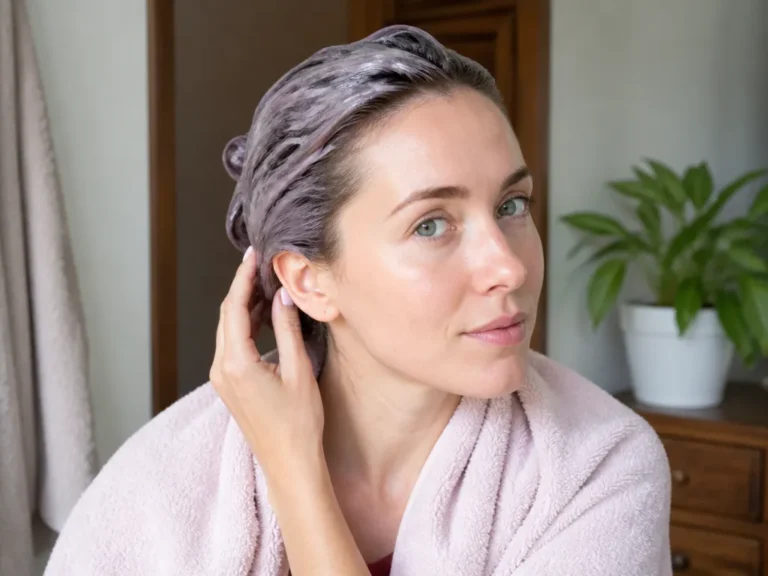
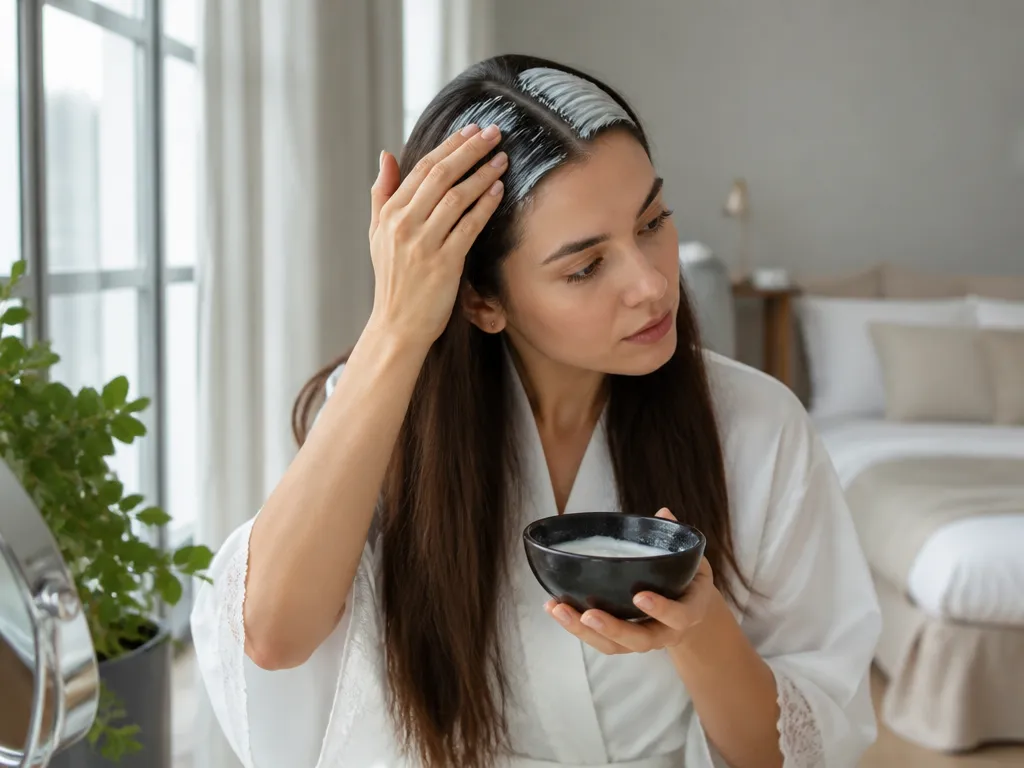
Dry hair mask application involves smoothing a thick, emollient-rich formula containing shea butter or argan oil through your mid-lengths and ends. Leave the product on for at least 20 minutes before hopping into the shower. Double-shampoo your roots afterward to remove heavy residue and prevent your hair from looking weighed down.
Best for: Dry, thick, or color-treated hair. Use caution if: You have very fine, oily hair that loses volume easily.
How To Use Hair Mask On Dry Hair? (Pre-wash Technique)
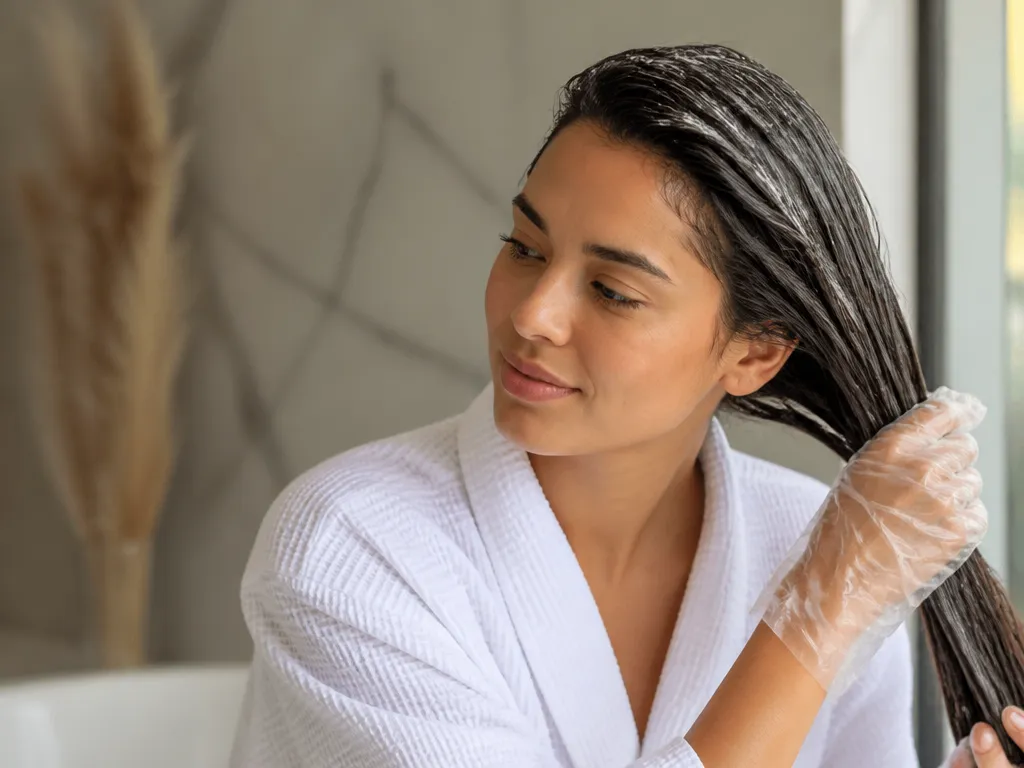
Applying a hair mask to dry strands allows concentrated conditioning agents to penetrate the cuticle without the interference of water. This method provides an intense moisture boost for hair that is highly porous, chemically treated, or prone to extreme dryness.
Water often acts as a barrier for heavy conditioning agents, preventing them from fully saturating the hair shaft. When you apply a treatment to dry hair, the lipids and proteins in the mask have direct contact with the damaged areas of the cortex. This technique is particularly effective for those with thick, curly, or coarse textures that struggle to retain hydration.
Professional tip: Focus the application on the mid-lengths and ends where damage is most concentrated, avoiding the scalp to prevent unwanted oiliness or limp roots.
Who Benefits From Pre-wash Masking?
Individuals with high-porosity hair see the most significant results from this routine. Because high-porosity hair has gaps in the cuticle, it loses moisture as quickly as it absorbs it. Pre-masking acts as a primer, sealing these gaps before the hair is exposed to the potentially stripping effects of shampoo.
Expected Results And Timing
Expect to leave the mask on for at least 20 to 30 minutes to allow the ingredients to settle into the hair structure. You do not need to leave the product on for several hours, as hair reaches its maximum absorption capacity relatively quickly. Consistent application once a week is enough to see a noticeable improvement in softness and manageability within one month.
| Hair Type | Application Frequency | Key Ingredients to Look For |
|---|---|---|
| Fine/Thin | Every 2 weeks | Hydrolyzed Wheat Protein |
| Thick/Coarse | Weekly | Shea Butter, Argan Oil |
| Color-Treated | Weekly | Ceramides, Amino Acids |
Avoid applying too much product, as excess residue can weigh down the hair and require extra shampooing, which defeats the purpose of the treatment. Start with a small amount and work it through in sections to ensure even coverage without saturation.
Identify Your Unique Hair Texture
Hair texture determines how much product your strands can absorb and where the treatment should sit to prevent weighed-down roots. Fine hair requires lightweight, aqueous formulas to avoid a greasy finish, while coarse or curly textures need heavy lipids and oils to penetrate the thicker cuticle.
Texture assessment involves more than just looking at strand width. You must also evaluate your porosity and current damage levels to decide how often to perform a pre-wash treatment.
Texture And Application Guidelines
Fine hair often struggles with heavy butters like shea butter or cocoa butter when applied to dry strands. These ingredients can coat the hair so heavily that they become difficult to rinse out, even with a clarifying shampoo. Focus application only on the mid-lengths to ends.
Coarse and curly hair types generally have a more irregular cuticle, making them prone to moisture loss. These textures benefit from intensive, oil-based masks applied from the mid-lengths to ends, especially when the scalp is naturally oily. High-porosity hair, which absorbs moisture quickly but loses it just as fast, needs protein-rich masks to temporarily fill gaps in the hair shaft.
| Hair Type | Ideal Mask Consistency | Primary Goal |
|---|---|---|
| Fine | Lightweight / Gel-like | Volume and shine |
| Thick / Coarse | Heavy Cream / Butter | Softness and manageability |
| Curly / Coiled | Rich Oil-based | Definition and moisture |
| Color-Treated | Acidic / pH-balanced | Color retention and repair |
Assessing Damage For Frequency
Damage levels dictate your weekly schedule. Healthy hair can handle a deep conditioning session once every two weeks, but highly processed hair may need more frequent attention.
Professional Tip: If your hair feels “mushy” when wet, you have over-moisturized and need a protein treatment to restore structure.
Key Ingredients For Deep Repair
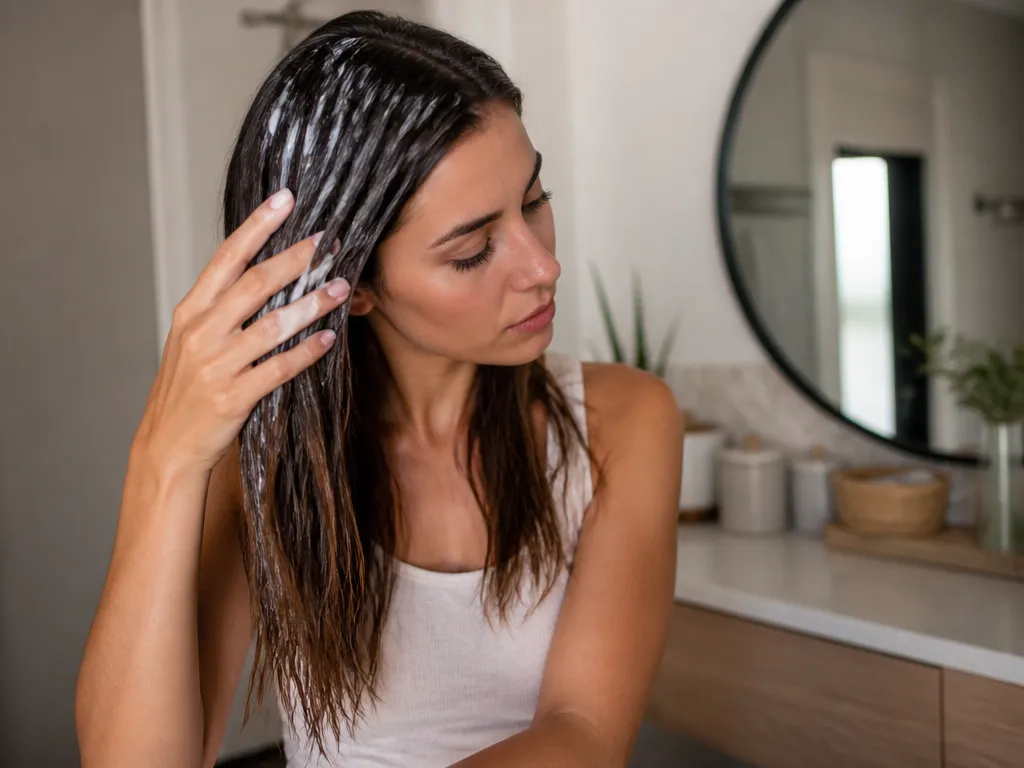
Effective hair repair relies on small-molecule proteins to mend internal gaps and humectants to pull moisture into the cortex. Surface-level ingredients like heavy waxes or silicones coat the cuticle to prevent future moisture loss, but they do not provide long-term structural restoration.
Selecting the right treatment depends on whether your hair needs structural support or simple hydration. Fine hair often requires lightweight proteins to maintain volume, while coarse or curly hair benefits from dense botanical oils that seal moisture into the shaft.
| Ingredient Category | Function | Best For |
|---|---|---|
| Hydrolyzed Proteins | Fill structural gaps | Damaged, processed hair |
| Humectants | Attract water molecules | Dehydrated, dull strands |
| Botanical Oils | Seal the cuticle | High-porosity, coarse hair |
Protein Versus Moisture Balance
Proteins like keratin or wheat protein are essential for hair that has undergone chemical bleaching or heat styling. These molecules are small enough to anchor themselves into the damaged areas of the hair shaft, which increases tensile strength and reduces breakage. Use these treatments sparingly, as too much protein causes hair to become brittle and stiff.
Humectants such as glycerin or panthenol act as magnets for moisture. They draw ambient water into the hair, making them ideal for parched strands that feel like straw. Combine these with occlusive oils like argan or jojoba to lock the hydration inside the hair for several days.
Dermatologist tip: Perform a patch test on your inner arm before applying any new protein-rich mask to your scalp, especially if you have sensitive skin or a history of contact dermatitis.
Correct Application And Timing Steps
Dry hair application requires careful saturation to ensure the product reaches the cuticle without being blocked by surface debris. You must apply the mask starting from the mid-lengths and working down to the ends, as the roots often produce enough natural sebum to stay hydrated.
Expert Tip: Leave the mask on for a minimum of 20 minutes for basic conditioning. If your hair is severely damaged or bleached, keep the product on for up to 45 minutes to allow deep penetration of proteins and lipids.
Avoid leaving the mask in for more than one hour, as hair fibers reach a saturation point where they cannot absorb additional moisture. Leaving heavy treatments on for too long can cause hygral fatigue, a state where the hair shaft swells and weakens from excessive moisture absorption.
| Hair Type | Optimal Mask Duration |
|---|---|
| Fine/Thin | 15 to 20 minutes |
| Thick/Coarse | 30 to 45 minutes |
| Color-Treated/Damaged | 40 to 60 minutes |
Rinsing the product requires lukewarm water to ensure the emulsifiers wash away cleanly. Follow up with a gentle shampoo only if your hair type is prone to greasiness, or use a light conditioner if you have very dry, porous textures.
Preventing Greasy Buildup And Residue
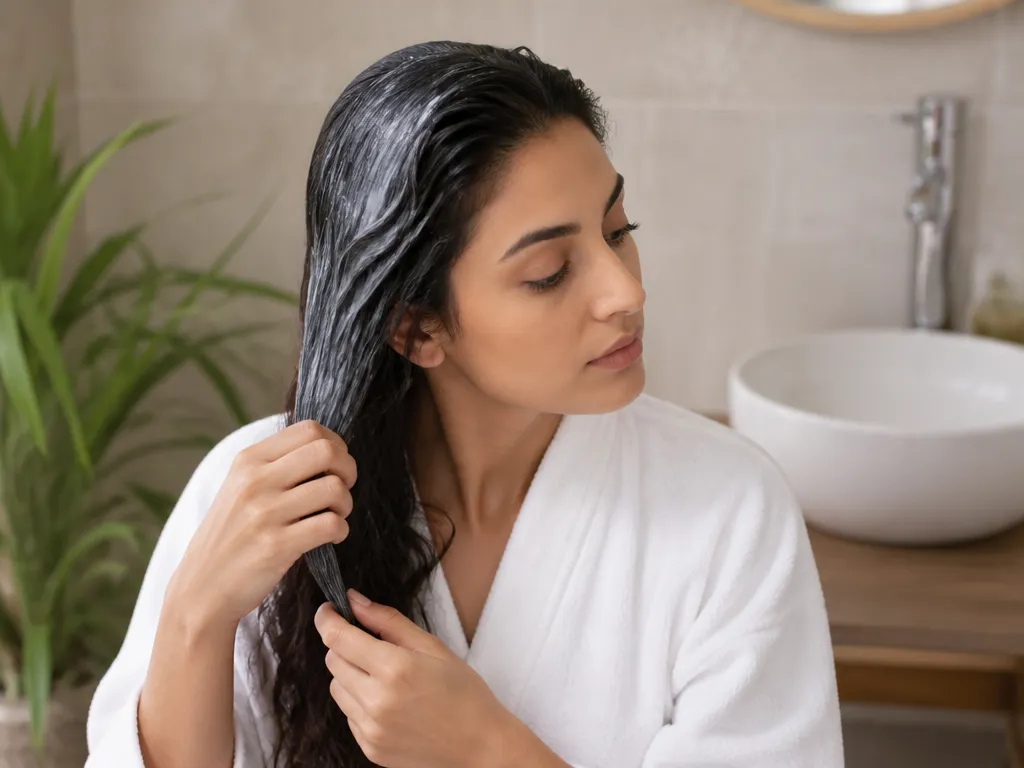
Excess oil and residue accumulate when hair masks contain heavy silicones or plant butters that remain on the hair shaft after a standard rinse. A double-cleanse routine effectively strips these lipids, ensuring your hair stays bouncy rather than weighed down.
Double-cleansing requires two distinct shampoo applications to break down product buildup. The first wash removes surface debris and excess mask residue, while the second wash cleans the scalp and hair thoroughly.
The Double-cleanse Process
Expert tip: If you have fine or thin hair, focus your mask application only on the mid-lengths and ends. Avoid the scalp entirely to prevent the roots from looking greasy within hours of washing.
| Product Type | Role in Routine | Best For |
|---|---|---|
| Clarifying Shampoo | Removes heavy buildup | All hair types once a week |
| Hydrating Shampoo | Cleanses without stripping | Dry, color-treated hair |
Clarifying shampoos are essential for users who apply masks to dry hair, as these treatments often feature higher concentrations of oils than standard conditioners. Look for formulas containing salicylic acid or vinegar to break down stubborn lipids effectively. These ingredients work well for oily to combination scalps by removing debris without causing excessive dryness.
In practice, those with very fine hair should skip the mask every other wash to prevent accumulation. Monitor your hair texture after drying; if it feels stiff or coated, you likely need a more thorough rinse or a lighter mask formula.
Cost-effective And Diy Mask Options
Effective deep conditioning does not require expensive salon products. Many drugstore masks use the same hydrating agents as luxury brands, and raw oils can provide similar lipid replenishment for dry hair.
Drugstore Vs Luxury Options
Drugstore options often rely on silicones for immediate slip and shine. Luxury brands usually include higher concentrations of botanical oils and fewer fillers. Both can work, but the choice depends on whether you want a temporary cosmetic fix or long-term repair.
For example, a high-end mask might use cold-pressed marula oil for deep penetration. A budget version might use dimethicone to create a similar smooth feel on the surface.
High-end: Briogeo Don’t Despair, Repair! ($30). Drugstore: Garnier Fructis Hair Food ($7). Both contain nourishing oils, but the former avoids certain sulfates and silicones that can build up over time.
Safe Kitchen Ingredients
Kitchen ingredients like coconut oil and honey are excellent for pre-wash treatments on dry hair. Coconut oil penetrates the hair shaft to reduce protein loss, while honey acts as a humectant to draw in moisture.
In practice, mixing these with a mashed avocado provides fatty acids that soften coarse textures. These options are best for very dry or curly hair types that need heavy lipids to prevent breakage.
Always perform a patch test on your skin before applying food-based masks to your entire scalp. Some people have allergies to raw honey or nut oils that can cause irritation.
Esthetician tip: Apply DIY oil masks to dry hair for 30 minutes before you shower. This protects the hair from the stripping effects of shampoo.
| Item | Price Point | Key Ingredient | Best For |
|---|---|---|---|
| Luxury Mask | High ($30+) | Marula Oil | Damaged/Bleached |
| Drugstore Mask | Low ($5-15) | Shea Butter | Frizzy/Normal Dry |
| DIY Oil Blend | Very Low ($2-5) | Coconut Oil | Very Dry/Coarse |
Professional Tips For Lasting Results
Heat application increases the absorption rate of conditioning agents by gently lifting the hair cuticle. You can achieve this effect by wrapping your hair in a warm, damp towel or using a specialized thermal cap for ten minutes while the mask sits on your dry strands.
Optimizing Your Routine
Consistency creates the biggest difference in hair texture and strength. Aim for a weekly schedule that aligns with your specific hair needs rather than daily applications that lead to product buildup.
Expert tip: Always rinse your hair thoroughly with cool water after your treatment. Cool water helps seal the cuticle, which locks in the moisture and adds natural shine to your hair.
Mask Selection Guide
| Hair Concern | Key Ingredient | Application Frequency |
|---|---|---|
| Dryness | Shea Butter | Weekly |
| Breakage | Hydrolyzed Keratin | Bi-weekly |
| Dullness | Argan Oil | Every 10 days |
If you notice your hair feels heavy or limp after washing, reduce the leave-in time by five minutes during your next session.
Patience remains the most critical factor for visible improvement. Most users observe significant softness after the first use, but structural repair and lasting hydration improvements take four to six weeks of regular application. Keep a simple calendar or journal to track your progress and adjust your schedule based on how your hair feels each week.
Quick Summary
Applying a hair mask to dry strands allows concentrated conditioning agents to bypass the barrier created by water. This method is effective for absorbing lipids and proteins directly into the damaged hair cortex. To perform this pre-wash treatment, you should divide your hair into four sections and apply an emollient-rich formula containing shea butter or argan oil. This technique works best for those with thick, curly, or coarse textures.
High-porosity hair benefits most from this routine because the mask acts as a primer to seal cuticle gaps. For optimal absorption, leave the treatment on for at least 20 to 30 minutes before washing. Shampoo after the treatment, using a second wash when heavy residue remains. If you have fine hair, use a lightweight formula every two weeks rather than weekly. Consistent application once a week leads to noticeable improvements in softness and manageability within one month.
| Hair Type | Frequency | Key Ingredients |
|---|---|---|
| Fine/Thin | Every 2 weeks | Hydrolyzed Wheat Protein |
| Thick/Coarse | Weekly | Shea Butter, Argan Oil |
| Color-Treated | Weekly | Ceramides, Amino Acids |
Frequently Asked Questions
Can I Apply A Hair Mask To Dry Hair Instead Of Wet Hair?
You can apply a mask to dry hair to help heavy oils penetrate deeper, but this is best for oil-based treatments. For water-based creams, applying to damp hair is more effective for even distribution.
How Long Should I Leave A Hair Mask On For Best Results?
You should leave most pre-wash masks on for at least 20 to 30 minutes to allow the ingredients to work. Following the specific timing on the bottle is more important than leaving it on overnight.
Should I Shampoo Before Or After Applying A Hair Mask?
If you apply the mask to dry hair, you should shampoo after the treatment to remove the mask and any residue. This pre-wash approach lets the treatment coat the hair before cleansing.
Is An Expensive Hair Mask Better Than A Drugstore Brand?
Luxury masks often have higher concentrations of active peptides and botanical oils compared to cheaper versions. While drugstore brands are great for basic hydration, professional products usually offer better repair for damaged hair.
Can Using A Hair Mask Cause Breakouts On My Skin?
Yes, heavy masks can cause breakouts if they drip onto your skin. Always wash your face and body after rinsing your hair to ensure no residue remains on your pores.

- 13 Best Natural Deep Conditioning Ingredients to Tame Frizzy Hair - September 29, 2026
- How to Make Deep Conditioner for Natural Hair: 8 Easy DIY Recipes - September 29, 2026
- Natural Homemade Deep Conditioner for Natural Hair: Easy DIY Recipes - September 29, 2026