Is Hair Oil Or Leave In Conditioner Better?
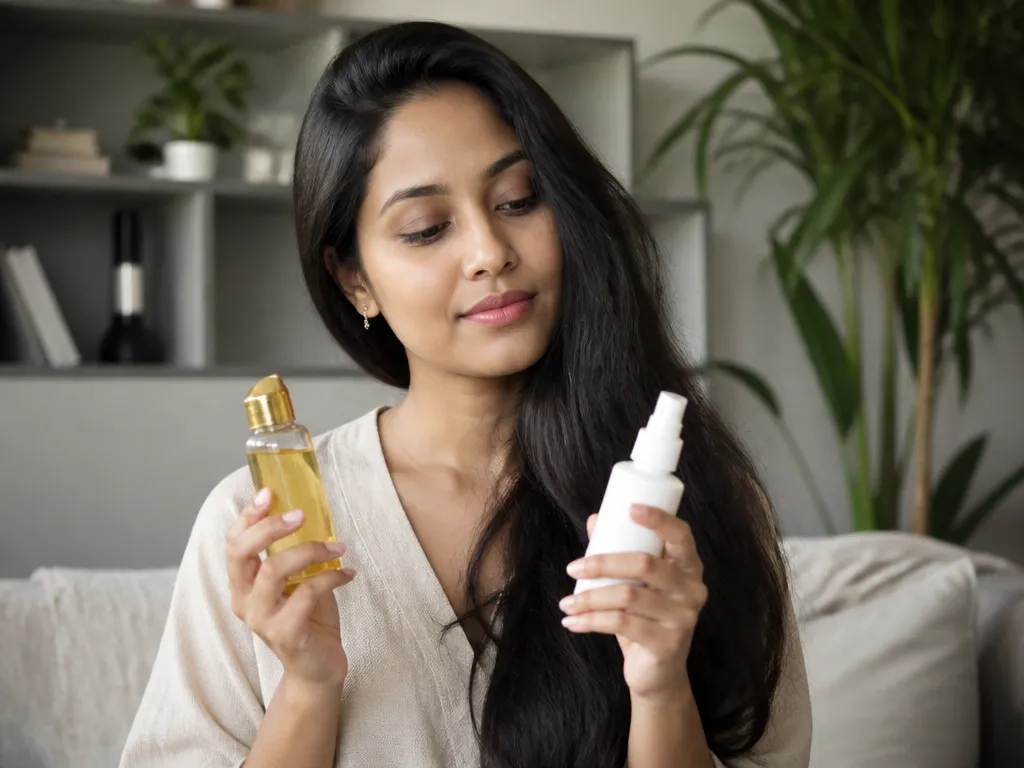
Struggling with dry, frizzy hair and wondering whether hair oil or leave-in conditioner will fix it? The “best” choice depends on your texture, your scalp, and what you want most.
Leave-in conditioner is usually better for moisture and detangling; look for humectants like glycerin. Hair oil is usually better for sealing in softness and boosting shine; look for occlusives like coconut oil or dimethicone in lightweight serums. If roots get oily, use oil only on ends, 2 to 3 drops.
Is Hair Oil Or Leave In Conditioner Better?
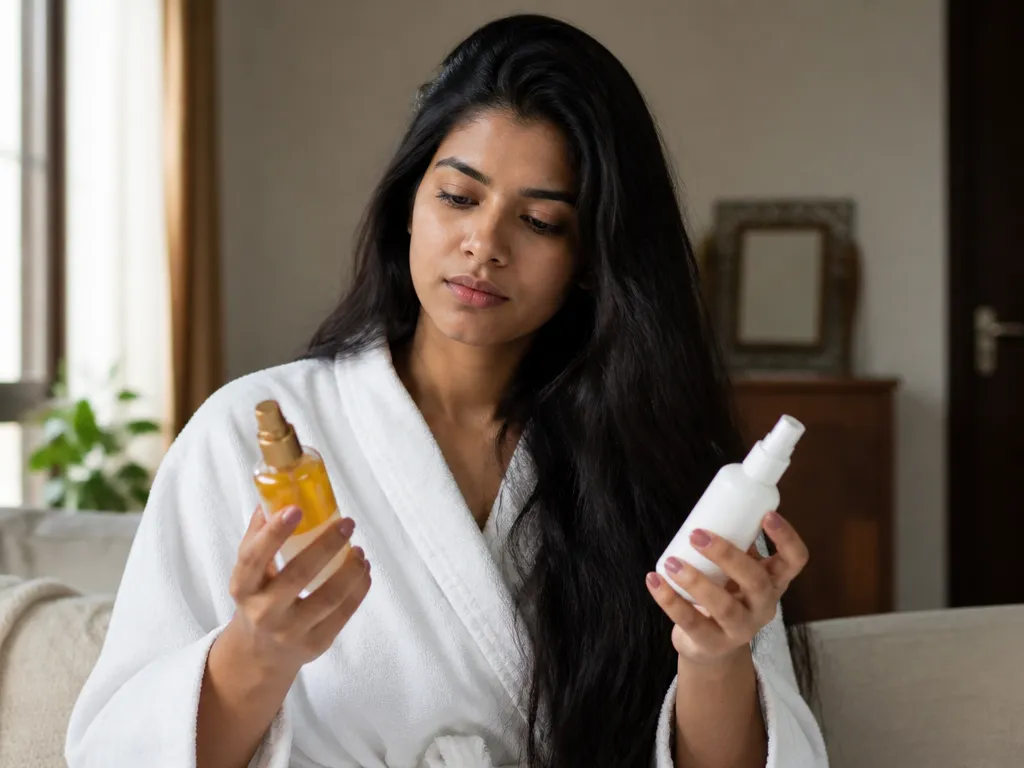
Moisturizers in a leave-in conditioner add hydration and slip, while hair oil mainly provides occlusion to slow moisture loss. Leave-in conditioner is usually the better first step for frizz, softness, and detangling, and hair oil is best as a finishing step to seal the ends.
Moisture products typically contain water-binding ingredients plus conditioning agents, so they help hair feel smoother and reduce snagging. Occlusion products, like many hair oils, coat the hair fiber to reduce how quickly moisture escapes, which can make ends look shinier and feel less rough. Choosing the wrong one is where dryness happens: using only oil can trap dryness you already have, while using only leave-in without any sealing can lead to faster re-drying in dry or heat-exposed environments.
Moisture Vs. Sealing (What Your Hair Actually Receives)
Leave-in conditioner is your “hydration and manageability” step. Hair oil is your “seal the ends and tame flyaways” step, especially after you already added moisture.
| Product | Price | Key Ingredient | Best For |
|---|---|---|---|
| Leave-in conditioner (budget) | Varies | Glycerin and panthenol | Dry, coarse, or curly hair needing softness and detangling |
| Hair oil (budget) | Varies | Castor, argan, or jojoba | Sealing ends, shine, and frizz on mid-lengths to ends |
| Leave-in conditioner (splurge) | Varies | Hydrolyzed proteins | Heat damage prone hair that needs light reinforcement |
“For most people, the best results come from layering: leave-in for hydration first, then oil only where you need sealing (usually ends).”
In practice, match the product to the problem you see. Dryness at the ends and rough, tangled lengths respond faster to leave-in with humectants, while frizz that happens after your hair feels dry often needs a small amount of oil to lock down the look.
Decision chart for quick picks: if your hair goal is “softness, detangling, and reduced friction,” reach for a leave-in conditioner. If your goal is “lasting shine and frizz control after styling,” use hair oil as the final touch. Using both is common, but applying oil on dry, unconditioned hair or applying heavy oil to the scalp is the fastest way to get greasy buildup and limp strands.
Patch testing still matters, especially if you have allergies to plant oils or fragrance. Apply a small amount behind the ear or on an inconspicuous scalp area for 24 hours before committing, and stop if you notice itching, burning, or swelling. Also watch for “too much of a good thing” with proteins or heavy oils, because buildup can make hair feel coated and rough again.
Identify Your Hair Porosity And Type
Hair porosity tells you how quickly your strands absorb and lose moisture, which determines whether you need lightweight hydration or a heavier, sealing finish. Low porosity hair resists water, so thick layers can sit on top and feel greasy. High porosity hair soaks up quickly, then leaks moisture just as fast, so it needs stronger sealing and more consistent conditioning.
Quick Porosity Check (Do This After Your Usual Wash)
Porosity clues are easier than tests, and you do not need lab tools to make a good call. Fine strands that feel “dry but hard to wet” often behave like low porosity, while rough, tangly hair that looks dull after washing often behaves like high porosity.
Hair type changes how products behave on top of porosity. Fine hair tends to get weighed down fast, while thick or coily hair tolerates richer textures, so “better” depends on both structure and strand density.
Fine Vs. Thick Hair: What That Changes
Fine, straight, or slightly wavy hair usually needs less product and more targeted placement, especially near the scalp. Thick, curly, or coily hair usually needs more slip and ongoing sealing to reduce frizz and improve softness, but you still avoid over-applying if your hair gets limp.
| Hair Situation | What Your Hair Usually Needs | Common Mistake |
|---|---|---|
| Low porosity + fine | Light leave-in hydration, minimal oil on ends | Over-using heavy leave-ins or oils that sit on the surface |
| Low porosity + thick/coily | Moisture with breathable leave-in, small amount of oil to seal | Applying too much product at once and creating buildup |
| High porosity + fine | More consistent conditioning, careful sealing at the ends | Using too much oil, which can make roots look greasy |
| High porosity + thick/coily | Stronger sealing and slip for detangling, oil on ends | Skipping leave-in conditioning and relying on oil alone |
“Rule of thumb: place rich products where hair is driest (usually mid-lengths to ends), and keep the scalp area lighter unless your scalp is genuinely dry.”
For example, low porosity hair with oily roots often does best with a lightweight leave-in, then a tiny amount of oil only on the ends after styling. For high porosity hair that tangles easily, a leave-in with conditioning properties helps reduce dryness stress, with sealing focused on the lengths and especially the ends.
Key Ingredients For Hydration And Shine
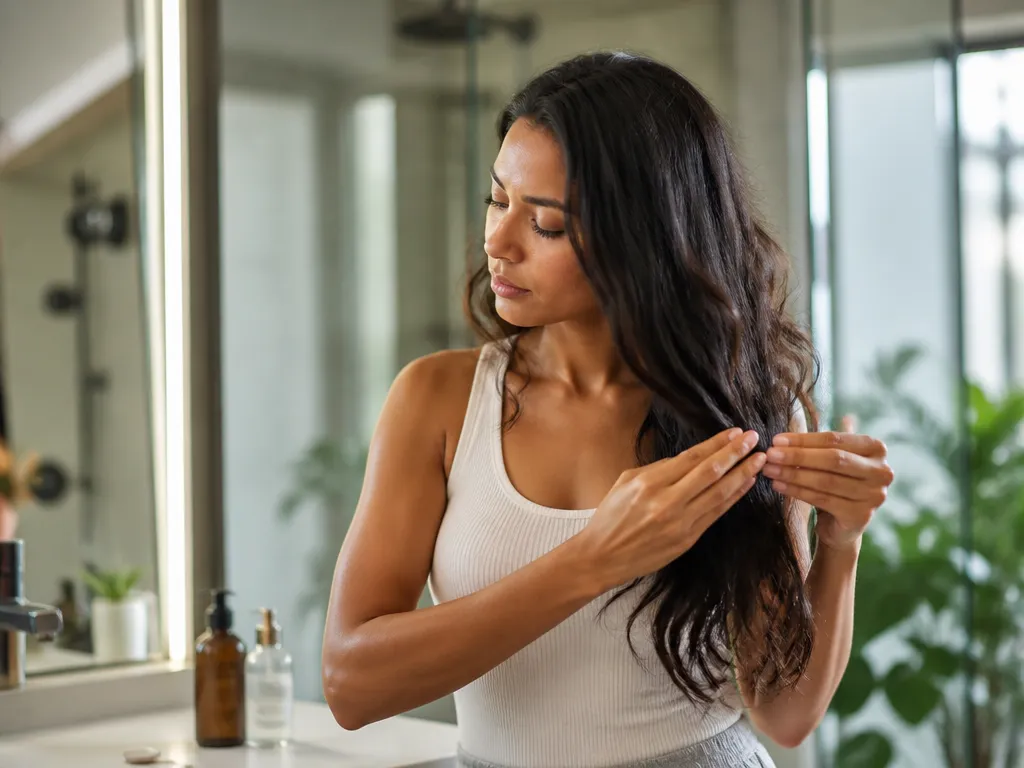
Humectants attract water into the hair shaft, while occlusives seal that moisture inside to prevent evaporation. Leave-in conditioners typically rely on humectants, and hair oils rely on occlusives.
Glycerin and aloe vera are common humectants found in leave-in products. These ingredients pull moisture from the air, which is ideal for fine or dehydrated hair that needs weightless hydration.
Occlusives like argan, jojoba, and coconut oil create a physical barrier on the hair cuticle. This prevents water from leaving the shaft, which is essential for coarse, curly, or high-porosity hair.
In practice, coconut oil penetrates the shaft more deeply than jojoba oil. Jojoba oil mimics natural scalp sebum, making it a safer choice for those with oily roots.
Silicones such as dimethicone provide instant slip and heat protection. They create a smooth film that eliminates frizz more effectively than most natural oils.
However, silicones can cause buildup over time. You need a clarifying shampoo to remove them, or your hair will eventually feel heavy and dull.
| Item | Specification | Notes |
|---|---|---|
| Glycerin | Humectant | Pulls moisture from air; best for dehydrated hair. |
| Argan Oil | Occlusive | Seals cuticle and adds shine; best for coarse hair. |
| Dimethicone | Silicone | Provides high shine and heat protection; prevents tangles. |
| Aloe Vera | Humectant | Soothes scalp and hydrates; best for sensitive skin. |
Esthetician tip: Always patch test a new product on your skin for 24 hours before full application.
Master The Layering Application Technique
The L.C.O. method establishes a hydration hierarchy by applying products from the most water-soluble to the most occlusive. This sequence ensures moisture enters the hair shaft before the cuticle is sealed to prevent evaporation.
The L.c.o. Breakdown
Liquid, Cream, and Oil form the foundation of a balanced moisture routine for curly, coily, and dry hair types. This order prevents product buildup while maximizing the benefits of each formulation.
Pro Tip: Fine or straight hair types should skip the cream step or use a very lightweight spray to avoid a greasy appearance. Adjust the quantity based on your hair density rather than your hair length.
Application Strategy
Application of leave-in products should occur while the hair is damp to trap existing moisture within the cortex. Dry hair is often too porous to absorb thick creams evenly, which leads to patchy product distribution.
| Product Type | Primary Function | Best Application State |
|---|---|---|
| Leave-in Spray | Detangling | Damp |
| Cream Conditioner | Softness | Damp |
| Hair Oil | Sealant/Shine | Damp or Dry |
Common Mistakes Causing Greasy Hair
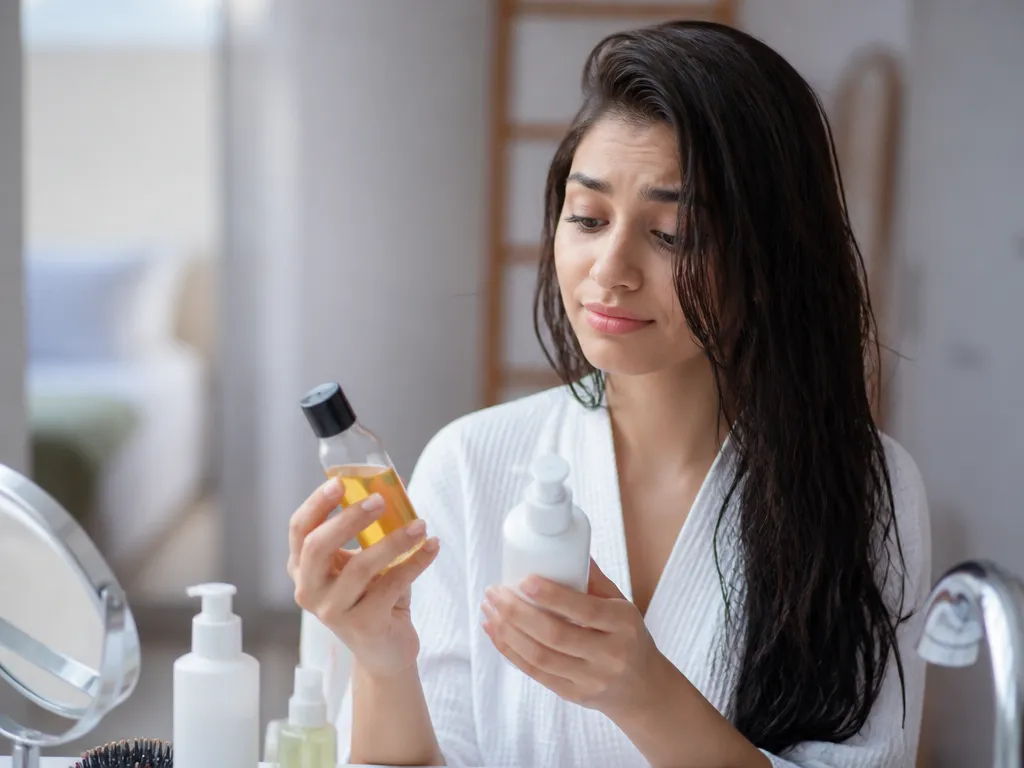
Greasy, limp hair often stems from product misuse rather than your hair type itself. Applying heavy leave-in treatments near the roots or failing to remove product buildup leads to an oily, weighed-down appearance by midday.
Applying Product Too Close To The Scalp
Scalp-adjacent application is the primary culprit for hair that looks unwashed. Hair oils and leave-in conditioners are designed to seal the cuticle and hydrate the mid-lengths to the ends, where natural oils from your scalp cannot reach. When these formulas touch your roots, they combine with your scalp’s natural sebum, creating a slick, heavy texture that attracts dirt.
Focus your product application from the ears down to the tips. Use your fingers to rake the product through the bottom two-thirds of your hair, ensuring even distribution without touching the crown. If you have fine or straight hair, use a pea-sized amount of oil, as excess product will slide down the hair shaft and settle at the root.
Using Heavy Oils On Low-porosity Hair
Low-porosity hair struggles to absorb moisture because the cuticle scales lie flat and tight. Heavy, dense oils like castor or coconut oil sit on the surface of the hair shaft rather than penetrating it. This creates a film that feels greasy and attracts environmental pollutants, making your hair look dull and dirty.
Choose lightweight, penetrating oils like jojoba or argan oil, which mimic your natural scalp oils and absorb more efficiently. If you find your hair feels coated after a treatment, your hair type likely prefers water-based leave-in conditioners over oil-based products. These water-based options provide hydration without the heavy residue associated with plant oils.
Neglecting Clarifying Washes
Product buildup occurs when silicones, waxes, or heavy oils accumulate on the hair over several days or weeks. Regular shampooing often fails to remove these stubborn residues, leading to a dull, gummy texture that no amount of styling can fix. A clarifying shampoo acts as a deep-cleanse that resets your hair’s surface.
Incorporate a clarifying wash into your routine once every two to three weeks to strip away excess product. Follow this deep clean with a lightweight moisturizing mask to restore balance. Consistent clarification prevents the cycle of coating the hair in more product to fix the appearance of the previous buildup.
Drugstore Vs. High-end Options
Effective hair care relies on ingredient quality and formulation balance rather than price tags. Many accessible brands utilize the same humectants and sealing agents found in luxury products, though premium options often include more concentrated botanical extracts or sophisticated fragrance profiles.
Recommended Product Comparisons
| Category | Drugstore Pick | High-end Pick | Best For |
|---|---|---|---|
| Leave-in Conditioner | SheaMoisture Jamaican Black Castor Oil | Oribe Supershine Moisture Cream | Dry, curly, or coarse textures |
| Smoothing Oil | L’Oreal Elvive Extraordinary Oil | Kérastase Elixir Ultime | Frizz control and shine |
Budget-friendly Essentials
Drugstore leave-in conditioners frequently outperform luxury counterparts for daily detangling needs. Look for formulas containing panthenol or glycerin to provide necessary hydration without heavy buildup.
Premium Salon-grade Sealants
High-end treatments often focus on long-term hair integrity through specialized bond-building technology or weightless polymers. These products are beneficial if you frequently use thermal tools or process your hair with bleach or dye.
Professional tip: Use high-end oils sparingly on the bottom two inches of hair. A pea-sized amount is sufficient for most hair types to prevent a greasy aesthetic.
Scalp Health And Diy Blends
Scalp health starts with clean, non-comedogenic ingredients that support the skin barrier. While luxury scalp serums exist, simple DIY blends can address dryness or irritation effectively.
Perform a patch test on your inner forearm before applying any essential oil blend to your scalp. Wait 24 hours to ensure no allergic reaction occurs, especially if you have sensitive skin or a history of contact dermatitis.
Professional Tips For Lasting Softness
Effective hair care relies on the sequence of product application and the physical state of the hair cuticle. Applying moisture-based leave-in conditioners before oil-based sealants ensures water molecules stay trapped inside the hair shaft instead of evaporating.
Maximizing Treatment Efficacy
Dermatologist tip: If you struggle with scalp sensitivity or acne along the hairline, keep all oils away from your skin. Use leave-in conditioners only on the mid-lengths and ends to avoid clogging pores.
Fine hair requires a conservative approach, often needing only a pea-sized amount of leave-in conditioner and skipping heavy oils entirely. Coarse or curly hair types benefit from layering both, starting with a water-based cream to provide hydration, followed by a heavier oil to provide structure and shine. Consistent application leads to visible texture improvements within four to six weeks. Always perform a patch test if you have a history of contact dermatitis, specifically when using botanical oils that contain common allergens like nut extracts.
Quick Summary
Leave-in conditioner and hair oil serve distinct functions in a hair care regimen. Leave-in conditioner acts as the primary tool for hydration and detangling by using humectants like glycerin to improve combability and reduce friction. In contrast, hair oil functions as an occlusive to seal the hair cuticle and minimize moisture loss after hydration. While leave-in products are ideal for damp hair to manage frizz, hair oil is best applied to the final third of the hair to provide shine and lock in softness without weighing down the roots.
Effective hair care often relies on layering these products rather than choosing one exclusively. Experts recommend applying leave-in conditioner first for moisture, followed by a small amount of oil specifically on the ends. If buildup occurs, a clarifying shampoo should be used every two to four weeks to maintain health. Always patch test new formulas behind the ear for twenty-four hours to check for sensitivity. Ultimately, the most successful approach involves matching the product to your specific hair texture and avoiding scalp application to prevent greasiness.
| Product Type | Primary Benefit | Application Area |
|---|---|---|
| Leave-in Conditioner | Hydration and detangling | Lengths and ends |
| Hair Oil | Sealing and shine | Last 1/3 of hair |
Beauty Routine Cheat Sheet
Morning Routine
1. Apply a pea to coin sized amount of leave-in conditioner to damp mid-lengths and ends for hydration. (30 seconds)
2. Finish by smoothing 2 to 3 drops of hair oil onto the very tips to seal the cuticle and tame flyaways. (30 seconds)
Evening Routine
1. If product buildup feels heavy, use a clarifying shampoo to reset the hair and scalp.
2. Apply a leave-in conditioner if the hair feels dry or tangled from the day to prep for morning manageability.
Top 3 Ingredients to Prioritize
1. Glycerin: A humectant that draws moisture into the hair strand.
2. Panthenol: A conditioning agent that supports softness and detangling.
3. Argan or Jojoba Oil: Lightweight occlusives that seal moisture and add shine without excessive heaviness.
One Thing to STOP Doing Immediately
Stop applying hair oil directly to the scalp or roots, as this leads to unnecessary buildup, irritation, and limp, greasy strands.
Expected Timeline for Results
Immediate improvements in softness and detangling occur upon first application of leave-in conditioner, while consistent use of both products will show reduced breakage and improved shine within two to four weeks of regular maintenance.
Frequently Asked Questions
What Is The Actual Difference Between Hair Oil And Leave In Conditioner?
Leave in conditioner is water based and designed to hydrate and detangle the hair shaft from within. Hair oil is a sealant that sits on top of the cuticle to lock in moisture and add shine.
Do I Really Need To Use Both Products In My Hair Routine?
You do not need both if your hair is fine or easily weighed down, but using them together is a great strategy for dry or curly hair types. Apply the leave in first to provide the water, then follow with oil to seal it all in.
Can Hair Oil Cause Breakouts On My Face Or Scalp?
Yes, many hair oils contain heavy silicones or plant oils that are highly comedogenic, meaning they can clog pores. If you have acne prone skin, always pull your hair back while sleeping and choose non comedogenic oils like squalane or jojoba.
Is The Expensive Version Of Hair Oil Worth It Compared To The Drugstore Version?
Often you are paying for luxury fragrance or elegant packaging, but the core active ingredients in drugstore oils are frequently just as effective at sealing the cuticle. Check the label for pure botanical oils rather than just silicones if you want a higher quality product.
What Is The Correct Order To Apply Hair Care Products?
Always apply your water based products like leave in conditioner or mousse to damp hair first, then finish with your oil as the final step. Applying oil before water based products creates a barrier that prevents moisture absorption.

- 13 Best Natural Deep Conditioning Ingredients to Tame Frizzy Hair - September 29, 2026
- How to Make Deep Conditioner for Natural Hair: 8 Easy DIY Recipes - September 29, 2026
- Natural Homemade Deep Conditioner for Natural Hair: Easy DIY Recipes - September 29, 2026