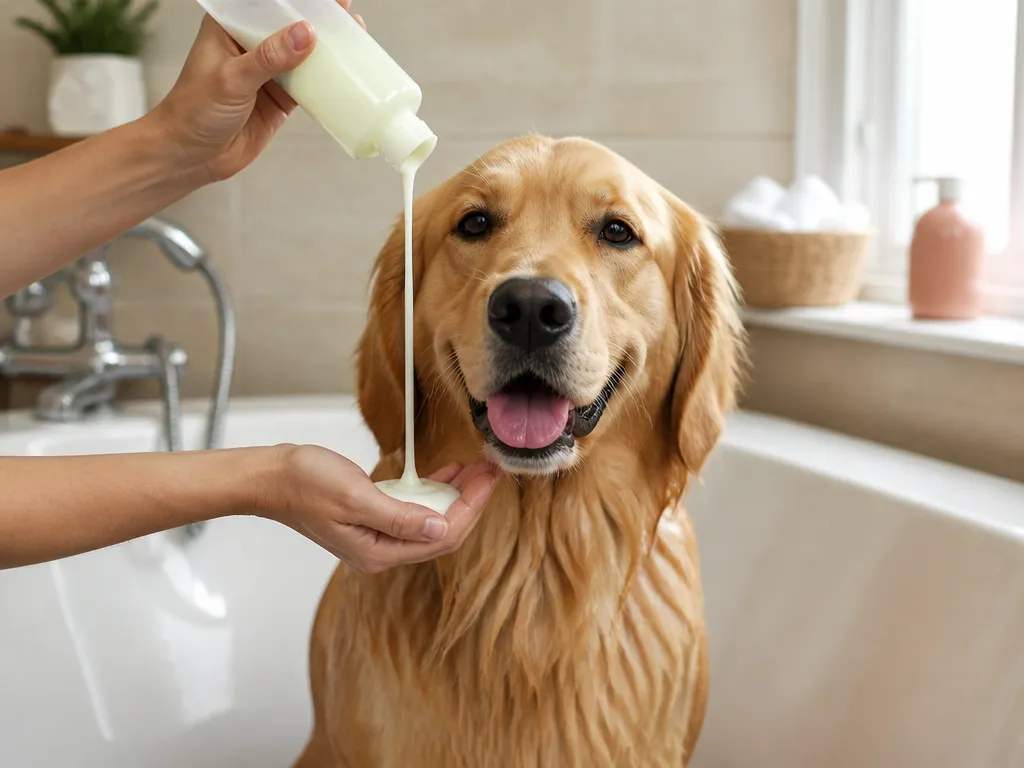
Is Human Hair Conditioner Safe For Dogs?
You might be tempted to grab your own salon-grade conditioner during a quick bath time, but your dog’s skin chemistry is worlds apart from ours. While a tiny amount of accidental contact usually won’t cause a crisis, using human products regularly can lead to serious irritation. I will help you identify the dangerous ingredients to avoid and what to use instead.
Human hair conditioner is generally unsafe for regular use on dogs due to pH imbalances and irritating ingredients like fragrances, essential oils, and certain alcohols. While accidental contact might only require a thorough rinse, frequent application can cause skin redness or vomiting if ingested. Always choose a pH-balanced, pet-specific formula to protect their skin barrier.
Best for: Owners seeking safe grooming alternatives. Use caution if: Your dog has sensitive skin, open wounds, or a history of allergies.
Is Human Hair Conditioner Safe For Dogs?
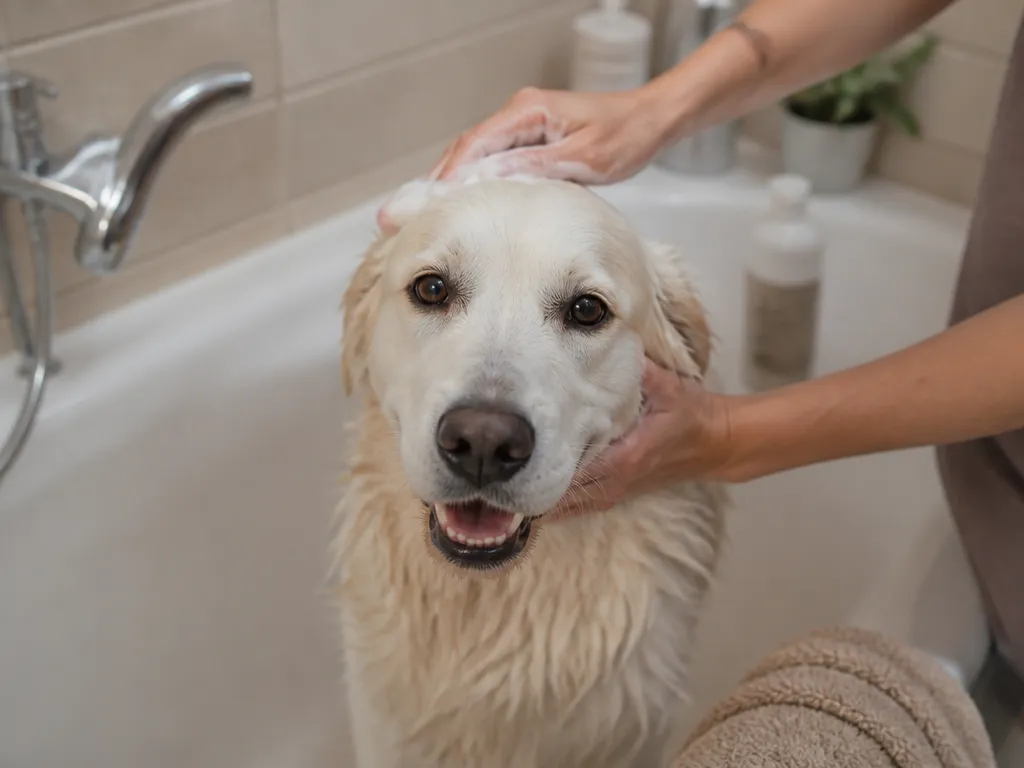
Human hair conditioner is not ideal for dogs and can irritate skin, especially with frequent use. Human formulas are balanced for human-scalp pH and barrier function, so the residue and additives can disrupt a dog’s skin and irritate sensitive areas like the muzzle and eyes.
Dogs have different skin pH and fur chemistry, so the same rinse-off product can still leave irritating film behind. Many conditioners also include fragrance, essential oils, preservatives, and conditioning agents that humans tolerate well but may trigger itching or redness in dogs, particularly those with eczema-prone skin or allergies.
Ph Balance: Humans Vs. Dogs
Human hair and scalp products are typically made for a slightly acidic range that helps with hair cuticle and scalp comfort, while dog skin has its own different baseline needs. When the pH or formulation is off, irritation is more likely, and dogs may scratch or lick the area, increasing inflammation. This is more likely with conditioners than plain shampoo because conditioners are designed to stay on hair longer to soften and reduce static.
Accidental exposure matters more than intent, and the immediate risk is irritation rather than poisoning.
For example, if your dog walks through conditioner suds or you rinse poorly, the residue can trigger paw licking, face rubbing, drooling (muzzle irritation), or red patches.
Accidental exposure protocol is simple: rinse thoroughly and monitor closely for symptoms. Conditioners should never be left on the coat like a “treatment,” because contact time increases irritation potential.
Vet contact is warranted when symptoms appear or when ingestion is significant. Call a veterinarian right away if your dog shows facial swelling, hives, repeated vomiting, lethargy, or persistent drooling, and bring the product label if you can.
| Skin/Exposure Sign | What to Do | Why It’s Concerning |
|---|---|---|
| Scratching, red patches | Rinse again, dry gently, monitor closely | Contact dermatitis can worsen with licking |
| Drooling or pawing at mouth | Rinse muzzle, offer water, call vet if it persists | Mucous membrane irritation can be uncomfortable |
| Vomiting | Assess quantity, call vet for guidance | Swallowed conditioner residue can irritate the GI tract |
Identify Your Dog’s Coat Type
Different coat types require different care approaches to maintain healthy skin and fur. Understanding whether your dog has dry, oily, curly, or sensitive skin helps determine the safest and most effective conditioning routine.
Dry And Brittle Fur
Dogs with dry, brittle fur often have dull coats that shed excessively. This condition commonly affects breeds like Greyhounds and Whippets who have minimal natural oils.
Oily Or Greasy Coats
Oily coats often appear flat and may emit an unpleasant odor. Breeds like Basset Hounds and Cocker Spaniels are prone to this condition due to overactive sebaceous glands.
Curly And Matting-prone Hair
Dogs with curly or tightly-coated fur such as Poodles and Bichon Frise require specialized care to prevent painful mats from forming close to the skin.
Sensitive Or Allergy-prone Skin
Sensitive skin in dogs manifests as redness, itching, or hot spots. Breeds like West Highland White Terriers and Bulldogs are particularly susceptible to skin irritations.
Dangerous Ingredients To Avoid
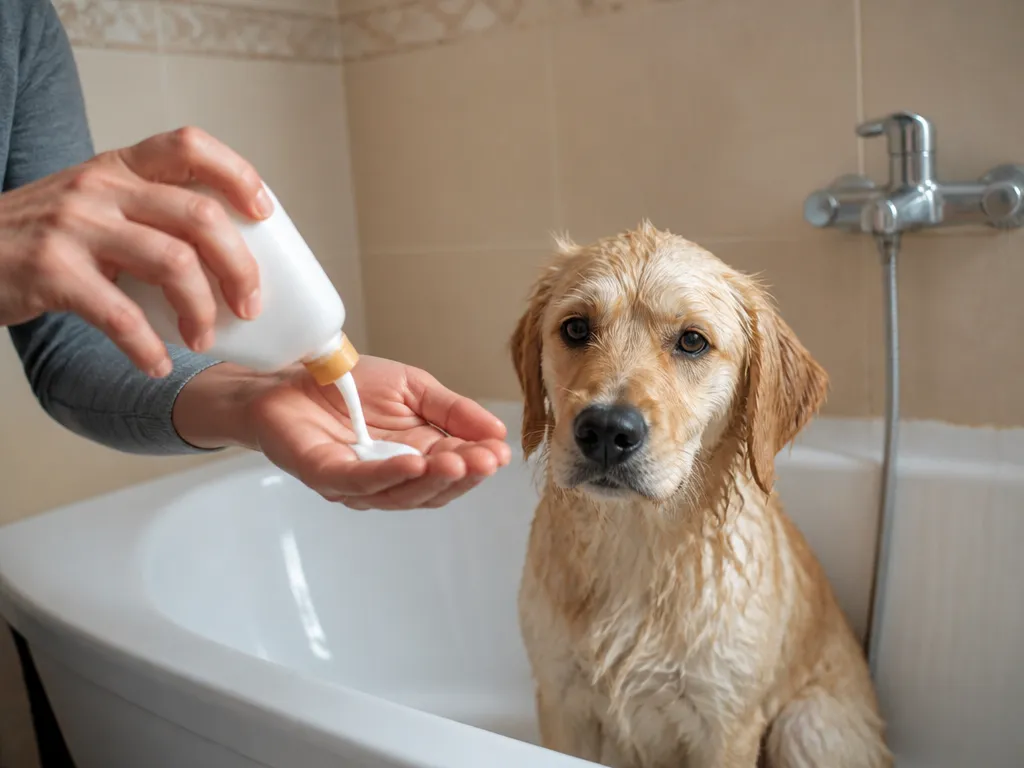
Read labels carefully and stop using any conditioner that causes discomfort.
Fragrances And Essential Oils
Human conditioners often contain fragrance (parfum) and essential oils for a pleasant smell and “spa” feel. Dogs have more sensitive skin, and airborne or contact-triggered reactions show up as itching, paw-licking, or inflamed skin around the muzzle, belly, and ears. Even “natural” oils can be irritating because they are still biologically active compounds.
Menthol, camphor, and other cooling agents are especially risky if your dog can lick their coat afterward. These ingredients can also sting if they get near eyes or soft tissue, and the discomfort can lead to frantic scratching or head shaking. If you want an easy rule, avoid any conditioner that lists multiple essential oils or fragrance near the top of the ingredient list.
Silicones And Drying Alcohols
Silicones like dimethicone and amodimethicone are not automatically toxic, but they can build up and make the coat feel slippery while trapping irritants or causing clogged follicles for some dogs. Drying alcohols and certain solvents can also leave skin tighter and more reactive, increasing the chance of dandruff-like flakes. This matters most for dogs with dry, sensitive, or allergy-prone skin.
Toxic Preservatives And Artificial Dyes
Some formulas include preservatives that are common in human cosmetics but can be irritating on canine skin, especially in leave-on or high-contact situations. Artificial dyes add another potential irritant layer, and some dogs react with localized redness or hives.
In practice, fragrance-free and dye-free products are the safest direction if you are conditioning at home.
For quick comparison, use the ingredient red flags below as your shopping filter.
| Item | Amount/Specification | Notes |
|---|---|---|
| Fragrance (parfum) and essential oils | Often listed early in INCI | Can trigger itch, redness, and drooling after licking |
| Menthol / Camphor | Any listed presence | Can sting eyes and irritate sensitive skin |
| Drying alcohols (certain denatured alcohols) | Any mid-to-high listing | May worsen dryness and reactivity, especially for sensitive or allergy-prone dogs |
| Artificial dyes | Any colorants | Extra irritation risk for dogs with already-reactive skin |
| Heavy film-forming silicones (build-up risk) | Multiple silicones or very frequent use | Not usually “toxic,” but can worsen build-up on some coats |
Veterinary-style tip: If product gets in the eyes or your dog starts pawing at the face, rinse immediately with lukewarm water and stop the use.
Safe Dog Conditioning Routine
Pet-safe conditioners maintain the acid mantle of a dog’s skin, which has a higher pH than human skin. Using a pH-balanced formula prevents dryness and irritation.
Conditioning works best when following a specific order: cleanser, then conditioner. This sequence ensures the hair is clean before adding moisture.
For dogs with oily coats, focus only on the tips of the fur. Dogs with dry or flaky skin benefit from a more thorough application on the lengths.
| Product Type | Budget Option | High-End Option | Best For |
|---|---|---|---|
| Oatmeal-based | Burt’s Bees ($12) | Isle of Dogs ($25) | Sensitive/Dry Skin |
| Coconut-based | Earthbath ($14) | TropiClean ($22) | Dull/Coarse Coats |
Esthetician tip: Always perform a patch test on a small area of the leg 24 hours before a full bath to check for allergic reactions.
Limit this routine to once every 2 to 4 weeks. Frequent conditioning can lead to product buildup, which makes the coat feel greasy.
For instance, a long-haired Poodle may need a conditioner every two weeks to prevent mats. A short-haired Beagle only needs this treatment once a month.
Mistakes That Irritate Dog Skin
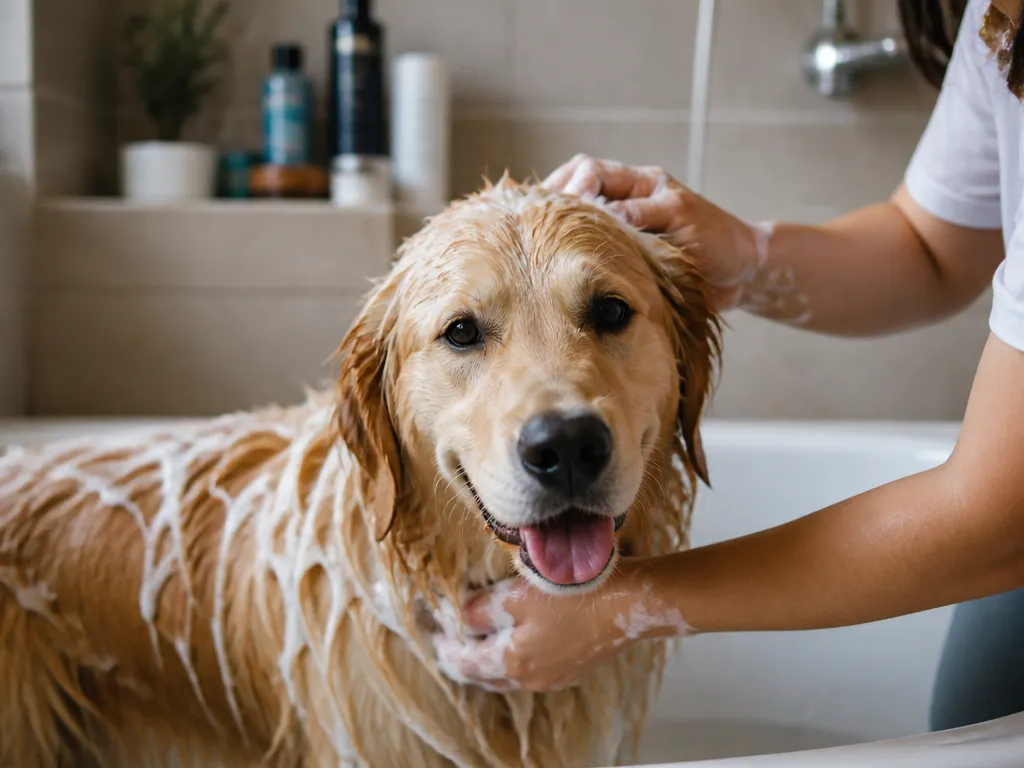
Using human leave-in conditioners ranks among the most common grooming mistakes. These products often contain essential oils and botanical extracts safe for human skin but irritating to dogs when licked or absorbed through their skin.
For example, tea tree oil and lavender, common in human conditioners, can cause neurological issues in dogs when ingested.
Neglecting Sensitive Areas
The ear and eye areas require special attention during grooming. Dogs have delicate skin around their eyes and ears that can easily become irritated from harsh products or improper cleaning techniques. Many pet wipes contain alcohol and fragrances that sting these sensitive areas.
Over-washing And Stripping Natural Oils
Excessive bathing with harsh shampoos strips a dog’s skin of essential natural oils that protect against environmental irritants and maintain healthy skin function. This creates a vicious cycle where excessive dryness leads to more itching and skin problems.
| Common Washing Mistake | Consequence for Dog Skin |
|---|---|
| Daily bathing with human shampoo | Severe dryness and irritation |
| Using hot water | Strips natural oils faster |
| Not rinsing thoroughly | Product residue causes itching |
Ignoring early signs of skin irritation allows minor issues to escalate into serious conditions. Redness, hives, or excessive scratching indicate potential problems that warrant immediate attention rather than waiting for visible skin damage to develop.
“Veterinary dermatologists report that over 30% of skin issues in dogs result from improper grooming practices. Always monitor your dog’s skin after introducing any new product and discontinue use if you notice any adverse reactions.” – Dr. Sarah Johnson, Veterinary Dermatology Specialist
Drugstore And Diy Alternatives
Vet-approved drugstore options are usually labeled “for dogs” and avoid harsh scent-heavy blends. For sensitive skin, choose formulas that are fragrance-free and designed for frequent use, like oatmeal-based shampoos with gentle surfactants (so the coat and skin barrier do not feel stripped).
| Product Type | Price (Typical) | Key Ingredients to Look For | Best For |
|---|---|---|---|
| Dog shampoo + rinse conditioner | Drugstore level | Colloidal oatmeal, glycerin | Dry, itchy, or easily irritated coats |
| Hypoallergenic dog shampoo | Drugstore level | Aloe, fragrance-free cleansers | Frequent bathing and mild sensitivity |
| Human “baby” conditioner | Drugstore level | Fragrance-free, no essential oils | Occasional detangling when you cannot access pet products |
In practice, you can also do gentle DIY rinsing that avoids lingering residues. A plain warm-water rinse is the safest “conditioner replacement” because it does not add scent or botanicals that can trigger irritation.
Vet tip: Keep products off the face and eyes, and rinse until the water runs clear. If your dog licks their coat, switch to a thicker barrier like a dog-formulated conditioner or skip conditioning entirely until skin feels calm.
Hypoallergenic oatmeal-based picks are the best starting point for oily to combination coats too, because they reduce tugging and friction without loading the skin with heavy fragrance. Dry coats benefit from glycerin-forward formulas, but heavy conditioners are more likely to leave residue, so rinse time matters.
Diy Options When You Are Stuck (And What To Avoid)
DIY rinses should be simple and quick to rinse out. For example, use a plain warm-water rinse, or skip conditioner and focus on thorough detangling with a brush.
If symptoms show up after accidental use, stop the product and rinse again with cool to lukewarm water. Watch for drooling, pawing at the face, repeated scratching, redness, or vomiting if a dog swallowed some, and contact your veterinarian if symptoms persist or worsen.
Fragrance-free pet care picks are easiest to shop for because the label tells you what is missing, which matters more than hype. For budget-friendly care, prioritize dog-formulated shampoos and conditioners at the drugstore aisle, then use the gentlest option that still detangles, especially for sensitive skin and lighter-coated breeds that can show irritation faster.
Expert Tips For Silky Fur
Coat health depends on the integrity of the skin’s acid mantle and the removal of dead hair. Maintaining this balance prevents irritation and ensures a glossy finish.
Bathing And Preparation
Brushing must happen before the bath. Water shrinks the diameter of hair fibers and locks mats tighter against the skin, which makes them nearly impossible to remove without scissors.
For example, a Doodle or Poodle with curly fur will develop permanent knots if you bathe them without a pre-brush. Use a slicker brush to remove loose undercoat and tangles first.
Lukewarm water prevents the skin from drying out. Hot water removes the sebum that protects the epidermis from bacteria and can cause thermal burns on a dog’s sensitive skin.
This temperature control is critical for dogs with dry or sensitive skin. Always test the water on your own wrist before applying it to your pet.
Long-term Maintenance
Omega-3 fatty acids increase the shine of the coat from the inside out. These lipids strengthen the hair follicle and reduce flaky skin for all coat types.
Expect to see results in 4 to 6 weeks of consistent supplementation. You can find these in various forms, from oils to chewable treats.
| Product Type | Approx. Price | Key Ingredient | Best For |
|---|---|---|---|
| Premium Salmon Oil | $30 | EPA/DHA | Severe dryness |
| Drugstore Omega Chews | $15 | Flaxseed Oil | General shine |
Professional grooming schedules vary by breed. Poodles or Bichons need a trim every 4 to 6 weeks to avoid matting, while short-haired breeds may only need a visit every 3 months.
In practice, a professional groomer can identify skin lumps or parasites that you might miss during a home bath. They also have the tools to deshed the undercoat without damaging the topcoat.
Follow a strict application order for the best results: pre-bath brush → lukewarm shampoo → conditioner → thorough rinse → air dry or low-heat blow dry.
Quick Summary
If accidental exposure occurs, rinse the area with plain water for five minutes and monitor your pet for 6 to 24 hours. Watch for specific symptoms like drooling, facial swelling, or excessive scratching, which may require immediate veterinary attention. For safer grooming, look for hypoallergenic, pet-specific oatmeal formulas that soothe the skin without leaving irritating films behind.
| Symptom | Immediate Action | Concern Level |
|---|---|---|
| Red patches or scratching | Rinse again and dry gently | Moderate – Monitor closely |
| Drooling or pawing at mouth | Rinse muzzle and offer water | High – Call vet if it persists |
| Facial swelling or vomiting | Call a veterinarian immediately | Urgent – Seek medical help |
Frequently Asked Questions
Why Can’t I Use Human Conditioner On My Dog?
Human products are formulated for a pH of around 5.5, but dogs have a much more neutral skin pH between 6.2 and 7.5. Using human conditioner can strip their protective acid mantle and lead to irritation or infections.
What Happens If My Dog Licks Human Hair Conditioner?
A tiny amount might only cause mild stomach upset, but many human formulas contain artificial fragrances or alcohols that can be irritating. You should always rinse their coat thoroughly to prevent them from ingesting the product.
Is Sulfate-free Human Conditioner Safe For Dogs?
Even if it is sulfate-free, the pH level mismatch remains a major risk to their skin barrier. You should stick to products specifically designed for canine skin chemistry to avoid dryness.
How Do I Know If My Dog Is Reacting To A New Shampoo?
Watch for signs like redness, excessive scratching, or flaky skin appearing within 24 to 48 hours of bathing. If you notice these symptoms, stop using the product immediately and consult your vet.
Is Expensive Dog Conditioner Worth It Compared To Drugstore Brands?
The price is less important than the specific ingredient profile. You should look for a formula that is pH-balanced and free of harsh irritants rather than just paying for a luxury label.

- Top 10 Best Hair Conditioner For Breakage 2026 - October 4, 2026
- Top 10 Best Hair Conditioner For Black Women 2026 - October 4, 2026
- Top 10 Best Hair Conditioner For Black Men 2026 - October 4, 2026