Is Conditioning Everyday Bad For Your Hair?
You might feel like your hair is getting limp or greasy despite your best efforts to keep it hydrated. Frequent conditioning can actually cause heavy buildup if you choose the wrong formula for your hair type. I will help you figure out if your daily routine is helping your strands or just weighing them down.
Conditioning every day is not inherently bad, but it depends on your hair texture and product type. People with highly porous, curly, or chemically treated hair can often benefit from daily moisture. However, those with fine hair or oily scalps should limit application to 2 to 3 times per week to prevent buildup.
Best for: Dry, curly, or color-treated hair. Use caution if: You have fine hair, an oily scalp, or are prone to product buildup.
Is Conditioning Everyday Bad For Your Hair?
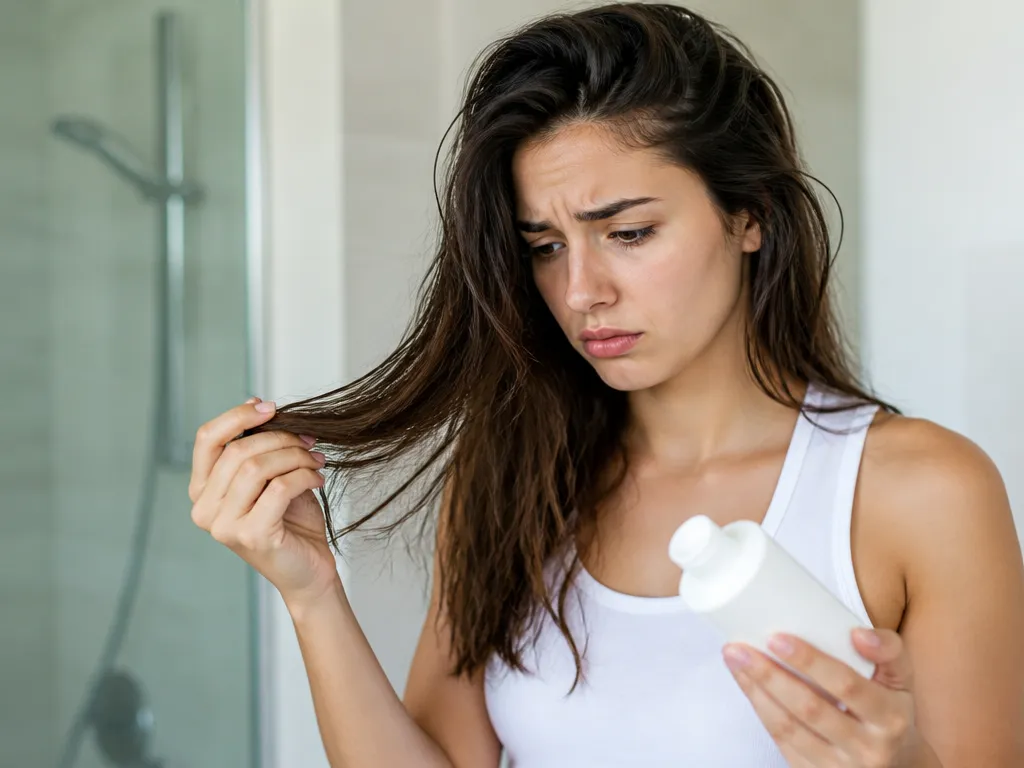
Daily conditioning can be appropriate for high-porosity or curly hair, but it may cause buildup and limpness for those with fine or low-porosity hair. The result depends on your hair’s ability to absorb moisture and the specific ingredients in your product.
The Impact Of Hair Porosity
Porosity refers to how open the cuticle is and how well your hair holds moisture. High porosity hair has gaps in the cuticle, which allows moisture to enter and exit quickly. These types often require frequent conditioning to prevent dryness and breakage.
Low porosity hair has a tightly closed cuticle. This makes it hard for moisture to penetrate the shaft. Daily use of heavy conditioners on this hair type leads to product buildup, which makes the hair feel sticky or greasy.
| Porosity Type | Absorption Rate | Daily Need | Recommended Ingredient |
|---|---|---|---|
| High | Fast/Leaky | High | Shea Butter |
| Medium | Balanced | Moderate | Panthenol |
| Low | Slow/Resistant | Low | Glycerin |
Coarse or curly hair usually has a higher need for frequent moisture. These textures are naturally drier because scalp oils cannot travel down the spiral shape of the hair shaft as easily.
For instance, someone with 4C coils might use a rinse-out conditioner every day to maintain elasticity. A person with fine, straight hair might find that daily use ruins their volume.
Professional tip: Always apply conditioner from the mid-lengths to the ends. Avoid the scalp to prevent clogged follicles and oily roots.
Look for Behentrimonium Chloride for detangling or Dimethicone for shine. High-end options like Oribe ($40+) use advanced polymers, while drugstore brands like Maui Moisture ($7) offer great aloe-based hydration.
The general application order should be cleanser → conditioner → leave-in treatment. If you use a heavy mask, limit it to once a week to avoid protein overload.
Identify Your Hair And Scalp Type
Fine hair and an oily scalp often need conditioning on the ends only, because the roots can get limp or look greasy within a day. Coarse, curly, coily, or high-porosity hair can benefit from more frequent conditioning, since these hair patterns lose moisture faster and may take longer to rehydrate.
Start your “how often?” decision by separating scalp needs from hair-shaft needs. Scalp is about oil control, barrier comfort, and product buildup. Hair lengths are about moisture level, detangling, and how well cuticles stay smooth.
Quick Id Guide By Texture And Scalp
Use this map to choose your conditioning frequency, where to apply, and which conditioner type to reach for first.
For example, if your hair gets flat at the roots, you can keep the benefits without the greasiness by switching from a full-coverage rinse-out to a targeted conditioner. Apply conditioner from cheekbone length down, then detangle gently with a wide-tooth comb before rinsing.
Patch test tip: If your scalp is sensitive, test any new conditioner (especially with added fragrances, essential oils, or “protein” blends) on a small area behind the ear or along the hairline for 24 to 48 hours before full use.
| Hair/Scalp Type | Best Starting Frequency | Where to Apply | Conditioner Style to Try |
|---|---|---|---|
| Fine + oily scalp | Every other wash | Mid-lengths to ends only | Lightweight rinse-out or dilute leave-in |
| Curly/coily | Each wash | Mid-lengths to ends, then seal | Moisturizing rinse-out + small amount leave-in |
| High porosity | Each wash, adjust based on feel | Lengths, keep scalp clear | Moisture-first, protein only as needed |
| Color-treated/chemically processed | Each wash or every other wash | Lengths first | Richer moisturizing conditioner, occasional clarifying |
In practice, “daily conditioning” is often only beneficial for specific hair-shaft situations, like very dry curls or high-porosity hair. If your scalp is oily or itchy, daily contact with conditioner can worsen buildup and irritation, even when the hair feels softer for a few hours.
For culturally diverse hair needs and all skin tones, the rule stays the same: match the product to the scalp’s tolerance and the hair’s porosity. Thick, coily patterns may thrive with more slip and frequent moisture, while straighter, finer textures usually do better with less frequent conditioning to protect volume and reduce oil-looking roots.
Before the next step in the routine, confirm your pattern for a week: wash day feel, next-morning scalp look, and how the ends behave after detangling. If ends feel brittle, it is often a moisture deficit, and conditioning frequency or formulation needs adjusting. If roots feel greasy or heavy, the fix is usually technique (apply location and rinse thoroughness) before increasing product.
Key Ingredients For Moisture Balance
Glycerin, aloe vera, honey, and hyaluronic acid help water move into hair shafts and reduce frizz without making strands feel waxy. Protein ingredients like hydrolyzed keratin, wheat protein, or amino acids help damaged cuticles sit flatter, which can reduce breakage and roughness. Heavy oils and certain silicones can coat hair, which is great for slip, but frequent use can cause buildup that makes hair limp, flat, and harder to rinse.
| Item | Amount/Specification | Notes |
|---|---|---|
| Hydrating humectants (glycerin, propanediol, aloe, honey) | Look for them listed early on ingredient decks | Best for normal to dry hair and dry ends. Humectants work best when hair is slightly damp and followed by a light conditioner seal. |
| Hyaluronic acid | Often mid to low on the label since it is potent at small doses | Excellent for smoothness, especially on fine hair that gets weighed down easily. |
| Film formers (polyquats, PVP) | Often appear as mid-label entries | Improve detangling. Some users feel they build up, especially with daily conditioning. |
| Protein (hydrolyzed keratin, wheat, soy, amino acids) | Often paired with conditioners, check for hydrolyzed or amino acid terms | Works best for chemically processed, heat-damaged, or porous hair. Too much can make hair feel stiff or dry if overdone. |
| Silicones to watch (dimethicone, amodimethicone, cyclopentasiloxane) | Any silicone can be fine, but heavier/coating types build up faster | Great for slip and shine. For daily conditioner routines, alternate with lighter formulas or plan a clarifying wash. |
| Heavy oils (coconut oil, olive oil, castor oil, butters) | Any oil high on the label is likely more coating | Helpful for very dry, coarse, or curly hair. Can be too much for oily scalps and fine hair if used daily. |
Humectant-heavy conditioners tend to be the easiest daily option for dry ends and curly or coily hair that needs ongoing frizz control. Fine hair and oily-to-combination scalps usually do better with lightweight moisturizers or humectant-focused formulas used on mid-lengths to ends only, never the scalp.
Protein-heavy conditioners are a smart add-on for damaged cuticles, including color-treated hair, relaxer-treated hair, and hair that feels rough after heat styling. Protein works best when you use it as a “repair” cycle (ex: a few times per week or in rotation), then switch back to moisture-forward conditioning to keep hair flexible.
Patch test for scalp sensitivity: apply the conditioner to a small section behind the ear or along the hairline for 24 to 48 hours, especially if you are prone to dermatitis.
Master The Correct Application Technique
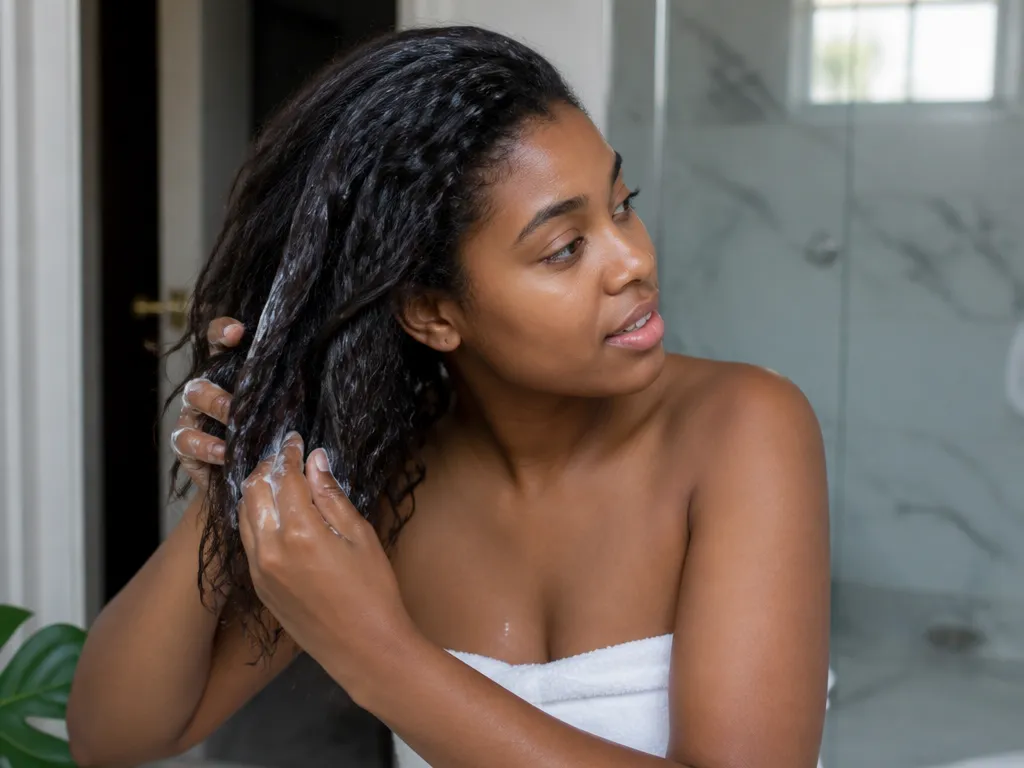
Conditioner is meant for hair, not scalp, so focus product from mid-lengths to the ends and keep it off your roots. The wrong placement or too much product can trigger limpness, buildup, and scalp irritation.
Curly or coily hair often benefits from frequent conditioning, but apply it only where curl definition needs moisture, then seal with a small amount of lightweight oil on the ends. For straight, fine hair, use conditioner less frequently and rinse thoroughly if your hair gets flat.
| Conditioner type | Where to apply | How often (practical starting point) | Best for |
|---|---|---|---|
| Rinse-out moisturizing | Mid-lengths to ends only | Daily or most wash days | Dry lengths, frizz control |
| Leave-in moisturizer | Ends and mids, never scalp | As needed, not necessarily every day | Curls, thick or textured hair |
| Anti-build-up or clarifying-focused | Usually lengths only, avoid scalp | Use when buildup appears | Oily feel, dullness, residue buildup |
Patch test tip: If you get scalp itching, redness, or flakes, test the conditioner behind an ear or along your hairline for 24 to 48 hours. If irritation happens, stop and switch to a simpler formula (fewer fragrance components) and keep it off the roots.
Color-treated or chemically processed hair can still be conditioned frequently if your placement is correct, but use gentler rinse-out formulas and keep leave-ins light to avoid coating. Vitamin C, retinoids, and most strong scalp actives do not belong here, but your hair routine can clash if you overload conditioners plus heavy oils, so start simple and adjust based on how quickly your hair looks coated.
Common Conditioning Mistakes To Avoid
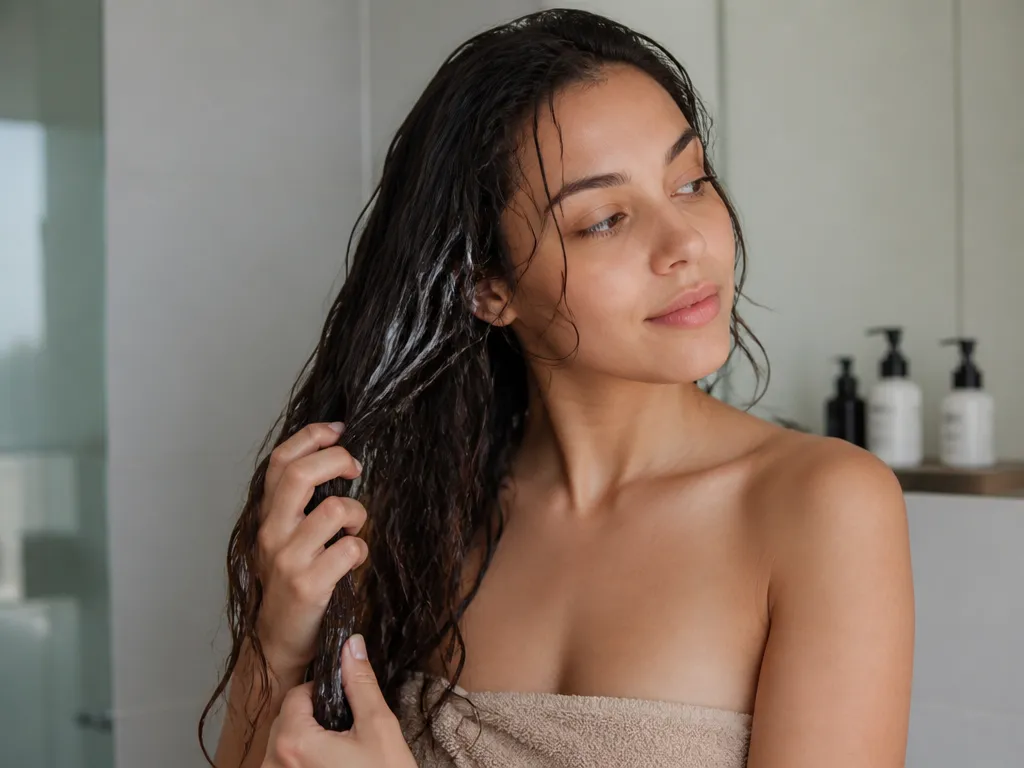
Direct application of conditioner to the scalp can create buildup and make roots look oily, especially with heavy formulas. For most hair types, conditioning daily isn’t required if you choose formulas suited to your needs.
| Product Type | Best For | Typical Frequency | Notes |
|---|---|---|---|
| Rinse-out conditioner | Normal to dry lengths; varies by hair type | Every wash or every 2 – 3 washes if hair is fine or oily | Focus on mid-lengths to ends; avoid scalp. |
| Leave-in conditioner | Dry, frizzy, or curly hair; suitable for most types | Daily or as needed | Apply sparingly to mid-lengths and ends only. |
| Protein treatment | Hair needing extra strength or repair | 1 – 2 times per month or per 4 – 6 weeks | Patch test first; avoid stacking with heavy silicones. |
Start with targeted conditioning and adjust based on how your hair responds. If you notice persistent scalp irritation or persistent flattening at the crown, reconsider product choice or frequency and seek guidance from a stylist or trichologist.
Dermatologist tip: Layer from thinnest to thickest formulas and always rinse thoroughly. For most people, swap a heavy rinse-out for a lighter leave-in on the ends and keep scalp conditioning minimal.
Smart Product Alternatives And Swaps
Choose a product weight that matches your hair and scalp. If you notice limpness, buildup, or irritation, dial back use or swap to a lighter option.
Lightweight Drugstore Options For Fine Hair
Lightweight drugstore options for fine hair deliver moisture without weighing hair down. Look for clear rinses or silicone-light formulas labeled lightweight or sheer, and apply from mid-lengths to ends. This approach is best for oily to combination scalps and for daily washing; patch test if the scalp is sensitive.
Deep Conditioning Treatments For Dry Curls
Deep conditioning treatments for dry curls provide heavy moisture and repair. Use a mask 1-2 times per week, focusing on mid-lengths to ends, and rinse thoroughly. This is best for curly, dry, or chemically treated hair; adjust frequency based on how your hair feels and color treatments.
Clarifying Shampoos For Buildup Removal
Clarifying shampoos for buildup removal reset your conditioner routine. Use 1 time per month or when you notice dullness or residue; keep scalp clean and avoid overuse on color-treated hair. Patch test before heavy use and monitor how your hair responds to changes in washing frequency.
| Product | Price | Key Ingredient | Best For |
|---|---|---|---|
| Garnier Fructis Sleek & Shine Lightweight Conditioner | Budget | Argan Oil | Fine hair, daily use |
| Pantene Pro-V Sheer Volume Conditioner | Budget | Pro-V Blend | Fine hair, lightweight moisture |
| Briogeo Don’t Despair, Repair Deep Conditioning Mask | Splurge | Rosehip Oil, Algae Extract | Dry, curly, or damaged hair |
| Living Proof Restore Mask | Splurge | Restorative Complex | Very dry or chemically treated hair |
| Neutrogena Anti-Residue Shampoo | Budget | Clarifying formula | Buildup removal, monthly use |
| Paul Mitchell Clarifying Shampoo Two | Mid-range | Salicylic Acid | Clarifying for color-treated hair |
Dermatologist tip: Rotate clarifying and conditioning products to prevent buildup and keep hair light and bouncy. If you color or chemically treat your hair, limit clarifier to once a month and watch for scalp irritation.
Expert Tips For Healthy Hair
Hair health depends on balancing moisture with protein and removing product buildup. Over-conditioning leads to hygral fatigue, which occurs when the hair shaft swells and shrinks too often and weakens the cuticle.
Routine Scheduling
Clarifying shampoos remove silicones and minerals that standard conditioners leave behind. People with oily scalps or fine hair should use these when buildup appears, often about once a month. Those with curly or dry hair can also use this schedule, adjusting to every two or four weeks if needed to avoid stripping natural oils.
For example, using a clarifying shampoo too often on type 4C hair can cause extreme dryness and breakage. Balance this by following a clarifying wash with a deep protein mask to restore strength.
Budget options include Neutrogena Anti-Residue ($8) for a basic clean or Ouai Detox Shampoo ($32) for a more scented, scalp-focused experience. Always perform a patch test on a small area of the scalp before using a new clarifying treatment to check for irritation.
| Hair Texture | Recommended Conditioner | Key Ingredient | Best For |
|---|---|---|---|
| Fine/Thin | Volumizing/Lightweight | Panthenol | Adding body without weight |
| Medium/Wavy | Moisturizing | Glycerin | Frizz control and hydration |
| Coarse/Coily | Rich Butter/Cream | Shea Butter | Deep penetration and softness |
Winter air is dry and pulls moisture from the hair. Increase the use of deep conditioners or leave-in creams during cold months to prevent static and brittleness.
Summer requires lightweight products and UV protectants to prevent sun damage. Switch to a light spray or a water-based leave-in to avoid a greasy feel in high humidity.
Professional tip: Follow the application order of shampoo → rinse-out conditioner → leave-in conditioner. Apply all conditioning products from the mid-lengths to the ends to avoid clogging scalp follicles.
Quick Summary
Use the hair-type and product guidance above to choose a conditioning frequency that keeps dry lengths manageable without leaving fine hair or oily scalps coated.
Monitor how your hair responds, especially its softness, volume, and buildup. Adjust product weight, protein use, or clarifying frequency when those signs change.
| Hair Type | Recommended Frequency | Best Application Area |
|---|---|---|
| Fine / Oily Scalp | 2 to 3 times per week | Mid-lengths to ends only |
| Curly / Coily / High Porosity | Daily or every wash | Full strand hydration |
| Chemically Treated | Regularly | Lengths to prevent breakage |
Beauty Routine Cheat Sheet
One Thing To Stop Doing Immediately
Use the application technique described above to keep conditioner away from the scalp.
Expected Timeline For Results
You should notice improved manageability and reduced frizz after your first proper conditioning session, while buildup removal via clarifying shampoo typically shows results in one week.
Frequently Asked Questions
Is It Bad To Condition Your Hair Every Day?
Not necessarily. Follow the frequency and placement guidance above, and reduce use if you notice flat roots, greasiness, or itching.
How Long Until I See Results From Conditioning More Often?
Most people notice a difference the same day in softness and detangling, especially if your hair feels rough or frizzy. If your goal is less breakage or better manageability, give it 2 to 4 weeks of consistent use and washing frequency before judging.
Can I Use Conditioner Every Day If I Have Acne-prone Skin Or A Sensitive Scalp?
Yes, but use it strategically. Keep conditioner off your scalp as much as possible, rinse thoroughly, and consider a fragrance-free, lightweight formula. If you have a history of contact dermatitis, patch test first and stop if you feel burning, swelling, or persistent itch.
What’s The Difference Between Daily Conditioner And A Deep Conditioner Or Hair Mask?
Daily conditioners are meant for ongoing smoothing and are usually lighter with easier-to-rinse conditioning agents. Deep conditioners and masks tend to be richer, so they’re typically used once weekly (or less) to avoid buildup, especially on fine or oily hair.
Do I Really Need To Condition Every Wash, Or Is There A Better Hair-care Order?
You don’t need conditioner every wash if your hair is fine, oily, or prone to buildup. A solid order is: cleanse, squeeze out excess water, apply conditioner from mid-lengths to ends, detangle gently, then rinse, and follow with leave-in only if it does not make your hair feel weighed down.

- 13 Best Natural Deep Conditioning Ingredients to Tame Frizzy Hair - September 29, 2026
- How to Make Deep Conditioner for Natural Hair: 8 Easy DIY Recipes - September 29, 2026
- Natural Homemade Deep Conditioner for Natural Hair: Easy DIY Recipes - September 29, 2026