Is It Bad To Leave Conditioner In Your Hair Overnight?
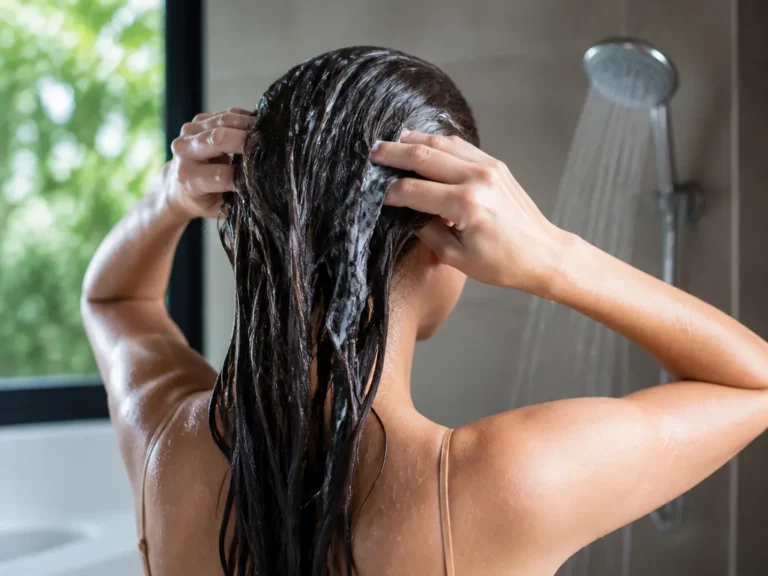
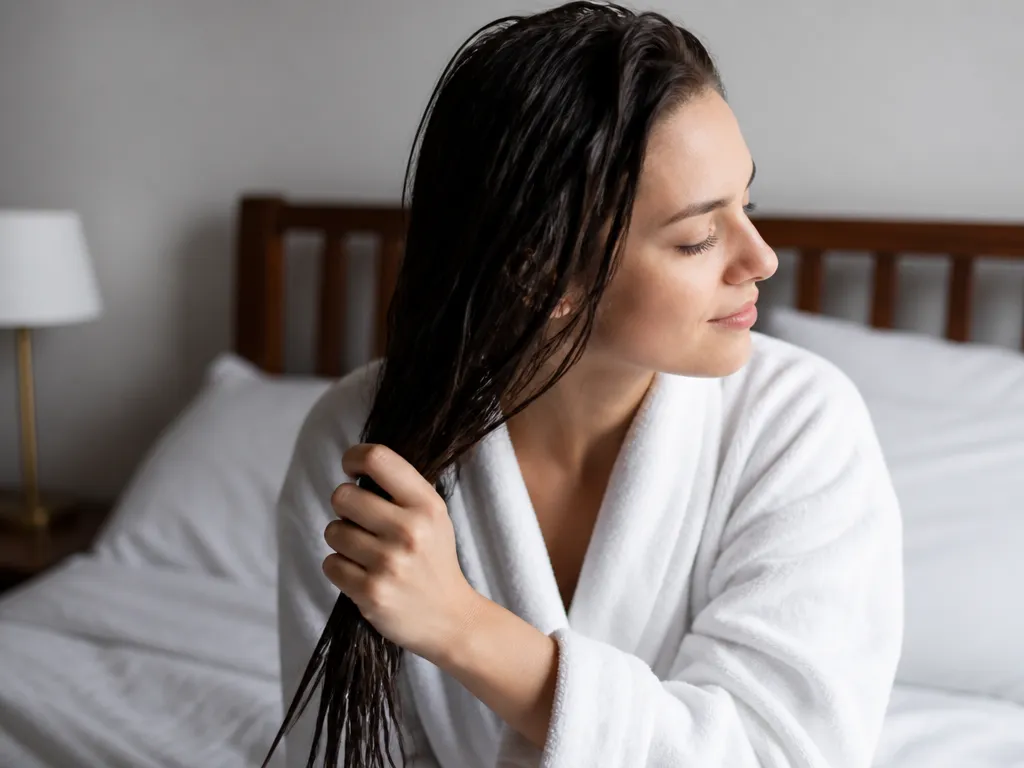
You might think sleeping in conditioner is a shortcut to silky strands, but it can actually cause more harm than good. Leaving heavy products on your hair for 7 to 8 hours can lead to breakage or scalp irritation. Stick to a 5 minute rinse unless you are using a product formulated for extended wear.
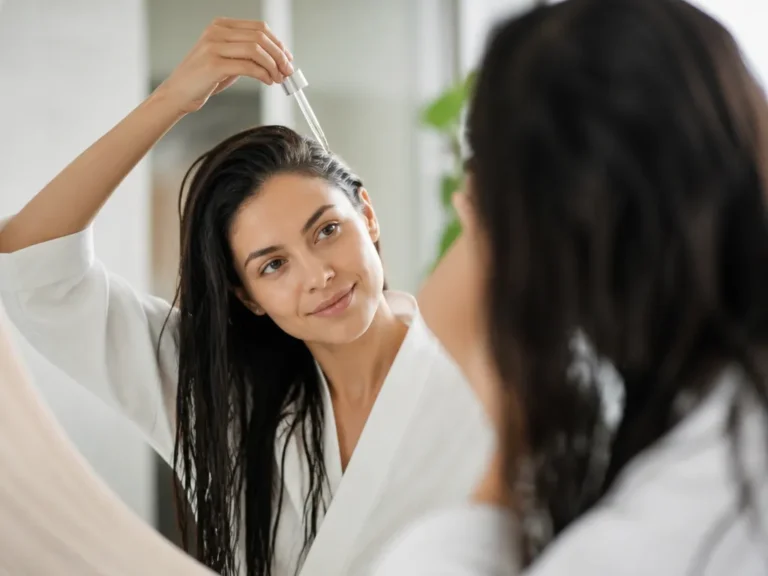
Leaving standard conditioner in your hair overnight is generally not recommended because it can cause hygral fatigue, which weakens the hair shaft. Instead, use a dedicated deep conditioning mask or hair oil specifically formulated for long wear. Limit traditional rinse-out conditioners to 3 to 5 minutes to avoid limp, greasy hair.
Best for: Dry, curly, or coarse hair types. Use caution if: You have fine hair or an oily, acne-prone scalp.
Is It Bad To Leave Conditioner In Your Hair Overnight?
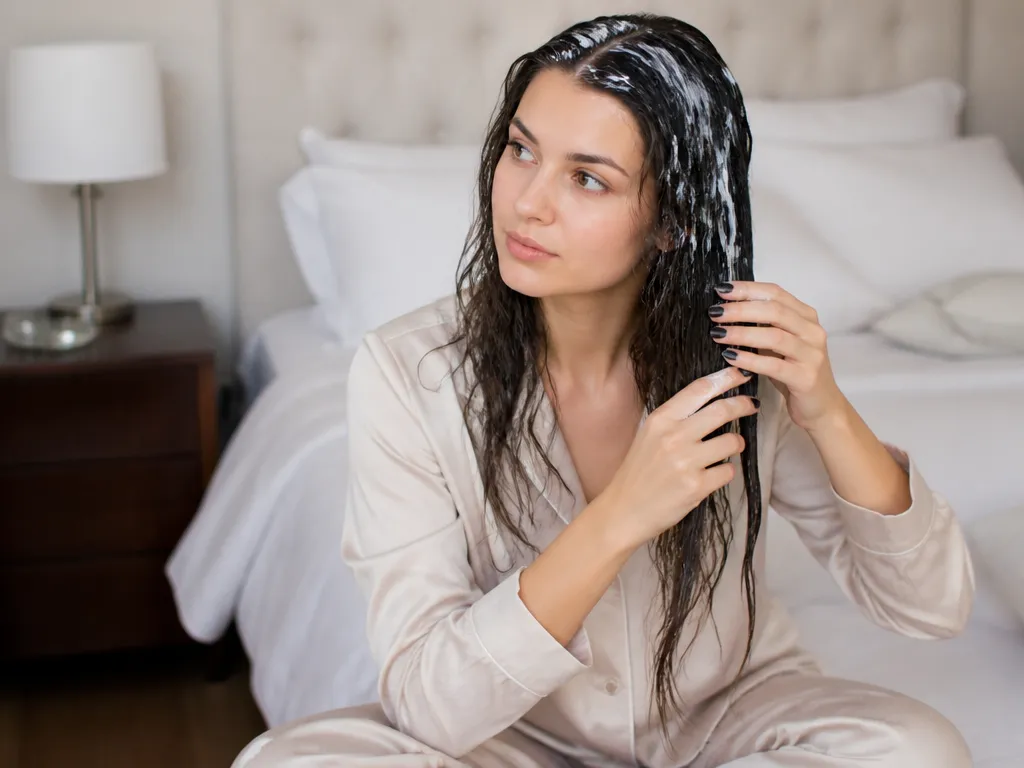
Leaving a product in overnight is not automatically harmful when it is formulated for extended wear and used on the lengths rather than the scalp. However, leaving standard conditioner in overnight can create problems for certain people and hair types. Regular overnight buildup can make hair feel flat, greasy, or irritated if your scalp is sensitive. The risk rises when the conditioner is heavy, full of silicones or oils, and your scalp tends to clog.
Conditioning Vs. Deep Masking (And Why Overnight Time Changes The Effect)
Conditioner is made for quick, surface-level slip and detangling, so it coats the hair shaft to reduce friction. Deep conditioners and hair masks go further, with higher concentrations of conditioning agents and often humectants or stronger film formers, so they need different timing. Overnight exposure gives more time for those ingredients to coat, so you get more softness if it matches your hair, and more residue if it does not.
Overnight conditioning tends to be better described as “extended conditioning,” not “repair.” Hair can look healthier when it is moisturized and less tangly, but overnight use cannot reverse cuticle damage or permanently change porosity. Expect cosmetic improvement, like less frizz and easier brushing, rather than structural repair.
Who Benefits Most From Overnight Treatments
Overnight conditioning can be a win for dry, coarse, or very curly hair that needs extra slip, especially if you struggle with tangles in the morning. This is most helpful for people who tolerate their conditioner well and do not get buildup quickly on wash days.
Overnight conditioning is a poor fit for oily scalps, fine hair, or anyone prone to scalp acne or itch from product settling overnight. This works best for normal to dry hair types, and it is more of a careful experiment for oily to combination scalps.
Managing Expectations For Hair Health
Hair “health” improves in layers, like cuticle smoothing, moisture retention, and reduced mechanical stress. Overnight conditioner can support moisture and slip, but it does not replace targeted treatments such as clarifying when buildup shows up or using heat protection when you style.
For realistic timelines, expect immediate changes in feel and detangling, with any lasting improvement depending on consistency of your wash and treatment schedule. If your hair gets flatter or your scalp feels greasy after overnight use, scale back quickly.
Patch-test mindset: If you have a sensitive scalp, try the overnight routine once on a small section or behind an earline, then watch for itch, flakes, or redness the next day.
| Hair/Scalp Type | Overnight Conditioner Fit | How to Do It Safely |
|---|---|---|
| Dry, coarse, curly | Often helpful | Apply to mid-lengths and ends only, use a light layer |
| Fine hair | Hit or miss | Start with a short overnight trial, rinse well in the morning |
| Oily or acne-prone scalp | Usually skip | Keep product off the scalp, or choose a lighter rinse-out routine |
Identify Your Hair Porosity And Texture
High porosity hair absorbs moisture quickly but loses it just as fast, making it prone to frizz and damage when over-moisturized. Low porosity hair has tightly closed cuticles that resist moisture absorption, requiring specific techniques to allow products to penetrate effectively.
Understanding Porosity Types
High porosity hair often results from damage from chemical treatments, heat styling, or environmental factors. This hair type benefits from protein treatments to fill gaps in the cuticle and lighter leave-in conditioners that won’t weigh down strands.
Low porosity hair typically resists penetration due to tightly packed cuticle layers. This hair type responds well to gentle warmth during conditioning to help products spread and penetrate more effectively. Heavy butters and oils can create buildup, so use them sparingly.
| Porosity Type | Characteristics | Overnight Conditioning |
|---|---|---|
| High Porosity | Quick absorption, quick release, often frizzy | Risk of hygral fatigue; use protein treatments instead |
| Low Porosity | Slow absorption, retains moisture when penetrated | Beneficial with heat cap or warm towel |
| Medium Porosity | Balanced moisture absorption and retention | Generally safe with proper rinse-out |
Texture Considerations
Fine hair strands have smaller diameters and can become easily weighed down by heavy conditioners left overnight. This hair type benefits from lightweight, protein-free formulas that provide moisture without causing limpness or buildup.
Thick or curly hair has more cortex and cuticle layers, allowing it to retain moisture longer and benefit from extended conditioning treatments. However, these hair types still need to balance protein and moisture to avoid over-moisturization.
“The key to successful overnight conditioning is understanding your hair’s unique needs. Too much moisture can be just as damaging as too little, especially for high porosity hair types.” – Trichologist recommendation
Signs Of Moisture Overload
When hair has absorbed too much moisture, it becomes mushy, stretchy when wet, and breaks easily when dry. These signs indicate hygral fatigue, a condition where hair shafts swell excessively during wetting and shrink during drying, weakening the protein structure over time.
For high porosity or damaged hair, protein treatments should alternate with moisturizing ones to restore balance. Medium porosity hair typically benefits most from occasional overnight conditioning, while low porosity hair responds best to heat-assisted treatments for maximum penetration.
Best Ingredients For Overnight Moisture
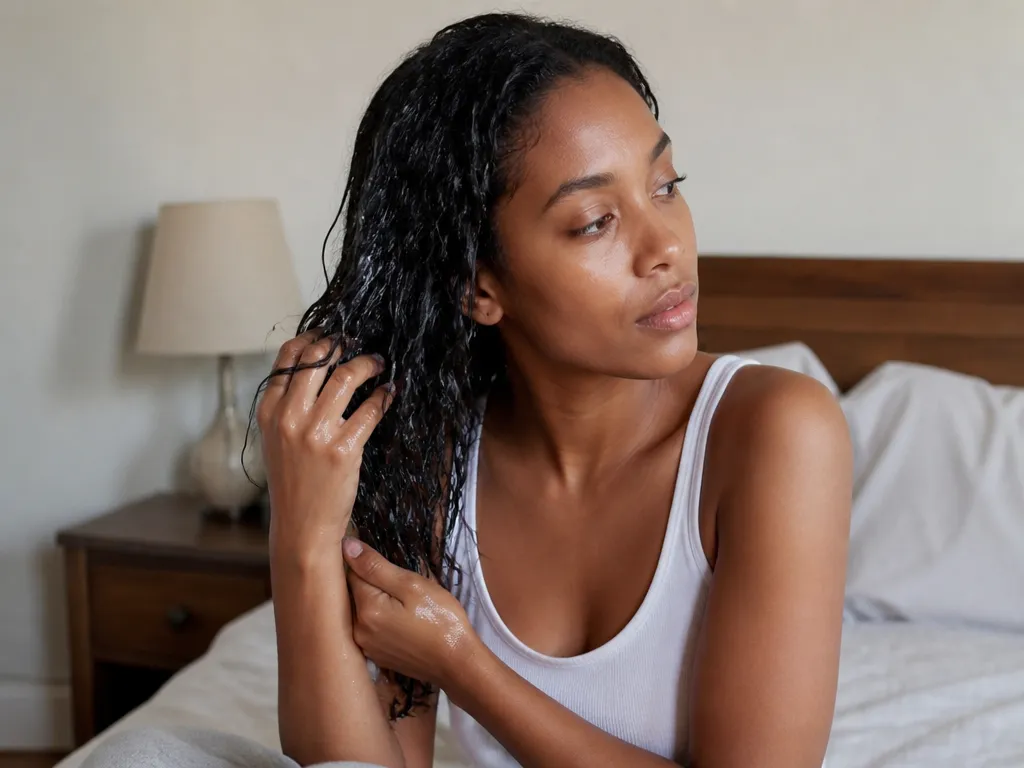
Humectants and lightweight oils provide the safest foundation for overnight treatments because they attract moisture without weighing down the hair shaft. These ingredients prevent the hygral fatigue that occurs when hair swells and shrinks too rapidly from water absorption.
Glycerin and aloe vera act as moisture magnets. They pull water from the air into the hair cuticle. This works best for high-porosity hair or very dry, curly textures.
Argan and jojoba oils seal the cuticle to lock in the humectants. Jojoba is chemically similar to natural scalp sebum. This reduces the risk of irritation for those with sensitive skin.
For instance, someone with color-treated hair might use a blend of aloe and argan oil. This combination hydrates the core and protects the exterior.
Proteins And Bond-builders
Hydrolyzed proteins, such as keratin or silk, fill gaps in the damaged hair shaft. These are essential for bleached or chemically treated hair. They add structural integrity to the strand.
Too much protein can make hair brittle. Always patch test protein-heavy products on a small strand of hair first. Expect to see improved elasticity in 2 to 4 weeks of consistent use.
| Ingredient | Best For | Note |
|---|---|---|
| Glycerin | High Porosity | Attracts humidity |
| Argan Oil | Frizz Control | Seals moisture |
| Hydrolyzed Protein | Bleached Hair | Use sparingly |
| Aloe Vera | Scalp Sensitivity | Soothing and light |
Esthetician tip: Apply oil-based ingredients after water-based humectants to create an occlusive seal.
Safe Overnight Conditioning Routine
Overnight conditioning can be helpful when done correctly with a product formulated for extended wear, allowing moisturizing ingredients to remain on the lengths while minimizing potential risks like product buildup or scalp irritation.
Silk or satin pillowcases are essential for overnight conditioning as they reduce friction that can cause frizz and also prevent the hair products from transferring to your facial skin, which might lead to clogged pores or breakouts.
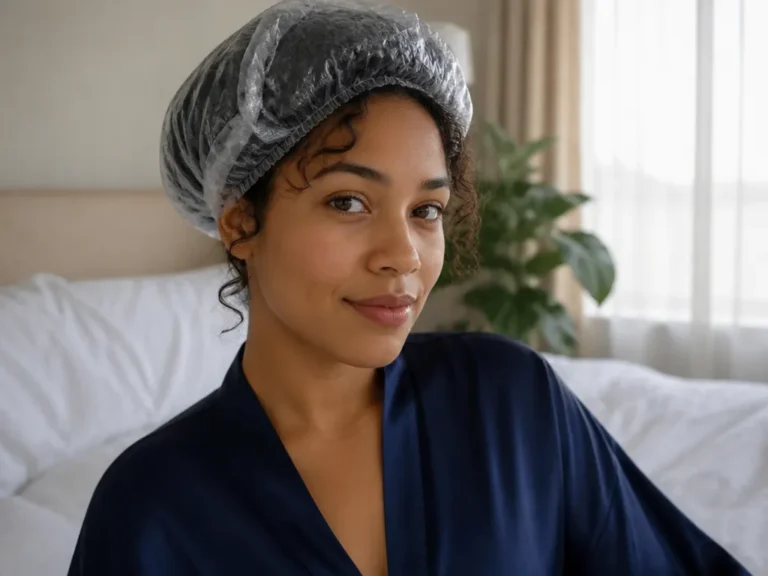
Apply a small amount of the treatment to your palms first, then work through your hair in sections, ensuring even coverage without over-application. For particularly dry hair, you can use a shower cap to trap heat and enhance product penetration.
For best results, limit overnight conditioning to 1-2 times per week, especially if you have fine or oily hair. This routine works particularly well for coarse, dry, or damaged hair types that need extra moisture and protection during sleep.
Risks Of Leaving Conditioner In Too Long
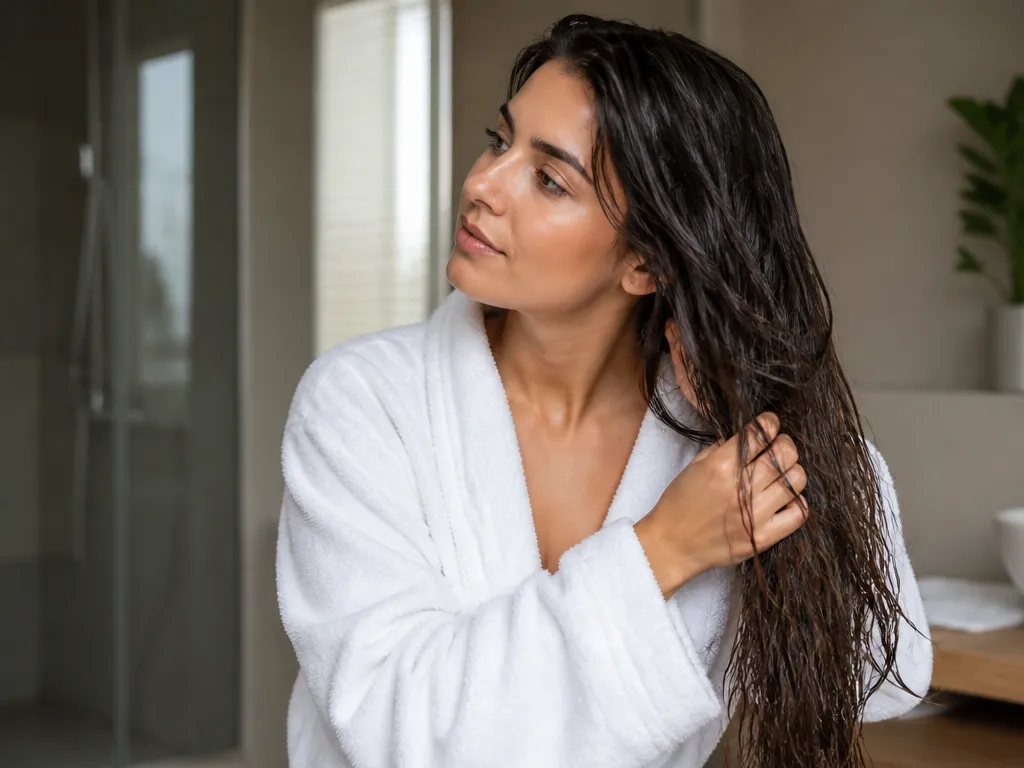
Leaving standard conditioner in hair overnight can cause several issues related to hair health and scalp condition. Extended exposure to conditioning ingredients may disrupt the natural moisture balance of both the hair shaft and scalp.
Hygral Fatigue And Hair Elasticity
Hygral fatigue occurs when hair absorbs too much moisture and then loses it repeatedly, weakening the hair structure over time. This swelling and shrinking cycle can damage the hair cuticle and cortex, leading to reduced elasticity and increased breakage.
Scalp Irritation And Buildup
The scalp is more sensitive than the hair shaft and can react negatively to prolonged exposure to conditioning ingredients. This is particularly problematic for those with sensitive skin or existing scalp conditions.
Product Weight And Limp Hair
Some conditioning ingredients are designed to provide temporary smoothness but become problematic when left in too long. This affects the overall appearance and manageability of the hair.
Drugstore Vs High-end Overnight Options
Overnight hair treatments vary primarily by ingredient concentration and the types of emollients used to seal the cuticle. Higher price points often mean smaller molecular sizes that penetrate the hair shaft rather than sitting on the surface.
Professional Tips For Better Results
Overnight hair treatments deliver optimal results when applied with proper technique and precautions. The key lies in maximizing absorption while minimizing potential issues like product buildup or scalp irritation.
Using Silk Or Satin Wraps
Silk or satin pillowcases prevent friction that disrupts the conditioning process. These materials allow hair to glide rather than tangle, maintaining product distribution throughout the night. For maximum effectiveness, wrap your hair in a silk scarf before sleeping to seal in moisture and prevent product transfer.
Sectioning For Even Distribution
Proper sectioning ensures thorough coverage of each strand. Divide hair into four to six equal sections before applying treatment, working from ends to roots. This technique prevents product concentration in certain areas while ensuring all hair receives adequate conditioning.
| Hair Type | Recommended Section Size | Application Technique |
|---|---|---|
| Thin/Fine | Smaller sections (2-3) | Focus on mid-lengths and ends |
| Thick/Coarse | Larger sections (4-6) | Apply from roots to ends |
| Curly | Medium sections (3-4) | Twist or braid sections after application |
Frequency Of Overnight Treatments
Overnight treatments should be used sparingly to avoid protein buildup or scalp irritation. For most hair types, once or twice weekly suffices for optimal results without over-conditioning. Always listen to your hair’s response and adjust frequency accordingly.
Dermatologist tip: Always rinse thoroughly in the morning, even when leaving treatments in overnight. Residual product can attract dirt and pollutants throughout the night.
Remember that overnight treatments complement rather than replace regular conditioning. Use them strategically for intensive repair between your normal hair care routine.
Quick Summary
Leaving standard conditioner in your hair overnight is generally not recommended as it can cause hygral fatigue, which weakens the hair shaft over time. Heavy products left on hair for 7-8 hours may lead to breakage or scalp irritation. Instead of regular conditioner, opt for dedicated deep conditioning masks or hair oils specifically formulated for long wear. Standard rinse-out conditioners should be limited to 3-5 minutes of contact time to avoid limp, greasy hair. For those with fine hair or oily, acne-prone scalps, extra caution is advised when considering overnight conditioning.
Overnight conditioning works best for dry, coarse, or curly hair types that need extra slip and reduced morning tangles. When attempting overnight treatments, apply products only from mid-lengths to tips, avoiding the scalp entirely. For those with oily scalps, use overnight conditioning sparingly and only on lengths. Lightweight conditioners labeled for daily use typically leave minimal residue and pose fewer risks. Expect immediate improvements in detangling and reduced frizz rather than structural repair. Always patch test sensitive scalps before full application.
| Hair/Scalp Type | Overnight Conditioner Fit | How to Do It Safely |
|---|---|---|
| Dry, coarse, curly | Often helpful | Apply to mid-lengths and ends only |
| Fine hair | Hit or miss | Start with a short overnight trial, rinse well |
| Oily or acne-prone scalp | Usually skip | Keep product off the scalp or use lighter rinse-out |
Frequently Asked Questions
Is It Bad To Leave Conditioner In Your Hair Overnight?
It can be harmful when the product is a standard rinse-out conditioner, because most are formulated for only 3 to 5 minutes of contact. Leaving them on too long can lead to moisture overload and weaken the hair shaft. A product labeled for extended wear is a better option.
What Happens To My Hair If I Leave Conditioner In Too Long?
You risk hygral fatigue, which occurs when the hair cuticle swells and shrinks excessively from too much moisture. This process makes your hair more prone to breakage and loss of elasticity over time.
Should I Use A Leave-in Conditioner Instead Of A Regular One Overnight?
A dedicated leave-in conditioner or other treatment labeled for overnight use is preferable to a regular rinse-out conditioner. These formulas are designed to remain on the hair and can help prevent the buildup and heaviness associated with traditional rinse-out conditioners.
Can Leaving Conditioner In Cause Scalp Breakouts Or Acne?
Yes, if the product migrates to your skin or pillowcase. Heavy silicones and oils can clog pores, which often leads to forehead acne or “bacne” for those with acne-prone skin.
How Long Should I Actually Leave A Deep Conditioner On?
For most deep conditioning treatments, 20 to 30 minutes is the ideal window. Your hair reaches a saturation point after this time, so leaving it on longer provides no additional benefit.

- Top 10 Best Hair Conditioner For Dry And Frizzy Hair Men 2026 - October 5, 2026
- Top 10 Best Hair Conditioner For Damaged Hair 2026 - October 5, 2026
- Top 10 Best Hair Conditioner For Dry Damaged Hair 2026 - October 5, 2026