Is It Bad To Leave Hair Mask On Overnight?
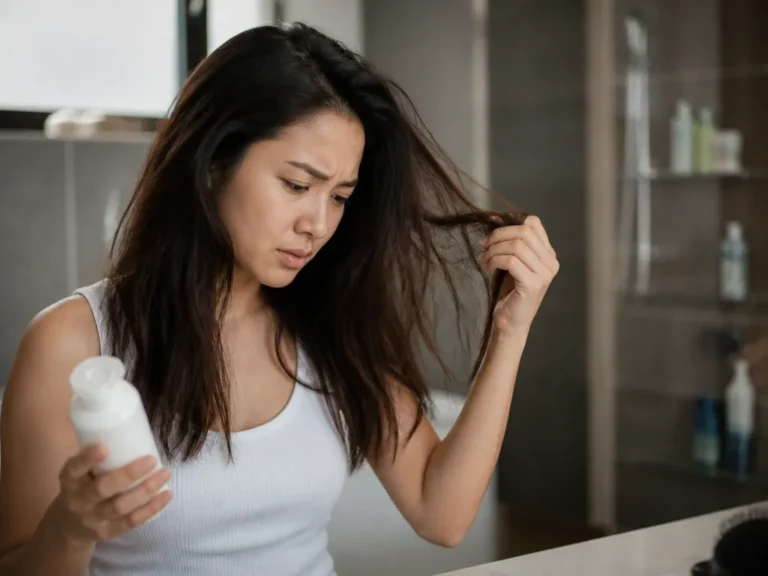
Struggling with whether to leave your hair mask on overnight? You’re not alone in this common hair care dilemma. Many wonder if extended treatment time delivers better results or risks damage to their locks. Let’s separate myth from reality about this popular hair treatment technique.
Hair masks left on overnight generally pose minimal risk when used properly. Most hair masks can safely remain on hair for up to 8 hours, though protein-based treatments should never exceed 30 minutes to prevent brittleness. Always check product instructions as some ingredients may cause buildup or irritation with prolonged contact.
Is It Bad To Leave Hair Mask On Overnight?
Extended contact with conditioning treatments can lead to hygral fatigue, a condition where the hair shaft swells and shrinks repeatedly from moisture absorption. This constant cycle weakens the cuticle and can cause breakage or frizz over time. While some formulas are designed for long wear, many standard masks are meant for 5 to 20 minutes of application.
Extended absorption periods benefit hair that is extremely parched or chemically treated, as it allows heavy lipids to penetrate the cortex. However, the risk of over-moisturizing is high for those with fine or low-porosity hair. Excess moisture can make these hair types feel limp, greasy, or overly soft in a way that lacks structural integrity.
Risks And Benefits By Hair Type
Different hair textures react uniquely to prolonged moisture exposure. Fine hair often lacks the strength to handle heavy, overnight oils, whereas thick, coarse curls might thrive on the extra hydration.
| Hair Type | Overnight Potential Benefit | Primary Risk |
|---|---|---|
| Fine / Thin | Minimal | Loss of volume and limpness |
| Medium / Wavy | Moderate | Increased frizz if over-saturated |
| Coarse / Curly | High | Deeply improved elasticity |
| Low Porosity | Low | Product buildup and heavy residue |
For instance, someone with low porosity hair might find that leaving a mask on all night actually prevents other products from working later. The hair becomes “clogged” with heavy ingredients like shea butter or coconut oil, making the strands feel gummy rather than smooth.
Professional Tip: If you choose an overnight treatment, use a lightweight oil or a dedicated overnight serum rather than a thick, rinse-out cream mask.
Certain ingredients can also cause scalp irritation if left in contact with the skin for several hours. Check the label and keep products away from the scalp when they are not designed for direct skin contact.
Identify Your Hair Porosity
Hair porosity measures the ability of your strands to absorb and retain moisture based on the condition of your cuticle scales. High porosity hair has open cuticles that drink up products quickly but lose them just as fast, while low porosity hair has tightly closed cuticles that resist moisture penetration. Determining where you fall on this spectrum helps you choose an appropriate treatment and avoid excessive water absorption.
Porosity Profiles
Low porosity hair often appears shiny and can struggle to get any product to stick. Water frequently beads up on the surface of these strands instead of soaking in. If you leave heavy masks on this hair type for too long, you risk product buildup that makes hair feel greasy or limp.
High porosity hair usually feels dry, frizzy, or tangles easily. The cuticles are often damaged or naturally wide, meaning moisture enters easily but escapes almost immediately. This hair type can benefit from the extended contact time of an overnight treatment to help seal the cuticle.
Porosity Tip: To test your hair at home, place a clean, dry strand in a glass of water. If it sinks quickly, you likely have high porosity; if it floats on top, you have low porosity.
Medium porosity hair is the most balanced and can handle most standard treatments without much risk. These strands absorb moisture at a steady rate and hold onto it well, making them the most forgiving for overnight applications.
| Porosity Level | Cuticle State | Moisture Retention | Overnight Risk |
|---|---|---|---|
| Low | Closed/Tight | Difficult to absorb | High buildup risk |
| Medium | Smooth/Even | Balanced | Low risk |
| High | Open/Raised | Rapid loss | Low risk (needs sealing) |
In practice, you should adjust your mask choice based on these results. For low porosity hair, use lightweight, water-based formulas containing glycerin or honey. For high porosity hair, prioritize heavy oils like shea butter or argan oil to patch the gaps in the cuticle.
Best Ingredients For Overnight Soaking
Occlusive oils and heavy emollients are the most effective ingredients for extended contact time because they seal moisture into the hair shaft without causing the protein buildup or brittleness associated with quick-rinse treatments. These substances penetrate the cuticle or sit on the surface to prevent trans-epidermal water loss throughout the night.
Argan and jojoba oils provide lightweight lubrication that prevents friction while you sleep. These oils mimic the natural sebum produced by the scalp, making them safe for most hair types, including those prone to greasiness. They work well for fine to medium hair textures that need shine without being weighed down by heavy waxes.
Shea butter offers a much denser conditioning experience. This ingredient is ideal for high-porosity or extremely curly hair types that struggle to retain moisture. Because it is a heavy emollient, it provides a protective barrier that lasts until your morning wash.
Hyaluronic acid acts as a humectant to pull moisture into the hair fiber. While it is often used in leave-in sprays, it works best in an overnight mask when paired with an oil to lock that hydration in place. Without an occlusive layer, hyaluronic acid can actually pull moisture out of your hair if the air in your bedroom is dry.
| Ingredient | Primary Function | Best For |
|---|---|---|
| Argan Oil | Shine and smoothing | Fine to medium hair |
| Jojoba Oil | Scalp health and sebum mimicry | All hair types |
| Shea Butter | Deep emollient protection | Coarse, curly, or high-porosity hair |
| Hyaluronic Acid | Intense hydration | Dry, brittle strands |
Professional Tip: Always apply humectants like hyaluronic acid to damp hair before sealing them in with an oil or butter to ensure maximum hydration.
Budget Vs. Splurge Options
High-end hair oils often use cold-pressed, organic versions of these ingredients for purity.
For example, Olaplex or Moroccanoil can be expensive, often exceeding $40 per bottle. These products are formulated with specific molecular weights to ensure penetration.
Drugstore alternatives can be just as effective if you check the ingredient list. Brands like SheaMoisture or Mielle provide heavy-hitting shea butter and jojoba oil concentrations for under $15. Look for these specific names near the top of the label to ensure you are getting a concentrated dose rather than a watered-down version.
Safe Overnight Masking Technique
Overnight masking requires a specific application method to avoid scalp irritation and fabric stains. The process focuses on saturating the hair shaft while protecting the skin and bedding.
Protective Gear And Fabric Choices
Satin and silk are the best choices for overnight hair care. Cotton absorbs moisture, which pulls the mask out of your hair and into your pillowcase. This leaves your hair dry and your bedding stained.
For example, a silk bonnet keeps the product sealed against the cuticle. This creates a mild heat effect that helps ingredients like shea butter or argan oil penetrate deeper into coarse or curly hair types.
| Product Type | Average Price | Key Ingredient | Best For |
|---|---|---|---|
| High-end Mask | $30 – $60 | Biotin | Damaged/Brittle Hair |
| Drugstore Mask | $5 – $12 | Aloe Vera | Dry/Normal Hair |
The Morning Rinse And Finish
Rinse the hair with lukewarm water until the product is completely gone. Using water that is too hot can strip the newly added moisture. Follow with a pH-balancing conditioner if the mask was a protein-heavy formula.
In practice, those with fine hair should use a clarifying shampoo during the morning wash. This ensures no heavy residue remains, which would otherwise weigh down the hair and make it look flat.
Esthetician tip: Always perform a patch test on your inner arm 24 hours before an overnight treatment to check for allergic reactions to concentrated ingredients.
Avoid These Masking Mistakes
Masks can irritate the scalp if they sit too long, especially overnight when heat and moisture build up under a cap. Time-heavy coverage also increases the odds of flaky buildup that can clog follicles, leading to itchiness or breakouts along the hairline.
Leaving a mask on for “as long as possible” is a common failure point. Look at the label first, then set a timer, because many masks are meant to work in 3 to 15 minutes depending on the formula. For oily to combination scalps, shorter is safer, since sebum already softens hair, and extra dwell time can turn a treatment into residue.
Leaving Protein Masks On Too Long
Protein masks are great for dry, damaged strands, but they are not scalp products. Too much time can make hair feel stiff, and repeated over-application can worsen tangles, especially for fine or color-treated hair. Scalp sensitivity also increases when repeated contact traps actives.
Applying Product To A Dirty Scalp
Dirty scalp means oil, product buildup, and sweat are already present, so the mask can coat that mix and slow cleansing. For people with oily scalps, residue can feed flake formation and trigger itch. For textured or curly hair, buildup is common under dense hair, so thorough rinsing is non-negotiable.
For example, a growth or repair mask used on day-2 scalp that still has dry shampoo can feel “nicer” at first, then cause scalp slickness and tiny bumps by morning. Use the mask on freshly cleansed scalp or keep it mostly to mid-lengths and ends when the mask is not scalp-safe.
| Scalp Situation | Best Mask Placement | What to Watch |
|---|---|---|
| Oily scalp | Mid-lengths to ends | Itch, flaking, hairline breakouts |
| Dry or sensitive scalp | Light scalp contact, rinse fast | Redness after 1-2 uses |
| Color-treated scalp | Ends-focused | Stiff feel from over-protein exposure |
Skipping The Protective Cap
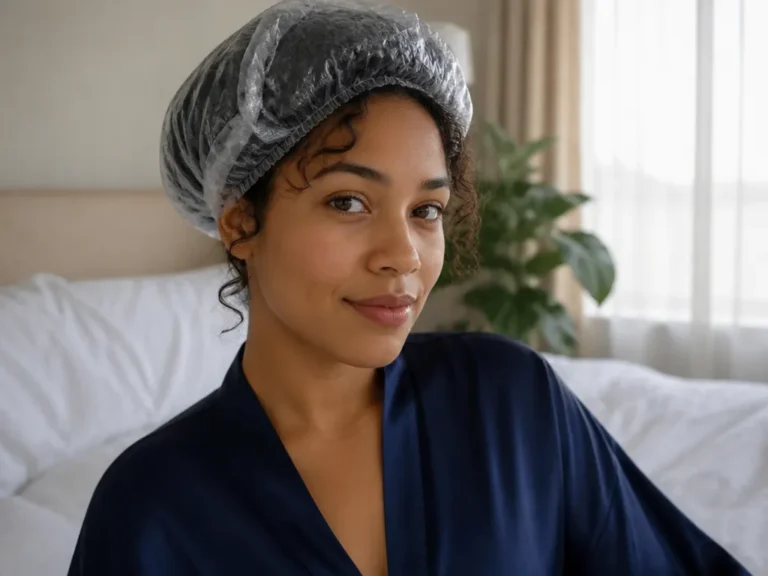
Skipping a protective cap can sound convenient, but it increases contact with pillow fabric and can lead to friction and transfer that dries hair. Overnight, a cap also helps keep the mask evenly distributed so you rinse out a consistent amount rather than spot-treated areas that can crust. For fine hair, friction can make breakage more noticeable by the next wash.
Hair-care rule: Apply the mask, detangle gently, then use a cap (or a clean, breathable wrap) and a microfiber towel to reduce friction. Always rinse until water runs clear.
Skin type still matters for scalp comfort. Oily to combination scalps typically do best with shorter mask times and ends-focused application, while dry or sensitive scalps need gentler dwell time and less frequent intensive treatments. Patch testing is especially important if your scalp is reactive, because overnight irritation can linger longer than irritation from a quick rinse.
Drugstore Vs. High-end Options
Price does not always dictate how well a hair mask works when left on overnight. Many drugstore options use similar emollients to luxury brands, but high-end formulas often have smaller molecular weights for better penetration into the hair shaft.
Affordable Drugstore Favorites
Drugstore masks are great for basic hydration and moisture retention. They usually rely on ingredients like shea butter and glycerin to seal the cuticle and prevent water loss.
For instance, a simple coconut-based mask from a brand like Garnier provides a strong moisture barrier. This is ideal for thick or coarse hair types that need heavy conditioning to stay manageable.
These products are cost-effective for weekly maintenance. However, they can sometimes contain heavier silicones that lead to buildup if used too often overnight.
Luxury Salon-grade Investments
High-end masks often focus on structural repair rather than just surface shine. These products use hydrolyzed proteins or bond-building technology to fix damaged cuticles from the inside.
For example, brands like Olaplex or Kérastase are better for chemically treated or bleached hair. These formulas are often lighter and less likely to cause heavy residue during an overnight soak.
The main trade-off is the cost per ounce. You pay for a higher concentration of active ingredients and a more refined texture that absorbs faster.
| Option | Typical Price | Key Ingredient | Best For |
|---|---|---|---|
| Drugstore Mask | $5 – $12 | Shea Butter | Coarse, Dry Hair |
| Luxury Mask | $30 – $60 | Amino Acids | Bleached, Damaged Hair |
| Pure Oil | $10 – $20 | Argan Oil | Frizzy, Curly Hair |
Diy Oil-based Alternatives
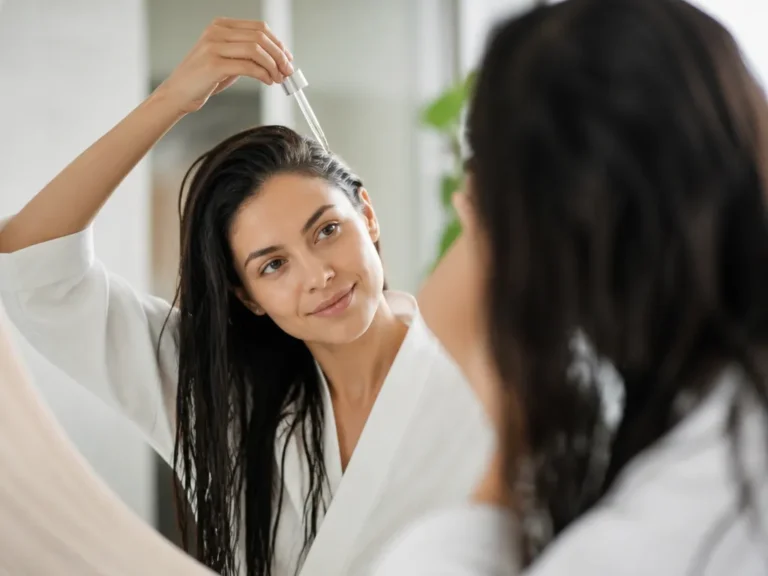
Pure oils are a safe bet for overnight use because they lack the preservatives and fragrances found in cream masks. Argan oil and jojoba oil mimic natural scalp sebum and provide deep lubrication.
In practice, apply a small amount of warm olive oil to the ends of the hair. This works well for very dry ends on all hair textures and avoids the risk of protein overload.
Esthetician tip: Always perform a patch test on your skin before applying a DIY oil mask to your entire scalp to avoid allergic reactions.
Professional Results At Home
Heat dramatically increases the absorption of conditioning ingredients into the hair shaft. Using thermal caps or wrapping your hair in a warm towel creates a sauna-like effect that enhances penetration of proteins and moisturizers.
Temperature Control For Maximum Absorption
The ideal temperature for deep conditioning treatments ranges between 104-140°F. Excessive heat can damage the hair cuticle, while cooler temperatures may not activate the ingredients effectively.
Frequency Considerations
Overnight treatments should be used sparingly to prevent protein overload or hair becoming too soft. Different hair types require different frequencies.
| Hair Type | Recommended Frequency | Best Treatment Type |
|---|---|---|
| Coarse/Thick | 1-2 times weekly | Protein-rich masks |
| Fine | Once weekly or less | Lightweight moisturizing masks |
| Color-Treated | 2-3 times monthly | Repair-focused masks |
Scalp Health Considerations
Overnight treatments should never be applied directly to the scalp unless specifically designed for this purpose. Scalp buildup can lead to inflammation and hair follicle issues.
Dermatologist tip: When applying overnight treatments, focus on the mid-lengths and ends of your hair, leaving a one-inch margin around your scalp unless the product is specifically formulated for scalp treatment.
For optimal results, use overnight treatments as part of a balanced hair care routine, alternating between deep conditioning, protein treatments, and regular conditioning based on your hair’s needs and response. Remember that less is often more when it comes to intensive treatments.
Quick Summary
Leaving a hair mask on overnight is generally safe for up to 8 hours if you use the correct formula. While hydrating masks often benefit from extended use to help dry hair, you must be careful with specific ingredients. It is also important to limit overnight applications to once per week and always perform a patch test behind the ear to check for scalp irritation.
The risks of overnight masking depend heavily on your hair porosity and texture. High porosity hair benefits from extra time to seal the cuticle, but low porosity hair often faces product buildup and greasy residue from heavy oils like shea butter. Over-moisturizing can lead to hygral fatigue, a condition where the hair shaft weakens from constant swelling and shrinking. For fine hair, long contact can cause limpness, whereas coarse curls may see improved elasticity. Always rinse thoroughly in the morning to avoid a gummy texture.
| Hair Type | Overnight Potential | Primary Risk |
|---|---|---|
| Fine / Thin | Minimal | Loss of volume and limpness |
| Medium / Wavy | Moderate | Increased frizz if over-saturated |
| Coarse / Curly | High | Deeply improved elasticity |
| Low Porosity | Low | Product buildup and heavy residue |
Beauty Routine Cheat Sheet
One Thing To Stop Doing Immediately
Stop treating every hair mask as an overnight product; follow the label’s recommended application time unless the formula is specifically designed for extended use.
Expected Timeline For Results
Improved elasticity and softness can be seen after a single weekly overnight treatment, though long-term cuticle health depends on consistent porosity management.
Frequently Asked Questions
Is It Safe To Leave A Hair Mask On For 8 Hours?
It depends on the formula. A dedicated overnight treatment may be suitable for an extended application, but standard masks should be used only for the time stated on the label. Heavy cream masks left on too long can cause hygral fatigue, which is when the hair cuticle swells and weakens from too much moisture.
Can Overnight Hair Masks Cause Breakouts On My Forehead?
Yes, heavy oils and silicones can transfer from your hair to your pillowcase and then to your skin. To avoid acne, wear a silk bonnet or tie your hair up to keep the product away from your face while you sleep.
What Is The Difference Between A Regular Hair Mask And An Overnight Treatment?
Regular masks are typically water-based creams, while overnight treatments are often oil-based or lipid-rich. Water-based masks should be used according to their label directions rather than automatically left on overnight.
Do I Really Need To Use A Hair Mask Every Time I Shampoo?
No, using a deep treatment every wash can lead to moisture overload, making your hair feel limp and greasy. It is better to limit deep conditioning to once a week to maintain healthy hair elasticity.
Are Luxury Hair Masks Worth The Higher Price Tag?
Not always, because many drugstore brands contain effective staples like keratin or argan oil. You are often paying for the fragrance and packaging rather than a significantly better formula.

- Top 10 Best Hair Conditioner For Curly Hair Men 2026 - October 4, 2026
- Top 10 Best Hair Conditioner For Curly Frizzy Hair 2026 - October 4, 2026
- Top 10 Best Hair Conditioner For Color Treated Hair 2026 - October 4, 2026