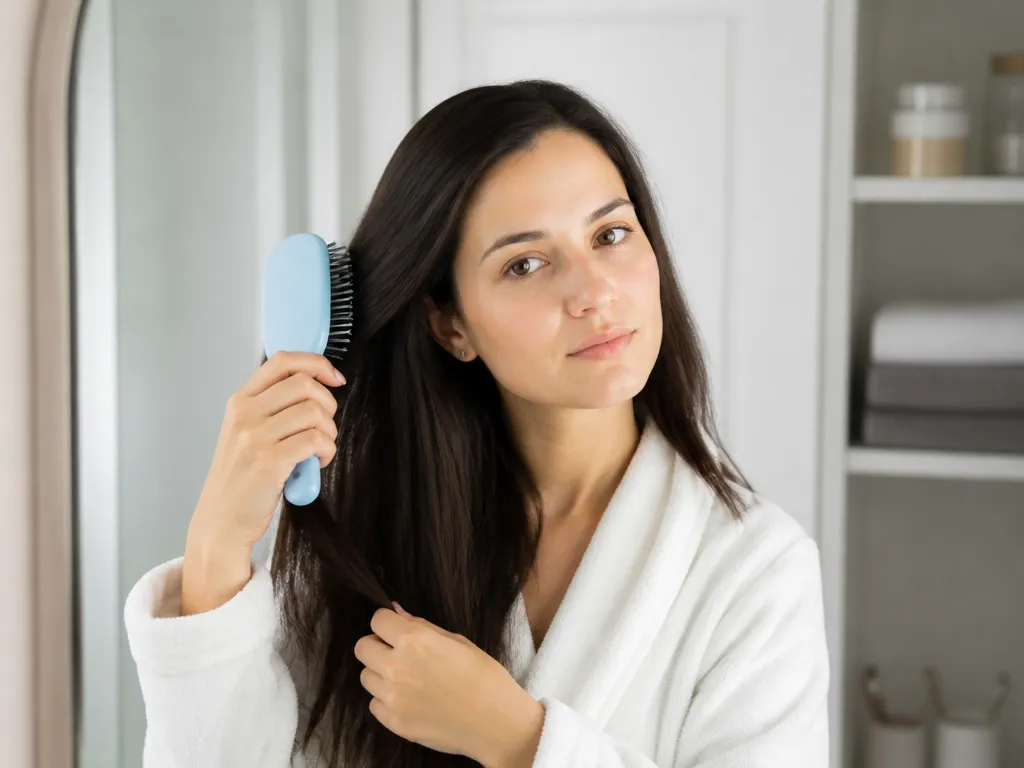
Is It Bad To Condition Your Hair Everyday?
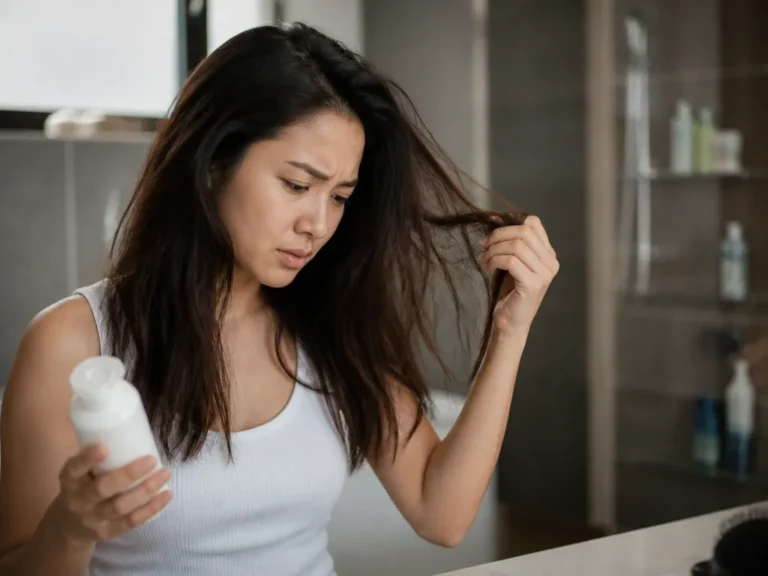
You might feel like your hair is a tangled mess without a daily dose of conditioner, but you are worried about that greasy, limp look. It is a common struggle to balance moisture with volume.
Conditioning your hair every day is generally safe if you apply product only to the bottom 2 to 3 inches of your strands. Overusing conditioner on the scalp leads to buildup and oily roots. Those with very fine hair should limit full conditioning to 2 or 3 times per week to avoid limpness.
Is It Bad To Condition Your Hair Everyday?
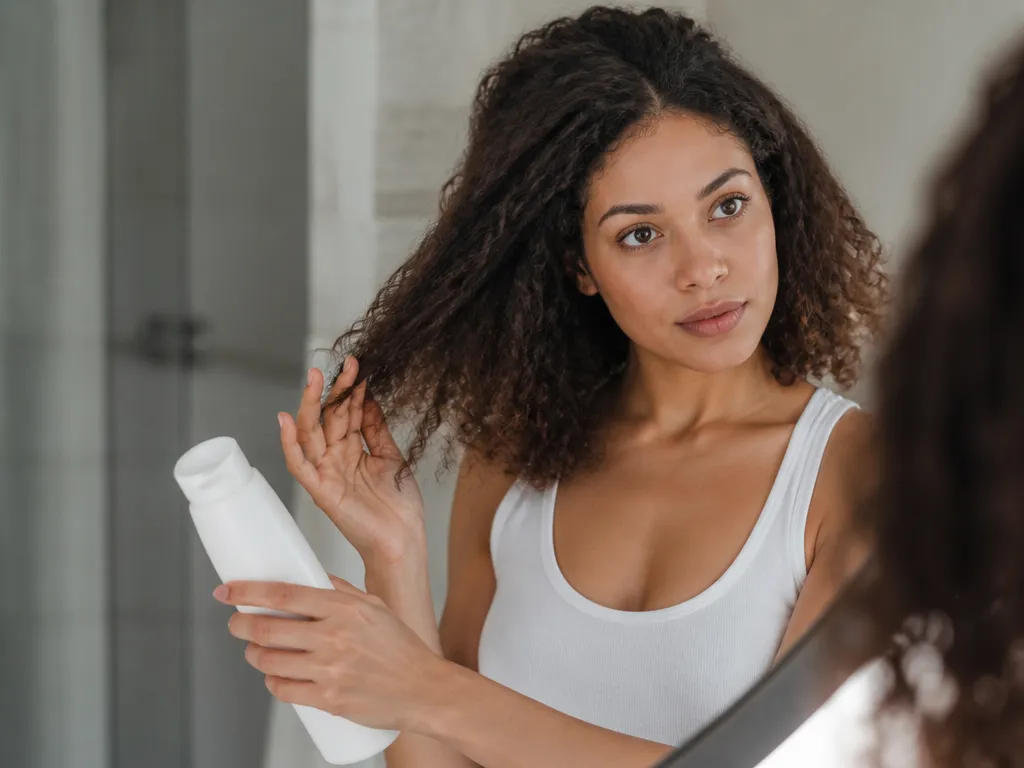
Daily conditioning is generally safe and beneficial for most hair types when applied correctly. The practice becomes problematic only when used excessively or inappropriately for specific hair types, potentially leading to product buildup or weighed-down strands.
For individuals with dry, coarse, curly, or chemically treated hair, daily conditioning provides essential moisture and protection. These hair types lose moisture more quickly and benefit from the regular replenishment of lipids and proteins that conditioners offer.
When Daily Conditioning Works Best
Daily conditioning shines for those with parched or damaged hair. The ends of hair are oldest and most vulnerable to damage, making them prime candidates for regular conditioning regardless of hair type.
Who Should Limit Daily Conditioning?
Those with fine, straight, or oil-prone hair types may experience unwanted buildup and limpness with daily conditioning. The scalp naturally produces sebum that can combine with conditioner residue, creating a heavy, greasy appearance. These individuals should limit conditioning to 2-3 times weekly or opt for extremely lightweight formulas.
| Hair Type | Recommended Frequency | Application Tips |
|---|---|---|
| Fine/Thin | 2-3 times weekly | Apply only to ends, avoid scalp |
| Oily/Prone to Buildup | Every other day | Use clarifying weekly, lightweight formulas |
| Dry/Coarse | Daily | Focus on lengths and ends, scalp as needed |
“The key to successful daily conditioning isn’t frequency but technique. Always apply from mid-lengths to ends, focusing on the oldest part of the hair strand. Less is more – start with a dime-sized amount and only increase if needed.” – Trichologist Sarah Johnson
Identify Your Hair And Scalp Type
Scalp oil production and hair strand diameter dictate how often you can safely apply moisture without causing buildup. An oily scalp produces excess sebum that can weigh down hair quickly, while high-porosity hair lacks the cuticle integrity to hold onto moisture for long periods.
Oily scalps often feel greasy or look shiny within 24 hours of washing. If your hair feels limp or flat at the roots shortly after styling, you likely have an oily scalp that requires lightweight conditioning.
Dry or porous ends show visible signs of damage, such as frizz, split ends, or a rough texture that tangles easily. Highly porous hair has lifted cuticles that allow moisture to escape rapidly, often making daily conditioning of the ends a necessity for maintaining softness.
Texture And Density Assessment
Hair texture refers to the diameter of an individual strand, whereas density describes how many strands grow on your scalp. Fine hair is easily weighed down by heavy silicones, while coarse hair can handle rich, oil-based conditioners to manage its natural thickness.
For instance, someone with fine hair and an oily scalp should avoid heavy creams and instead opt for lightweight sprays. Conversely, someone with thick, curly hair may find that daily conditioning on the ends is the only way to prevent extreme dryness.
| Hair/Scalp Characteristic | Primary Concern | Conditioning Strategy |
|---|---|---|
| Fine / Oily Scalp | Loss of volume and grease | Lightweight rinse-out; avoid roots |
| Thick / Dry Scalp | Frizz and tangles | Rich creams; frequent application |
| High Porosity | Moisture loss | Leave-in conditioners; oils |
| Low Porosity | Product buildup | Lightweight, water-based formulas |
Professional tip: To check porosity, place a clean strand of hair in a glass of water. If it sinks immediately, you have high porosity and need more moisture; if it floats, you have low porosity and should avoid heavy buildup.
In practice, assessing your hair type helps you avoid the common mistake of treating the scalp and the ends with the same product. Focus heavy moisture on the oldest, driest parts of the hair and keep the scalp area clear of heavy emollients.
Essential Ingredients For Daily Use
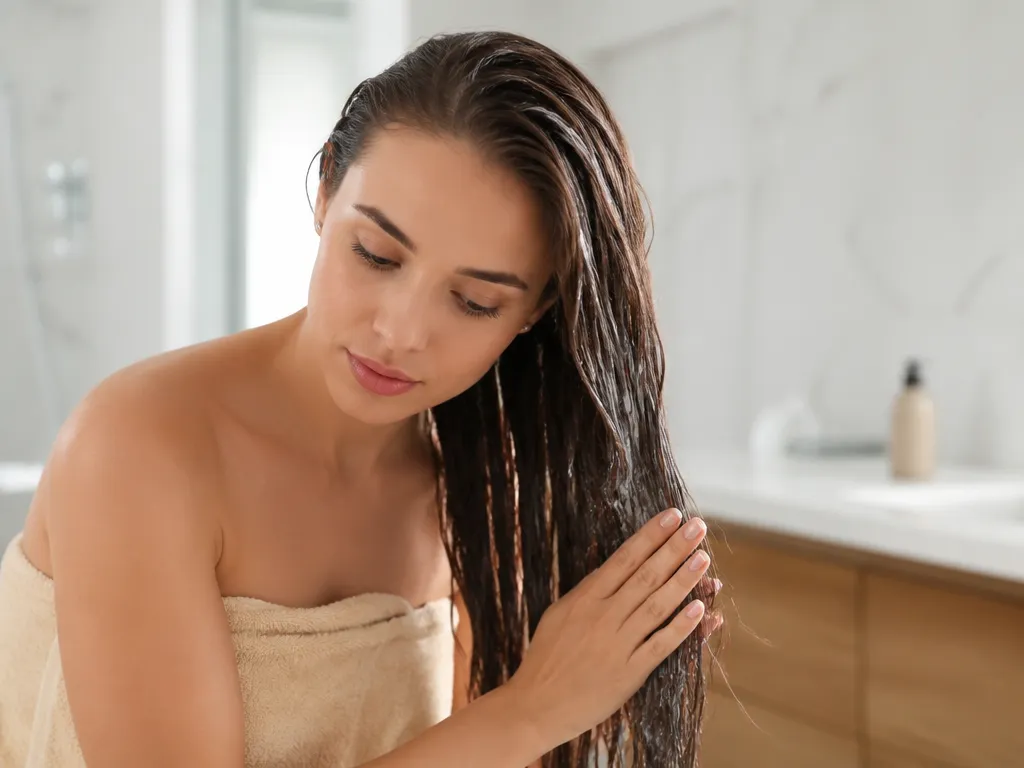
Lightweight humectants and smoothing emollients provide necessary hydration without the heavy residue that leads to flat, greasy hair. These ingredients attract water into the hair shaft and smooth the cuticle to prevent frizz. Using these specific actives allows for daily moisture replenishment even for those with fine or oily-prone hair.
Glycerin acts as a primary humectant to pull moisture from the air into the hair fiber. It is highly effective for all hair types, but those with curly or coily textures may benefit more from higher concentrations. For fine hair, use a glycerin-based spray or a very light rinse-out conditioner to avoid weighing down the roots.
Panthenol, also known as provitamin B5, offers a different type of moisture by penetrating the hair shaft to improve elasticity. This ingredient is excellent for daily use because it provides a smoothing effect without a heavy, oily feel. It works particularly well for people with color-treated or chemically processed hair that needs structural support.
| Ingredient Type | Specific Actives | Best For |
|---|---|---|
| Humectants | Glycerin, Aloe Vera, Hyaluronic Acid | Dry, thirsty hair and fine textures needing weightless hydration. |
| Emollients | Panthenol, Squalane, Jojoba Oil | Smoothing the cuticle and improving shine without heavy buildup. |
| Protective Agents | Hydrolyzed Silk, Hydrolyzed Wheat Protein | Damaged or porous hair that needs mild structural reinforcement. |
Beauty Editor Tip: If you have fine hair, look for “weightless” or “volumizing” conditioners. These typically contain higher concentrations of humectants and lower concentrations of heavy oils.
Heavy silicones and waxes often cause the most issues for daily users. Ingredients like dimethicone or petrolatum can create a waterproof barrier that eventually prevents moisture from entering the hair. This leads to a cycle where the hair feels dry on the inside but looks greasy on the outside.
For instance, someone with fine, straight hair might switch to a silicone-free conditioner to prevent their hair from looking limp by midday. If you notice a dull film on your strands or if your hair feels “tacky” to the touch, you likely have product buildup from heavy emollients.
Daily Conditioning Application Technique
Conditioning daily is only “risky” when product sits too long on your scalp, you use too much, or you do not rinse well.
| Hair situation | Best placement | How much | Rinse/leave time |
|---|---|---|---|
| Oily roots, dry ends | Mid-lengths to ends only | Small amount, emulsify with water | Rinse-out in 2-3 minutes |
| Fine straight hair | Ends, minimal upward smoothing | Pea to dime sized | Short contact, thorough rinse |
| Curly or coily, dry texture | Mid-lengths to ends, sectioned | Slightly more on ends | 3-5 minutes, or light leave-in |
| Color-treated or chemically processed | Ends first | Use less, add hydration via leave-in | Follow label, avoid long sits |
Patch-test new hair products (especially leave-ins) on a small scalp area behind the ear for 24-48 hours if you are sensitive or prone to irritation.
Conditioners with silicones can feel extra slippery and help reduce frizz, but buildup risk rises when you overapply or never rinse cleanly. If your hair gets coated fast, switch to a lighter rinse-out or use leave-in only on the ends.
When you feel residue, go back to technique before changing everything: reduce amount, shorten contact time, keep conditioner off the scalp, and rinse until hair moves freely in your fingers. Start with these rules for 1-2 weeks, then adjust based on how your roots look and feel.
Common Conditioning Mistakes To Avoid
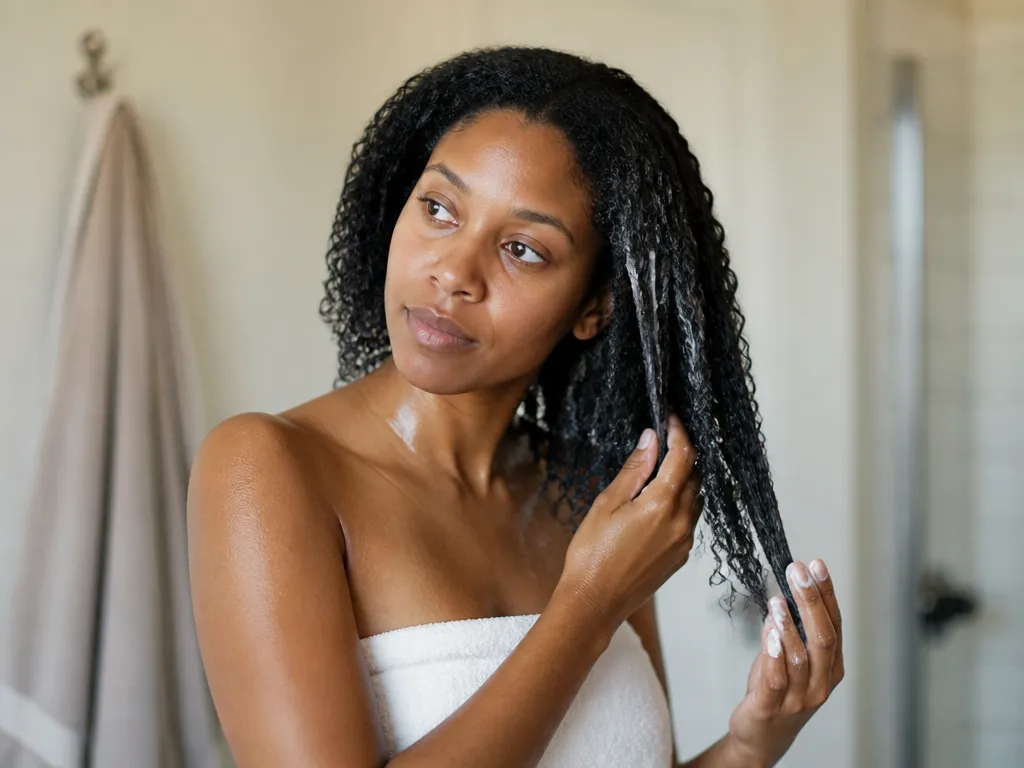
Improper conditioner application leads to scalp irritation, product buildup, and limp hair. These issues occur when the product interacts with the skin or remains on the hair shaft too long.
Applying Product To The Scalp
Conditioners contain emollients and silicones designed for the hair cuticle. The scalp produces its own natural sebum, so adding conditioner to the roots creates excess oil. This is a major issue for those with oily scalp types.
For instance, applying a heavy cream conditioner to the roots often results in hair that looks greasy within a few hours. This can also clog hair follicles, which may lead to scalp breakouts or itching.
| Hair Type | Recommended Amount | Placement | Key Concern |
|---|---|---|---|
| Fine/Thin | Dime-sized | Ends only | Flat roots |
| Thick/Coarse | Quarter-sized | Mid-shaft to ends | Dryness/Tangles |
| Curly/Coily | Half-palm | Mid-shaft to ends | Frizz/Lack of slip |
Quantity And Rinsing Errors
Using too much product weighs down the hair. This is a common problem for fine hair types that lack the structural support to hold heavy silicones. Rinsing is equally critical for a clean finish.
In practice, a dime-sized amount is enough for short hair, while a quarter-sized amount works for medium lengths. If you leave residue behind, the hair feels tacky and attracts environmental pollutants.
Poor rinsing often leads to a dull appearance. This happens because the product creates a film that blocks light from reflecting off the hair shaft.
Pro tip: Rinse your conditioner with cool water. This helps close the cuticle and locks in moisture for a smoother finish.
Drugstore Vs Luxury Conditioning Options
Product selection depends heavily on whether you need lightweight hydration for daily use or intensive repair for damaged strands. Drugstore options often excel at providing accessible, silicone-free formulas for frequent washing, while luxury brands typically concentrate on high-performance peptides and rare botanical oils.
Budget-friendly Daily Hydration
Daily conditioning requires formulas that won’t weigh down fine hair or leave a greasy residue on the scalp. Lightweight conditioners focus on humectants like glycerin or panthenol (Vitamin B5) to draw moisture into the hair shaft without heavy waxes.
For example, if you have fine hair and wash daily, avoid heavy shea butter. Instead, look for a “weightless” or “volumizing” conditioner to keep your roots from looking flat.
High-end Repair And Moisture
Luxury treatments prioritize structural repair through advanced ingredient technology. These products are best reserved for weekly deep conditioning sessions rather than every single day to prevent buildup.
Professional tip: If you use heavy luxury masks, limit application to once or twice a week to avoid “hygral fatigue,” which happens when hair becomes too soft and loses elasticity from constant moisture.
High-end formulas often include keratin, amino acids, and biotin to rebuild the hair cuticle. These are ideal for those with chemically bleached or heat-damaged hair.
| Product Tier | Best For | Key Ingredient Profile |
| Drugstore | Daily maintenance | Glycerin, Panthenol, Silicones |
| Luxury | Weekly intensive repair | Peptides, Ceramides, Rare Oils |
Affordable Leave-in Alternatives
Leave-in sprays offer a way to condition ends daily without the risk of heavy buildup associated with rinse-out conditioners. These are excellent for maintaining moisture between washes or adding protection before heat styling.
In practice, a lightweight leave-in spray is often safer for daily use than a traditional cream. It provides a barrier against environmental stressors while remaining easy to rinse out if you decide to wash your hair later that day.
Expert Tips For Healthy Hair
Implementing A Clarifying Routine
Clarifying treatments should be incorporated every 1-2 weeks for regular conditioner users, or monthly for occasional users. These treatments remove product buildup and mineral deposits that can weigh hair down and dull its appearance.
Managing Product Buildup Symptoms
Recognizing the early signs of product buildup allows for timely intervention before hair becomes unmanageable. Flat roots, dull appearance, and difficulty achieving style hold indicate it’s time to clarify your routine.
| Symptom | Cause | Solution |
|---|---|---|
| Greasy roots | Conditioner touching scalp | Apply conditioner only from ears down |
| Dull, lifeless hair | Product residue | Clarify with weekly apple cider vinegar rinse |
| Hard to style | Silicone buildup | Switch to silicone-free formulas occasionally |
Matching Conditioner To Hair Porosity
Understanding your hair’s porosity level is essential for selecting the right conditioner that will actually benefit rather than burden your strands. Porosity determines how well your hair absorbs and retains moisture.
“Dermatologist tip: The water test determines porosity – drop water on clean hair strands. If beads sit on top, you have low porosity. If it absorbs quickly, you have high porosity. Slow absorption indicates normal porosity.”
For low porosity hair, lightweight conditioners with humectants like glycerin work best without causing buildup. High porosity hair benefits from protein-rich conditioners with ingredients like hydrolyzed wheat protein to strengthen the hair cuticle.
Quick Summary
Effective hair care requires matching your products to your specific hair porosity and scalp type.
For example, highly porous hair needs frequent moisture to replace what escapes through lifted cuticles, while oily scalps may need a clarifying shampoo once every 2 weeks. You can also swap heavy rinse-out formulas for lightweight leave-in sprays on non-wash days to maintain hydration. The most important takeaway is that successful conditioning depends more on your specific technique and hair texture than on the actual frequency of use.
| Hair Type | Recommended Frequency | Primary Strategy |
|---|---|---|
| Fine / Oily | 2-3 times weekly | Lightweight formulas; avoid scalp |
| Thick / Dry | Daily | Rich creams; focus on ends |
| Curly / Coily | Daily | Replenish lipids and proteins |
| High Porosity | Daily | Leave-in conditioners or oils |
Frequently Asked Questions
Will Conditioning My Hair Every Day Make It Greasy?
It may, particularly for oily or fine hair, because excess product can weigh down the strands and contribute to buildup.
Can I Use Conditioner Every Day If I Have Fine Hair?
You can, but you should look for weightless or volumizing formulas specifically designed for thin strands. Avoid heavy oils or thick butters that can make fine hair look flat within hours.
What Is The Difference Between A Conditioner And A Hair Mask?
A regular conditioner is designed for daily use to seal the cuticle, while a mask is a more intensive treatment. Use a mask only 1 time per week to avoid over-moisturizing your hair.
Do I Really Need To Rinse Conditioner Out Completely?
Yes, leaving too much product behind can lead to scalp irritation or a dull appearance. You should rinse until the water runs clear and your hair no longer feels slimy or heavy.
Is An Expensive Salon Conditioner Better Than A Drugstore Version?
Not always, as many drugstore brands use effective basic ingredients like glycerin or silicones. Spend your money on targeted treatments for specific issues like color protection or extreme damage rather than just a high price tag.

- Top 10 Best Hair Conditioner For Babies 2026 - October 4, 2026
- Top 10 Best Hair Conditioner For Breakage 2026 - October 4, 2026
- Top 10 Best Hair Conditioner For Black Women 2026 - October 4, 2026