Is It Good To Condition Your Hair Everyday?
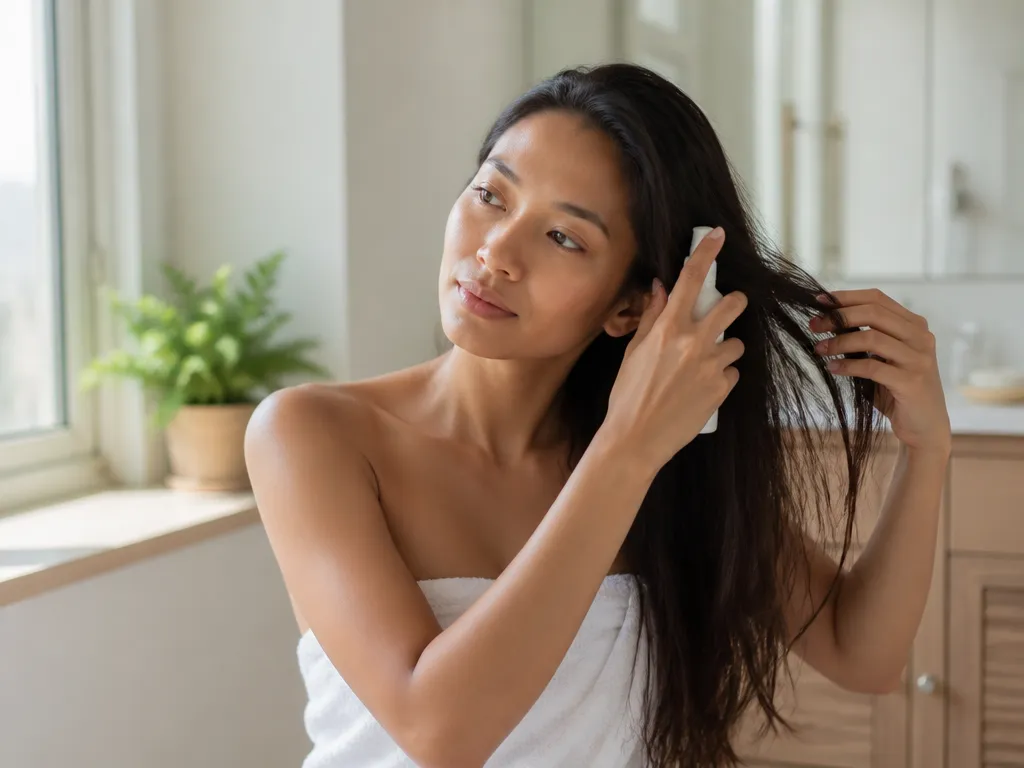
Most people think hair health is all about the shampoo, but your conditioner actually does the heavy lifting for moisture and shine. Daily conditioning may be helpful for some textures, while others need less frequent use to avoid buildup.
Daily conditioning is acceptable for people with highly porous, curly, or damaged hair that needs constant moisture. However, those with fine or oily hair should limit conditioner to 2 or 3 times per week unless the hair is damaged and a lightweight formula is used. Always apply products only to the mid-lengths and ends to prevent greasy roots.
Best for: Dry, curly, or damaged hair types. Use caution if: Fine, straight, or oily scalp types.
Is It Good To Condition Your Hair Everyday?
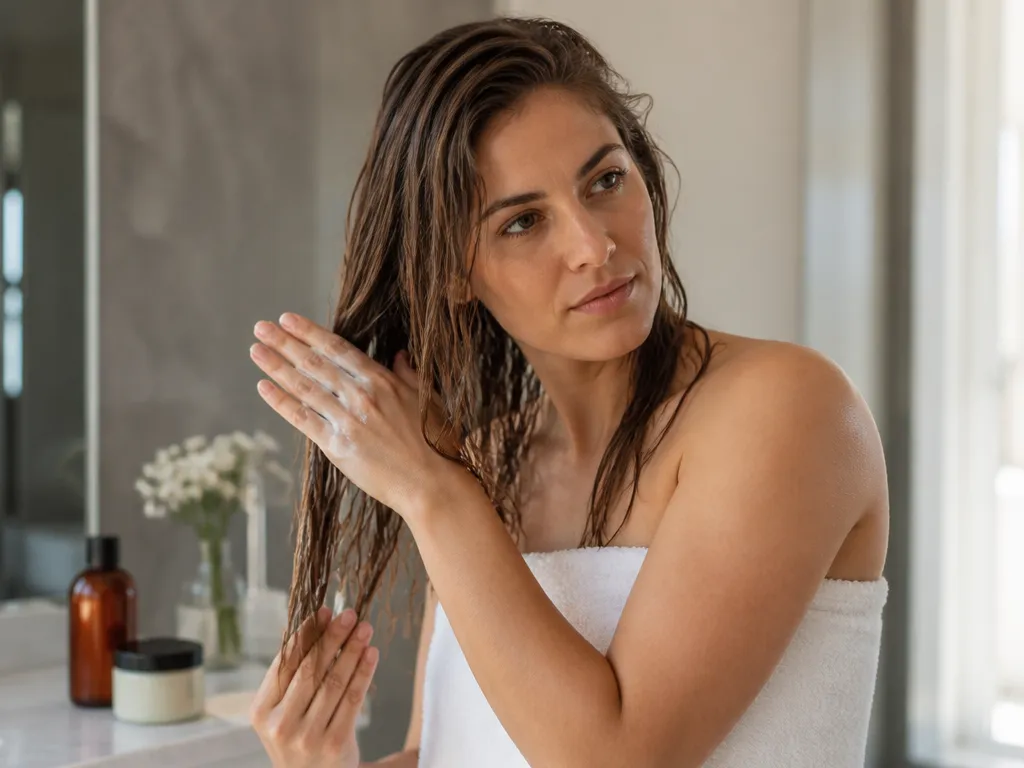
Daily conditioning can be beneficial for some hair types while potentially harmful for others, depending primarily on your hair’s porosity and scalp health. Fine, damaged, or high-porosity hair often benefits from daily conditioning to maintain moisture and prevent breakage, while coarse, low-porosity hair may become weighed down or develop buildup with too frequent conditioning.
When Daily Conditioning Works Best
Daily conditioning shines for specific hair types and conditions. If you have fine, damaged, chemically treated, or high-porosity hair, daily conditioning helps maintain essential moisture levels and prevents further damage. People living in dry climates or frequently using heat styling tools also benefit from the extra hydration.
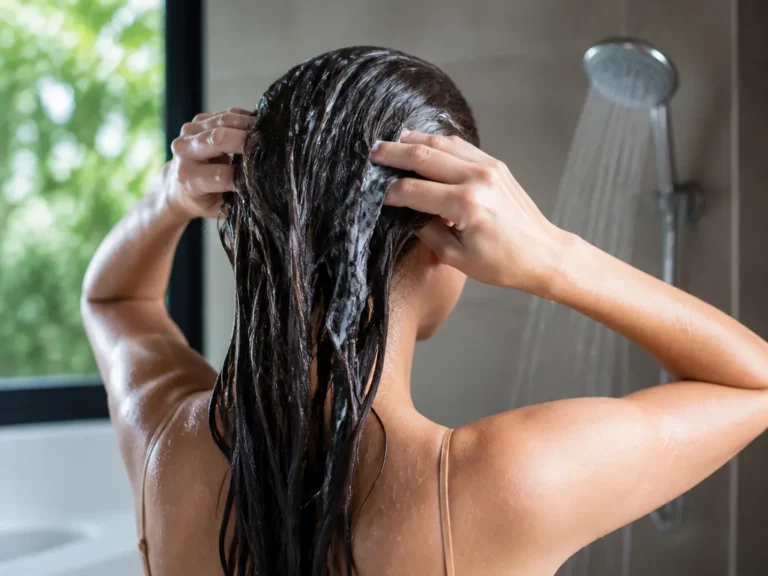
For optimal results when conditioning daily, focus product application on the mid-lengths and ends of your hair rather than the scalp. This targeted approach delivers needed moisture where hair needs it most while avoiding unnecessary product buildup at the roots.
| Hair Type | Daily Conditioning Recommended | Best Approach |
|---|---|---|
| Fine/Damaged | Yes | Lightweight formula, focus on ends |
| Coarse/Thick | No (2-3 times weekly) | Rich formula, full length application |
| Normal/Healthy | Every other day | Moderate formula, mid-lengths to ends |
Risks Of Over-conditioning
Excessive conditioning can lead to several hair concerns that may actually damage your hair over time. Watch for signs like flat, lifeless strands that won’t hold volume, excessive oiliness at the scalp within hours of washing, or hair that feels coated and resists styling.
If you notice these symptoms, consider reducing conditioning frequency to every other day or switching to a lighter leave-in conditioner instead of your regular rinse-out product.
Setting Realistic Expectations
Healthy hair results come from consistent care over time rather than overnight transformations. While daily conditioning helps maintain moisture, it cannot repair severely damaged hair or reverse years of neglect. Expect gradual improvements in texture, manageability, and shine within 4-6 weeks of consistent conditioning tailored to your hair type.
“Conditioning daily is about maintenance, not miracle cures. The goal is to provide your hair with consistent hydration without overwhelming it with product.” – Trichologist Recommendation
For most people, alternating between conditioning and co-washing (washing with conditioner only) strikes the right balance between moisture and cleanliness. Remember that your hair’s needs may change with seasons, styling routines, or chemical treatments, so adjust your conditioning frequency accordingly.
Identify Your Hair And Scalp Type
Hair and scalp health depend on three main factors: porosity, texture, and sebum production. These traits determine how much moisture the hair shaft can hold and how often the scalp needs cleansing.
Hair Porosity Testing
Porosity refers to the ability of the hair cuticle to absorb and retain moisture. High porosity hair has open cuticles that let water in and out quickly, while low porosity hair has tightly closed cuticles that repel water.
In practice, high porosity hair often feels rough and tangles easily. It needs more frequent conditioning to fill the gaps in the cuticle.
Dryness: Scalp Vs. Strands
Dry scalp is a skin condition caused by a lack of sebum, often resulting in tight skin or small white flakes. Dry hair is a structural issue where the cuticle is damaged or stripped of lipids, leading to brittleness and split ends.
For example, you can have an oily scalp with dry ends. This is common for people with long hair or those who use heat tools frequently.
Identifying this difference prevents you from applying heavy conditioners to the scalp. Putting conditioner on an oily scalp can clog follicles and cause breakouts or flatness.
Texture And Diameter
| Texture | Diameter | Moisture Need | Conditioner Type |
|---|---|---|---|
| Fine | Thin | Low | Lightweight/Volumizing |
| Medium | Average | Moderate | Balanced/Hydrating |
| Coarse | Thick | High | Rich/Creamy/Butters |
Esthetician tip: If your hair is fine, apply conditioner only from the mid-lengths to the ends to avoid weighing down the roots.
Budget options for fine hair include Dove Daily Moisture ($5). For a high-end alternative, Pureology Hydrate Sheer ($35) provides moisture without the weight.
Best Conditioning Ingredients For Your Goals
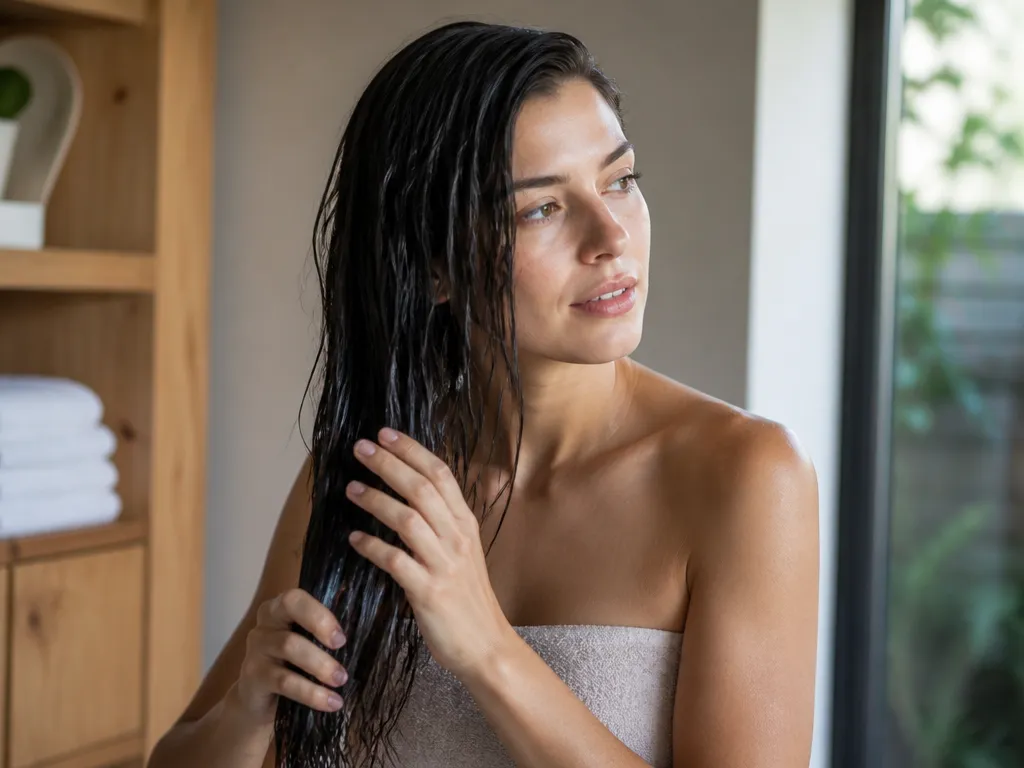
Choosing conditioning ingredients based on your specific hair needs produces better results than generic formulas. The right ingredients address your unique concerns from moisture retention to frizz control and structural repair.
Humectants For Moisture
Humectants attract water molecules to hydrate dry hair. Glycerin draws moisture from the air into the hair shaft, making it ideal for thirsty strands. Aloe vera provides hydration while soothing the scalp and reducing inflammation.
Emollients For Frizz Control
Emollients create a protective coating that smoothens the hair cuticle. Shea butter penetrates deeply to nourish and moisturize coarse or curly hair. Argan oil forms a lightweight barrier against humidity without weighing fine hair down.
Proteins For Repair
Protein-based conditioners fill gaps in the hair cuticle to strengthen damaged strands. Keratin bonds with existing proteins to rebuild compromised structure. Silk amino acids improve elasticity and reduce breakage in chemically treated hair.
| Item | Amount/Specification | Notes |
|---|---|---|
| Glycerin | 3-5% in conditioners | Best for normal to dry hair; may be too heavy for fine hair |
| Aloe Vera | 10-20% concentration | Great for all hair types; also soothes scalp irritation |
| Shea Butter | 1-3% in conditioners | Best for thick, coarse, or curly hair; may weigh down fine hair |
| Argan Oil | 0.5-2% concentration | Lightweight; suitable for all hair types including fine hair |
| Keratin | 1-5% protein content | Ideal for damaged, chemically treated hair; use 1-2 times weekly |
| Silk Amino Acids | 0.5-3% concentration | Improves shine and elasticity; safe for daily use |
How To Apply Conditioner Correctly
Conditioner belongs on the mid-lengths and ends of the hair, never the scalp. Applying product to the roots triggers excess oil production and can cause follicle congestion for those with oily scalps.
For people with very fine hair, this placement is critical to avoid losing volume. Those with thick, curly, or high-porosity hair may need more product on the lengths to ensure full saturation.
| Formula Type | Dwell Time | Primary Goal |
|---|---|---|
| Daily Conditioner | 1 – 2 Minutes | Surface smoothing |
| Deep Mask | 10 – 20 Minutes | Internal repair |
| Leave-in Spray | No Rinse | Tangles and Frizz |
Waxy buildup often occurs when heavy silicones, such as dimethicone, are not rinsed out completely. This buildup makes hair feel heavy and dull over time.
For instance, if your hair feels sticky or “coated” after drying, you may be using too much product or rinsing insufficiently.
High-end options like Pureology ($30) offer concentrated formulas for damaged hair. Budget-friendly alternatives like Maui Moisture ($7) provide similar hydration for daily use.
Esthetician tip: Always apply your conditioner after shampooing and before any leave-in treatments to ensure the hair is properly sealed.
Common Conditioning Mistakes That Kill Volume
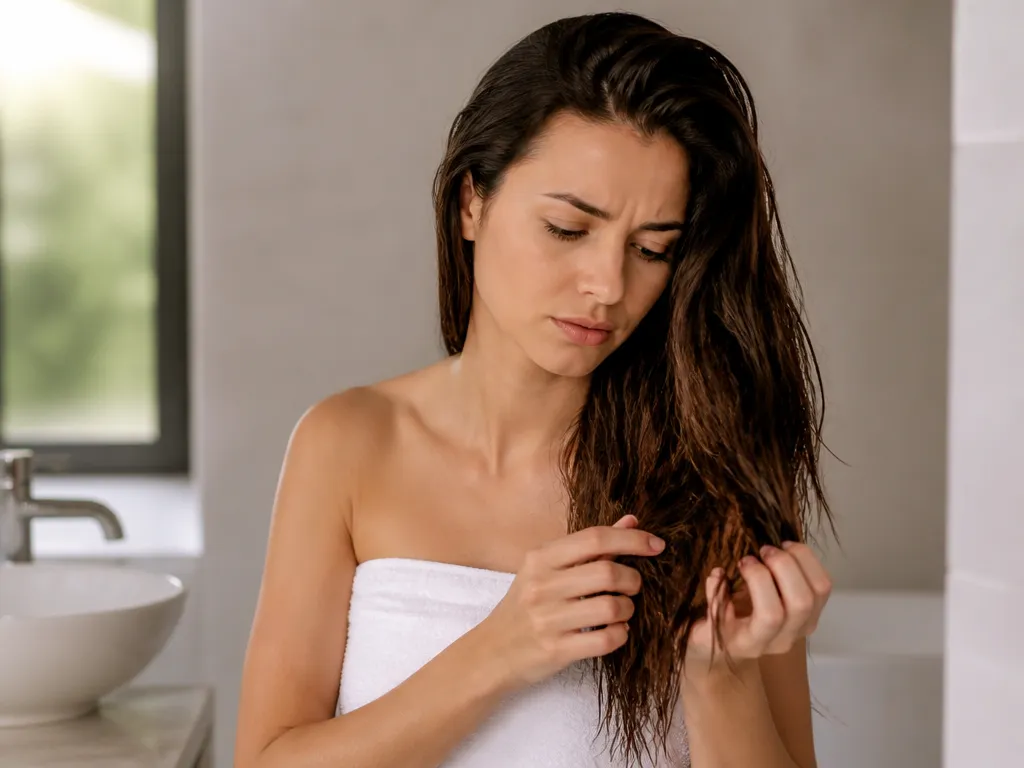
Heavy conditioners weigh down the hair shaft and clog scalp pores when applied incorrectly. This leads to a loss of natural lift and can trigger oily roots or scalp irritation.
Root Application And Protein Overload
Applying conditioner to the scalp is the fastest way to lose volume. Conditioners contain emollients and silicones designed to seal the cuticle, not hydrate the skin.
For example, someone with fine hair who conditions from root to tip will likely find their hair flat by midday.
Overusing protein-heavy masks containing hydrolyzed wheat protein or keratin creates a brittle texture. While protein strengthens the hair, an excess makes the strands stiff and prone to snapping.
In practice, using a protein mask every day instead of once a week often results in hair that feels like straw.
| Ingredient Type | Key Examples | Best For | Risk of Overuse |
|---|---|---|---|
| Humectants | Glycerin, Aloe | Dry or Curly Hair | Frizz in humidity |
| Proteins | Keratin, Silk | Damaged or Bleached | Brittle, stiff hair |
| Silicones | Dimethicone | Frizz Control | Heavy buildup |
Neglecting clarifying shampoos leads to silicone buildup. Many daily conditioners use dimethicone, which does not wash away with gentle, sulfate-free shampoos.
This buildup creates a film that prevents moisture from entering the hair and adds unnecessary weight.
Pro tip: Use a clarifying shampoo once every two weeks to reset your hair and remove product residue.
Budget alternative for clarifying: A simple Apple Cider Vinegar rinse (1 part ACV to 4 parts water) can remove buildup without the cost of high-end detox shampoos.
Drugstore Vs. High-end Conditioning Options
Drugstore conditioners can absolutely work for daily use, because the real “conditioning” comes from proven humectants and conditioning agents that sit on hair to reduce friction. High-end formulas often add more refined textures or extra slip ingredients, but they are not required for most people to detangle, smooth, and reduce frizz.
For daily conditioning, pick based on your scalp and hair type so you do not end up with flat, greasy roots or buildup at the ends. This works best for oily to combination skin if you apply conditioner only from mid-lengths to ends, and it works best for dry to very dry scalps if you choose a gentler conditioner and keep it off the scalp. For fine hair, look for lightweight conditioning agents like polyquaternium or dimethicone rather than heavy butters. For curly to coily hair, look for more robust slip from glycerin, panthenol, and cetyl alcohol plus optional natural oils in smaller amounts.
Budget-friendly Daily Conditioning Picks
Budget options are great if you use them correctly: apply to wet hair, leave for 1 to 3 minutes, then rinse thoroughly. High-scent formulas and heavy coatings can bother sensitive scalps, so patch test around the hairline if you are acne-prone or easily irritated.
When you need extra refinement, splurge is most worth it for hair that is colored, bleached, or consistently heat-styled. Salon-grade and premium conditioners often have more concentrated cationic conditioners and conditioning polymers, which can improve feel and reduce tangling faster, especially on high-porosity hair.
For example, investing matters most for coarse, very curly, or damaged strands, where friction relief can prevent breakage from rough detangling.
| Product tier | Price level | Key conditioning ingredients to look for | Best for |
|---|---|---|---|
| Drugstore conditioner | Lower cost | glycerin, panthenol, polyquaternium, dimethicone | Daily detangling and frizz control on most hair types |
| Salon professional conditioner | Higher cost | cationic surfactants, conditioning polymers, targeted moisturizing blends | Color-treated, heat-damaged, or high-frizz hair needing extra slip |
“Conditioner buildup looks like limp hair, dull ends, and faster re-greasing. If that happens, cut conditioner to every other wash and clarify your scalp occasionally with a gentle shampoo.”
Safe Diy Rinse Options For Extra Shine
DIY rinses can add slip, but they should not replace conditioner if your hair is dry or damaged. Use these as short, occasional boosts, and stop if your hair feels coated or your scalp stings.
Conditioning too often can cause buildup, which looks different by hair type: oily to combination scalps get root flatness, fine hair gets stringy ends, and thick curly hair can feel “gummy” if the rinse-out is incomplete. If you notice greasiness or irritation, switch to a lighter option like a leave-in conditioner or use conditioner only on the ends, then fully rinse.
Pro Secrets For Lasting Hydration
Advanced moisture management relies on targeted product application rather than frequent, heavy rinsing. Professionals prioritize lightweight formulas and strategic timing to keep hair soft without causing buildup or scalp irritation.
Strategic Moisture Management
Lightweight leave-in conditioners provide a constant layer of protection against environmental stressors. These products use smaller molecules that penetrate the hair shaft or sit lightly on the surface to smooth the cuticle. This approach works well for fine to medium hair textures that easily become weighed down by traditional rinse-out conditioners.
Co-washing offers a gentler alternative for those with high-porosity or curly hair types. This method involves using a cleansing conditioner instead of a traditional sulfate-based shampoo to maintain natural oils. It helps prevent the extreme dryness often associated with daily washing.
Professional Tip: Focus all conditioning products from the mid-lengths down to the ends. Avoid the scalp to prevent greasiness and clogged follicles.
Weekly deep-conditioning treatments act as a corrective measure for chemically treated or heat-damaged hair. These intensive masks contain higher concentrations of lipids and proteins to repair the hair structure. You should schedule these treatments on days when you skip your regular shampoo to maximize absorption.
| Technique | Best For | Primary Benefit |
|---|---|---|
| Leave-in Conditioner | Fine or thin hair | Weightless frizz control |
| Co-washing | Curly or coily hair | Preserves natural oils |
| Deep Conditioning | Damaged or high-porosity hair | Intensive repair |
Optimizing Your Routine
Effective moisture retention requires a specific order of operations to ensure ingredients actually work.
For instance, if you notice your hair feels limp or “mushy” when wet, you may be over-conditioning or using products that are too heavy.
In practice, switching to a water-based leave-in spray can restore bounce while maintaining hydration. Expect to see a difference in hair manageability within two weeks of adjusting your product weight.
Quick Summary
Daily conditioning works best for high-porosity, curly, or damaged hair that requires constant moisture, including fine hair when a lightweight formula is used. If you have fine, undamaged, or oily hair, you should limit conditioner to two or three times per week to avoid a greasy scalp. Coarse or thick hair generally benefits from conditioning two or three times weekly. Using a lightweight formula instead of heavy oils is recommended for finer strands.
Over-conditioning can cause waxy or limp hair, which often signals a need for a clarifying shampoo once a week. If your hair feels coated or loses volume, you may be experiencing silicone buildup or cuticle swelling. You can test your hair porosity by placing a clean strand in a glass of water to see if it sinks or floats. The most important takeaway is that consistent, tailored maintenance yields visible improvements in texture and shine within four to six weeks.
| Hair Type | Frequency | Best Approach |
|---|---|---|
| Fine / Damaged | Daily | Lightweight formula on ends |
| Coarse / Thick | 2-3 times weekly | Rich formula, full length |
| Normal / Healthy | Every other day | Moderate formula on mid-lengths |
Beauty Routine Cheat Sheet
One Thing To Stop Doing Immediately
Stop applying conditioner directly to your scalp, as this causes grease and product buildup.
Expected Timeline For Results
Expect to see gradual improvements in manageability, shine, and texture within 4 to 6 weeks of a consistent routine.
Frequently Asked Questions
How Often Should You Condition Your Hair?
You should condition your hair 2 to 3 times a week for normal hair, but you can do it daily if your hair is dry or damaged.
Is It Bad To Condition Your Hair Every Day If You Have Oily Roots?
Yes, applying conditioner to the scalp can make oily roots look greasy and heavy. Apply it to the mid-lengths and ends instead.
What Happens If You Use Conditioner Every Day?
Using conditioner every day can cause product buildup, which may make your hair feel flat or dull over time.
Do You Need To Condition Short Hair?
You may not need to condition very short hair, but a small amount of lightweight conditioner can be applied to the ends if they feel dry. Avoid applying it to the scalp.
Is It Okay To Use A Leave-in Conditioner Every Day?
Yes, leave-in conditioners are designed for daily use and provide moisture without weighing hair down.

- Top 10 Best Hair Conditioner For Children 2026 - October 5, 2026
- Top 10 Best Hair Conditioner For Colored Dry Hair 2026 - October 5, 2026
- Top 10 Best Hair Conditioner For Coarse Hair 2026 - October 4, 2026