Is It Good To Leave Conditioner In Your Hair?
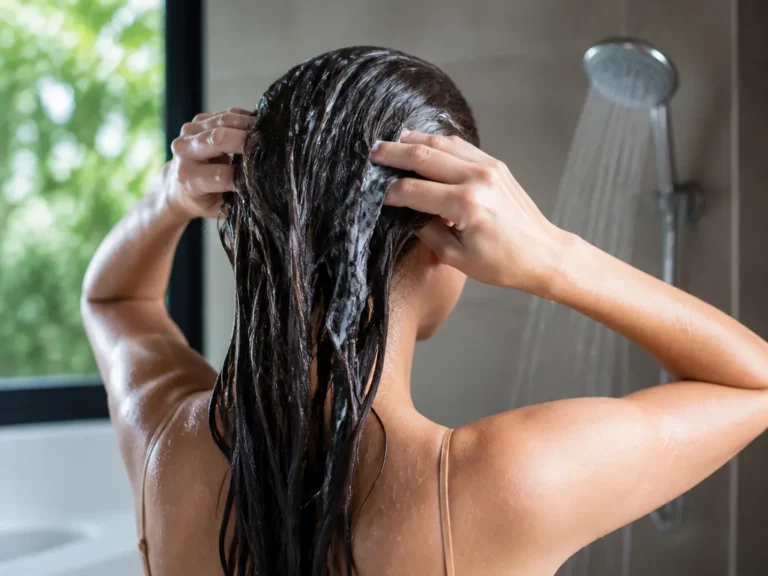
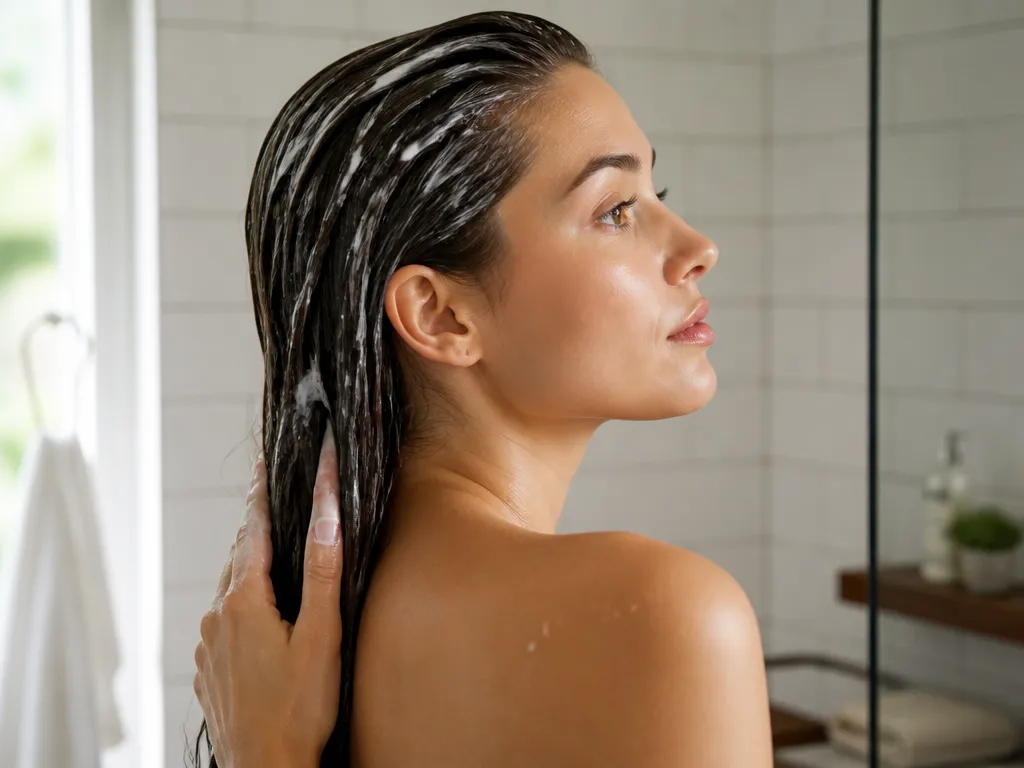
Leaving traditional rinse-out conditioner in your hair can lead to heavy, greasy strands or even scalp irritation. You might be trying to fix dryness, but the wrong technique often causes more harm than good. We will look at why specific products work better for long-term wear and how to apply them without ruining your hair texture.
Leaving rinse-out conditioner in your hair is generally not recommended because it lacks the lightweight structure of dedicated products. Instead, use a leave-in conditioner containing hydrolyzed proteins or lightweight oils for up to 24 hours of moisture. Rinse-out formulas are too heavy and can cause buildup after just 1 use.
Best for: Dry, curly, or high-porosity hair. Use caution if: You have fine hair or an oily scalp.
Is It Good To Leave Conditioner In Your Hair?
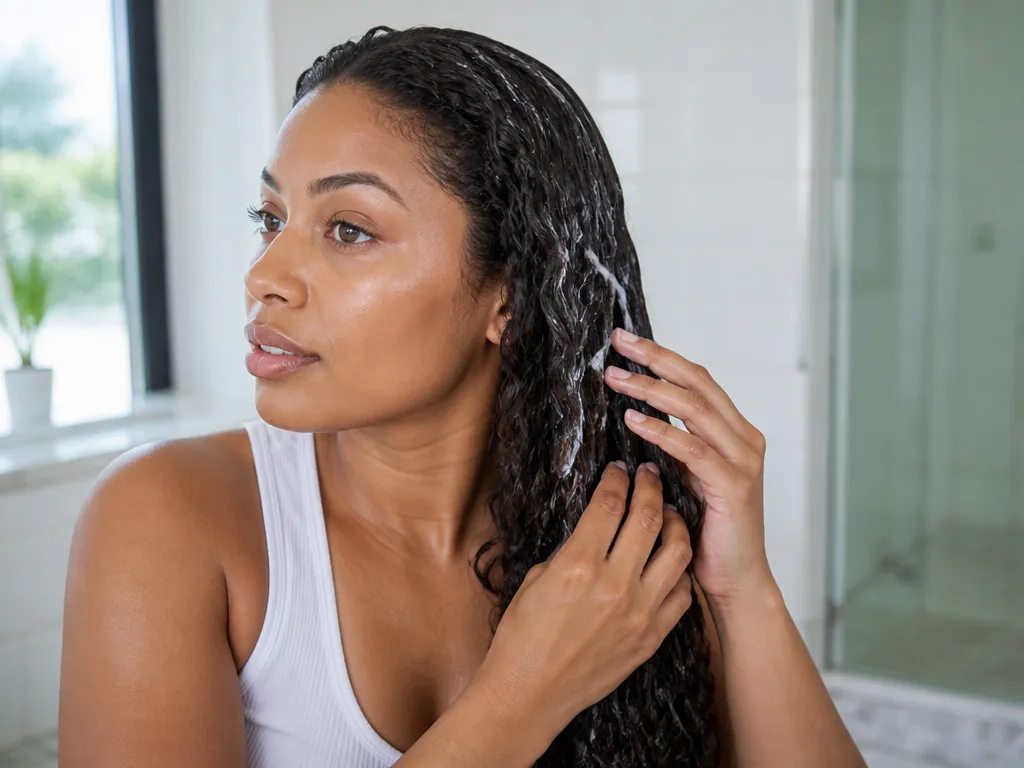
Standard rinse-out conditioners are formulated to be washed away, whereas leave-in products provide moisture without rinsing. Leaving standard conditioner on the scalp can cause product buildup and make hair feel heavy or greasy.
Most conditioners rely on cationic surfactants to smooth the hair and improve detangling, but the concentration and overall formula are designed for rinsing.
Identify Your Hair Texture And Porosity
Hair porosity is the measure of your hair’s ability to absorb and retain moisture based on the state of the cuticle. High porosity hair has gaps or holes in the cuticle, while low porosity hair has tightly closed cuticles.
Porosity determines how much product your strands can hold before they become saturated. This measurement dictates whether a leave-in formula will sink in or sit on the surface.
| Porosity Type | Absorption Rate | Recommended Product | Common Hair Type |
|---|---|---|---|
| Low | Slow | Lightweight milks/sprays | Virgin or healthy hair |
| High | Fast | Thick creams/butters | Color-treated or damaged hair |
Hair Density And Texture
Hair density refers to the number of strands per square inch on your scalp. Fine hair has a small diameter and is easily weighed down by heavy oils or butters.
For instance, a person with fine, low-porosity hair will likely experience limp, greasy strands if they leave a thick rinse-out conditioner in their hair.
Thick hair has a larger diameter and often requires more emollients to stay manageable. These strands can typically handle heavier leave-in products without losing volume.
For example, coarse, high-porosity curls often need heavy creams containing shea butter or coconut oil to prevent frizz and dryness.
Signs Of Moisture Overload
Moisture overload occurs when the hair receives too much hydration and not enough protein. This imbalance weakens the hair structure and ruins elasticity.
Editor tip: Use the float test by placing a clean strand of hair in a glass of water. If it sinks quickly, you have high porosity; if it floats on top, you have low porosity.
Budget alternative for testing: Use a drugstore clarifying shampoo like Neutrogena Anti-Residue (or a similar clear formula) to strip buildup before testing porosity. This ensures the results are based on the cuticle, not product residue.
Best Ingredients For Moisture Retention
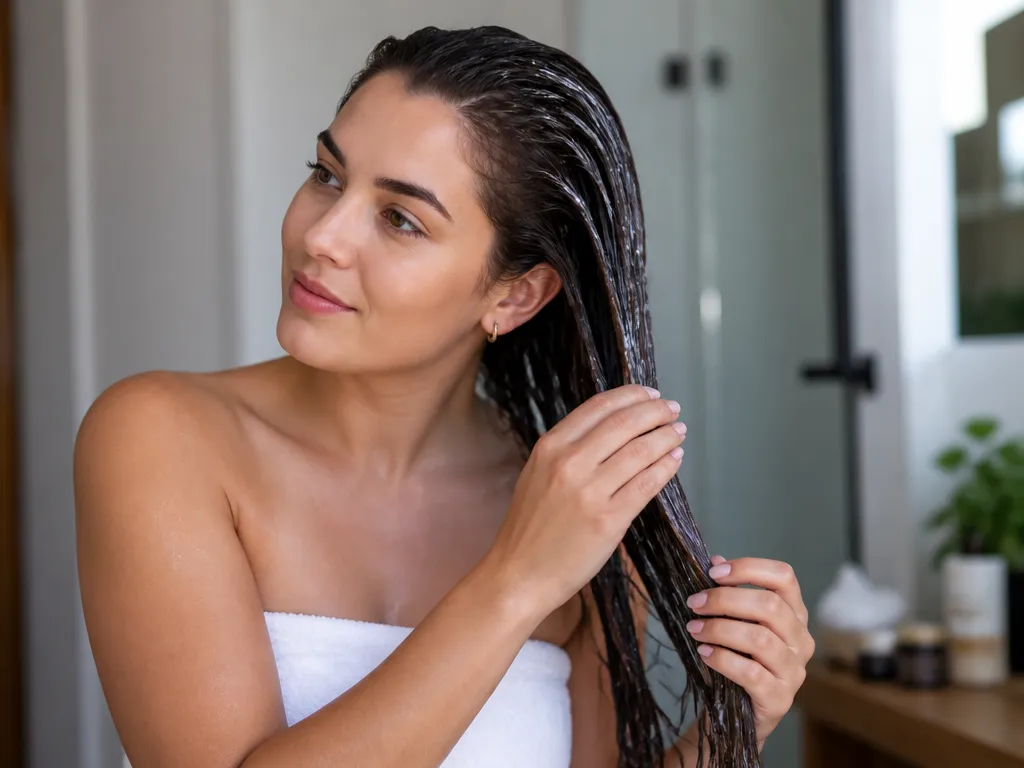
The effectiveness of leave-in versus rinse-out conditioners depends significantly on their ingredient composition. Different molecular structures determine whether an ingredient can provide lasting hydration or only temporary surface conditioning.
Humectants
Humectants attract water molecules from the environment and into the hair shaft. These ingredients work best in leave-in formulas as they need prolonged contact to effectively hydrate dry strands.
| Item | Amount/Specification | Notes |
|---|---|---|
| Glycerin | 2-5% | Works well in humid climates; may cause frizz in dry environments |
| Aloe Vera | 5-10% juice extract | Soothing, provides lightweight hydration without buildup |
| Hyaluronic Acid | 0.5-2% | Can hold 1000x its weight in water; molecular size affects penetration |
| Honey | 1-3% | Natural humectant with antimicrobial properties |
Sealants
Sealants create a protective barrier around the hair shaft to prevent moisture loss. These ingredients are typically found in rinse-out conditioners but can be beneficial in leave-in products when properly formulated.
| Item | Amount/Specification | Notes |
|---|---|---|
| Argan Oil | 0.5-2% | Lightweight oil that provides shine without weighing down hair |
| Jojoba Oil | 1-3% | Molecularly similar to natural scalp oils; balances sebum production |
| Shea Butter | 1-5% | Best for thick, coarse hair; may be too heavy for fine hair |
| Cetyl Alcohol | 1-3% | Fatty alcohol that provides slip without excessive greasiness |
Proteins
Proteins help repair the hair’s structural integrity by filling in gaps in the cuticle. While beneficial, protein treatments should be used sparingly as excessive protein can make hair brittle.
| Item | Amount/Specification | Notes |
|---|---|---|
| Keratin | 0.5-2% | Strengthens hair but may cause buildup with frequent use |
| Hydrolyzed Wheat Protein | 1-3% | Increases hair elasticity; avoid if allergic to gluten |
| Silk Amino Acids | 0.5-2% | Provides shine and improves manageability |
| Collagen | 0.5-1.5% | Best for mature or damaged hair; plumps strands |
- Rotate between protein treatments and moisturizing conditioners to maintain balance
Proper Conditioner Application Technique
Effective hair conditioning requires separating product types by their intended contact time and hair placement. Rinse-out formulas target the hair cuticle to smooth scales, while leave-in products provide continuous moisture through the day.
Rinse-out conditioners work best when applied to hair that has been thoroughly squeezed of excess water. Too much water creates a barrier that prevents the conditioning agents from penetrating the hair shaft. Focus these products on the mid-lengths and ends to avoid weighing down the roots.
Step-by-step Application Routine
Professional tip: If you have fine hair, use a lightweight leave-in spray instead of a heavy cream to maintain volume.
Product Selection By Hair Type
| Hair Type | Recommended Product Type | Key Ingredients to Look For |
| Fine/Thin | Lightweight Leave-in Spray | Hydrolyzed Silk or Panthenol |
| Thick/Coarse | Rich Leave-in Cream | Shea Butter or Argan Oil |
| Curly/Coiled | Deep Conditioner + Leave-in | Coconut Oil or Behentrimonium Chloride |
| Color-Treated | Acidic Rinse-out | UV Filters and Amino Acids |
Layering moisture can maximize shine for those with high porosity hair. Start with a rinse-out conditioner in the shower, then apply a lightweight leave-in treatment once you are out. This creates a protective barrier that keeps hydration inside the hair shaft for longer periods.
For instance, someone with curly, high-porosity hair might find that a single rinse-out step is not enough to combat frizz. They can benefit from applying a cream-based leave-in while the hair is still quite damp to trap that moisture immediately.
Mistakes Causing Limp Or Greasy Hair
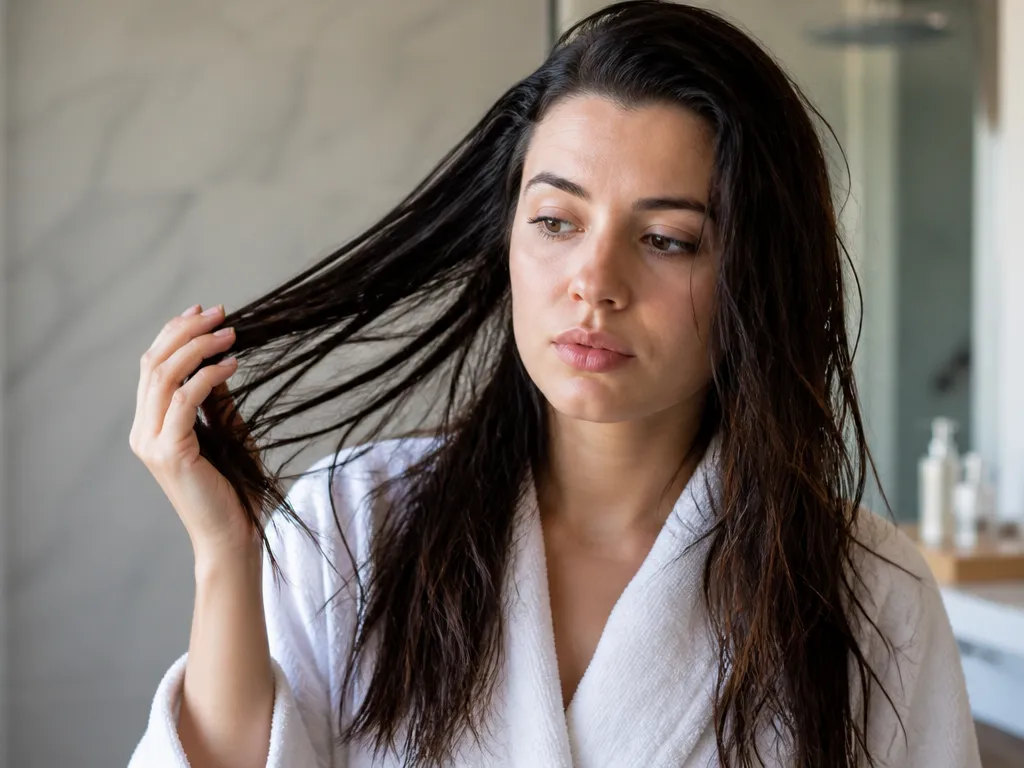
Product buildup occurs when heavy emollients sit on the scalp or when rinse-out formulas stay on the hair shaft. This creates a film that attracts dust and weighs down the hair follicle.
Applying conditioner to the scalp is a common error. The scalp produces sebum, which is a natural oil that keeps the roots hydrated.
For instance, those with fine or oily hair types should only apply product from the mid-shaft down to the ends. This prevents the roots from looking flat and greasy within hours of washing.
These formulas often contain heavier quaternary ammonium compounds, which can leave a sticky residue that attracts pollutants. This residue makes hair feel limp and can lead to scalp irritation if left on the skin.
| Product Type | Primary Purpose | Residue Risk | Best For |
|---|---|---|---|
| Rinse-out | Deep hydration | High (if not rinsed) | Coarse or curly hair |
| Leave-in | Detangling/Protection | Low | Fine or damaged hair |
Neglecting a clarifying wash allows these residues to accumulate over time. A clarifying shampoo removes minerals from hard water and leftover product buildup.
Use a clarifying wash once every two weeks for oily hair or once a month for dry hair. Look for ingredients like salicylic acid to exfoliate the scalp and remove dead skin.
Esthetician tip: Always follow a clarifying wash with a lightweight conditioner on the ends to restore moisture without adding weight.
High-end: Ouai Detox Shampoo ($28). Drugstore: Suave Daily Clarifying ($2). Both use strong surfactants to strip buildup.
Follow this application order for the best results: Cleanser → Rinse-out Conditioner → Leave-in Conditioner → Hair Oil.
Affordable Vs Luxury Hair Hydration
Hydration levels depend on the molecular weight of the ingredients rather than the price of the bottle. Low-cost conditioners often use simple silicones to smooth the cuticle, while luxury options use hydrolyzed proteins to repair the internal structure.
Daily Drugstore Staples
Drugstore products are effective to maintain moisture in healthy hair. Look for glycerin or panthenol to draw water into the hair shaft.
These work best for normal to dry hair types. For example, a simple leave-in from Dove or Maui Moisture provides enough slip to detangle daily without a high cost.
High-end Repair Treatments
Luxury treatments target structural damage from bleach or heat. They contain hydrolyzed keratin or amino acids that penetrate the cortex.
These are best for chemically processed or high-porosity hair. For instance, Olaplex or Kérastase uses patented bonds to reconnect broken disulfide links.
| Tier | Key Ingredient | Best For | Price Range |
|---|---|---|---|
| Drugstore | Glycerin | Daily Maintenance | $5 – $12 |
| Luxury | Amino Acids | Severe Damage | $30 – $60 |
| DIY | Argan Oil | Sealing Ends | $10 – $20 |
Diy Oil Sealing
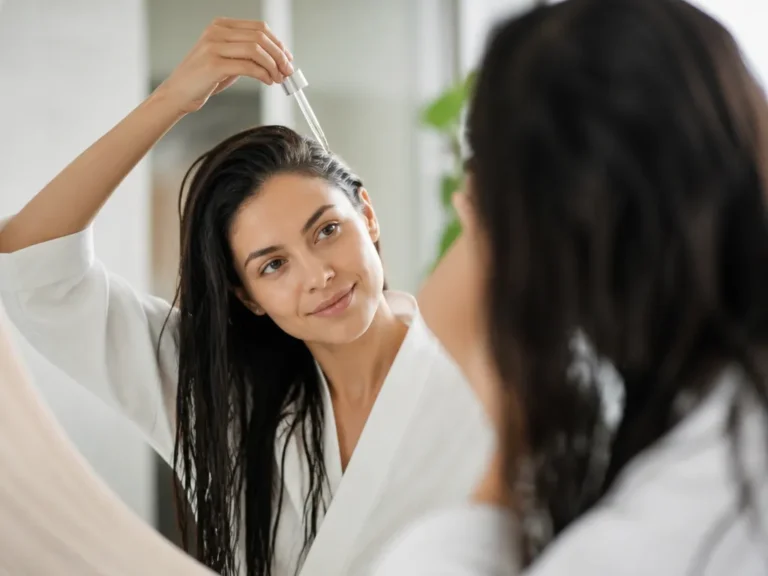
Pure oils seal in moisture after you apply a water-based leave-in. Jojoba oil is a close match to natural scalp sebum.
Apply two drops to damp ends to lock in hydration. This prevents water from evaporating from the hair shaft.
Esthetician tip: Always patch test a new oil on your inner arm for 24 hours to check for allergic reactions before applying it to your scalp.
Pro Tips For Lasting Softness
Cool water seals the hair cuticle to lock in moisture and increase shine. This process flattens the outer layer of the hair shaft, which reduces frizz and prevents tangles.
Drying And Finishing Techniques
Microfiber towels or old cotton T-shirts prevent the friction that causes split ends. Terry cloth loops are too coarse and often snag the hair cuticle.
For instance, gently squeeze the hair instead of rubbing it in circles. This method preserves the hydration from your conditioner and prevents frizz.
Pro Tip: Always apply leave-in products to damp hair to trap water molecules inside the shaft. This increases the effectiveness of humectants like glycerin.
Deep Conditioning Schedules
Frequency for deep treatments depends on your hair porosity and texture. Over-conditioning can cause hygral fatigue, which makes hair feel limp and mushy.
| Hair Type | Frequency | Key Ingredient | Primary Goal |
|---|---|---|---|
| Fine/Oily | Every 14 days | Aloe Vera | Volume |
| Curly/Coarse | Weekly | Shea Butter | Moisture |
| Bleached/Dry | 1-2x Weekly | Hydrolyzed Keratin | Strength |
High-end: Briogeo Don’t Despair, Repair! ($28). Drugstore: Garnier Fructis Hair Food ($6). Both use plant oils to strengthen the shaft.
Always patch test new deep conditioners on a small strand of hair. Too much protein can make some hair types feel brittle or straw-like.
Quick Summary
High-porosity hair benefits from longer moisture retention, while fine hair or oily scalps should use caution to avoid buildup. To prevent clogging hair follicles, always apply conditioning products at least 2 inches away from your roots and focus on the mid-lengths down.
Hair porosity determines how much product your strands can hold before becoming saturated. Low porosity hair has tightly closed cuticles and needs lightweight milks, while high porosity hair has gaps in the cuticle and requires thick creams. You must watch for moisture overload, which causes a mushy texture and loss of elasticity. Effective ingredients include humectants like glycerin or hyaluronic acid and sealants such as argan or jojoba oil.
| Porosity Type | Absorption Rate | Recommended Product |
|---|---|---|
| Low | Slow | Lightweight milks/sprays |
| High | Fast | Thick creams/butters |
Frequently Asked Questions
Can I Leave Regular Rinse-out Conditioner In My Hair?
Regular conditioners are formulated with ingredients that can lead to product buildup and scalp irritation if they are not rinsed away.
What Is The Difference Between A Leave-in And A Rinse-out Conditioner?
Leave-in conditioners have a lighter molecular weight and fewer heavy surfactants. This prevents your hair from feeling greasy or weighed down throughout the day.
Can Leaving Conditioner In My Hair Cause Acne On My Back?
Yes, it can. Many conditioners contain silicones and oils that are comedogenic, meaning they can clog pores on your skin if they are not washed off.
What Is The Correct Order To Apply Leave-in Conditioner And Hair Oil?
Apply your leave-in conditioner first on damp hair, then follow with a few drops of oil. The oil acts as a sealant to lock in the hydration provided by the conditioner.
Is A High-end Leave-in Conditioner Worth The Extra Cost?
Often it is not. Many affordable drugstore versions use the same core hydrating agents like glycerin, though luxury brands may have a more pleasant scent.

- Top 10 Best Hair Conditioner For Curls 2026 - October 5, 2026
- Top 10 Best Hair Conditioner For Children 2026 - October 5, 2026
- Top 10 Best Hair Conditioner For Colored Dry Hair 2026 - October 5, 2026