Is It Healthy To Condition Your Hair Everyday?
Your hair can feel like a dry, tangled mess one day and a greasy, weighed-down disaster the next. Most people assume more moisture is always better, but over-conditioning can actually cause scalp irritation or heavy buildup. I will help you figure out if your daily habit is helping your hair health or just clogging your follicles.
Conditioning hair every day can be healthy for some hair types if you apply lightweight formulas only to the mid-lengths and ends. You should avoid the scalp to prevent oiliness and buildup. People with curly or chemically treated hair may benefit from daily use, while those with fine hair should limit it to 2 or 3 times per week.
Is It Healthy To Condition Your Hair Everyday?
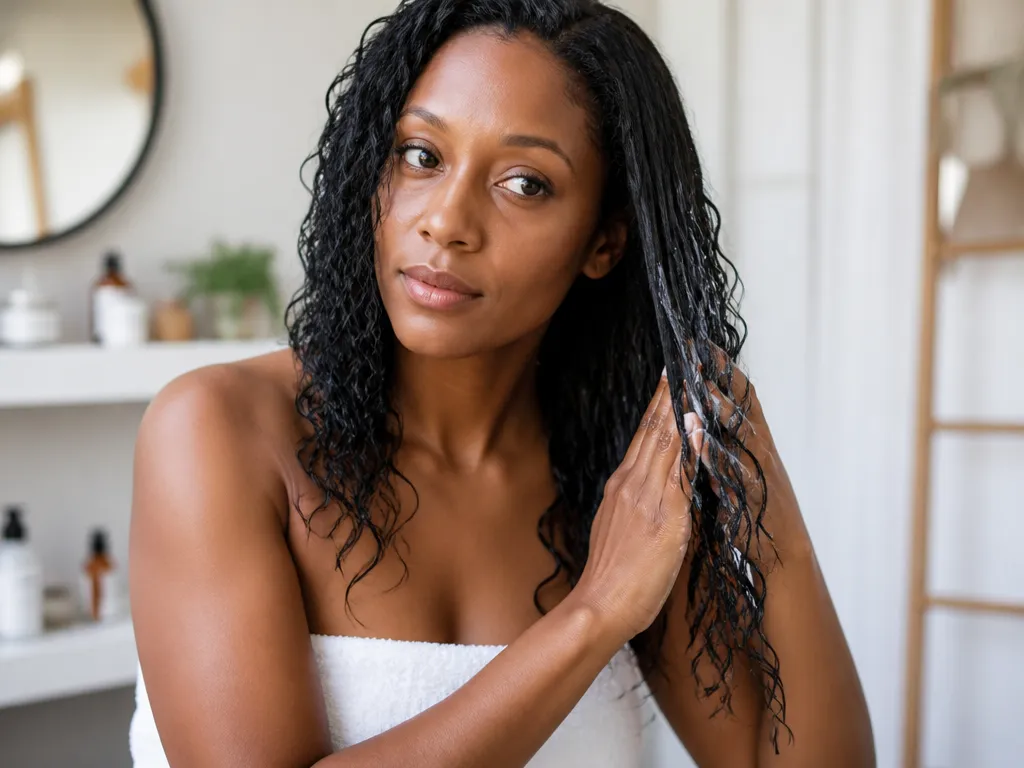
Daily conditioning is safe for the hair shaft but can be problematic for the scalp. Moisture requirements vary based on hair porosity, texture, and chemical history.
The Difference Between The Shaft And Scalp
Hair shafts are made of dead keratin and need external hydration to remain flexible. The scalp is living skin that produces sebum to lubricate the hair naturally. Applying heavy conditioners to the skin can lead to follicle congestion.
For instance, people with fine hair often see their roots look flat or greasy within hours if they apply product too high. This occurs because the scalp already provides enough oil for that area.
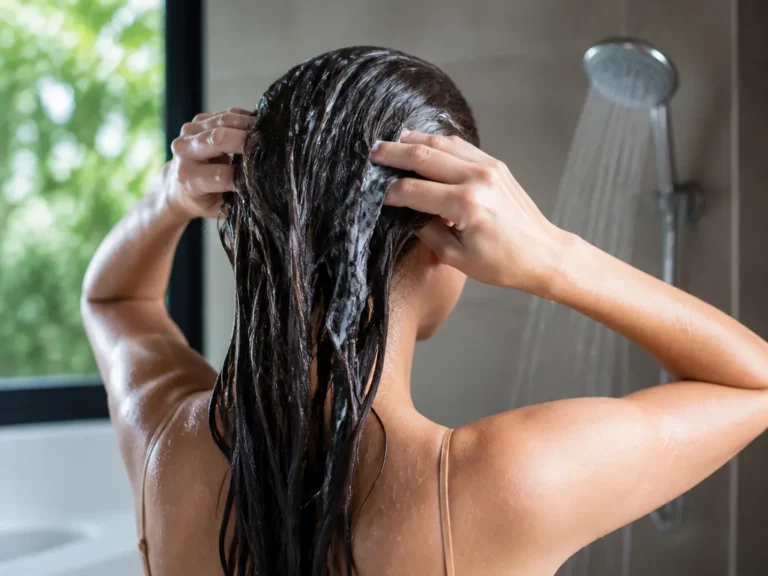
Using a conditioner daily on the ends of the hair helps reduce friction and the appearance of dryness. It smooths the cuticle and helps protect the hair from environmental damage.
Professional tip: Apply conditioner only from the ears down to avoid stripping the scalp’s natural balance or causing premature oiliness.
Different hair types react differently to daily moisture. Those with high porosity hair, often from bleaching or heat damage, absorb water quickly but lose it just as fast.
| Hair Type | Recommended Frequency | Best Conditioner Type |
|---|---|---|
| Fine/Oily | 2-3x per week | Lightweight/Volumizing |
| Curly/Coily | Daily or every other day | Heavy Cream/Leave-in |
| Bleached/Dry | Daily | Deep Conditioner/Protein |
Budget options like TRESemmé provide basic moisture for daily use. High-end options like Oribe often contain more concentrated oils for severely damaged hair.
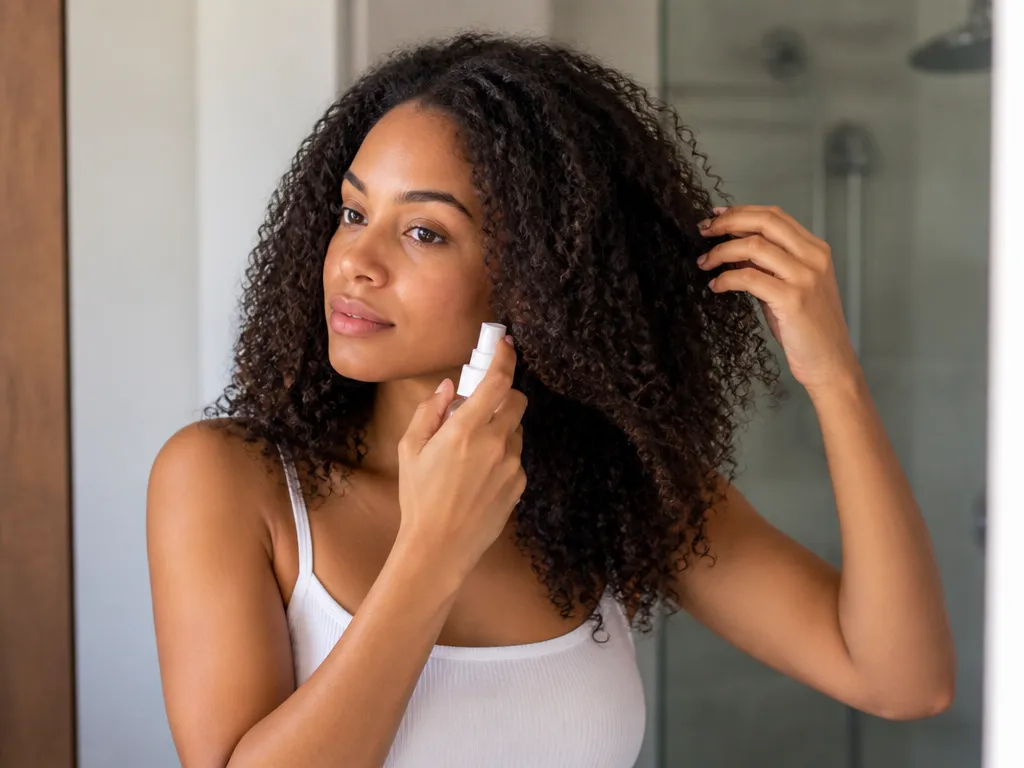
In practice, the best approach is to start with a simple routine. Use a lightweight rinse-out conditioner and add a leave-in spray only to the very tips if dryness persists.
Identify Your Hair Type And Needs
Understanding your unique hair characteristics is essential for determining whether daily conditioning will benefit or potentially harm your strands. Different hair types respond differently to frequent conditioning treatments, with some thriving on daily moisture while others suffer from product buildup.
Start by examining your hair’s porosity, which determines how well it absorbs and retains moisture. Low porosity hair has tightly closed cuticles that resist moisture penetration, making it prone to product buildup if conditioned too frequently. High porosity hair has gaps in the cuticle layer, allowing quick moisture absorption but rapid moisture loss, often benefiting from regular conditioning.
Assessing Your Hair Porosity
To determine your hair’s porosity, perform a simple strand test. Drop a clean hair strand into a glass of water and observe its behavior. If it floats, you likely have low porosity hair. If it sinks slowly, you have medium porosity. If it sinks quickly, you have high porosity hair.
Understanding Curl Pattern And Dryness
Your hair’s curl pattern significantly impacts its moisture requirements and how often it needs conditioning. Straight to wavy hair types typically produce more natural oils that can distribute down the shaft, reducing the need for daily conditioning. Curly and coily hair patterns often struggle with oil distribution to the ends, creating dryness that may benefit from frequent moisturizing.
| Curl Pattern | Daily Conditioning Recommendation | Best Application Method |
|---|---|---|
| Straight (Type 1) | 1-2 times weekly | Apply from mid-lengths to ends |
| Wavy (Type 2) | 2-3 times weekly | Apply from mid-lengths to ends |
| Curly (Type 3) | Daily or every other day | Apply from roots to ends |
| Coily (Type 4) | Daily | Apply generously from roots to ends |
Evaluating Scalp Oil Production
Your scalp’s natural oil production is another critical factor in determining your conditioning frequency. Oily scalps may become weighed down or greasy with daily conditioning, while dry scalps often benefit from the additional moisture and slip that conditioners provide.
For those with oily roots and dry ends, a targeted approach works best – condition only the mid-lengths to ends daily while shampooing the scalp regularly. Those with consistently oily scalps should limit conditioning to 2-3 times weekly, focusing application on the ends. Conversely, those with dry scalps and hair may benefit from daily conditioning, potentially using a leave-in conditioner between washes for added moisture.
“Hair type is determined by both genetics and hair care practices. Understanding your hair’s natural tendencies helps create a routine that supports its health rather than working against it.” – Trichology expert
Best Conditioning Ingredients For Your Hair
Conditioners feel “healthy” when their ingredients balance slip, moisture, and strength without leaving residue on the scalp. Humectants like glycerin and aloe pull in water, emollients like shea butter and argan oil smooth and soften, and proteins like hydrolyzed keratin or silk amino acids help reinforce fragile strands. The trade-off is that richer formulas and heavy silicones can build up, especially on fine or oily hair.
What To Look For (By Need)
Choose ingredients based on where your hair feels dry or damaged. Oily roots and flat texture often do best with humectants and lighter emollients, while curly, coily, and chemically treated hair usually needs more emollient depth and occasional protein support.
Dermatologist-style rule for hair: apply conditioning products to the parts that need softness (mid-lengths and ends), keep the scalp area light, and watch for new itching, flakes, or a “coated” look as your cue to adjust ingredients or frequency.
How To Condition Hair Without Buildup
Conditioning hair daily is possible without causing buildup when you apply product correctly and choose the right formula for your hair type. Focus placement and proper rinsing techniques prevent residue while maintaining essential moisture.
The Mid-length To Ends Technique
Strategic application prevents product accumulation at the roots while ensuring ends receive adequate moisture. This method keeps hair fresh between washes while maintaining volume.
Gentle Detangling While Wet
Proper detangling techniques maximize product distribution while minimizing breakage. Wet hair is most vulnerable to damage, requiring extra care during conditioning.
Rinsing Guidelines For Maximum Clarity
Proper rinsing removes excess product while leaving behind just enough moisture. The temperature and technique of rinsing significantly impact how well conditioner performs.
Choosing Between Rinse-out And Leave-in
The right conditioner type depends on your hair texture, styling needs, and daily routine. Understanding the differences helps prevent buildup while maintaining necessary hydration.
Mistakes That Cause Greasy Hair
Conditioner causes greasy hair when it accumulates on the scalp or weighs down the hair shaft. This happens most often due to incorrect application or choosing formulas that are too heavy for the hair’s porosity.
A lack of clarifying shampoo intervals leads to stubborn product buildup. Many conditioners use dimethicone or other silicones that do not wash away with mild, sulfate-free shampoos.
Pro tip: Always rinse your conditioner with cool water to seal the cuticle and add shine.
Low-porosity hair has tightly closed cuticles that resist moisture. Heavy creams can worsen buildup, so choose lighter formulas and rinse thoroughly.
Drugstore Gems Vs. Professional Formulas
Daily conditioning can be healthy if your conditioner is lightweight, you rinse well, and you only apply it where hair needs it, from mid-lengths to ends. Heavy, fragrance-packed formulas or scalp application can create buildup that makes roots look greasy faster and can irritate sensitive scalps. Choosing the right product texture is the difference between “soft and shiny” and “flat and coated.”
Effective Budget-friendly Drugstore Options
Drugstore conditioners can be just as effective as professional ones when they match your hair needs and you use the right amount. For oily to combination skin and scalps that get weighed down, look for a slim, slip formula that rinses clean, ideally silicone-free if you notice residue buildup. For coarse or very dry hair, a richer cream is fine, but keep it off the scalp.
For fine hair that gets weighed down quickly, start with conditioner every other wash, then increase only if your ends feel rough. For curly to coily hair, a slightly thicker drugstore cream can work well, but use it after detangling and rinse thoroughly to avoid crunch and residue.
When To Invest In Salon-grade Conditioners
Salon-grade conditioners are worth the upgrade when your hair has ongoing friction issues, like frequent heat styling, chemical color, bleach, or keratin smoothing that leaves ends feeling thirsty. Professional formulas often have more concentrated conditioning agents, which can mean fewer split ends and less tangling after rinsing. Spend here instead of on daily add-ons, because a good base conditioner is what prevents dryness in the first place.
Invest when you see a pattern: conditioner alone improves feel for a day, but by the next wash your hair feels coated or dry again. That usually signals either buildup from a heavy formula or the need for a more targeted slip system for your texture. If you have a sensitive scalp, choose fragrance-light options and patch test behind the ear or along the jawline with your first use.
“Conditioner irritates scalps most often when it touches the skin. Keep the application strictly mid-lengths to ends, then rinse until the water runs clear.”
Simple Diy Rinse Alternatives For Extra Shine
DIY shine rinses can complement store-bought conditioner, especially for dull, dry ends, but they should be occasional to avoid overdrying or scalp irritation. For a quick rinse after conditioning, use cool water at the end to help reduce frizz and boost surface smoothness. For a light “clarifying” reset, try a diluted apple cider vinegar rinse once every 2 to 4 weeks if you experience buildup.
Patch test active-leaning formulas and any DIY rinse on a small skin area first, especially if you react to fragrance or exfoliating ingredients. For active scalps, eczema-prone skin, or recently irritated follicles, reduce frequency and switch to a gentle, rinse-out conditioner with fewer potential triggers.
Professional Tips For Lasting Shine
Optimizing hair health requires a strategic approach to moisture delivery rather than just frequent application. Advanced techniques allow you to target specific hair needs without causing heavy buildup or scalp irritation.
Advanced Application Methods
The reverse washing method helps fine or oily hair types maintain volume while still receiving hydration. You apply conditioner to damp hair before using shampoo, which allows the conditioning agents to coat the strands without leaving a heavy residue.
For example, if your hair feels weighed down by traditional routines, try reverse washing.
Pro tip: Focus conditioner application only from the ears down to prevent scalp oiliness and clogged follicles.
Seasonal And Structural Adjustments
Environmental changes demand shifts in your moisture-to-protein ratio. High humidity often requires more lightweight, humectant-based conditioners, whereas dry winter air benefits from heavier oils and lipids.
Balancing these levels prevents hair from becoming either mushy and overly soft (moisture overload) or brittle and snapping (protein overload). Use this guide to identify your current hair state:
In practice, rotating between a strengthening mask and a hydrating conditioner every few washes maintains the hair cuticle’s integrity. This prevents the buildup that often occurs when using the same heavy product daily.
Fine hair types should look for lightweight ingredients like panthenol (Vitamin B5) or glycerin. Thick, curly, or coily textures benefit more from dense ingredients like argan oil or behentrimonium chloride to manage frizz and maintain elasticity.
Daily Conditioning Routine Cheat Sheet
Hair conditioning needs vary by porosity, texture, and scalp oil production. High-porosity or curly hair often needs daily moisture to prevent breakage, while fine or low-porosity hair requires less frequent application to avoid product buildup.
Customized Frequency Guide
Different hair types react differently to daily moisture. Over-conditioning can lead to “hygral fatigue,” where the hair shaft weakens from constant swelling and contracting.
Application And Product Order
Order of operations determines how well the hair absorbs moisture. Applying heavy creams before lightweight serums can block absorption.
Esthetician tip: Always perform a patch test on your inner arm for 24 hours when trying a new leave-in conditioner to rule out allergic reactions to fragrances or preservatives.
Budget And Ingredient Recommendations
High-end products often have smaller molecule sizes for better penetration, but drugstore options can be just as effective for surface smoothing.
Common Hair Conditioning Questions Answered
Conditioners target the hair shaft and do not cause hair loss when applied to the mid-lengths and ends. Scalp irritation or follicle blockage can occur if heavy creams are left on the skin without proper rinsing.
Scalp Health And Hair Loss
Product buildup on the scalp can lead to itching or inflammation. This happens when heavy silicones, such as dimethicone, are applied to the roots and not washed away. This buildup can trap sebum and dead skin, which may lead to scalp acne or a flaky appearance.
For instance, a person with an oily scalp might notice small bumps or itching if they apply a rich mask to their roots every day. Switching to a lightweight, silicone-free conditioner can resolve this issue.
Esthetician tip: Always rinse your conditioner with cool water to seal the cuticle and ensure no residue remains on the skin.
Co-washing And Frequency
Co-washing is the practice of using conditioner instead of shampoo to cleanse the hair. This method works well for curly, coily, or extremely dry hair types because it preserves natural oils.
Fine hair types usually cannot tolerate this routine. In practice, fine hair becomes flat and greasy within hours if shampoo is replaced by conditioner.
Choosing the right product depends on your budget and hair needs. High-end options like Pureology Hydrate ($30) offer professional-grade color protection. Drugstore alternatives like Maui Moisture ($7) provide similar hydrating benefits using aloe vera.
Patch test any new conditioner behind your ear for 24 hours if you have a sensitive scalp. This prevents a full-head reaction to fragrances or preservatives like methylisothiazolinone.
Quick Summary
Daily conditioning can be safe for the hair shaft but can cause issues for the scalp if not applied correctly. To avoid greasy roots or clogged follicles, apply lightweight formulas only to the mid-lengths and ends. While curly or chemically treated hair often needs more frequent moisture, people with fine hair should limit conditioning to two or three times per week.
Hair porosity determines how your strands react to moisture. High porosity hair, often caused by bleaching or heat, loses water quickly and benefits from frequent conditioning and protein treatments. Conversely, low porosity hair has tight cuticles that resist moisture and is prone to buildup. You can perform a strand test by dropping hair into water to see if it floats or sinks. The most important takeaway is to tailor your conditioning frequency to your specific hair texture and porosity levels.
Beauty Routine Cheat Sheet
One Thing To Stop Doing Immediately
Stop applying conditioner directly to your scalp to prevent follicle congestion and greasy roots.
Expected Timeline For Results
Immediate improvement in detangling and smoothness, with long-term hair health and moisture retention depending on consistent porosity-based care.
Frequently Asked Questions
Is It Healthy To Condition Your Hair Everyday?
It depends on your hair type. Some hair types benefit from daily conditioning, especially curly, coarse, or damaged hair, but those with fine or very oily hair may find it too heavy and should limit it to 2-3 times weekly.
How Often Should I Really Condition My Hair?
The ideal frequency ranges from daily to weekly based on your hair’s unique needs. Coarse, dry hair typically thrives with daily conditioning while fine hair may only need it 2-3 times per week.
What Happens If I Condition Your Hair Too Much?
Over-conditioning can lead to product buildup that weighs hair down, making it appear greasy and limp. This buildup can also irritate the scalp if not properly rinsed.
Can Daily Conditioning Cause Hair Loss?
No, conditioning itself doesn’t cause hair loss, but certain heavy silicones in some conditioners can coat the hair shaft and potentially lead to breakage if not properly washed out over time.
What’s The Difference Between Daily Conditioner And Leave-in Conditioner?
Daily conditioners are designed to be rinsed out while leave-in conditioners provide continuous moisture without rinsing. Leave-in formulas typically have lighter ingredients that won’t weigh hair down throughout the day.

- Top 10 Best Hair Conditioner For Damaged Hair 2026 - October 5, 2026
- Top 10 Best Hair Conditioner For Dry Damaged Hair 2026 - October 5, 2026
- Top 10 Best Hair Conditioner For Dry Hair 2026 - October 5, 2026