Is It Ok To Condition Your Hair Everyday?
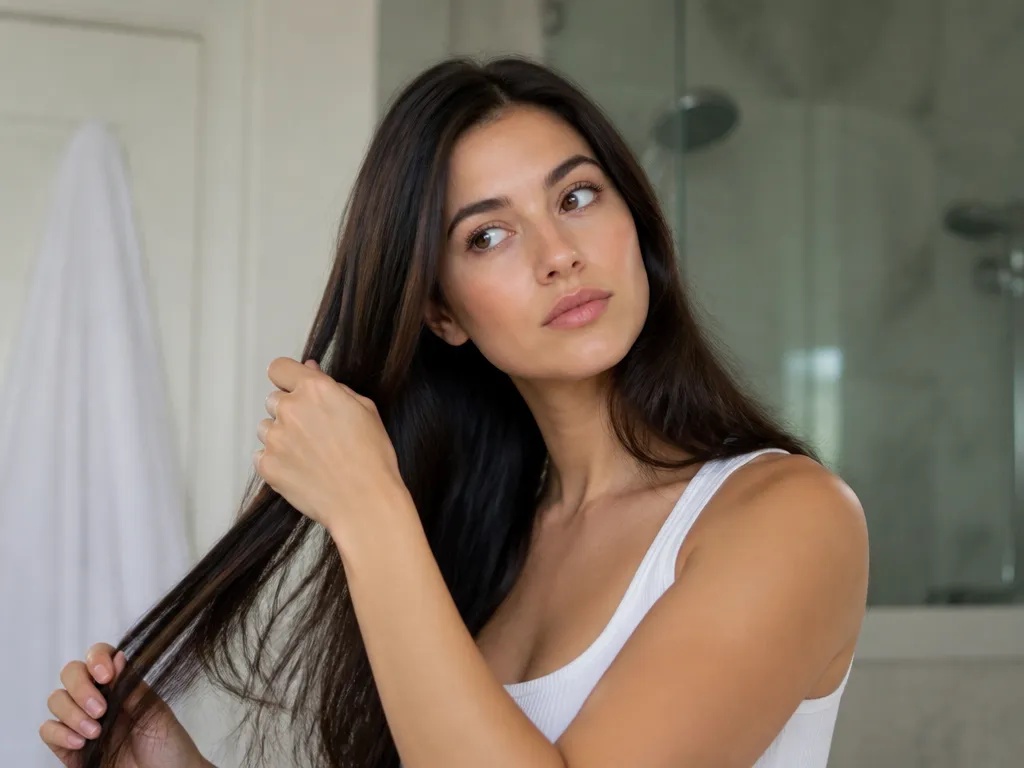
You might think skipping conditioner will save your hair from looking greasy, but the opposite is often true. Frequent conditioning can actually prevent breakage and manage frizz if you use the right technique. I will help you figure out if your daily routine is helping or just causing heavy buildup. Best for: dry, curly, or color-treated hair. Use caution if: you have fine hair or an oily scalp.
Conditioning your hair every day is generally safe if you apply product only to the mid-lengths and ends. Avoid the scalp to prevent oiliness and use lightweight formulas containing glycerin or panthenol. People with fine hair should limit full conditioning to 2 or 3 times per week to avoid limp strands.
Is It Ok To Condition Your Hair Everyday?
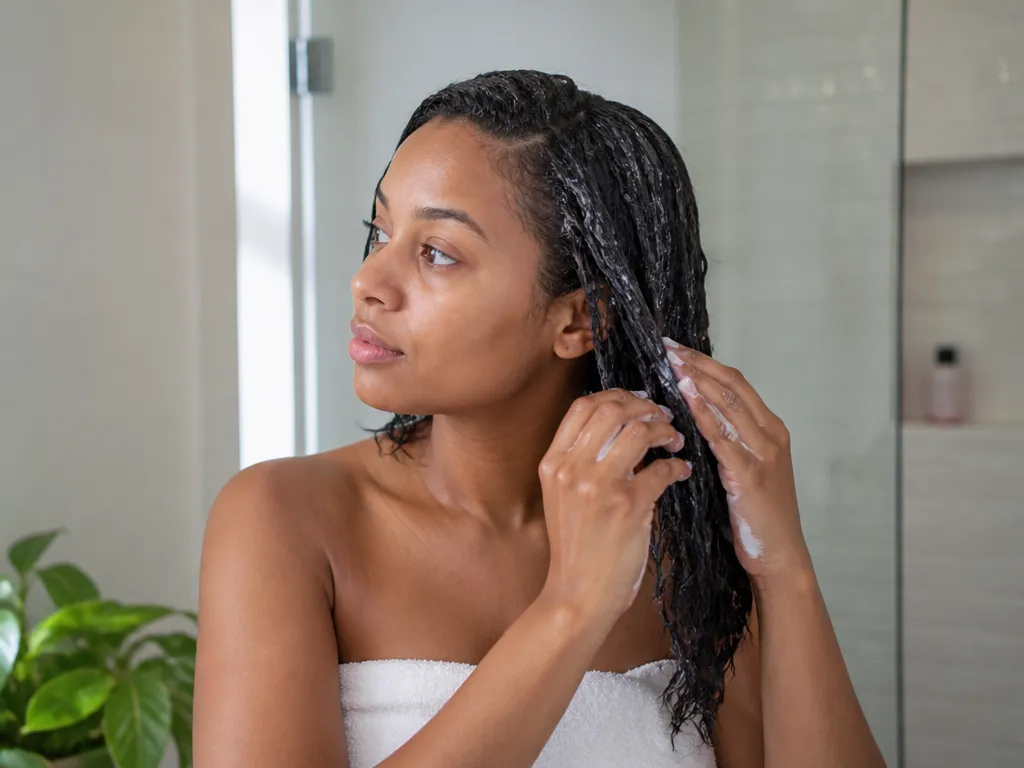
Daily conditioner use is safe for most hair types as long as the product stays away from the scalp. Coarse, curly, or color-treated strands often require this frequency to prevent breakage and dryness.
Conditioning the hair daily provides a protective layer that locks in moisture and smooths the cuticle. This is especially helpful for people with high-porosity hair that loses water quickly.
Excessive use can lead to product buildup, particularly when formulas contain heavy silicones like dimethicone. This buildup makes hair feel limp, greasy, or heavy.
For instance, someone with fine hair might notice their volume disappears by midday if they condition every morning.
| Hair Type | Recommended Frequency | Risk of Daily Use |
|---|---|---|
| Fine/Oily | 2-3 times per week | Flat, greasy roots |
| Curly/Coily | Daily or every wash | Minimal |
| Color-Treated | Daily | Product buildup |
Managing Moisture And Application
Proper application prevents the common issue of limp strands. Focus the product only on the mid-lengths and ends of the hair to avoid clogging scalp pores or weighing down the roots.
The amount of product depends on your hair length. Use a quarter-sized amount for short hair and a golf-ball-sized amount for long, thick hair.
Esthetician tip: Always rinse conditioner with cool water to seal the cuticle and add shine.
Budget-friendly options like TRESemmé ($6) often use silicones for immediate slip. High-end options like Pureology ($30) focus more on protein and hydration for damaged hair.
Switch to a lightweight leave-in conditioner if a rinse-out formula feels too heavy for daily use. Look for ingredients like glycerin or panthenol for hydration without the weight.
Identify Your Specific Hair Type
Conditioning needs depend on the porosity and sebum production of your hair and scalp. Fine hair with oily scalps requires less frequent moisture, while coily or damaged hair needs daily or near-daily hydration to prevent breakage.
Fine Hair And Oily Scalps
Fine hair has a smaller diameter and is easily weighed down by heavy emollients. Oily scalps produce excess sebum that travels down the shaft quickly, which can lead to product buildup.
For instance, applying a heavy cream conditioner to the roots of fine hair often results in a flat, greasy appearance by midday. This happens because the hair cannot absorb the heavy oils, leaving them to sit on the surface.
Curly, Coily, And Damaged Hair
Curly and coily textures are naturally drier because scalp oils cannot travel easily around the bends of the hair shaft. These types benefit from daily moisture to maintain elasticity and definition.
Chemical processing from bleach or perms raises the cuticle, making hair high porosity. This allows moisture to enter and escape quickly, which leads to brittleness and split ends.
Esthetician tip: Apply conditioner to soaking wet hair for curly types to lock in maximum hydration before the hair begins to air dry.
| Hair Type | Frequency | Key Need | Recommended Ingredient |
|---|---|---|---|
| Fine/Oily | 2-3x Week | Volume | Lightweight Proteins |
| Curly/Coily | Daily/Every Wash | Moisture | Shea Butter |
| Damaged | Daily/Every Wash | Repair | Hydrolyzed Keratin |
Budget options for coily hair include SheaMoisture Raw Shea Butter ($12). High-end alternatives like Briogeo Don’t Despair, Repair! ($28) provide similar protein-moisture balances for chemically treated strands.
Targeted Ingredients For Daily Use
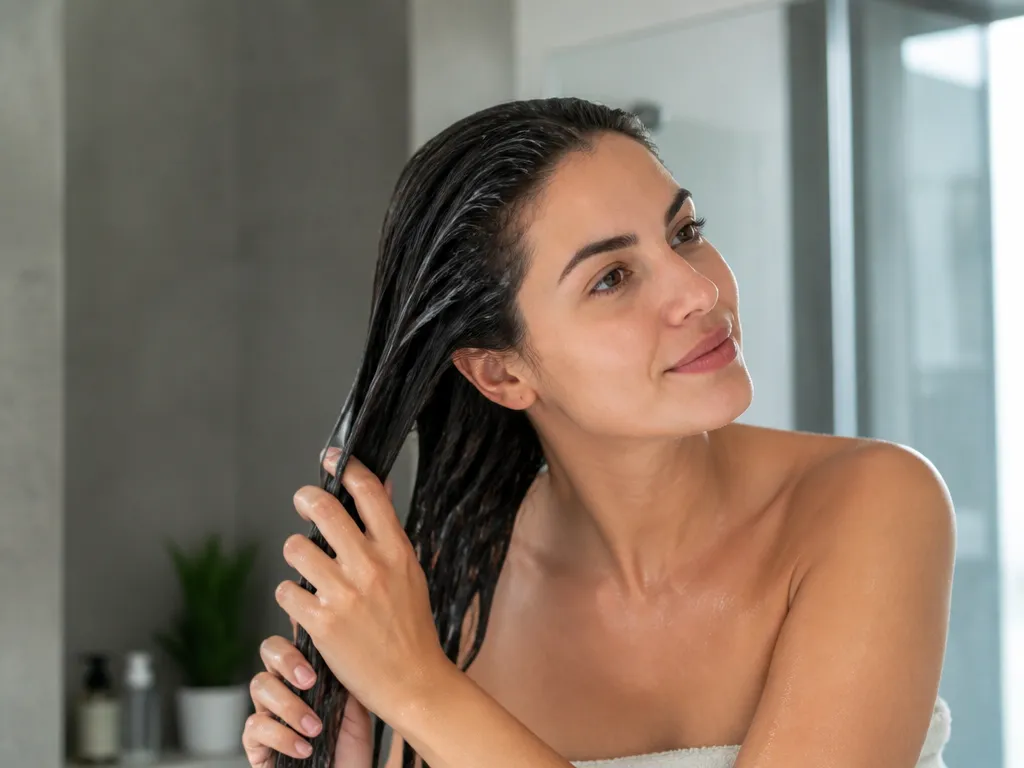
Light humectants and water-soluble emollients prevent the greasy buildup common with daily conditioning. These ingredients draw moisture into the hair shaft without leaving a heavy film on the surface.
Humectants And Smoothing Agents
Humectants like glycerin and aloe vera are ideal for daily use. They bind water to the hair, which keeps strands flexible and hydrated. This works best for fine hair or oily scalps that cannot handle heavy creams.
For instance, a lightweight aloe-based conditioner provides slip and moisture without weighing down the roots. It allows the hair to retain its natural volume while remaining manageable.
Smoothing agents differ in how they interact with the hair cuticle. Dimethicone is a common silicone that creates a waterproof barrier to block frizz. While it provides immediate shine, it can build up over time and make hair feel limp.
Natural oils like argan oil or jojoba oil offer a more breathable alternative. These are better for curly, coily, or thick hair types that require deeper lipid replenishment to prevent breakage.
| Item | Amount/Specification | Notes |
|---|---|---|
| Glycerin | Water-soluble humectant | Best for daily use on fine hair. |
| Dimethicone | Non-polar silicone | High shine, requires clarifying shampoo. |
| Hydrolyzed Keratin | Soluble protein | Use 1-2x weekly to avoid brittleness. |
| Argan Oil | Cold-pressed lipid | Best for coily or very dry hair. |
Proteins And Repair Actives
Protein-based ingredients like hydrolyzed keratin or silk amino acids fill gaps in the damaged hair cuticle. These are essential for color-treated or heat-damaged hair that has lost its structural integrity.
Using protein every single day can lead to protein overload. This occurs when the hair becomes too stiff, resulting in a straw-like texture that snaps easily.
In practice, use a protein-free conditioner for daily maintenance and a protein-rich mask once a week. This balance keeps the hair strong without making it rigid.
Esthetician tip: If your hair feels gummy or overly soft, you need more protein. If it feels brittle and snaps, stick to humectants and oils.
Master The Proper Application Technique
Conditioner greasiness happens when conditioner hits your scalp, you use too much, or you do not rinse until residue is gone. Detangle gently and rinse long enough to leave hair soft, not coated.
For example, if you have an oily scalp with dry ends, your conditioner routine should feel almost “ends-only.” Use a smaller amount, keep the product 2 to 4 inches away from the scalp, and rinse longer than you think you need.
Tip from the salon floor: apply conditioner after shampoo squeeze-out (not on dripping hair), and use the “less on top” rule, especially if you use heavy leave-ins or oils afterward.
| Hair Type | Where to Apply | Amount (Starting Point) | Rinse Goal |
|---|---|---|---|
| Fine / straight | Mid-lengths to ends only | Coin-size, add as needed | Water runs clear, no coating |
| Wavy / medium | Mid-lengths to ends | Slightly more than fine hair | Soft, not flat or slippery |
| Thick / curly / coily | Lengths to ends, avoid roots | Enough for full coverage on ends | Define, then rinse excess product out |
Avoid Common Conditioning Mistakes
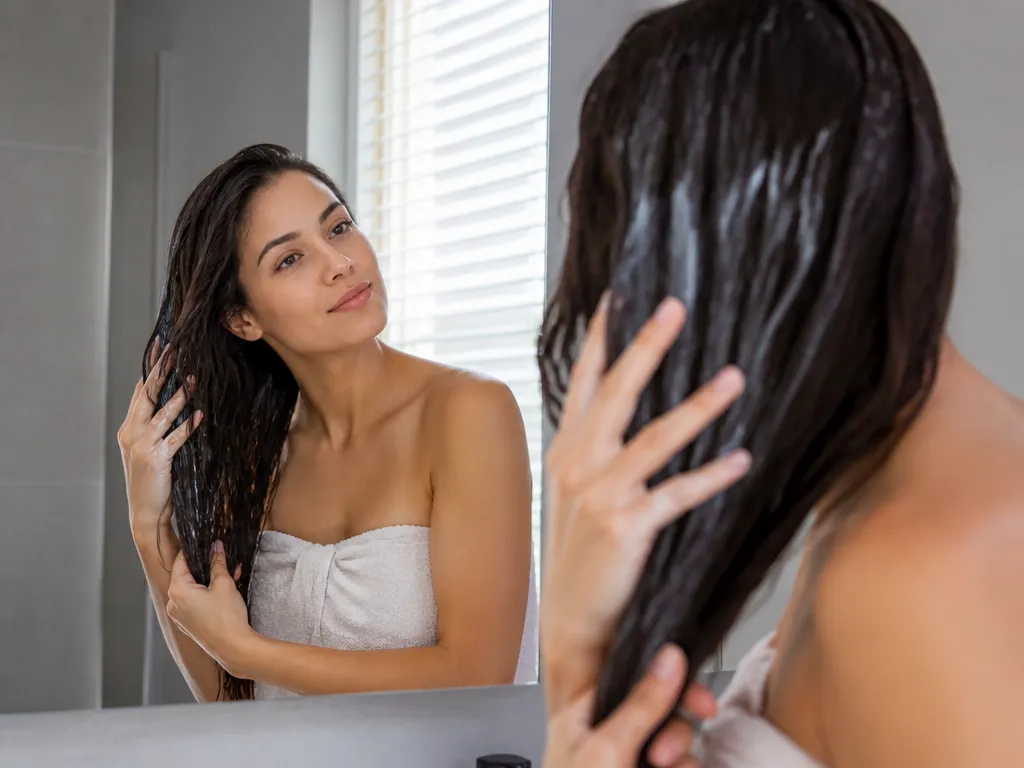
Scalp Application And Mask Overuse
Applying conditioner to the roots is a common error for those with fine or oily hair. The scalp produces its own natural oils, so adding heavy emollients to the top of the head creates a greasy film. Focus application from the mid-lengths down to the ends to maintain volume.
Overusing heavy masks or deep conditioners creates a different problem. Too much moisture can lead to hygral fatigue, where the hair shaft swells and shrinks repeatedly. This makes strands feel mushy or overly soft and lose their elasticity.
For instance, someone with low porosity hair might use a heavy butter mask daily. They will likely notice their hair becomes limp and fails to hold a curl or style.
Esthetician tip: If your hair feels sticky or tacky after rinsing, you used too much product or did not rinse for long enough. Rinse with cool water for at least 30 seconds.
The Necessity Of Clarifying
Neglecting to clarify the hair allows product buildup to accumulate over time. Silicones like dimethicone create a film that prevents moisture from entering the hair shaft. This results in hair that feels dry and brittle despite frequent conditioning.
A clarifying wash removes these deposits and resets the hair. It is necessary for anyone using leave-in products, dry shampoo, or heavy conditioners daily. Use these products every two to four weeks depending on your styling habits.
For example, if your hair looks dull and feels waxy, a clarifying shampoo can restore shine and bounce by stripping away old product layers.
| Clarifying Option | Price Range | Key Ingredient | Best For |
|---|---|---|---|
| Drugstore (Neutrogena) | $7 – $12 | Salicylic Acid | Oily scalp |
| High-end (Oribe) | $40 – $50 | Citric Acid | Color-treated hair |
Always perform a patch test on your skin before using a strong clarifying shampoo. Some formulations contain high concentrations of sulfates that can irritate sensitive skin.
Budget-friendly Vs High-end Options
Price does not always dictate performance in hair care. The main difference lies in the concentration of active ingredients and the type of silicones used to create a smooth finish.
Expert Tips For Healthy Hair
Optimal hair health depends on balancing moisture levels with scalp clarity to prevent product buildup. Conditioning the ends daily benefits very dry, curly, or color-treated hair, while fine hair requires lighter formulas to avoid limp strands.
Product Rotation And Seasonal Care
Alternating between rinse-out and leave-in conditioners prevents silicone or protein overload. Use a rinse-out conditioner in the shower for deep hydration and a light leave-in spray for daily frizz control. This approach keeps the hair cuticle smooth without adding excessive weight.
For instance, someone with high-porosity curly hair can use a heavy mask once a week and a water-based leave-in cream on non-wash days. This maintains elasticity and shine without making the roots greasy.
Seasonal changes also dictate moisture needs. High humidity often requires lighter, water-based products to prevent frizz, while winter air demands richer creams containing shea butter or argan oil to combat dryness.
| Hair Type | Recommended Frequency | Product Type |
|---|---|---|
| Fine/Oily | Every 2-3 washes | Lightweight Lotion |
| Dry/Curly | Daily | Cream or Butter |
| Color-Treated | Daily | Sulfate-free/Acidic |
Use a clarifying shampoo once every two weeks for oily scalps or once a month for dry hair. Always follow this with a deep conditioner, as clarifying can be drying.
Pro tip: Apply conditioner only from the mid-lengths to the ends. Touching the scalp with conditioner can clog follicles and lead to oily roots.
Consistent application order ensures that ingredients absorb correctly. This prevents the hair from feeling tacky or weighed down by too many layers.
Quick Summary
Daily conditioning is safe for most people if the product is applied only to the mid-lengths and ends. This method prevents scalp oiliness while helping to manage frizz and breakage. Coarse, curly, or color-treated hair types benefit from this frequency because it locks in moisture and smooths the cuticle. However, users should be careful with fine hair. People with fine or oily hair should limit full conditioning to two or three times per week to avoid limp, greasy strands.
To prevent heavy buildup from silicones like dimethicone, use a clarifying shampoo every two to four weeks. For daily moisture without weight, consider using a lightweight leave-in spray instead of a heavy cream. When applying conditioner, use a quarter-sized amount for short hair and a golf-ball-sized amount for long hair. Always rinse with cool water for at least thirty seconds to seal the cuticle and add shine. The most important takeaway is to match your product weight and frequency to your specific hair porosity.
| Hair Type | Frequency | Key Need |
|---|---|---|
| Fine/Oily | 2-3x per week | Volume |
| Curly/Coily | Daily/Every wash | Moisture |
| Damaged | Daily/Every wash | Repair |
Beauty Routine Cheat Sheet
One Thing To Stop Doing Immediately
Stop applying conditioner directly to your scalp, as this leads to clogged pores, grease, and flat roots.
Expected Timeline For Results
Immediate improvement in shine and smoothness; reduced frizz and breakage after consistent weekly use.
Frequently Asked Questions
Can I Use Conditioner Every Day Without Weighing Down My Hair?
Yes, you can condition daily if you only apply the product to the bottom 2 to 3 inches of your hair. Avoiding the scalp prevents oil buildup and keeps your roots voluminous.
What Is The Difference Between A Rinse-out And A Leave-in Conditioner?
Rinse-out versions have heavier molecules that must be washed away, while leave-ins use lighter formulas that stay on the hair. Use leave-ins for a quick moisture boost between full wash days.
Do I Really Need A Separate Conditioner If I Use A 2-in-1 Shampoo?
Most professionals suggest skipping 2-in-1s because they often lack the potency to fully seal the cuticle. Using a separate conditioner provides better slip and detangling power for healthier strands.
Is An Expensive Conditioner Worth It Compared To Drugstore Versions?
Not always, as many budget brands use similar silicones for smoothing. Check the label for high concentrations of proteins or oils in the first five ingredients to see if a luxury price is actually justified.
How Long Should I Leave Conditioner In My Hair To See Results?
For a daily rinse, 1 to 3 minutes is usually enough to smooth the hair cuticle. If you are using a deep conditioner, you typically need 10 to 20 minutes for the ingredients to penetrate the shaft.

- Top 10 Best Hair Conditioner For Dry And Frizzy Hair For Women 2026 - October 5, 2026
- Top 10 Best Hair Conditioner For Dry And Frizzy Hair Men 2026 - October 5, 2026
- Top 10 Best Hair Conditioner For Damaged Hair 2026 - October 5, 2026