Natural Homemade Deep Conditioner for Natural Hair: Easy DIY Recipes
Natural hair thrives on moisture, yet its spiral and coiled structure makes it inherently difficult for natural scalp sebum to travel down the hair shaft. This physiological reality leaves textured hair uniquely vulnerable to chronic dryness, single-strand knots, and severe breakage. Commercial daily conditioners often rely on silicones that sit on the surface, offering the illusion of smoothness without structural repair. A homemade natural deep conditioner bypasses artificial fillers, utilizing raw, bioavailable ingredients that penetrate the cortex to genuinely heal and hydrate the hair strand.
| Treatment Type | Primary Function | Depth of Penetration |
| Commercial Daily Conditioner | Surface detangling and artificial smoothing | Coats the outer cuticle layer only |
| Homemade Deep Conditioner | Structural repair and internal moisture retention | Penetrates the cortex of the hair shaft |
Identifying Core Pain Points in Natural Hair
Before mixing ingredients in your kitchen, you must diagnose the specific distress signals your natural hair is sending. Applying heavy proteins to hair that actually needs water will cause stiffness, while applying only water to breaking hair will not stop the snapping.
Chronic Dryness and Brittleness
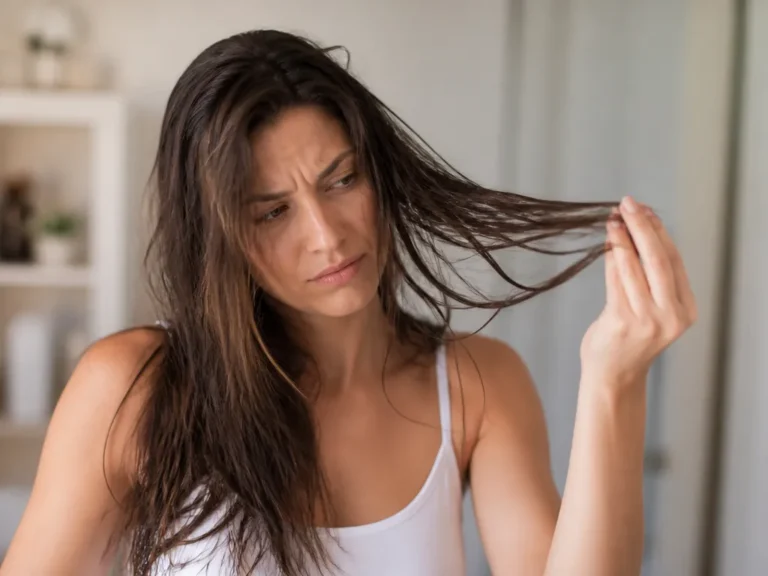
Textured hair has a raised cuticle structure at every bend and turn of the curl. This allows moisture to escape rapidly to the surrounding environment. When your hair feels like straw and lacks elasticity, it is suffering from a lack of internal water and humectants.
Single-Strand Knots and Tangling
Often called “fairy knots,” these occur when a single strand of curly hair loops around itself and knots tightly. This is a direct result of the cuticle being rough and dry, causing adjacent strands to snag onto one another rather than slipping past each other smoothly.
Breakage and Lack of Length Retention
If your hair seems to stop growing at a certain length, it is likely breaking off at the ends at the exact rate it grows from the scalp. This pain point stems from weakened hair structure, often due to physical manipulation (detangling), heat damage, or a lack of protein reinforcement.
The Science of Hair Porosity and Ingredient Absorption
Your hair’s porosity determines how it interacts with the homemade ingredients you apply. Formulating a deep conditioner without knowing your porosity is like trying to water a plant without knowing if the soil is sandy or dense clay.
Low Porosity Natural Hair
Low porosity hair features a tightly packed, flat cuticle layer. Moisture struggles to enter, but once it does, it stays locked in.
-
The Struggle: Products build up easily, leaving a white, greasy film.
-
The Strategy: Utilize lightweight, water-soluble ingredients and heat to force the cuticle open during deep conditioning.
High Porosity Natural Hair
High porosity hair has microscopic gaps and tears in the cuticle layer, often from chemical processing, excessive heat, or genetics.
-
The Struggle: The hair absorbs water instantly like a sponge but dries out just as fast.
-
The Strategy: Focus on heavy, sealing ingredients and structural proteins to temporarily patch the gaps in the cuticle and lock in hydration.
Formulating Moisture: Hydrating Entities and Attributes
To effectively combat dryness, your homemade deep conditioner must contain humectants. We analyze these through a semantic relationship framework to understand exactly how they interact with natural hair.
Pure Aloe Vera Extract
-
Entity: Aloe Vera (Plant-derived extract).
-
Attribute: Rich in water content, proteolytic enzymes, and vitamins A, C, and E.
-
Relationship to Hair: The humectant properties draw atmospheric moisture directly into the hair shaft. The enzymes break down dead skin cells on the scalp to promote healthy follicle growth, while simultaneously conditioning the strand without heavy buildup.
Raw, Unfiltered Honey
-
Entity: Raw Honey (Natural humectant and emollient).
-
Attribute: High sugar density, slightly acidic pH, natural antibacterial properties.
-
Relationship to Hair: Honey physically binds water molecules to the keratin proteins in your hair. Its acidic nature helps flatten a raised cuticle, sealing the strand to increase surface shine and drastically reduce friction between curls.
Vegetable Glycerin
-
Entity: Vegetable Glycerin (Potent simple polyol compound).
-
Attribute: Clear, odorless, highly viscous, and water-soluble.
-
Relationship to Hair: Acts as a heavy-duty moisture magnet. It is highly effective for extremely thick, tightly coiled Type 4 hair, forcibly pulling hydration into the cortex to soften rigid, brittle strands.
Fortifying Structure: Protein Entities for Hair Repair
If your hair stretches excessively and feels mushy when wet, or if it snaps instantly upon detangling, it lacks structural integrity. Natural proteins rebuild the weakened keratin bonds.
Hydrolyzed Wheat or Soy Protein
-
Entity: Liquid Hydrolyzed Proteins (Derived from wheat or soy).
-
Attribute: Low molecular weight amino acid chains.
-
Relationship to Hair: Because the molecules are small, they easily penetrate past the cuticle and into the hair’s cortex. They fortify the internal structure, immediately increasing tensile strength and elasticity to stop snapping during detangling.
Greek Yogurt
-
Entity: Plain, unsweetened Greek yogurt (Dairy derivative).
-
Attribute: Dense in lactic acid and milk proteins.
-
Relationship to Hair: Provides a gentle, surface-level protein treatment. The milk proteins coat the hair to smooth rough patches, while the lactic acid acts as a mild chelating agent to dissolve hard water mineral buildup that causes dullness.
Sealing the Cuticle: Emollient Oils and Butters
Moisture and protein will wash right out of natural hair if they are not properly sealed. Emollients create a hydrophobic barrier over the hair shaft.
Unrefined Shea Butter
-
Entity: Shea Butter (Fat extracted from the African shea tree nut).
-
Attribute: High concentration of stearic and oleic fatty acids.
-
Relationship to Hair: Creates a thick, occlusive layer over the hair strand. It prevents hygral fatigue (the damaging swelling and shrinking of hair fibers when wet and dry) and completely seals in deep conditioning treatments for high porosity hair.
Extra Virgin Olive Oil (EVOO)
-
Entity: Extra Virgin Olive Oil (Plant oil).
-
Attribute: High in squalene and oleic acid; heavier consistency.
-
Relationship to Hair: EVOO is one of the few oils capable of partial penetration into the hair shaft. It softens the internal core of the hair while leaving a protective film on the outside to combat environmental dryness.
Jamaican Black Castor Oil (JBCO)
-
Entity: Jamaican Black Castor Oil (Roasted castor bean extract).
-
Attribute: Thick, highly viscous, alkaline ash content, rich in ricinoleic acid.
-
Relationship to Hair: Provides the ultimate heavy seal for damaged ends. It heavily coats the strand to prevent split ends from traveling up the hair shaft and protects the hair from mechanical friction against clothing.
Targeted Homemade Recipes for Dry and Frizzy Strands
When chronic dryness is your main obstacle, skip heavy proteins and focus entirely on ingredients that pull and hold water.
The Maximum Hydration Aloe & Honey Blend
This treatment is ideal for low to medium porosity natural hair that needs deep moisture without heavy, greasy buildup.
Ingredients:
-
4 tablespoons fresh Aloe Vera gel (blended smoothly to remove chunks)
-
2 tablespoons Raw Honey
-
1 tablespoon Argan Oil
Preparation and Execution:
Blend the aloe vera until it is entirely liquefied. Whisk in the raw honey until completely dissolved. Slowly stir in the argan oil. Apply to damp hair in small sections. The water already in your hair will interact with the honey and aloe to maximize hydration, while the argan oil provides a light seal.
The Avocado and Olive Oil Quencher
Avocado provides rich, natural fats that deeply condition extremely thick, coarse, Type 4 textures.
Ingredients:
-
1/2 very ripe Avocado
-
2 tablespoons Extra Virgin Olive Oil
-
1 tablespoon Vegetable Glycerin
Preparation and Execution:
Puree the avocado in a blender until absolutely smooth (mashing by hand will leave green chunks stuck in your coils). Mix in the olive oil and glycerin. Coat the hair heavily from root to tip.
Potent DIY Treatments for Damaged and Brittle Ends
For hair suffering from heat damage, color processing, or severe split ends, you must introduce a balance of structural proteins and heavy emollients.
The Yogurt and Castor Oil Reconstructor
This recipe provides mild protein to strengthen the hair shaft alongside a heavy oil to seal frayed cuticles.
Ingredients:
-
3 tablespoons Plain Greek Yogurt
-
1 tablespoon Jamaican Black Castor Oil
-
1 Egg Yolk (optional, for intense strengthening)
Preparation and Execution:
Whisk the yogurt and egg yolk together until smooth. Stir in the castor oil. Apply strictly to the mid-lengths and ends of the hair, avoiding the scalp to prevent pore clogging. Leave on for exactly 30 minutes, then rinse with cold water.
The Banana and Coconut Smooth Seal
Bananas are high in silica, which smooths the cuticle and improves tensile strength.
Ingredients:
-
1 overripe Banana (heavily spotted)
-
1 tablespoon melted Extra Virgin Coconut Oil
-
1 teaspoon Raw Honey
Preparation and Execution:
Blend the banana in a food processor until completely liquid. Mix in the cooled, melted coconut oil and honey. Apply generously to detangled hair to reinforce weak areas.
The Proper Step-by-Step Application Methodology
The efficacy of a homemade deep conditioner depends entirely on your application technique. Poor technique will render the best ingredients useless.
-
Start with Clarified Hair: Never apply a deep conditioner to dirty hair. Use a clarifying shampoo to strip away sebum, environmental dust, and old product buildup. If you apply a mask over buildup, the nutrients cannot penetrate the hair shaft.
-
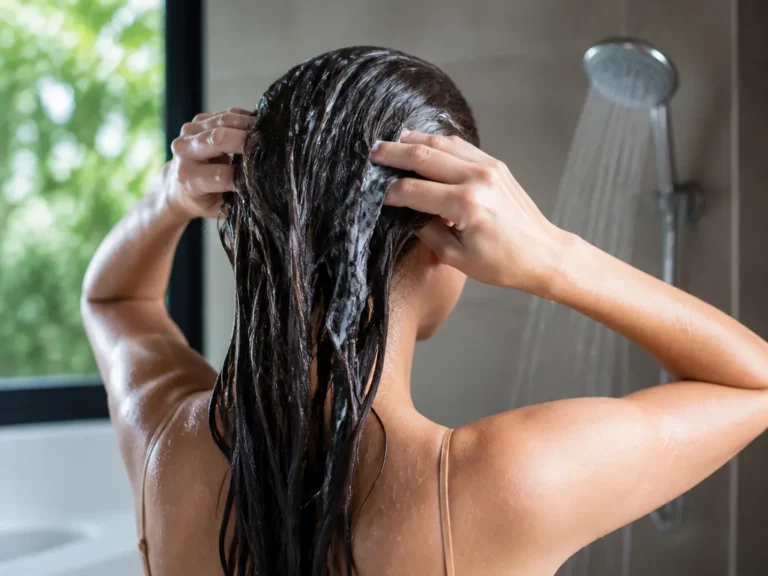
Section and Detangle: Natural hair must be worked in sections. Divide your damp hair into 4 to 6 twists. Detangle each section gently with a wide-tooth comb or your fingers before applying the mask to ensure even distribution.
-
Apply from Ends to Roots: The ends of your hair are the oldest, driest, and most fragile. Saturate the ends first, then work the product up the hair shaft.
-
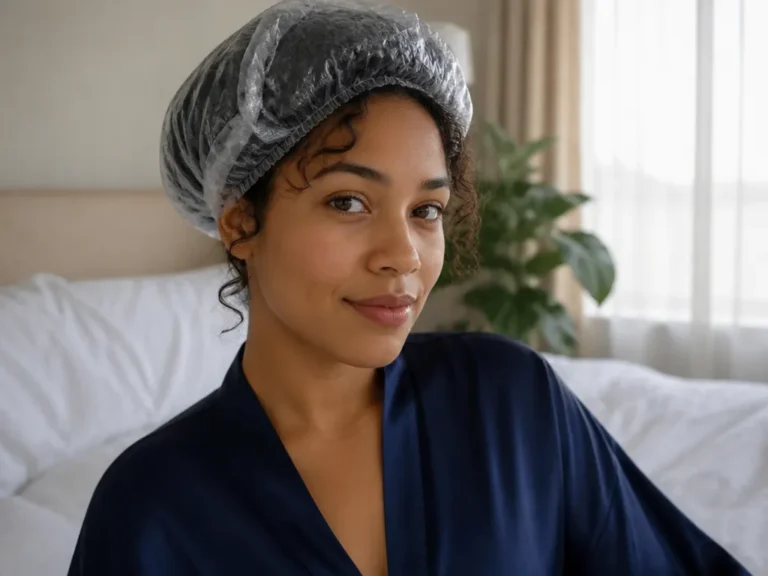
Incorporate Thermal Heat: Place a plastic shower cap over your heavily coated hair. Apply a thermal heat cap or sit under a hooded dryer for 20-30 minutes. The heat swells the hair strand and lifts the cuticle layers, allowing the natural ingredients to penetrate the cortex.
-
The Cold Water Rinse: Rinse the treatment out entirely using cold water. Cold water forcibly constricts and closes the hair cuticle, locking the applied moisture and proteins safely inside the strand.
Building a Long-Term Deep Conditioning Schedule
Transforming natural hair is a long-term commitment. You must establish a consistent routine tailored to your hair’s specific behavioral patterns.
-
For High Porosity or Color-Treated Hair: Deep condition weekly. Alternate between a moisture-heavy recipe and a mild protein recipe to maintain a healthy structural balance.
-
For Dry, Type 4 Coils: Deep condition every 7 to 10 days, focusing heavily on humectants and rich emollients like avocado and shea butter.
-
For Low Porosity Hair: Deep condition every 2 weeks using lightweight, heat-activated moisture masks. Avoid frequent protein treatments, as low porosity hair can easily become stiff and brittle from protein overload.
Pay close attention to how your hair feels. If it feels hard and snaps, reduce protein and increase humectants. If it feels excessively soft and limp, introduce a yogurt or egg mask to rebuild structural rigidity.
Frequently Asked Questions (FAQs)
1. Can I leave a homemade deep conditioner in my hair overnight?
Leaving a deep conditioner in overnight is not recommended. Prolonged exposure to heavy moisture can cause hygral fatigue, permanently damaging the cuticle from excessive swelling. Additionally, raw ingredients can spoil or cause bacterial growth on the scalp if left too long. 30 to 45 minutes with heat is optimal.
2. How long can I store leftover homemade deep conditioner?
Treat homemade hair products like fresh food. Mixtures containing avocado, egg, banana, or yogurt must be used immediately; discard any leftovers to prevent bacterial growth. Mixtures made exclusively of oils, butters, and honey can be stored in an airtight container in the refrigerator for up to two weeks.
3. Why is my hair flaking white after using a homemade mask?
White flakes usually occur for two reasons: failing to blend ingredients (like banana or aloe vera) smoothly, leaving physical debris stuck in your coils, or failing to rinse the mixture out completely. Ensure you blend all solid ingredients into a fine liquid and rinse thoroughly with high water pressure.
4. Do I need to shampoo again after rinsing out a homemade oil mask?
If your hair is very fine or has low porosity, heavy oils like castor or olive oil might leave a greasy residue even after a water rinse. In this case, you can use a very mild, sulfate-free cleanser to lightly wash the roots. For thick, high porosity hair, a thorough warm water rinse followed by a cold water splash is usually sufficient.
5. Why does my hair feel stiff after a natural protein treatment?
Stiffness indicates protein overload. The hair has absorbed more protein than it needs, sacrificing elasticity for rigidity. To reverse this, clarify the hair immediately and follow up with a strictly moisture-based deep conditioner, utilizing heat to force water back into the keratin structure.

- How to Make Deep Conditioner for Natural Hair: 8 Easy DIY Recipes - September 29, 2026
- Natural Homemade Deep Conditioner for Natural Hair: Easy DIY Recipes - September 29, 2026
- From Kitchen to Cuticle: Natural Deep Conditioner Recipes for Every Hair Porosity - September 29, 2026