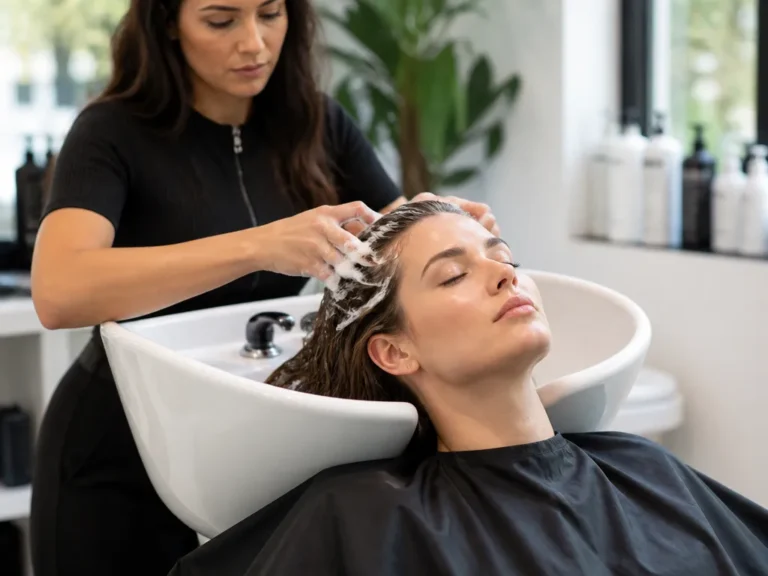
Should You Condition Your Hair Before Dying It?
Spending an hour in the bathroom mirror only to end up with splotchy, uneven hair color is a frustration most of us have felt at least once. Whether you are covering stubborn grays or trying out a new shade, the state of your hair before the dye hits your strands makes all the difference. You might think a deep conditioning session is the ultimate act of self care before a chemical process, but it often works against you.
Conditioning immediately before dyeing is a common mistake that creates a barrier, preventing color from penetrating the hair shaft. To ensure even absorption, avoid all conditioners and heavy styling products for at least 24 to 48 hours prior to your color application. If your hair feels dry, use a clarifying shampoo to remove residue, but skip the moisturizing mask until after you have rinsed out your new color.
Best for: All hair types. Use caution if: You have extremely porous or damaged hair that requires professional consultation before applying any permanent chemical color.
Should You Condition Your Hair Before Dying It?
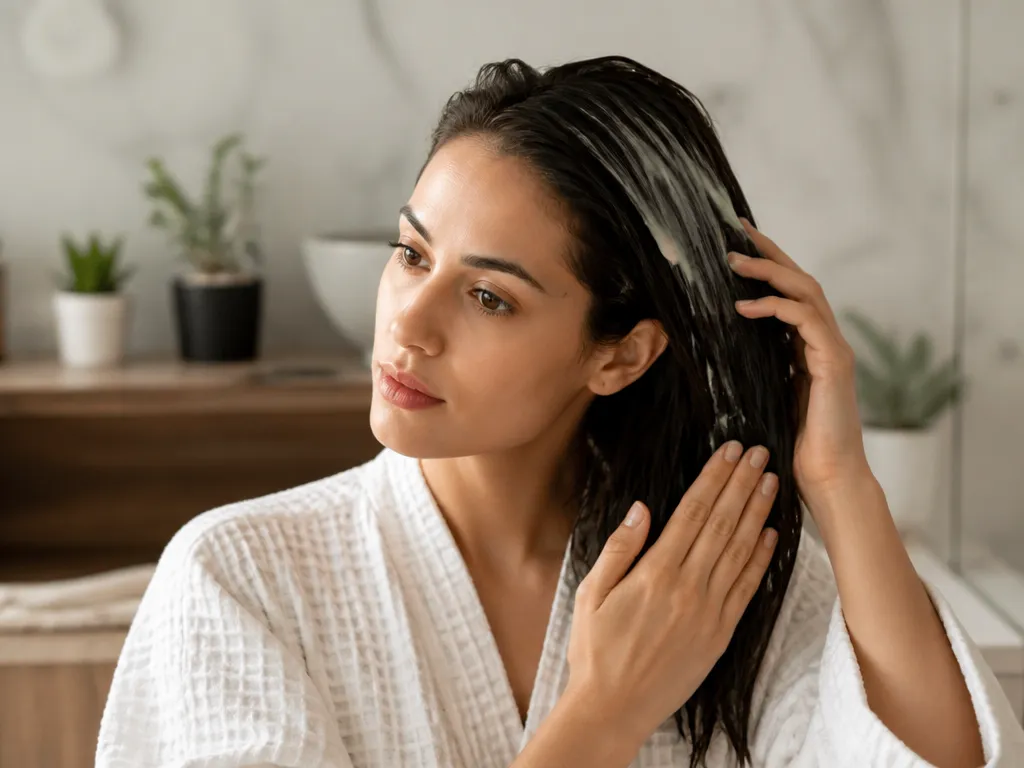
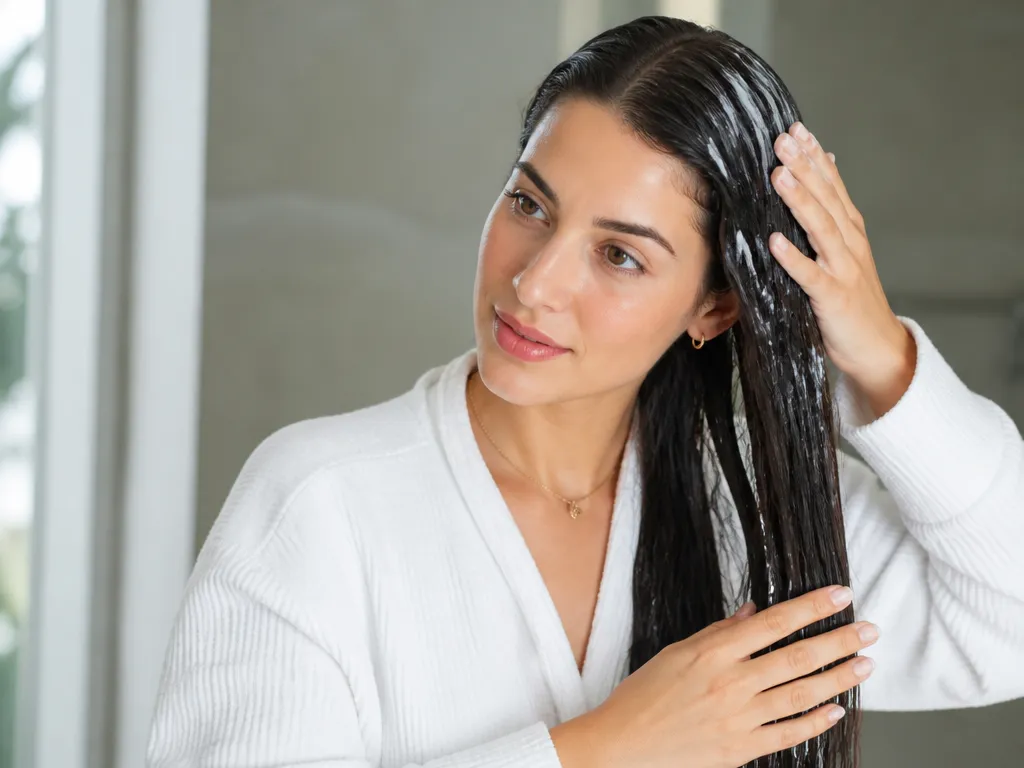
Applying conditioner immediately before a color service creates a physical barrier that prevents dye molecules from penetrating the hair shaft. This interference often leads to uneven results, poor gray coverage, and premature color fading.
Conditioner residue acts as a shield that blocks the chemical reaction required for permanent and semi-permanent dyes to deposit correctly. While the goal of conditioning is usually to soften hair, doing so on the day of your appointment effectively sabotages the color process.
Recommended Preparation Timeline
Preparation timing depends heavily on the condition of your strands and the type of color you plan to use. Following a structured timeline ensures your hair is receptive to pigment while remaining protected during the chemical process.
| Conditioner Type | Best For | Timing Before Color |
|---|---|---|
| Lightweight, silicone-free | Normal to fine hair | 24 to 48 hours prior |
| Deep conditioning treatment | Damaged, high-porosity strands | 1 to 2 weeks before |
| Clarifying (no conditioner) | Product buildup removal | Day of preparation |
| Color-safe moisturizing | Post-color maintenance | After coloring session |
Professional tip: If you have oily to combination hair, focus your clarifying shampoo on the scalp to remove sebum and styling residue without drying out the mid-lengths, which often need a bit of natural oil to buffer the scalp against ammonia or peroxide.
Maintaining hair health requires a long-term approach rather than a last-minute fix. Protein-based treatments or deep masks are most effective when applied at least seven days before your coloring session. This window allows the hair to absorb necessary moisture and structural support without leaving a slick, oily coating on the cuticle that would otherwise repel your new shade.
Always perform a patch test 24 to 48 hours before applying any new chemical color to your full head, especially if you have sensitive skin. This simple step helps you identify potential reactions to ingredients like PPD or resorcinol before you commit to a full-scale color application.
Who Should Avoid Conditioning Before Color?
Heavy conditioning treatments immediately before a coloring session create a physical barrier on the hair cuticle that prevents pigments from penetrating the shaft. This residue often results in patchy, uneven color distribution or a failure of the dye to deposit correctly, especially when using permanent formulas.
Oily scalps and hair prone to product buildup require a different approach to ensure professional results. Silicones and heavy oils found in many standard conditioners adhere to the hair surface and act as a sealant that blocks chemical reactions.
Recommended Preparation Strategies
Hair types that are naturally oily or have high levels of styling product accumulation should prioritize deep cleaning over moisture in the days leading up to a color appointment. A clarifying shampoo used three days before the process helps strip away lingering residue, providing a clean canvas for the dye.
| Conditioner Type | Best For | Timing Before Color |
|---|---|---|
| Lightweight, silicone-free | Normal to fine hair | 24 to 48 hours prior |
| Deep conditioning treatment | Damaged, high-porosity strands | 1 to 2 weeks before |
| Clarifying wash | Product buildup removal | 3 days before |
Expert tip: Your scalp’s natural oils provide a protective buffer against irritation during chemical processing. Washing your hair 24 to 48 hours before your appointment allows these protective oils to remain present while removing excess product that could interfere with your final look.
Dye Types And Pre-conditioning Impact
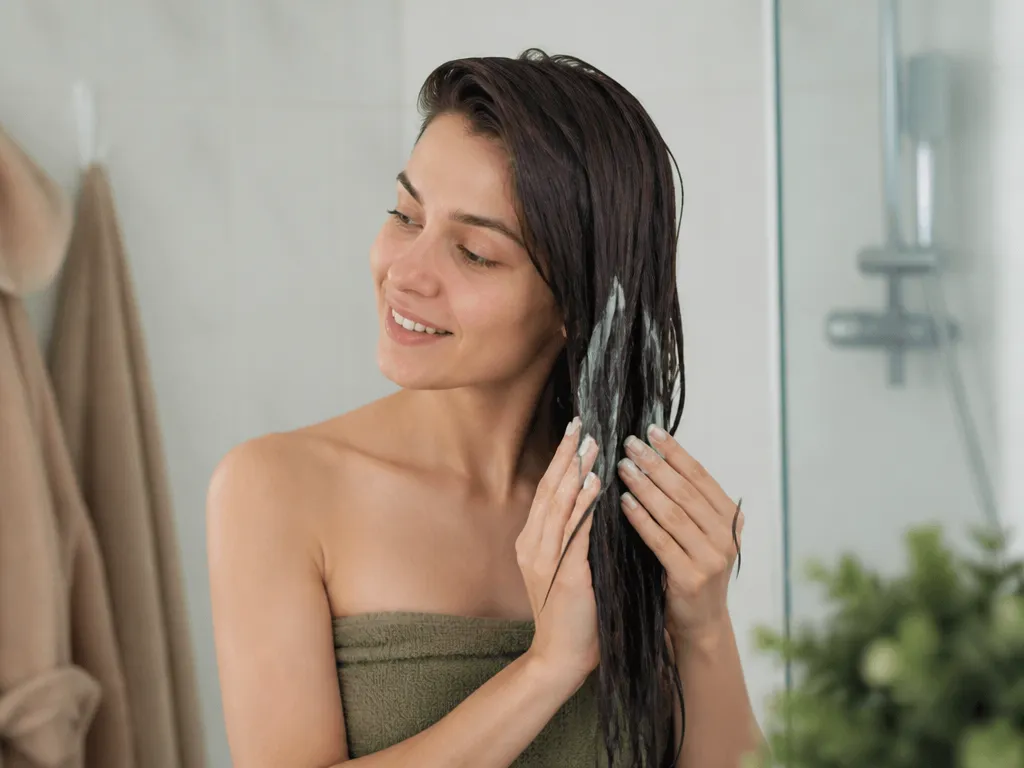
Conditioner creates a physical barrier on the hair shaft that interferes with dye penetration, leading to uneven saturation and poor color longevity. Chemical dyes require direct access to the hair cuticle to deposit pigment or lift natural color, which heavy conditioning agents actively prevent.
Dye Chemistry And Absorption
Permanent and demi-permanent dyes utilize alkaline agents to swell the cuticle, allowing color molecules to enter the cortex. Direct dyes, commonly found in semi-permanent fashion colors, rely on physical staining of the hair surface. When a film-forming conditioner is present on the hair, these molecules struggle to bond, resulting in patchy application or premature fading. Silicone-free formulas are safer if you must condition, but even these can leave behind residues that disrupt the intended reaction.
For instance, permanent color applications often fail to lift hair evenly when heavy oils or silicones are present. This prevents the developer from interacting effectively with the melanin in your hair. If you are using a semi-permanent direct dye, the barrier effect is even more pronounced, as these products lack the chemical strength to bypass surface coatings.
Pre-dye Preparation Guide
Preparation timing is essential for achieving professional-looking results. Use the following timeline to manage your hair health without sabotaging your color application.
Professional Tip: If you struggle with dry ends but need a clean scalp for coloring, apply a tiny amount of a lightweight, water-soluble serum only to the very tips of your hair 48 hours before, then clarify thoroughly.
| Conditioner Type | Impact on Dye | Recommended Timing |
|---|---|---|
| Deep Treatment | High Barrier Risk | 1-2 weeks before |
| Standard Rinse-out | Moderate Barrier Risk | Avoid 48 hours before |
| Clarifying Agent | Zero Barrier Risk | Day of preparation |
Virgin, Bleached, Or Damaged Hair Prep
Hair history dictates whether you need moisture reinforcement or a clean slate for pigment absorption. Virgin hair typically requires minimal intervention, while bleached or high-porosity strands need strategic conditioning well in advance of the coloring process.
Virgin hair often has a tightly closed cuticle and natural oils that provide a protective layer for the scalp. You can usually skip heavy conditioning 24 to 48 hours before dyeing to ensure the color penetrates the hair shaft evenly.
Bleached and chemically treated hair behaves differently due to increased porosity. These strands often have gaps in the cuticle, meaning they can soak up dye too quickly or lose it just as fast if they are not properly prepped with moisture weeks in advance.
Professional tip: Always perform a patch test 24 to 48 hours before applying any new color to check for scalp sensitivity or allergic reactions.
Preparation Strategies By Hair Type
Selecting the right treatment depends on your current hair texture and how much damage is present. Using a heavy silicone-based conditioner too close to your appointment can create a waterproof barrier that causes patchy, uneven results.
For instance, if you have fine or normal hair, a lightweight approach is safest. If you have high-porosity or damaged hair, you should focus on deep hydration long before the actual dye day.
| Conditioner Type | Best For | Timing Before Color |
|---|---|---|
| Lightweight, silicone-free | Normal to fine hair | 24 – 48 hours prior |
| Deep conditioning treatment | Damaged, high-porosity hair | 1 – 2 weeks before |
| Clarifying (no conditioner) | Product buildup removal | Day of preparation |
| Protein-infused formula | Elasticity restoration | 1 week before |
In practice, managing buildup is just as vital as adding moisture. If you have used heavy styling creams or waxes, use a clarifying shampoo three days before your appointment to clear the way for the pigment.
Timing: Before Vs On The Day
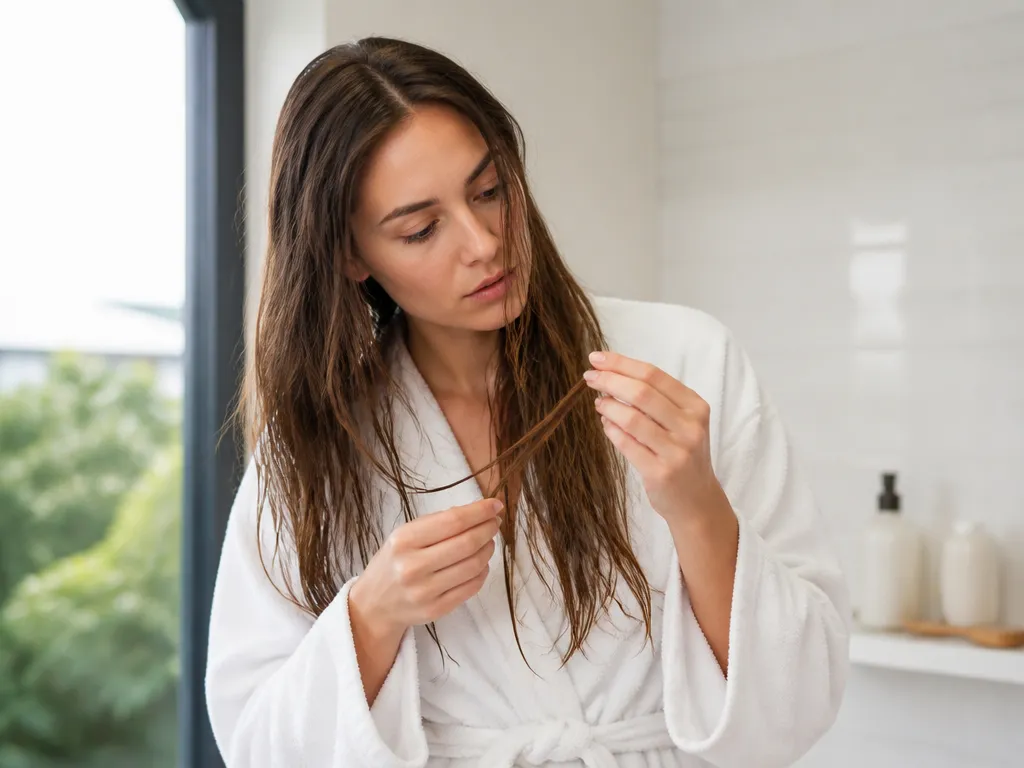
Conditioning immediately before a color service creates a physical barrier that prevents dye molecules from penetrating the hair shaft. This residue leads to uneven results, poor gray coverage, and premature fading as the pigment sits on the surface rather than inside the cuticle.
Optimal preparation requires strategic timing to balance scalp protection and color saturation. Follow these guidelines to ensure your hair is in the best condition for professional or at-home results.
For individuals with damaged or high-porosity hair, the rules change slightly. Deep conditioning treatments should occur one to two weeks before your color service, rather than in the immediate days leading up to it. This allows the hair to retain moisture without leaving a slick, oily film that prevents the dye from gripping the strand.
In practice, consider the type of color you are applying. Permanent color requires a clean, oil-buffered surface to lift and deposit pigment effectively. Semi-permanent or direct dyes are less sensitive to residue, but they still perform best on hair that is free from heavy conditioning agents that might repel the pigment.
Pro tip: If you accidentally use a heavy conditioner the morning of your dye session, use a gentle clarifying shampoo to strip the residue. Follow this with a thorough rinse, but do not apply any additional products before you begin the coloring process.
| Timing | Action | Reason |
|---|---|---|
| 3 Days Before | Clarifying Wash | Removes product and mineral buildup. |
| 1-2 Days Before | No Wash | Preserves natural scalp oils for protection. |
| Day Of | Dry Hair Only | Ensures optimal dye absorption and penetration. |
Product Guidance Before Coloring
Applying heavy conditioners or leave-in treatments immediately before a coloring session creates a physical barrier that prevents dye from penetrating the hair cuticle. This residue leads to uneven, patchy results because the pigments cannot anchor properly to the hair shaft.
Preparation for coloring requires a clean slate to ensure consistent absorption. Using a clarifying shampoo 24 to 48 hours before your appointment removes excess oils and product buildup without stripping the hair of its natural protective barrier. Avoid using any conditioner on the day of your color application to maximize the efficacy of your treatment.
| Conditioner Type | Best For | Timing Before Color |
|---|---|---|
| Lightweight, Silicone-free | Normal to fine hair | 24 to 48 hours prior |
| Deep Conditioning Mask | High-porosity, damaged hair | 1 to 2 weeks before |
| Clarifying Treatment | Removing buildup | 24 to 48 hours prior |
| Standard Moisturizing | Post-color maintenance | After processing only |
Strategic Ingredient Selection
Selecting the right products in the weeks leading up to your appointment improves hair health and color retention. Focus on protein-based formulas one week before your service to restore elasticity, which helps the hair withstand the chemical stress of dyes or bleach.
Expert tip: If you have high-porosity hair, focus your moisture treatments at least one week out. Using a deep conditioner too close to your appointment date often results in the hair becoming too slick for the color to grab effectively.
Troubleshooting: Patchy Color Fixes
Product buildup and porosity mismatches are the primary reasons color fails to penetrate evenly. Heavy silicones, oils, or excessive conditioning create a waterproof barrier that blocks dye molecules from entering the hair shaft. This results in splotchy application where some sections appear vibrant while others remain the original shade.
Residue from styling products or deep conditioners can sabotage your results more than most people realize. If you notice uneven tones, the issue often stems from how the hair surface was prepared in the days leading up to the dye application. High-porosity hair, which is common in damaged or bleached strands, absorbs color quickly but can also lose it just as fast if the cuticle is not managed properly.
Corrective Prep Strategies
Correcting uneven color requires a strategic approach to hair texture and cleanliness before your next attempt. You must balance the need for moisture with the necessity of a clean, receptive hair surface.
| Conditioner Type | Best For | Timing Before Color |
|---|---|---|
| Lightweight, silicone-free | Normal to fine hair | 24 – 48 hours prior |
| Deep conditioning treatment | Damaged, high-porosity strands | 1 – 2 weeks before |
| Clarifying (no conditioner) | Product buildup removal | Day of preparation |
| Protein-infused formula | Elasticity restoration | 1 week before |
For instance, if your hair feels gummy or overly soft, you likely used too much protein or heavy conditioning recently. This can make the hair too “full” to accept new pigment effectively.
Professional Tip: Use a clarifying shampoo three days before dyeing to strip away stubborn silicones without damaging the hair structure.
Steps For A Successful Next Session
In practice, a successful color session relies on a “clean slate” approach. Once the color is applied, wait at least 48 to 72 hours before your first post-color wash to ensure the pigment is fully locked into the cuticle.
Quick Summary
Conditioning your hair immediately before a chemical color service is a frequent mistake that often leads to splotchy or uneven results. Applying conditioner creates a physical barrier on the hair cuticle that prevents dye molecules from penetrating the hair shaft effectively. This residue acts as a shield, which can block the necessary chemical reaction for permanent and semi-permanent dyes. To ensure the hair is receptive to pigment, you should avoid all conditioners and heavy styling products for at least 24 to 48 hours prior to your color application to prevent premature fading and poor coverage.
For those with oily or product-heavy hair, using a clarifying shampoo 24 hours before your session is an effective way to create a clean canvas. If your hair is damaged or highly porous, perform intensive deep conditioning treatments at least one to two weeks before your appointment to avoid interference with the dye. Always perform a patch test 24 to 48 hours before the process to check for skin sensitivities. Ultimately, the most important takeaway is to stop conditioning on the day of your appointment to ensure the color deposits correctly.
| Treatment Type | Best For | Timing Before Color |
|---|---|---|
| Lightweight, silicone-free conditioner | Normal to fine hair | 24 to 48 hours prior |
| Deep conditioning mask | Damaged, high-porosity hair | 1 to 2 weeks prior |
| Clarifying shampoo (no conditioner) | Product buildup removal | 24 hours prior |
| Color-safe moisturizing | Post-color maintenance | After coloring |
Beauty Routine Cheat Sheet
Morning Routine
Evening Routine
Top 3 Ingredients to Prioritize
One Thing to STOP Doing Immediately
Stop using deep conditioning masks or heavy silicone-based conditioners within 48 hours of a professional color appointment, as these create a barrier that prevents dye from penetrating the hair shaft.
Expected Timeline for Results
You will see more consistent, even color absorption immediately upon your next application by following this prep schedule. Long-term hair health and improved color retention typically become visible after two to three color cycles when you maintain a consistent moisture-balance routine.
Frequently Asked Questions
Should I Condition My Hair Immediately Before Applying Hair Dye?
No, you should avoid conditioning your hair right before coloring, as heavy products create a barrier that can block dye penetration and lead to patchy, uneven results.
How Long Before Coloring Should I Stop Using Deep Conditioning Treatments?
You should skip deep conditioning treatments in the final 48 hours before your appointment to ensure your hair is ready to absorb the pigment properly.
Is It Better To Wash My Hair Right Before I Dye It?
It is actually better to avoid washing immediately before dyeing, as your hair’s natural oils act as a protective buffer for your scalp during the chemical process.
What Is The Best Way To Prepare My Hair If It Is Damaged?
If your hair is damaged or high-porosity, perform your intensive or protein-based conditioning treatments 1 to 2 weeks before your coloring session to build strength without interfering with the dye application.
How Long Should I Wait To Wash My Hair After I Have Finished Dyeing It?
You should wait at least 48 to 72 hours after the coloring process before washing your hair, which allows the chemical bonds to fully set and helps prevent premature fading.

- 10 Best Hair Oil For Overnight Treatment Buyer Guide 2026 - October 26, 2026
- 10 Best Hair Oil For One Year Old Baby Buyer Guide 2026 - October 26, 2026
- 10 Best Hair Oil For Oily Skin Buyer Guide 2026 - October 26, 2026