
What Does Conditioner Do For Curly Hair?
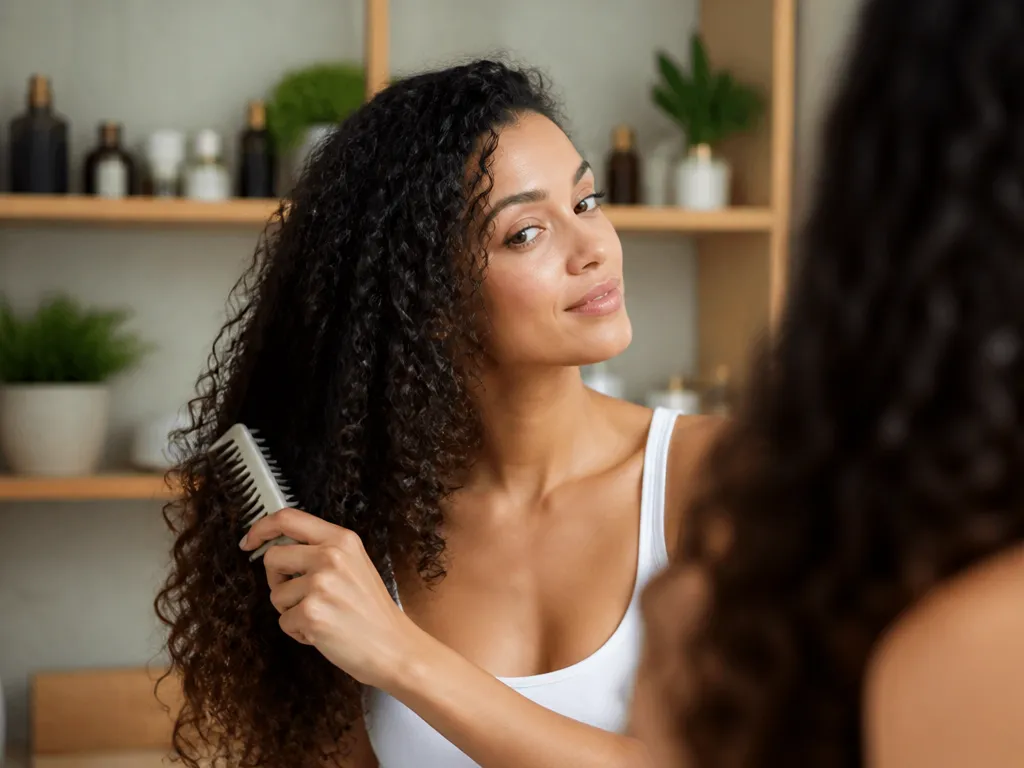
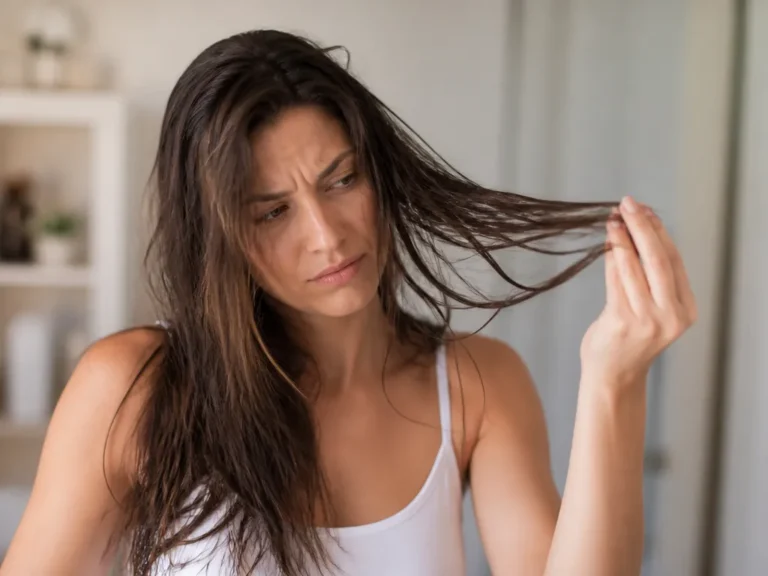
Curly hair is naturally thirsty because the sebum from your scalp struggles to travel down the coiled hair shaft. If your curls feel like straw or look like a cloud of frizz, you likely have a moisture gap. I will explain how to close that gap using the right products and techniques.
Conditioner for curly hair smooths the hair cuticle to help retain moisture and reduce friction between strands. It provides slip for easier detangling and uses emollients to smooth the hair surface. Applying it to mid-lengths and ends for at least 2 to 3 minutes helps improve curl definition and elasticity.
Best for: All curl patterns (2A to 4C). Use caution if: You have very fine hair or a scalp prone to buildup.
What Does Conditioner Do For Curly Hair?
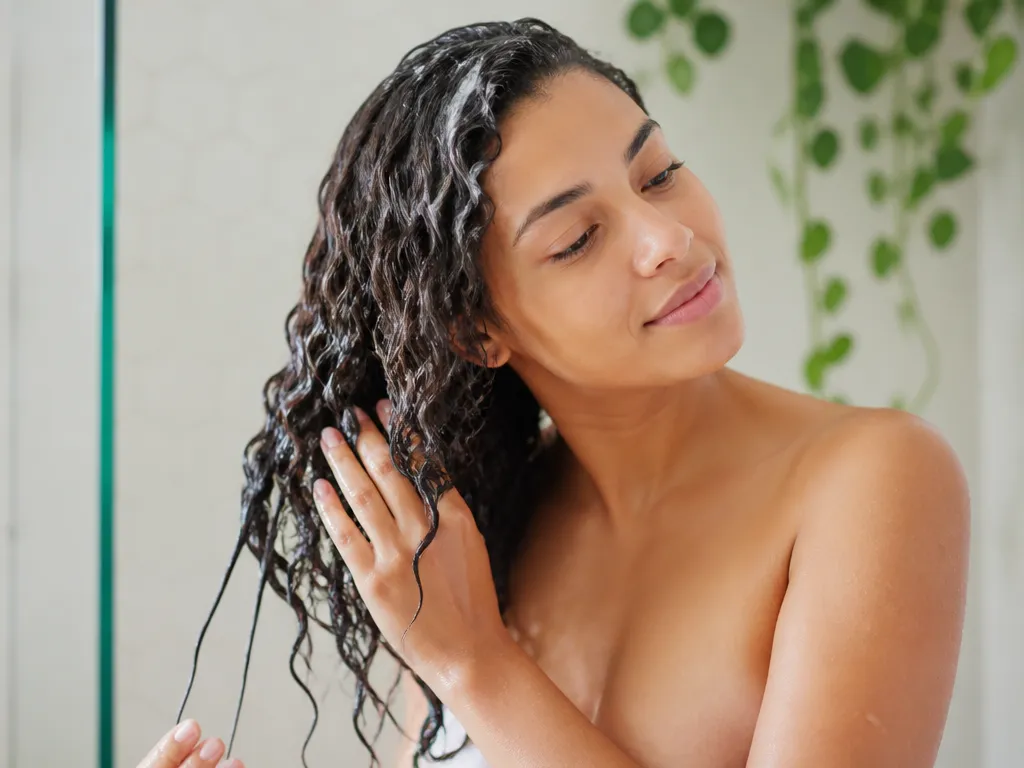
Conditioner smooths the hair cuticle layer, allowing curls to maintain their natural pattern while reducing friction between strands. This process minimizes frizz and enhances the hair’s ability to retain moisture, which is crucial for curly hair that tends to be drier than straight hair due to its unique structure.
Smoothing The Hair Cuticle
The outer layer of hair, known as the cuticle, consists of overlapping scales that can become raised during washing and daily wear. Conditioner contains ingredients that help flatten these scales, creating a smoother surface that reflects light better and gives curls a healthier appearance.
For instance, hydrolyzed proteins found in many conditioners bind to the hair cuticle, temporarily filling in any gaps and creating a more uniform surface. This protein treatment helps maintain the integrity of each curl strand, reducing the risk of breakage that can contribute to frizz.
Reducing Friction And Frizz
Curly hair is more prone to frizz because the shape of each curl creates more points where strands can rub against each other. Conditioner reduces this friction by coating the hair with ingredients like dimethicone and quaternary ammonium compounds, which create a slippery barrier between strands.
Without proper conditioning, curly hair becomes more susceptible to environmental factors like humidity, which can cause the hair shaft to swell and frizz. The right conditioner helps reduce this swelling effect.
Why Curls Need More Moisture
The natural oils produced by the scalp have difficulty traveling down the twists and turns of curly hair, making curls inherently drier than straight hair. Conditioner addresses this by providing hydration directly to the hair shaft through ingredients like glycerin, panthenol, and shea butter.
| Moisturizing Ingredient | Benefits for Curls |
|---|---|
| Glycerin | Attracts water to the hair, providing lightweight hydration |
| Panthenol | Penetrates the hair shaft, improving elasticity and moisture retention |
| Shea Butter | Provides intense moisture and helps define curl patterns |
Properly moisturized curls are more flexible, less prone to breakage, and better able to maintain their natural shape. This moisture also helps reduce the formation of single-strand knots that can lead to further damage when detangling.
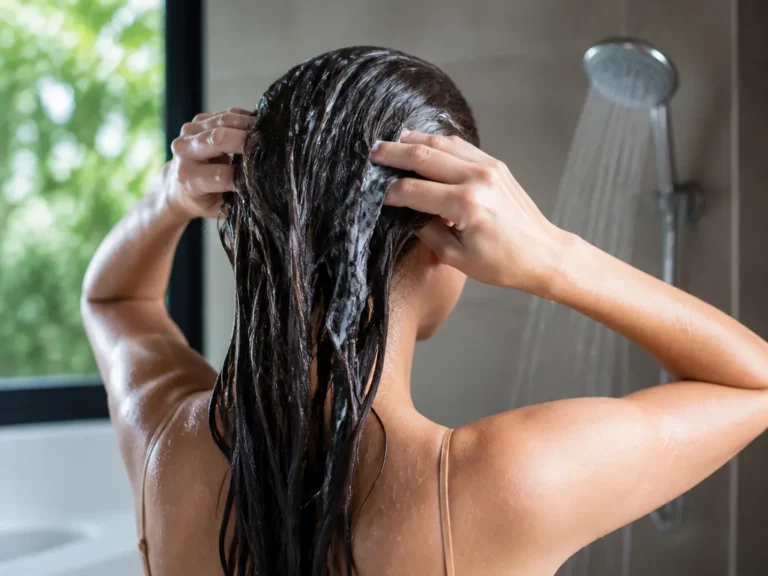
Dermatologist tip: Apply conditioner from mid-lengths to ends, concentrating on the oldest part of the hair that needs the most moisture. Avoid applying directly to the scalp as this can lead to buildup and weigh down your curls.
Identify Your Curl Porosity Level
Porosity determines how easily your hair absorbs and retains moisture. High porosity hair has open cuticles that drink up water quickly but lose it just as fast, while low porosity hair has tightly closed cuticles that resist moisture entry. Medium porosity hair sits in the middle with a balanced ability to hold hydration.
Low porosity curls often feel dry even after applying heavy creams. Water may bead up on the hair shaft rather than soaking in. You need lightweight, humectant-rich conditioners to help hydrate the cuticle without causing buildup.
Esthetician tip: Perform a simple float test by placing a clean strand of hair in a glass of water. If it sinks immediately, you likely have high porosity; if it floats on top, you have low porosity.
Matching Conditioner Type To Your Hair
Selecting the wrong weight of conditioner can lead to either extreme frizz or limp, greasy curls. High porosity hair requires “sealing” products to help smooth gaps in the cuticle.
For example, look for shea butter or coconut oil to help lock in hydration.
Low porosity hair requires “penetrating” products. Heavy oils often sit on top of these curls, creating a film that makes hair feel tacky or weighed down. Instead, prioritize water-based formulas with smaller molecules.
| Porosity Type | Primary Need | Recommended Ingredients | Avoid |
|---|---|---|---|
| Low | Penetration | Glycerin, Honey, Aloe Vera | Heavy Silicones, Thick Butters |
| Medium | Balance | Panthenol, Argan Oil | Overuse of heavy proteins |
| High | Sealing | Shea Butter, Castor Oil, Jojoba | Lightweight humectants only |
In practice, testing your hair’s reaction to a product is more reliable than a single test. If your curls feel “crunchy” or stiff after using a protein-heavy conditioner, you may have low porosity hair that is experiencing protein overload. If your hair feels mushy and lacks bounce, you likely need more protein to support high porosity strands.
Key Ingredients For Curly Hydration
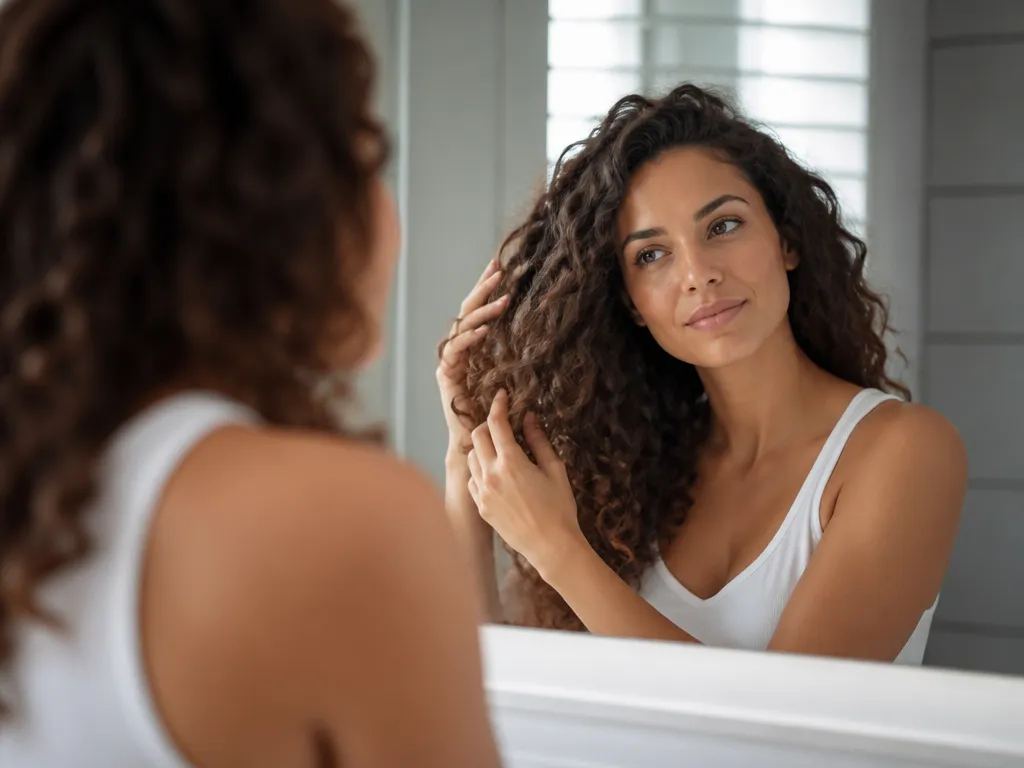
Effective curly conditioners combine humectants to attract water and emollients to seal it in. This combination prevents the hair shaft from drying out and reduces frizz.
Moisture And Sealants
Humectants like glycerin and aloe vera attract moisture from the environment. These ingredients are ideal for curls that feel dry or straw-like.
Emollients, including shea butter and argan oil, coat the hair. This layer helps slow moisture loss from the cuticle.
For instance, thick shea butter works best for coarse, type 4 curls. Lighter oils like jojoba are better for fine, wavy hair to avoid weighing the curls down.
Strength And Manageability
Proteins such as hydrolyzed keratin or silk amino acids temporarily reinforce damaged areas. They add structural support to the curl pattern and can help reduce breakage.
Cationic surfactants like behentrimonium chloride provide the “slip” needed for detangling. These ingredients neutralize the negative charge of the hair to reduce static and friction.
| Item | Specification | Notes |
|---|---|---|
| Glycerin | High concentration | Best for humid climates to pull moisture in. |
| Shea Butter | Mid to High | Heavy; best for thick or high-porosity curls. |
| Hydrolyzed Protein | Low to Mid | Use sparingly to avoid protein overload. |
| Behentrimonium Chloride | Mid-list | Essential for easy wet detangling. |
Professional tip: Patch test any new protein-heavy conditioner on a small strand first. Too much protein can make curly hair feel brittle or stiff.
Perfect Curly Conditioning Technique
Applying product to the right areas and rinsing correctly maximizes hydration retention, which defines curls and prevents breakage.
Leave-in conditioners provide a lighter layer of slip for styling, whereas rinse-out conditioners offer deep hydration for washing.
Expert tip: If you have fine curls, skip the roots to avoid weighing down the style. Fine textures often require a lighter touch to maintain bounce and volume.
Heavy conditioners can sometimes leave a residue that makes curls feel greasy or heavy, so choose a formula that matches your texture density.
Common Curly Hair Mistakes
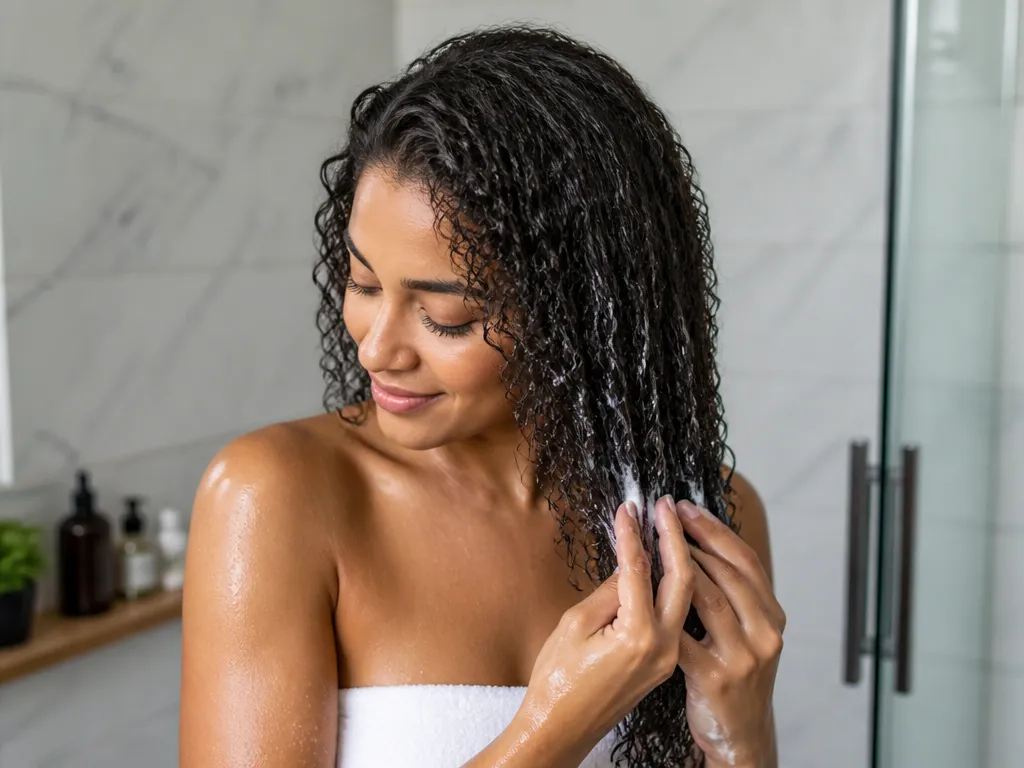
Many curly-haired individuals unknowingly damage their curls through improper conditioning techniques. These common mistakes can lead to limp, frizzy, or overly dry hair that fails to showcase its natural pattern.
Applying Conditioner To The Scalp
Scalp-focused products should be selected separately because conditioner is formulated to coat the hair shaft rather than cleanse or nourish the scalp.
Rinsing Too Aggressively
Rinsing conditioner too forcefully disrupts the delicate curl pattern and removes essential moisture. Curls thrive when gently handled, especially during the rinsing process.
Neglecting Protein-moisture Balance
Curly hair requires both moisture and protein for optimal health, yet many people focus on one while neglecting the other. This imbalance leads to either overly soft or overly brittle curls.
| Signs of Moisture-Deficient Hair | Signs of Protein-Overloaded Hair |
|---|---|
| Excessive frizz | Hard, straw-like texture |
| Dull appearance | Brittleness and breakage |
| High porosity | Reduced elasticity |
Assess your hair’s needs every 4-6 weeks and adjust your conditioning routine accordingly. A balanced approach incorporates both moisturizing ingredients like glycerin and panthenol with strengthening proteins like keratin and wheat amino acids.
Conditioner Vs. Masks Vs. Leave-ins
Rinse-out conditioners, masks, and leave-ins differ by their molecular weight and how they interact with the hair shaft. Rinse-out options mainly smooth the cuticle, masks provide more intensive conditioning, and leave-ins create a protective layer.
| Product | Frequency | Primary Goal | Key Ingredient |
|---|---|---|---|
| Rinse-out | Every wash | Slip & Detangling | Behentrimonium Methosulfate |
| Mask | Weekly | Deep Repair | Hydrolyzed Protein |
| Leave-in | Post-wash | Frizz Control | Glycerin |
Daily Rinse-out Conditioners
Rinse-out conditioners provide immediate “slip” to help fingers or combs glide through curls without breakage. They work by neutralizing the negative charge of the hair and smoothing the outer cuticle layer.
For example, a budget option like Maui Moisture works for basic hydration. A higher-end choice like Briogeo often has more concentrated botanicals for specific curl types.
Weekly Deep Conditioning Masks
Deep conditioning masks have higher concentrations of conditioning agents and are best used once a week to treat chronic dryness or damage from heat tools.
Look for hydrolyzed keratin if your curls lack bounce. Choose shea butter or avocado oil for intense moisture. Perform a patch test on your skin if the mask contains high concentrations of essential oils.
Esthetician tip: Apply leave-in products to soaking wet hair to trap the most water inside the curl.
Post-wash Leave-in Treatments
Leave-in treatments act as a barrier between the hair and the air to help prevent moisture loss. They are applied to damp hair to support hydration and reduce frizz throughout the day.
In practice, these should be applied in a specific order: cleanser → rinse-out conditioner → leave-in treatment → styling gel or mousse. This sequence ensures the hair is hydrated before it is “set” with a styling product.
Expert Tips For Better Curls
Conditioner makes curly hair more manageable by coating the outer cuticle so strands slide past each other, which reduces friction, frizz, and tangles. Conditioner also adds water-friendly conditioning agents and emollients that soften the hair, so your curl pattern holds shape longer and feels less rough.
Curly hair tends to tangle because the cuticle lifts easily and curls twist in ways that snag. When conditioner is rinsed with enough slip, you detangle with less pulling, which can mean fewer breakage points along the bendy areas of the hair shaft.
Squish To Condish For Definition That Lasts
Squish to condish is a simple method: apply conditioner to soaking wet hair, then compress curls to encourage clumping. Start with a detangle stage, then “squish” only after the conditioner has evenly distributed through each section.
Pro tip: If curls look stringy after rinsing, you are probably under-applying conditioner or rinsing too long in a way that strips slip. If curls feel mushy, you may be over-applying or using a heavy formula that coats too thickly.
Cool water helps shine because it encourages the cuticle to lie flatter, which makes curls reflect more light and feel smoother. Warm water is fine for cleansing, but a quick cool rinse at the end is a low-effort way to boost gloss and reduce flyaways.
Sulfate-free shampoos are the best pairing because they clean more gently, leaving behind a bit less of the stripped feel that can lead to dryness. This matters most for dry, color-treated, or coarse curls, since harsh cleansing can make conditioner rinse off too quickly or cause frizz to return faster.
| Routine choice | Key ingredient to look for | Best for | What you should notice |
|---|---|---|---|
| Conditioner | Emollients (like oils or fatty alcohols) plus hydrators (like glycerin) | All curl types, especially dry 2C to 4C | More slip, less tangling, better clumping |
| Sulfate-free shampoo | Gentle surfactants (avoid harsh sulfates) | Oily to normal scalps who still get frizz | Conditioner rinses smoother, curls stay soft longer |
Conditioner formula choice is where curls succeed or struggle. For fine 2A to 2C hair, go lighter on butters and heavy oils, and focus on humectants (like glycerin) for softness without flattening, while thick 3A to 4C hair often needs richer emollients for slip and detangling comfort.
Morning vs night depends on how you style, not on the conditioner itself. Use the conditioner in your wash day routine (timed with shampoo), then style right after the cool rinse for best curl clumps; rewetting later with a light water-based leave-in can refresh definition without starting over.
Quick Summary
Conditioner reduces friction between strands and helps prevent the frizz common in curly hair types. Ingredients like dimethicone create a lightweight film, while quaternary ammonium compounds help neutralize static electricity.
Different porosity levels require specific approaches, such as using heat for low porosity hair or heavy emollients for high porosity hair. Ingredients like glycerin, panthenol, and shea butter provide hydration and improve elasticity. The most important takeaway is to match the formula and frequency to your hair’s response.
| Porosity Type | Recommended Approach |
|---|---|
| Low Porosity | Use heat and lightweight humectants like glycerin |
| Medium Porosity | Maintain consistent moisture and occasional protein |
| High Porosity | Use heavy emollients, oils, and butters |
Frequently Asked Questions
What Is The Difference Between A Regular Conditioner And A Leave-in Conditioner For Curls?
Regular conditioner is rinsed out after a few minutes, while leave-ins stay on to provide continuous moisture. Use leave-in conditioners to lock in hydration and reduce frizz throughout the day.
Do I Really Need To Use A Deep Conditioner Every Week?
Not everyone needs it weekly, but most curly hair types benefit from a deep treatment once every 7 to 14 days. This helps restore lipids that curly strands lose more easily than straight hair.
What Is The Correct Order To Apply Conditioner And Curl Cream?
Apply your rinse-out conditioner first, then apply leave-in products to soaking wet hair. This ensures the product seals in the maximum amount of water for better curl definition.
Is Expensive Salon Conditioner Worth It Compared To Drugstore Brands?
Drugstore brands are often great for basic moisture, but salon versions usually have higher concentrations of active proteins and fewer harsh fillers. If you have severe damage, the professional version is usually worth the investment.
Can I Use Conditioner On My Scalp If I Have Acne-prone Skin?
For acne-prone skin, choose lightweight formulas and keep conditioner away from areas that break out easily. Heavy products may clog pores and trigger breakouts along your hairline.

- 10 Best Hair Oil For Overnight Treatment Buyer Guide 2026 - October 26, 2026
- 10 Best Hair Oil For One Year Old Baby Buyer Guide 2026 - October 26, 2026
- 10 Best Hair Oil For Oily Skin Buyer Guide 2026 - October 26, 2026

2 Comments