What Does Deep Conditioning Do To Your Hair?
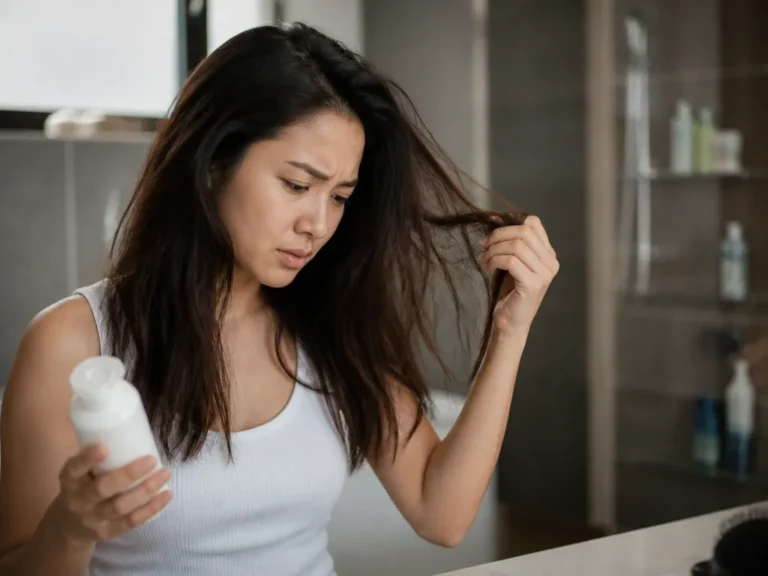
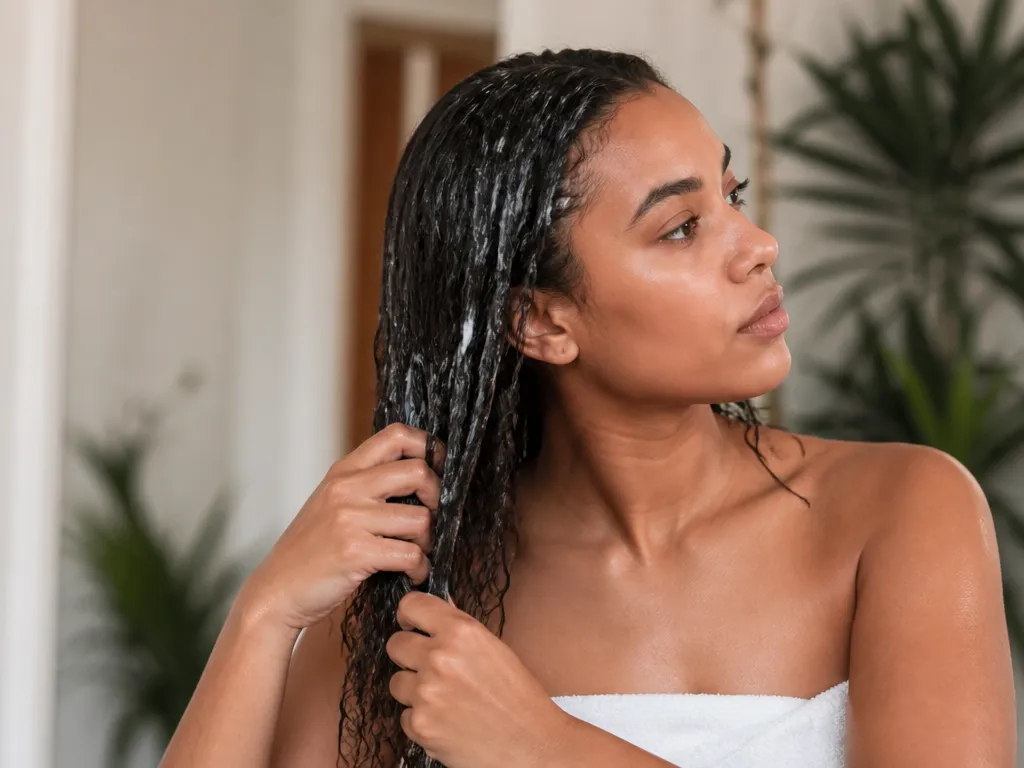
Deep conditioning can transform dry, brittle hair into something soft and manageable, but only when used correctly. If your strands feel rough, tangle easily, or lack shine, you’re probably not getting enough moisture beyond your regular wash routine. Unlike regular conditioner, deep treatments provide more intensive conditioning to restore elasticity and smooth the cuticle, giving you that salon-quality result at home without the salon price tag.
Deep conditioning infuses hair with moisture and proteins, reducing frizz and increasing elasticity by up to 30%. These treatments coat each strand with humectants like glycerin and ceramides, smoothing the cuticle and creating a protective barrier that lasts through multiple washes.
What Does Deep Conditioning Do To Your Hair?
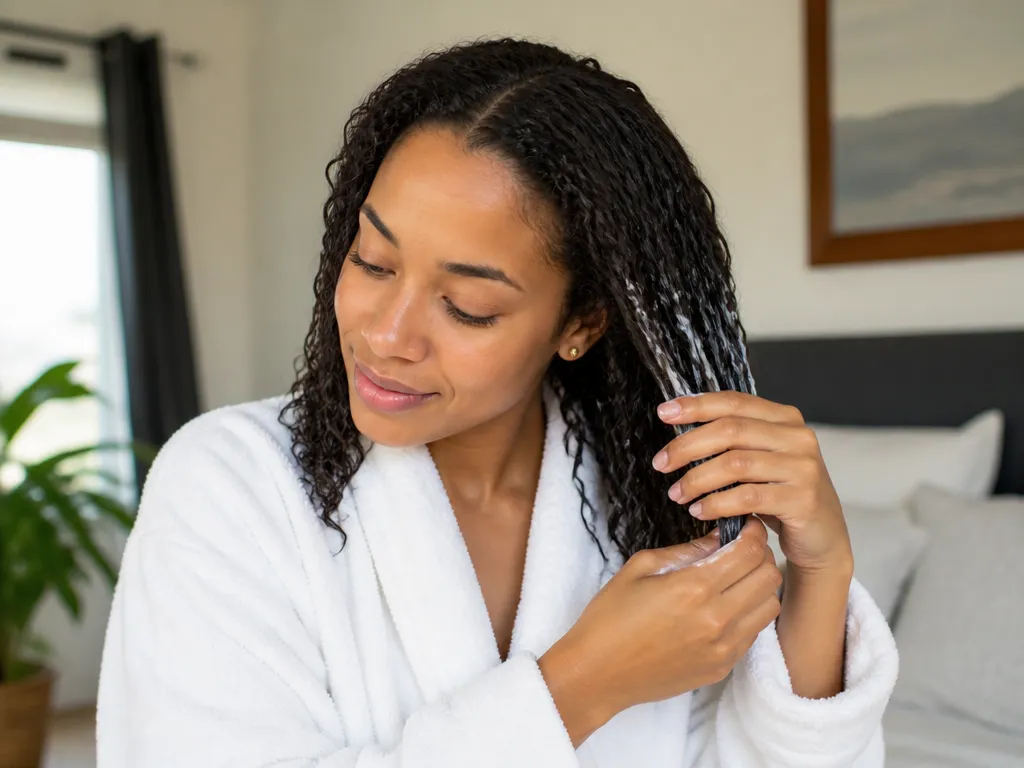
Deep conditioning treatments deliver intensive moisture and nutrients to the hair shaft by using concentrated formulas that condition beyond the surface. While standard conditioners primarily coat the surface to provide immediate slip, these formulas aim to replenish the internal moisture levels of the hair fiber. This process helps restore elasticity and reduces the brittleness caused by environmental stressors or chemical processing.
Regular conditioners work on the outermost layer of the hair to smooth the cuticle and prevent tangling during washing. Deep conditioners use ingredients like hydrolyzed proteins, shea butter, or glycerin to provide more intensive conditioning. You can think of a standard conditioner as a daily moisturizer and a deep treatment as an intensive mask.
Intense Hydration Vs. Surface Smoothing
Surface smoothing addresses the immediate visual appearance of frizz and roughness by smoothing the hair cuticle. This is a temporary fix that makes hair look shiny and feel soft for a short period. Deep hydration, however, works to improve the structural feel of the hair over time by increasing its water content.
For example, if your hair feels “crunchy” or snaps easily when pulled, you likely need the internal structural support of a protein-rich deep conditioner. If your hair simply looks dull and reacts to humidity, a moisturizing mask focusing on fatty acids might be more effective.
| Feature | Standard Conditioner | Deep Conditioning Mask |
|---|---|---|
| Primary Goal | Surface smoothing and detangling | Internal moisture and structural repair |
| Molecular Size | Larger (stays on the cuticle) | Smaller (penetrates the cortex) |
| Frequency | Every wash | Once a week or bi-weekly |
| Best For | Daily maintenance | Damaged, dry, or chemically treated hair |
Realistic Expectations And Timelines
Hair repair is a gradual process rather than an instant fix for permanent damage. A single treatment can significantly improve manageability and softness, but true structural improvement requires consistency. You should expect to see a noticeable difference in texture and shine after 4 to 6 weeks of regular, scheduled use.
Professional tip: Do not overdo protein treatments. Too much protein without enough moisture can actually make hair feel stiff and lead to breakage. Always balance protein masks with hydrating treatments.
In practice, the frequency of use depends on your hair’s current health. If you have highly porous or bleached hair, you may need a treatment every week. For hair that is healthy and low-porosity, once every two weeks is usually sufficient to avoid heavy buildup.
Identify Your Hair Porosity
Hair porosity is how easily your strands take in and lose water. It changes how fast moisture-based deep conditioners condition the hair, and how quickly your hair feels dry again.
Low porosity hair resists water uptake, medium porosity hair absorbs and holds moisture fairly well, and high porosity hair soaks in fast but loses moisture just as quickly. Your results with deep conditioning will mirror that behavior.
For example, two people can both use the same deep conditioner, but a low-porosity head may only feel surface slickness, while high-porosity hair may feel moisturized during the session, then revert the next wash. That is why porosity guides how you apply, not just what you buy.
| Porosity Type | What You’ll Notice in the Bowl | What You’ll Notice After Rinse | Best Deep Conditioning Approach |
|---|---|---|---|
| Low | Water beads or sits on the strand | Softness improves slowly, may feel product-heavy | Warmth, longer processing time, focus on thorough saturation |
| Medium | Water spreads evenly | Softness, detangling, reduced frizz | Standard deep conditioning frequency and application time |
| High | Water soaks in quickly | Moist feel fades fast, may still tangle | Moisture-locking layers, gentle detangling, quicker routine consistency |
High porosity and low porosity can both look “dry,” but the fix differs. High porosity needs more help staying hydrated between washes, while low porosity needs better access so moisture can actually enter the strand.
Trichology-style at-home check: after showering, pay attention to how long it takes your hair to fully feel wet. Slow saturation suggests low porosity, fast saturation followed by quick drying suggests high porosity.
Key Ingredients For Hair Repair
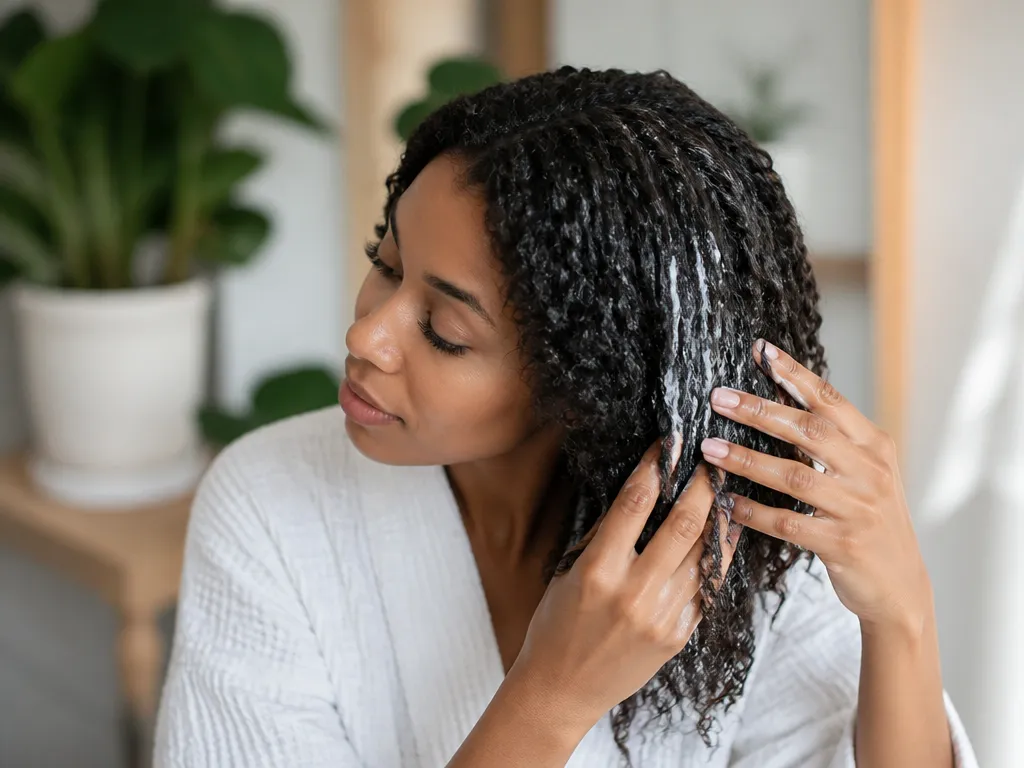
Humectants like glycerin and panthenol (pro-vitamin B5) pull moisture into the hair and help it feel softer while reducing roughness that creates frizz. Proteins like hydrolyzed keratin and hydrolyzed silk fill in weakened spots in the cuticle and strengthen strands so they feel more resilient. Emollients and oils like cetearyl alcohol, dimethicone, argan oil, and olive oil coat the outside so hair looks smoother and tangles less.
Deep-conditioning results depend on hair porosity and texture, but ingredient placement tells you what to expect. Deep conditioners work fastest when they combine moisture binders (humectants and panthenol) with slip (fatty alcohols, silicones, and some oils) and a repair layer (hydrolyzed proteins) that helps reduce snagging. For oily to combination scalps, prioritize formulas that rinse clean and feel lightweight, since heavy oils can weigh roots down.
| Item | Amount/Specification | Notes |
|---|---|---|
| Glycerin | Commonly mid-percentage in leave-on products; often lower in rinse-outs | Best for dryness and frizz, especially when paired with a softening agent that seals the cuticle. |
| Panthenol (Pro-vitamin B5) | Often appears as “Panthenol” or “Panthenyl” fraction | Improves slip and moisture retention, great for hair that feels dry but not necessarily protein-starved. |
| Hydrolyzed keratin | Look for it high enough in the INCI list to be meaningfully present | Helps strengthen and temporarily smooth damaged areas, ideal for heat or color stress. |
| Hydrolyzed silk or wheat protein | Look for hydrolyzed forms, not whole proteins | Supports softness while adding structure, a good option if keratin alone makes hair feel stiff. |
| Emollients (cetearyl alcohol, cetyl alcohol) | Often appear as fatty alcohols in conditioners | Increases softness and detangling, key for coarse or curly hair that tangles easily. |
| Silicone slip (dimethicone, amodimethicone) | Presence in mid-to-lower INCI list is still helpful | Visibly smooths cuticles and reduces frizz; use a clarifying shampoo occasionally if buildup bothers you. |
| Natural oils (argan, olive, coconut) | Varies widely by formula | Most helpful for surface conditioning and shine. Thick oils can feel heavy on fine hair. |
“Ingredient spellcheck” tip: prioritize panthenol/glycerin for softness and hydrolyzed proteins only when your hair feels weak or snaps, then add emollients/silicones for the smooth feel you can notice immediately.
Deep Conditioning Step-by-step Routine
Deep conditioning adds extra water and fatty slip to dry hair fibers, which reduces tangles and makes hair feel smoother. Deep conditioner formulas also coat the cuticle more heavily than regular conditioner, so hair looks shinier while frizz drops temporarily.
Timing and frequency that usually works: use a deep conditioner 1x per week if hair is very dry, color-treated, or frequently heat-styled. Use every 2 weeks for normal to slightly dry hair, and every 4 to 6 weeks if your hair gets flat easily.
Dermatologist-adjacent esthetic tip: apply heat briefly and consistently, the goal is even coverage, not burning the hair (comfort is the limit).
| Hair Type / Concern | Clarifying Step | Heat Time | Rinse Goal |
|---|---|---|---|
| Oily scalp, fine strands | Optional, every 2-4 weeks | 10 minutes | Minimal surface slip |
| Curly, coily, frizz-prone | As needed, when dull | 15-20 minutes | Soft movement, no residue |
| Color-treated, heat-styled | Skip unless buildup is obvious | 10-15 minutes | Glossy ends with clean roots |
Morning vs evening timing (for hair prep): deep conditioning is easiest to do at night when you can towel-dry and let hair settle before styling. If you deep condition in the morning, plan extra time for a thorough rinse and dry, so your hair does not feel damp or heavy.
Mistakes That Cause Limp Hair
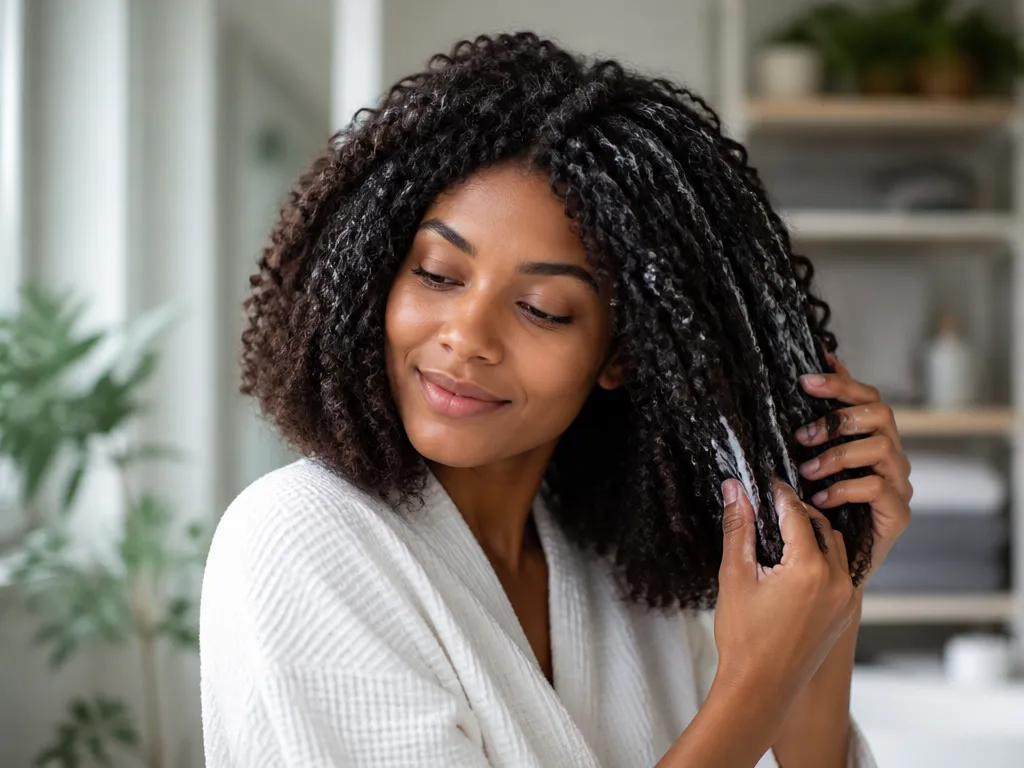
Over-application of heavy moisture treatments can weigh down the hair shaft and strip away natural volume. This weight occurs when the hair cuticle is saturated with more lipids and oils than it can effectively absorb, leaving a greasy residue that makes hair look flat and lifeless.
Common Application Errors
Applying treatment directly to the scalp is a frequent mistake that leads to oily roots and a lack of lift. Scalp oils are sufficient for the skin, and adding heavy conditioning agents there can clog pores or cause buildup.
Focusing product only on the mid-lengths and ends ensures the most damaged areas receive the necessary nutrients.
For example, if you have fine hair, you should keep the product at least two inches away from your roots to maintain body.
Pro tip: Always rinse with cool water to help smooth the hair cuticle after a deep treatment. This helps rinse away lingering product and prevent a heavy, limp feeling.
Frequency And Product Buildup
Using intensive masks every single day can actually damage the hair structure rather than help it. Most hair types benefit from a deep treatment once a week or once every two weeks, depending on your level of damage.
Excessive use of heavy silicones like dimethicone can lead to buildup that is difficult to remove with standard shampoo. This buildup creates a barrier that prevents future moisture from conditioning the hair shaft.
| Hair Type | Recommended Frequency | Primary Risk |
| Fine/Thin | Every 2 weeks | Immediate loss of volume |
| Thick/Coarse | Once a week | Dryness if under-treated |
| Color-Treated | Once a week | Color fading if over-washed |
In practice, if your hair feels “mushy” when wet, you likely have too much moisture. If it feels brittle and snaps easily, you may have used too many protein-heavy treatments and need to balance it with hydration.
Drugstore Vs. Professional Masks
Drugstore deep conditioners typically contain humectants like glycerin and panthenol at lower concentrations, offering temporary moisture that conditions the hair shaft. Professional salon masks often feature higher concentrations of proteins, keratin, and penetrating oils intended to address more intensive damage.
Budget-friendly Drugstore Options
Drugstore deep conditioners work best for routine maintenance and light damage repair, especially for normal to fine hair types. Look for products containing hydrolyzed proteins at 1-3% concentration and silicones like dimethicone that create temporary smoothness.
High-end Salon Investment Pieces
Salon-grade masks can deliver more intensive conditioning with advanced formulas that address serious damage. These products often use delivery systems intended to help active ingredients condition damaged areas of the hair.
| Product | Price | Key Ingredients | Best For |
|---|---|---|---|
| Olaplex No. 3 Hair Perfector | $28 | Bis-Aminomethyl Diethanolamine | Chemically damaged hair |
| Kérastase Discipline Masque Fluidealiste | $48 | Cationic Polymers, Amino Acids | Fine, frizzy hair |
| Redken Acidic Bonding Concentrate Masque | $40 | Ceramide, Citric Acid | Color-treated, damaged hair |
Simple Diy Moisture Boosts
For those seeking natural alternatives, homemade deep conditioners can provide temporary moisture and shine using common kitchen ingredients. These treatments work best on hair that isn’t severely damaged and should be used as supplements rather than replacements for commercial products.
“DIY masks can add shine and temporary moisture, but they lack the scientifically formulated penetration technology of professional treatments. Use them for weekly maintenance, not serious damage repair.” – Trichologist Dr. Lisa Marie
Expert Tips For Lasting Softness
Rinsing with cool water helps smooth the hair cuticle after a treatment. This process can reduce frizz and increase natural shine. Warm water keeps the cuticle more open during washing, but a cooler rinse can leave hair feeling smoother.
Maintenance Strategies
Protective styling and leave-in products prevent moisture from evaporating throughout the day. Using a lightweight leave-in conditioner or a hair oil containing argan oil or jojoba oil creates a barrier against environmental stressors. This is especially helpful for those with high-porosity hair or color-treated strands that lose moisture quickly.
Scheduling your treatments depends entirely on your current hair health and texture. Over-conditioning can lead to limp, greasy hair, while under-conditioning leaves strands brittle.
| Hair Condition | Frequency | Recommended Focus |
|---|---|---|
| Chemically Treated / Bleached | 1 – 2 times per week | Protein and intense moisture |
| Dry / Frizzy / Curly | Once per week | Emollients and heavy oils |
| Fine / Healthy | Once every 2 weeks | Lightweight hydration |
| Oily / Low Porosity | As needed | Scalp health and light moisture |
Leave-in products work best when applied to damp, towel-dried hair. This allows the product to distribute evenly before the hair dries.
For example, if you have thick, curly hair, look for a cream-based leave-in. If you have fine hair, a spray-on version is often better to avoid weighing the strands down.
Quick Summary
Deep conditioning provides intensive hydration and conditioning beyond regular conditioner, helping improve softness, manageability, elasticity, and shine. Ingredients like glycerin and ceramides help condition the hair and create a protective barrier, while proteins can support weakened strands. Regular conditioners primarily focus on surface smoothing and detangling, while deep treatments provide more intensive conditioning to combat brittleness caused by chemical processing or environmental stress.
For best results, apply treatments from the mid-lengths to the ends. Leave the product in for 5 to 20 minutes, and consider using heat for better coverage. You can expect to see improvements in texture and shine after 4 to 6 weeks of consistent use. Whether you have low, medium, or high porosity hair, choose a frequency and formula that prevent buildup and maintain balance.
| Feature | Standard Conditioner | Deep Conditioning Mask |
|---|---|---|
| Primary Goal | Surface smoothing and detangling | Internal moisture and structural repair |
| Molecular Size | Larger (stays on the cuticle) | Smaller (penetrates the cortex) |
| Frequency | Every wash | Once a week or bi-weekly |
| Best For | Daily maintenance | Damaged, dry, or chemically treated hair |
Frequently Asked Questions
How Long Does It Take To See Results From Deep Conditioning?
You will likely notice immediate improvements in softness and manageability after just one application, but long-term improvement takes consistent use over 4 to 6 weeks.
What Is The Difference Between A Regular Conditioner And A Deep Conditioner?
Regular conditioners primarily smooth the surface, while deep conditioners provide more intensive conditioning through concentrated formulas.
Can Deep Conditioning Cause Acne Or Breakouts On My Forehead?
Yes, if heavy oils or silicones from the product migrate to your skin, they can cause congestion. Always rinse your hair thoroughly with your head tilted forward to ensure no residue touches your face or hairline.
What Is The Correct Order To Apply Hair Products?
You should always shampoo first to cleanse the hair, followed by your deep conditioning treatment, and then finish with a light conditioner if your hair is extremely porous. Applying the mask to clean, towel-dried hair helps the ingredients distribute more effectively.
Is An Expensive Professional Hair Mask Worth It Over Drugstore Brands?
It depends on your hair needs, but professional masks may contain higher concentrations of active proteins and specialized conditioning ingredients. If you have chemically treated or highly damaged hair, a salon-grade formula may be worth considering.

- 10 Best Hair Oil For Overnight Treatment Buyer Guide 2026 - October 26, 2026
- 10 Best Hair Oil For One Year Old Baby Buyer Guide 2026 - October 26, 2026
- 10 Best Hair Oil For Oily Skin Buyer Guide 2026 - October 26, 2026