Can Leaving Conditioner In Your Hair Damage It?
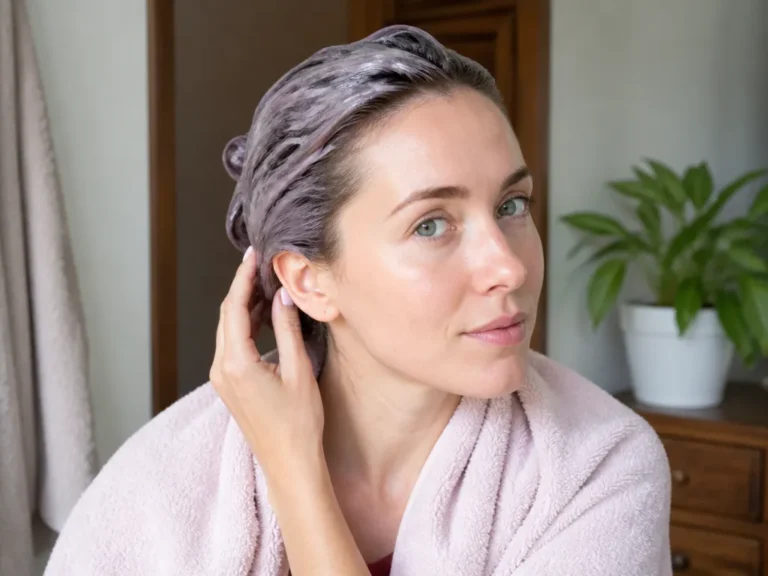
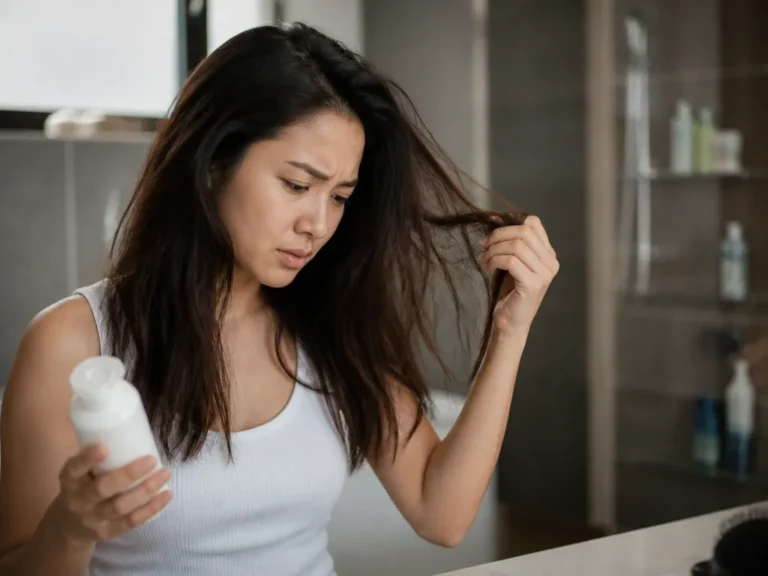
You have likely stood in the shower, staring at a bottle of conditioner and wondering if skipping the rinse step is a genius time-saver or a recipe for disaster. While the beauty industry loves to sell us specialized products for every single step of a routine, the truth about leaving rinse-out conditioner in your hair is often much simpler. It is not about a single miracle fix, but rather understanding how your specific hair texture interacts with heavy emollients over time.
Leaving rinse-out conditioner in your hair can cause damage by creating excessive product buildup, which leads to breakage, scalp irritation, and dullness. You should only use products formulated as leave-in conditioners or lightweight hair milks. If you use standard heavy conditioners, rinse them thoroughly within 5 minutes to maintain hair health.
Can Leaving Conditioner In Your Hair Damage It? The Truth?
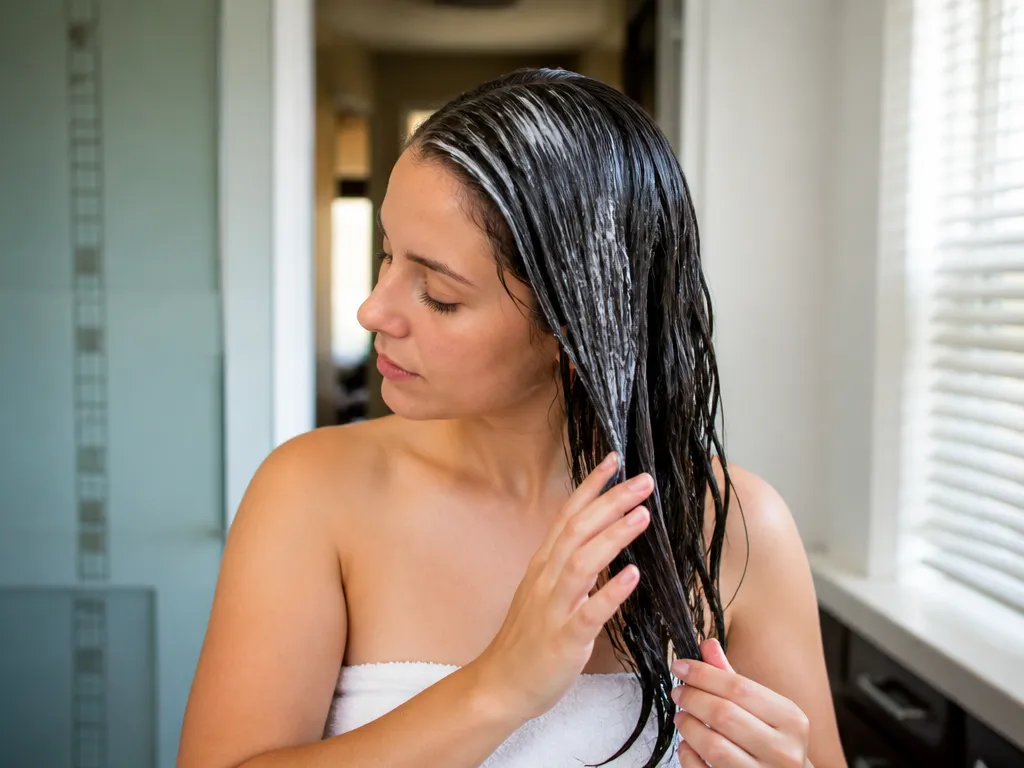
Rinse-out conditioner is formulated with surfactants and heavier conditioning agents that require removal to prevent scalp congestion and hair dullness. Leaving these specific products on the hair shaft for extended periods often leads to a sticky residue that attracts dirt and pollutants.
Product buildup occurs when emollients, silicones, or proteins accumulate on the cuticle without being properly washed away. This layer prevents moisture from entering the hair shaft, which causes dryness and breakage over time despite the intended hydrating effect.
Rinse-out Vs. Leave-in Formulations
Chemical differences between these two product categories dictate how they interact with your hair structure. Rinse-out formulas contain higher concentrations of cationic surfactants designed to neutralize charge during the wash cycle, whereas leave-in products utilize lighter humectants and oils that evaporate or absorb cleanly.
Ignoring the instructions on your bottle creates a cycle of irritation. When heavy conditioner sits on the scalp, it can disrupt the skin barrier, potentially leading to flaking or clogged pores. This is particularly problematic for those prone to seborrheic dermatitis or oily skin, as extra residue acts as a magnet for Malassezia yeast.
Beauty Editor Tip: If you accidentally leave rinse-out conditioner in your hair, use a clarifying shampoo during your next wash to reset the cuticle. Use these deep cleansers no more than twice a month to avoid stripping natural oils from your scalp.
Proper hair hygiene requires balancing hydration with scalp health. Always rinse until the water runs clear to ensure all surfactants are removed from the hair surface.
Identify Your Unique Hair Type
Hair porosity and strand thickness dictate how much product your hair can hold before it becomes weighed down or greasy. Fine, low-porosity hair often struggles to absorb moisture, meaning excess conditioner sits on the surface and creates a film that attracts dirt.
Fine And Low-porosity Hair
Fine strands lack the structural diameter of thick hair, making them highly susceptible to heavy, oil-based formulas. Low-porosity cuticles are tightly closed, preventing moisture from entering the shaft, which causes heavy products to accumulate quickly.
Expert tip: If your hair feels stiff or sticky after drying, you have likely used too much product or a formula that is too heavy for your texture.
Thick, Curly, And High-porosity Hair
Thick or curly hair often features a raised cuticle layer that allows moisture to escape rapidly, creating a constant need for hydration. These hair types thrive on richer, emollient-heavy leave-in conditioners that seal the shaft and provide weight to reduce frizz.
| Hair Need | Recommended Ingredient | Application Method |
|---|---|---|
| High Porosity | Shea Butter | Apply while hair is soaking wet |
| Thick/Curly | Argan Oil | Section hair for even distribution |
| Fine/Low Porosity | Glycerin | Mist lightly on damp hair |
In practice, curly hair requires a more generous application to maintain shape and manage dehydration. High-porosity strands can handle heavier emollients because the hair structure actively absorbs the moisture rather than letting it sit on the surface.
Monitor your hair for signs of product fatigue, such as excessive tangling or a dull, matte appearance. Consistency is the primary factor in finding the balance between hydration and cleanliness.
Essential Ingredients For Hair Health
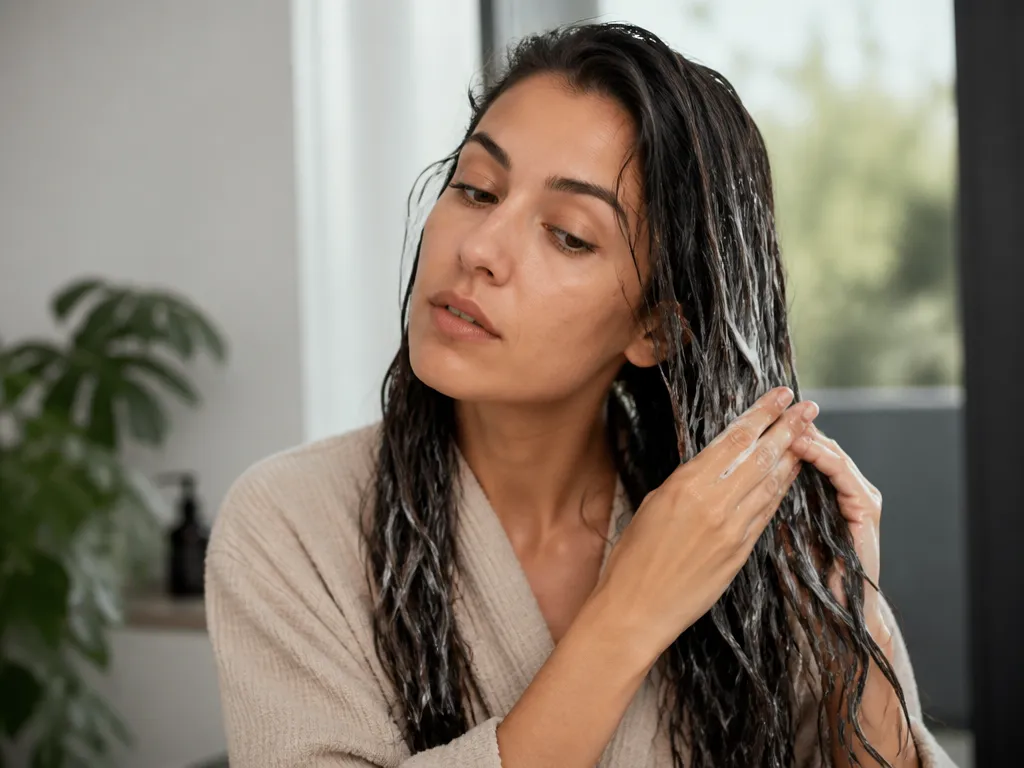
Humectants and lightweight oils maintain hair elasticity and moisture without a suffocating film. Heavy occlusives and non-soluble silicones often lead to product buildup, which prevents water from entering the hair shaft over time.
Hydrating Humectants And Lightweight Oils
Humectants like glycerin and hyaluronic acid attract water from the air into the hair shaft. These ingredients are ideal for fine hair or oily scalps because they provide hydration without adding weight. They keep the hair flexible and prevent snap breakage during brushing.
For instance, the use of a glycerin-based leave-in on low-porosity hair can be tricky in very dry climates. In these cases, the humectant may pull moisture out of the hair and into the air. A lightweight oil seal is necessary to lock that moisture in.
Argan oil and jojoba oil mimic natural sebum. These oils seal the cuticle and add shine to medium to coarse hair types. They are safe for leave-in use because they absorb quickly into the cortex.
Proteins And Occlusives
Hydrolyzed proteins, such as keratin or silk, fill gaps in the hair cuticle to increase strength. These ingredients work best for damaged or chemically treated hair. They help the hair retain its shape and elasticity.
Too much protein can make hair feel stiff or brittle. This is known as protein overload. It often happens when high-protein conditioners are left in for several days.
Correct Application And Usage Techniques
Proper application of conditioner prevents heavy, coated strands and potential scalp congestion. Focus the product exclusively on the mid-lengths to the ends, where hair is older and more prone to dryness.
Esthetician Tip: If you have a sensitive or oily scalp, apply a small amount of shampoo only to the roots, and use conditioner only on the bottom half of your hair. This dual-zone approach keeps the scalp clear while hydrating the fragile ends.
Product volume should scale with hair density rather than hair length alone. Fine hair requires lightweight formulas that rinse cleanly, while dense or porous hair can handle richer, oil-based conditioners without losing volume.
| Hair Type | Recommended Amount | Application Zone |
|---|---|---|
| Fine / Straight | Dime-sized | Ends only |
| Medium / Wavy | Nickel-sized | Mid-lengths to ends |
| Thick / Curly | Quarter-sized | Mid-lengths to ends |
Monitor your hair for signs of buildup, such as a dull appearance or hair that feels waxy despite being freshly washed. If you notice these symptoms, switch to a clarifying shampoo once every two weeks to remove residual ingredients.
Common Mistakes Creating Hair Damage
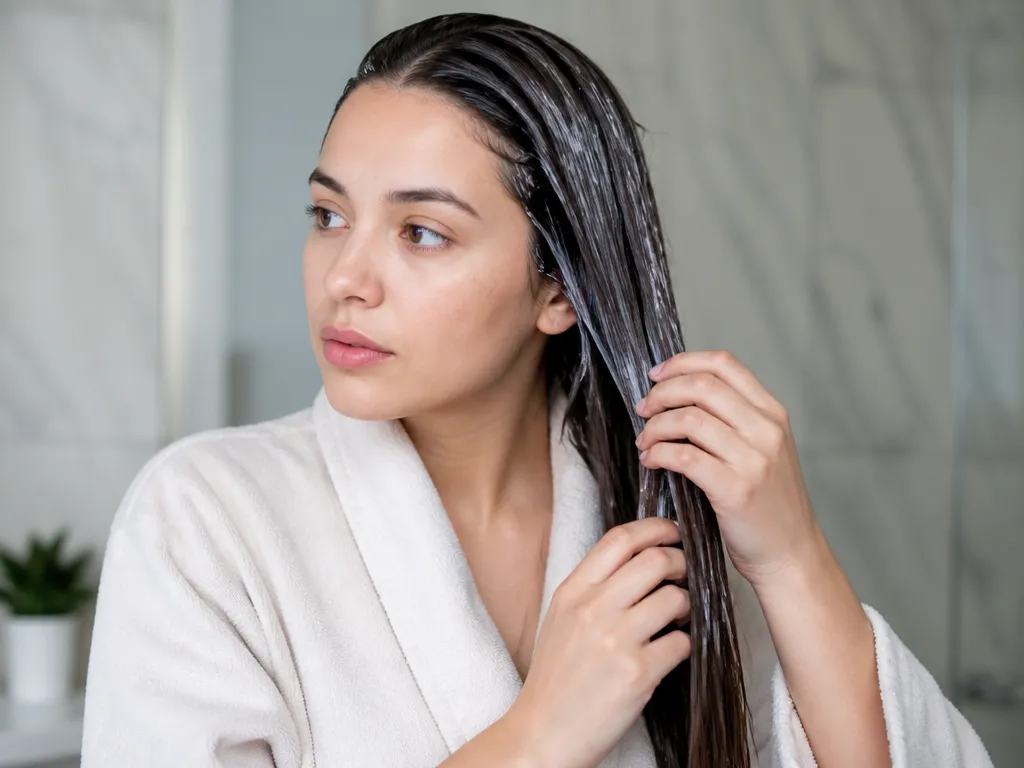
Applying traditional rinse-out conditioners to the scalp clogs hair follicles and creates a breeding ground for yeast and bacteria. This practice leads to irritation, flaking, and potential hair thinning over time because the skin on the scalp requires a different balance of pH and moisture than the hair shaft.
Most standard conditioners contain heavy silicones, waxes, and emollients designed to coat the cuticle for shine. When these ingredients settle on the scalp, they trap sebum and dead skin cells, which interferes with healthy hair growth cycles.
The Necessity Of A Clarifying Schedule
Product buildup is a common culprit for hair that feels dull, heavy, or impossible to style. Even with proper application, trace amounts of conditioning agents remain on the hair and scalp, eventually forming a barrier that prevents moisture from penetrating the strand.
| Hair Type | Clarifying Frequency |
|---|---|
| Fine or Oily | Once every 7 to 10 days |
| Normal or Balanced | Every 2 weeks |
| Curly or Dry | Once a month |
Esthetician Tip: If you notice your hair feels coated or waxy immediately after drying, you likely need a clarifying session to reset your scalp and cuticle health.
Clarifying shampoos use stronger surfactants to remove mineral deposits and heavy polymers. Use these products as a targeted treatment rather than a daily cleanser to avoid stripping the hair of essential natural oils.
For individuals with color-treated or chemically processed hair, choose clarifying formulas labeled as color-safe. These contain chelating agents that bond to impurities without lifting the hair dye or causing excessive dryness.
Recommended Products By Hair Need
Selecting the right conditioning product requires matching the formula weight to your hair density and porosity. Fine hair often suffers from heavy silicones, while curly or dry hair requires richer humectants to maintain elasticity and shine.
Fine And Color-treated Hair
Fine hair needs lightweight detanglers that provide slip without sacrificing volume. Color-treated strands benefit from acidic pH balances to seal the cuticle and prevent pigment fade.
Dry And Curly Textures
Dry and curly hair types demand intense moisture and occlusives to lock in hydration. Look for ingredients like shea butter, glycerin, and fatty alcohols that smooth the hair shaft.
| Product | Category | Key Ingredient |
|---|---|---|
| Oribe Moisture & Control | Splurge | Amino Acid Complex |
| SheaMoisture Manuka Honey | Drugstore | Manuka Honey |
| Briogeo Don’t Despair, Repair! | Treatment | B-Vitamins |
Expert tip: Apply your conditioner only from the mid-lengths to the ends. Applying product directly to the scalp can lead to clogged follicles and unnecessary oily buildup.
Frequency matters when managing product residue. If you use heavy styling creams or leave-in conditioners daily, incorporate a clarifying shampoo once a week to reset your hair and scalp health.
Expert Tips For Lasting Results
Excessive product accumulation on the hair shaft prevents moisture from penetrating the cuticle, leading to brittleness and breakage over time. Proper hair health relies on balancing hydration with regular cleansing to ensure the scalp and strands remain clear of heavy residues.
Building A Balanced Routine
Layering products requires a strategic approach to maintain hair integrity without creating a heavy coating. Start by applying water-based leave-in treatments on damp hair, as these absorb better than oil-based formulas when the hair is hydrated.
Expert tip: Apply products from thinnest to thickest consistency to ensure proper absorption and avoid excessive buildup.
Signs Your Hair Needs A Detox
Hair buildup manifests as a dull, waxy appearance that resists styling and feels tacky to the touch. If your strands feel heavy or seem limp despite regular washing, your current routine likely includes too many film-forming ingredients like heavy silicones or waxes.
Incorporate a clarifying shampoo into your routine once every two to four weeks to remove stubborn mineral deposits and styling products. Use a deep conditioning mask immediately following a clarifying treatment to restore moisture, as stripping the hair can leave it temporarily parched. Always perform a patch test if you try a new clarifying formula to ensure it does not cause scalp sensitivity or dryness.
Quick Summary
Standard conditioners contain cationic surfactants and heavy waxes, so they should be rinsed within 5 minutes. Products specifically labeled as leave-in conditioners or lightweight hair milks are designed to remain in the hair.
Fine, low-porosity hair should prioritize water-based sprays, while thick or curly hair types benefit from richer emollients. The most important step is to rinse standard conditioners until the water runs clear.
| Hair Type | Recommended Formula | Clarifying Frequency |
|---|---|---|
| Fine / Low-Porosity | Water-based sprays | Every 14 days |
| Thick / Curly | Rich emollient creams | As needed / Monthly |
Beauty Routine Cheat Sheet
Top 3 Ingredients to Prioritize: Panthenol, Aloe Vera, and water-based humectants.
STOP Doing This Immediately: Leaving rinse-out conditioner in your hair to save time.
Expected Timeline for Results: Immediate reduction in waxy residue and improved volume within 2 to 4 weeks of proper clarifying.
Frequently Asked Questions
Can Leaving Regular Conditioner In My Hair All Day Cause Damage?
Yes, because of a process called hygral fatigue, where the hair cuticle constantly swells and shrinks from moisture. You should rinse regular conditioner out after 3 to 5 minutes to avoid weakening the hair shaft.
What Is The Difference Between Rinse-out And Leave-in Conditioners?
Rinse-out products are much heavier and meant to be washed away, while leave-ins use lighter ingredients for daily protection. Using a heavy rinse-out product as a leave-in can result in greasy, limp hair.
Can Conditioner Cause Acne Or Scalp Irritation?
Yes, if the product touches your skin, it can clog pores and cause scalp acne or breakouts along the hairline. To prevent this, only apply conditioner from the mid-lengths down to the ends.
What Is The Correct Order To Apply Hair Products?
You should apply shampoo first to clean the scalp, followed by rinse-out conditioner on the ends, and finally a leave-in conditioner on damp hair. This sequence ensures your hair is clean, hydrated, and sealed against frizz.
Is An Expensive Leave-in Conditioner Worth It?
It depends on your hair type, but luxury brands often use smaller molecular weights that penetrate the hair shaft better. For fine hair, a lightweight drugstore option is often better to prevent heavy buildup.

- Pre-Poo Treatments for Low Porosity Hair: 7 Essential Steps - September 20, 2026
- What To Avoid After Prp Hair Treatment? - August 28, 2026
- What Is The Malibu Treatment For Hair? - August 27, 2026